MENU
Close





Across the lagoon from San Marco, Hotel Cipriani turns Venice into something softer, greener, and far more cinematic: part grand dame, part luxury resort, part floating salon for art, beauty, and appetite. In a city built on spectacle, it offers a rarer pleasure, la dolce vita with breathing room.
Across the lagoon from San Marco, Hotel Cipriani turns Venice into something softer, greener, and far more cinematic: part grand dame, part luxury resort, part floating salon for art, beauty, and appetite. In a city built on spectacle, it offers a rarer pleasure, la dolce vita with breathing room.
March 16, 2026


There are hotels that give you a room in Venice, and there are hotels that give you a whole idea of Venice. Hotel Cipriani belongs to the second category. Opened in 1958 on Giudecca Island as a retreat from the crush of the historic center, it still begins with one of luxury’s greatest gestures: a private boat crossing the lagoon, St. Mark’s glimmering in the distance, the city arriving as theater. The effect feels almost musical, as though the water itself were humming “nel blu, dipinto di blu.” That sense of cinematic arrival helps explain why Hotel Cipriani still ranks in any serious conversation about the best luxury hotels in Italy.
Hotel Cipriani offers more than a room in Venice; it offers a whole vision of the city. Opened in 1958 on Giudecca Island as a glamorous retreat from the historic center, it still begins with one of luxury’s finest rituals: a private boat crossing the lagoon, St. Mark’s shimmering in the distance, Venice unfolding like theater. The arrival feels cinematic and instantly explains why Hotel Cipriani remains one of the best luxury hotels in Italy.
That entrance is part of the hotel’s enduring power. Luxury begins before the suite, before the Bellini, before the first glimpse of the gardens. For guests arriving after the Venice Simplon-Orient-Express, the effect feels even more persuasive: lacquered wood, brass shine, then lagoon light. The sequence is old-fashioned, theatrical, and beautifully timed.
Hotel Cipriani still carries the glamour of the Dolce Vita era, yet it moves easily in the present. Stars, aristocrats, artists, and social legends have all passed through, though its greater achievement is atmosphere. It turns Venetian fantasy into something lived, giving the city both frame and distance, so Venice glows more intensely from here.
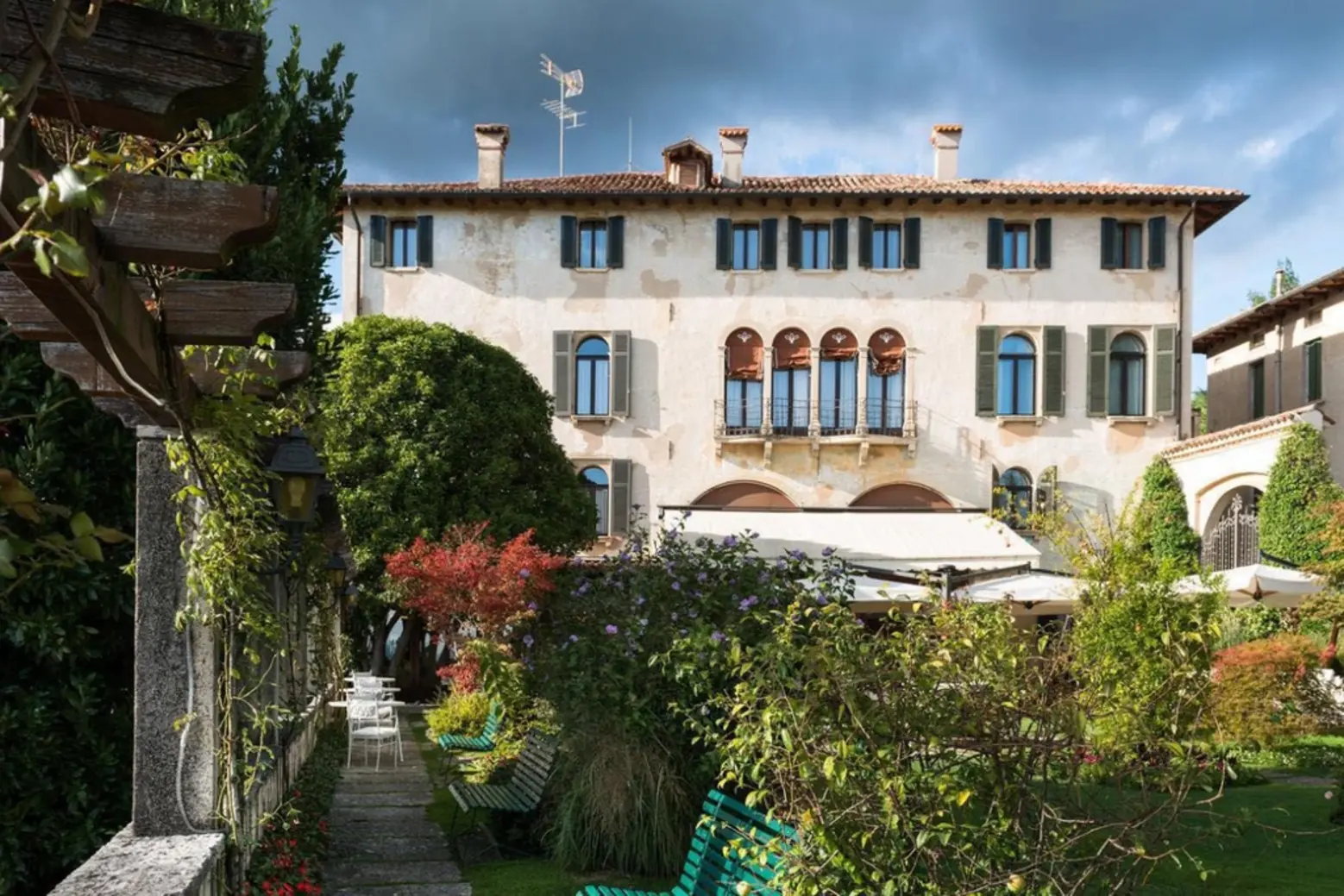
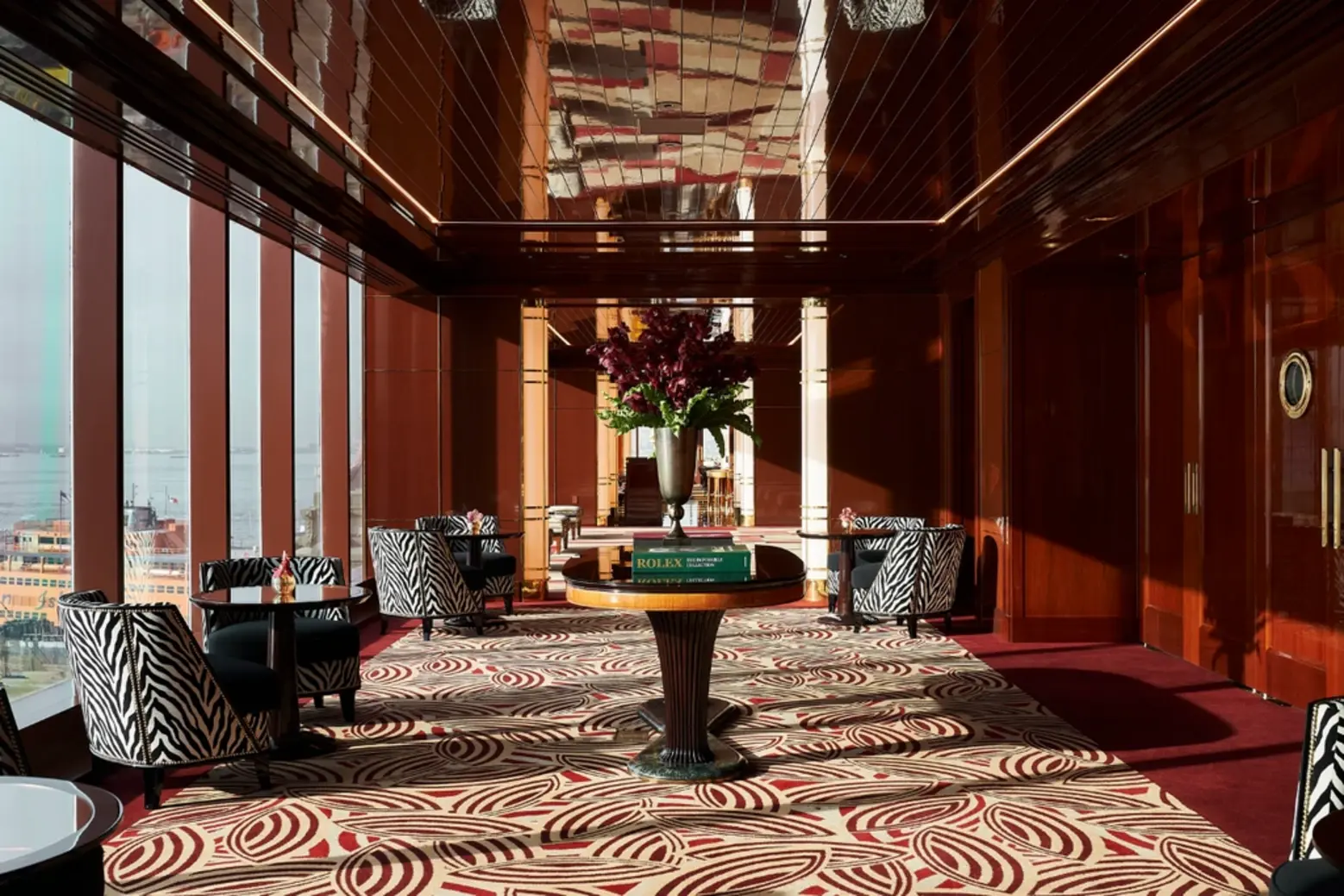
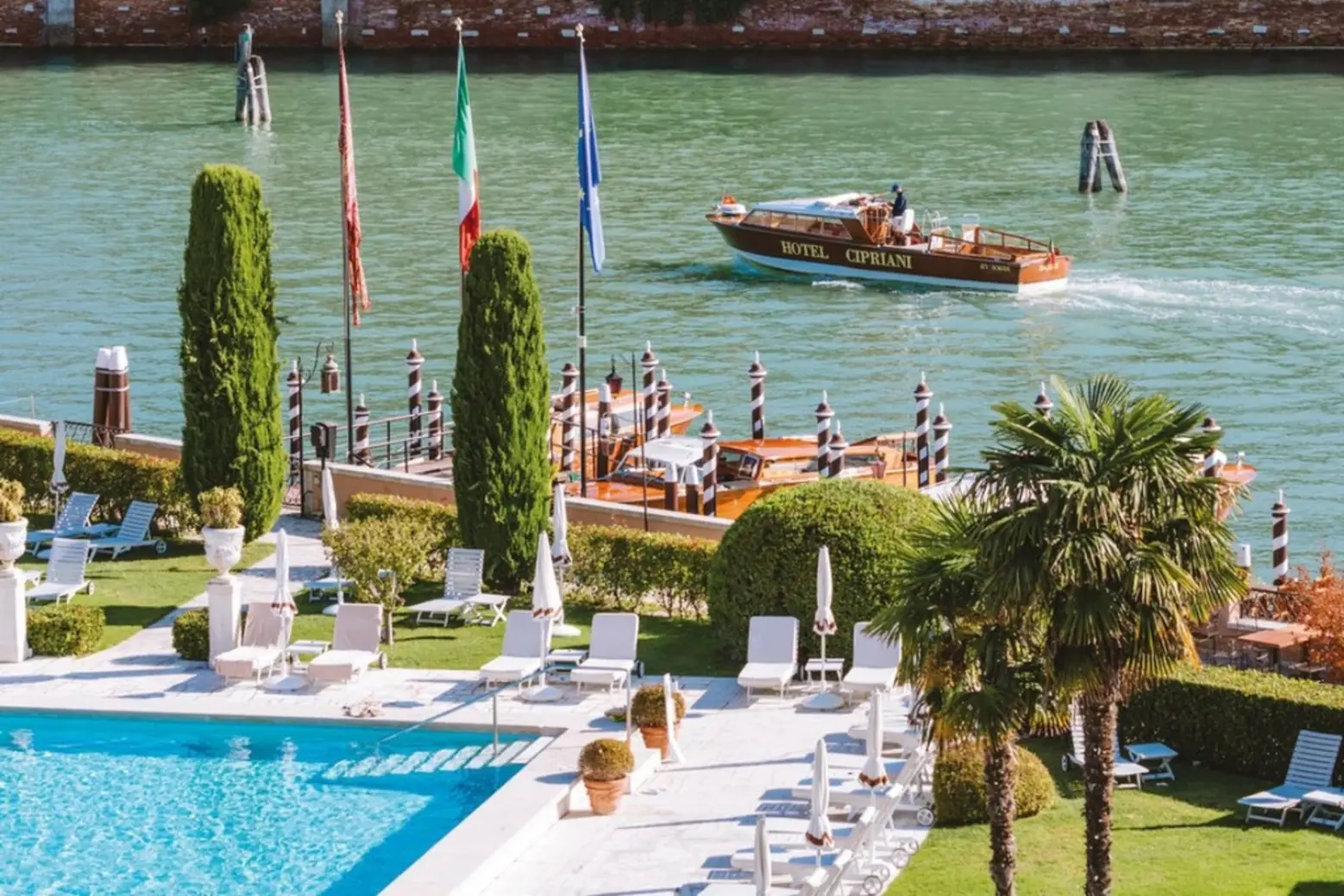
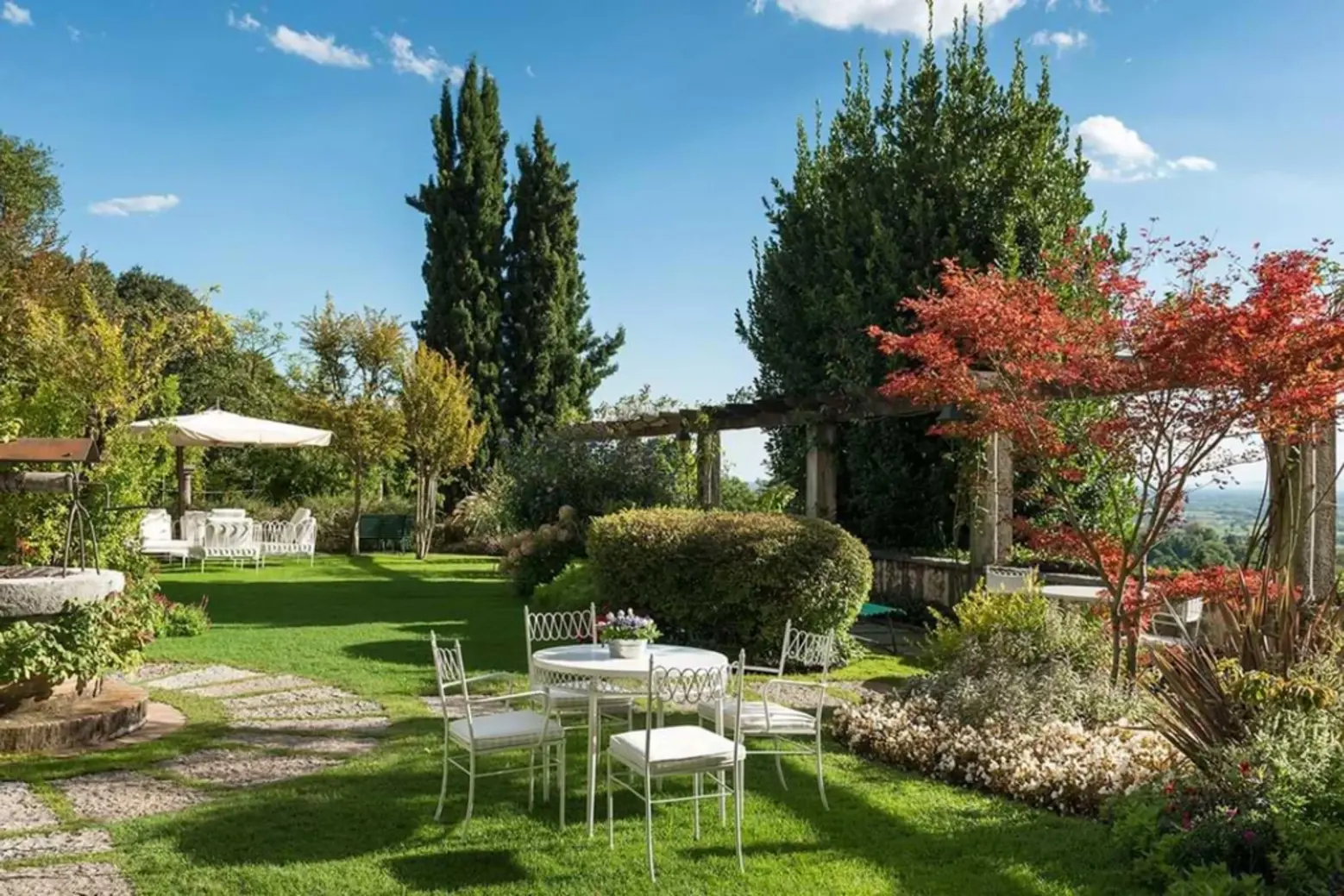
What sets Cipriani apart from many grand Venetian addresses is its rare sense of space. Where Venice enchants through density, ornament, and history, Hotel Cipriani answers with air, greenery, and a slower rhythm. The Casanova Gardens, among the most enchanting private botanical spaces in Venice, give the hotel a mood that feels lush, intimate, and sensorial.
This is where the hotel fully earns the title of luxury resort. The gardens offer something Venice rarely gives in abundance: Stillness. They create room for privacy, ritual, and the quiet pleasure of moving between suite, terrace, spa, and shaded pathways. At the Casanova Wellness Centre, that atmosphere becomes part of the treatment itself, shaped by local botanicals and the calm of Giudecca.
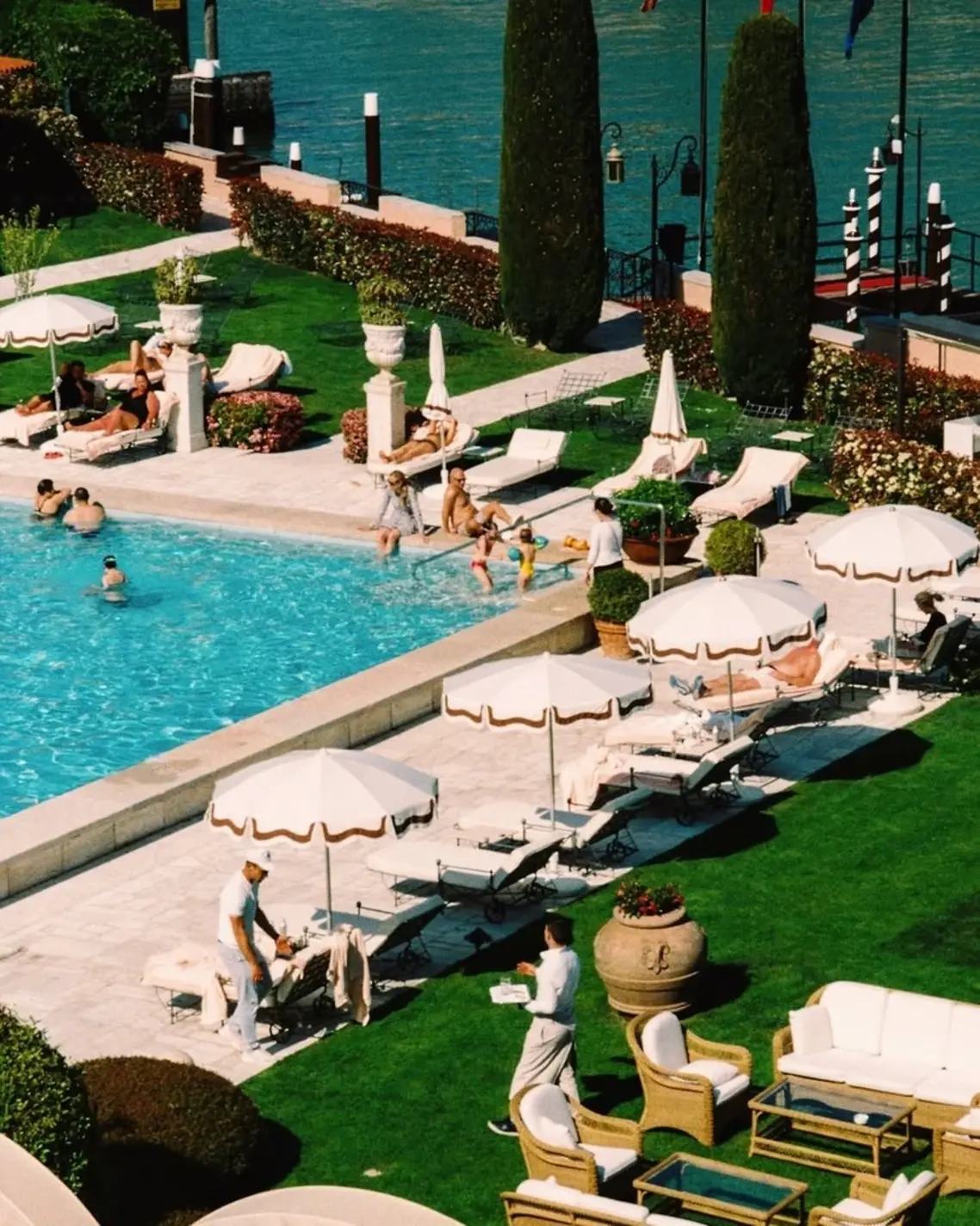
The hotel’s famous pool deepens that sense of scale and ease. As the only Olympic-size saltwater pool in central Venice, it has long occupied a near-mythic place in the hotel’s identity. The result feels wonderfully excessive in the best Venetian way: A glamorous flourish that turns leisure into legend. Elsewhere, this might read as spectacle alone. At Cipriani, it becomes part of a larger emotional balance. The city remains close enough to enchant, while the property offers enough room to breathe.
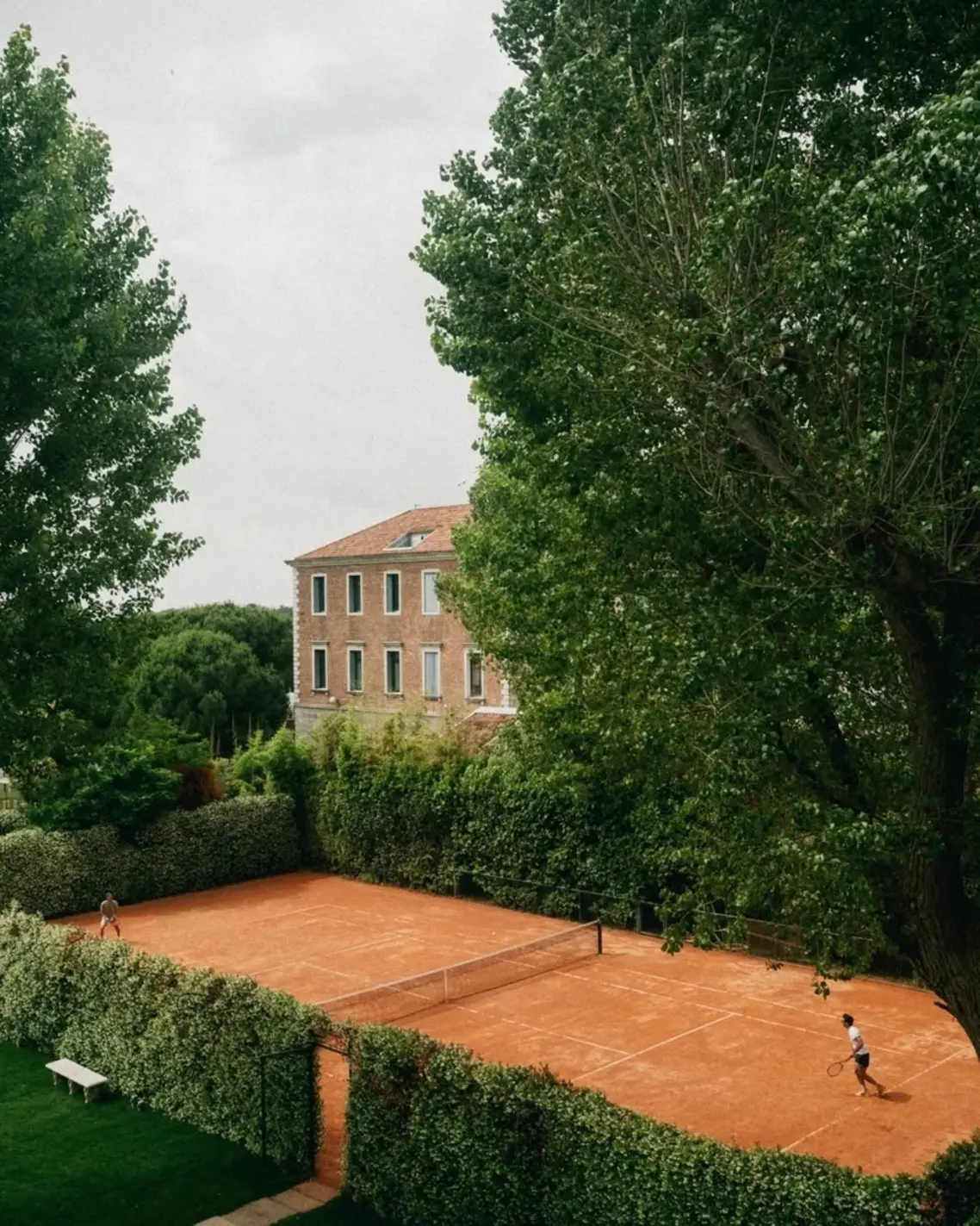
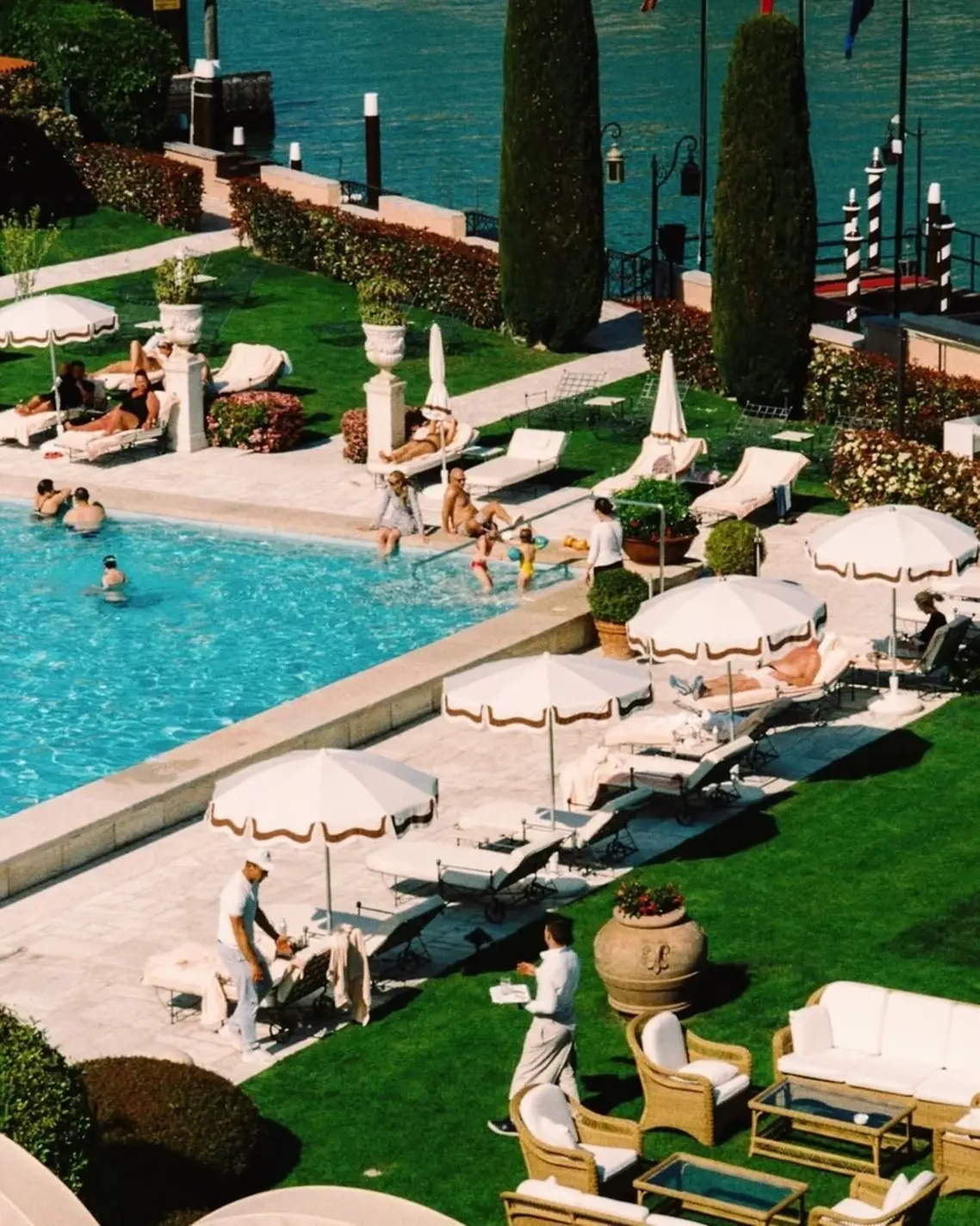
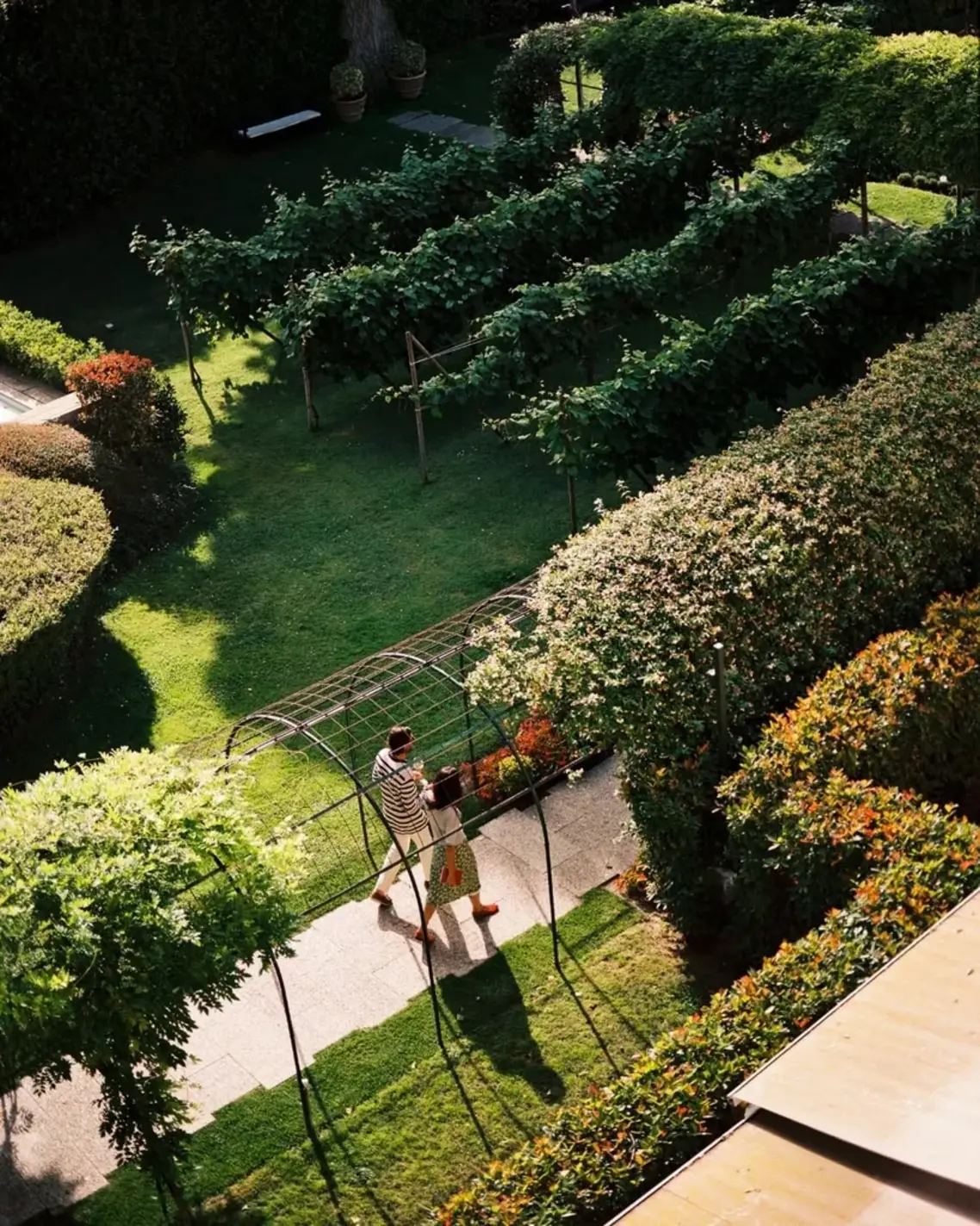
That balance gives Hotel Cipriani a distinct edge among both grand palace stays and more intimate boutique hotels. It offers the intimacy of a private garden residence with the service and stature of one of the best luxury hotels in Italy. Guests come for Venice, certainly, though they often leave remembering the sensation of Giudecca light, of quiet pathways, of that rare hospitality luxury built around space rather than sheer display.
Hotel Cipriani’s latest chapter arrives through Peter Marino’s recent multi-phase renovation, a project that refreshes the hotel by deepening its character rather than polishing it into generic modernity. Marino’s design philosophy rests on three eras at once: The grandeur of Old Venice, the mid-century Dolce Vita spirit of the hotel’s 1958 opening, and the energy of contemporary art. It is an intelligent premise, especially for a property whose charm has always depended on layering memory with modern relevance.
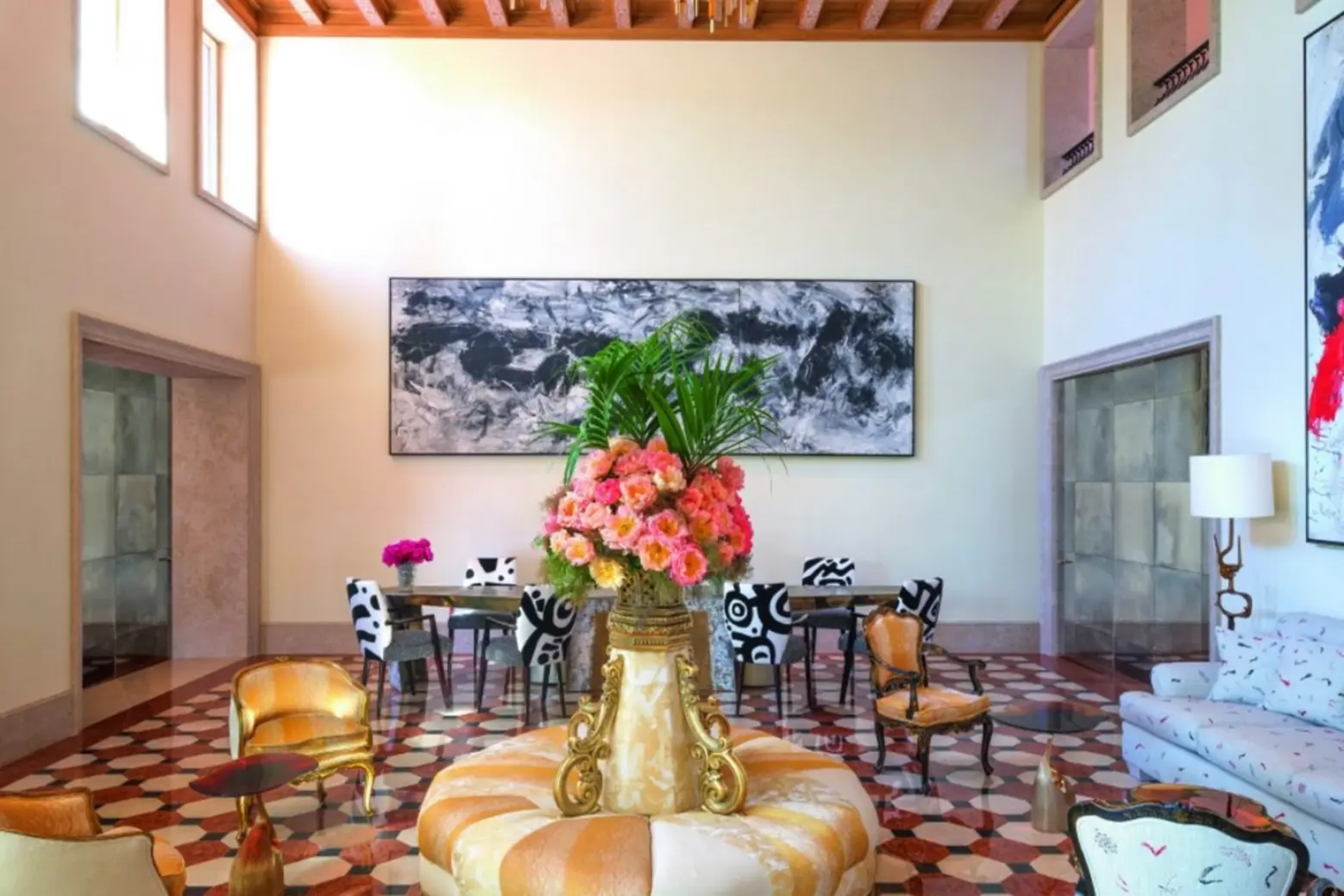
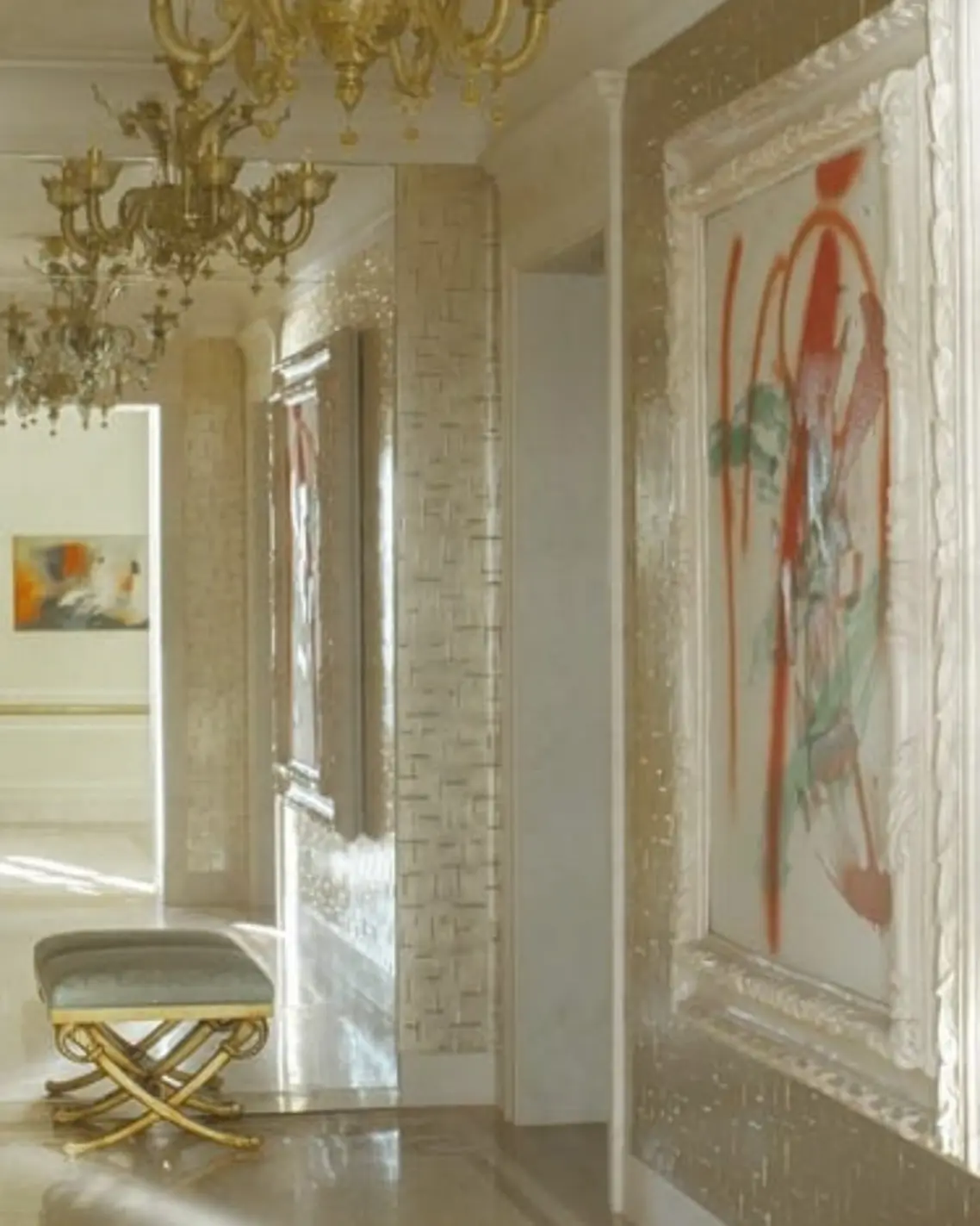
The first phase, unveiled in 2025, introduced a dramatic double-height arrival lobby and redesigned 13 guestrooms, including two apartment-style master suites that stand as the clearest expression of Marino’s vision. These are conceived as private Venetian residences rather than hotel rooms, each with its own library, salon, and dining room. That residential quality matters. It gives the hotel a collector’s intimacy within the frame of a world-class luxury resort.
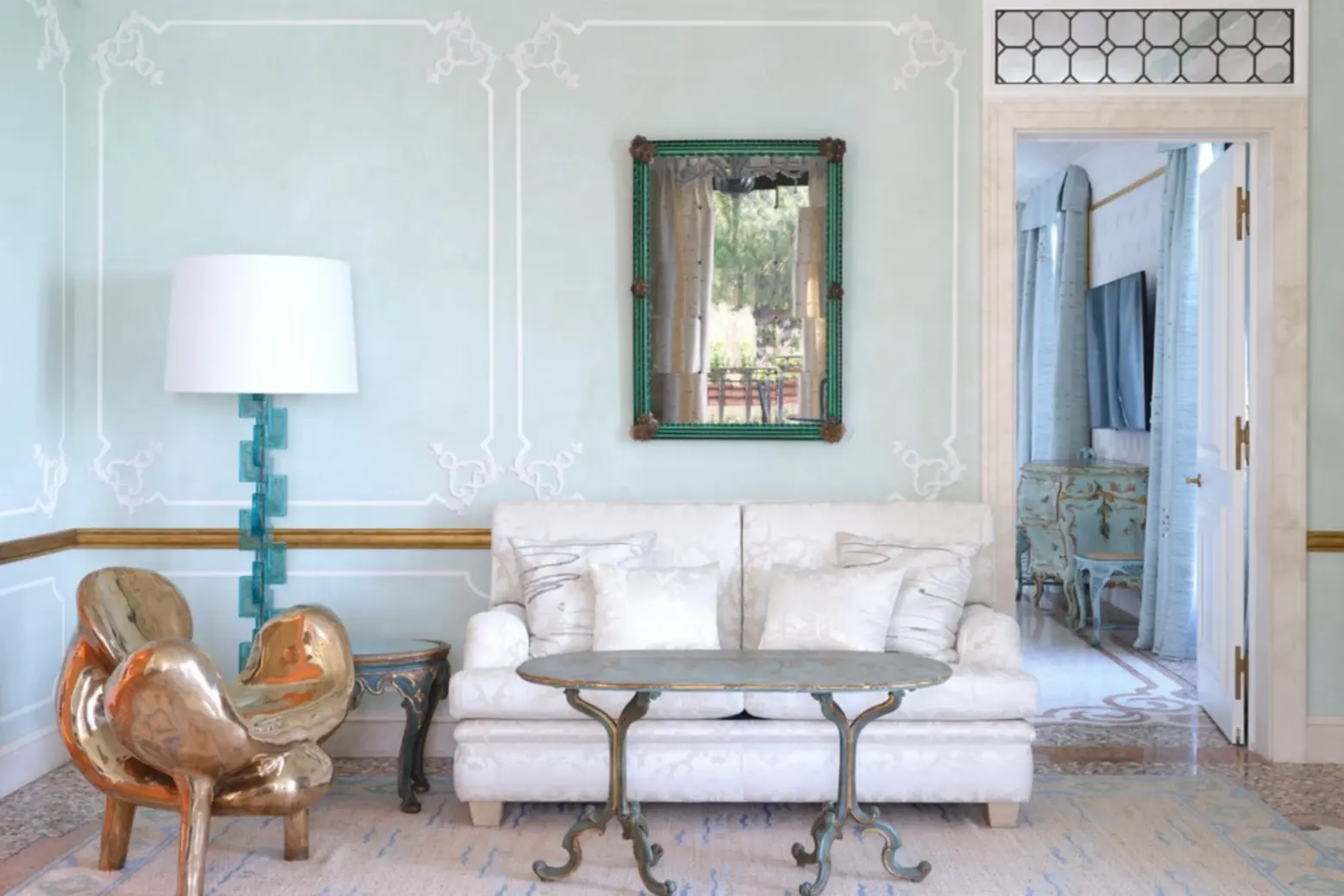
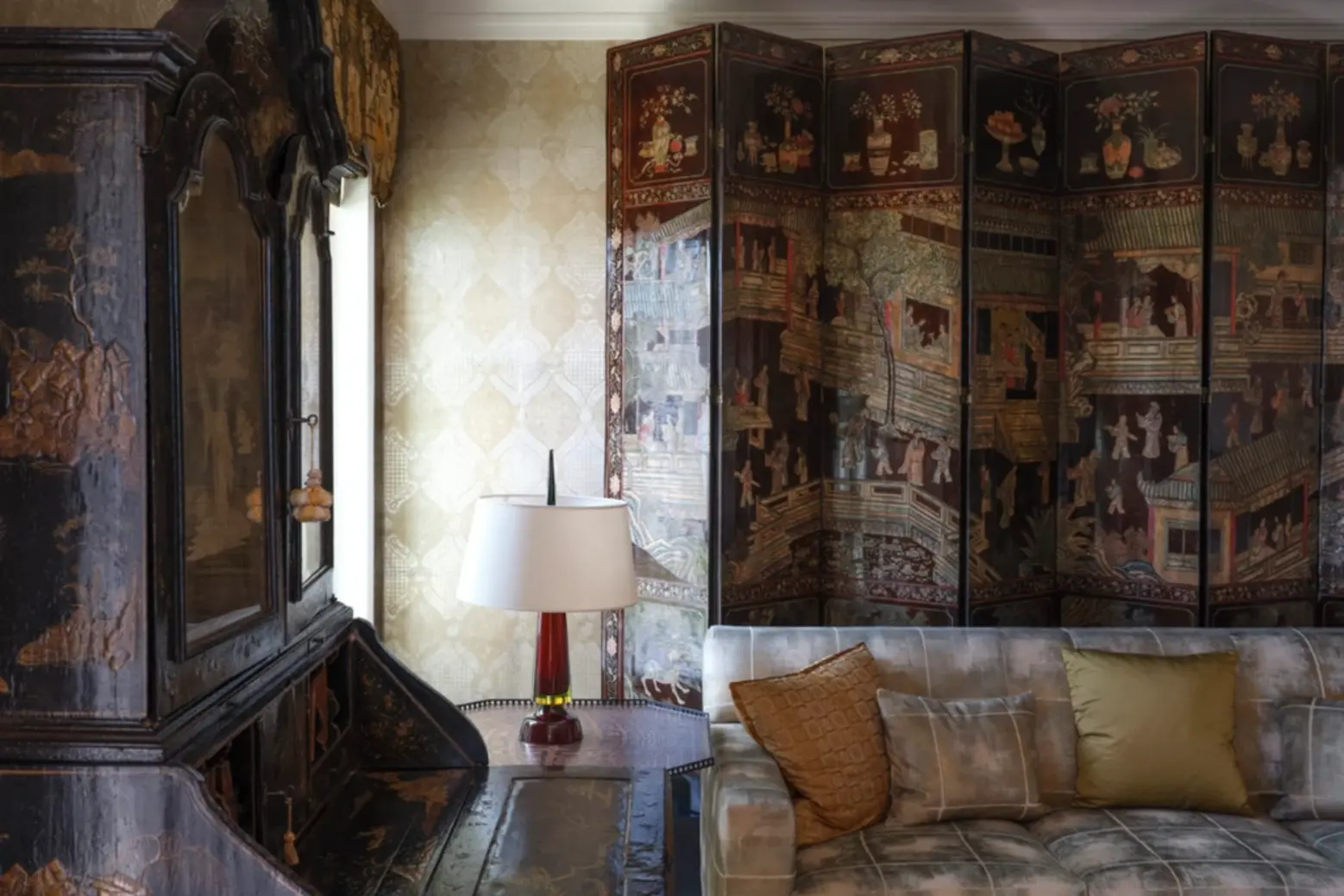
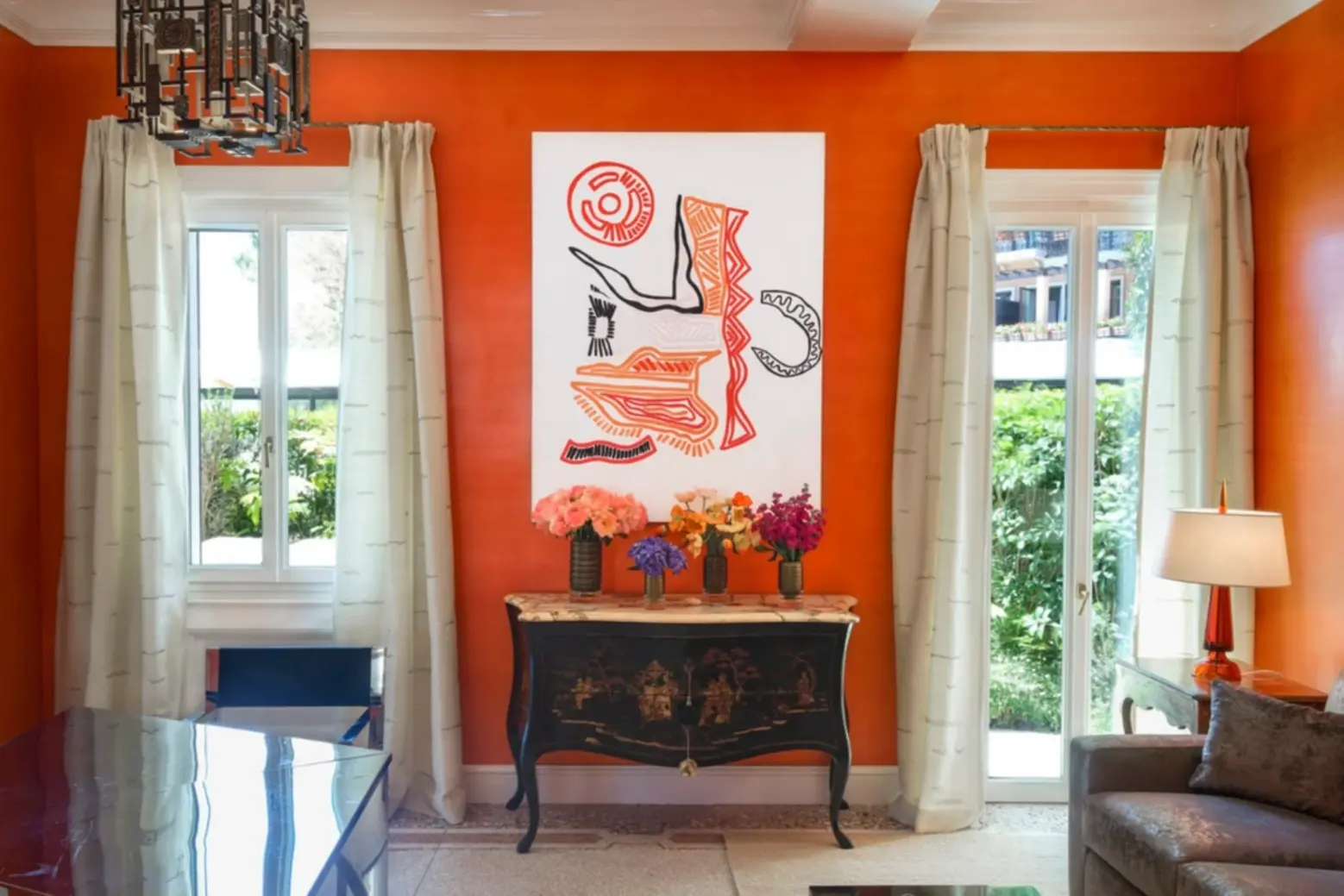
The Laguna Suite is the most sculptural of the pair, especially in its bathrooms, where Thassos, Paonazzo, and Grand Antique marble come together in a spectacular composition of veining, depth, and contrast. Oversized soaking tubs and walk-in rain showers add ease to the grandeur, creating rooms that feel both monumental and deeply livable. The Serenissima Suite leans further into Venetian craftsmanship, with custom terrazzo flooring and contemporary interpretations of Murano glass chandeliers that keep local artistry central while letting the mood feel fresh and luminous.
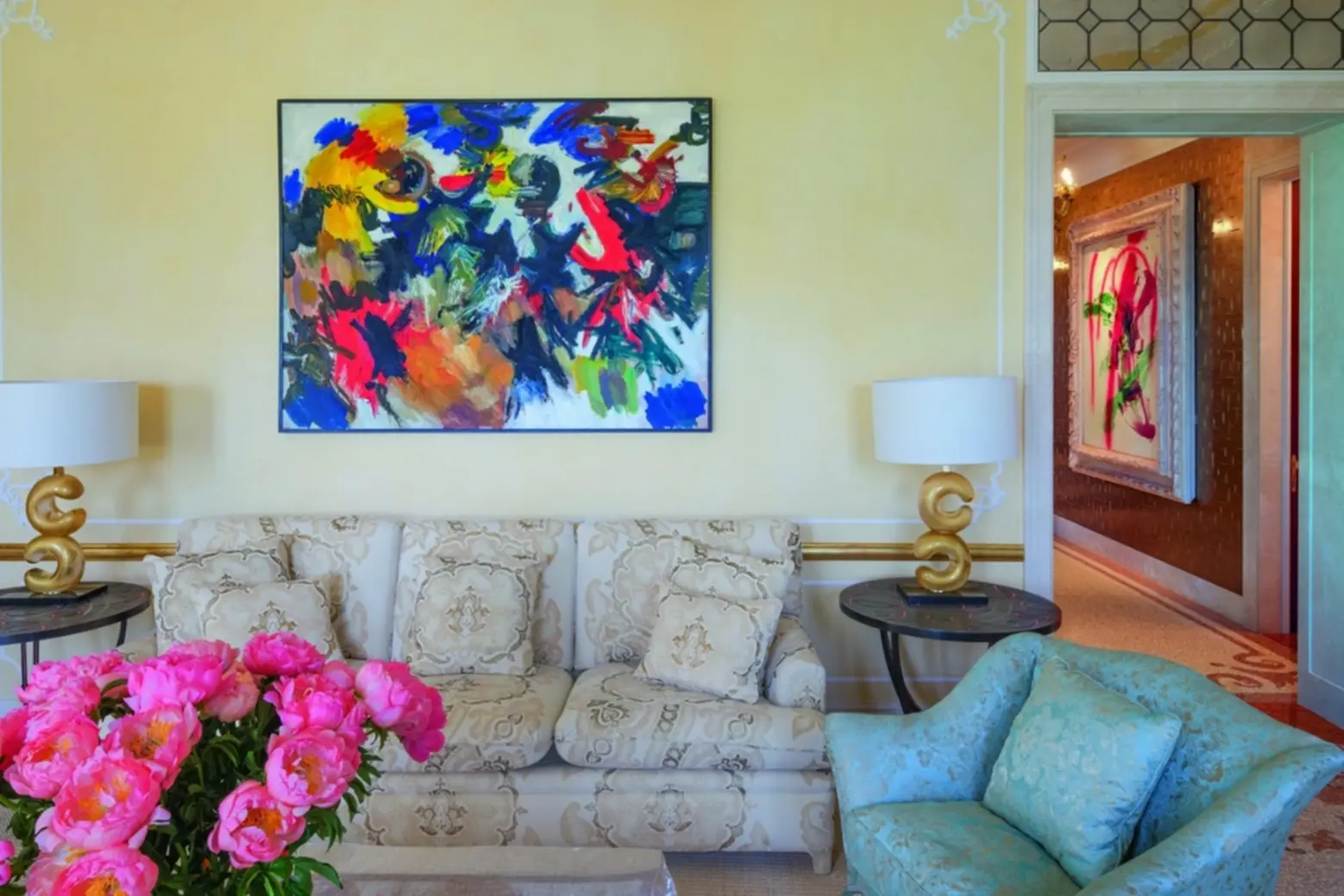
Marino’s collector sensibility runs through both suites. Works by Carla Accardi and Saverio Rampin appear in the Laguna Suite, while other spaces feature mid-century abstraction by Emilio Vedova and Conrad Marca-Relli. Antique Venetian painted chests and lacquer screens sit beside sculptural modern furniture, while bespoke textiles nod to the city’s merchant history and culture of exchange. The effect feels layered rather than themed, turning Hotel Cipriani into a formidable premium art hotel.
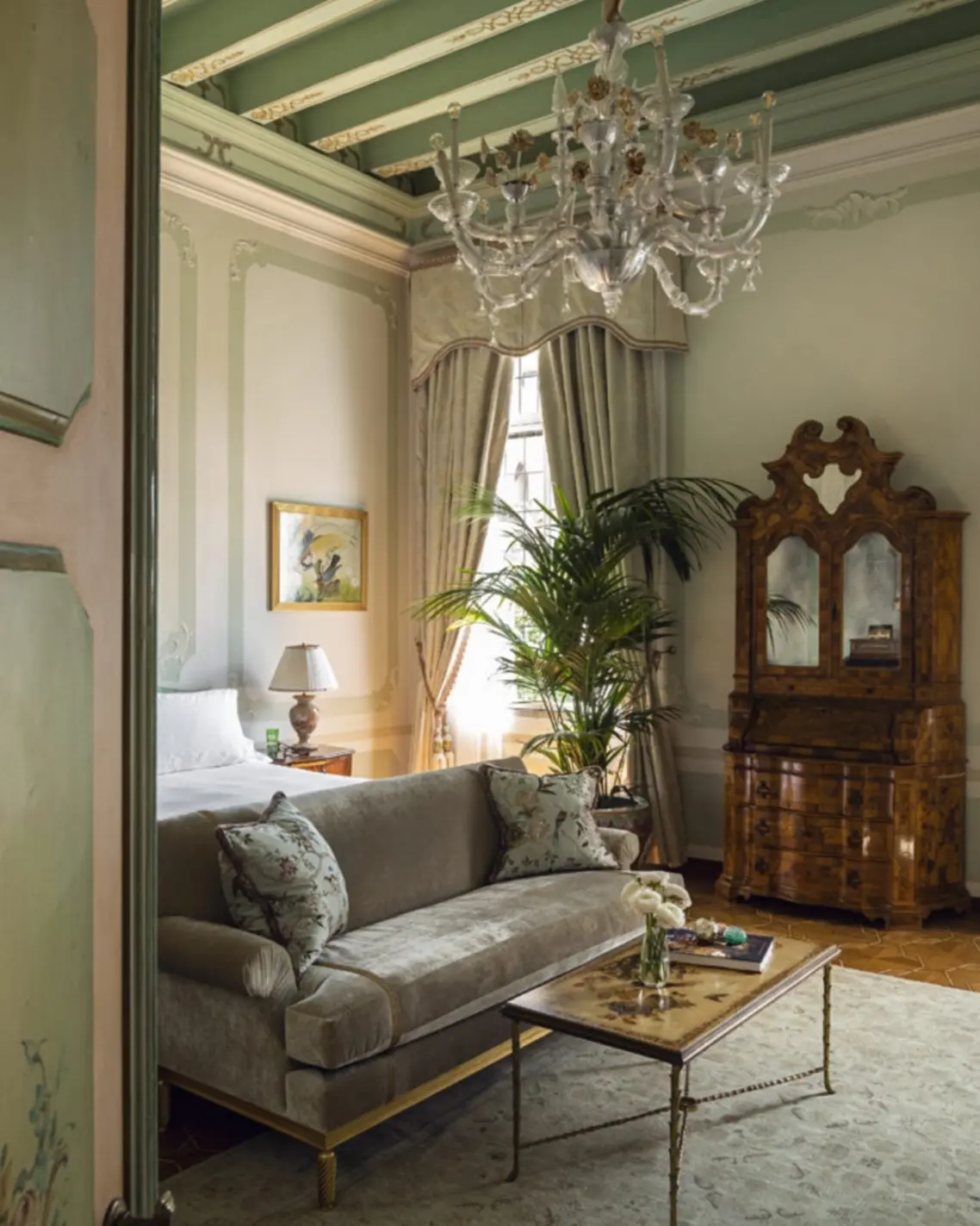
The 11 Casanova Garden Suites and junior suites redesigned in this phase offer a softer register. These rooms focus on indoor-outdoor connection, each with a private furnished balcony overlooking the gardens. White plaster moldings, antique Venetian mirrors, gilded carved chairs, soft greens, and floral motifs bring the exterior world indoors with elegance rather than literalism. Custom Venini glass vases, designed by Marino for these rooms, sit alongside contemporary abstract artworks, continuing the hotel’s dialogue between history and the present. It is a beautiful way of making the hotel feel renewed while keeping Venice at the center of every visual decision.
Cipriani has always understood that glamour needs appetite. Dining here comes with its own theater, nowhere more clearly than at Oro, the hotel’s Michelin-starred restaurant. Under the culinary direction of Massimo Bottura and Chef Vania Ghedini, the restaurant approaches lagoon ingredients as living memory rather than postcard cliché. Beneath the golden dome and Murano glass glow, dinner feels almost operatic.
Then there is Cip’s Club, suspended over the water with its dazzling view toward the Doge’s Palace. It offers character as much as polish, which is why Hotel Cipriani continues to appeal to travelers drawn to both grandeur and the intimacy often associated with boutique hotels.
The next phase of Marino’s renovation, set for April 2026, extends that vitality further. Dior Spa Venice, the first Dior Spa in the city, will bring a wellness concept inspired by Venetian balls and Christian Dior’s love of art and gardens. Oro is also being reimagined by Marino to better reflect Venice’s multicultural spirit.
That is what keeps Hotel Cipriani so compelling. It has heritage, glamour, gardens, and views, though its greatest strength lies in carrying all of that forward with intelligence and grace. For travelers seeking the best luxury hotels in Italy, it remains an essential answer. For those drawn to boutique hotels, it offers something richer: privacy within grandeur, craft within spectacle, and a distinctly Venetian version of the luxury resort.