MENU
Close





Opened yesterday at Kunstmuseum Basel, Helen Frankenthaler brings the artist’s radiant abstractions into her largest European exhibition to date, reframing her as both a radical modernist and a painter in deep conversation with art history.
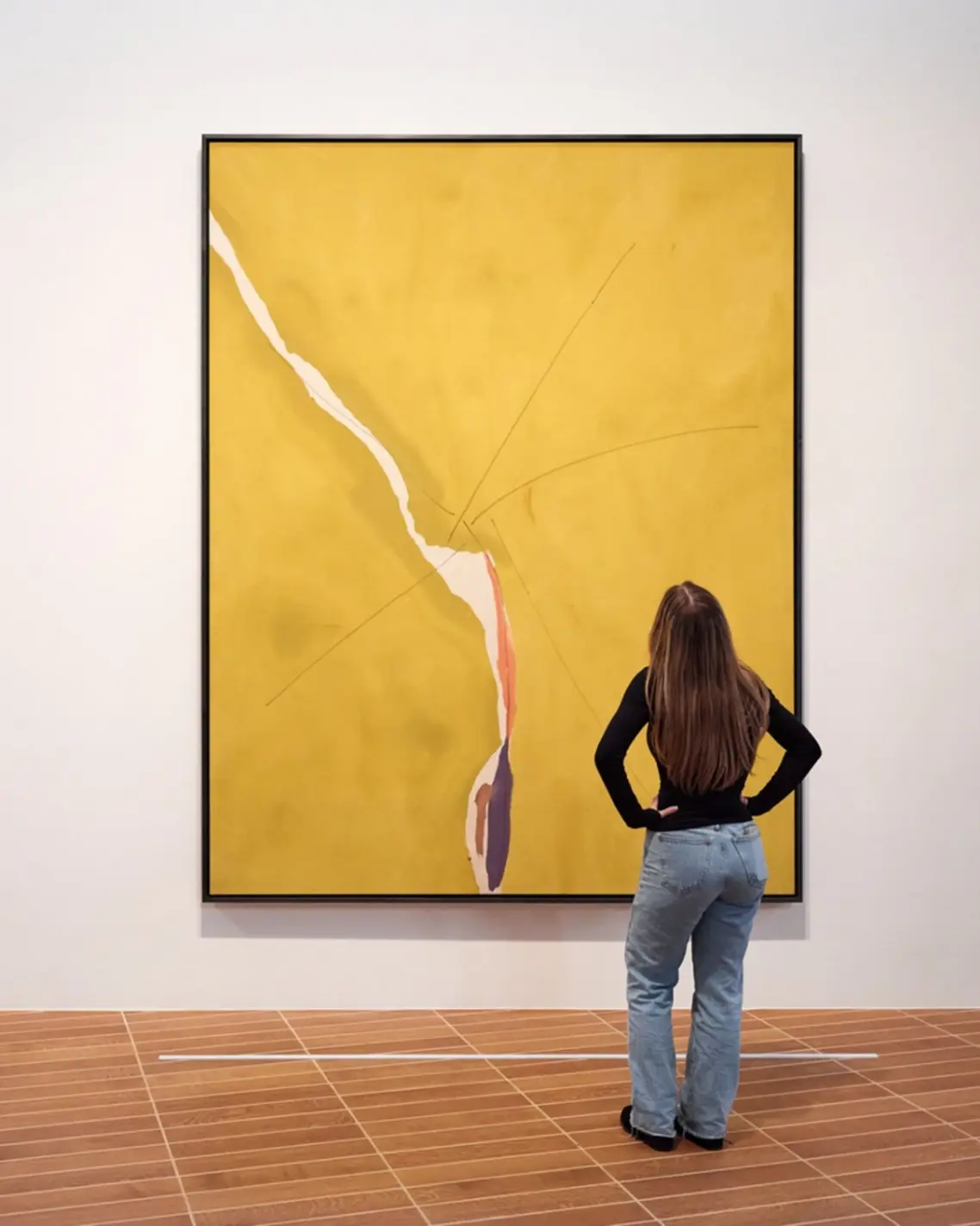
Opened yesterday at Kunstmuseum Basel, Helen Frankenthaler brings the artist’s radiant abstractions into her largest European exhibition to date, reframing her as both a radical modernist and a painter in deep conversation with art history.
April 18, 2026


Yesterday, April 18, 2026, marked the public opening of Helen Frankenthaler at Kunstmuseum Basel, a major exhibition that runs through August 23 and stands as the largest presentation of her work ever mounted in Europe. Installed in the museum’s Neubau and curated by Anita Haldemann, the retrospective gathers more than fifty works from across six decades, including forty paintings and fifteen works on paper. It is also Helen Frankenthaler’s first solo institutional exhibition in Switzerland, giving the season a decisive new center for anyone tracking postwar abstraction.
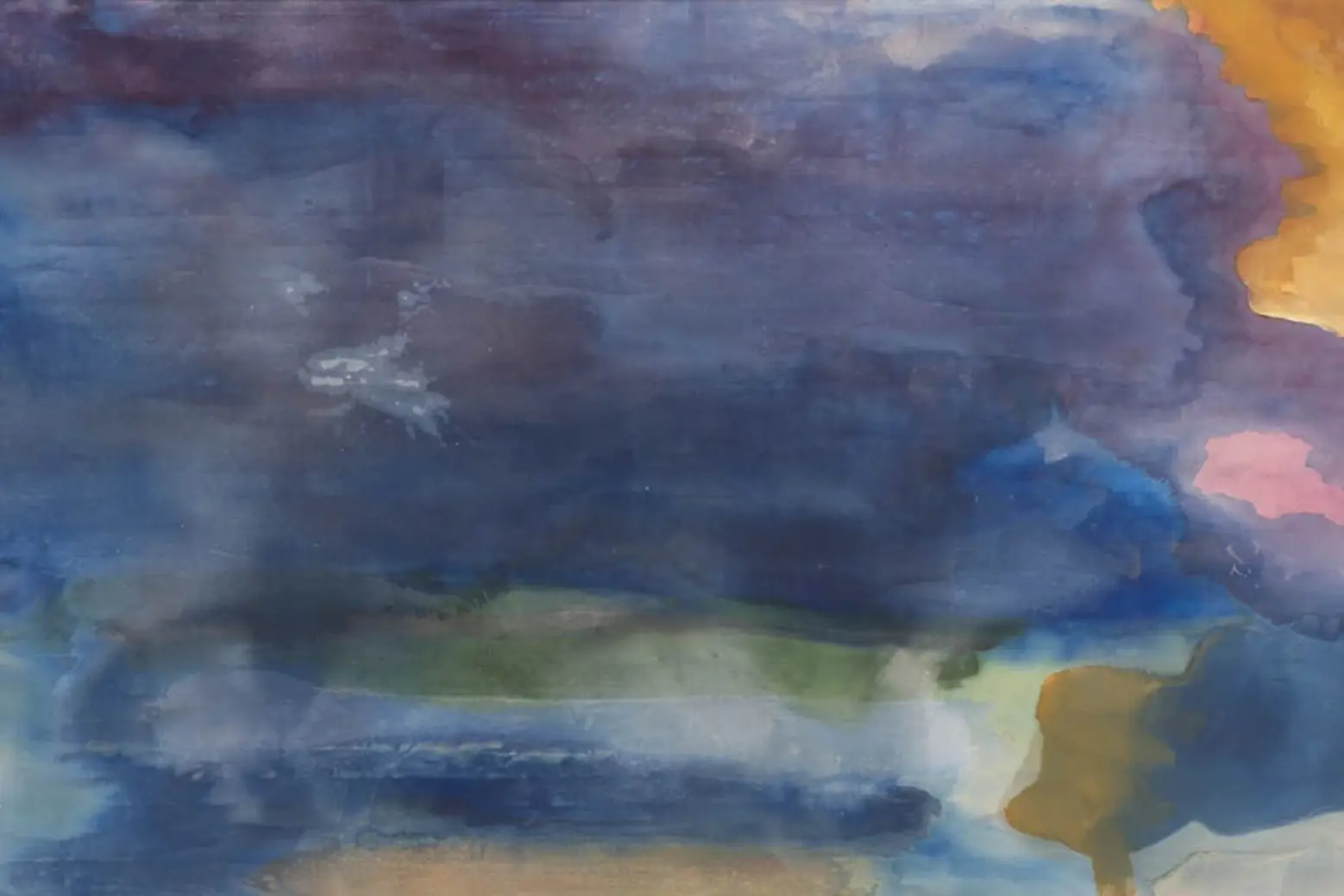
What makes this show feel so important is its curatorial shift. Rather than presenting Frankenthaler only as a New York heroine of postwar painting, Kunstmuseum Basel places her abstractions in dialogue with works from the fifteenth to the twentieth century. That framing draws out her long study of art history, from Titian to Manet and beyond, showing that her modernity was never cut off from the past. The exhibition also returns attention to her 1952 soak-stain breakthrough, when she poured diluted paint onto unprimed canvas laid on the floor, allowing color and fabric to merge into one luminous surface. That method changed the trajectory of abstraction and helped propel what became Color Field painting.
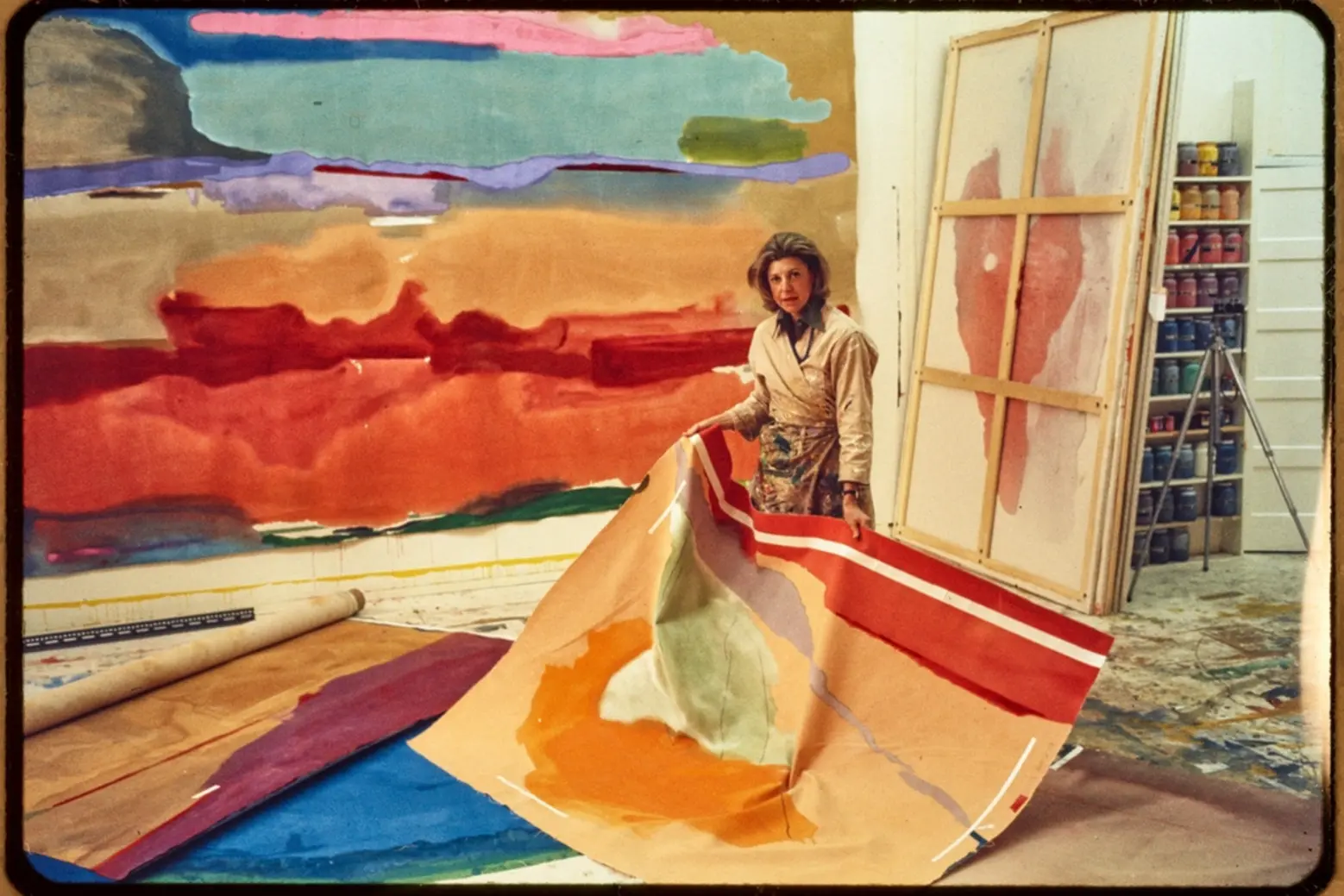
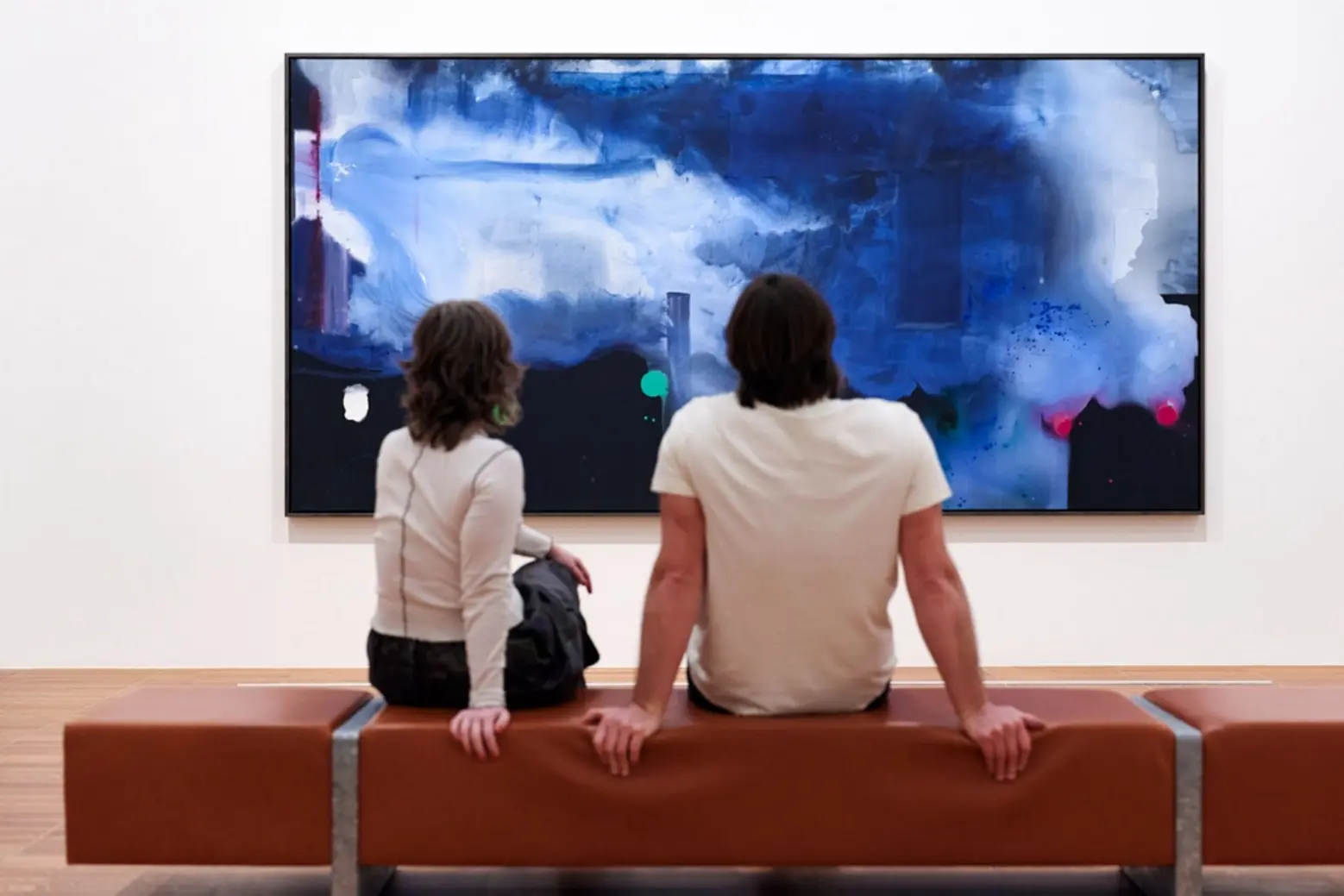
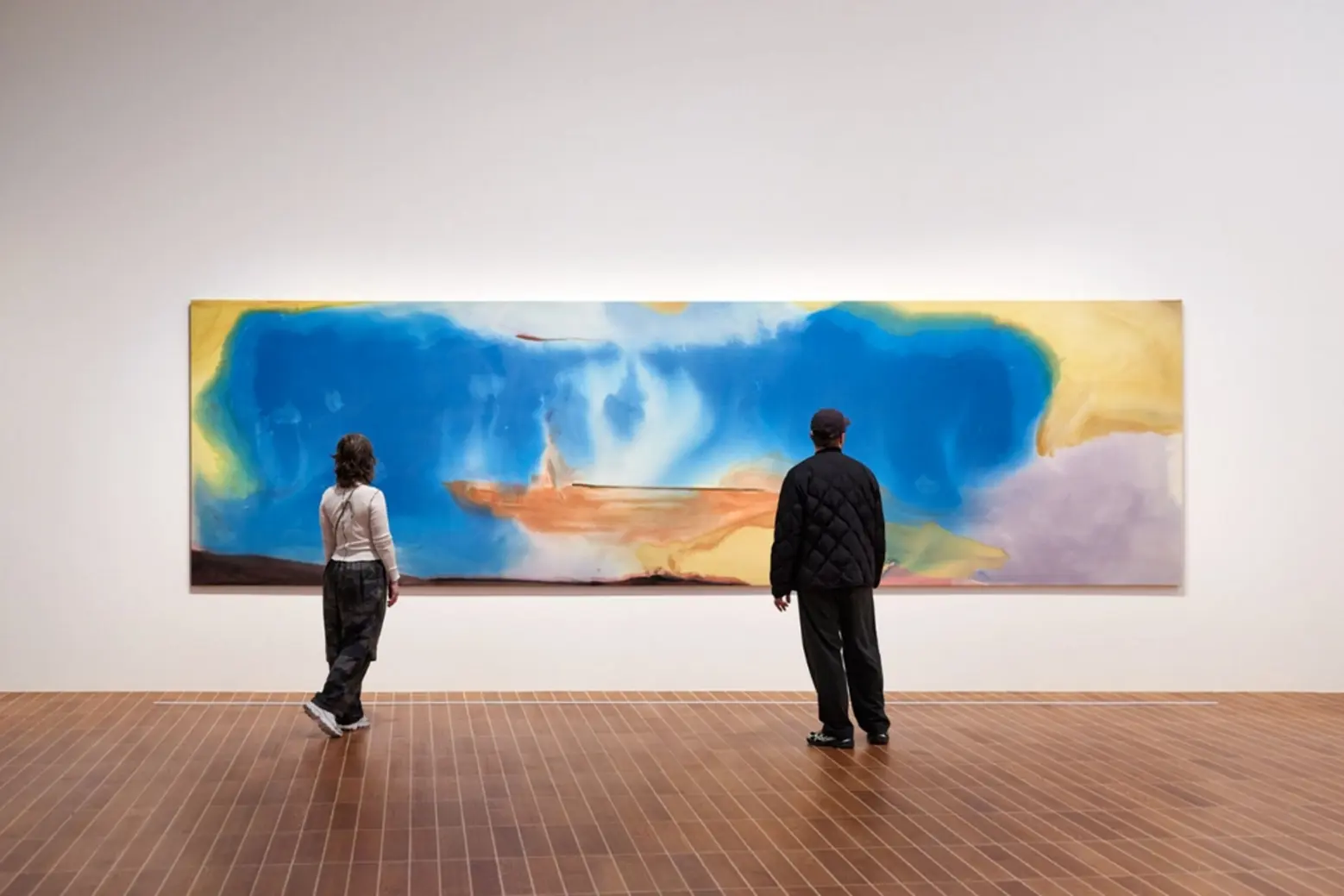
The Basel installation gives that achievement room to breathe. One of its emotional anchors is Riverhead from 1963, a work gifted to the museum by the Helen Frankenthaler Foundation in 2024 and the catalyst for this retrospective. Nearby, paintings such as Flood from 1967 reveal how Frankenthaler expanded the possibilities of the color field into something at once atmospheric, structural, and immense. The exhibition is further strengthened by the Foundation’s loan of 37 works, which allows the survey to feel both broad and unusually intimate.
Opening weekend was designed as more than a ceremonial launch. A free vernissage took place on April 17 from 6:30 to 9:00 p.m., followed on April 18 by a public conversation on Frankenthaler’s art and life featuring Douglas Dreishpoon, Mary Gabriel, and Karen Wilkin. The Basel retrospective also lands within a larger 2026 Helen Frankenthaler moment: Gagosian’s The Moment and the Distance opens in New York on April 30, while MoMA’s A Grand Sweep closed on February 8. Together, these exhibitions suggest a sharper understanding of Helen Frankenthaler at last, one that sees her not just as a painter’s painter, but as a central architect of modern abstraction.