Grunge fashion history was never just a look. At its core, grunge fashion rejected glamour, hierarchy, and the illusion of effortlessness sold by the mainstream. It was rebellion stitched into every unraveling hemline, a subculture dressed in defiance that dared to ask: what if fashion didn’t aspire to perfection? What if cool wasn’t curated, but born from chaos, secondhand, self-worn, and defiantly scorned by the establishment?
Grunge fashion history was never just a look. At its core, grunge fashion rejected glamour, hierarchy, and the illusion of effortlessness sold by the mainstream. It was rebellion stitched into every unraveling hemline, a subculture dressed in defiance that dared to ask: what if fashion didn’t aspire to perfection? What if cool wasn’t curated, but born from chaos, secondhand, self-worn, and defiantly scorned by the establishment?
November 1, 2025


To return to the late 1980s is to return to the overcast skies of Seattle — a city brewing not only artisanal coffee but also a furious, visceral sound that soon defined much of grunge fashion history. Punk had grown too codified, metal too theatrical. From this cultural tension, grunge emerged as a hybrid: raw distortion, emotional abrasion, and an honesty that refused to gloss itself for public consumption. Bands like Green River, Soundgarden, Nirvana, and Pearl Jam became the inadvertent narrators of an era that valued feeling over finesse. Their lyrics dripped with alienation, and their stage presence rejected spectacle in favor of stripped-down sincerity.
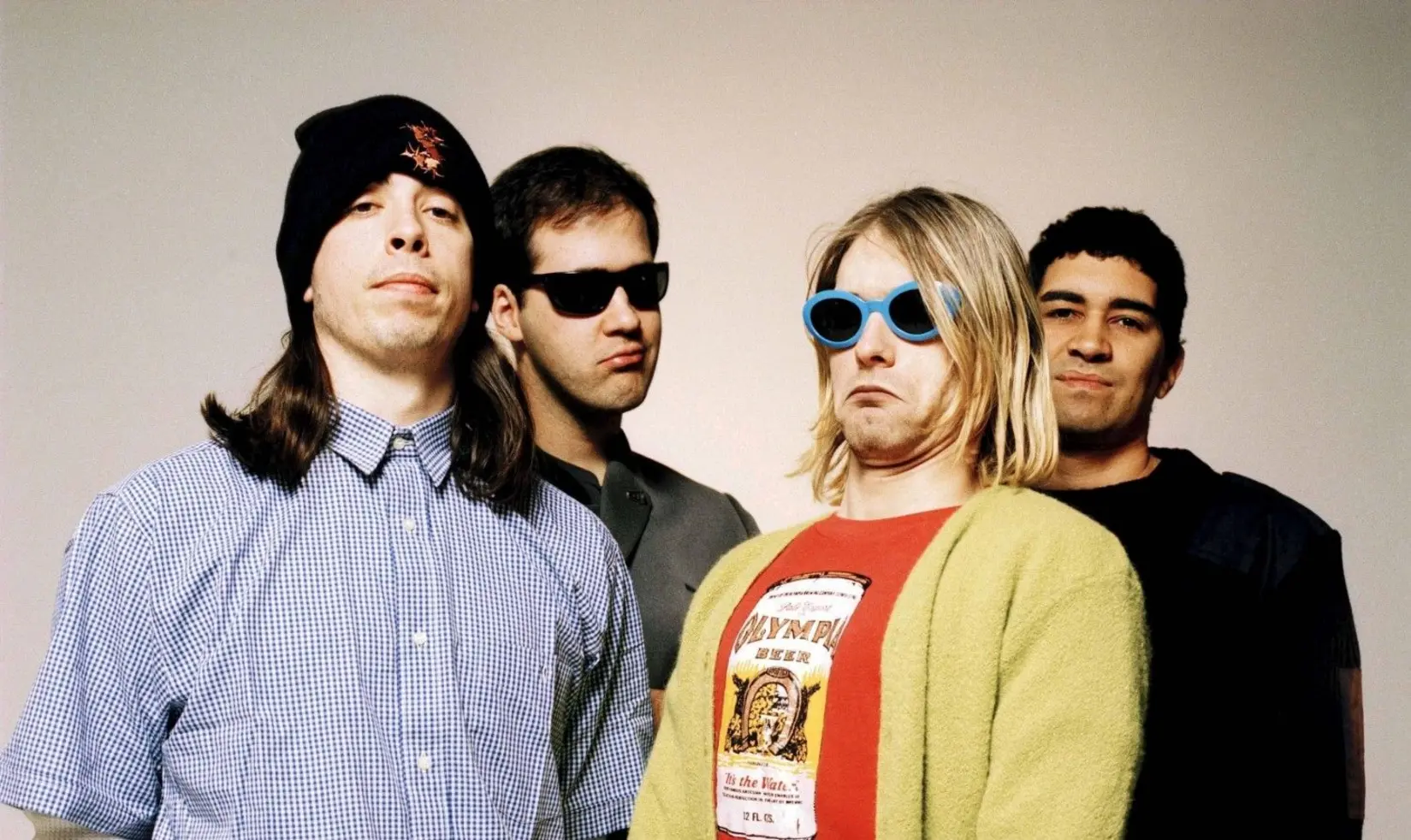
At the epicenter was Sub Pop Records, the indie label tucked inside a cramped Seattle office that would become ground zero for 90s grunge fashion and its accidental aesthetic. It was here that Megan Jasper famously pranked The New York Times with fabricated “grunge slang,” exposing how misunderstood the movement truly was. Grunge wasn’t a costume. It wasn’t a dialect. It wasn’t something that could be packaged into a tidy glossary. It was an unfiltered rejection of anything artificial.
The look that materialized was never a conscious decision, never a meticulously constructed aesthetic. It was the organic result of a specific place, climate, and state of mind. As Jonathan Poneman, visionary co-founder of Sub Pop Records, explained to The New York Times in 1992, the very word “grunge” was interchangeable with “sludge, grime, crud.” This wasn’t about aspiration; it was about the gritty reality of life, reflected in distorted guitars and angsty vocals. Musicians, often steeped in irreverence and sharp wit, were misinterpreted as nihilists by a mainstream audience that missed their self-satirizing humor. Their clothing, oversized flannels, secondhand knits, destroyed denim, was simply an extension of that raw authenticity: comfort over conformity, utility over ostentation, and a total disinterest in polished façades.

Grunge didn’t emerge to please. It emerged to confront. To puncture fashion’s hierarchy, to expose the artifice of glamour, and to present an unvarnished alternative. Decades later, the question persists: why does something intentionally unrefined continue to resonate on runways and in wardrobes? Because this wasn’t nostalgia. This was the birth of a contradiction, where resistance became style and disorder evolved into deliberate design. The heart of grunge fashion history lies not in the garments themselves but in what they rejected.
Grunge fashion history cannot be told without the cultural earthquake of Kurt Cobain fashion and Courtney Love’s kinderwhore aesthetic, two forces that subverted gender, beauty norms, and the expectations of celebrity. More than clothes, they represented a worldview: vulnerability over machismo, DIY authenticity over commercial polish, inclusivity long before it was codified into branding.

Kurt Cobain embodied the soft rebellion at the movement’s core. His disheveled, often brightly dyed hair, his perpetually worn-out jeans, and the now-legendary “moth-eaten grandpa cardigan” crystallized what would become glam grunge outfits long before the term existed. His appeal was rooted in vulnerability, in a refusal to perform the traditional “macho American man.” As Alex Frank noted in Vogue, “He was an avowed feminist and confronted gender politics in his lyrics.” While the fashion world leaned into sculpted silhouettes and body-conscious glamour, Cobain embraced slouch, looseness, and emotional honesty. He wore tattered baby-doll dresses over long underwear and oversized sunglasses, blurring gender lines long before mainstream fashion embraced fluidity. He was the sensitive iconoclast who proved imperfection could be magnetic.
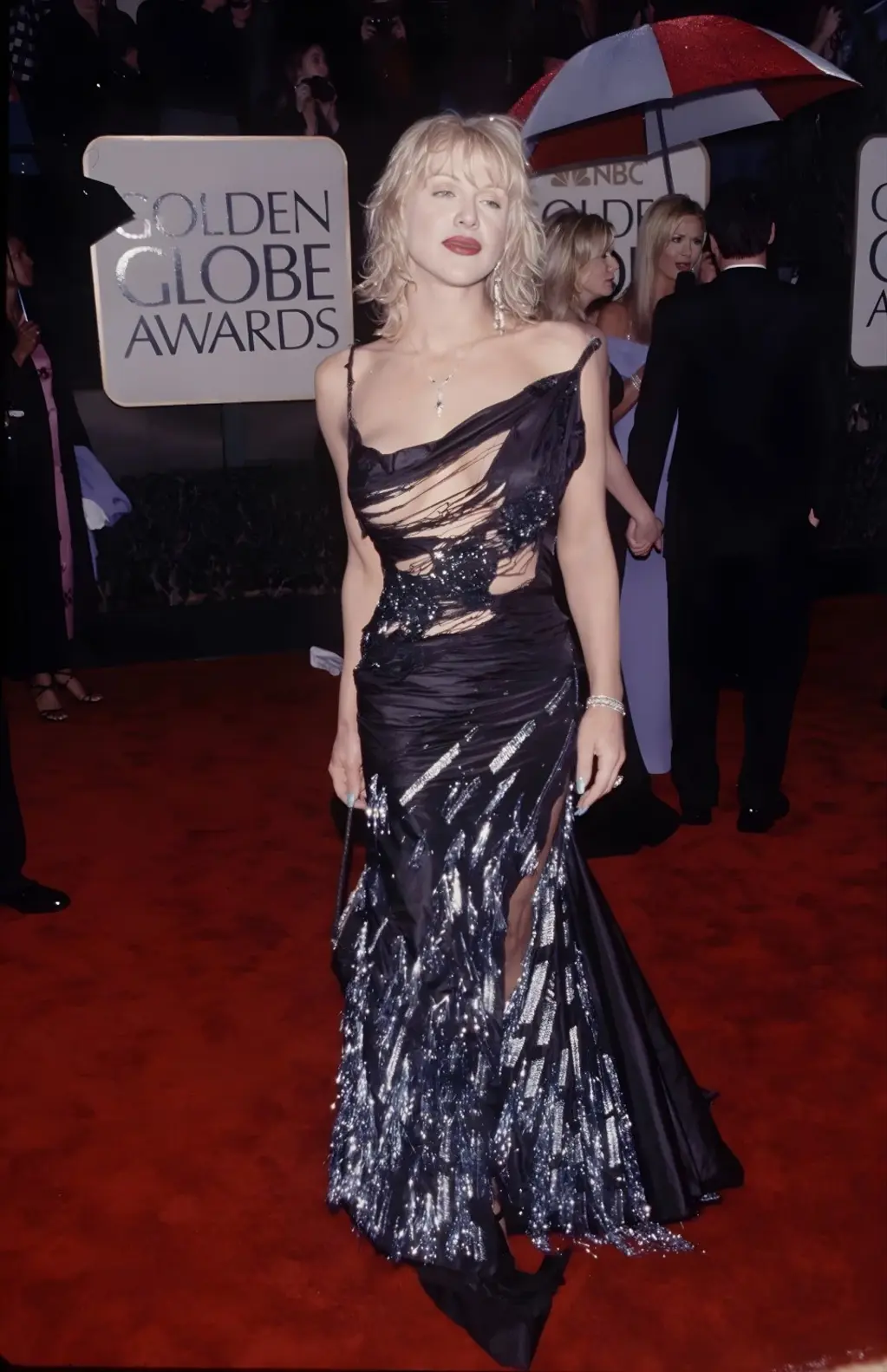
Courtney Love, meanwhile, authored her own disruptive playbook. Her rotation of slinky slip dresses, ripped fishnets, and scuffed Mary Janes formed the foundation of her feminist-punk “kinderwhore” style. On stage with Hole, her lipstick ran, her eyeliner smeared, her tiara sat deliciously askew — a deliberate affront to traditional femininity. Her look was a reclamation of vulnerability as power, a way of presenting bruised softness as something that could not be broken. Together, Kurt and Courtney — the chaotic yet poetic — embodied the duality at the core of the grunge style aesthetic: beauty in disarray, rebellion in tenderness, and fashion as an emotional, not decorative, language.
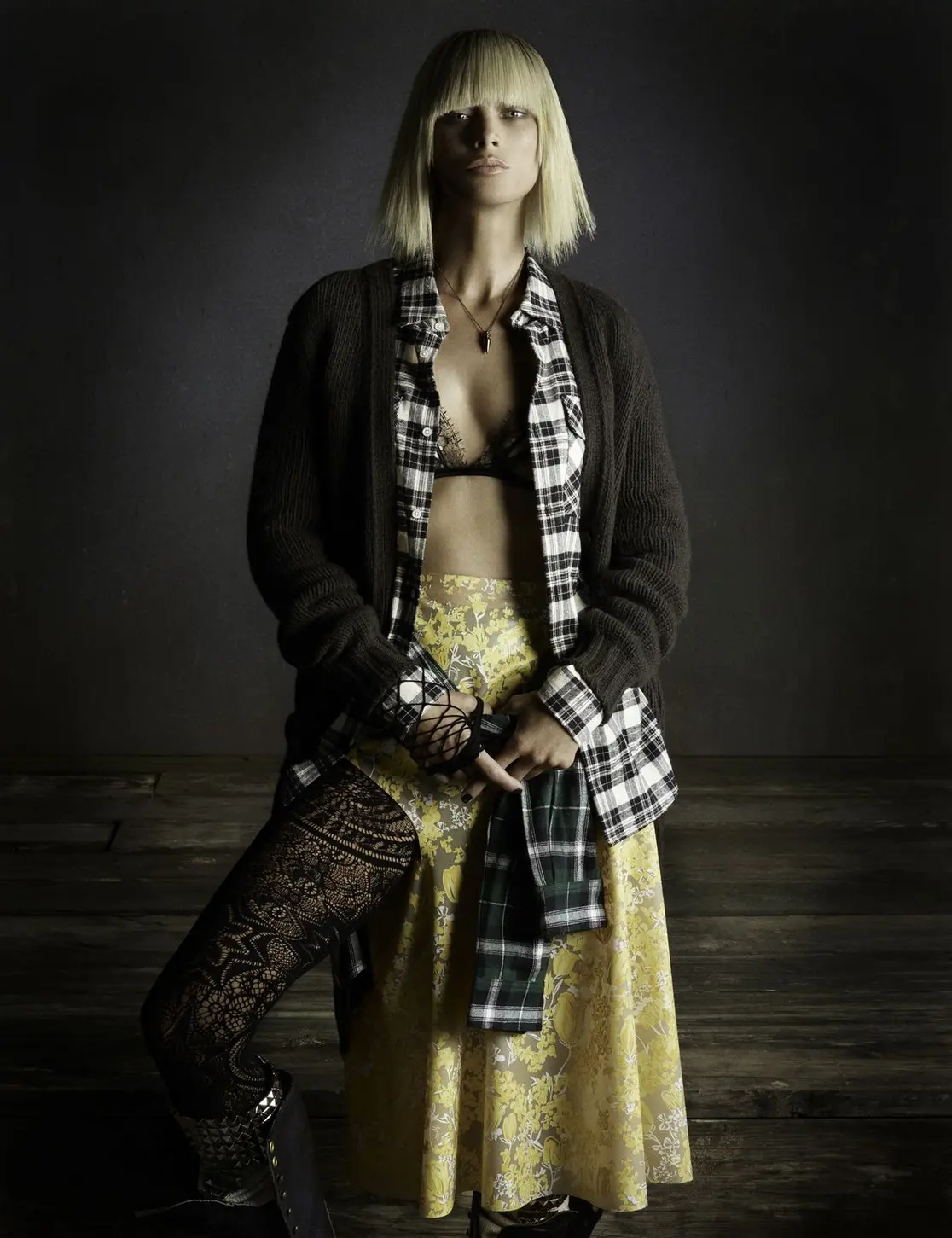
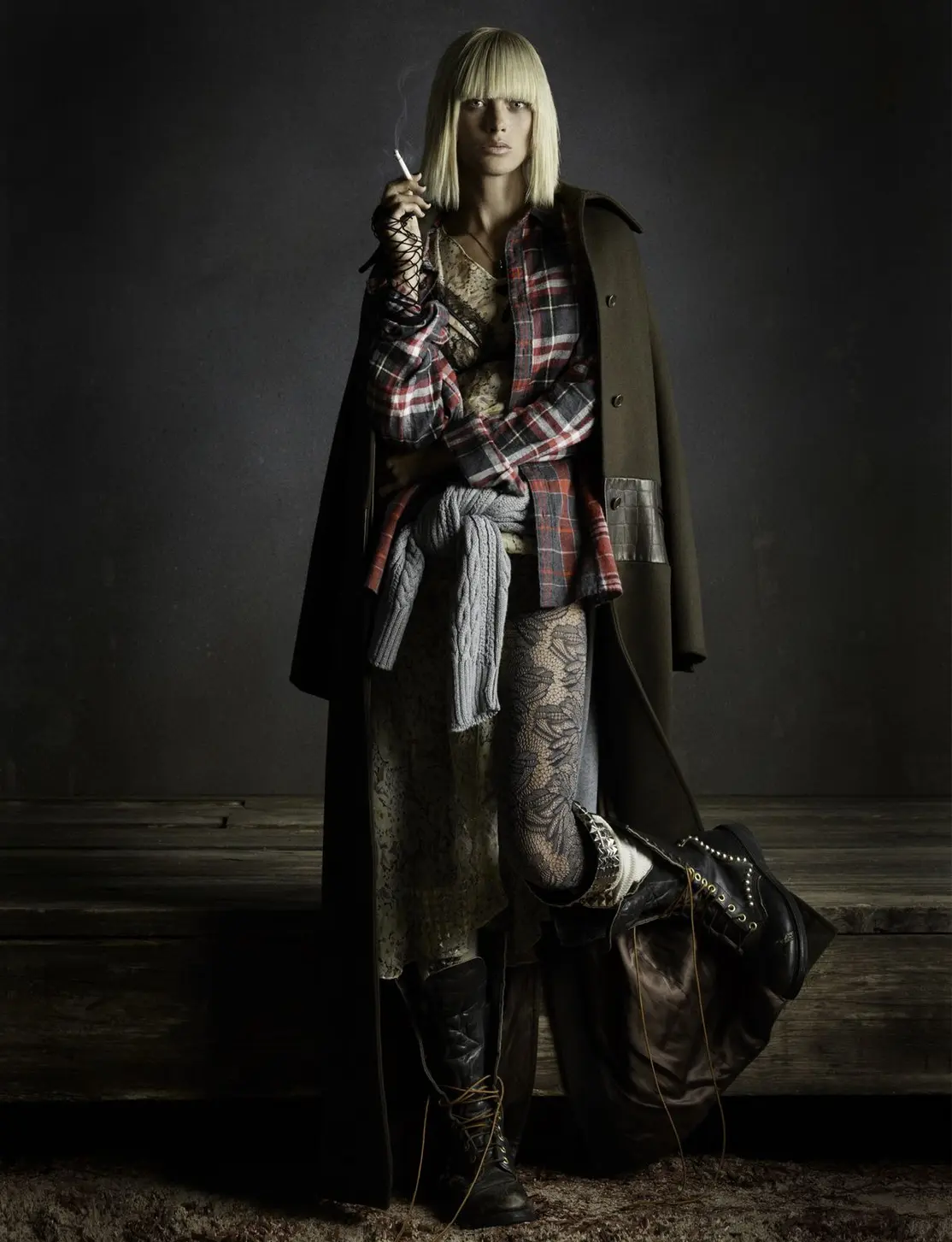
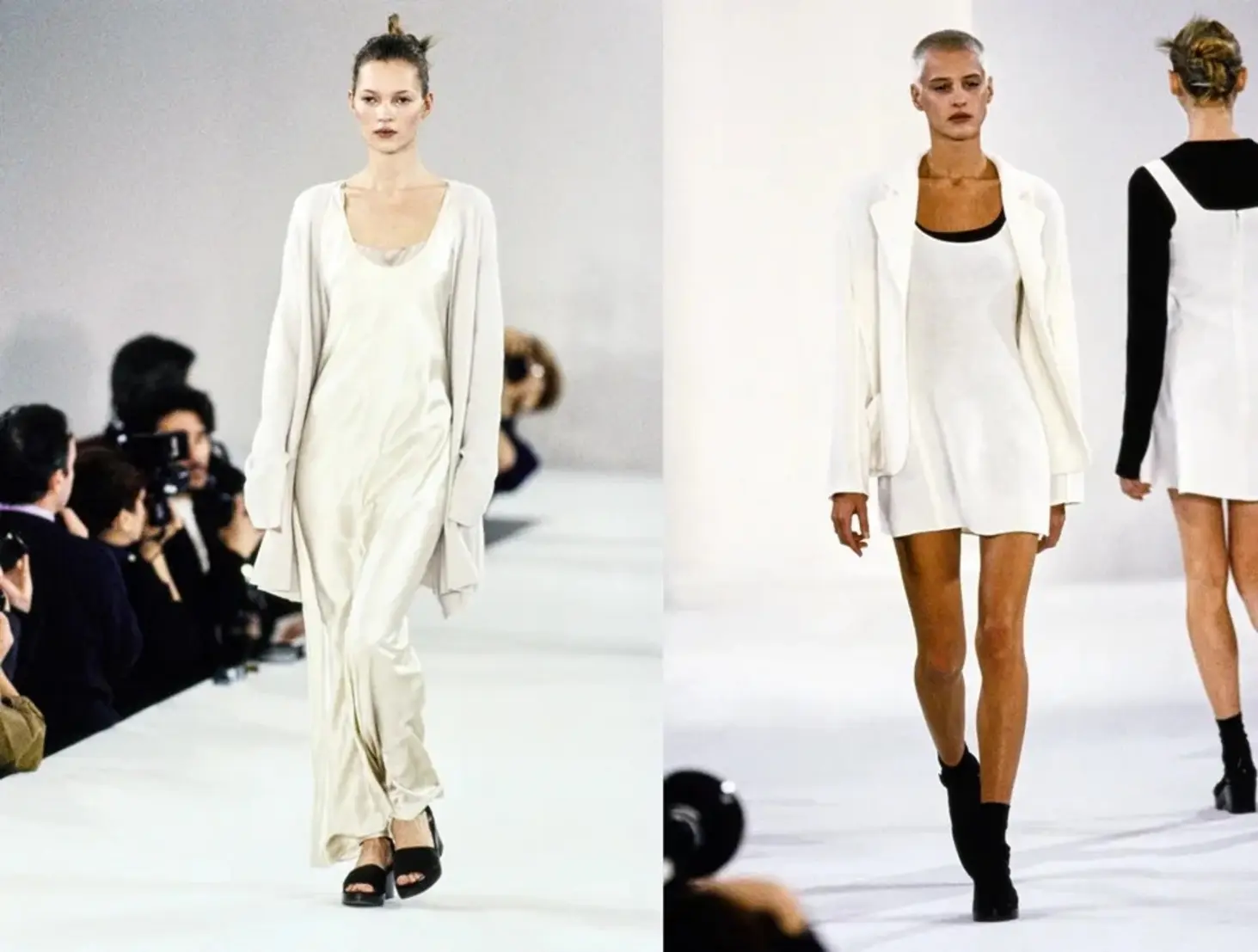
The fashion world, perpetually hungry for the next cultural spark, could not ignore the rise of the grunge movement. Its rawness, its refusal of artifice, and its growing influence among youth made it impossible to overlook. The earliest tremors of grunge fashion history hitting the mainstream began in 1992. Calvin Klein dipped a cautious toe, sending an 18-year-old Kate Moss down the runway in a form of “grunge-like layering.” Her delicate frame and unpolished beauty marked a stark contrast to the glossy supermodel era. Moss embodied the shift - a dismantling of glamour in favor of a stripped-down, emotionally honest aesthetic, hinting at the glam grunge outfits that would soon proliferate.
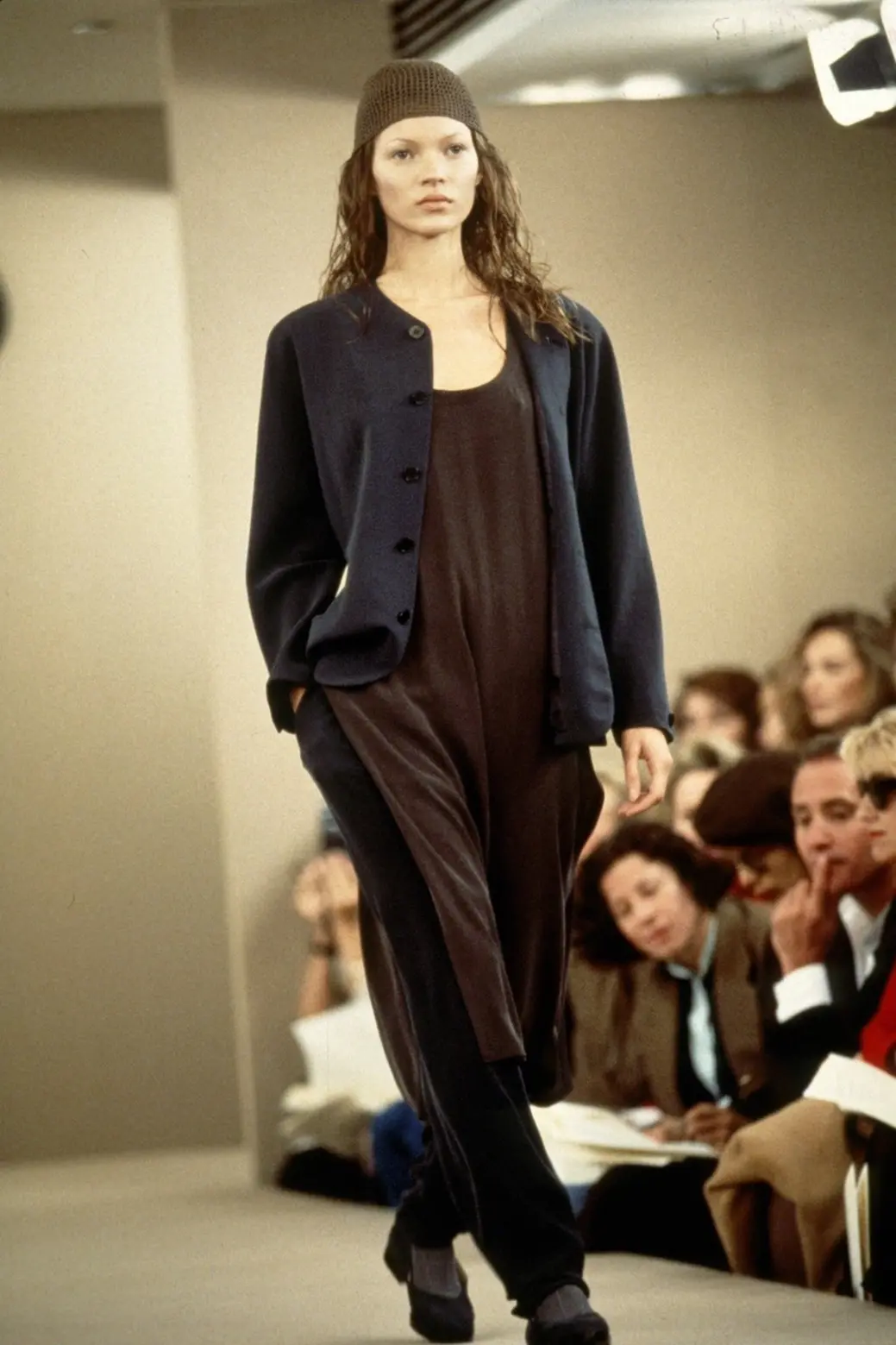
But the true explosion, the moment grunge unequivocally crashed the gates of high fashion, came with Marc Jacobs's Spring 1993 collection for Perry Ellis. Jacobs, a visionary sensing the zeitgeist, wasn't just dabbling; he was diving headfirst. "Inspired by the Seattle scene," though he'd "in fact never been to the Pacific Northwest city," he sent supermodels like Naomi Campbell, Kate Moss, and Tyra Banks down the runway in audacious interpretations of thrift store finds. These weren't literal copies; they were luxe re-imaginings: "silk shirts made to mimic flannel," "chiffon dresses created in an homage to polyester," all paired with combat boots. Jacobs himself described it as a "hippied romantic version of punk."
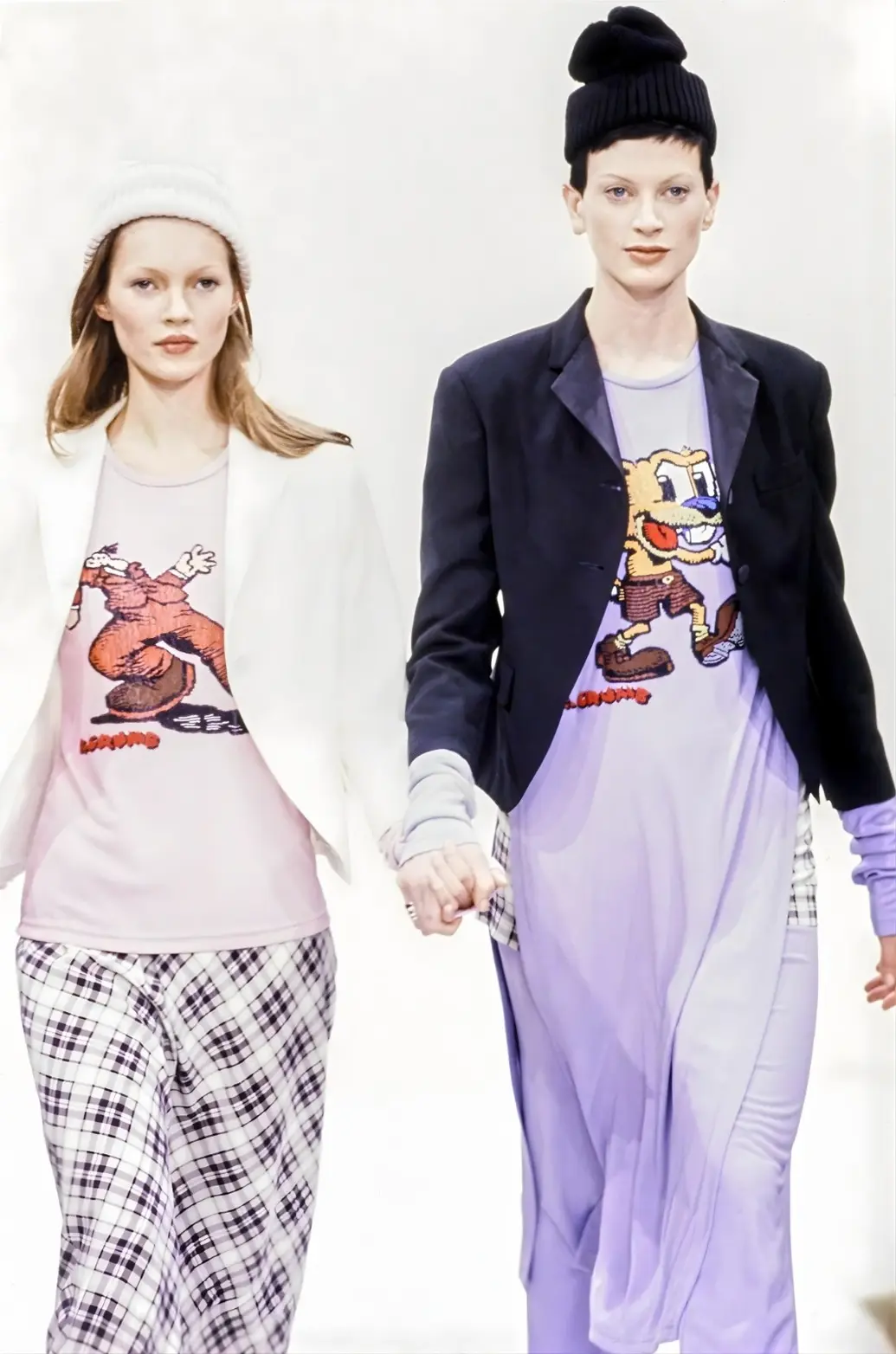
The reaction was nothing short of a fashion earthquake. The establishment, steeped in heritage and refined silhouettes, recoiled. Critics delivered stinging rebukes. Bernadine Morris of The New York Times scoffed that “a typical outfit looks as if it were put together with the eyes closed in a very dark room.” Cathy Horyn thundered, “Grunge is anathema to fashion, and for a major Seventh Avenue fashion house to put out that kind of statement at that kind of price point is ridiculous.” New York Magazine declared, “Grunge: 1992–1993, R.I.P.” This wasn’t just aesthetic disagreement. It was a philosophical clash. Why pay luxury prices for what resembled thrift-shop scraps? Was fashion not meant to aspire upward?
And yet, in its very controversy, lay its genius. This collection, which famously got Jacobs fired from Perry Ellis, simultaneously "made his career." It was a bold, unprecedented act of fashion democratization, demonstrating that true cool could trickle up from the streets, not just cascade down from Parisian ateliers. As Megan Jasper of Sub Pop pointed out, the irony of people paying high prices for something you could buy for $5 at a thrift store was not lost on the original grunge scene. This inherent contradiction, this deliberate tension between low and high, became part of grunge's enduring allure.
Adding another layer to this fascinating narrative was the legendary Steven Meisel. His iconic December 1992 Vogue editorial, featuring Kristen McMenamy, Nadja Auermann, and Naomi Campbell, was a visual thunderbolt. It was, as Vogue itself acknowledged, "the first time they introduced grunge in a fashion magazine." Meisel, a true visionary, captured the mood, the defiant spirit, and the unexpected allure of the aesthetic, transforming controversial runway looks into aspirational imagery. This fusion of underground music culture with high fashion, amplified by Vogue's immense platform, catapulted grunge into the mainstream consciousness, making it "popular in a different way."
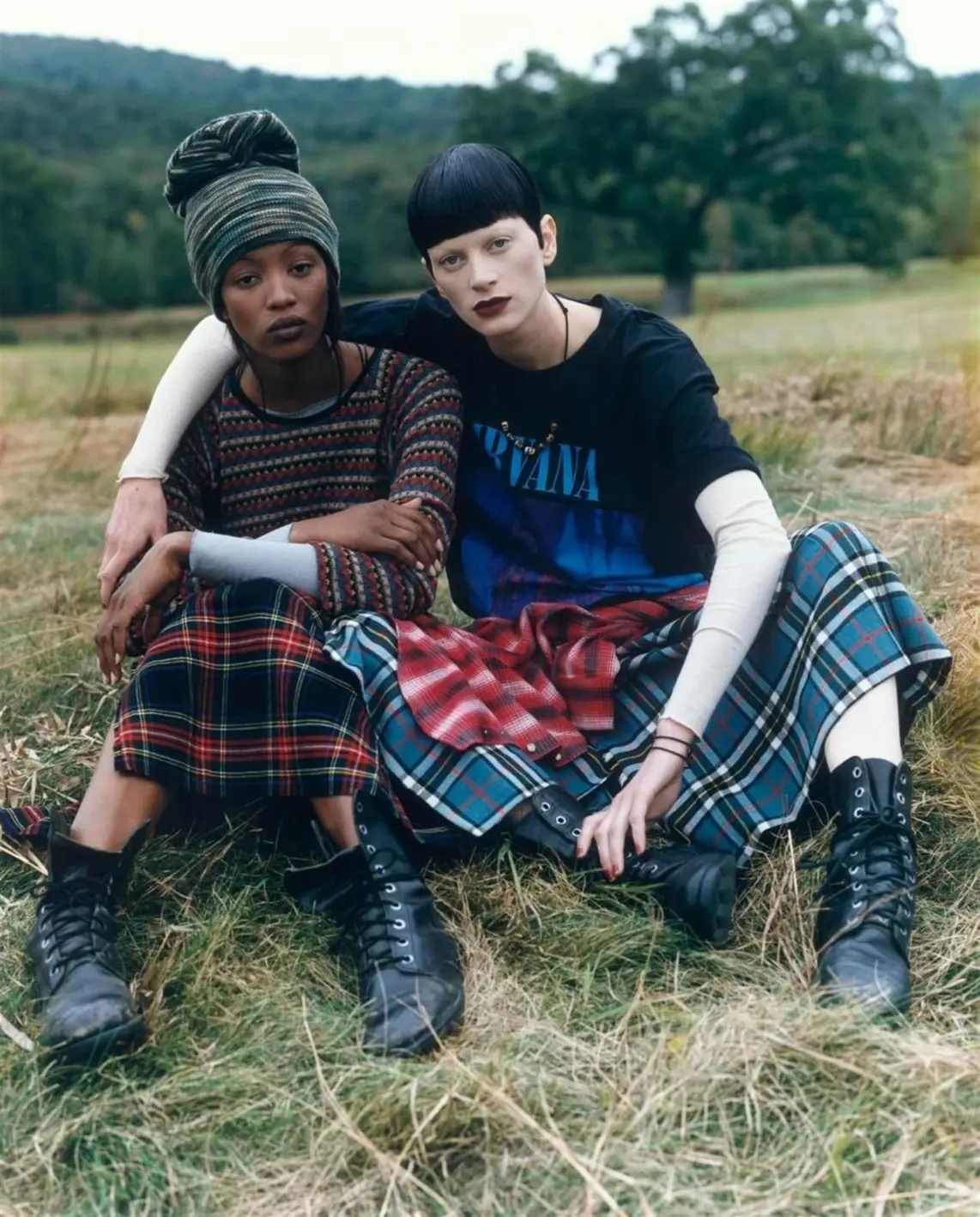
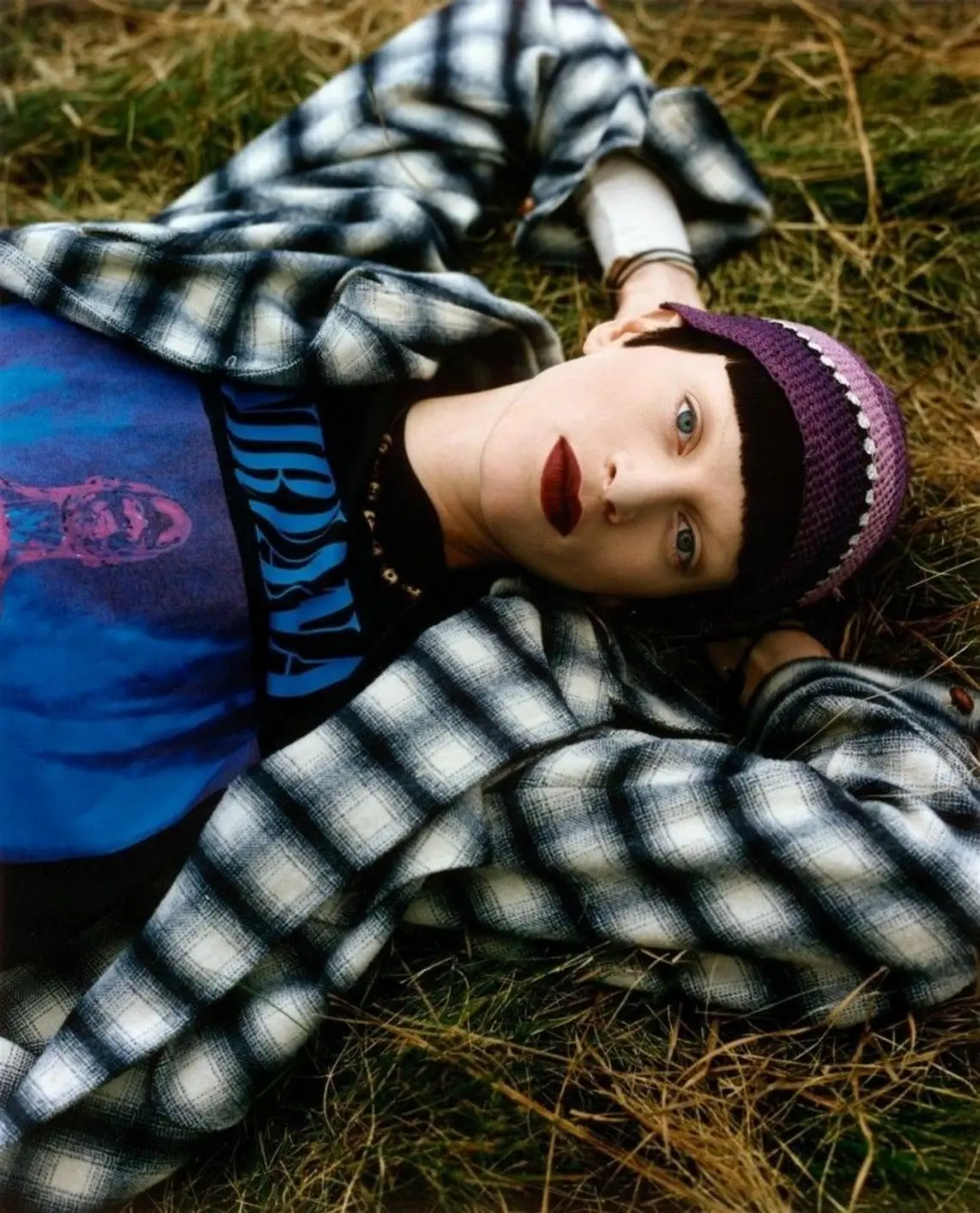
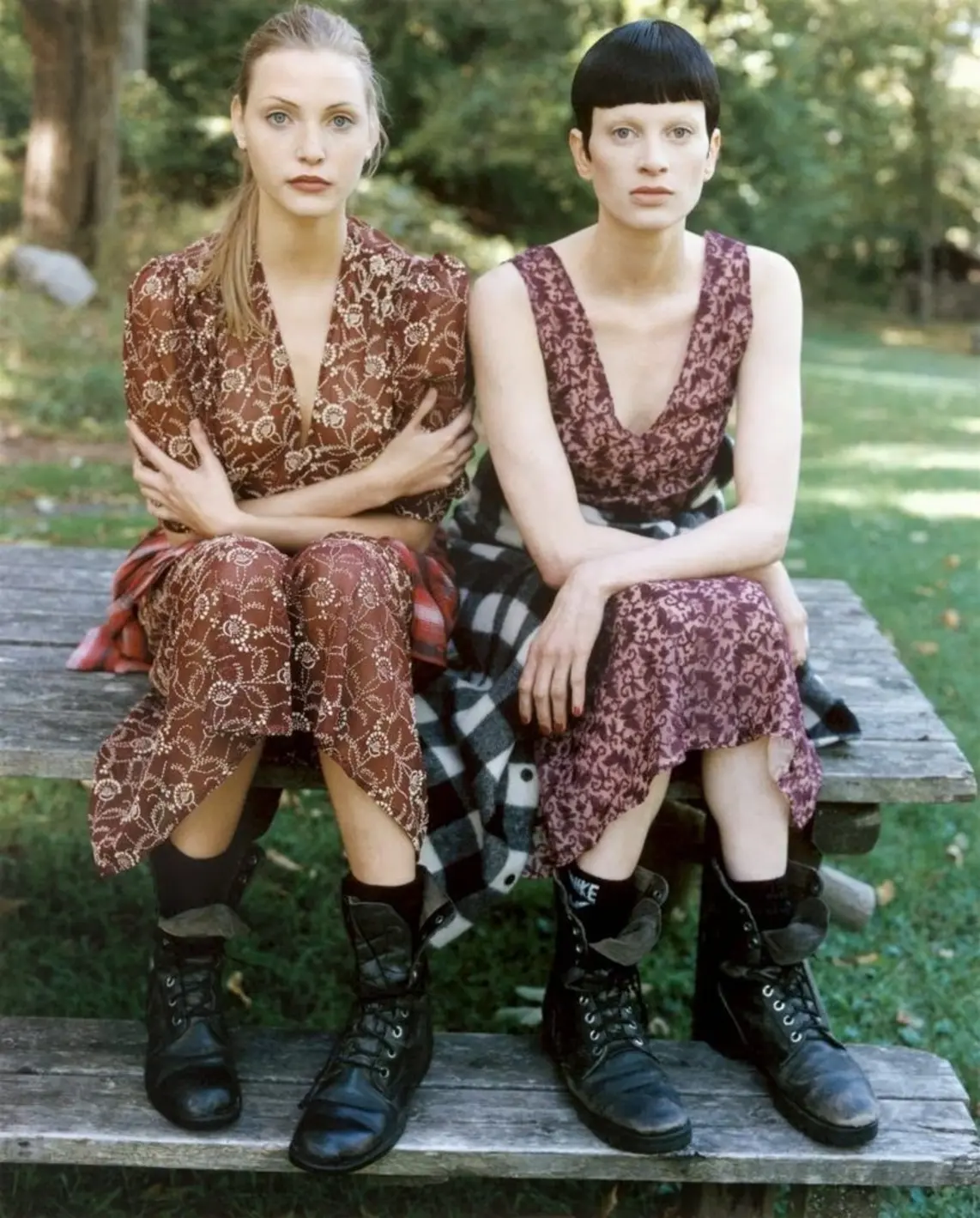
And the final, exquisite twist? Kurt Cobain and Courtney Love, the very muses for Jacobs's collection, famously "burned it. We were punkers, we didn’t like that kind of thing." This single anecdote, more than any critical review, underscored the authentic, anti-establishment heart of original grunge. It refused to be co-opted, even when high fashion came calling with open arms.
Despite its contentious birth on the runway, grunge evolved into far more than a fleeting style moment. It became a profound shift in cultural identity and a new understanding of what defined “chic.” The most defining traits of grunge fashion history – from distressed textures to chaotic layering – extended beyond clothing and became an attitude, a philosophy, and a rebellion against the fashion system itself. These “iconic characteristics” encapsulated an entire lifestyle, one that intentionally rejected mall culture and glossy perfection, aligning with the riot grrrl movement, slackers, and the underground countercultures shaping 90s grunge fashion. The core values DIY, acceptance, comfort, and self-expression, cemented grunge fashion as a permanent pillar of personal style.
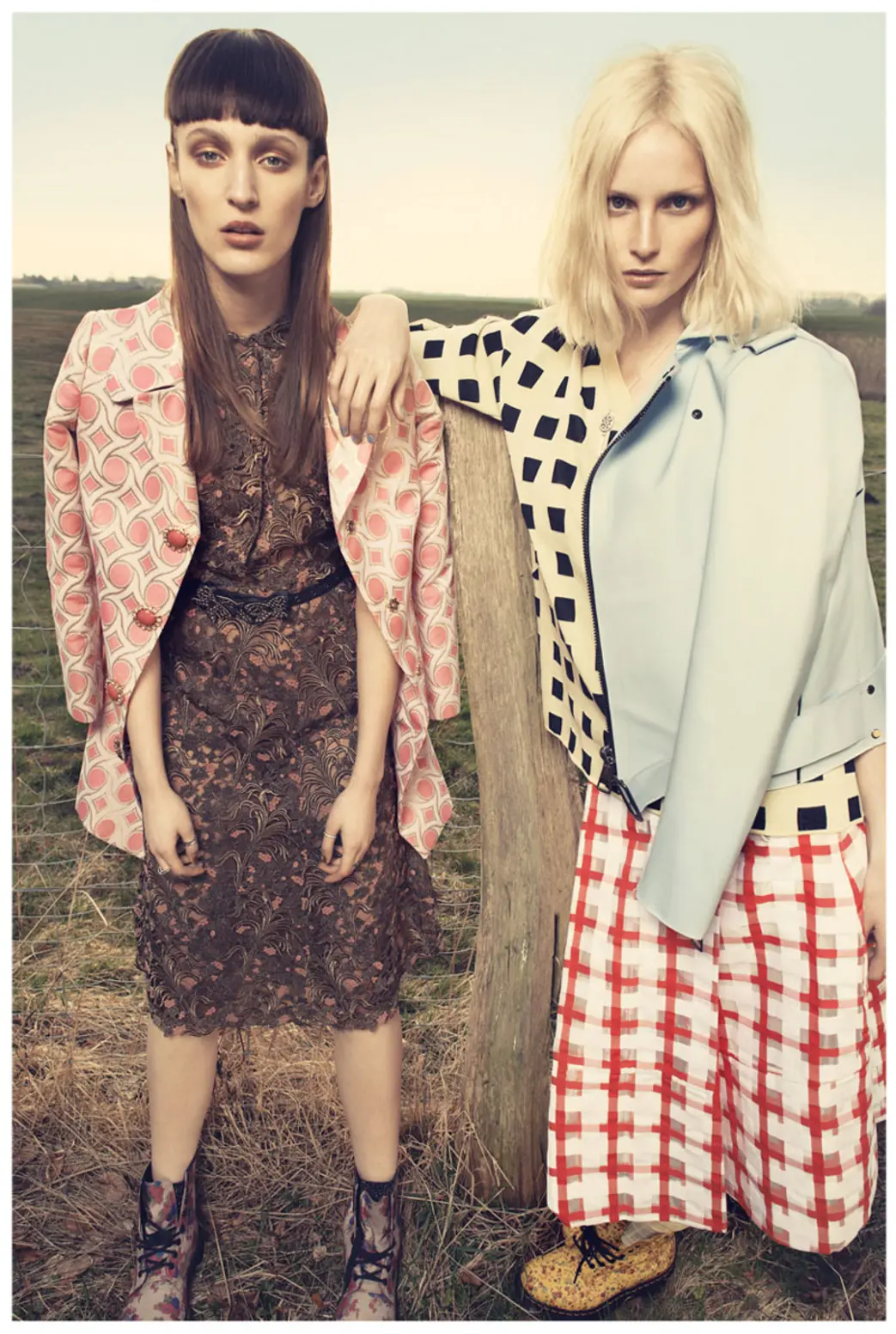
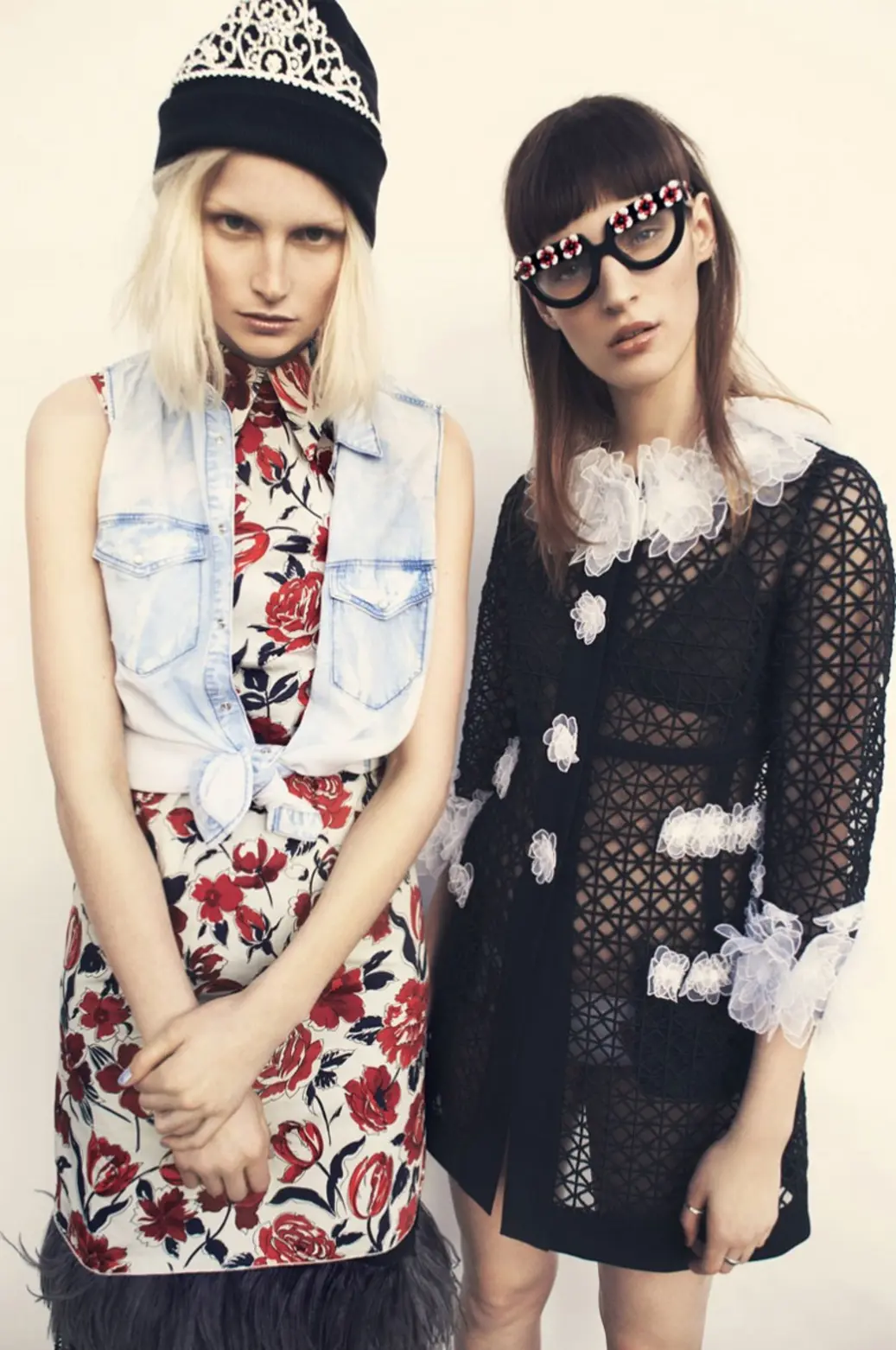
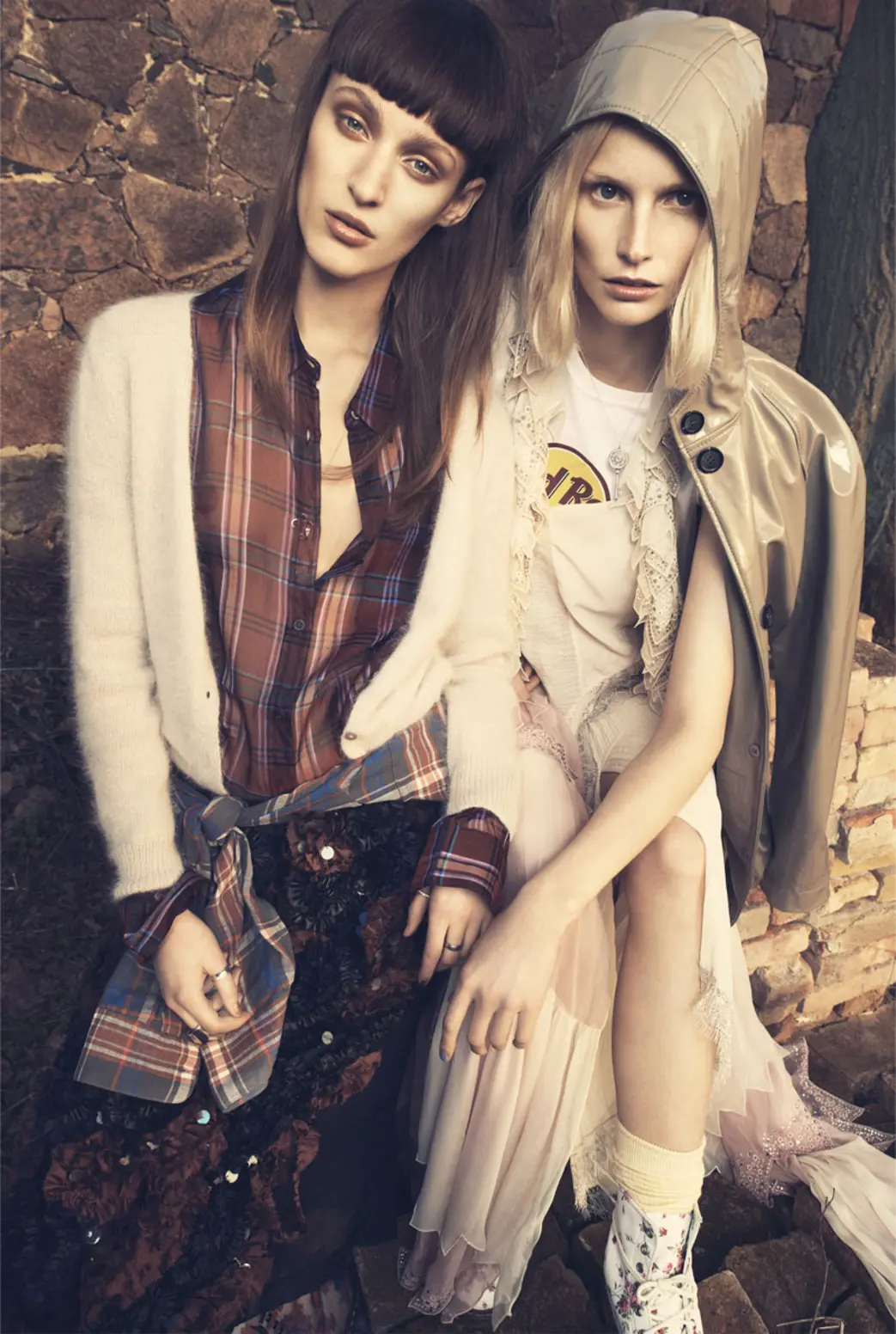
This isn't just about a hole; it's about the narrative of a hole, the story of a garment lived in, loved, and imbued with character. From Acne Studios' crystal-embellished sweaters to Raf Simons's artfully unraveling knits, today's distressed pieces are a testament to curated imperfection. They convey a sense of genuine lived experience, a beautiful defiance against the pressure to be flawless. As Julianne Escobedo Shepherd, a music and culture writer, aptly states, "Not only did he [Cobain] make it okay to be a freak, he made it desirable." In an age saturated with Photoshopped perfection, the allure of the beautifully flawed is more potent than ever.

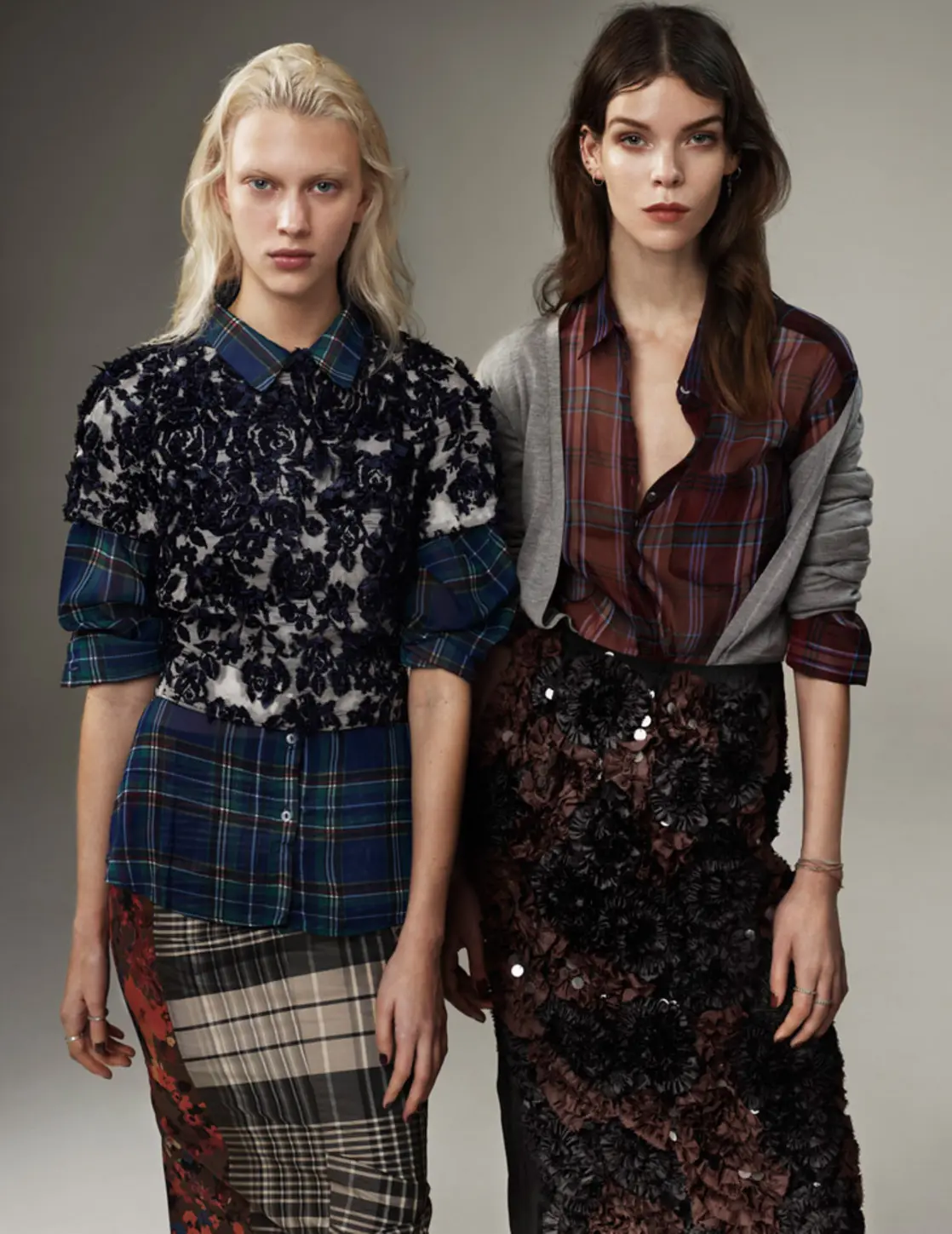

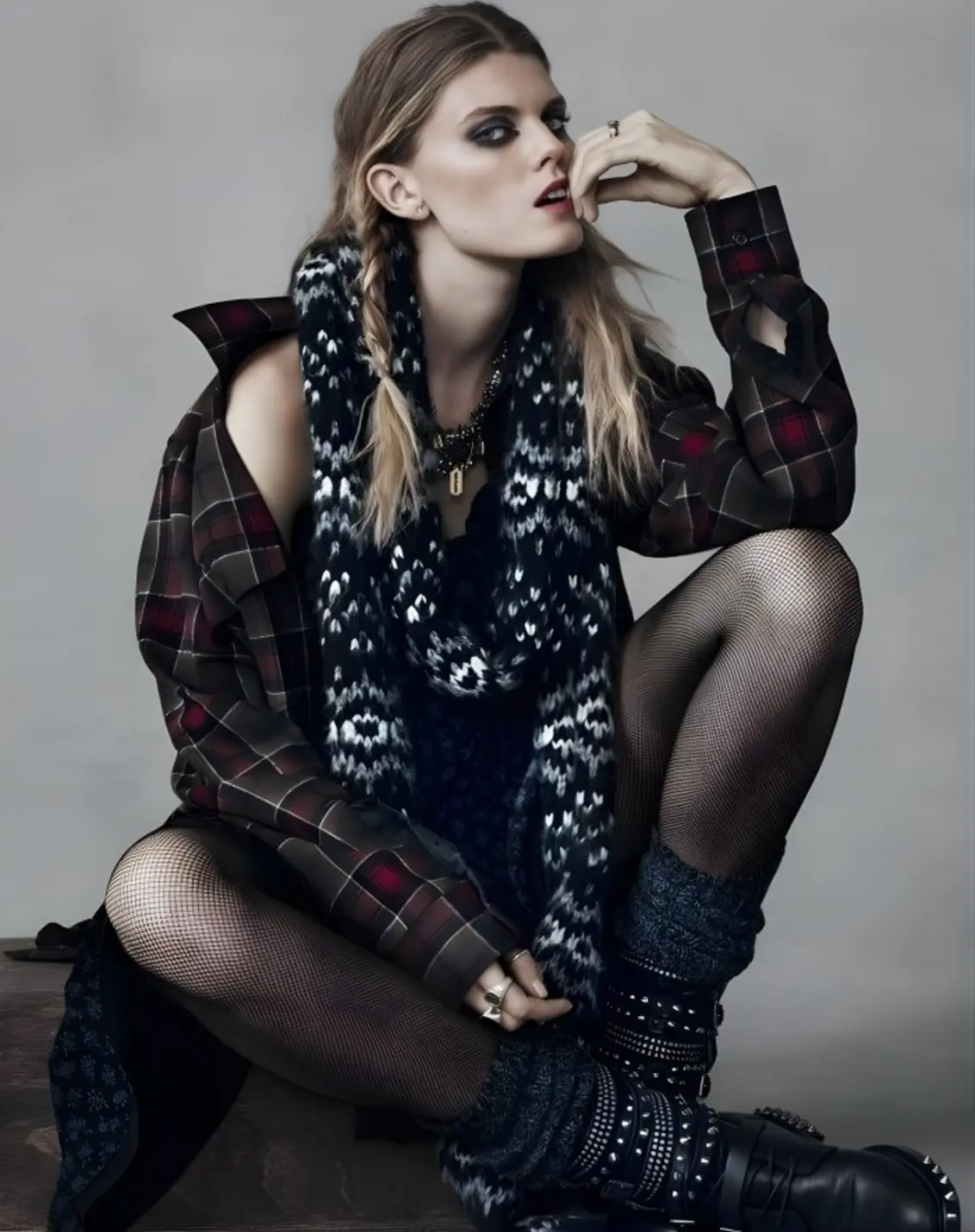
Layering - one of the most enduring signatures of grunge fashion, was born from pure necessity in the cold, damp Pacific Northwest. The plaid flannel shirt, once a utilitarian garment tied to the timber industry, evolved into one of fashion’s most versatile icons. Today, it functions as a timeless chameleon in the wardrobe. It’s not just worn; it’s performed—draped, tied, oversized, shrunken, and styled with couture-level precision.
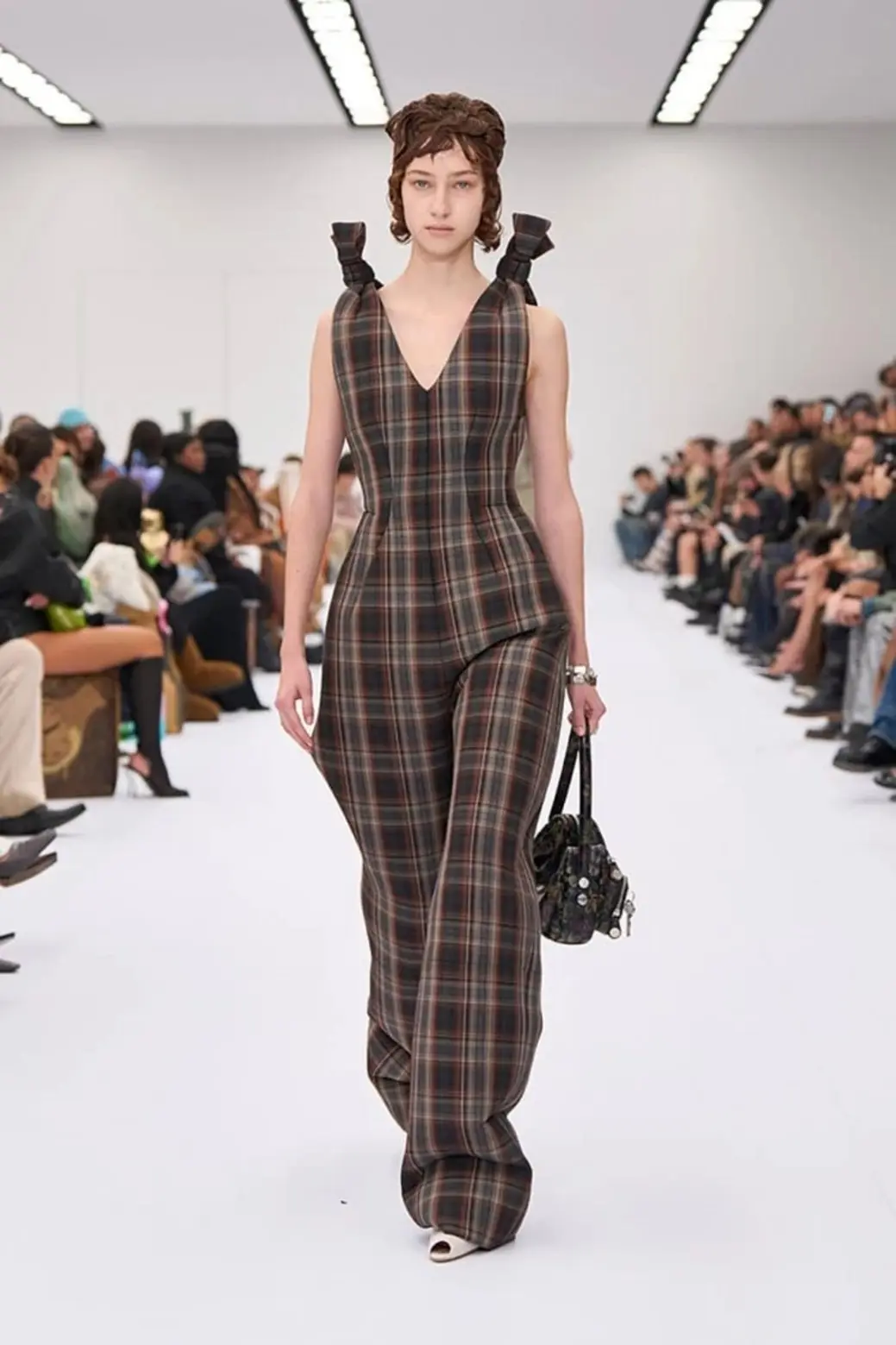
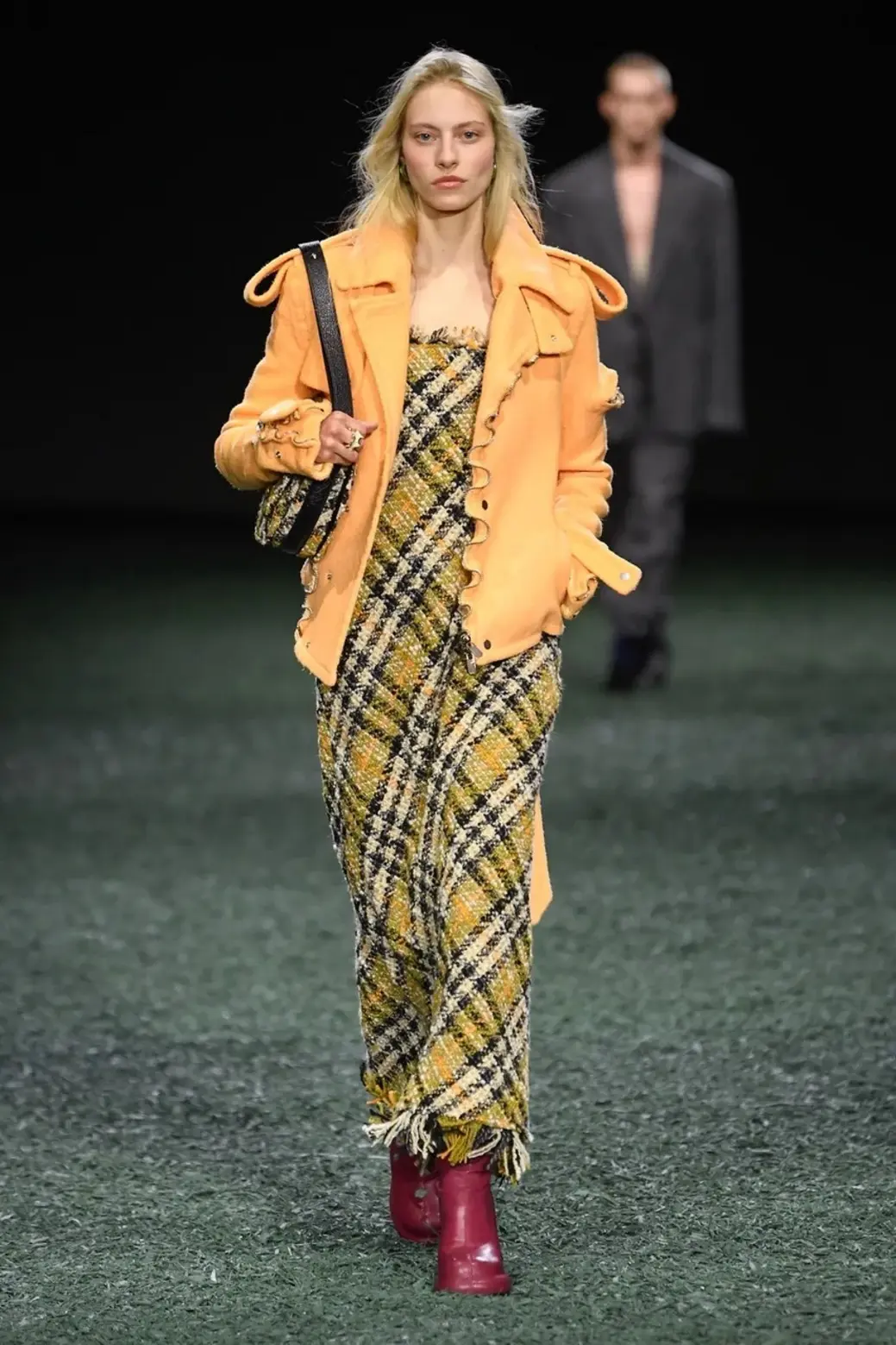
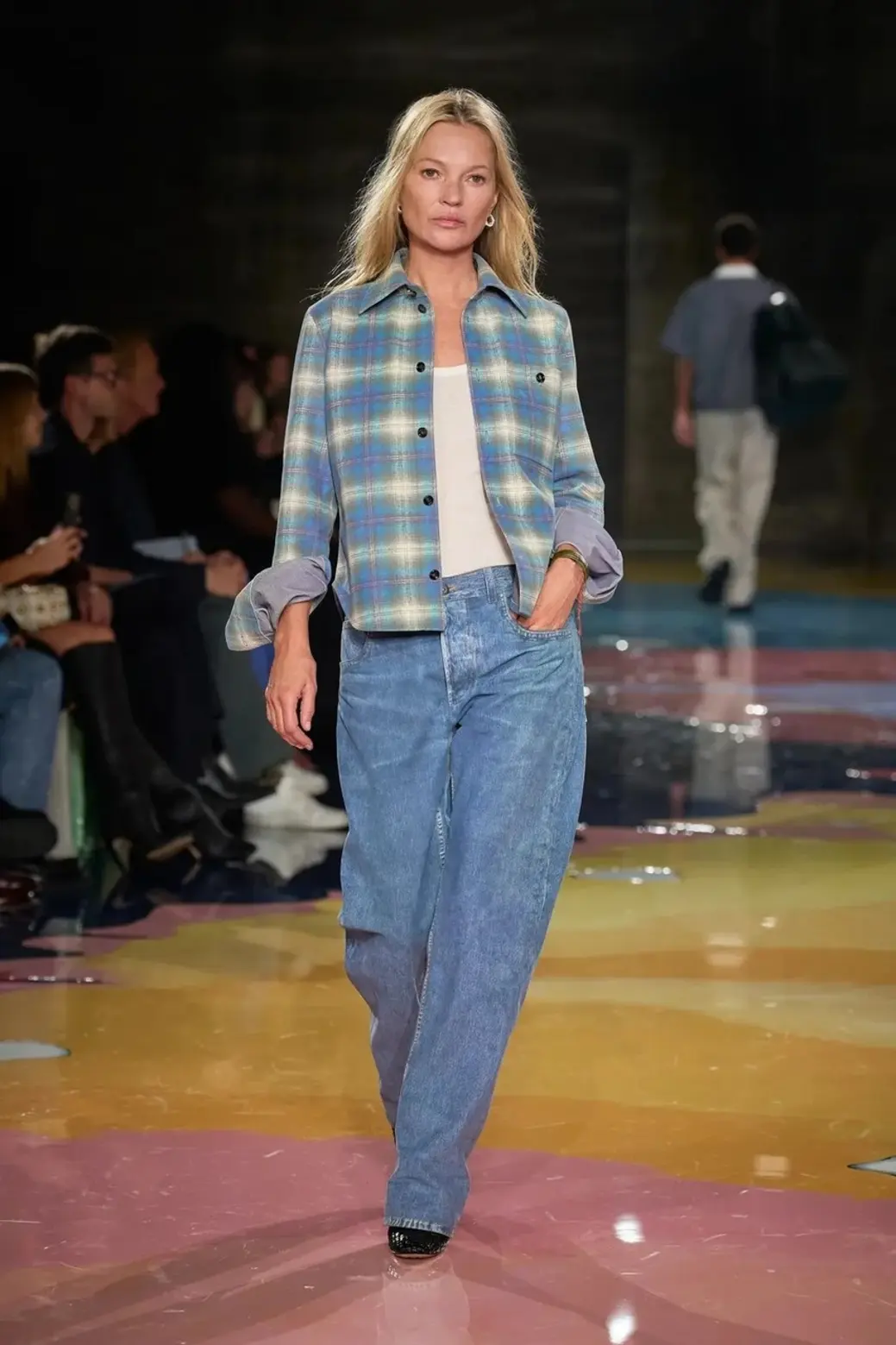
In contemporary runway cycles, plaid’s dominance continues to grow. Spring/Summer 2025 collections from Acne Studios, Burberry, and Bottega Veneta delivered a “playful plaid explosion,” pushing the boundaries of glam grunge outfits while honoring the roots of 90s grunge fashion. Matthieu Blazy’s flannel shirt crafted entirely from ultra-thin leather, worn by Kate Moss herself, became a surreal fusion of working-class grit and luxury craftsmanship. Meanwhile, street style embraces the chaos: mismatched flannel, slouchy layering, oversized proportions thrown together with “grungy, easygoing” spontaneity.
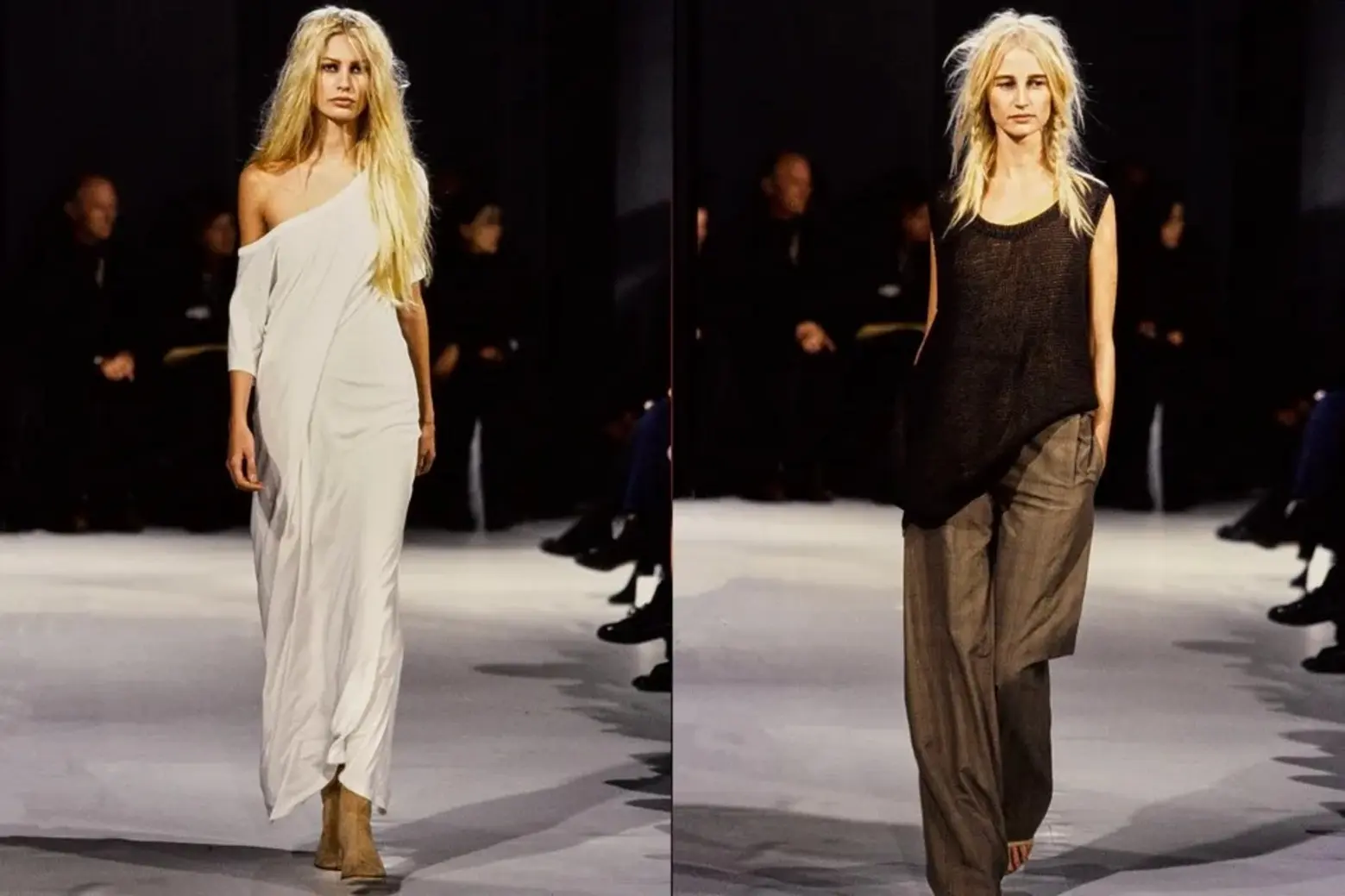
Courtney Love's signature piece continues its reign. The interplay of a delicate slip dress with chunky boots, or a distressed knit, embodies a complex, modern femininity. Designers like Ann Demeulemeester, and Calvin Klein offer sleek renditions. This aesthetic is "faintly fetishistic, romantic yet melancholic," celebrating a woman's body on her own terms. As Robbie Sinclair of Fashion Snoops notes, "it’s not about sex. It’s about having ownership of one’s body.”
Since its '90s peak, grunge has never truly left the fashion consciousness. Designers from Hedi Slimane's "unabashed ode to grunge" at Saint Laurent to Raf Simons's floral prints inspired by Cobain's dresses, continually revisit its archives. We see its echoes in the "models-off-duty uniform" of Cara Delevingne and the "anti-pop princess" persona of Lorde.

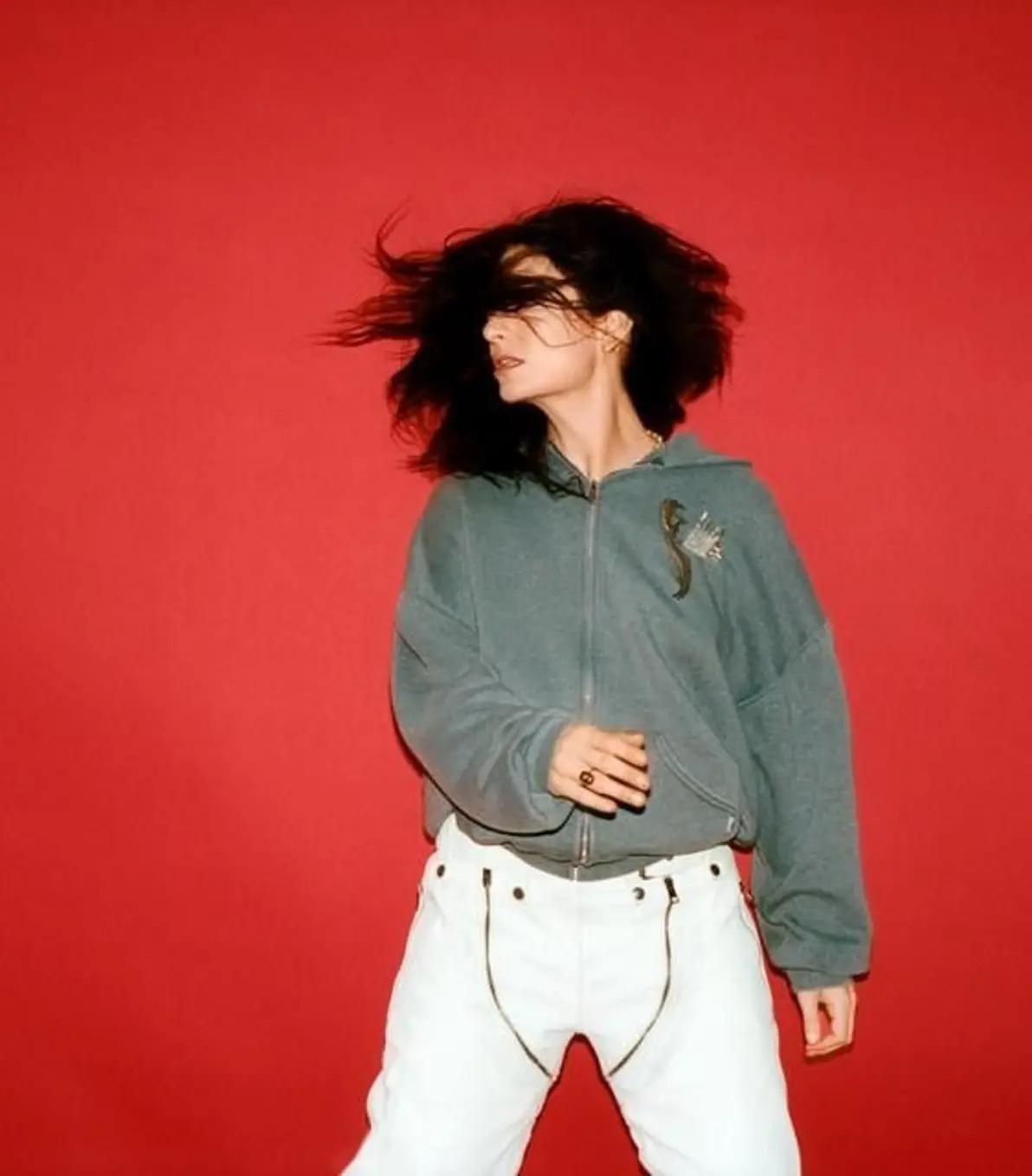
But it's Gen Z who are orchestrating the most compelling transformation of the grunge style aesthetic in decades. Burned out by digital pressure, algorithmic perfection, and the expectation to be endlessly optimized, this generation gravitates toward authenticity at the core of grunge fashion. They aren't simply recreating it. They're bending it, remixing it, mutating it - forming entirely new substyles like soft grunge, glam grunge outfits, grunge fairycore, and indie-sleaze revival.
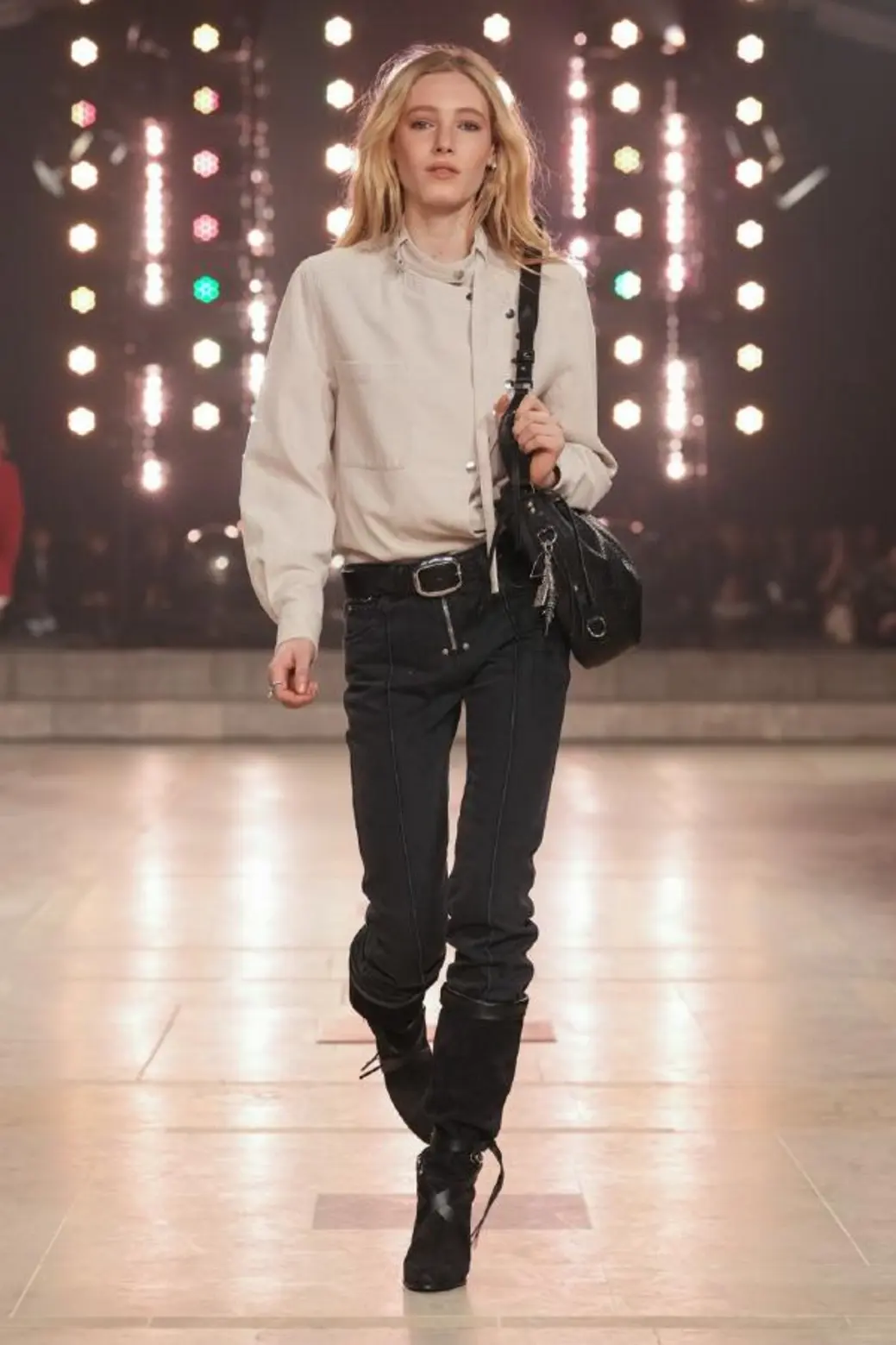
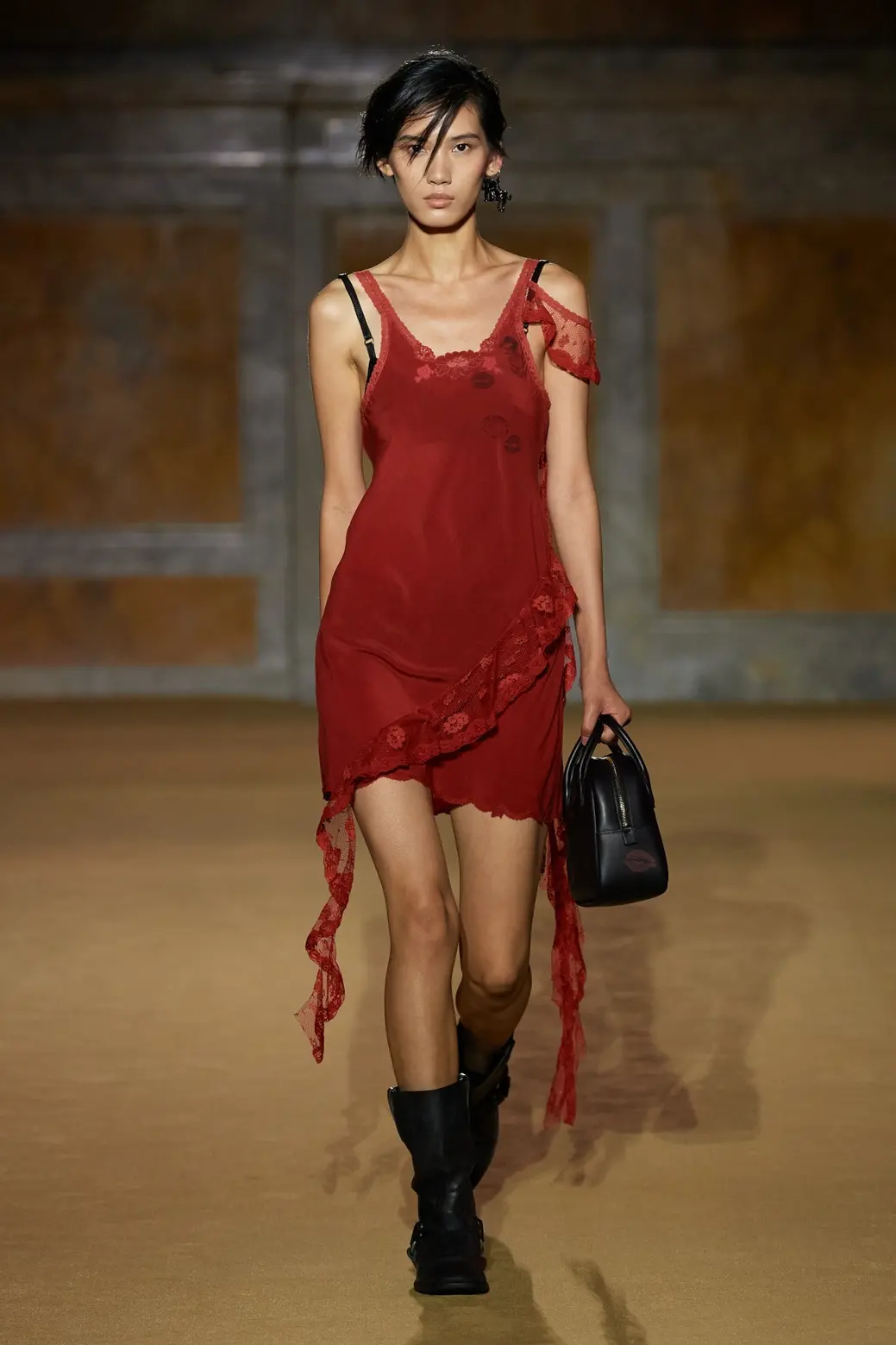
This generation approaches aesthetics with a kind of fearless hybridity. With a knack for pulling elements from diverse subcultures and emotional touchpoints, they fuse nostalgia and novelty into looks that feel familiar yet electric. They’re not copying 90s grunge fashion. They’re reanimating its spirit for a new era. Their reinterpretations feel like a bridge between the angst of the past and the emotional turbulence of the digital present, creating something uniquely their own.
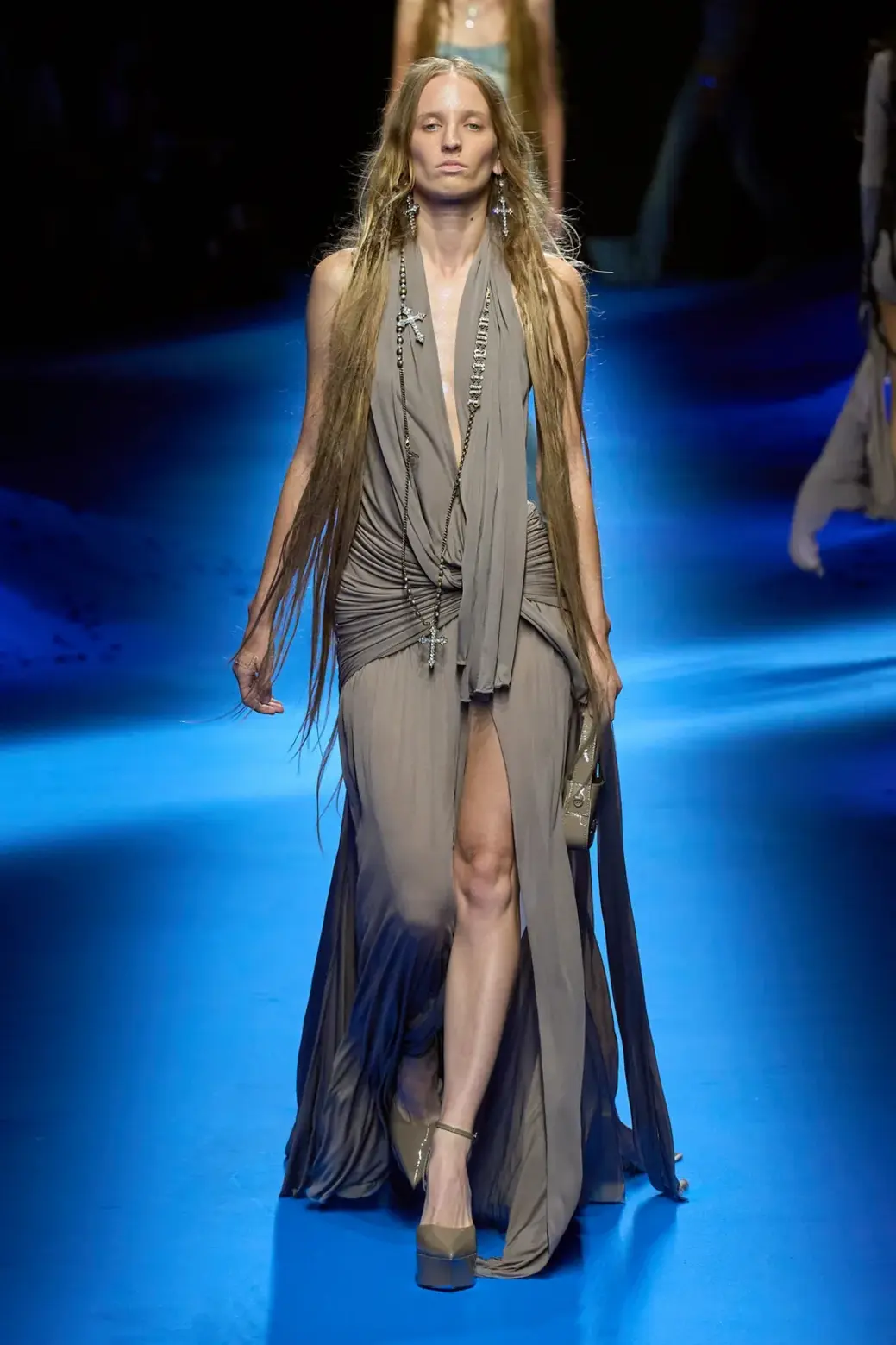
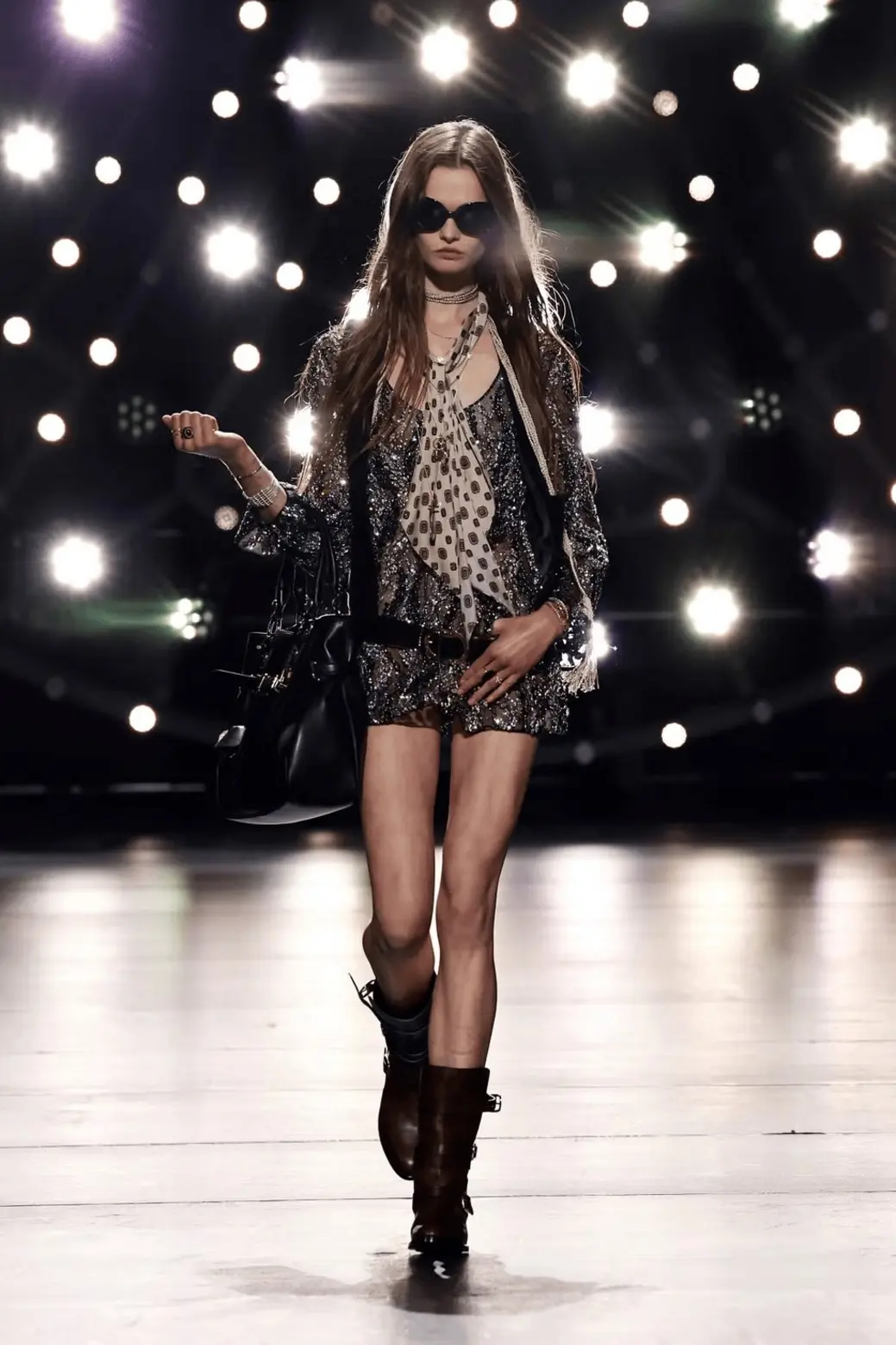
The "current grunge aesthetic is also faintly fetishistic, romantic yet melancholic," with "mismatching flowy georgette dresses, billowing blouses, and maxi skirts with ruffled trims, hook-and-eye fastenings, and lingerie-inspired inserts." It’s "horrendous dressing" but "it feels much sexier," says Sinclair. The color palette has evolved too, embracing "muddy watercolor pastels: misted mauve, faded fennel, sulking-room pink, and puddle," reflecting a deeper connection to nature's imperfect beauty. Brands like Blumarine, No/Faith Studios, and Red September are pioneering this "apocalyptic-teen-angst trend."

What began as a regional rebellion what some once dismissed as a “serfs’ uprising against aristocratic glamour”, became a seismic aesthetic revolution. Grunge fashion history ultimately challenged everything fashion was supposed to be. It cherished the “revolting,” championed the unpolished, and sparked a movement where value lay not in perfection but in the refusal to perform it.
Grunge proved that elegance has nothing to do with glossy seams or gemstone sparkle. Instead, it's rooted in authenticity - confidence expressed in the looseness of a flannel, the smudge of liner after midnight, the comfort of worn denim. It democratized fashion by proving that style could flow from the streets upward, transforming lived experience into a new luxury. It invited the industry to reconsider what we call “chic,” replacing aspiration with self-acceptance and replacing polish with presence.


And that’s why the philosophy of grunge fashion, with all its contradictions, continues to thrive. The heart of 90s grunge fashion wasn’t about trend-chasing but about showing up exactly as you are, and allowing that to be enough. The most unforgettable style statements were the ones made without effort, without the desire to impress, and without the need for validation. It prioritized comfort, raw honesty, and the courage to craft identity on one’s own terms.
Grunge is the eternal cool-girl uniform: the flannel that slips off one shoulder, the cardigan with a hole that tells a story, the slip dress paired with boots because it just feels right. It reminds us that sometimes the most radical expression of style is simply the refusal to polish yourself into oblivion. It whispers one timeless truth across generations:
Come as you are. And honestly, what could ever be cooler than that?