MENU
Close





As April 2026 unfolds, MoMA is staging Marcel Duchamp, the museum’s first major North American retrospective of the artist in more than 50 years, turning New York into the season’s sharpest site of conceptual rediscovery.
As April 2026 unfolds, MoMA is staging Marcel Duchamp, the museum’s first major North American retrospective of the artist in more than 50 years, turning New York into the season’s sharpest site of conceptual rediscovery.
April 12, 2026


As of April 2026, the Museum of Modern Art is hosting Marcel Duchamp, the first major North American retrospective of the artist’s work in over 50 years. On view from April 12 through August 22 in the Steven and Alexandra Cohen Center for Special Exhibitions, the show is organized by MoMA and the Philadelphia Museum of Art, with the collaboration of the Centre Pompidou. Bringing together nearly 300 works spanning 1900 to 1968, it arrives with the weight of a major institutional event and the thrill of a long-awaited return.
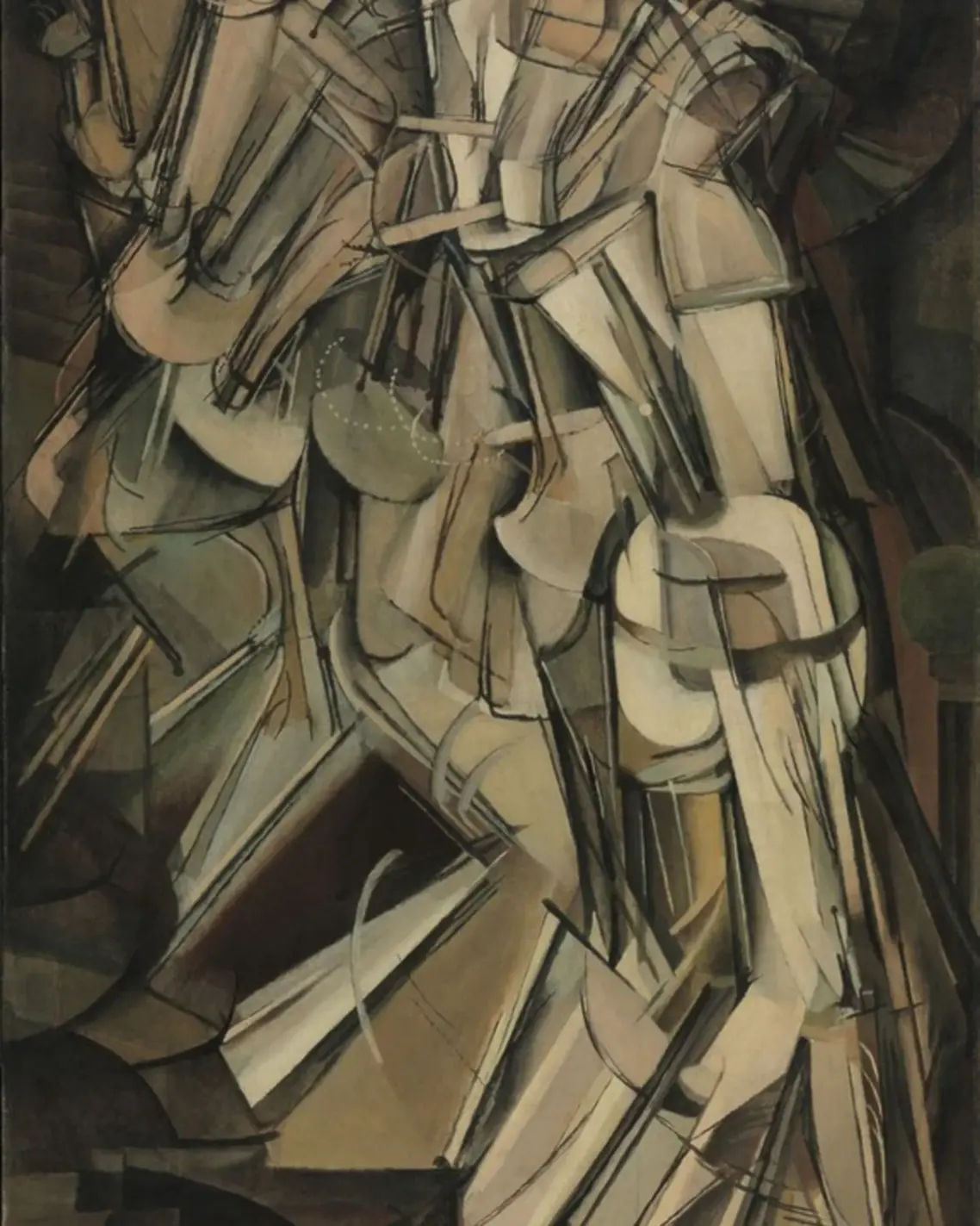
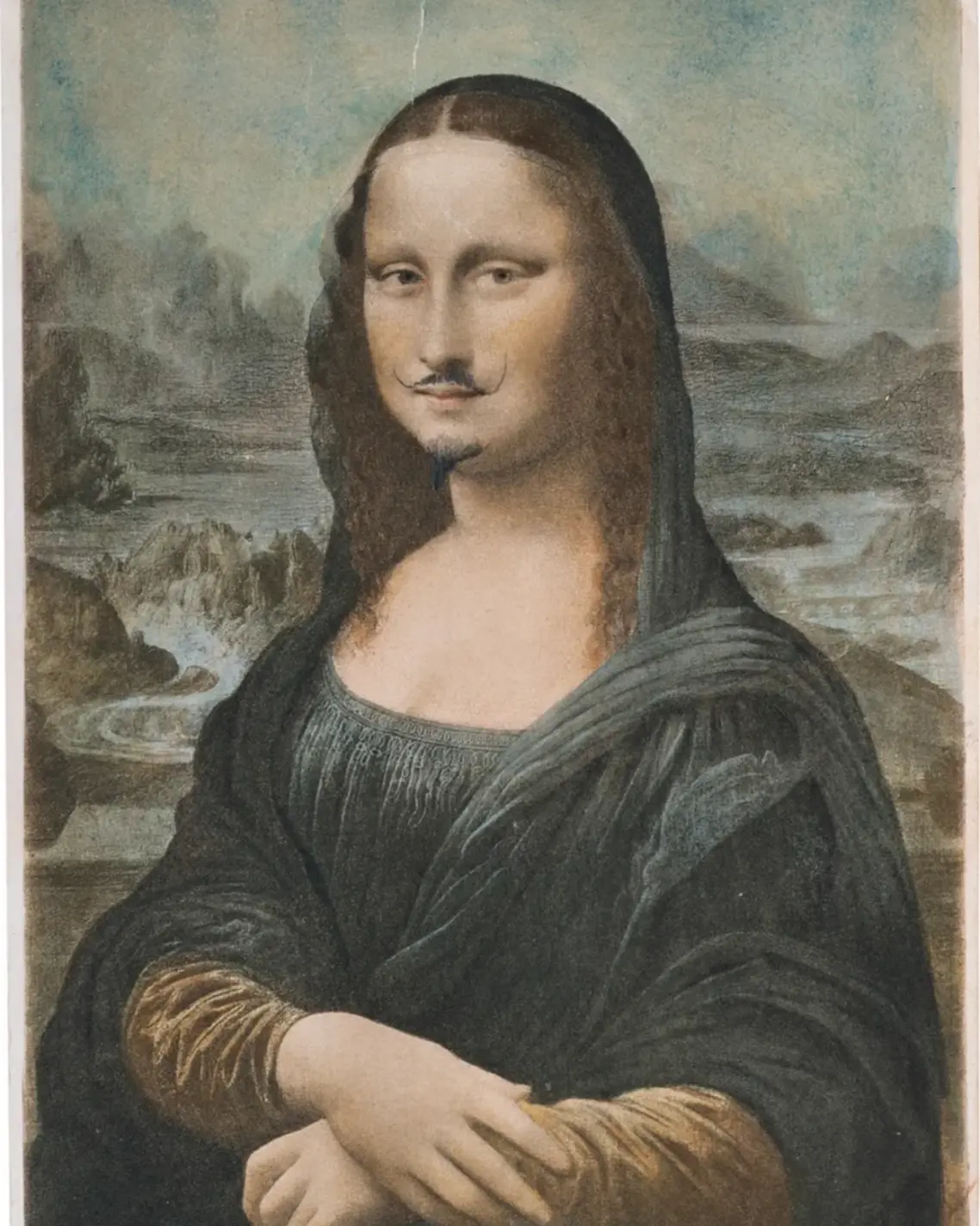
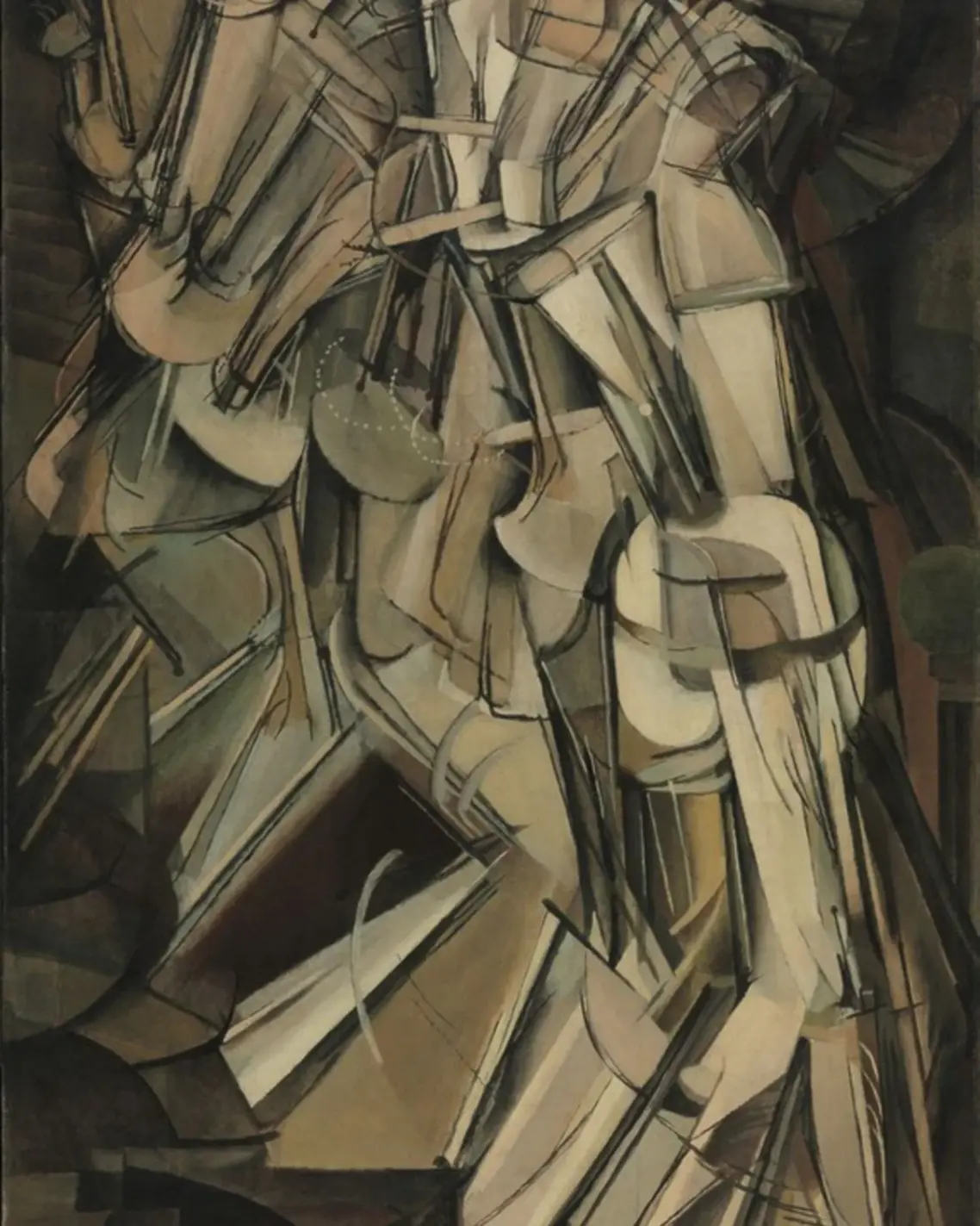
What makes this retrospective so powerful is its refusal to reduce Duchamp to a handful of famous provocations. Instead, the exhibition presents him as a shape-shifting figure who moved across painting, sculpture, photography, film, printed matter, and optical experiment with equal intensity. Among the key works on view are Nude Descending a Staircase (No. 2), L.H.O.O.Q., Fountain, Bicycle Wheel, and Box in a Valise, the latter serving as a compact manifesto for Marcel Duchamp’s lifelong fascination with repetition, portability, and authorship. Seen together, these works make clear that his career was never built on one scandal alone, but on sustained reprogramming of what art could be.
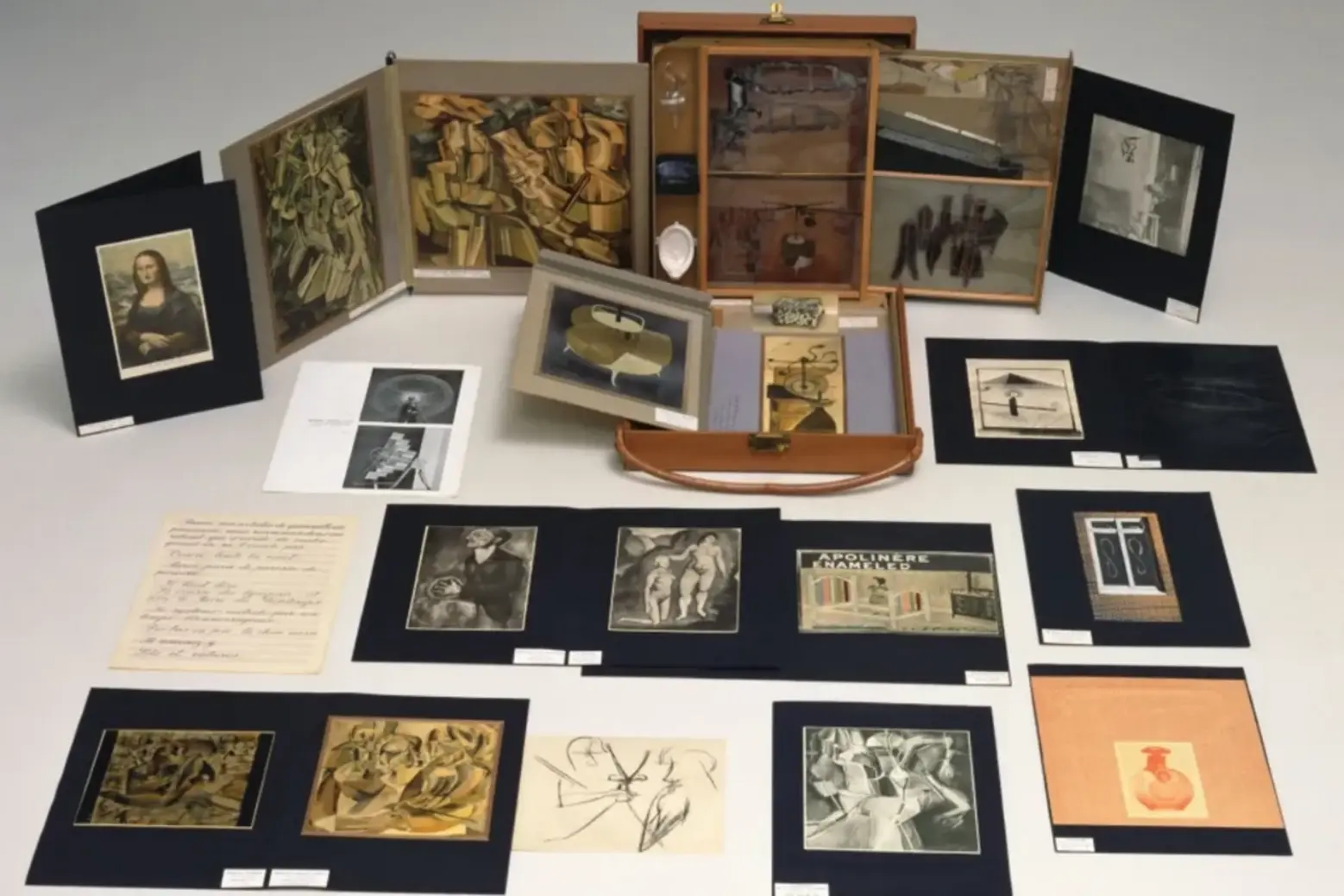
The retrospective also gains force from MoMA’s own permanent holdings, which allow visitors to extend the experience beyond the special exhibition. Works such as Fresh Widow, In Advance of the Broken Arm, and Network of Stoppages remain crucial for understanding Marcel Duchamp’s dismantling of conventional categories. They show how he transformed ordinary things, chance operations, and linguistic wit into tools for remaking modern art. Even more delicious is the fact that some of his best-known readymades survive at MoMA only as later versions made after lost originals, a detail that feels perfectly aligned with Duchamp’s lifelong mockery of authenticity and aura.
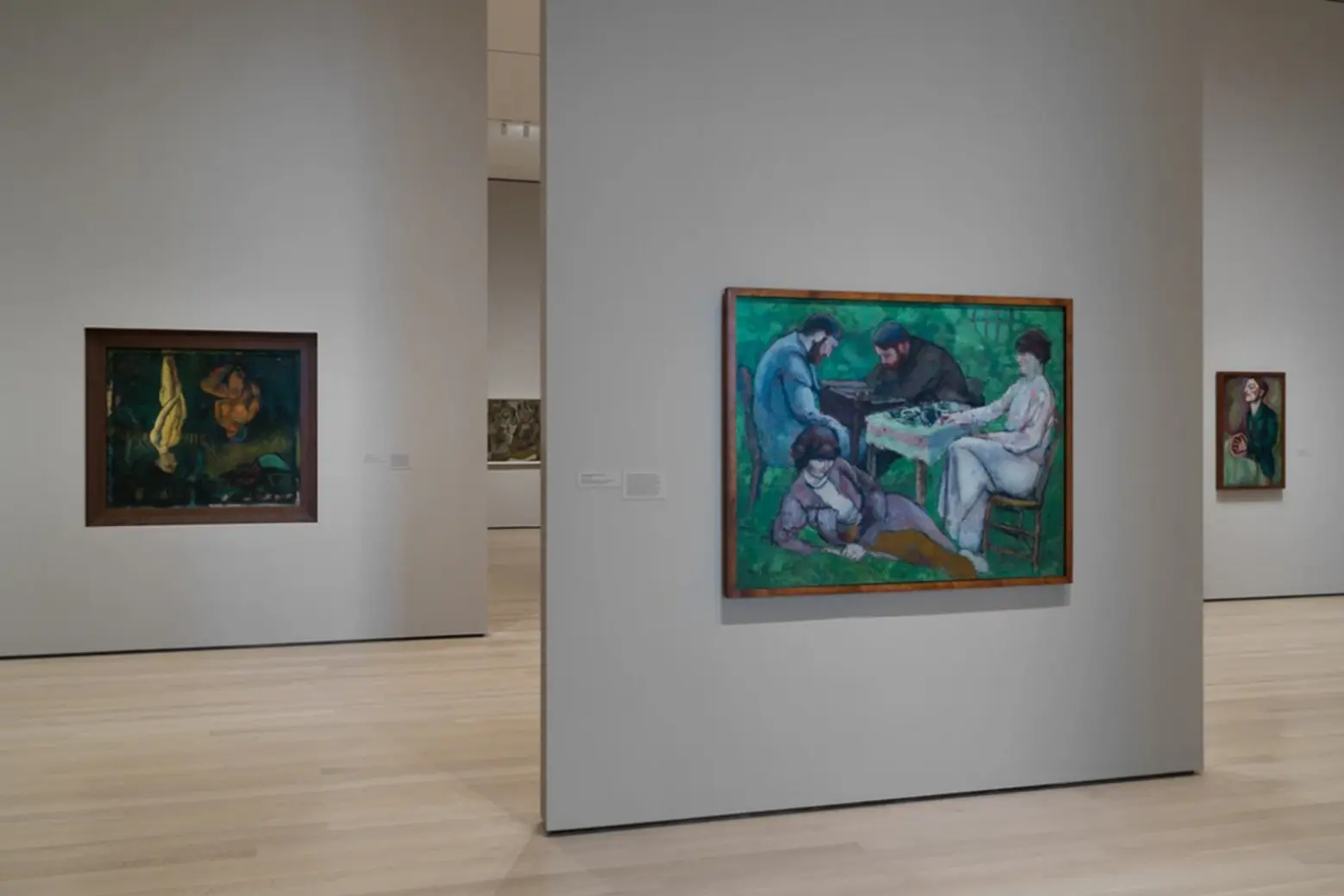
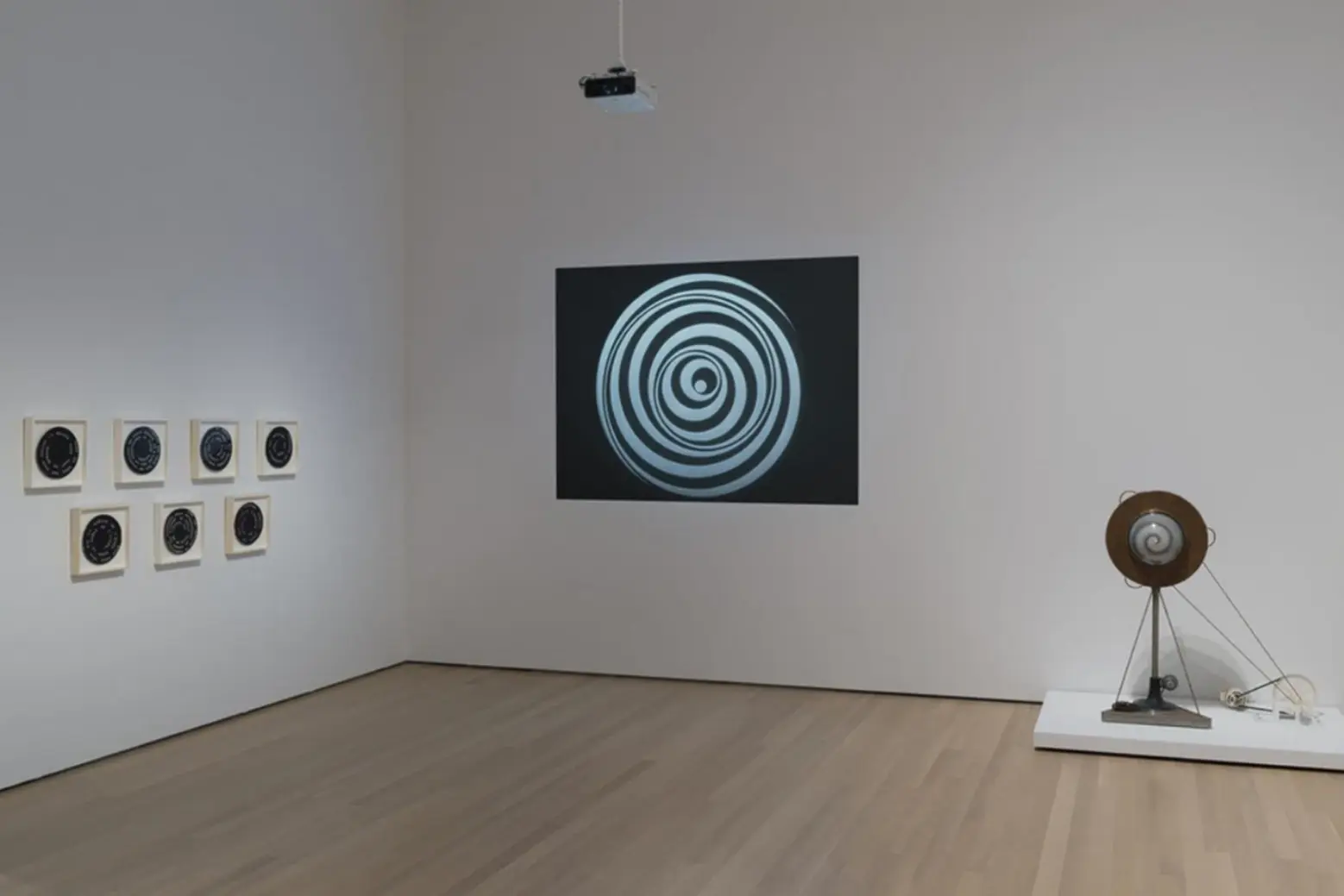
There is also a strong sense of present-tense urgency around the show. Member previews ran just before the public opening, and MoMA has paired the exhibition with a major new 340-page catalogue, signaling that this is as much a scholarly reset as a crowd-pulling blockbuster. For anyone tracking the spring’s bigger cultural mood, Marcel Duchamp feels especially timely: in a season obsessed with materiality, craft, and the stubborn life of objects, MoMA has chosen to center the artist who made the object unstable in the first place.