MENU
Close





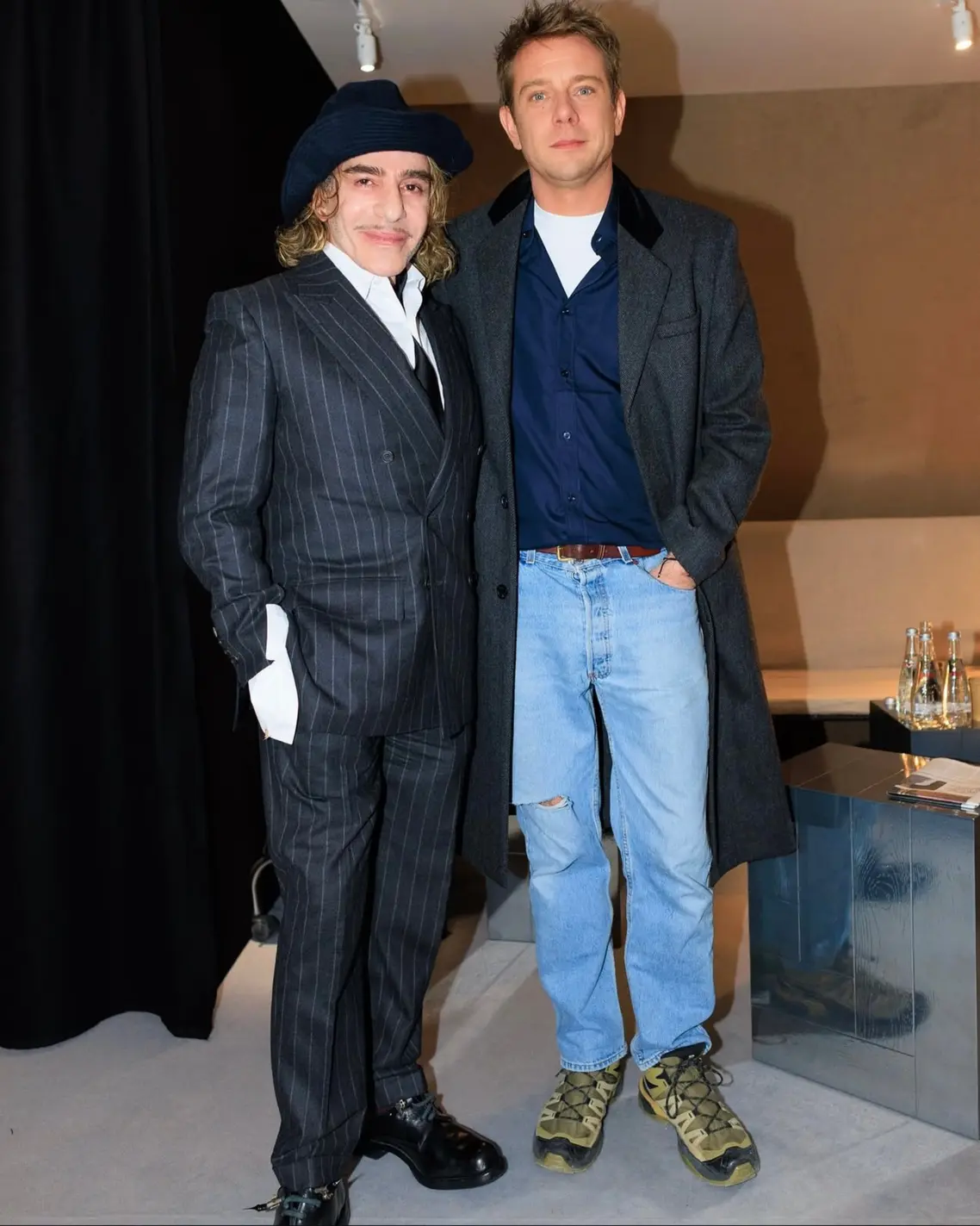
On 26th January, 2026 John Galliano’s presence at Jonathan Anderson’s first Haute Couture show for Dior was more than a noteworthy appearance. It opened a quiet yet powerful conversation about legacy, memory, and continuity in high fashion. The John Galliano Dior Haute Couture legacy does not belong solely to a closed chapter of the past, it continues to exist, subtly and enduringly, in the way Dior today engages with its own history.
On 26th January, 2026 John Galliano’s presence at Jonathan Anderson’s first Haute Couture show for Dior was more than a noteworthy appearance. It opened a quiet yet powerful conversation about legacy, memory, and continuity in high fashion. The John Galliano Dior Haute Couture legacy does not belong solely to a closed chapter of the past, it continues to exist, subtly and enduringly, in the way Dior today engages with its own history.
January 26, 2026


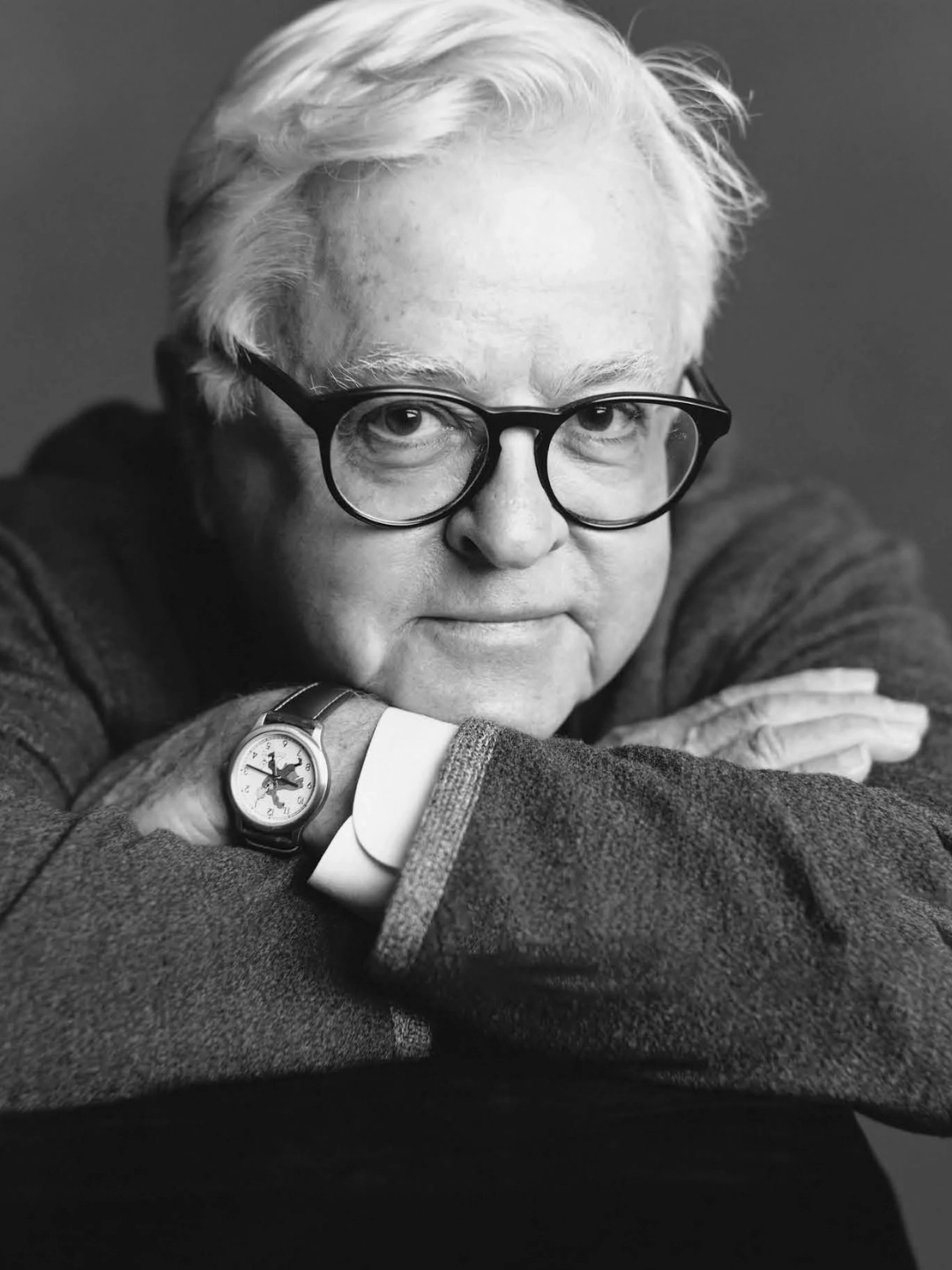
John Galliano’s appearance at Jonathan Anderson’s first Haute Couture show for Dior was not simply a backstage moment. It was a deeply symbolic image - one in which Dior’s past and present existed within the same space. There was no conflict, no rejection, only a quiet layering of time. In that setting, different chapters of Dior did not compete, they overlapped.
At the end of the twentieth century and the beginning of the twenty-first, Galliano reshaped Dior, turning the heritage house into a stage for imagination, drama, and highly expressive haute couture. His departure from Dior marked a rupture, leaving behind a legacy that was both brilliant and sensitive. For this reason, his presence in the couture audience under a new creative direction carried meaning far beyond a polite gesture. It represented an acknowledgment of history and signaled a Dior confident enough to confront its own past.
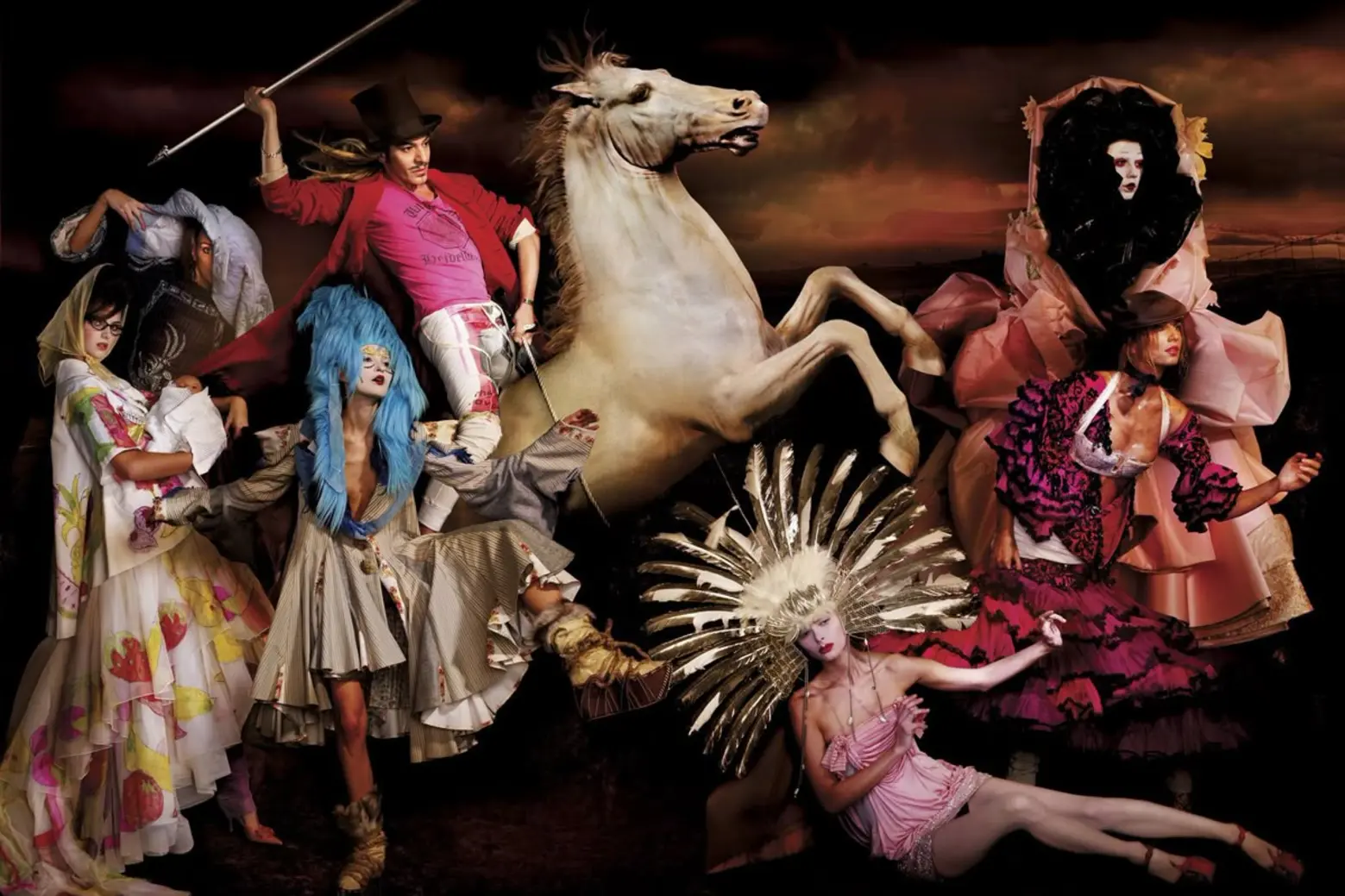
Jonathan Anderson has been open about his respect for Galliano. “When I was at university, John Galliano was like a hero, and still is to this day. And he is Dior in the public imagination”- Anderson said. This statement goes beyond personal admiration. It reflects a reality in fashion: legacy cannot be erased simply through a change in leadership. Today’s Dior still stands on foundations shaped by Galliano, whether directly or indirectly.
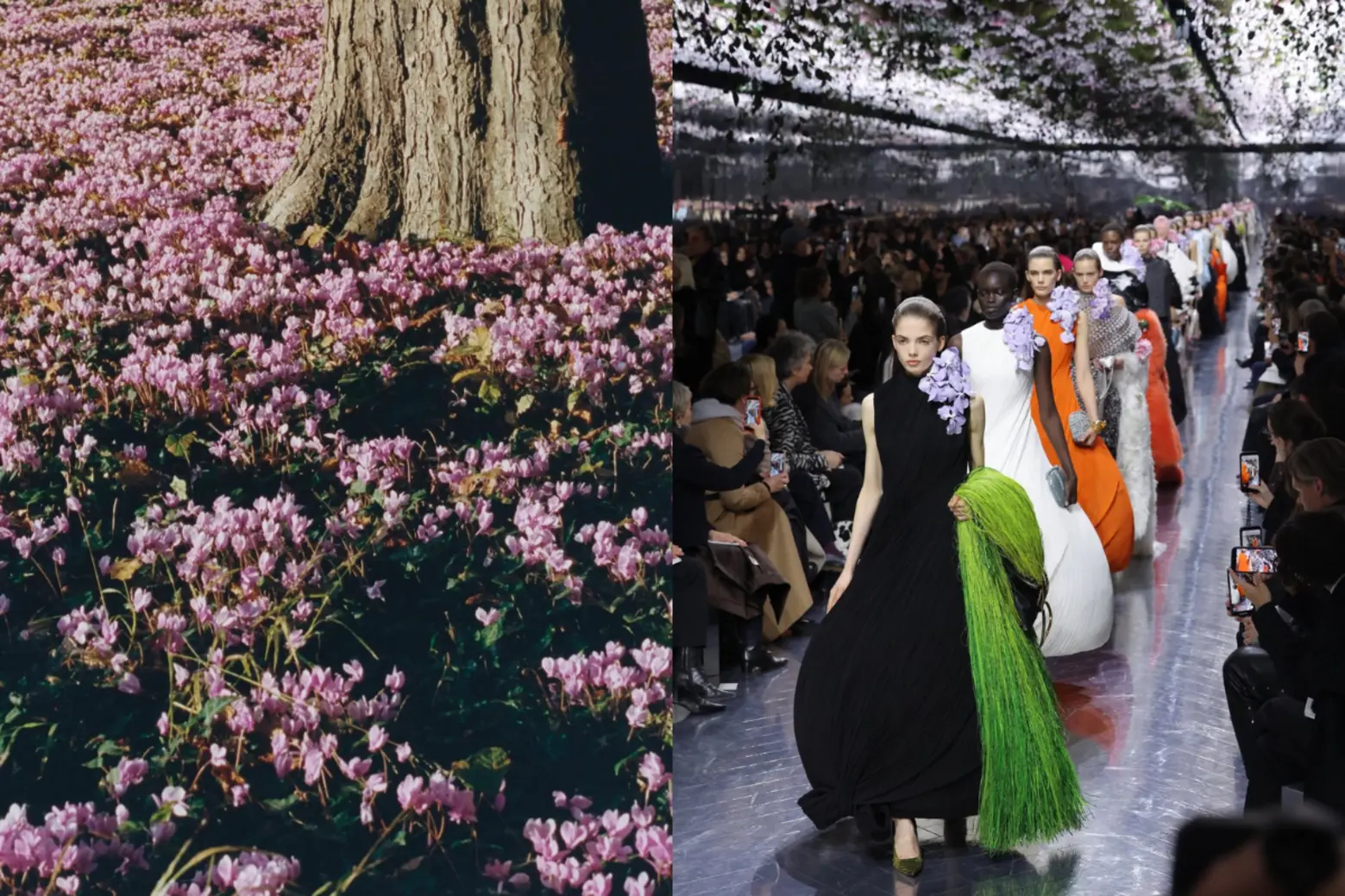
Ahead of the haute couture show, Anderson invited Galliano to visit Dior’s couture atelier, not to ask for permission, and not to repeat the past. Galliano arrived with two bunches of cyclamen tied with black silk ribbons, along with a simple bag of cakes and sweets for the team. It was a human gesture rather than a symbolic one. Yet that moment became the starting point for one of the show’s key ideas: that everyone could receive the same bouquet Jonathan had received. No longer a private moment inside the atelier, the flowers became a shared language, extending the spirit of haute couture beyond the runway.
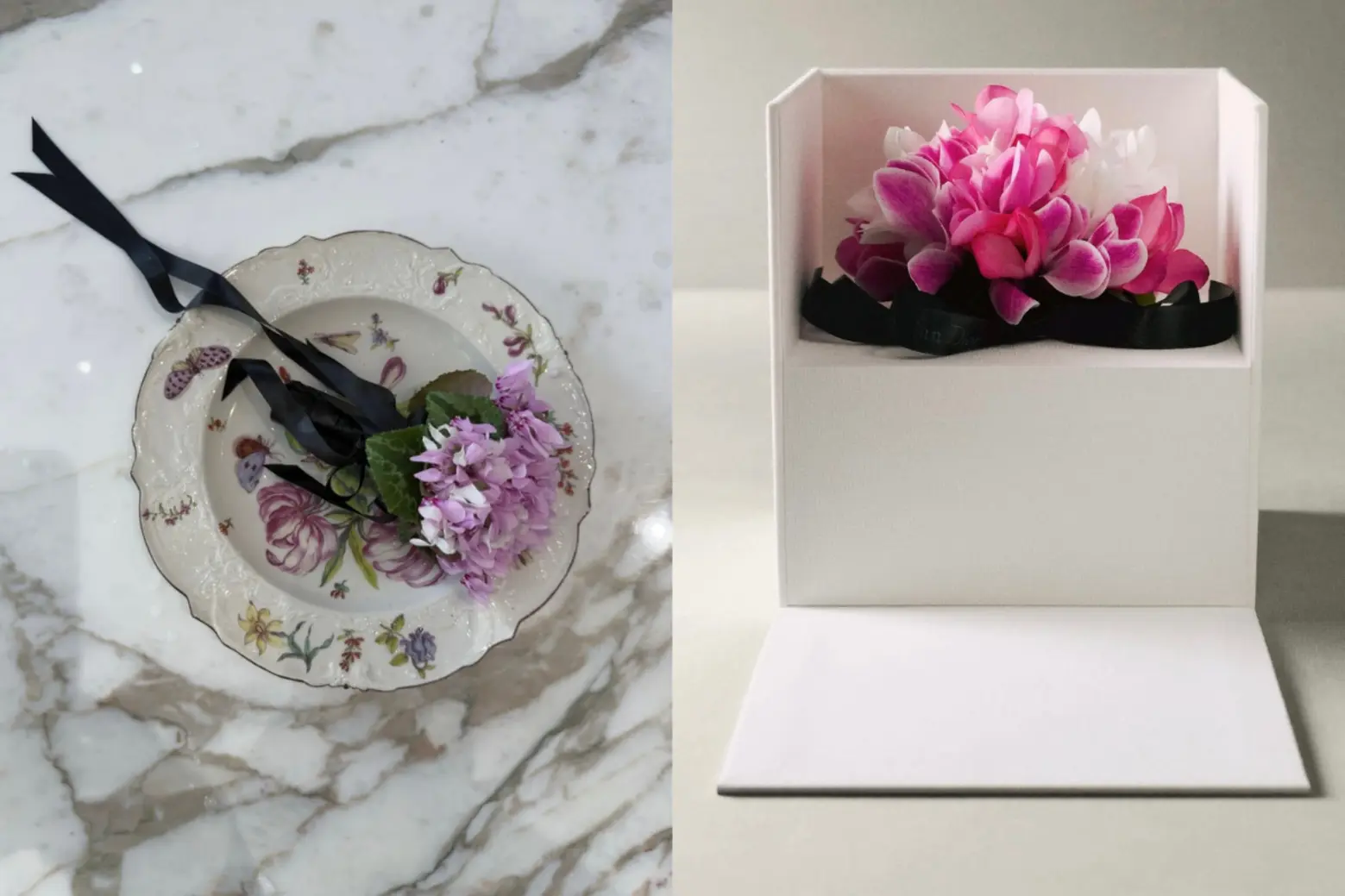
The true significance of Galliano’s presence lies less in his reaction to the collection than in Dior’s readiness to host that moment. In an industry often driven by reinvention through erasure, Dior chose another path: recognition.
By allowing history to sit beside something new, Dior Haute Couture reaffirmed its unique position within fashion. Couture does not function through denial, but through accumulation, of craft, of time, of human imprint. Heritage, here, becomes orientation rather than constraint.