MENU
Close





Born on October 24, 1907, Bruno Munari was an Italian artist, designer, and writer whose restless creativity transformed the visual and intellectual landscape of the century.
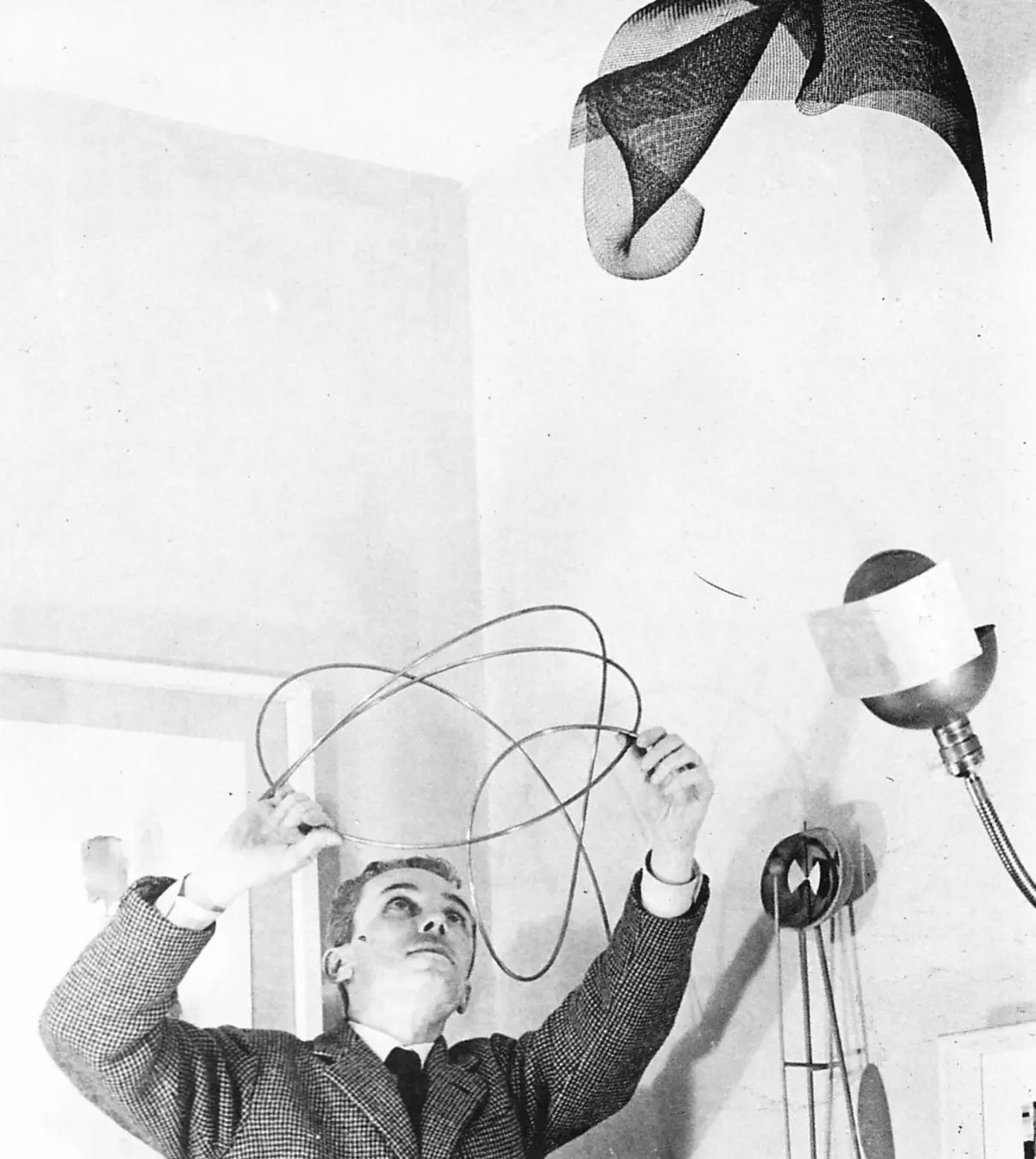
Born on October 24, 1907, Bruno Munari was an Italian artist, designer, and writer whose restless creativity transformed the visual and intellectual landscape of the century.
October 24, 2025


Always guided by a spirit of experimentation and play, Munari moved fluidly between painting, sculpture, industrial and graphic design. He began his career in the late 1920s as part of the Second Futurist movement led by Filippo Tommaso Marinetti, creating bold collages and kinetic “useless machines” that captured the dynamism of modern life.
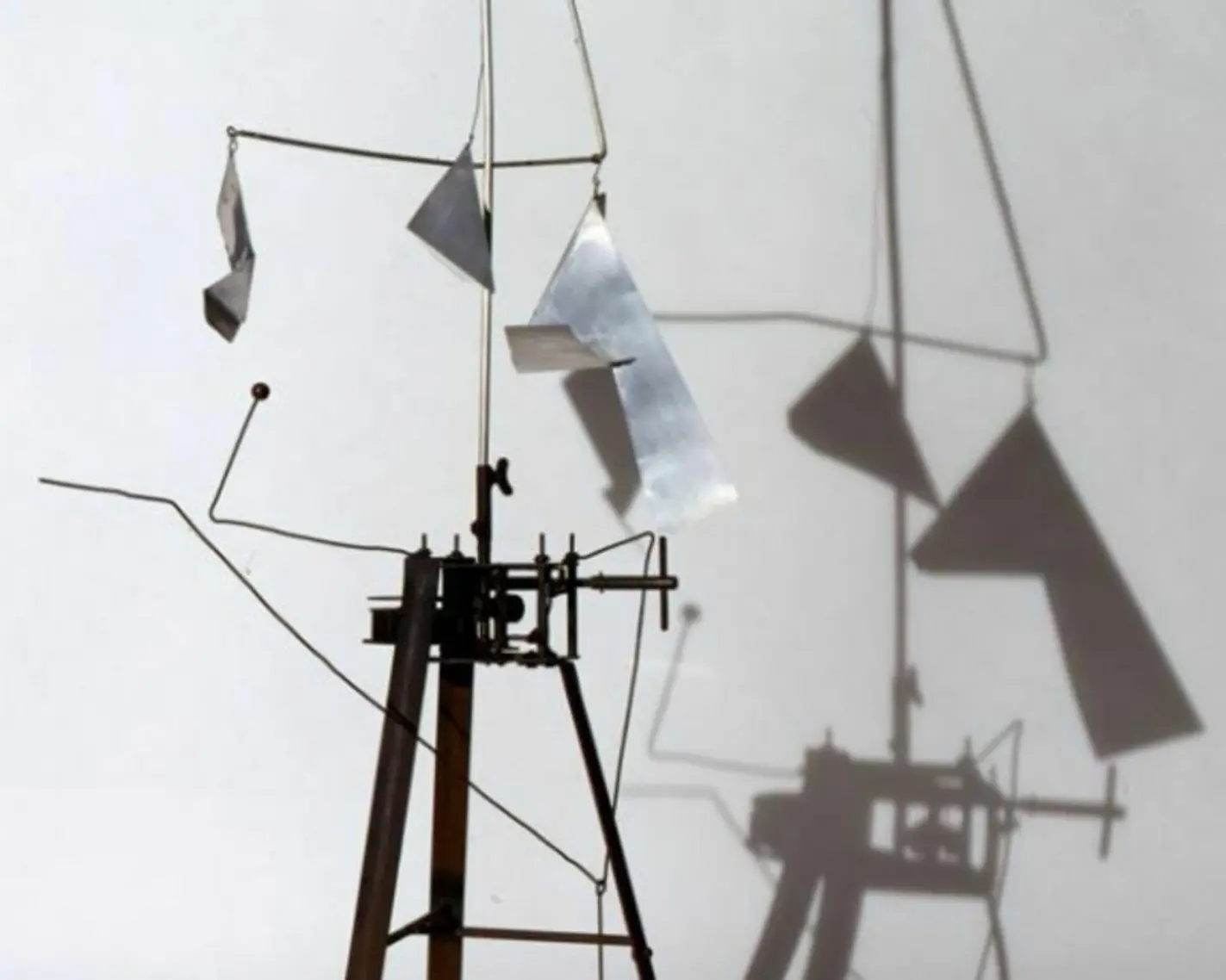

However, after World War II, Munari distanced himself from Futurism’s political overtones, redirecting his energy toward exploring the intersection of art, design, and education.

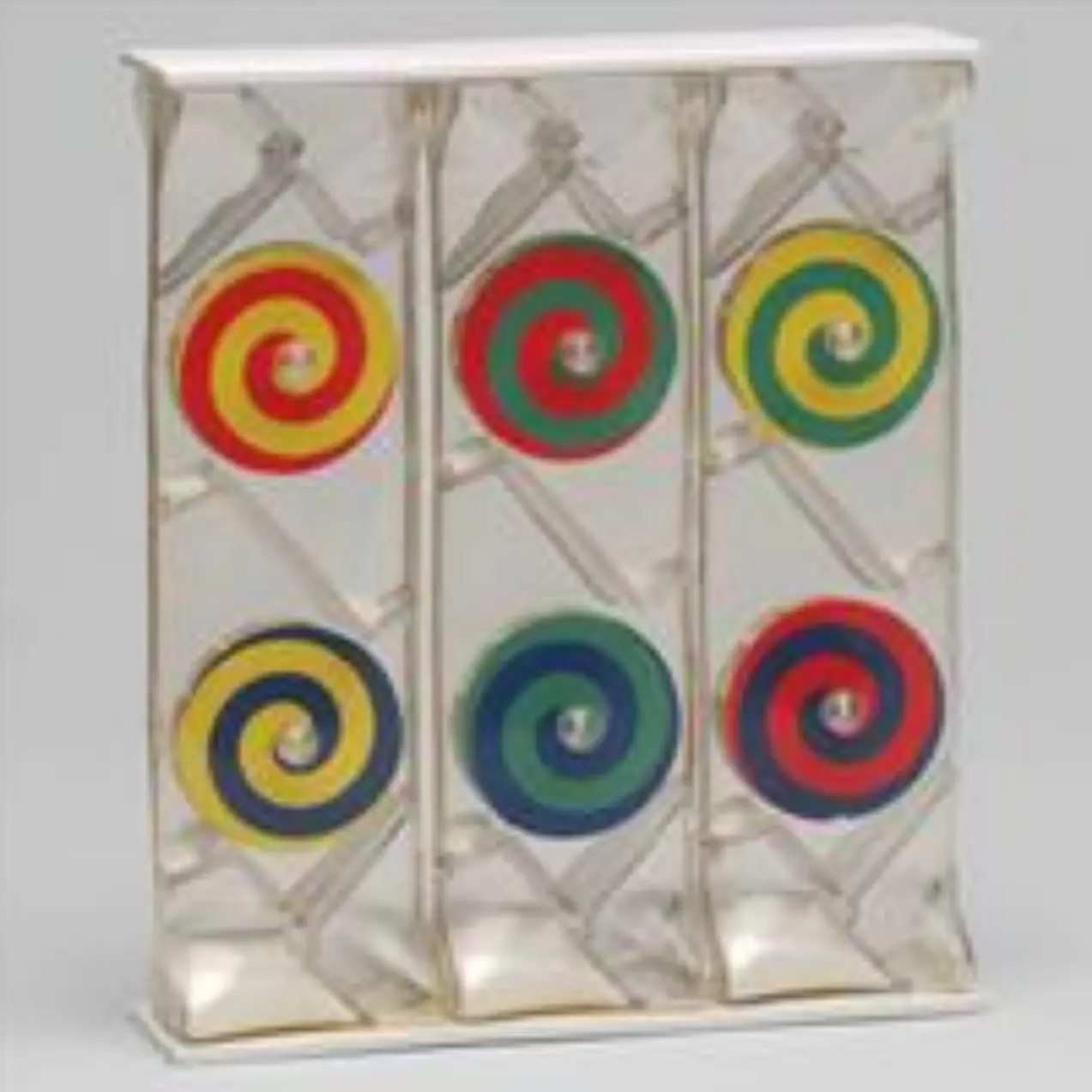
As a visual artist, Munari was fascinated by simplicity and the hidden logic of form. His works ranged from abstract paintings and mobiles to book illustrations and avant-garde sculptures. He sought beauty in function and function in beauty, anticipating today’s minimalist and user-centered design movements.
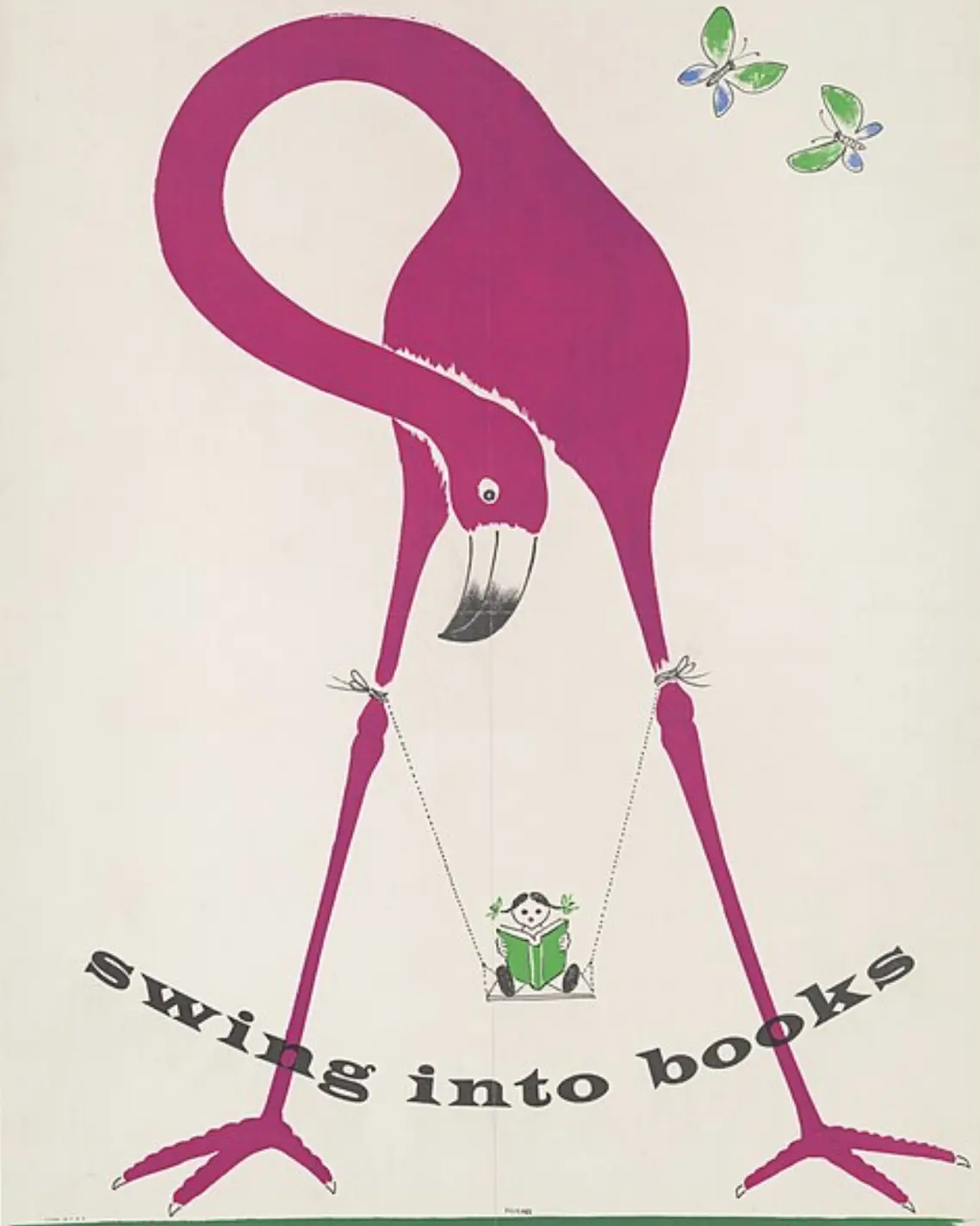

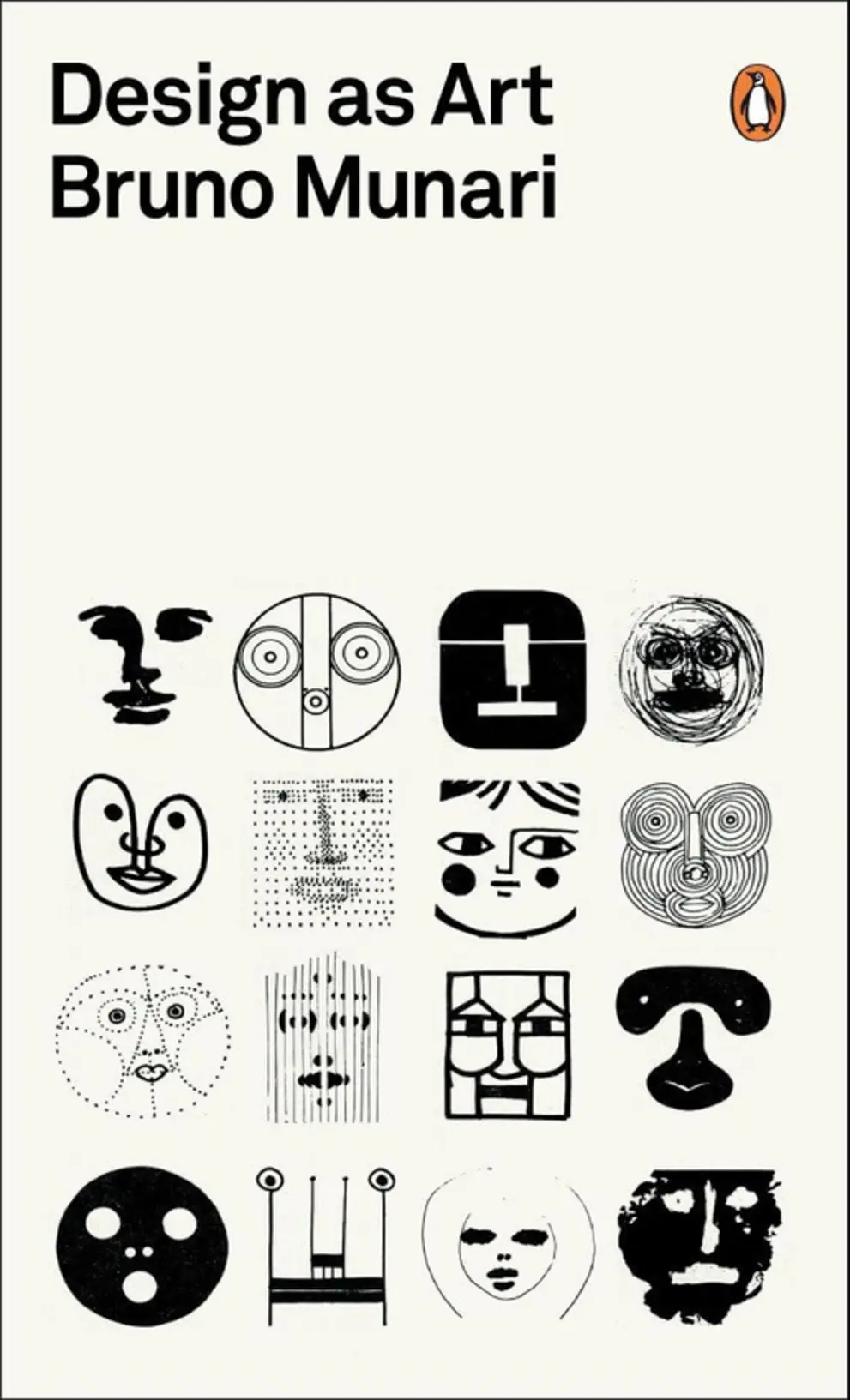
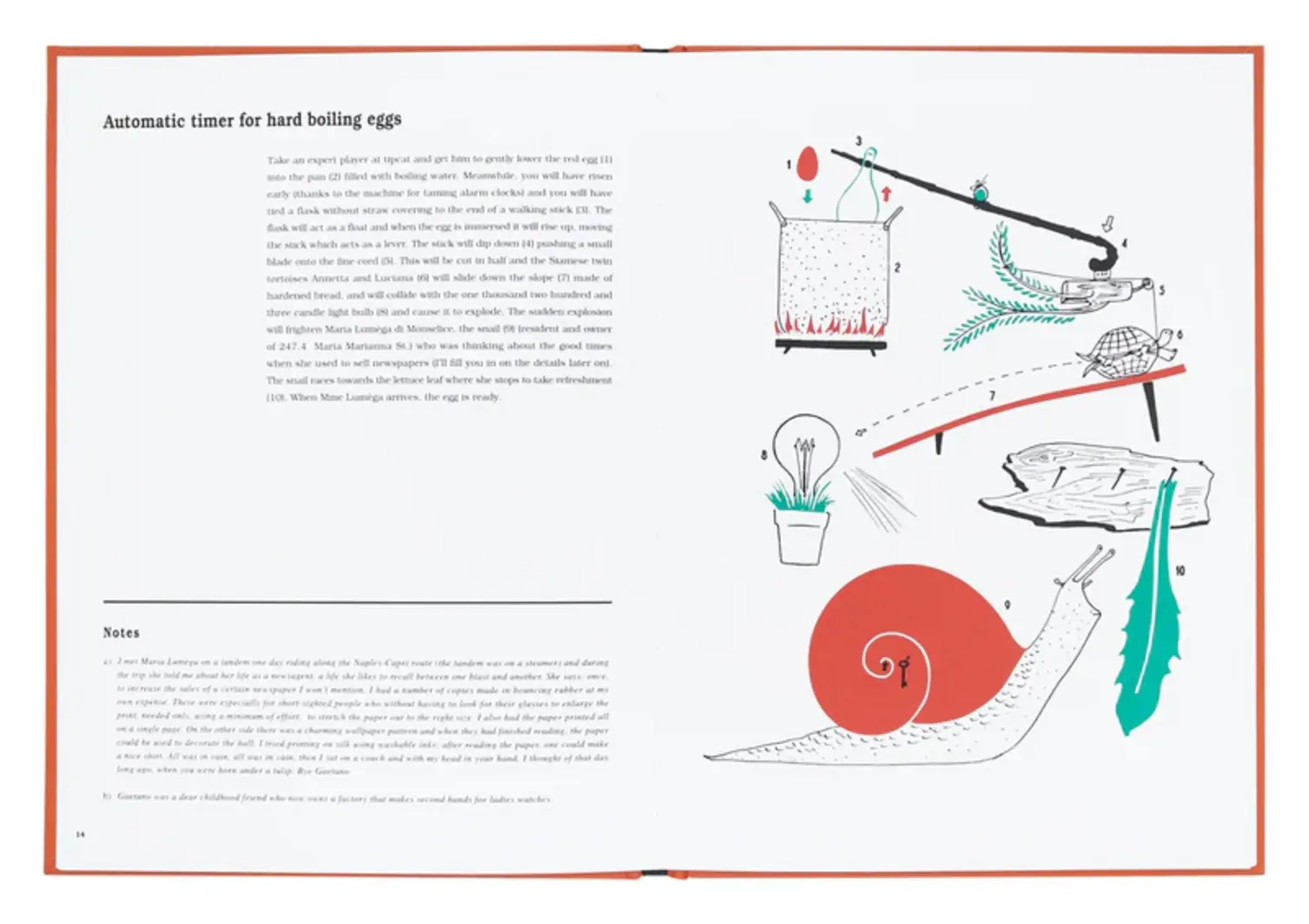
Munari was also a prolific writer and educator. His books, such as Design as Art and Munari’s Machines, distilled complex ideas about perception, learning, and creativity into playful clarity. He believed that design was not the privilege of professionals, but a universal human activity — a way of thinking and seeing.
Bruno Munari’s Design as Art (1966) is a landmark in modern design theory. In this influential work, Munari argues that design is not separate from art but an evolution of it. Design is where creativity meets purpose. He champions the designer as a cultural thinker who brings beauty, clarity, and intelligence to ordinary objects. Through witty essays and insightful reflections, Design as Art challenges readers to see the aesthetic in the functional, urging that good design democratizes art by making it accessible and meaningful in daily human experience.