Why did the investment bag become fashion’s favorite financial fantasy, and what does the current resale correction reveal?
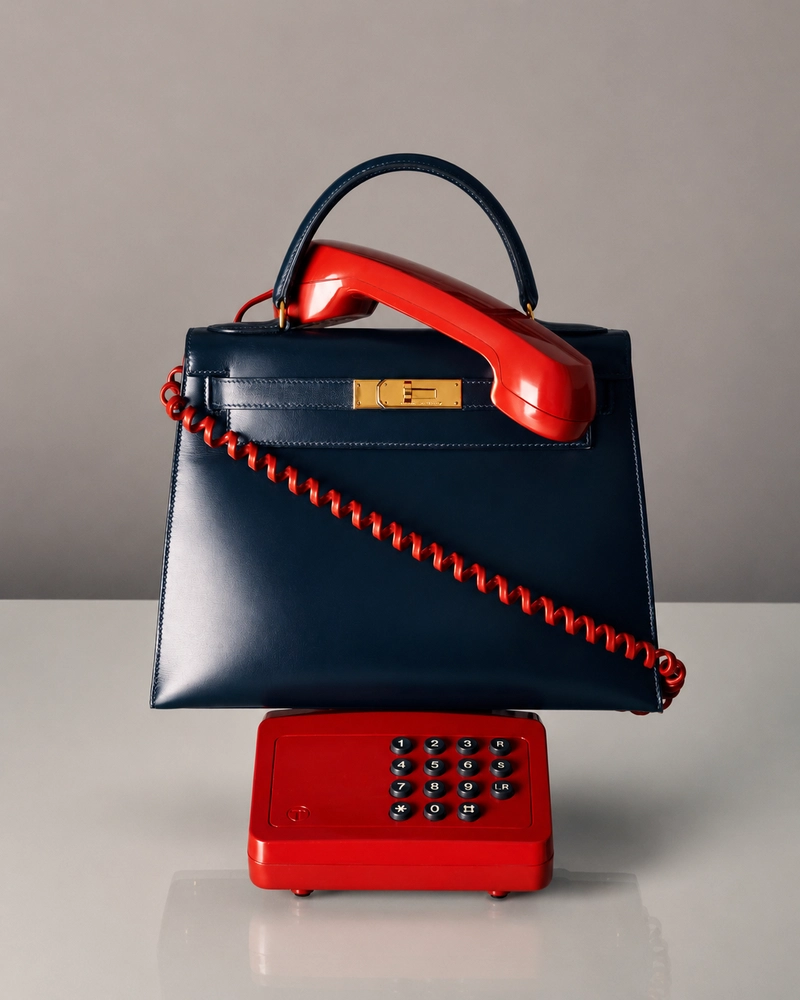
Between Desire And Data, The Investment Bag Faces Its Audit
Why did the investment bag become fashion’s favorite financial fantasy, and what does the current resale correction reveal?
June 5, 2026


Gold bullion, blue-chip equities, sterling silver, or a meticulously crafted artisanal handbag? The provocative narrative elevating designer bags to the rarefied echelon of profit-generating assets has circulated through the upper echelons of the fashion cognoscenti for years. This investment bag dialogue resonates most profoundly among affluent, stylistically astute consumers who possess the financial fluidity to manipulate market trends. Acquiring a premium luxury bag fundamentally entails specific financial exposures, demanding profound market intelligence and strategic foresight.
Over the past decade, a powerful coalition of secondary market platforms, esteemed auction houses, macroeconomic trend analysts, and digital tastemakers actively amplified this exact narrative. Through their collective influence, iconic silhouettes like the Hermès Birkin and Kelly found themselves positioned squarely alongside traditional commodities like gold and stocks, functioning under the presumption that they operated on identical investment logic.
Today, as the global luxury resale market settles into a phase of distinct stabilization, we must ask a critical question: Are these coveted accessories genuinely retaining inherent value, or are they merely sustaining a fragile belief system engineered by the market itself? Following a period of unprecedented historical explosion, the archetype of the investment bag, the piece acquired primarily to be liquidated at a premium, is steadily returning to its authentic contextual reality. We are witnessing the evolution of the handbag from a vehicle of aggressive capital growth into a reliable vessel of long-term utility and relative price stabilization.
In the contemporary economic climate of 2026, high-end luxury consumption requires evaluation through the strict lens of personal risk management. The primary objective has shifted from aggressively chasing profit margins to strategically minimizing the parameters of depreciation.
The Genesis of a Financial Illusion
To understand the current correction, we must first trace the origins of the "investment bag" phenomenon. The concept of treating a leather accessory as a veritable financial instrument captured the global imagination and entered the mainstream consciousness in 2016. During this pivotal year, the luxury resale platform Baghunter released a watershed analytical report comparing the historical performance of the Hermès Birkin against traditional financial indices between 1980 and 2015.
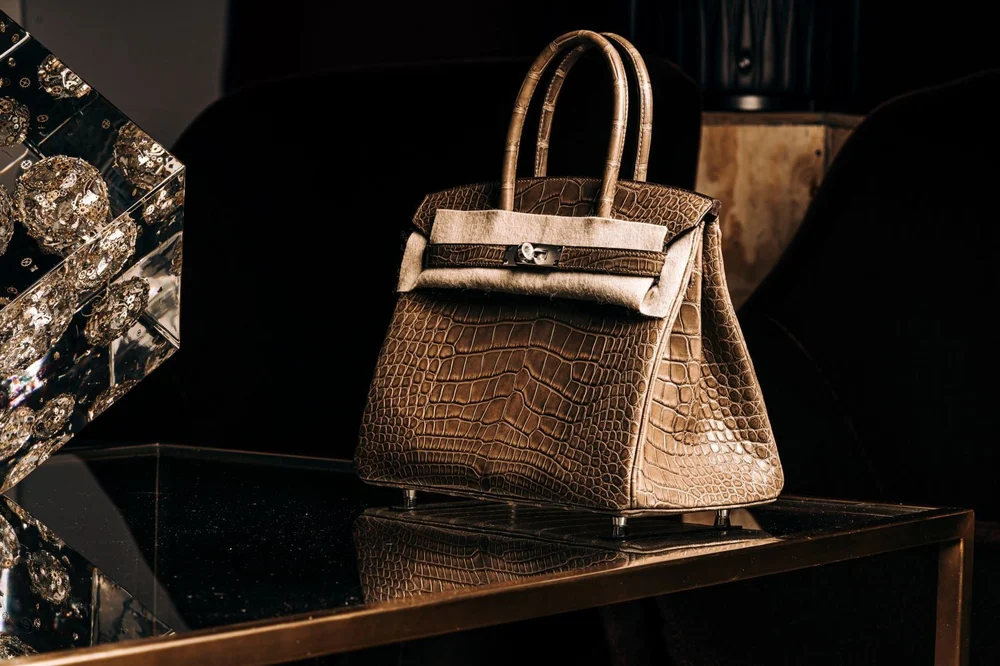
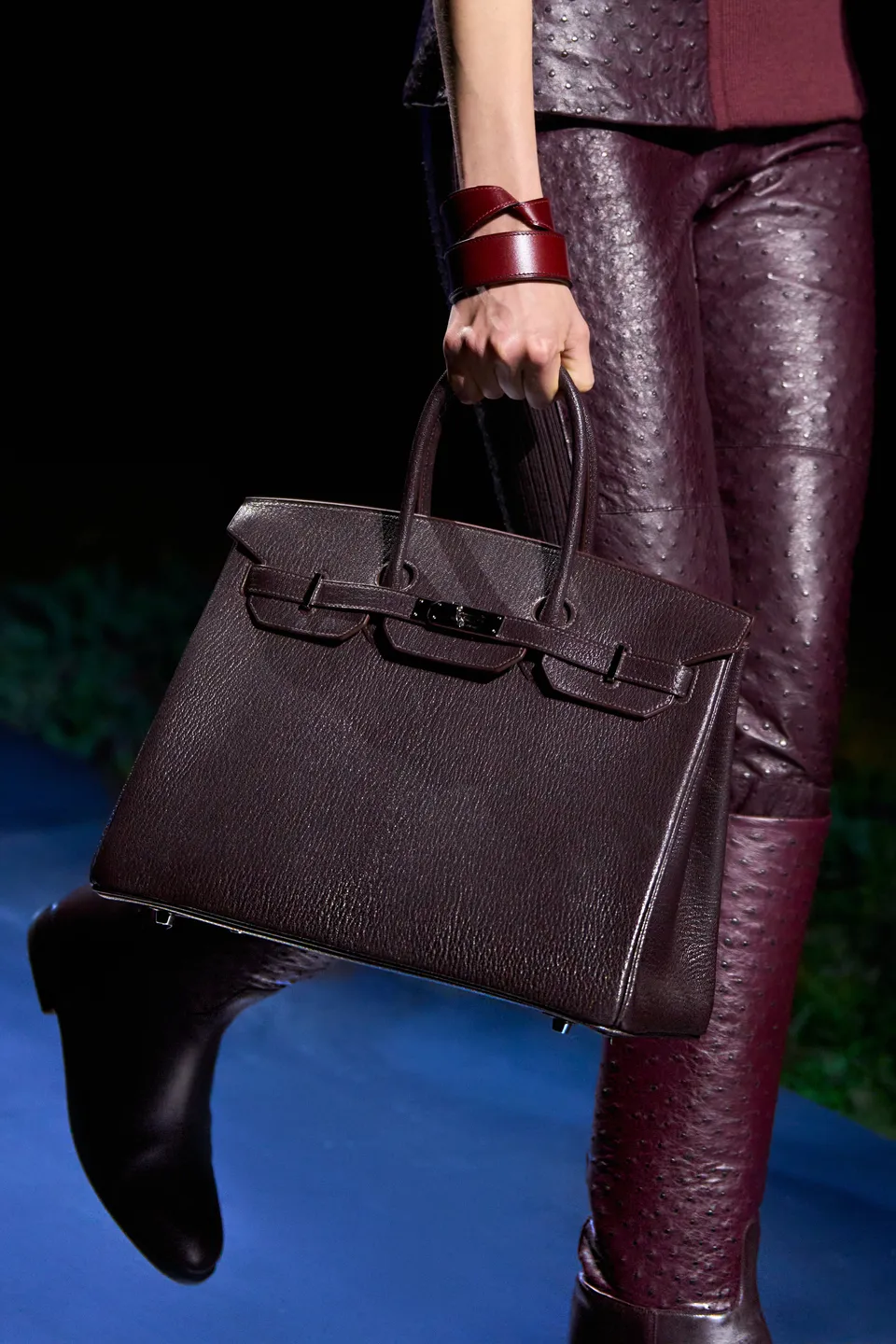
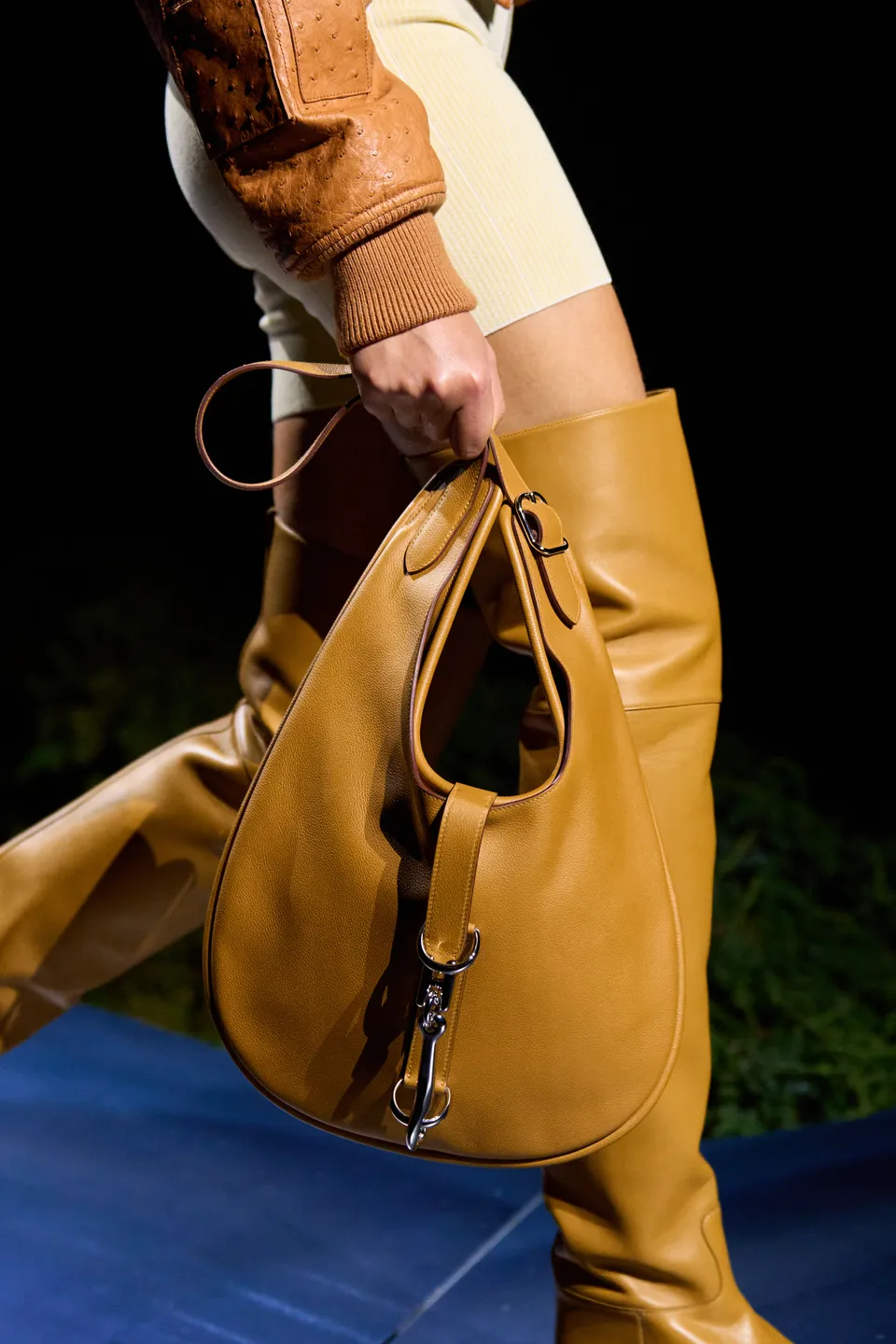
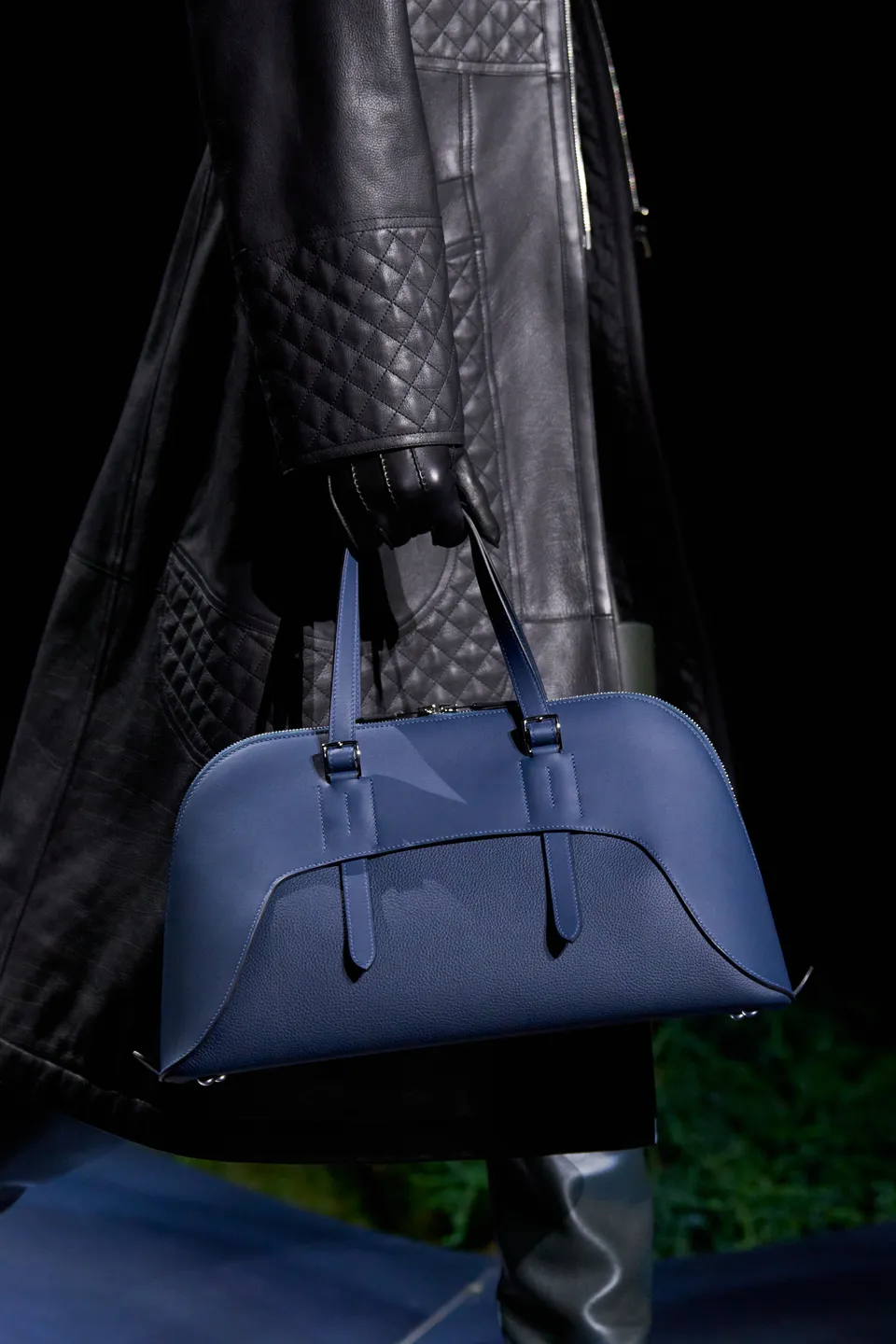
The conclusions presented were entirely groundbreaking. While the stock market and precious metals experienced periods of extreme volatility and cyclical corrections, the Birkin demonstrated a trajectory of steadfast, uninterrupted appreciation. The data revealed a staggering average annual growth rate of 14.2% for the iconic handbag.
Instantly, the Birkin, commanding retail prices starting upwards of $10,000, exclusive of the extensive purchase history and relationship-building required to even access the opportunity to buy one, became culturally codified as an asset virtually immune to market downturns. Baghunter’s interpretation framed this hyper-exclusive accessory as the safest, least volatile investment vehicle available, surpassing both equities and gold in sheer stability.
Two years later, financial analysts at Jefferies reinforced this exact sentiment. Their extensive research highlighted the unparalleled strength of the secondary market concerning ultra-premium Hermès models. They provided concrete empirical evidence that cemented the mythos of the wearable asset.
The defining case study that cemented this narrative emerged from Jefferies' analysis of a specific, ultra-rare Himalaya Birkin. Acquired on the primary market in 2010 for a substantial 29,600 euros, this exact architectural masterpiece of exotic leather resurfaced for liquidation in 2016, commanding a staggering final price of 157,500 euros. This phenomenal transaction yielded a growth trajectory exceeding 400 percent over a mere six-year hold. Market evangelists immediately seized upon this specific data point, utilizing it as the universally cited benchmark to vividly illustrate the superior, hyper-accelerated performance of physical luxury goods compared to the publicly traded shares of Hermès on the Euronext Paris exchange during that identical timeframe.
This specific transaction became the universally cited benchmark illustrating the superior performance of physical luxury goods compared to the publicly traded shares of Hermès on the Euronext Paris exchange during the identical timeframe.
The Institutionalization of the Investment Bag
Following these revelations, the world’s most prestigious auction houses swiftly capitalized on the momentum. Christie’s pioneered dedicated online handbag auctions in 2012. Recognizing the explosive trajectory of this sector, the institution established a formalized Handbags & Accessories department by 2017. This division rapidly evolved into one of the fastest-growing luxury categories within the entire auction ecosystem.

Simultaneously, the global market aggressively developed the necessary infrastructure to treat these items as fluid, tradable assets. The industry established standardized pricing matrices, sophisticated third-party authentication services, and expansive, interconnected global resale networks. This comprehensive structural foundation allowed the concept of the "investment bag" to flourish into a dominant cultural and economic force.
The 2025 Reality Check: Macroeconomics Meets Haute Couture
Despite the historical optimism, the most volatile element within this entire ecosystem proved to be the pricing itself. Recent market data illustrates a significant recalibration within the ultra-luxury resale segment. According to the Secondhand Pricing Tracker developed by Bernstein Research, a tool meticulously monitoring the average resale multiples of Birkin and Kelly bags relative to their original retail prices, the market has definitively retreated from the stratospheric peaks of the pandemic era.
The data tells a compelling story of a market actively seeking equilibrium, a shift brilliantly captured by Bernstein Research’s tracking of resale multipliers. During the absolute peak of the pandemic-era euphoria in 2022, the resale-to-retail multiplier stood at a blistering 2.2x, meaning a standard $10,000 retail acquisition effortlessly projected a $22,000 valuation on the secondary market. Fast forward to the stabilized climate of November 2025, and that multiple has significantly contracted to 1.4x. Today, that identical $10,000 retail piece commands a much more grounded projected resale value of $14,000. This stark mathematical contraction vividly illustrates a definitive retreat from stratospheric pandemic peaks, charting a clear return to rational, sustainable pricing dynamics.
Examining specific, highly coveted models reveals an even starker contrast in the shifting pricing dynamics.
Eminent luxury analyst Luca Solca characterizes this contraction as a necessary awakening from the post-Covid euphoria. The market is currently absorbing the impacts of mounting global inflation, a deceleration in job growth among aspirational consumers, and a substantial influx of secondary market supply as numerous owners choose to liquidate assets acquired during the pandemic boom.
Consequently, the handbag market, previously heralded as a beacon of unwavering stability, is increasingly mirroring the behavior of cyclical consumer goods sectors. These investment bag assets remain entirely susceptible to the macroeconomic pressures governing the broader global economy.
This contraction in the handbag market represents a clear signal of structural maturation. With the retreat of aggressive, short-term speculative motives, the resale sector is returning to its foundational purpose: acting as a genuine secondary market. It now accurately reflects authentic consumer demand, realistic liquidity parameters, and the actual financial bandwidth of the contemporary buyer. This evolutionary step positions the resale market much more securely within the broader luxury ecosystem, establishing a deliberate, pragmatic, and highly rational trading environment.
Unmasking the Architecture of Hidden Costs
The contemporary economic environment effectively exposes the inherent risks previously obscured by the relentless enthusiasm of rapid price appreciation. Persistent inflation, complex employment landscapes, and escalating living costs require consumers to prioritize financial flexibility and capital preservation.
Within this stringent reality, a luxury handbag, regardless of its iconic status, remains a physical, relatively illiquid asset. Converting a leather good into immediate capital requires time, effort, and navigation of numerous external variables. When economic ambiguity necessitates caution, parking capital in a luxury accessory requires far more justification than it did during periods of boundless economic expansion.

Furthermore, the hidden costs of ownership and liquidation, often overlooked in the glamorous narratives of record-breaking profits, demand rigorous scrutiny. The disparity between the astronomical profits celebrated in media headlines and the actual net yield received by the seller has become impossible to ignore.
The True Cost of Liquidation:
- Platform Commissions: Premium resale platforms and auction houses routinely extract substantial percentages of the final sale price, heavily diluting the seller's net return.
- Authentication Fees: Guaranteeing provenance through specialized third-party experts requires upfront capital.
- Logistics and Insurance: Securely transporting high-value physical assets globally necessitates premium shipping and comprehensive insurance policies.
- Climate-Controlled Storage: Preserving the pristine condition of exotic leathers and hardware demands significant investment in optimal storage environments.
- Physical Degradation: Unlike digital assets or equities, physical materials naturally age, develop patinas, and experience wear, directly impacting their ultimate market valuation.
As consumers comprehensively evaluate these cumulative expenses, the pure investment bag appeal inevitably softens.
The Evolution of the Consumer: A Return to Pragmatism
The most profound shift resides in the evolution of consumer psychology. The post-2025 luxury patron approaches market data with sophisticated analytical rigor. Media headlines historically fixated on the statistical outliers, the diamond-encrusted Birkins and pristine Kellys shattering auction records, failing to represent the holistic reality of the broader market.
The prevailing truth is that the vast majority of luxury handbags operate entirely within the established parameters of the fashion cycle. They remain bound to shifting aesthetic trends, physical wear, and evolving cultural tastes, inherently linking them to predictable cycles of depreciation.
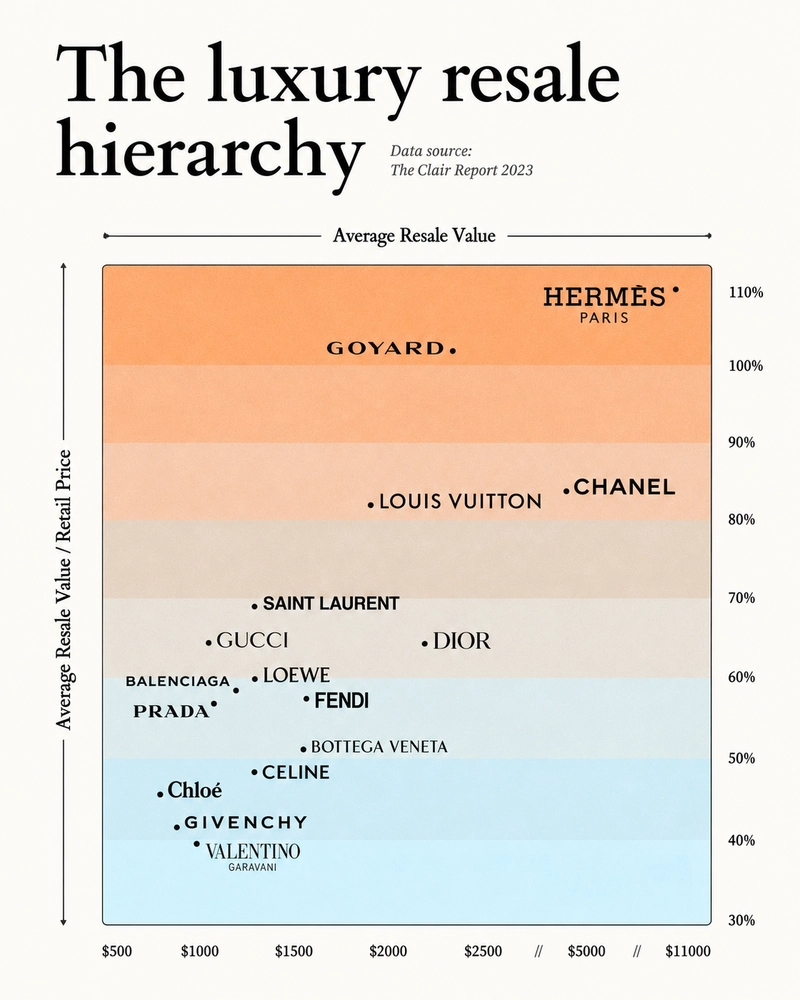
As the layers of speculative illusion peel away, the term investment bag requires a fundamental redefinition. It vacates the realm of aggressive financial strategy and reclaims its rightful position within the framework of conscious consumption.
Simultaneously, the major resale platforms continue emphasizing the robust value-retention capabilities of specific heritage brands. Hermès consistently maintains its undisputed leadership position regarding value preservation on the secondary market. The RealReal’s comprehensive 2023 annual report crowned the Birkin as the silhouette commanding the highest resale value across the entire industry. Progressing into their 2025 market analysis, the platform documented that the Kelly bag consistently achieves an average resale price representing a 50% premium over its initial retail cost.
Yet, the very data published by these platforms illuminates a broader truth: the investment bag market is transitioning into a sustained era of plateaued stability rather than perpetuating a cycle of endless, aggressive acceleration.
The Future of Resale: Value Retention and the Lifecycle of Luxury
Projecting into the immediate future, industry discourse will pivot toward highly pragmatic metrics. Analysts and consumers alike will prioritize concepts such as sustained value retention, comprehensive product lifecycles, and the Total Cost of Ownership (TCO).
The industry will evaluate the luxury handbag as a strategic, long-term acquisition. The intrinsic value of the piece will be measured by its functional longevity, the specific rate of its controlled depreciation over a decade, and the exact friction involved in converting the physical item back into liquid capital.
Within this analytical framework, the concept of luxury resale transforms completely. Rather than serving as an engine for financial speculation, the secondary market functions as vital infrastructure supporting the luxury ecosystem. It operates as a sophisticated mechanism empowering buyers to mitigate financial exposure, extend the practical lifecycle of exquisitely crafted goods, and introduce vital flexibility into their broader spending strategies.
As the boundary separating pure consumption from strategic asset allocation continues to blur, the inherent tension between the emotional allure of haute couture and the cold, operational logic of financial assets becomes vividly apparent. While elite luxury handbags will undoubtedly continue to command significant capital and retain impressive portions of their value on the secondary market, the empirical data confirms a fundamental economic reality. Even the most enduring investment bag, surrounded by myth, scarcity, and symbolic wealth, remains inextricably tethered to the rhythmic cycles of the global economy, the shifting tides of consumer demand, and the inevitable realities of market saturation.