Back beneath the luminous glass roof of the Grand Palais, Art Paris 2026 transformed its long-awaited homecoming into a vivid meditation on language, repair, and the renewed seduction of material form.
Art Paris 2026 Returns to Grand Palais in Full Force
Back beneath the luminous glass roof of the Grand Palais, Art Paris 2026 transformed its long-awaited homecoming into a vivid meditation on language, repair, and the renewed seduction of material form.
April 9, 2026


Following the jewel-box elegance of PAD Paris, Art Paris 2026 arrived with a very different kind of energy. Held from April 9 to 12, the fair marked its official return to the newly reopened Grand Palais, reclaiming the historic nave after several editions at the Grand Palais Éphémère. If PAD offered intimacy, Art Paris delivered amplitude: A broader, more vibrant portrait of the French art scene, one that balanced regional identity with international ambition and gave contemporary art a setting worthy of its scale.
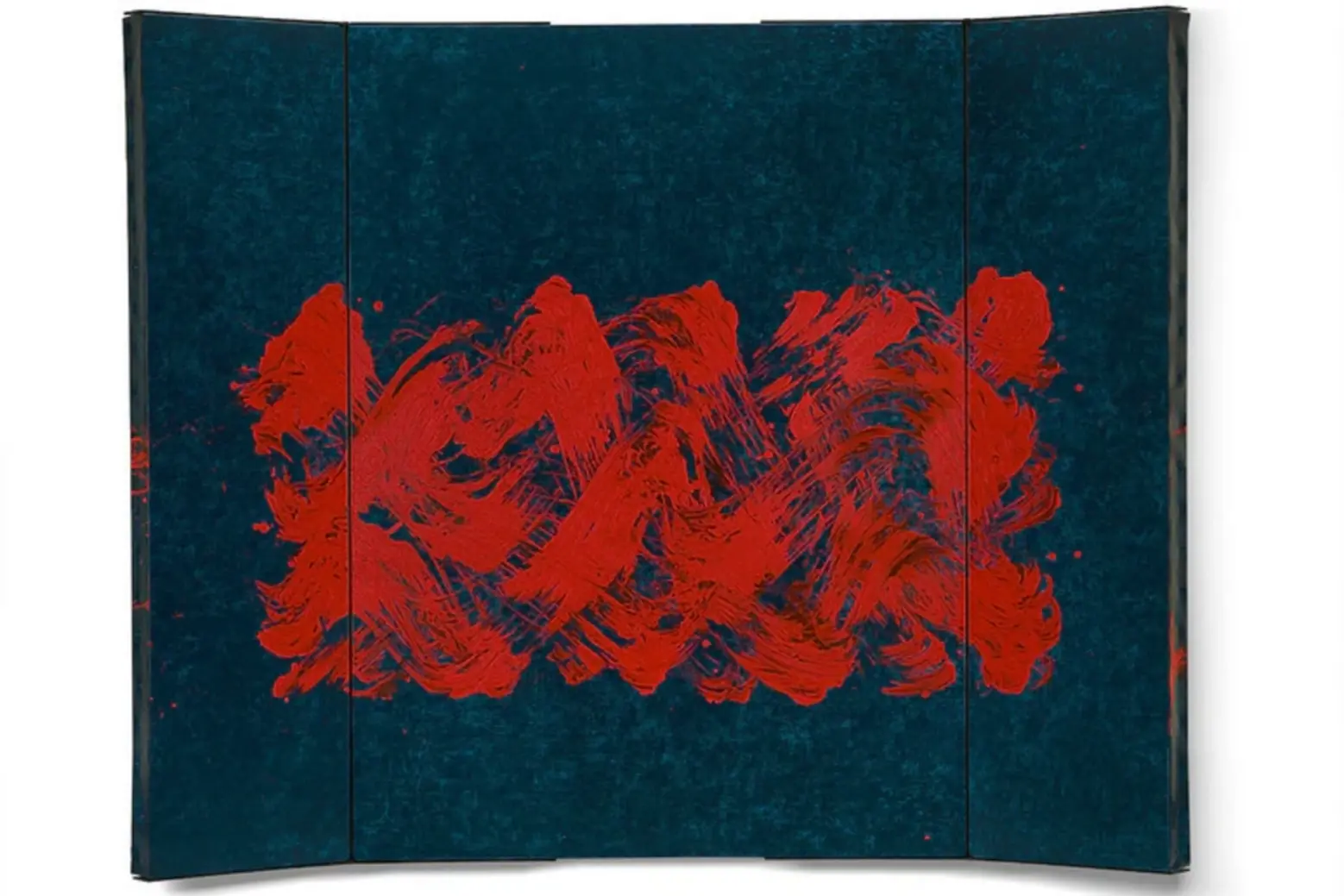
What continues to distinguish Art Paris is its use of curated thematic pathways, and this year’s edition was shaped by two especially resonant ideas. The first, Babel – Art and Language in France, curated by Loïc Le Gall, explored the relationship between visual art and systems of communication. Across the section, text, symbols, and coded forms moved beyond explanation and became artworks in their own right. The second, Reparation, curated by Alexia Fabre, took on the idea of mending in both literal and political terms, bringing together artists concerned with memory, restoration, fracture, and the ethics of care.
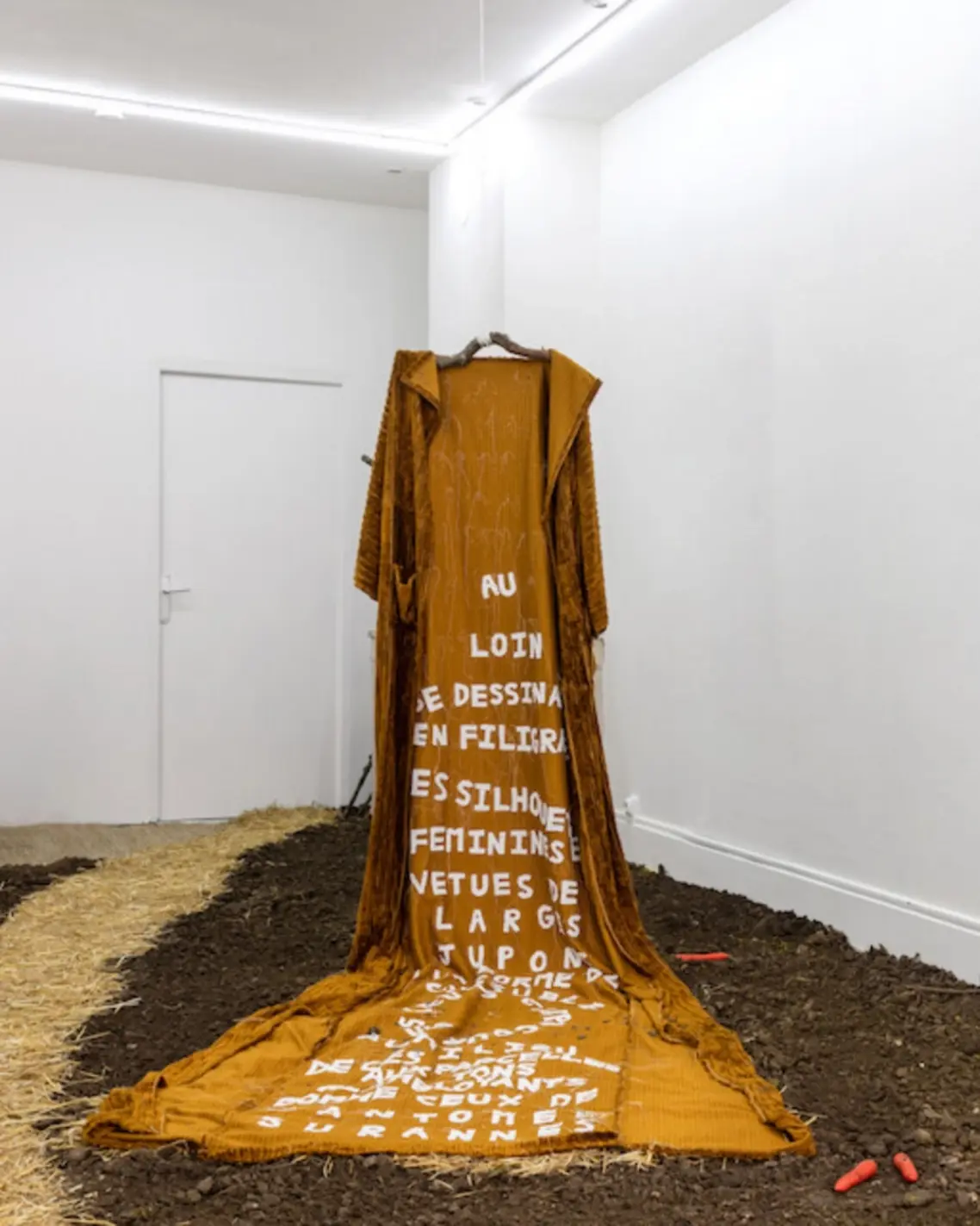
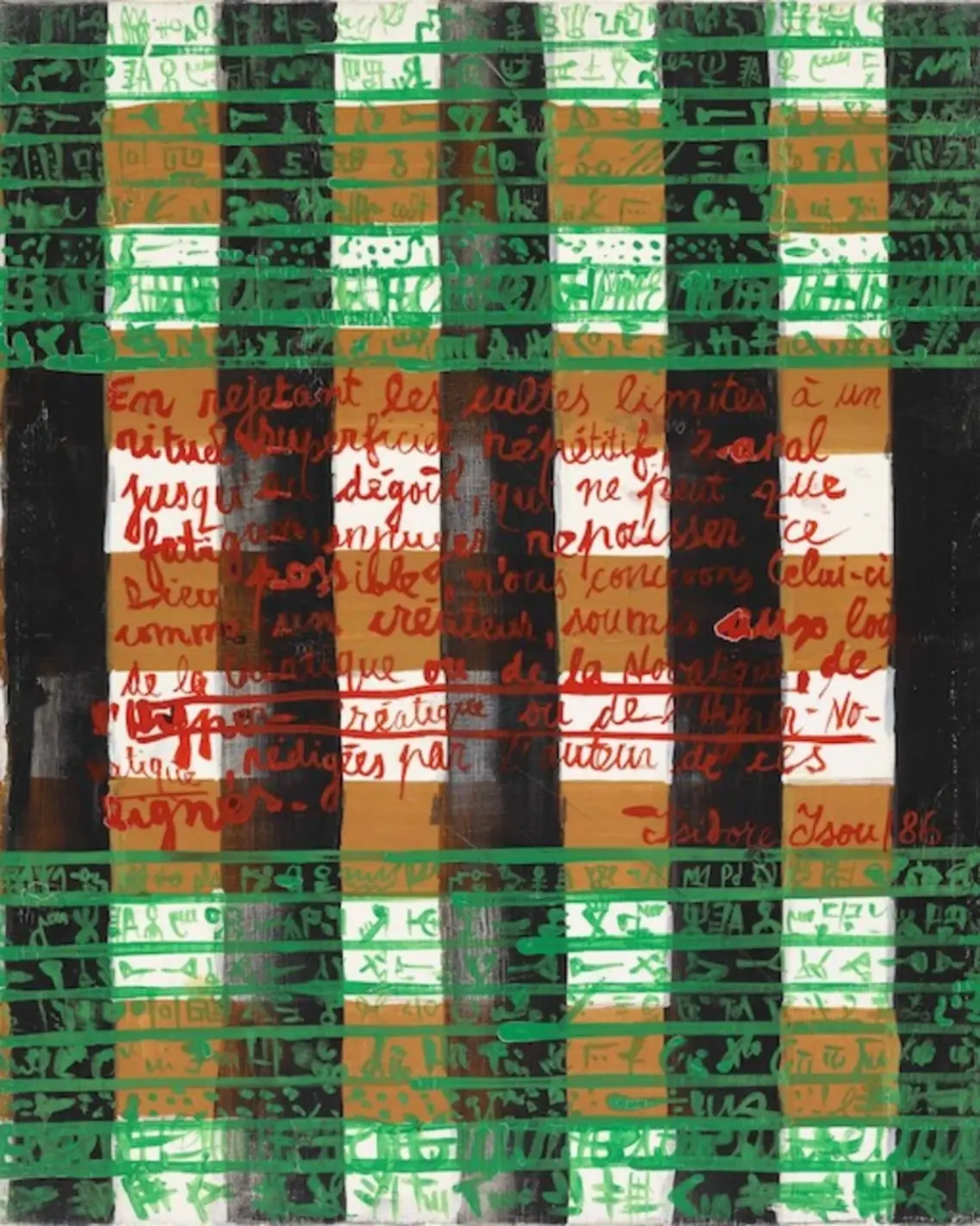
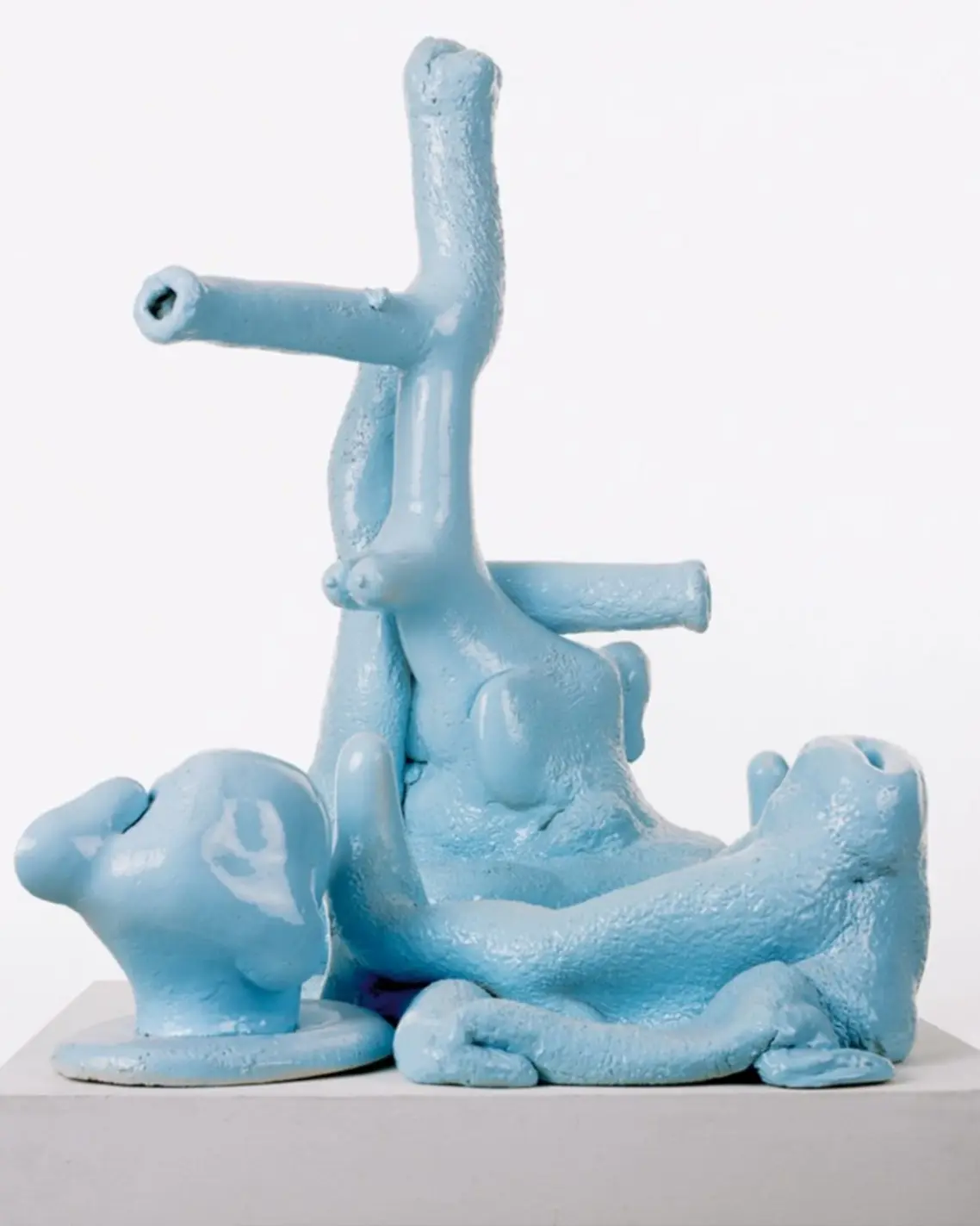
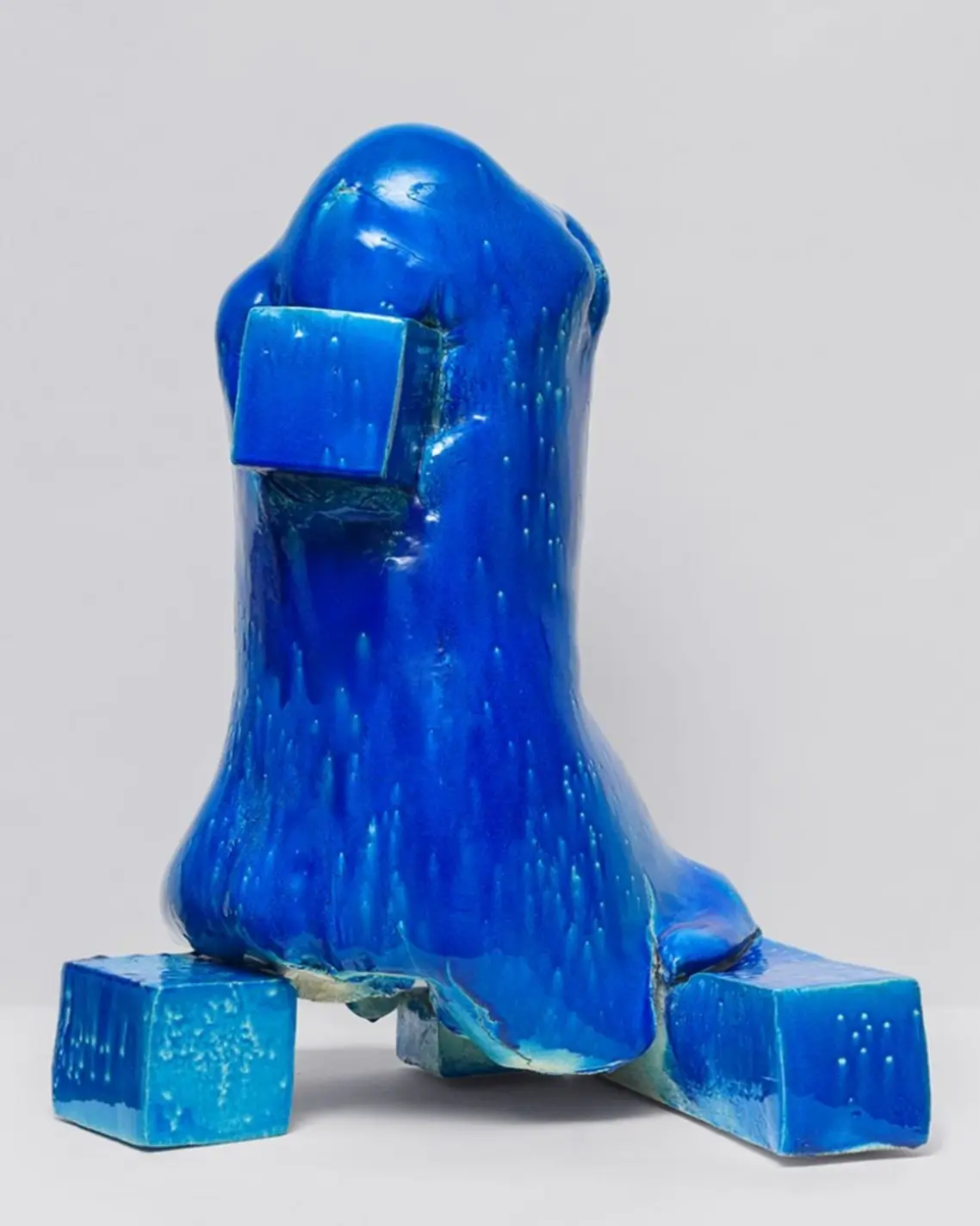
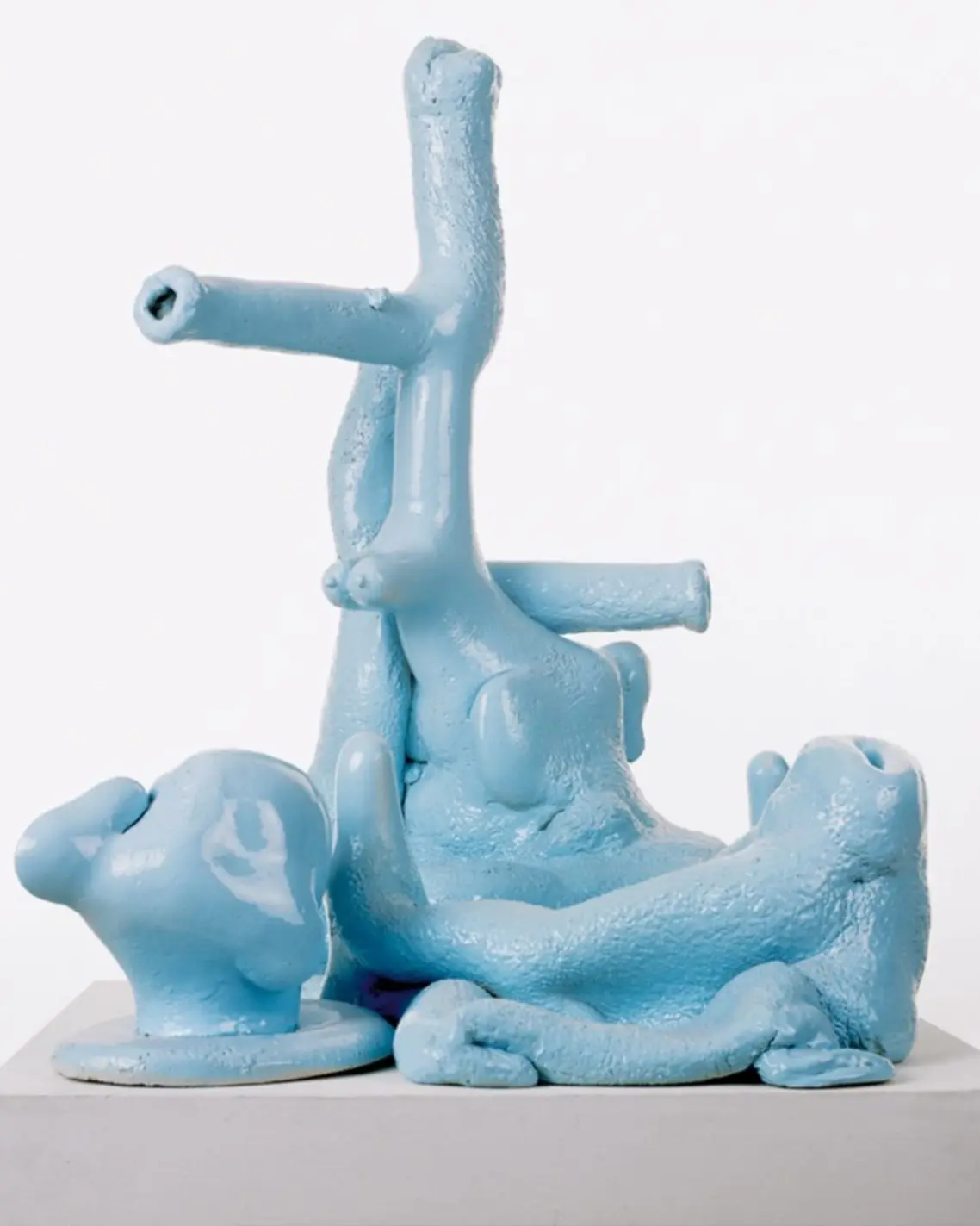
The fair’s 2026 prizes reinforced this emphasis on material intelligence and overlooked histories. Sara Ouhaddou, represented by Galerie Polaris, received the BNP Paribas Banque Privée Prize. Her practice, rooted in ceramics and sculpture, connects North African artisanal languages with sharp contemporary reflection, making her an especially fitting presence within the fair’s wider conversation around language and cultural transmission. Elsa Sahal, who also participated in PAD Paris, won the Her Art Prize, supported by Maison Boucheron and Marie Claire. Known for her corporeal ceramic works, Sahal uses humor, sensuality, and bold physical form to probe ideas of gender and the body.
Elsewhere, the fair offered plenty of momentum. The Reparation sector, curated by Alexia Fabre, remained a compelling destination for nuances of healing, remorse, and the colonial legacy.
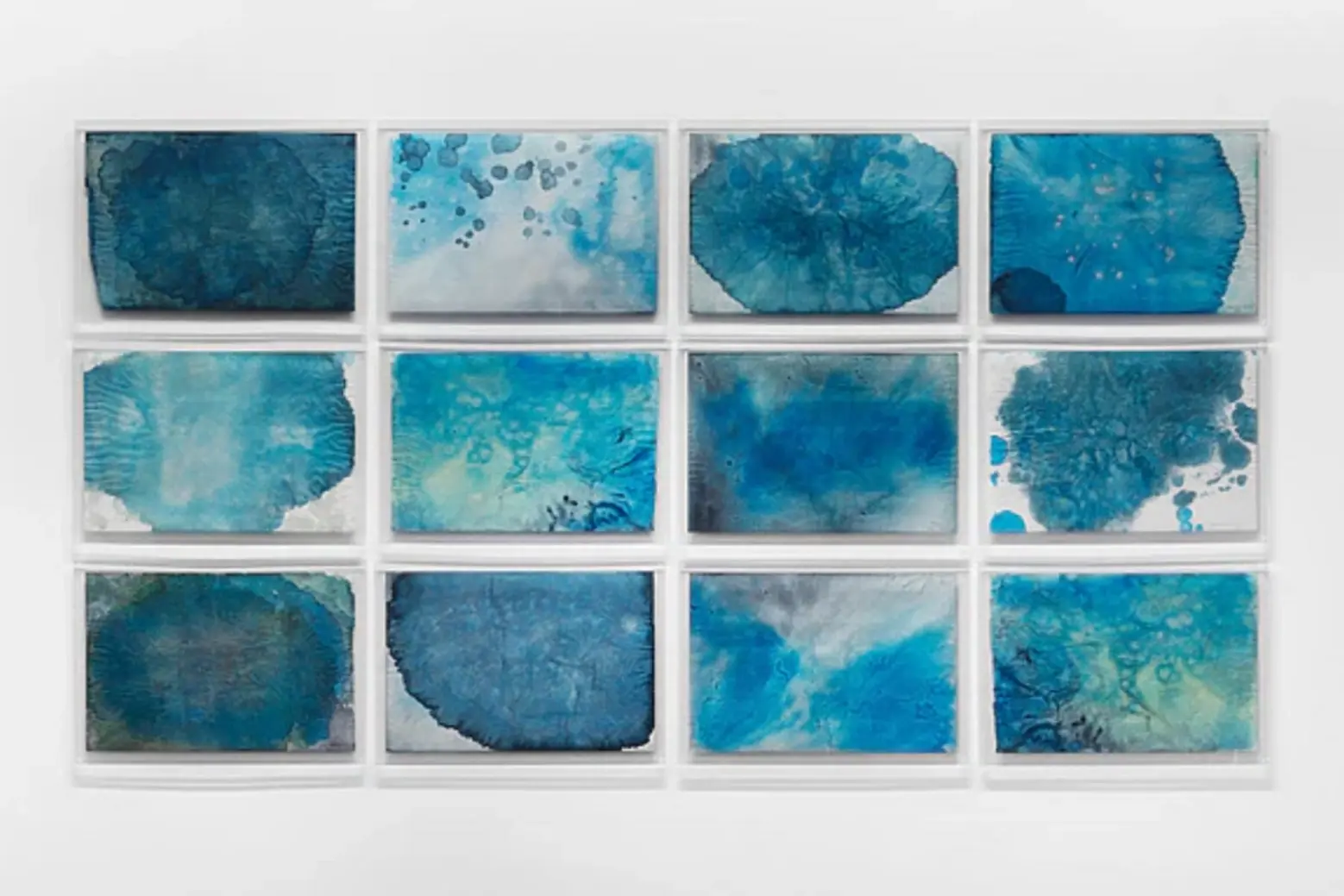
Yet the true protagonist of this edition may have been the Grand Palais itself. Its glass roof flooded the fair with shifting natural light, animating surfaces and sculptural volumes throughout the day. That return sharpened the mood of the entire April art circuit.