MENU
Close





Born on January 23, 1832, Édouard Manet remains one of the most pivotal figures in the history of modern art.
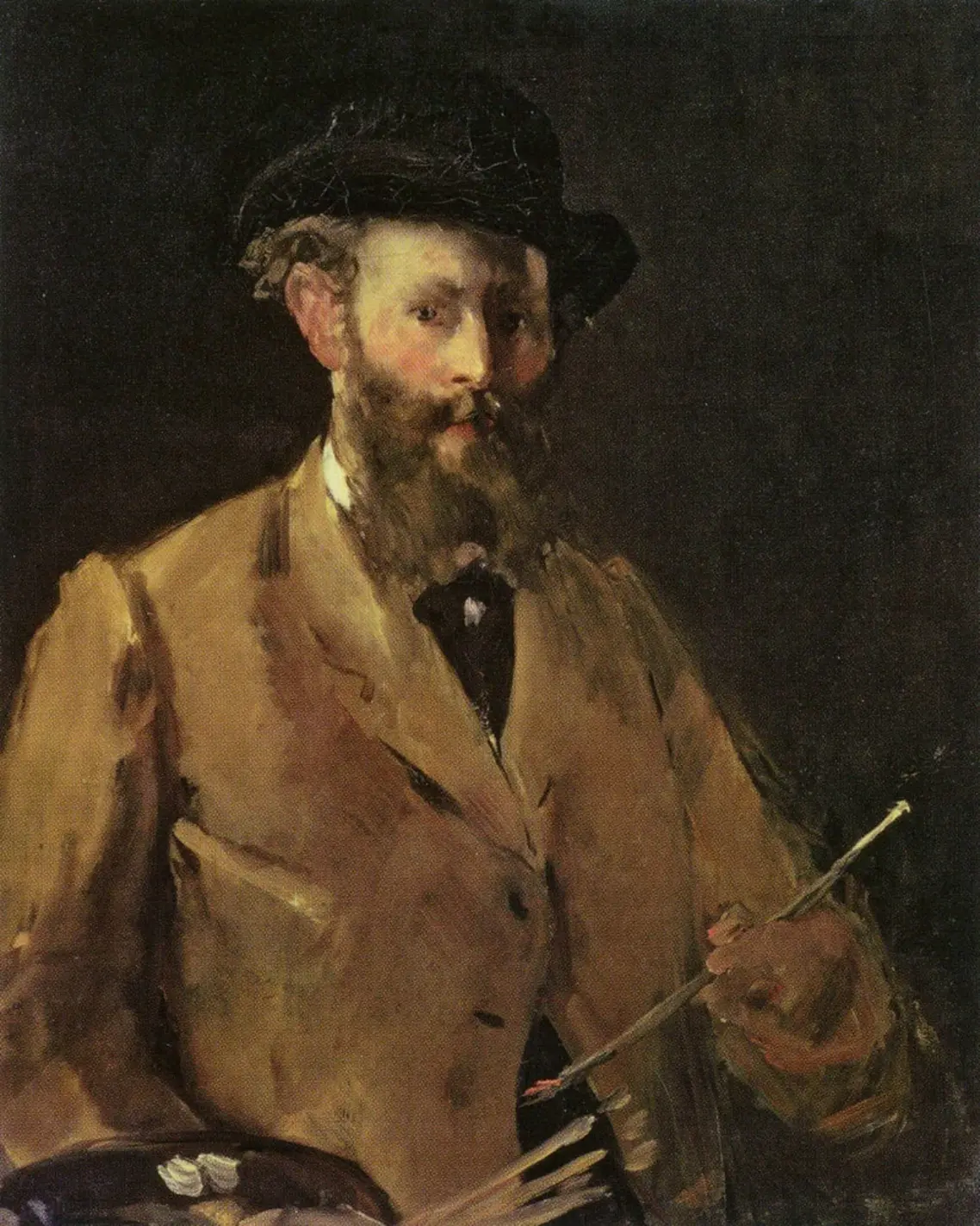
Born on January 23, 1832, Édouard Manet remains one of the most pivotal figures in the history of modern art.
January 23, 2026


Often described as the bridge between Realism and Impressionism, Manet transformed painting by challenging academic conventions while insisting on depicting contemporary life with unflinching honesty. His work shocked, fascinated, and ultimately reshaped how art could speak to its own time.
Manet’s distinctive style lies in its deliberate contradictions. He flattened forms, simplified modeling, and favored strong contrasts over smooth illusion. Black, long considered unsuitable for modern painting, became one of his signatures. Instead of idealized mythological scenes, Manet painted cafés, boulevards, music halls, and private interiors, presenting modern Paris as it truly appeared. His figures often meet the viewer’s gaze directly, creating a sense of confrontation that felt radical in the 19th century.
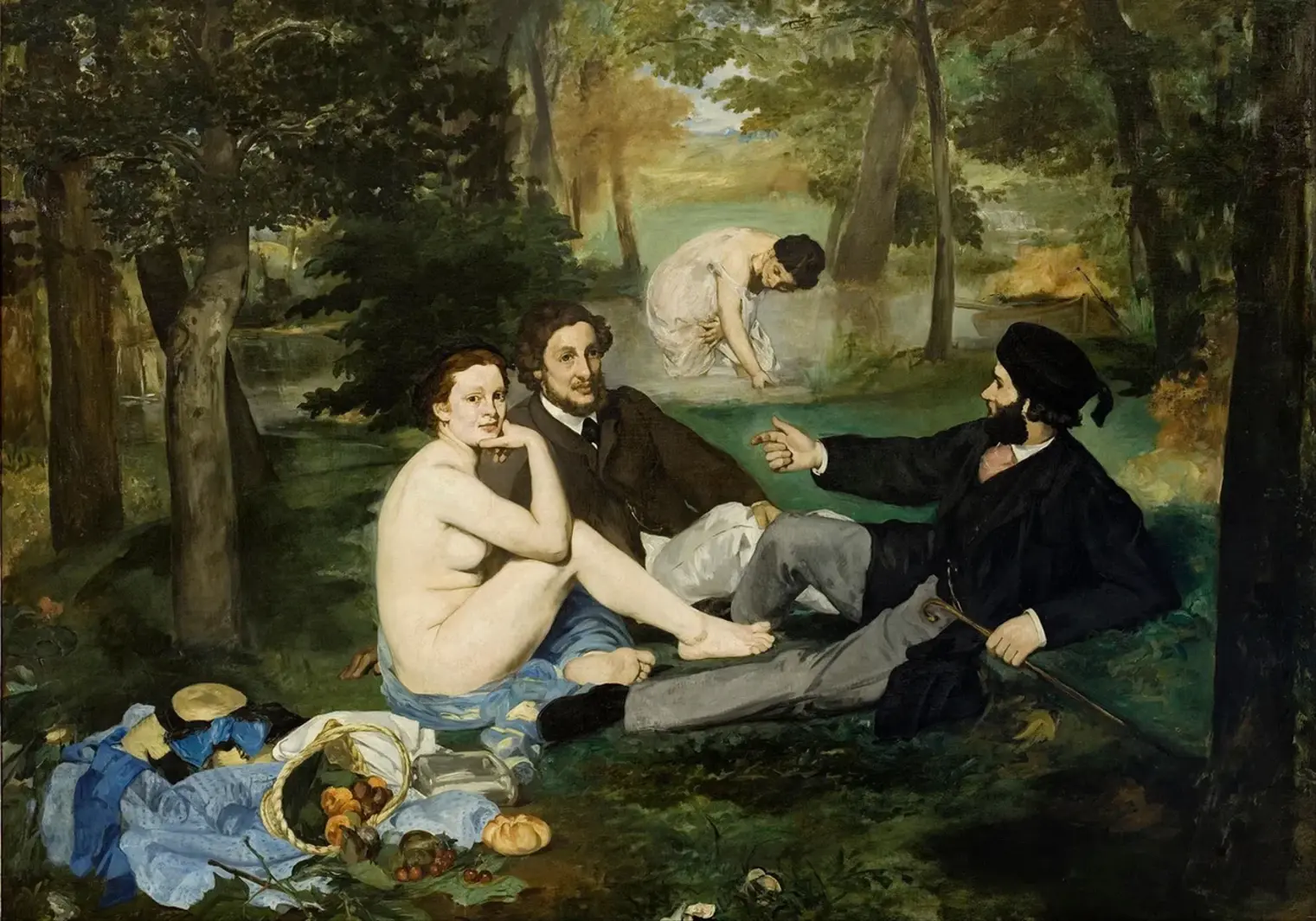
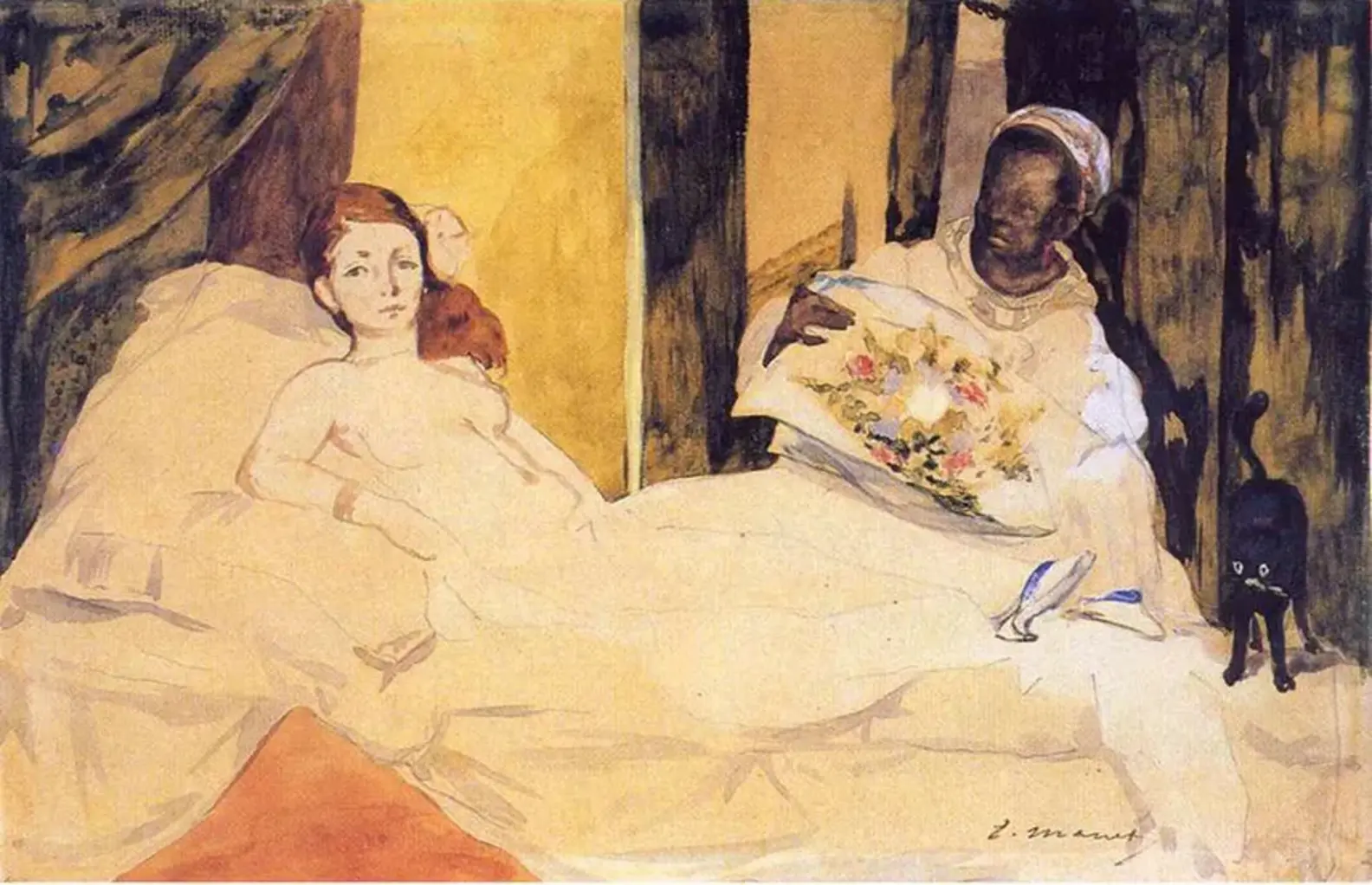
No discussion of Manet is complete without Le Déjeuner sur l’herbe, the work that scandalized Paris with its frank depiction of a nude woman calmly seated beside clothed men. Even more infamous was Olympia, whose unapologetic gaze and contemporary setting dismantled centuries of idealized female nudes. These paintings did not merely provoke outrage; they forced viewers to reconsider morality, realism, and the role of art itself.
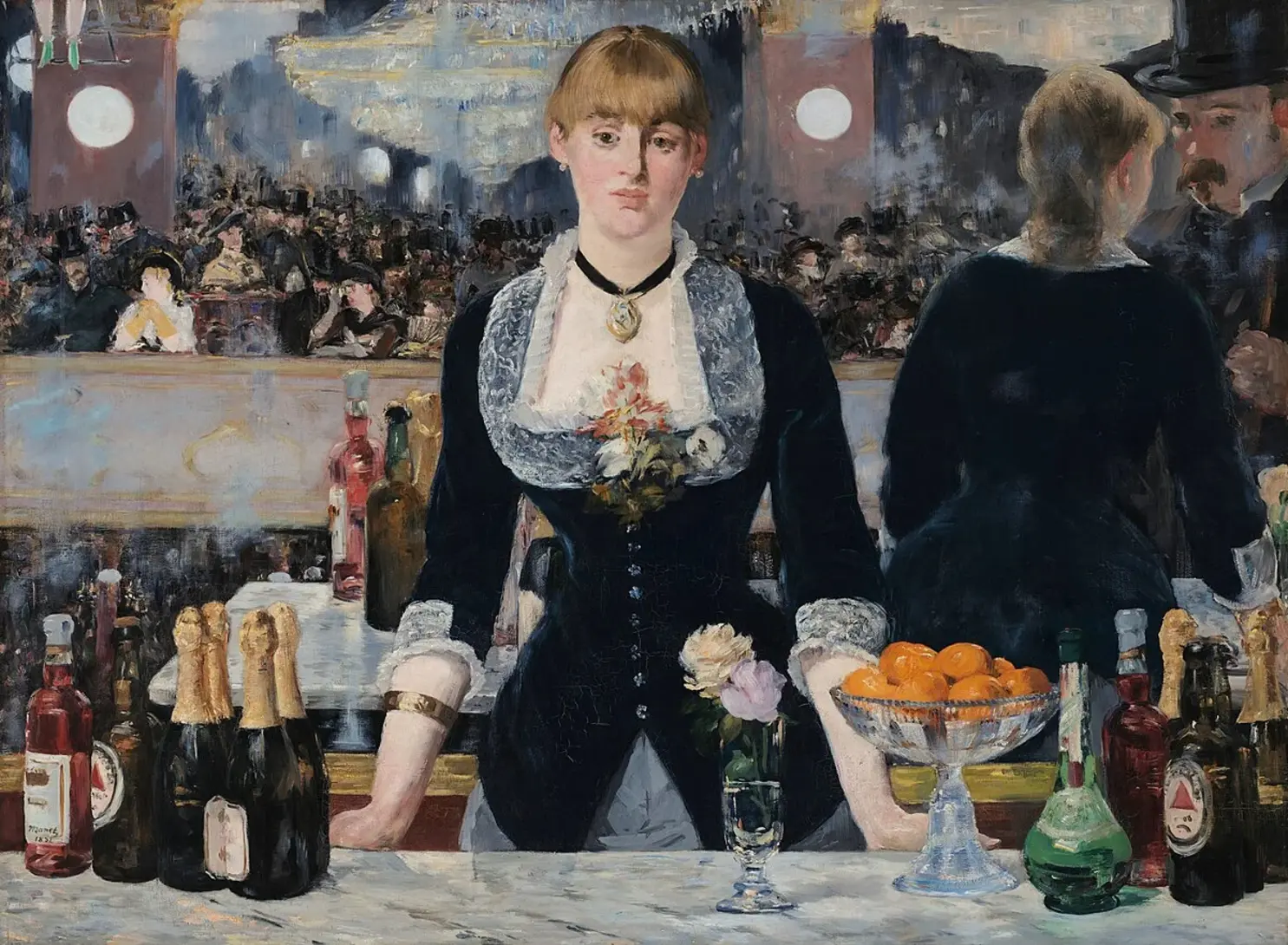
Later works revealed a quieter yet equally revolutionary side. A Bar at the Folies-Bergère captures modern alienation with subtle brilliance, using mirrors, fractured reflections, and ambiguous space to question perception and social roles. Though often grouped with the Impressionists, Manet never exhibited with them, maintaining his independence while deeply influencing artists like Monet, Degas, and Renoir.
Édouard Manet’s life is filled with fascinating details. He originally trained for a naval career and failed the entrance exam twice before committing to art. Despite repeated rejections by the Salon, he insisted on exhibiting there, determined to confront the establishment from within. He also enjoyed painting flowers in his final years, producing luminous still lifes while battling illness.