MENU
Close





Established on November 16, 1945, UNESCO was born from the ashes of World War II with a powerful vision: to build peace in the minds of men and women through education, science, culture, and communication.

Established on November 16, 1945, UNESCO was born from the ashes of World War II with a powerful vision: to build peace in the minds of men and women through education, science, culture, and communication.
November 16, 2025


In 2025, UNESCO inscribed 26 new sites to its World Heritage List. Among these were awe-inspiring natural landscapes like the white-cliff coast of Møns Klint in Denmark and the ancient rock-art-rich Murujuga Cultural Landscape in Western Australia.

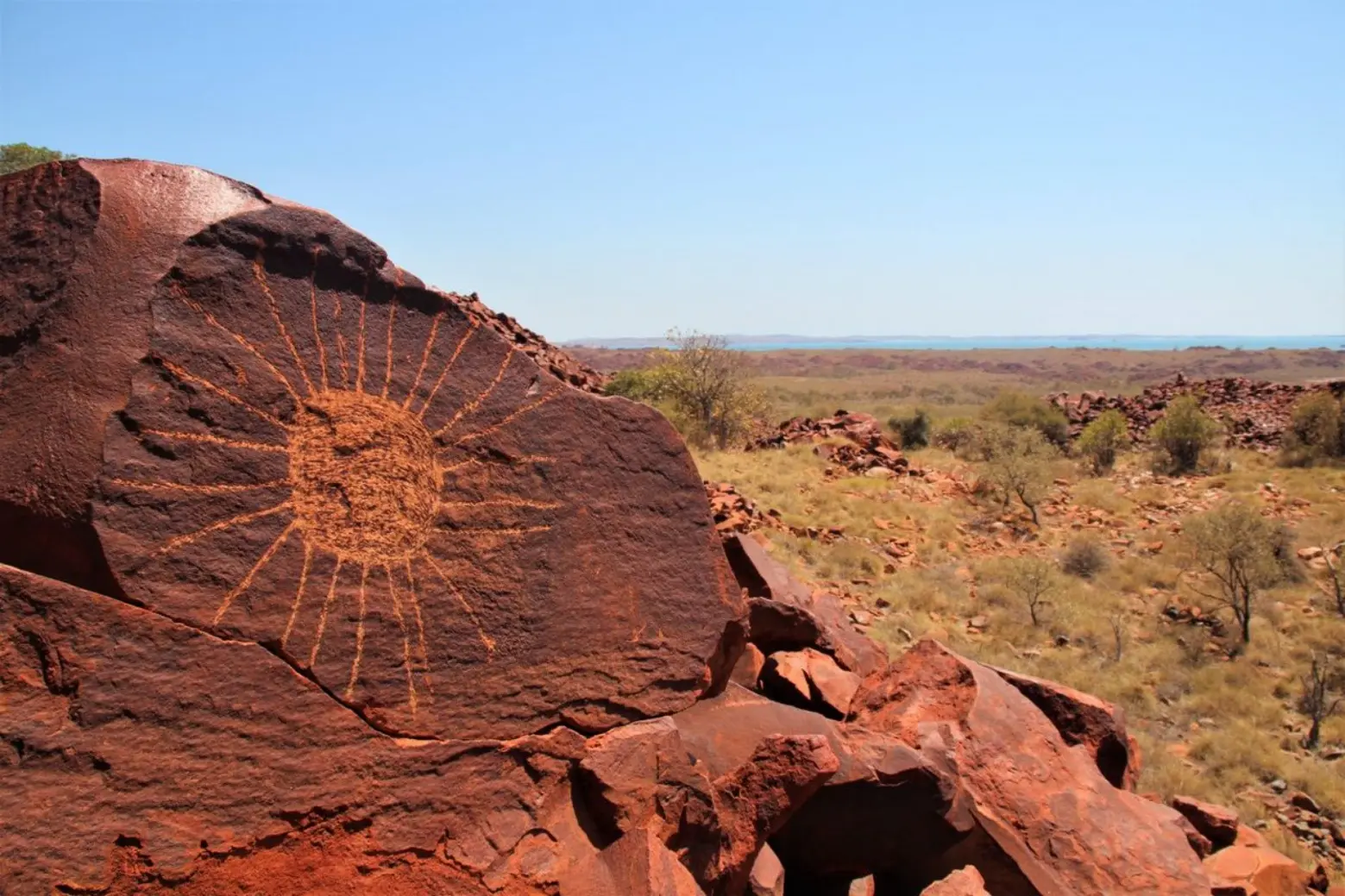
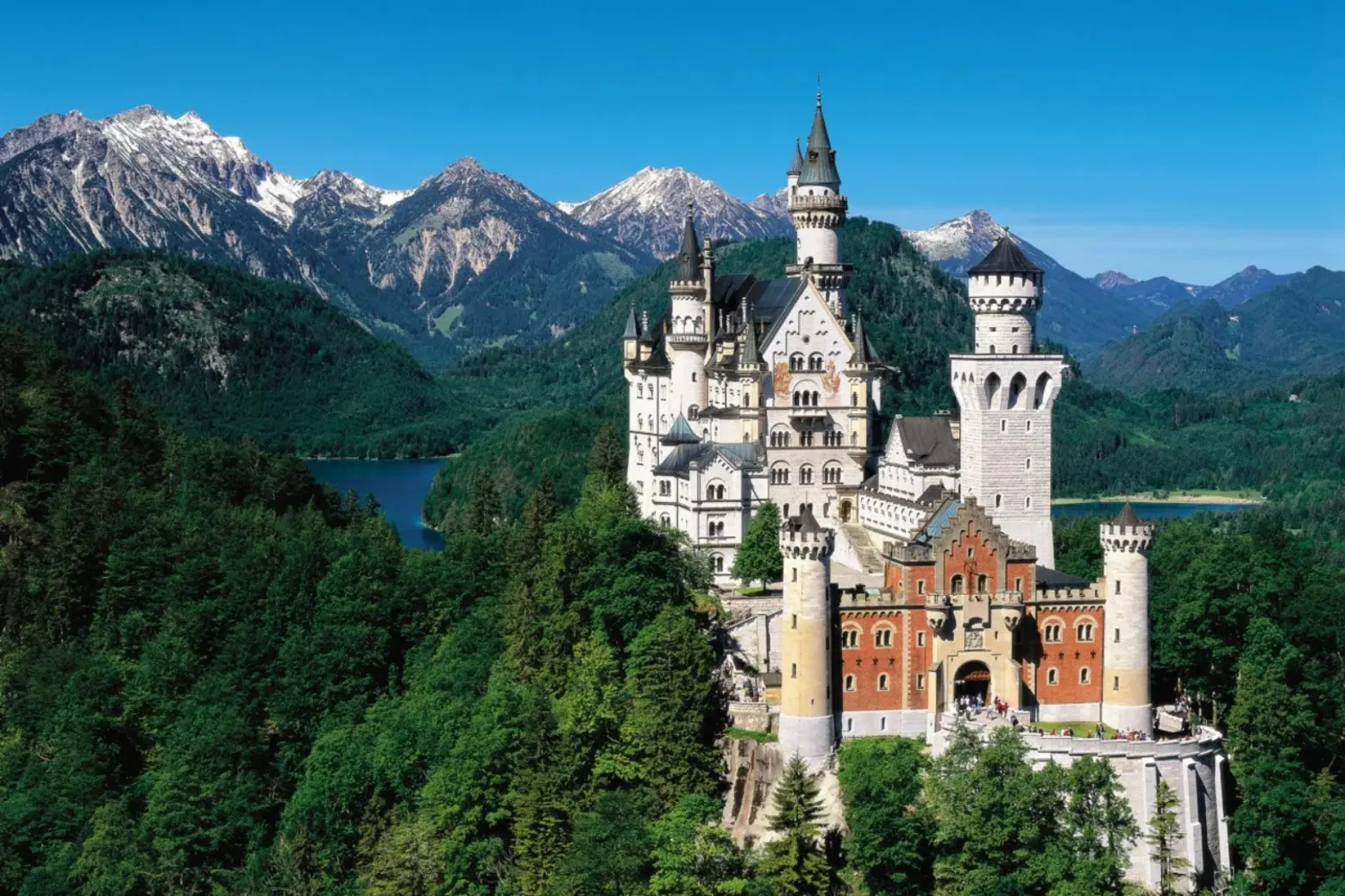
On the cultural side, sites such as the palatial complexes of Neuschwanstein Castle and nearby German residences of King Ludwig II, as well as the deeply moving memorials in Cambodia of the regime‐era atrocities Tuol Sleng Genocide Museum and Choeung Ek Genocidal Center, were added underlining UNESCO’s recognition of both natural wonder and human history.

These 2025 additions bring the total number of heritage properties worldwide to 1,248, of which 972 are cultural, 235 natural, and 41 mixed. As a fun fact: although the World Heritage List spans over 170 state parties, only about a third are natural sites, highlighting how heavily cultural heritage is represented.

In this way, 2025’s new recognitions exemplify UNESCO’s founding motto.
"Since wars begin in the minds of men, it is in the minds of men that the defenses of peace must be constructed.”