Inside the Jardin des Tuileries, PAD Paris turned collectible design, high jewelry, and sculptural craft into the most seductive cultural escape of the spring season.
Why PAD Paris Was the Best Art Exhibition Paris 2026 Saw
Inside the Jardin des Tuileries, PAD Paris turned collectible design, high jewelry, and sculptural craft into the most seductive cultural escape of the spring season.
April 8, 2026


PAD Paris, the first design fair in the world since 1998, once again made a powerful case for being the best art exhibition Paris 2026 had to offer for anyone drawn to the meeting point of collectible design, decorative arts, and high jewelry. Officially known as the Pavillon des Arts et du Design, the fair returned to the Jardin des Tuileries from April 8 to 12, 2026, transforming one of the city’s most historic settings into a polished sanctuary of taste, materiality, and visual storytelling. In a season crowded with major cultural events, PAD stood apart through its intimacy, refinement, and unmistakably Parisian sense of luxury.
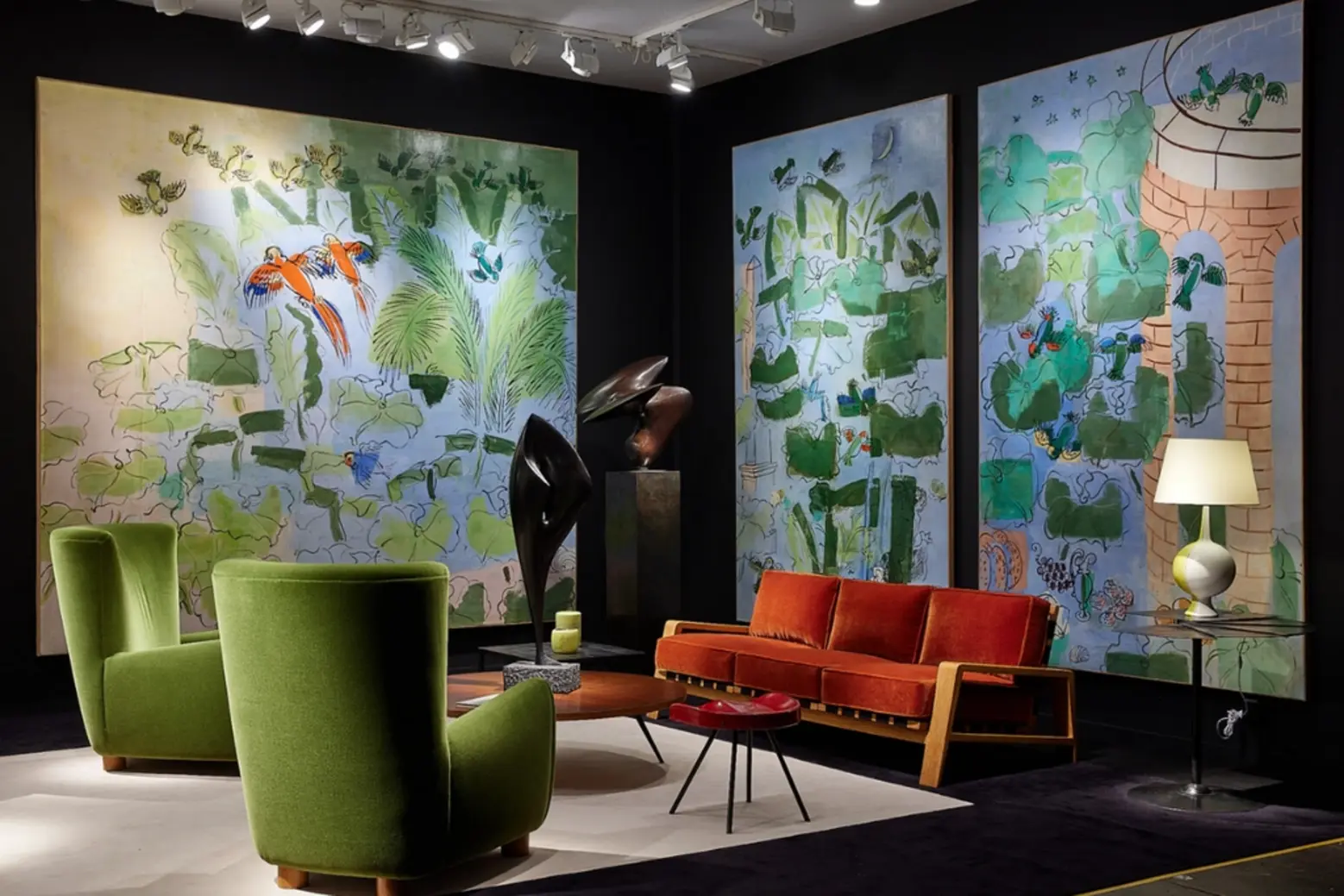
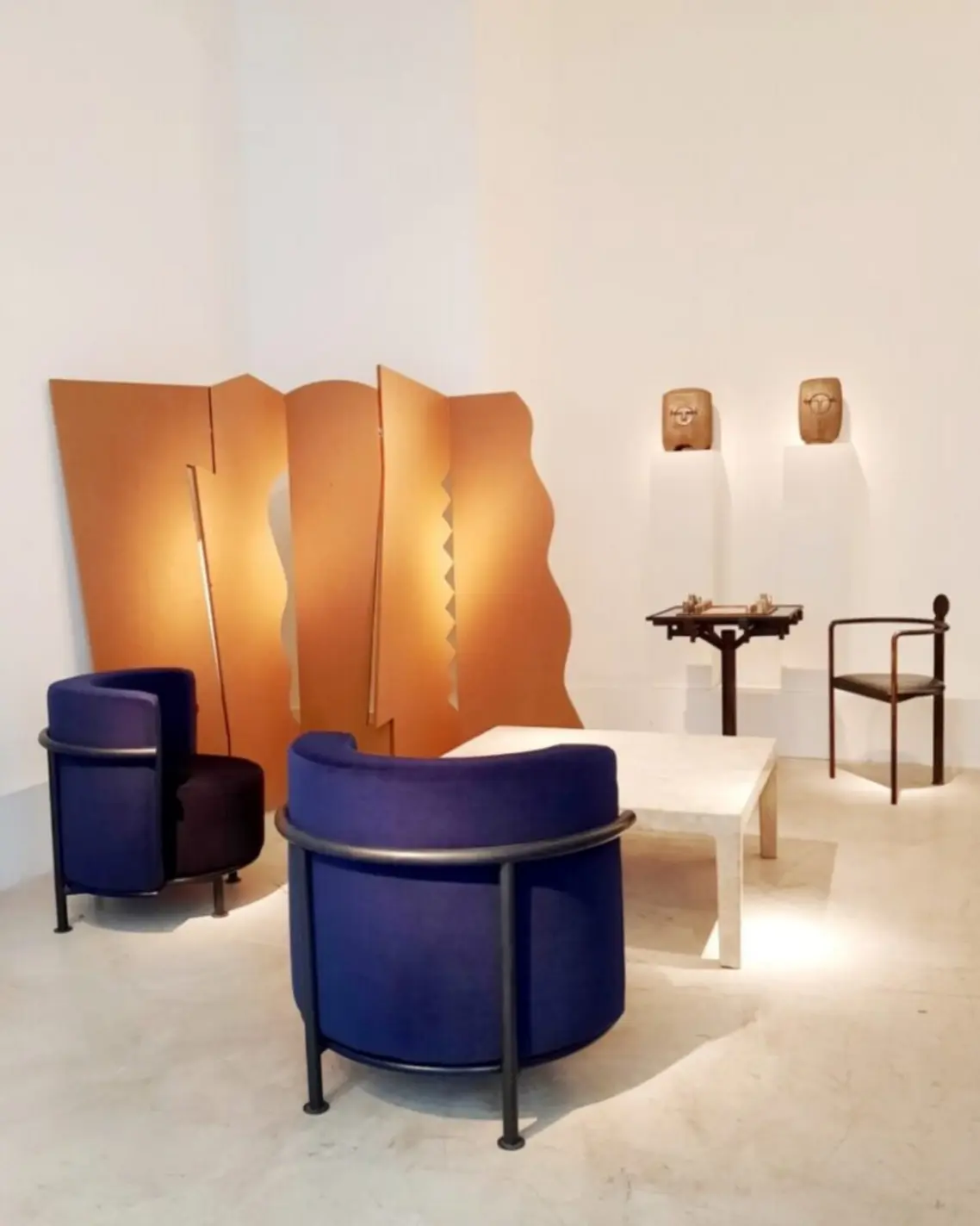
What gives PAD Paris its special identity is its atmosphere. Rather than embracing the scale and industrial sprawl of larger art fairs, it feels more like a cabinet of curiosities dressed in couture. Inside its elegant temporary structure between the Louvre and Place de la Concorde, visitors move through spaces where a mid-century Jean Prouvé chair can sit beside a primitive mask, a contemporary ceramic sculpture, or an extraordinary vitrine of jewels. This mix is exactly what makes PAD feel so compelling. It dissolves the boundaries between categories and replaces them with conversation, mood, and cultivated surprise.
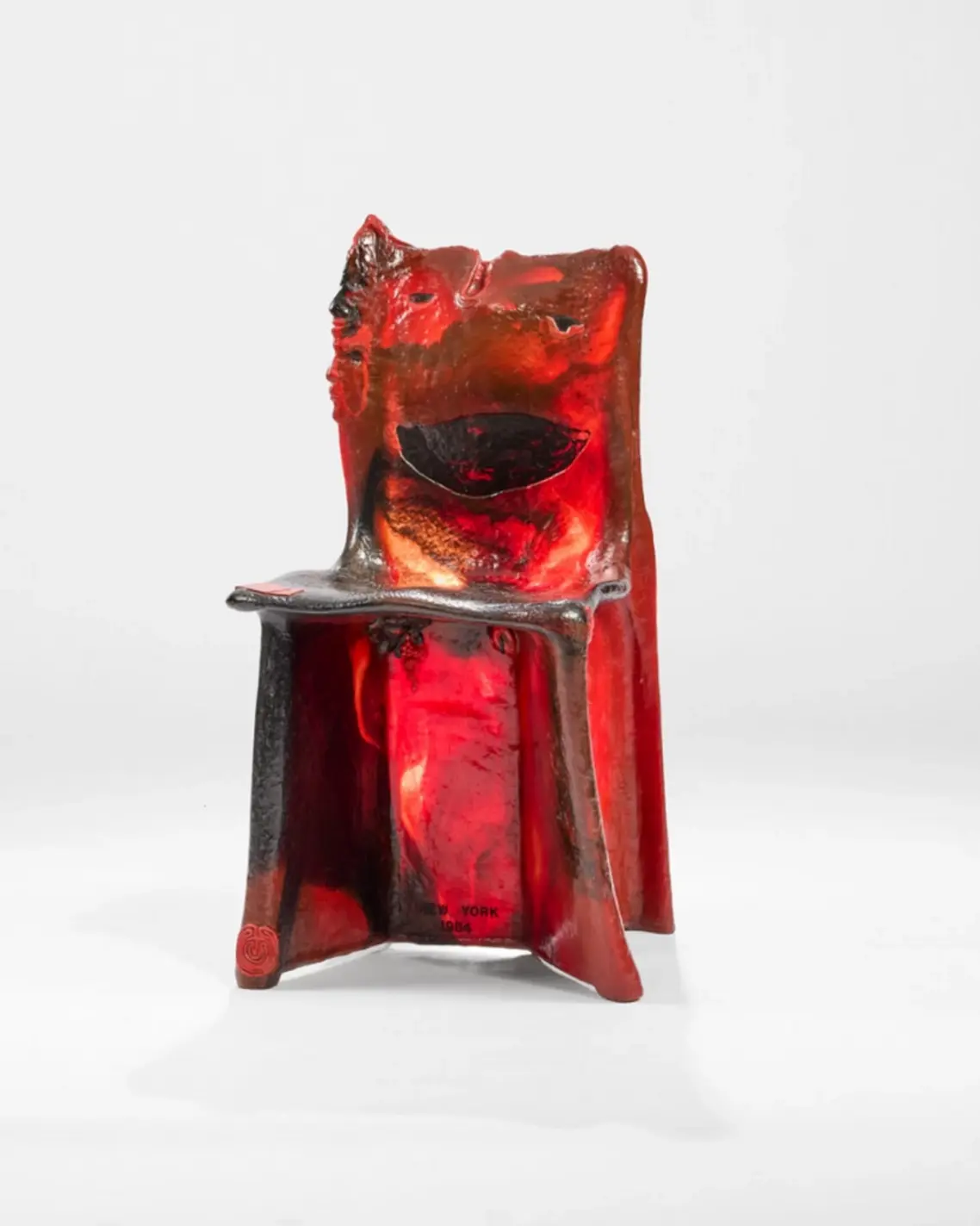
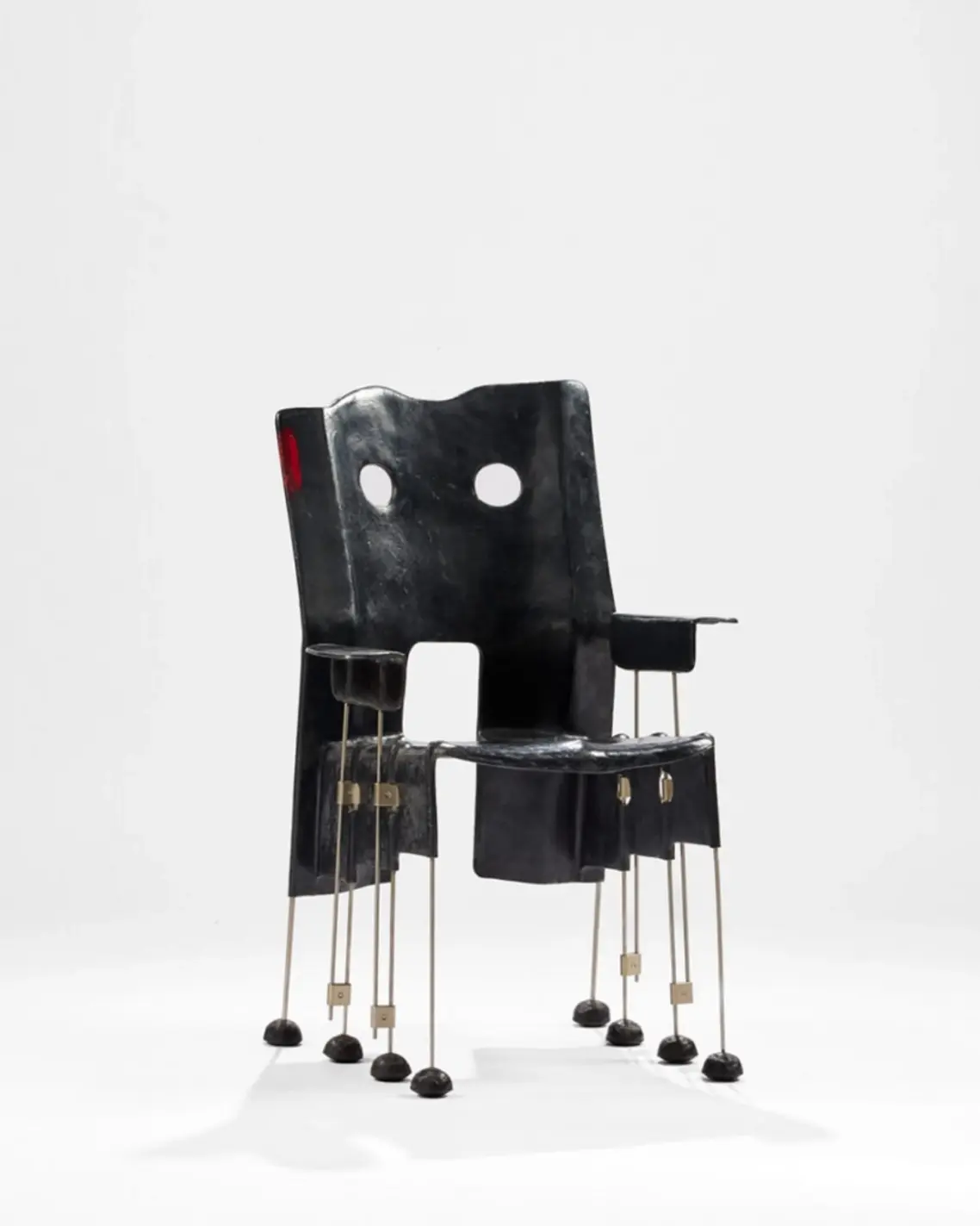
The 2026 edition leaned into Organic Brutalism and the growing appetite for tactile, emotionally charged objects. Galerie Romain Morandi won the PAD Prize for Best Stand with a presentation that brought 1950s French decorative arts into dialogue with contemporary woodcraft, creating a scene that felt both historical and vividly current.
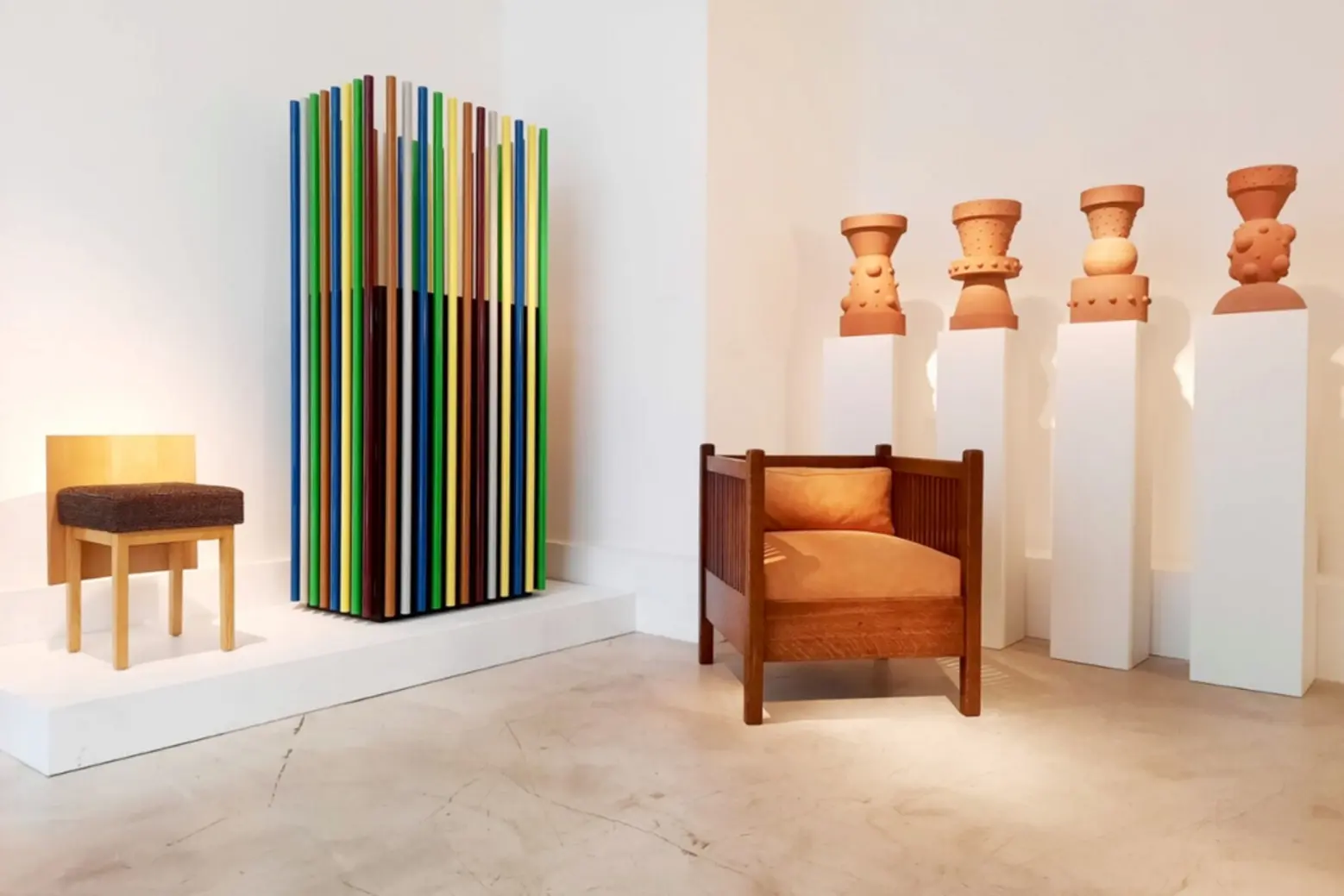
Ceramics also carried strong energy throughout the fair. The presence of hand-coiled, heavily textured works spoke to the rise of Slow Design, where the evidence of the maker’s hand becomes part of the luxury itself. Jewelry, meanwhile, remained one of PAD’s most distinctive pleasures. This is one of the few fairs where high jewelry is granted the same intellectual and aesthetic seriousness as design history.
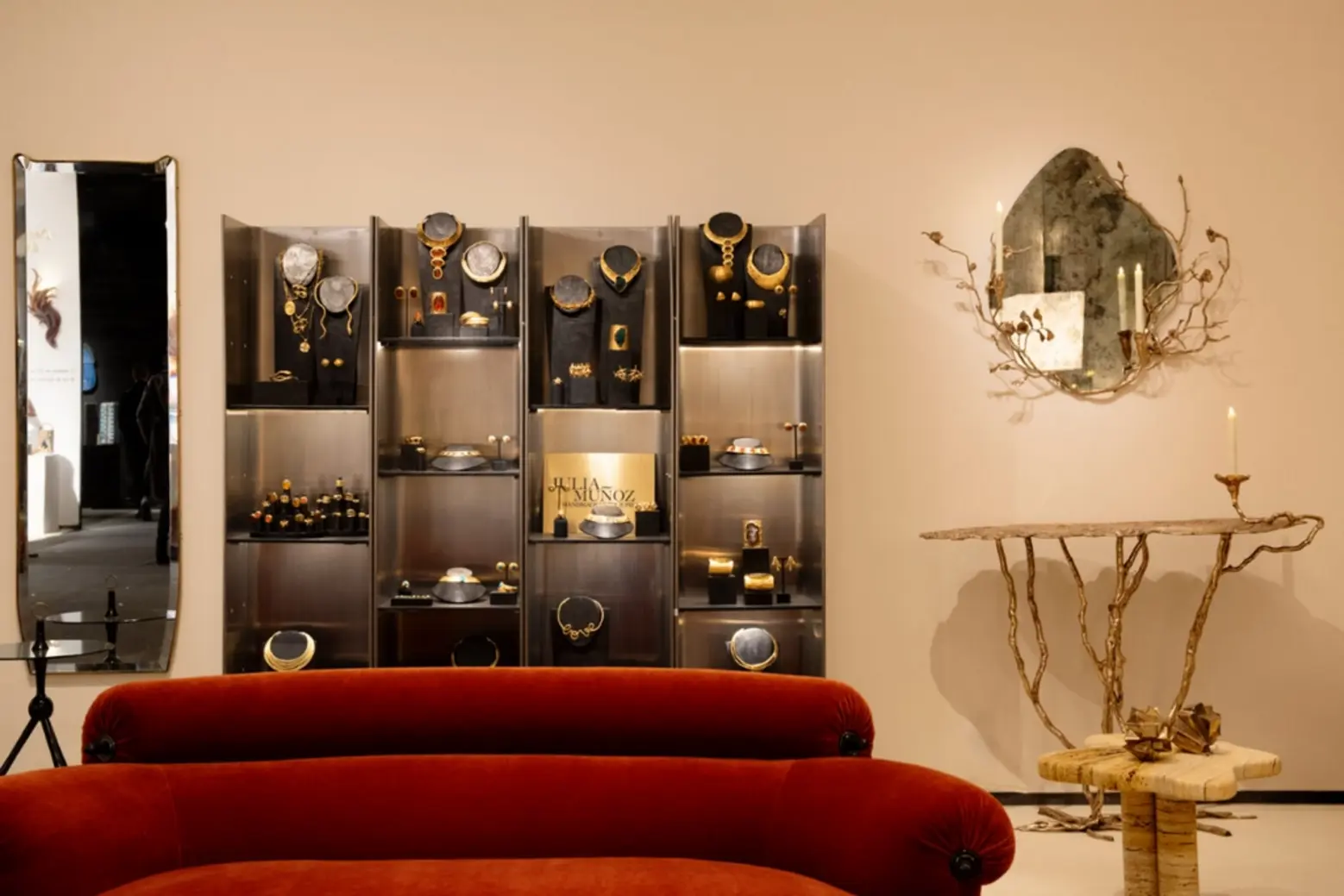
That is why PAD Paris deserves to be called the best art exhibition Paris 2026 presented within the design sphere. It offered more than objects for sale. It created a world of stories, surfaces, and sensations, while also quietly setting the tone for the spring season’s mineral palette of emerald, terracotta, and oxidized copper.