MENU
Close





What happens when Ariana Grande's body scrutiny makes a pop star’s body become the loudest review of her tour, and why does beauty culture keep mistaking visible fragility for mystery, discipline, or control?
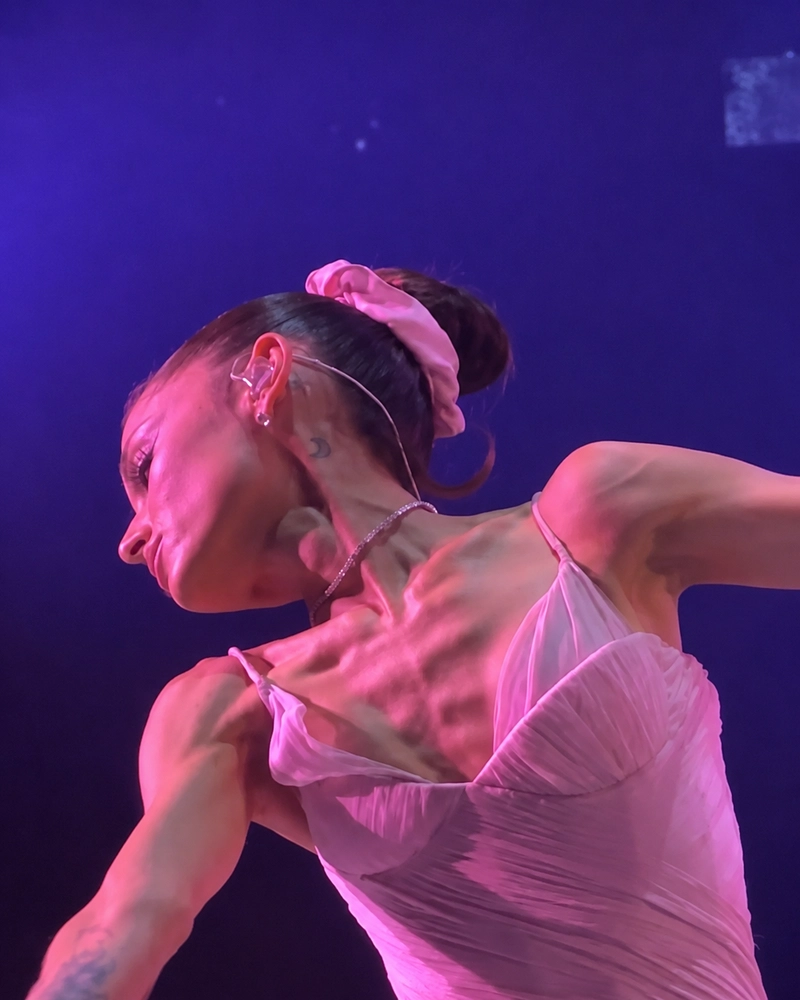
What happens when Ariana Grande's body scrutiny makes a pop star’s body become the loudest review of her tour, and why does beauty culture keep mistaking visible fragility for mystery, discipline, or control?
June 15, 2026
Advertisement
Advertisement
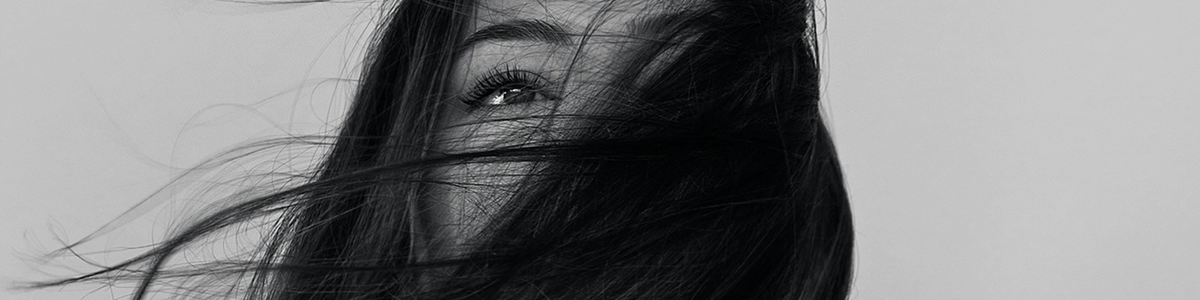


When a global pop icon returns to the stage, the anticipation is generally built around the architecture of the spectacle. We wait for the soaring vocals, the narrative arc of the setlist, the glittering choreography, and the high-fashion styling that will define the era. Yet, as Ariana Grande stepped back into the blinding luminescence of public performance, a distinctly different, deeply uncomfortable conversation hijacked the timeline.
Instead of analyzing her stagecraft or the emotional resonance of her comeback, a massive swath of the internet turned its magnifying glass away from her art and aimed it directly at her physical form. The discourse shifted, rapidly and obsessively, from the mechanics of her music to the mechanics of her body. This phenomenon of Ariana Grande's body scrutiny has reopened a difficult, historically fraught beauty question: at what point does public "concern" morph into just another insidious form of body surveillance? When we map the current commentary surrounding Grande against the tragic historical precedent of Karen Carpenter, we are forced to confront an uncomfortable truth about fame, silence, and the beauty industry’s enduring, dangerous fascination with fragile-looking femininity.
The modern celebrity body is rarely treated merely as a human vessel; it is processed by the public as a visual text, subjected to endless forensic analysis. In contemporary beauty culture, body surveillance rarely announces itself as cruelty. More often than not, it arrives softly, dressed in the seemingly benign language of care and concern. Yet, regardless of its intention, this language still reduces a living woman to consumable content.
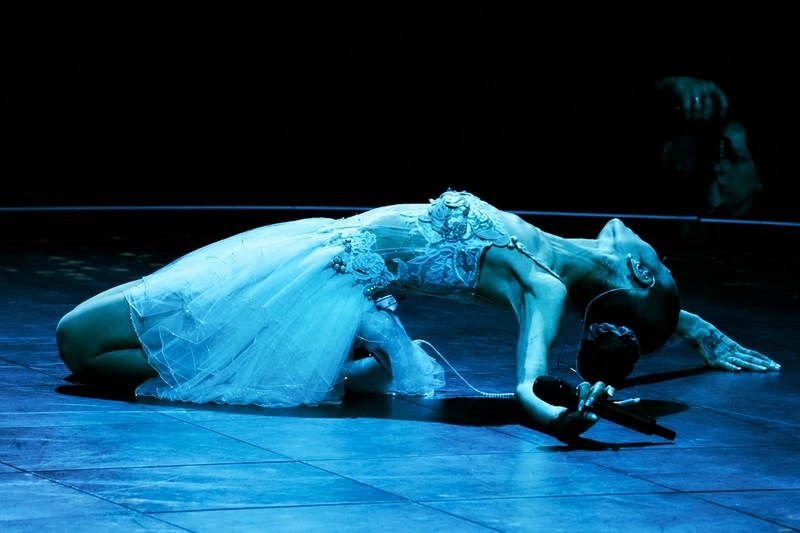
This dynamic reached a fever pitch recently when Grande appeared on a late-night talk show looking noticeably thinner than she had during previous eras. The internet’s reaction was immediate, visceral, and highly forensic. The conversation zeroed in on her wardrobe and social media presence, with onlookers pointing out that the clothes she chose to wear seemed to highlight what some bluntly labeled a "slinky skeleton." The discourse quickly spiraled into amateur armchair psychology. Commentators began to speculate whether posting these images or choosing these specific garments was a psychological manifestation of an eating disorder like anorexia, or perhaps a low-key cry for attention and public validation.
It is entirely human to notice a drastic physical change in someone we have watched grow up in the public eye. However, we have to be incredibly careful about the leap from noticing a change to diagnosing a human being. When we assume that a woman dressing her current body and posting photos of herself is intentionally seeking validation for an illness, we are projecting our own anxieties directly onto her. We are turning the simple, necessary act of her existing in public into a manipulative psychological game. A woman wearing clothes that fit her current frame is not inherently "asking for it", asking for our medical diagnosis, our moral judgment, or our performative concern. Assuming that a celebrity is quietly seeking attention by existing visibly in a smaller body is just another way of punishing her for being seen.

We have been conditioned to view bodies as mysteries to be solved. If a woman looks different, the public feels entitled to an explanation. But when a woman is performing under the glare of stage lights, executing demanding choreography and delivering emotionally exhausting vocals, why does the public feel an open invitation to audit her health? Is the internet genuinely worried about Ariana Grande, or is it fundamentally addicted to interpreting women’s bodies as breaking news? That is the uncomfortable center of Ariana Grande's body scrutiny: it often speaks in the language of protection while repeating the logic of surveillance.
To understand the emotional force behind the current discourse, we have to look at the ghost story the internet has summoned: the comparison to Karen Carpenter. This parallel is not merely a passing comment; it carries immense historical gravity, linking the pressures of pop stardom, extreme public visibility, and a tragic legacy. However, this comparison must be treated carefully, not as a careless medical claim about Ariana Grande, but as a blaring cultural alarm about the world watching her.
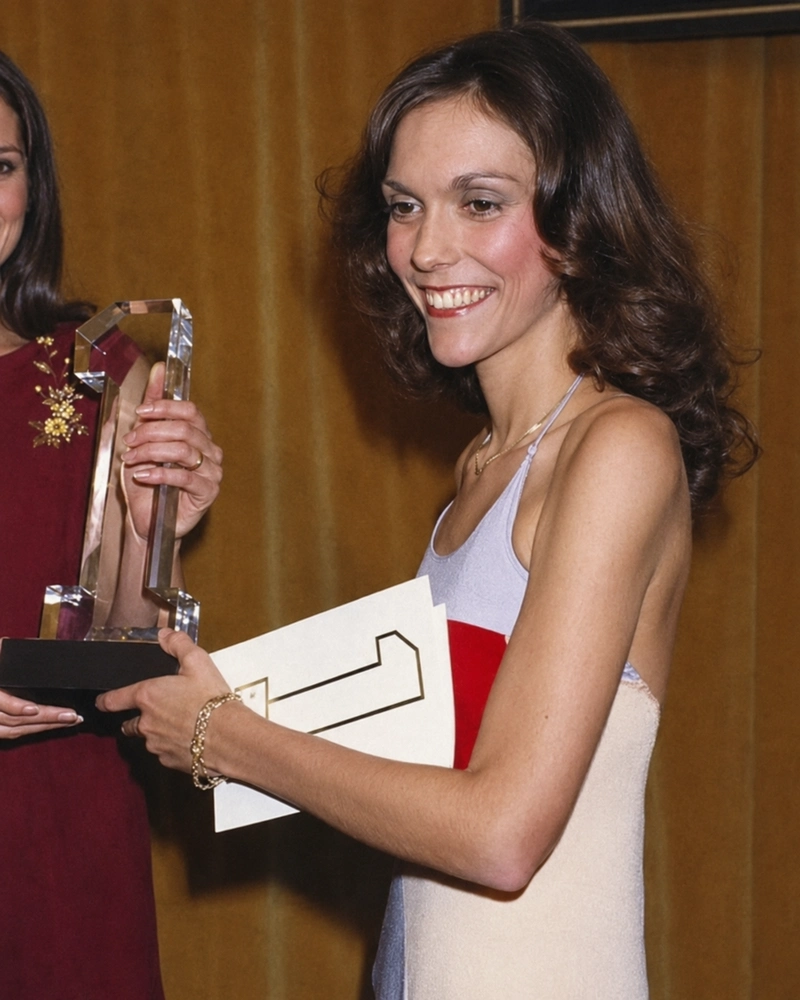
Karen Carpenter was a generational talent, blessed with a deeply resonant, melancholy voice that contrasted sharply with her impossibly soft, wholesome public image. Her body, much like Grande's, became a subject of intense public whisper networks. Her tragic death from heart failure caused by anorexia nervosa at the age of 32 permanently altered the public’s understanding of eating disorders. Before Carpenter, the cultural vocabulary for the fatal extremes of dietary restriction was shockingly limited, and the media largely viewed her shrinking frame as a styling choice rather than a medical emergency.
Carpenter’s legacy is inextricably tied to the visual codes of feminine fragility. For decades, the beauty and fashion industries have equated physical smallness with softness, discipline, perfection, and restraint. There is a deeply dangerous romance attached to this fragility. It is an aesthetic that photographs beautifully, fits seamlessly into runway sample sizes, and projects an illusion of ethereal innocence. The tragedy is that beauty culture consistently aestheticizes this fragility long before it recognizes the danger it presents. We reward the visual symptoms of physical diminishment, sharp collarbones, delicate wrists, hollowed features, as high fashion, only acting shocked when the human being underneath the image finally collapses.
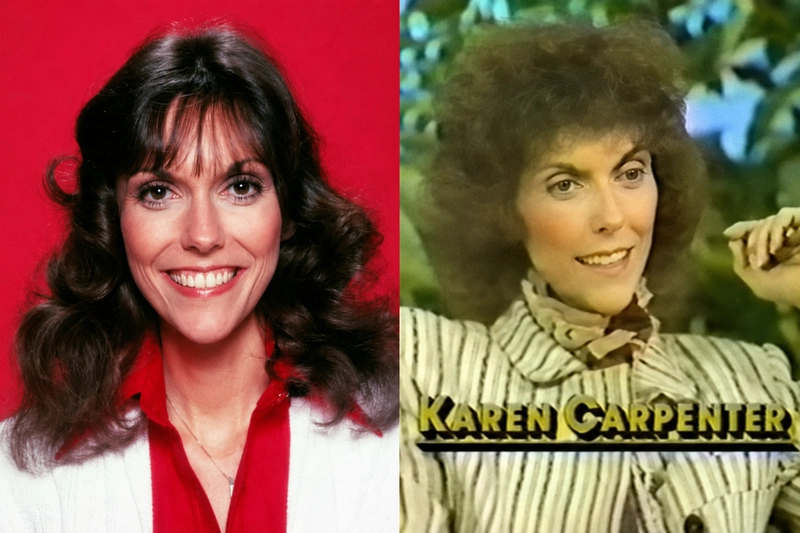
Bringing Ariana Grande into this historical parallel is a haunting media exercise, especially given the eerie coincidence of their ages during peaks of public scrutiny. However, the ethical focus of this comparison should never rest on diagnosing Grande or interrogating her wardrobe choices. It must remain fixed on our collective behavior, the mechanics of fan culture, and the crushing industry pressure that makes thinness a prerequisite for pop divinity. When commentators invoke Carpenter's name while analyzing Grande's late-night appearances, they are voicing an ancestral anxiety. But they are also actively participating in the very same spectacle of visual surveillance that isolated Carpenter in the first place. What does it say about the state of our beauty culture when the past returns through the vessel of another woman’s body before it returns as a sense of collective responsibility? In that sense, Ariana Grande's body scrutiny is not only about one artist’s appearance; it is about the culture that keeps confusing observation with care.
Ultimately, this story is fundamentally a beauty story because it lays bare contemporary culture’s most deeply held reward system: the premium placed on the illusion of absolute control. The modern female star is expected to present a seamlessly controlled face, a rigidly controlled body, a controlled appetite, controlled aging, and carefully controlled emotional visibility. Grande’s tour discourse exposes the suffocating pressure placed on women whose very physicality is inextricably bound to their commercial brand.
Pop stardom is the ultimate beauty performance. It involves stage makeup that must withstand sweat and tears, hair that must move perfectly with choreography, and camera angles mathematically calculated to capture a flawless facade. In recent years, the raw, explicit demand for thinness has been cleverly disguised. We no longer speak openly about "dieting" with the aggressive cruelty of the early 2000s tabloid era. Instead, the language of the beauty and wellness industries has mutated. We hide our obsession with shrinking women behind gentle buzzwords like "glow," "discipline," "clean living," and "transformation."
This ecosystem of control is magnified for Grande, who is not only a musician but a prominent beauty founder. The existence of her cosmetics brand means her face and body are part of a massive commercial image ecosystem. She is quite literally selling an aesthetic. This creates an impossible double bind: her body is both her personal home and a highly lucrative public billboard. When the billboard changes, the consumers feel they have the right to leave a review, whether that takes the form of praise, faux-concern, or accusations of attention-seeking.
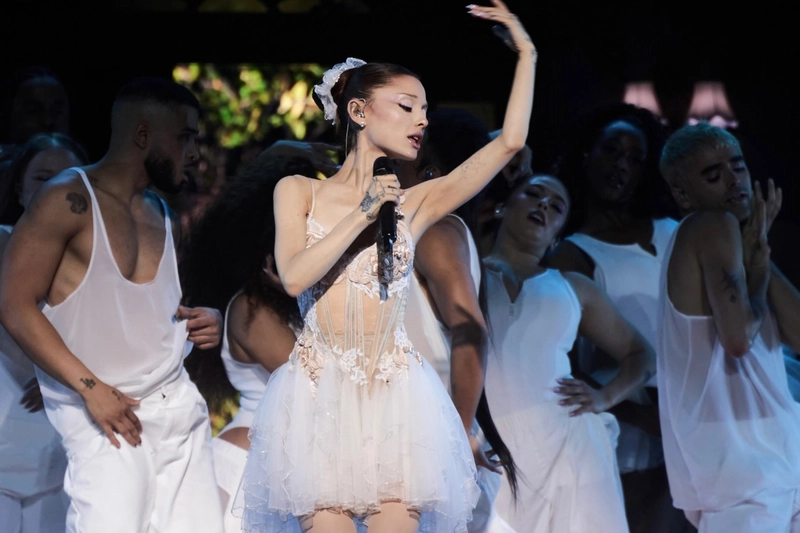
This dynamic creates a heartbreaking paradox within her fandom. Fans may fiercely defend her against the cruelest trolls, begging for the media to leave her alone. Yet, in their desperate bids to protect her, they circulate old photos, analyze her tour costumes, and endlessly debate her physical state, thereby participating in the exact same constant visual inspection they claim to hate. They become the wardens of the very surveillance state they are trying to dismantle.
To break this cycle, the ethical response from beauty media and the public cannot be to dig deeper into the forensic analysis of one woman's wardrobe or to project psychological motives onto her social media posts. We cannot discuss thinness culture with any real urgency if we insist on turning a living artist into a clinical case file. The only way forward is to step back. We must critique the overarching systems that equate a shrinking silhouette with discipline, elegance, innocence, or survival. We must interrogate the lighting, the styling, the magazine covers, and the social media algorithms that demand women sacrifice their dimensionality to become two-dimensional icons.
Ariana Grande's body scrutiny has become a mirror for beauty culture’s most uncomfortable habit: it claims to care for women while teaching the public to study their bodies for proof.
Advertisement