MENU
Close





On January 4, 2010, the world looked to Dubai as a single structure rewrote the limits of human ambition. The opening of Burj Khalifa was a bold declaration that architecture could still astonish on a planetary scale.
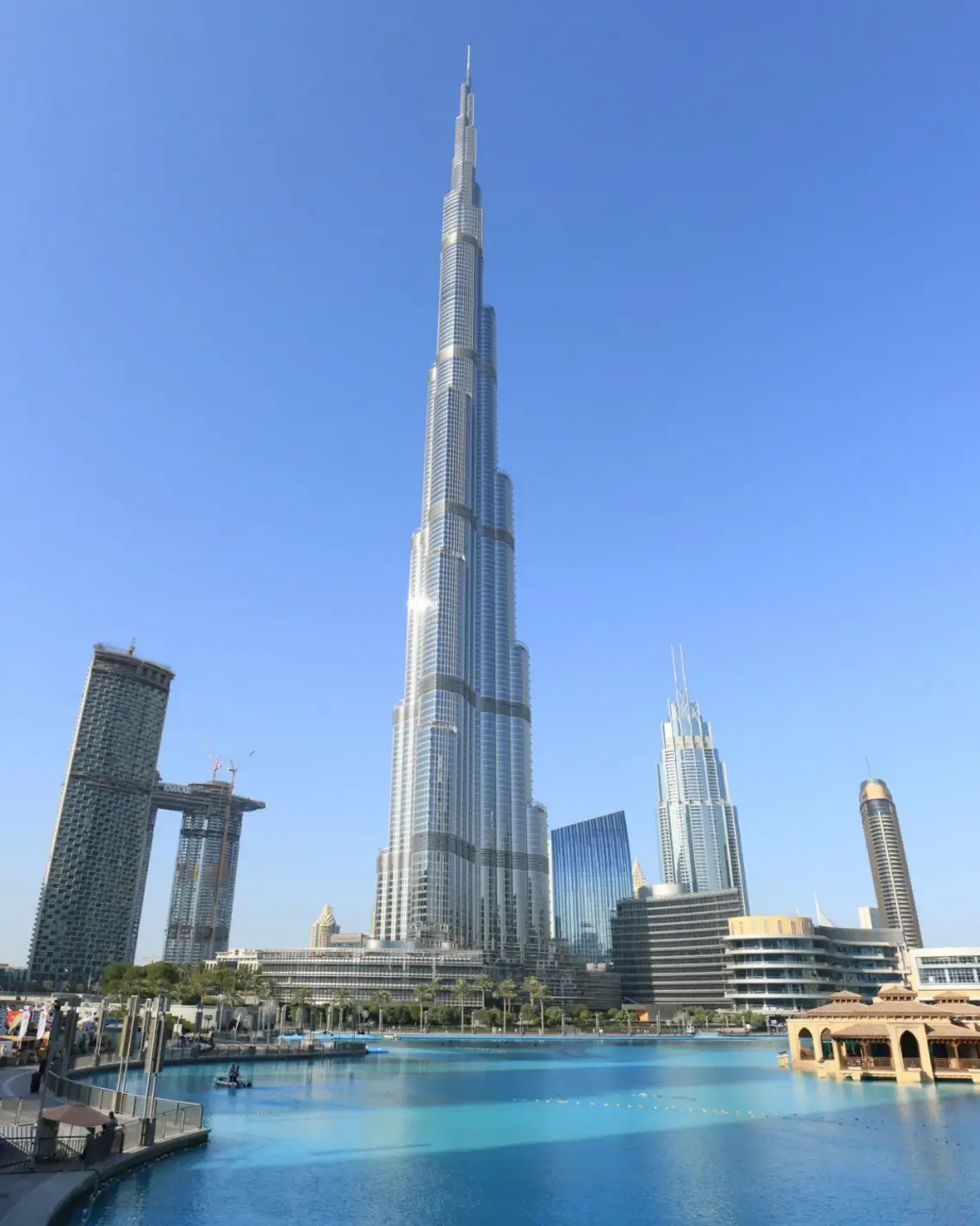
On January 4, 2010, the world looked to Dubai as a single structure rewrote the limits of human ambition. The opening of Burj Khalifa was a bold declaration that architecture could still astonish on a planetary scale.
January 4, 2010


Rising 828 meters into the desert sky, the Burj Khalifa instantly became the tallest man-made structure ever completed, a title it continues to hold. Yet height alone does not explain its cultural gravity. Designed by Adrian Smith of Skidmore, Owings & Merrill, the tower draws subtle inspiration from Islamic geometry and the spiraling form of the Hymenocallis flower, translating regional heritage into a radically modern vertical language. Its tiered, setbacks taper skyward like a futuristic minaret, elegant rather than aggressive, monumental yet disciplined.
The opening ceremony itself unfolded as carefully staged theater. Fireworks rippled along the tower’s full height, synchronized with light, sound, and water from the surrounding fountains. In that moment, the Burj Khalifa became more than steel, glass, and concrete. It became a symbol of resilience and reinvention, opening in the wake of a global financial crisis and signaling Dubai’s determination to think beyond limitation.
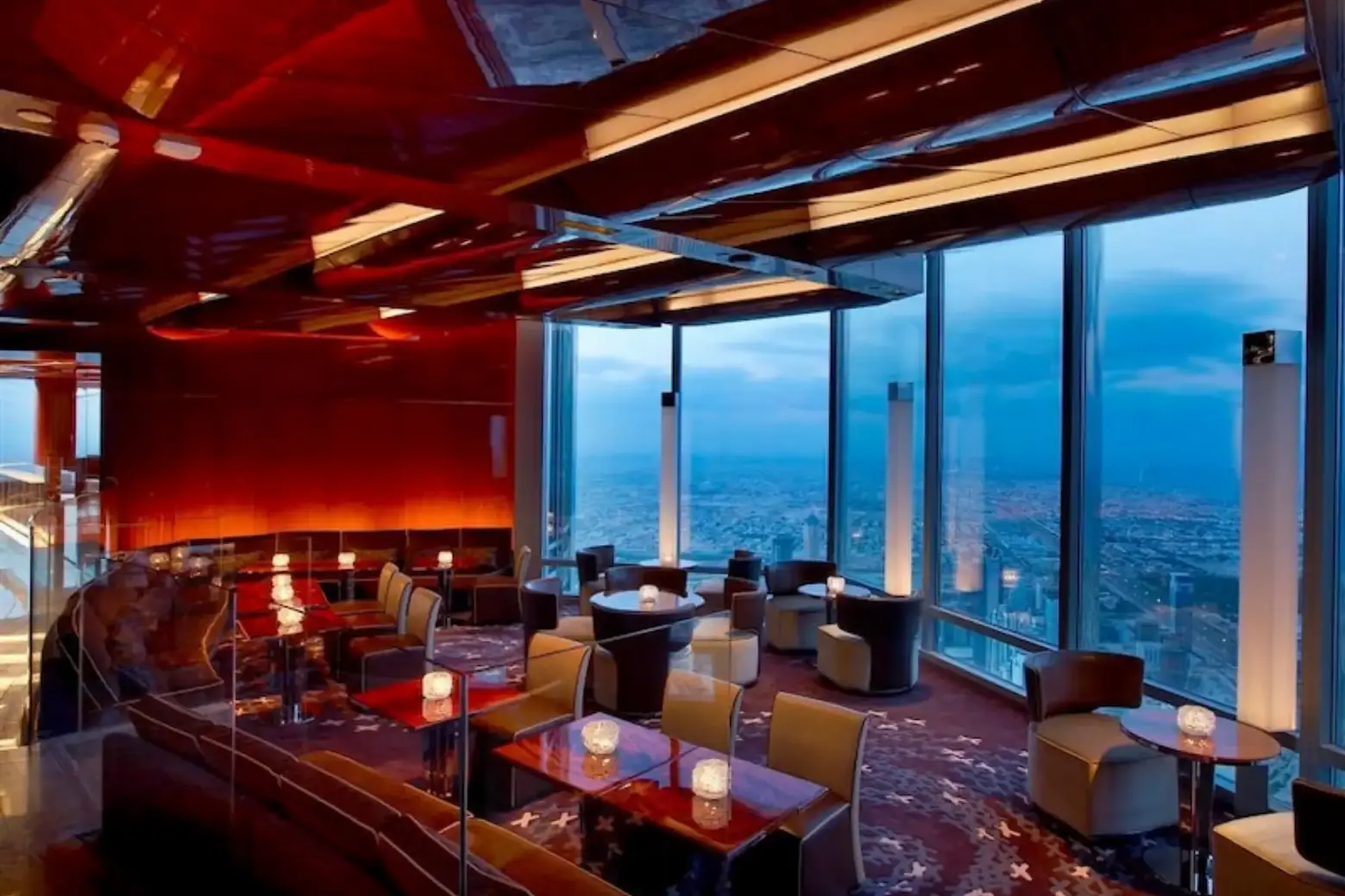
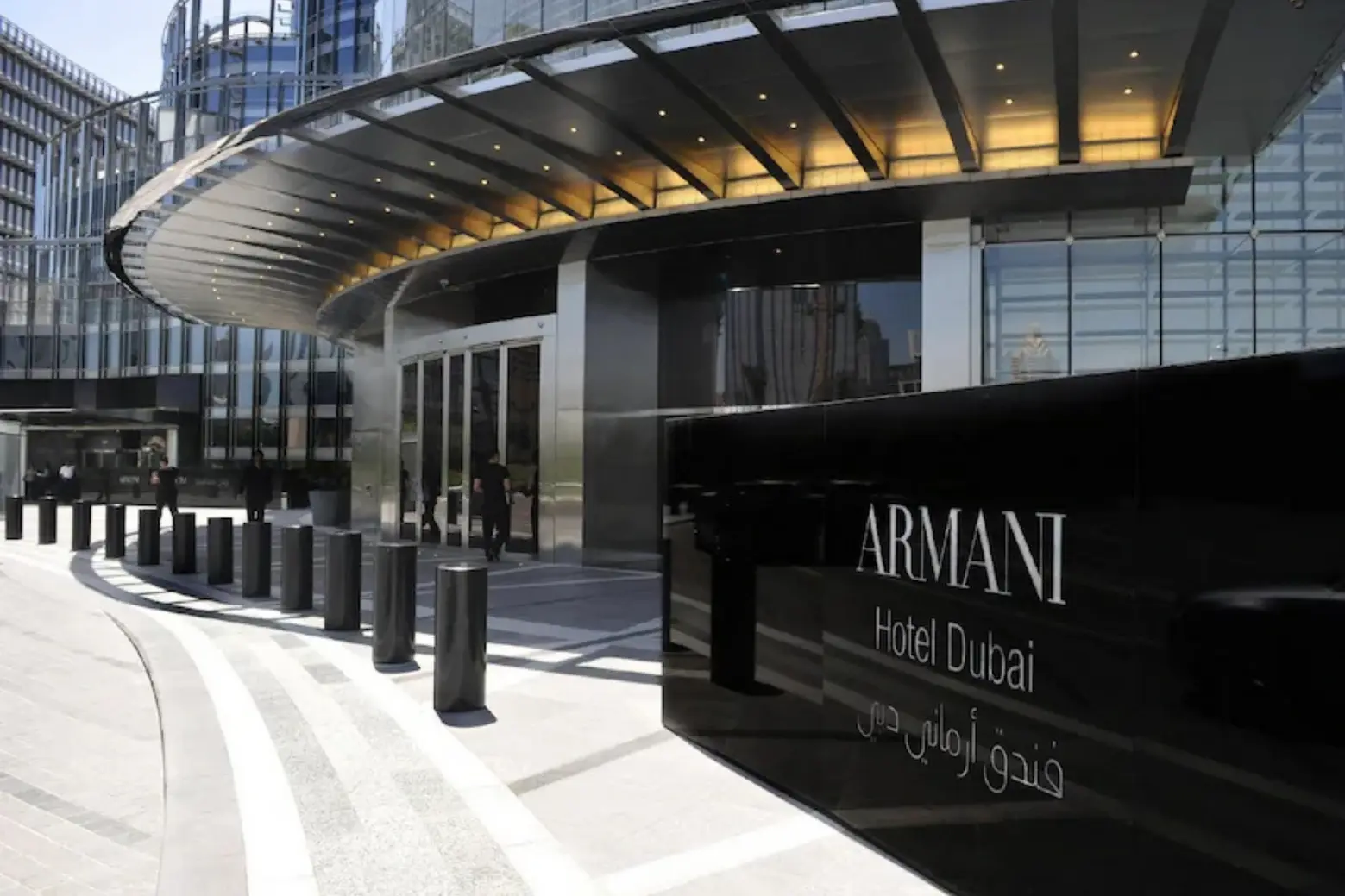
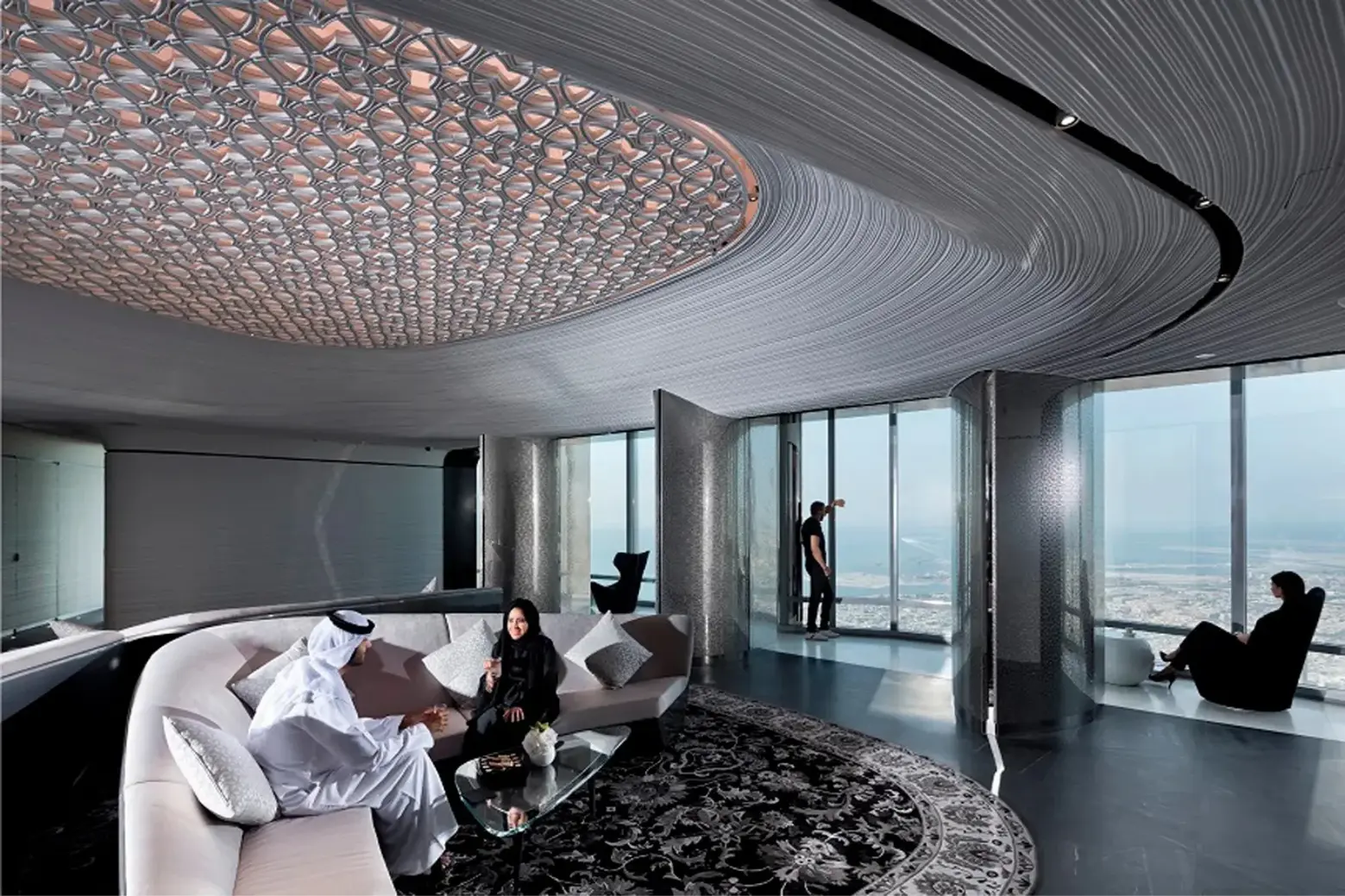
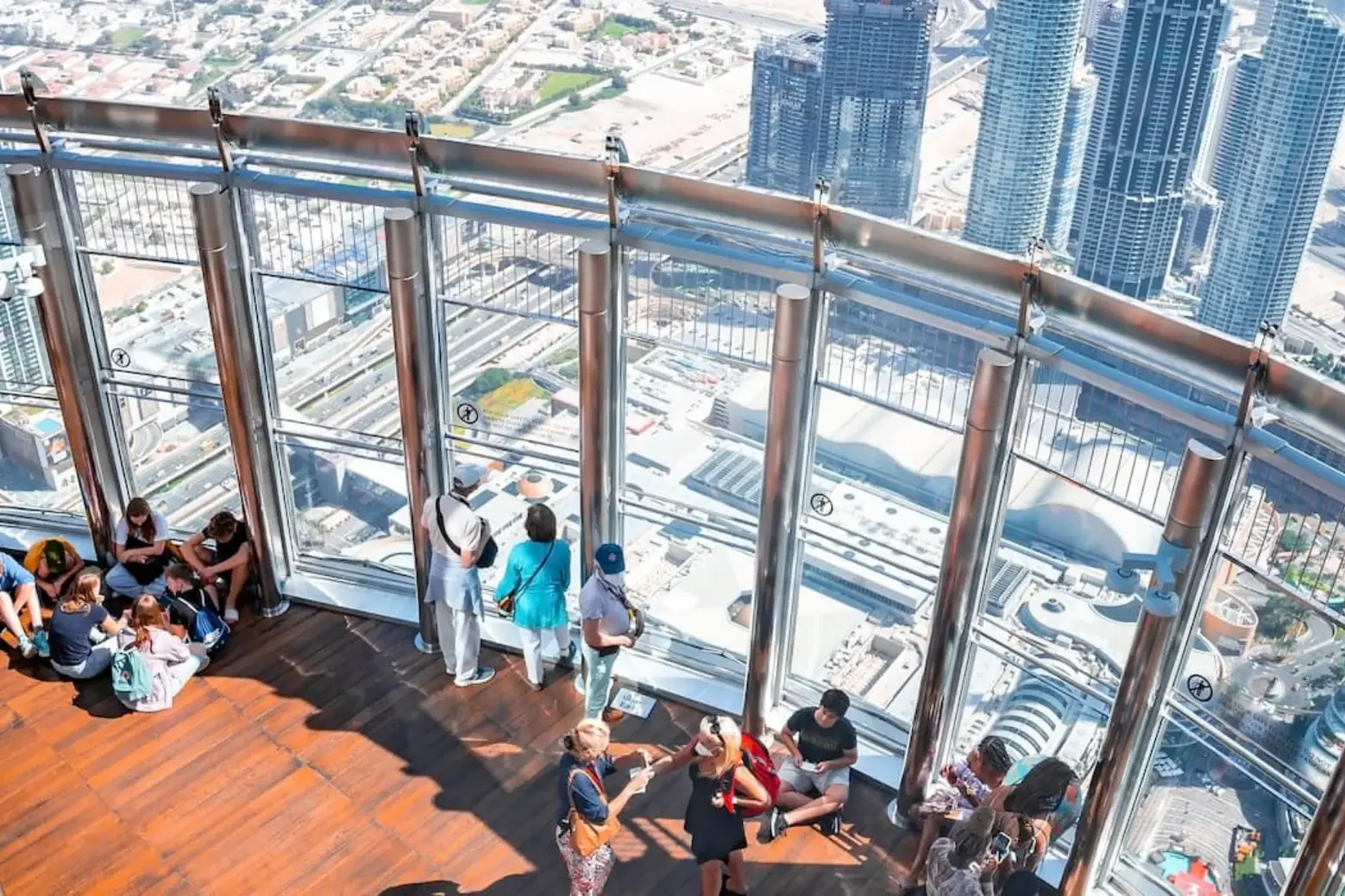
Inside, the building functions as a vertical city. It houses private residences, the Armani Hotel Dubai, corporate suites, and observation decks that offer views stretching across the Arabian Gulf. The At the Top observation level transformed the simple act of looking outward into a ritual of ascent, where visitors experience the city not as sprawl but as pattern, coastline, and horizon.
Environmentally, the Burj Khalifa also represented a leap forward at the time of its completion. Advanced cladding systems reduce heat gain, while condensate recovery systems collect millions of liters of water annually for landscaping. Even in its excess, the tower gestures toward efficiency, proving that spectacle and engineering intelligence can coexist.
Sixteen years on, the Burj Khalifa remains unmatched, not only in height but in meaning. Cities across the world continue to chase taller skylines, yet few buildings carry the same narrative weight. Its opening date marks the moment when architecture reclaimed its role as global headline, cultural symbol, and shared human achievement. The Burj Khalifa stands as a reminder that when imagination dares upward, the skyline follows.