MENU
Close


On March 21, 2016, Kylie Jenner quietly released her first Lip Kits under the newly launched Kylie Cosmetics. What followed was anything but quiet. Within minutes, the products sold out-crashing websites, dominating social feeds, and signaling a shift that would permanently reshape the beauty industry.
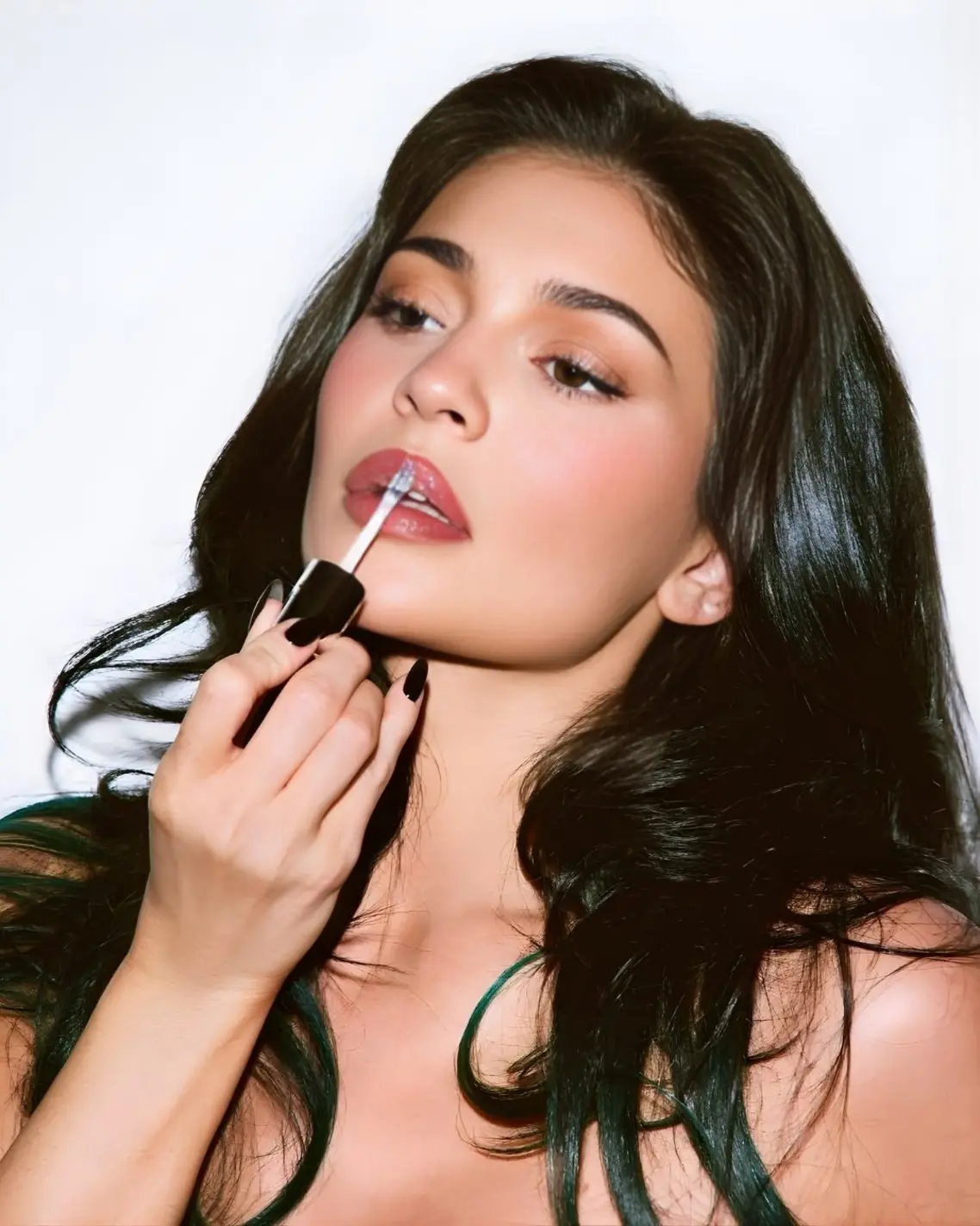
On March 21, 2016, Kylie Jenner quietly released her first Lip Kits under the newly launched Kylie Cosmetics. What followed was anything but quiet. Within minutes, the products sold out-crashing websites, dominating social feeds, and signaling a shift that would permanently reshape the beauty industry.
March 21, 2025


At the time, the Lip Kit was a simple proposition: a matte liquid lipstick paired with a matching lip liner. But its power lay elsewhere. Built on Kylie Jenner’s social media presence and a direct connection to her audience, the launch bypassed traditional beauty marketing entirely. There were no glossy magazine campaigns, no department store counters-just Instagram, urgency, and a sense of access.
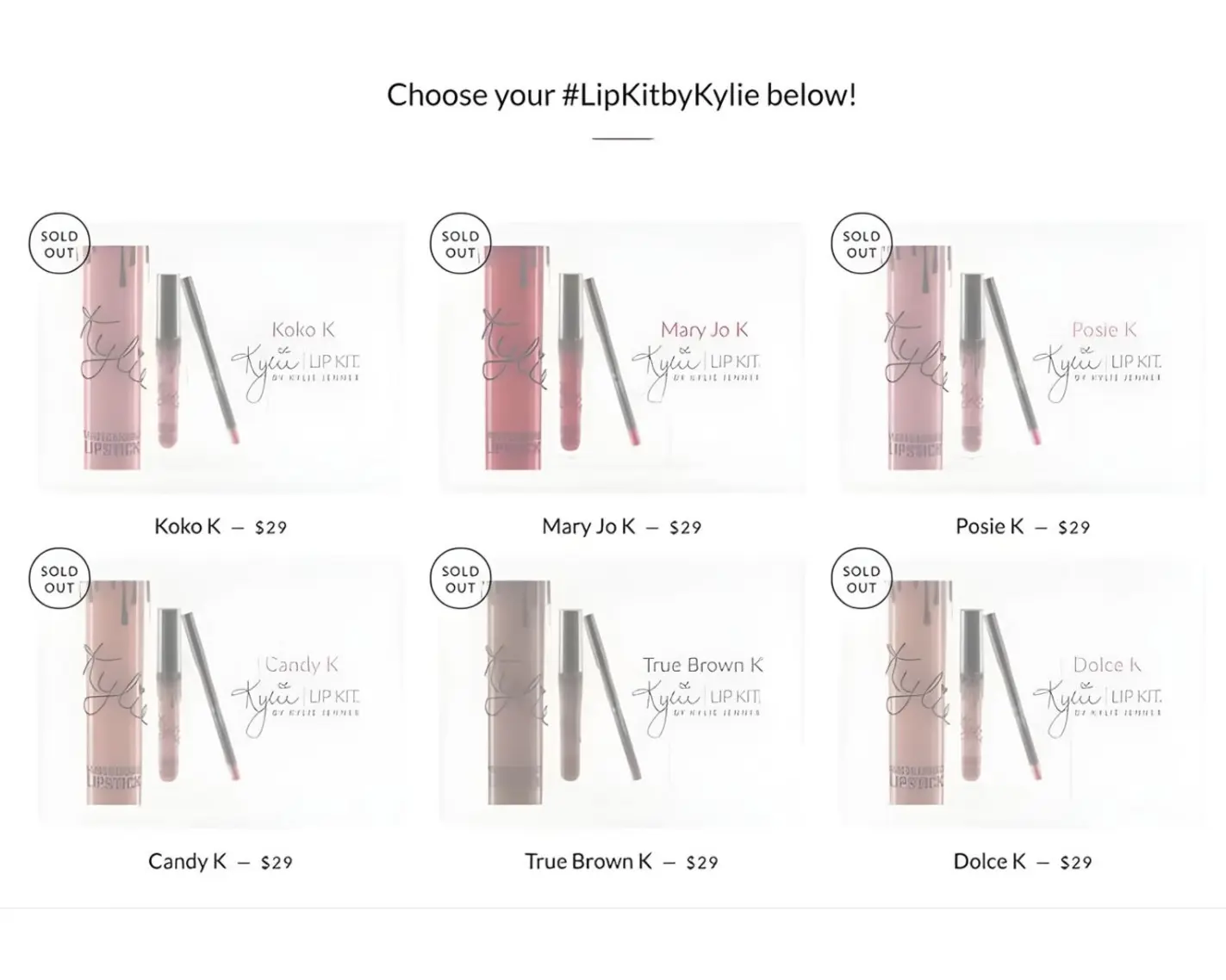
The success of the Lip Kits revealed something the industry could no longer ignore. Influence had become infrastructure. Consumers weren’t just buying a product; they were buying into a personality, a lifestyle, and a feeling of proximity to the person behind the brand. Shades like Candy K and Dolce K became cultural shorthand, worn as much for what they represented as for how they looked.
Kylie Cosmetics’ early model-limited drops, direct-to-consumer sales, and constant online engagement-set a template that countless brands would later adopt. Beauty founders were no longer required to come from labs or boardrooms; they could emerge from social platforms, armed with trust, visibility, and narrative control.
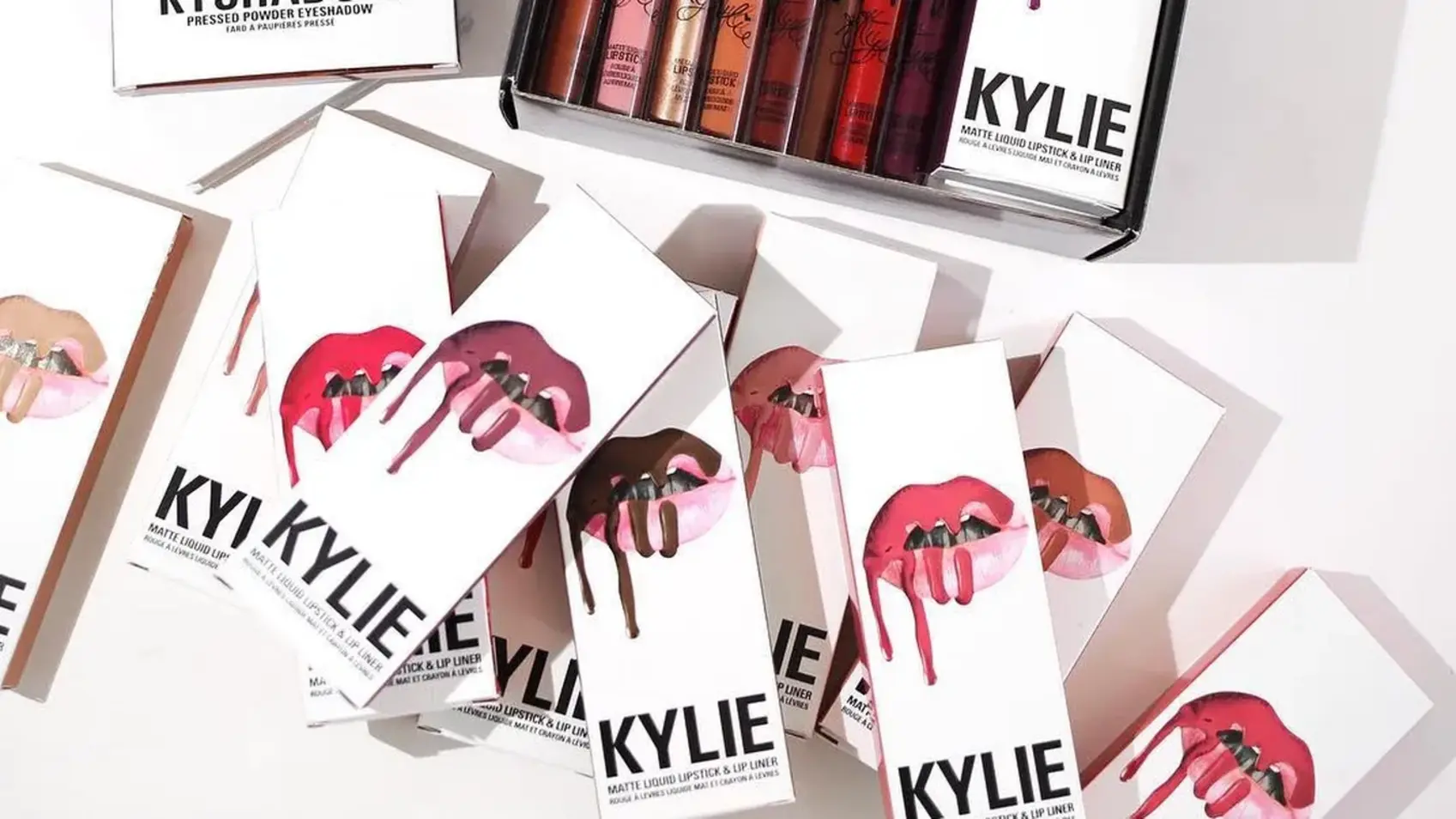
Beyond sales figures, the March 21 launch shifted expectations around speed and relevance. Beauty cycles accelerated. Products were now expected to respond instantly to trends, audiences, and conversations happening in real time. The Lip Kit wasn’t just a product release-it was proof that cultural capital could translate directly into commercial power.
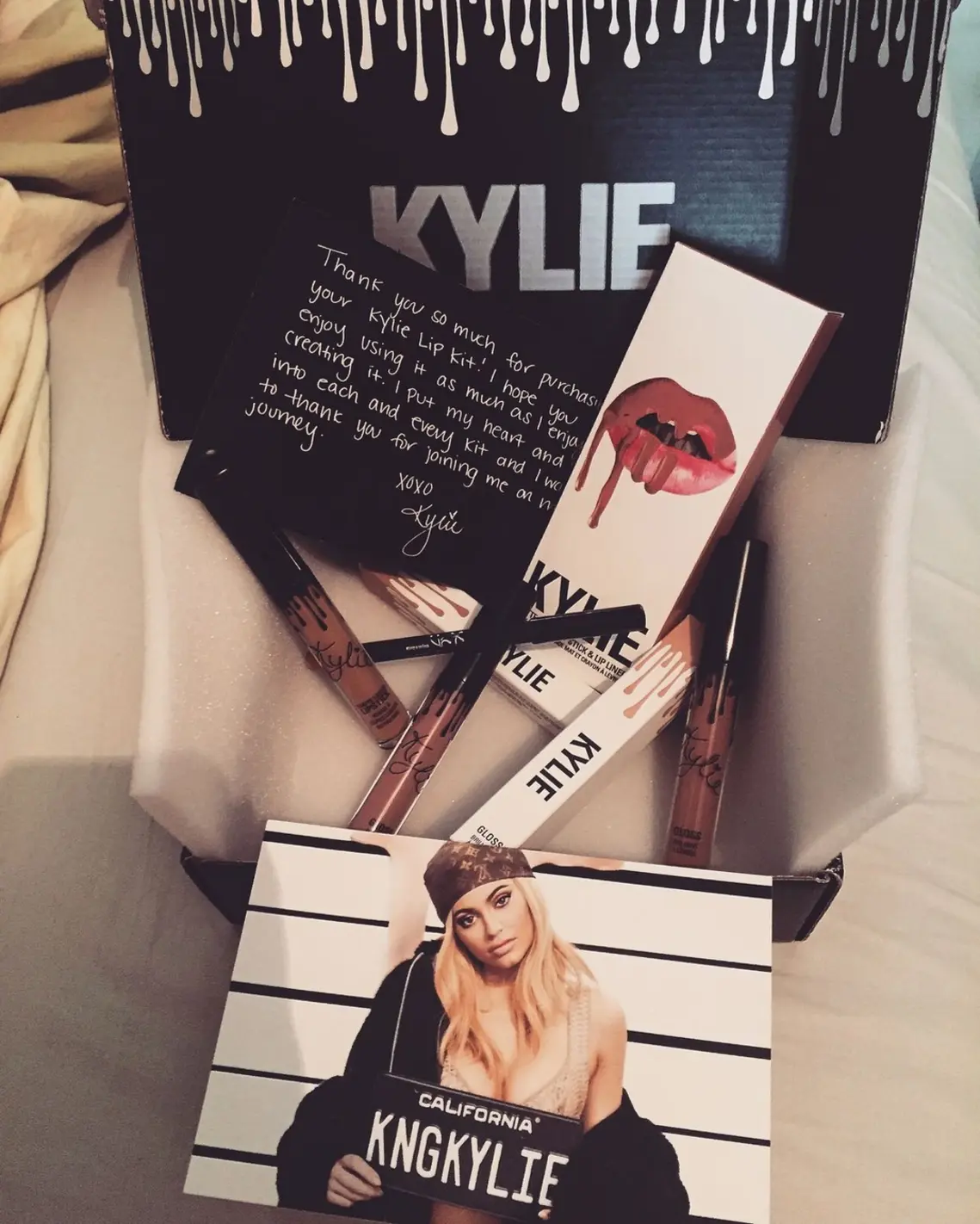
Nearly a decade later, influencer-founded beauty brands are no longer an exception; they are a category of their own. And it traces back to that moment in 2016, when a boxed lipstick and liner reframed what it meant to build a beauty brand in the digital age.
On this day, Kylie Jenner Lip Kits changed the industry, beauty stopped speaking at consumers-and started speaking with them.