MENU
Close





October 14, 2014 marked the moment the Charlotte Tilbury beauty brand entered the global spotlight—more than a launch, it signaled a new way red carpet makeup could live within modern luxury beauty retail. Built by a legendary celebrity makeup artist, the brand reshaped expectations around glamour, expertise, and accessibility.
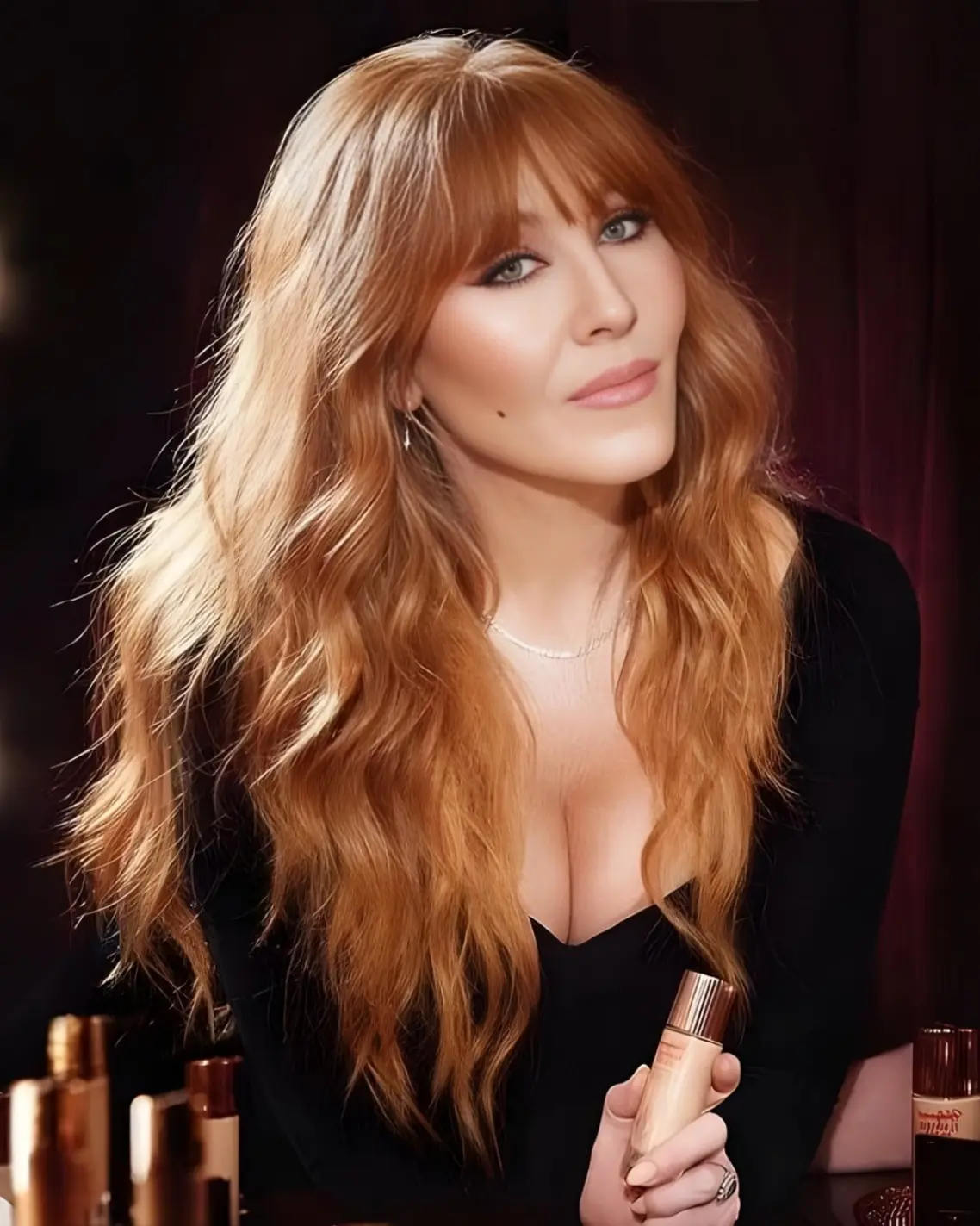
October 14, 2014 marked the moment the Charlotte Tilbury beauty brand entered the global spotlight—more than a launch, it signaled a new way red carpet makeup could live within modern luxury beauty retail. Built by a legendary celebrity makeup artist, the brand reshaped expectations around glamour, expertise, and accessibility.
October 14, 2025


When Charlotte Tilbury launched her namesake beauty brand, the industry took notice—not because another celebrity makeup artist had entered retail, but because she redefined what that transition could mean.

For decades, red carpet makeup existed in a closed world: backstage at fashion weeks, on magazine covers, and under Hollywood lights. Tilbury was one of the few artists who understood both its fantasy and its mechanics. Her move into luxury beauty retail bridged that gap, making professional artistry not just aspirational, but usable.
The Charlotte Tilbury beauty brand introduced a new model: products designed around looks, not just formulas. Instead of selling individual lipsticks or eyeshadows, the brand offered complete red-carpet narratives—icons like Pillow Talk and Magic Cream distilled years of backstage expertise into everyday routines. This approach shifted how consumers engaged with makeup, focusing on transformation rather than trend-chasing.
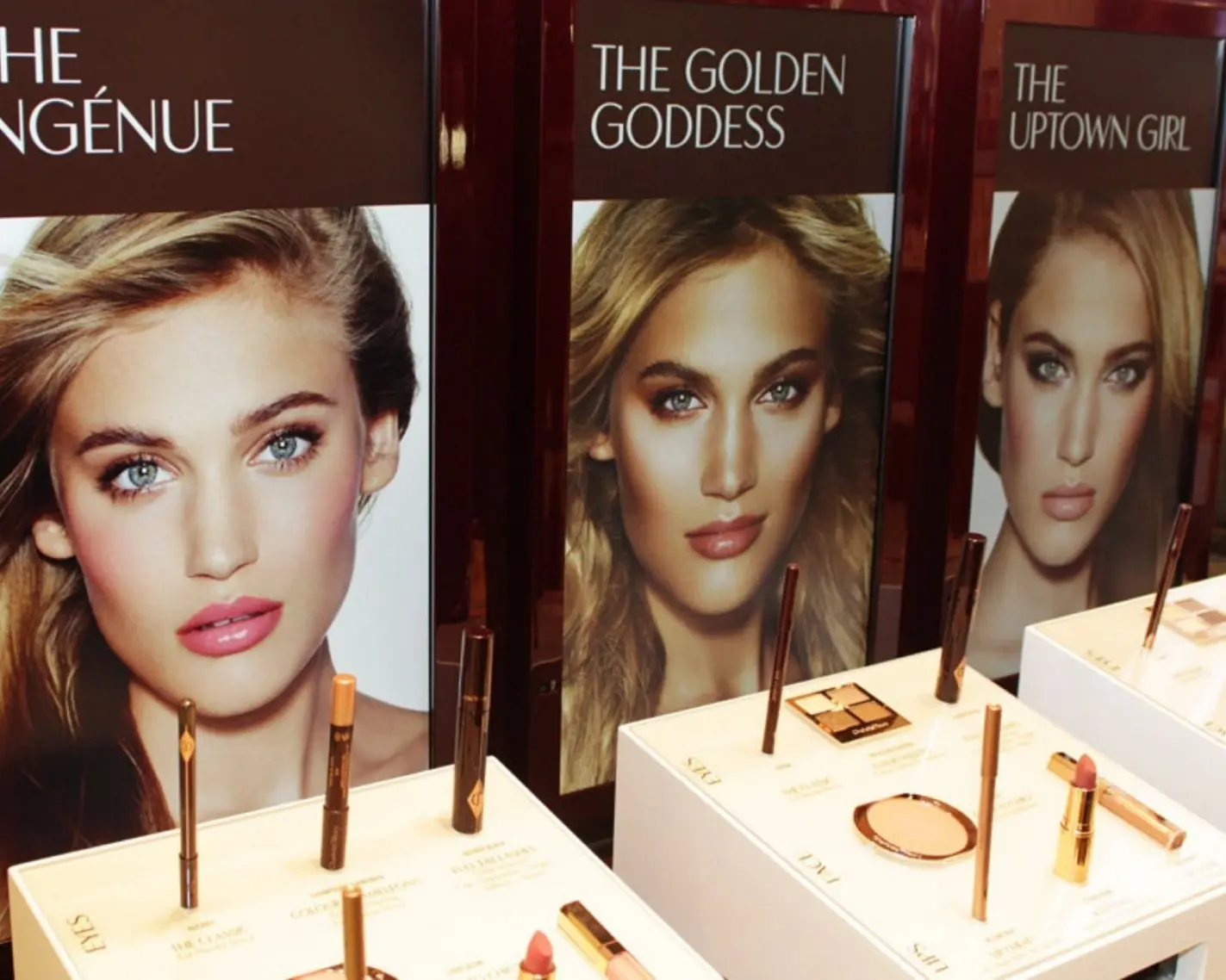
The impact was immediate. Retailers embraced the brand’s theatrical counters and education-driven selling, while consumers responded to the promise of “celebrity makeup artist secrets” made accessible. It influenced how other beauty houses framed launches—placing storytelling, artistry, and the authority of the creator at the center of brand identity.
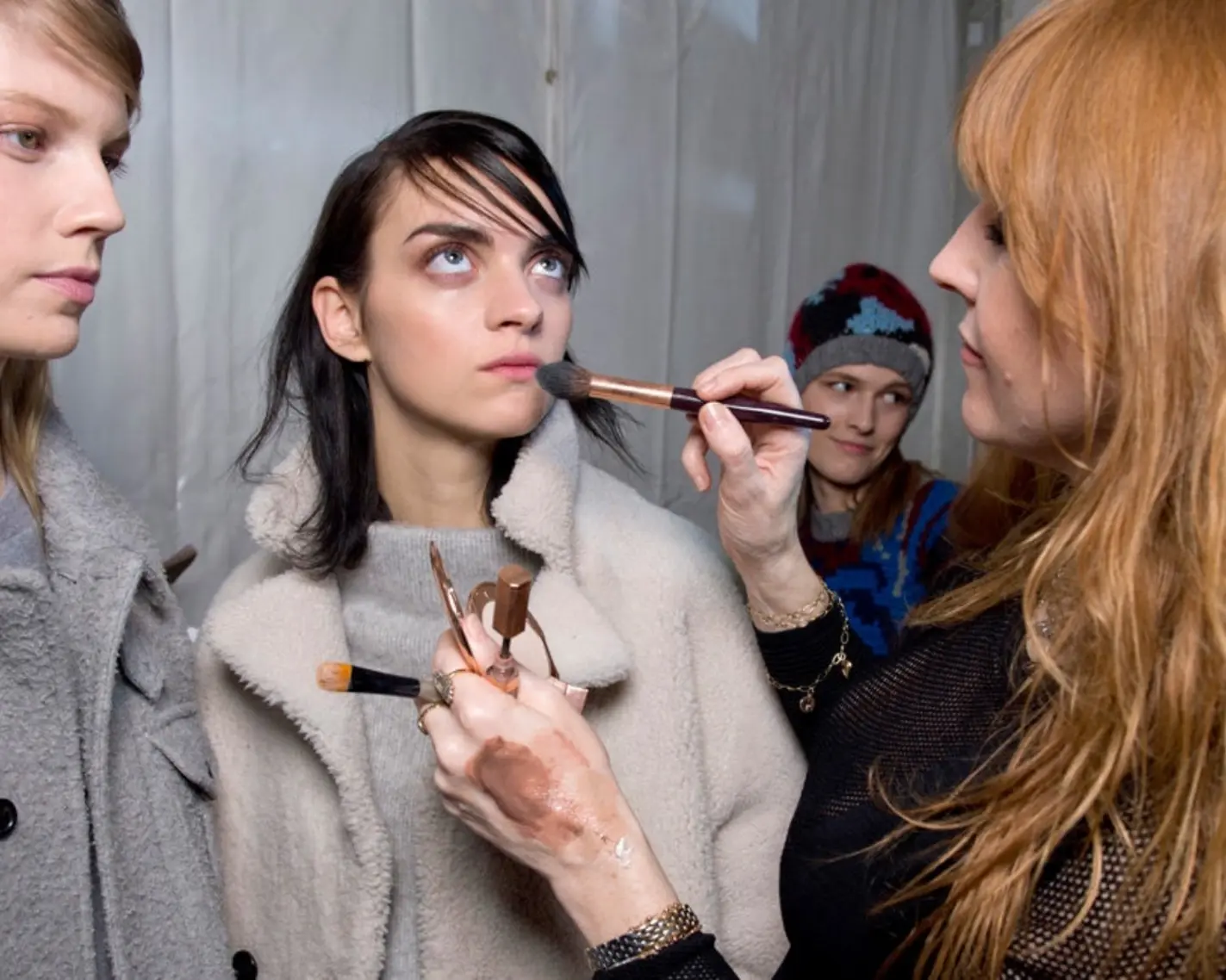
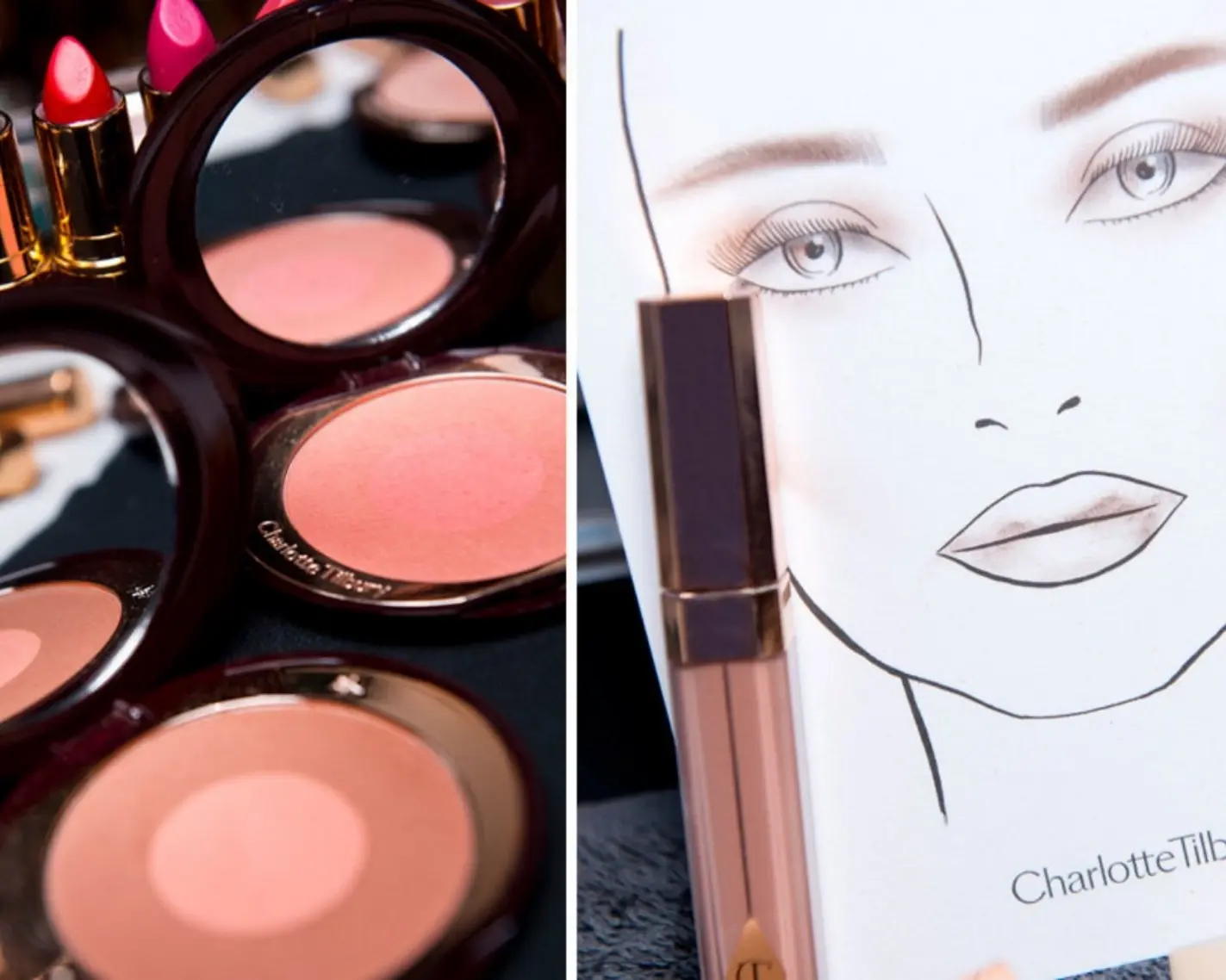
More broadly, Charlotte Tilbury’s success helped legitimize the celebrity makeup artist as a powerful founder figure, not just a collaborator. Today’s artist-led brands owe much to this moment, when red-carpet credibility became a scalable, global business model.
What began as one artist’s vision ultimately reshaped the relationship between professional makeup artistry and mass luxury—proving that glamour, when translated with intention, could belong to everyone.