MENU
Close





While thousands of miles of ocean separated O’Keeffe’s desert ranch in New Mexico from Moore’s verdant studio in Hertfordshire, England, the two modernist giants Georgia O’Keeffe and Henry Moore were walking remarkably similar paths. A major exhibition, organized by the San Diego Museum of Art and running at the Museum of Fine Arts, Boston, from 13 October 2024 to 20 January 2025, finally brings together these two titans of 20th-century modernism.
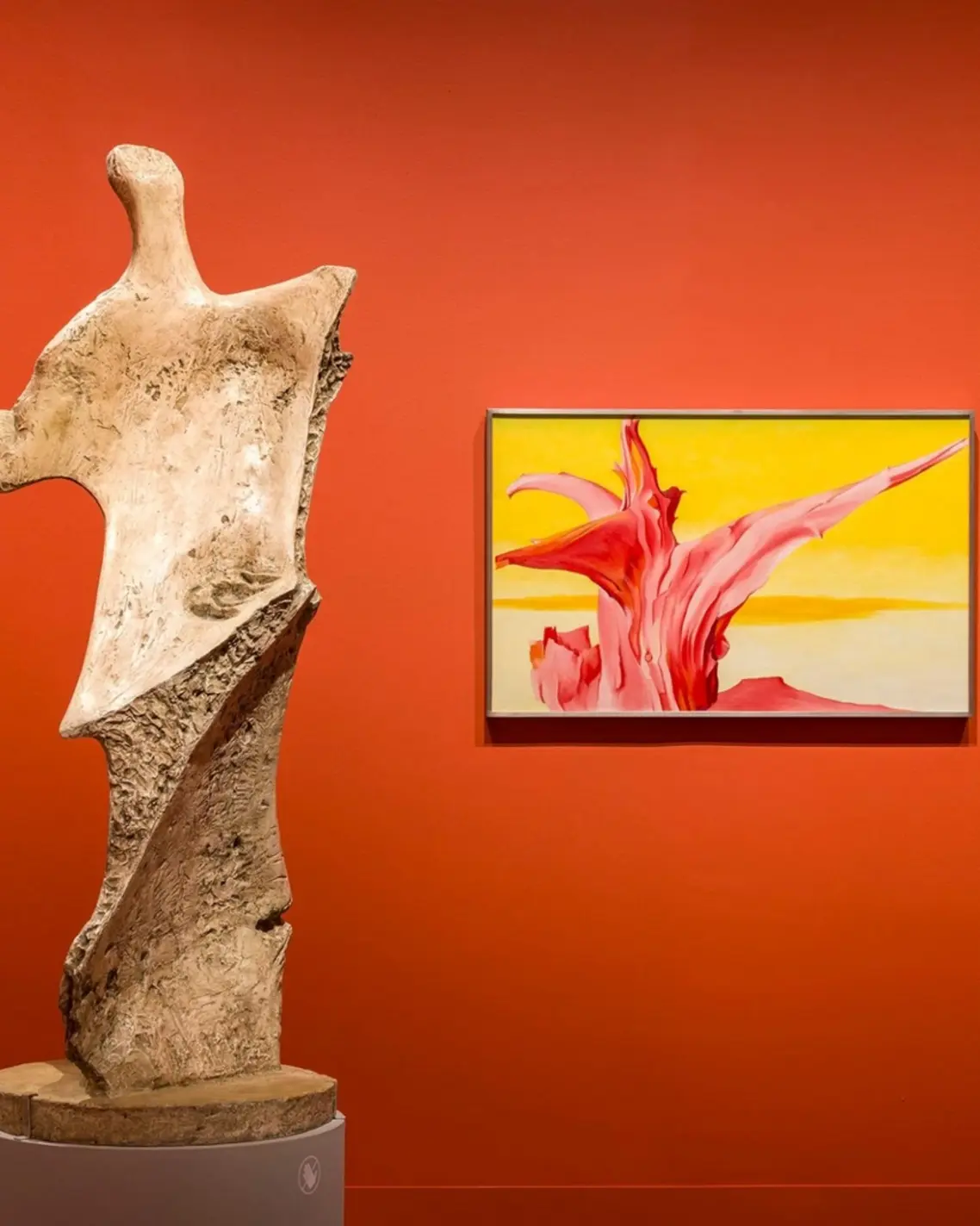
While thousands of miles of ocean separated O’Keeffe’s desert ranch in New Mexico from Moore’s verdant studio in Hertfordshire, England, the two modernist giants Georgia O’Keeffe and Henry Moore were walking remarkably similar paths. A major exhibition, organized by the San Diego Museum of Art and running at the Museum of Fine Arts, Boston, from 13 October 2024 to 20 January 2025, finally brings together these two titans of 20th-century modernism.
January 20, 2025


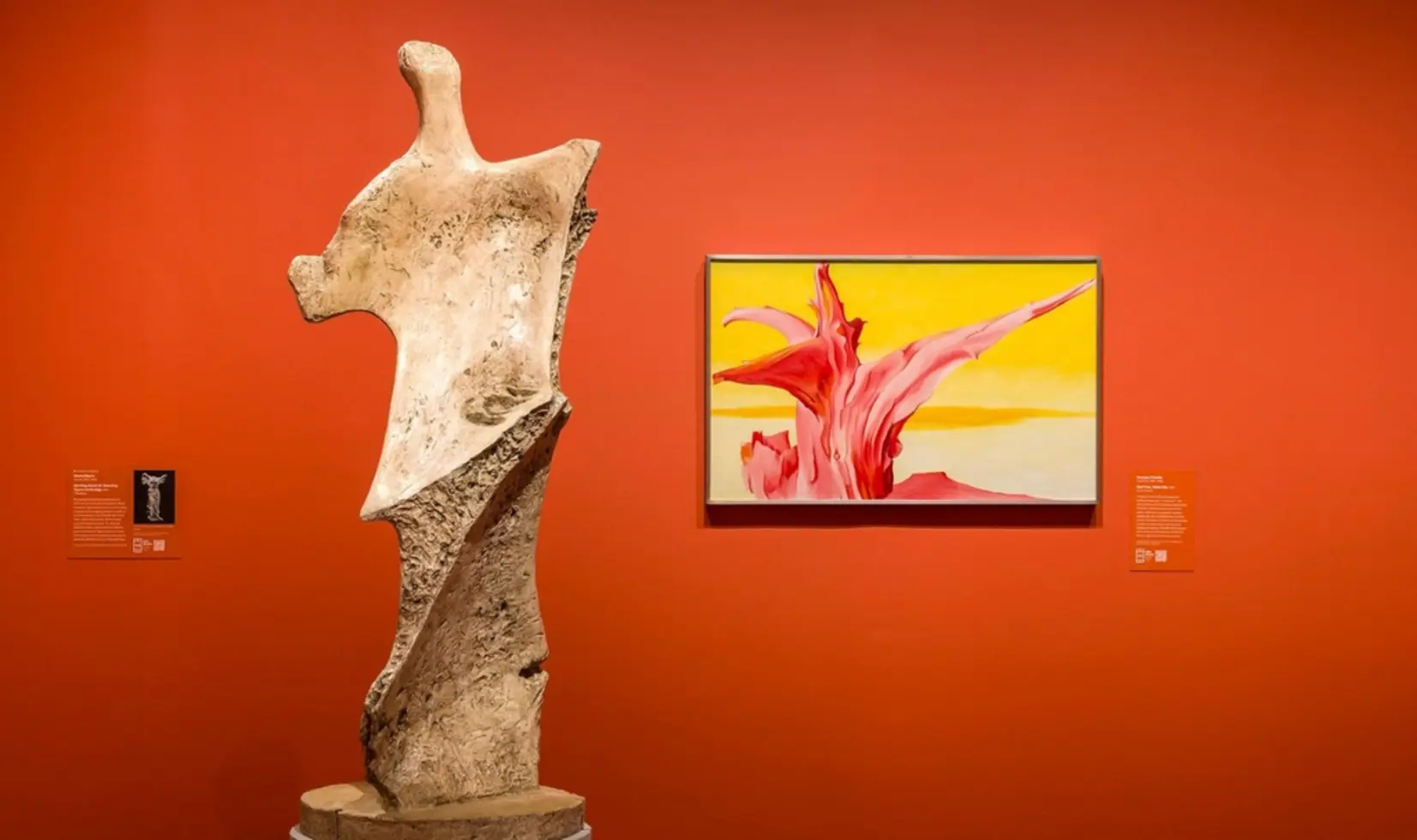
Georgia O’Keeffe and Henry Moore are often categorized by their medium: O’Keeffe for her vibrant, magnified floral paintings and Moore for his monumental, semi-abstract bronze sculptures. However, this exhibition peels back the surface to show that both artists operated as translators of nature.
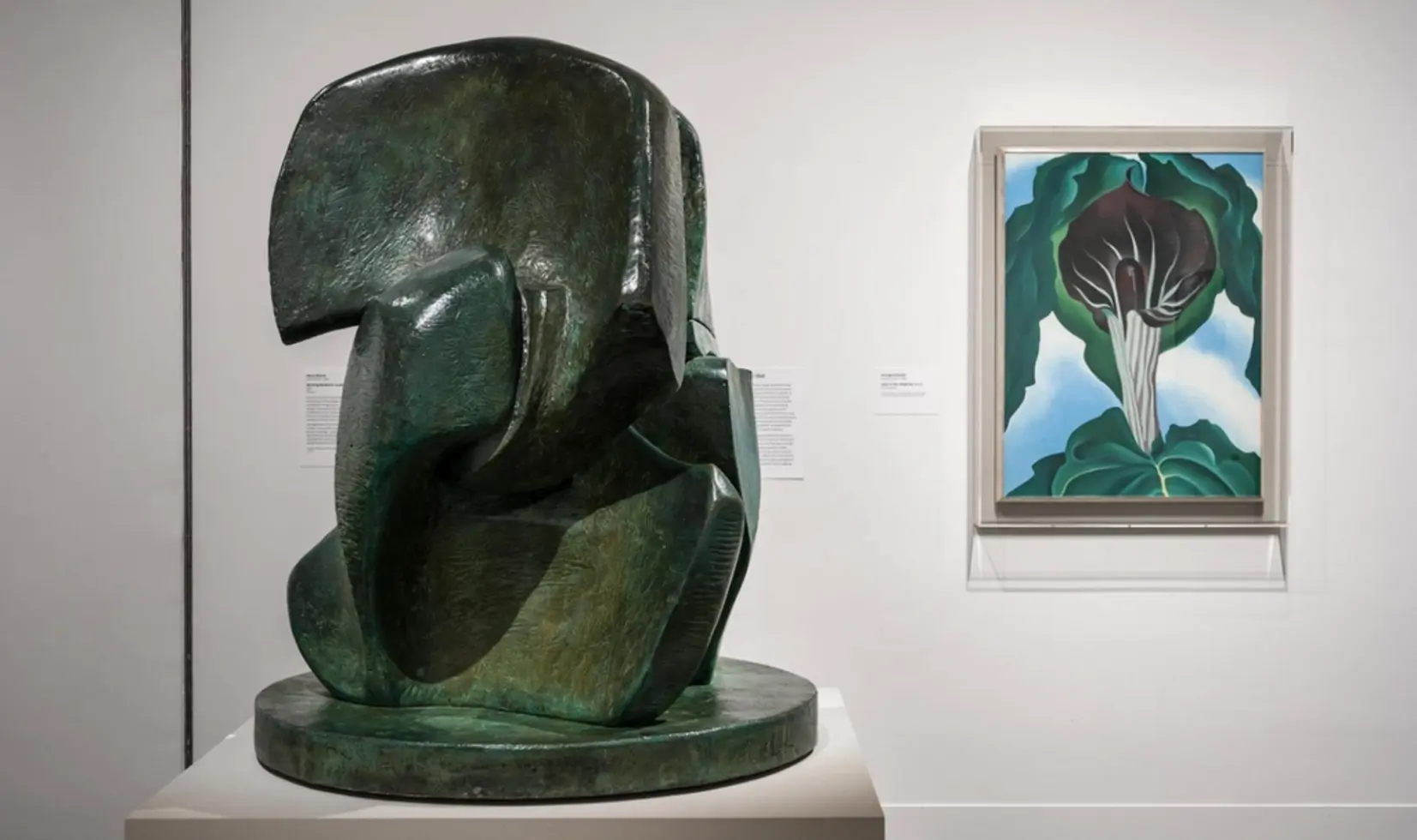
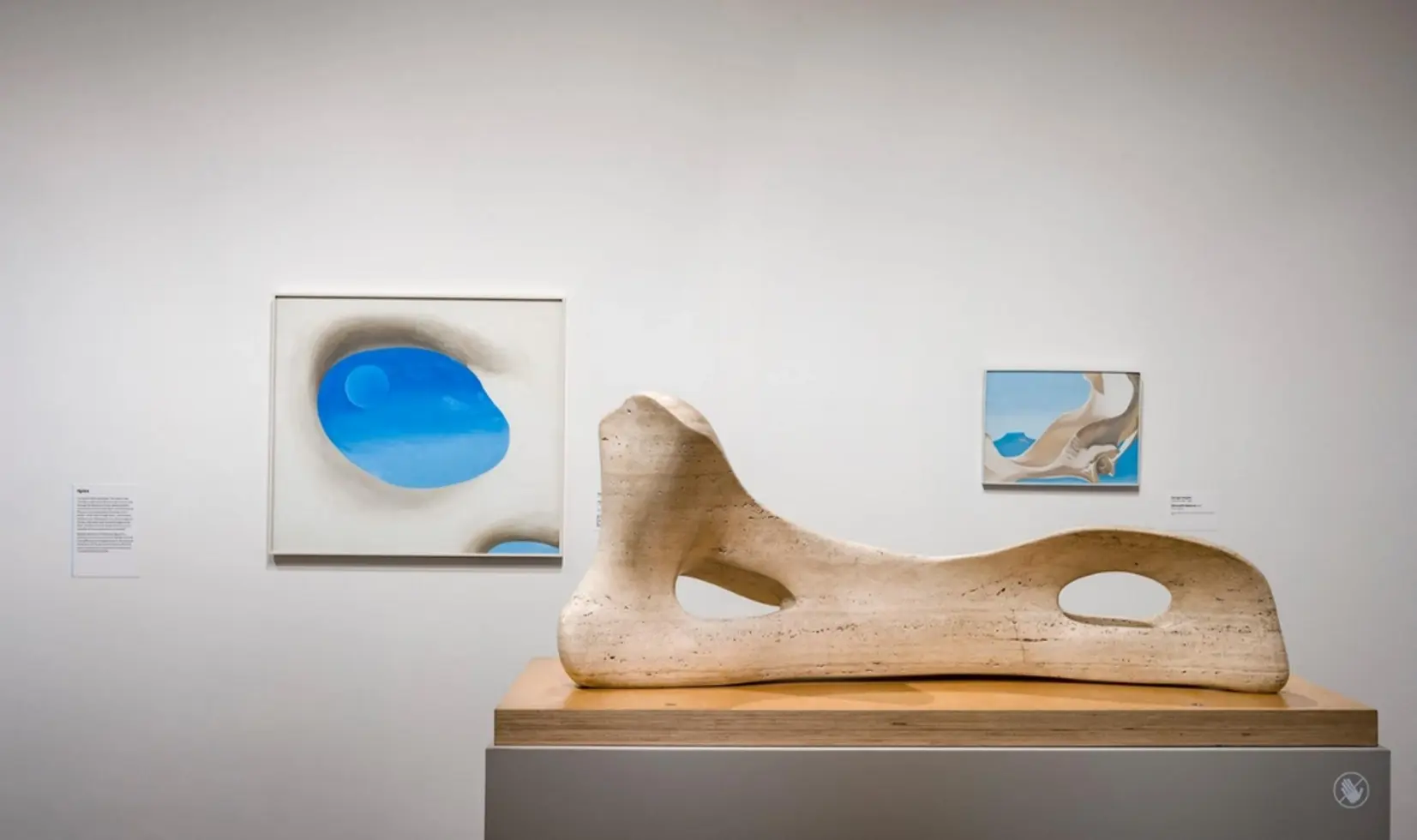
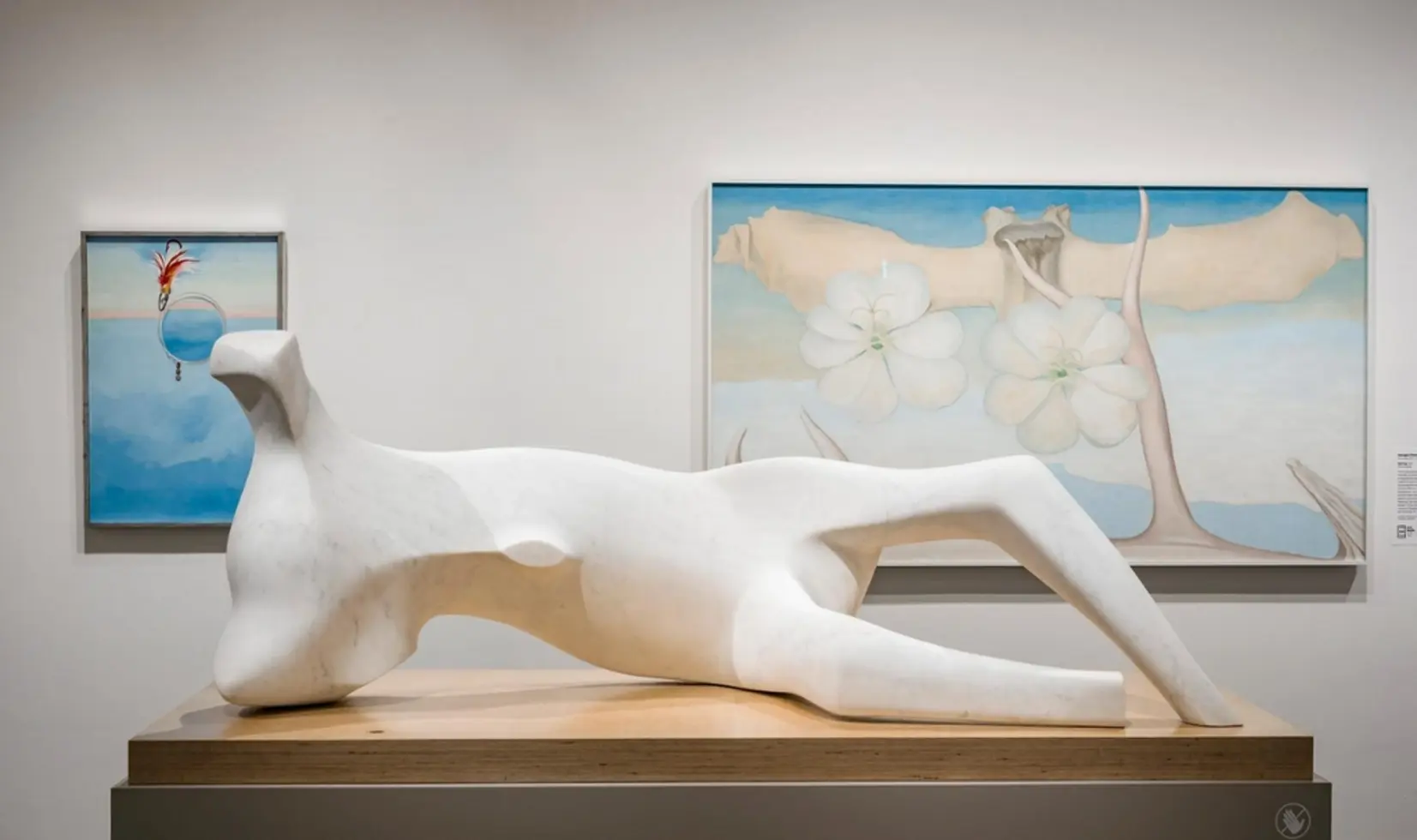
By experimenting with radical shifts in scale and unusual perspectives, they transformed the familiar into the extraordinary. A tiny seashell found on a beach or a bleached animal bone discovered in the desert became, in their hands, architectural marvels and sweeping landscapes.
One of the most compelling features of this showcase is the faithful recreation of their studios. Most museum-goers see only the finished masterpiece, but these installations illuminate the "messy" heart of the creative process. Visitors can explore:
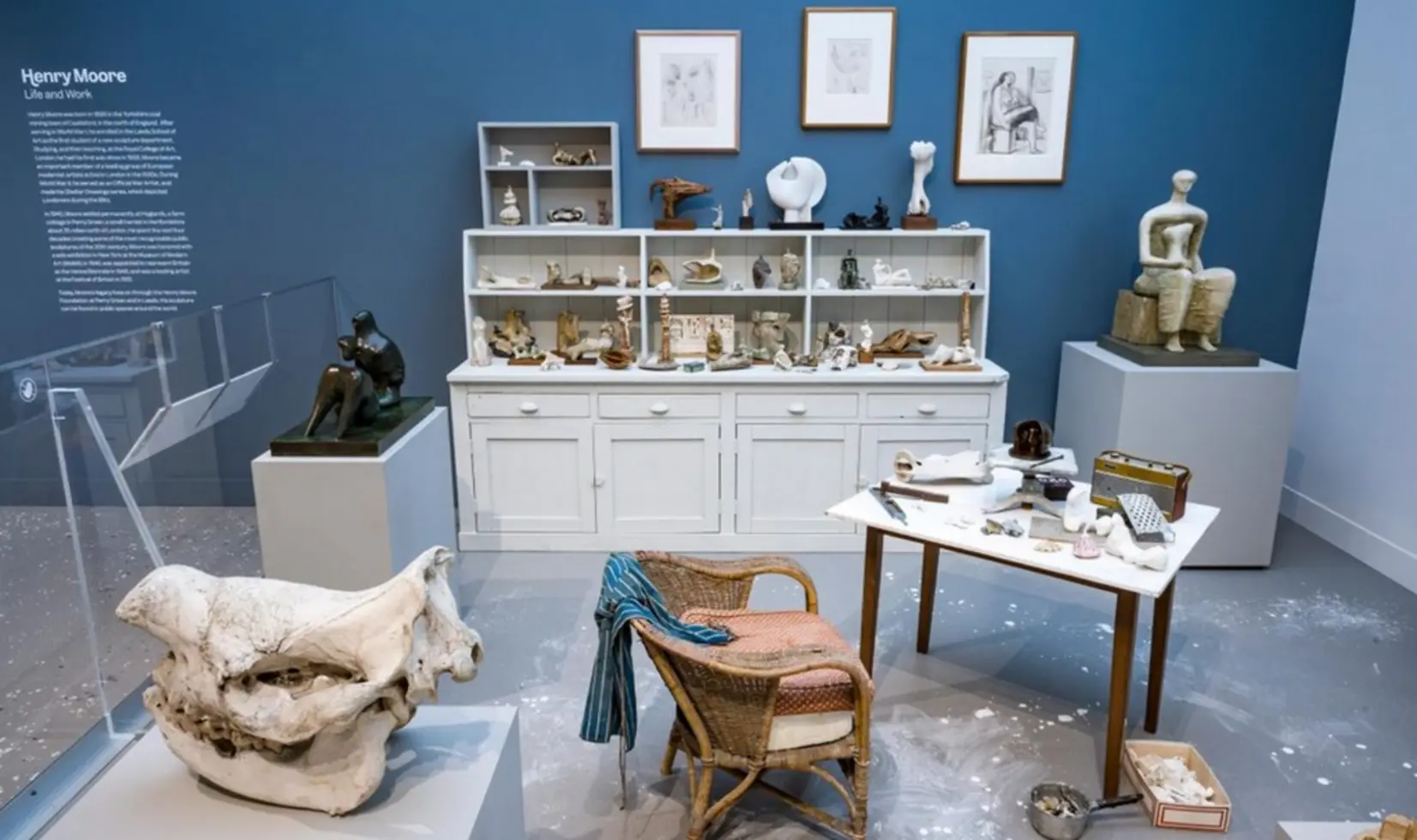
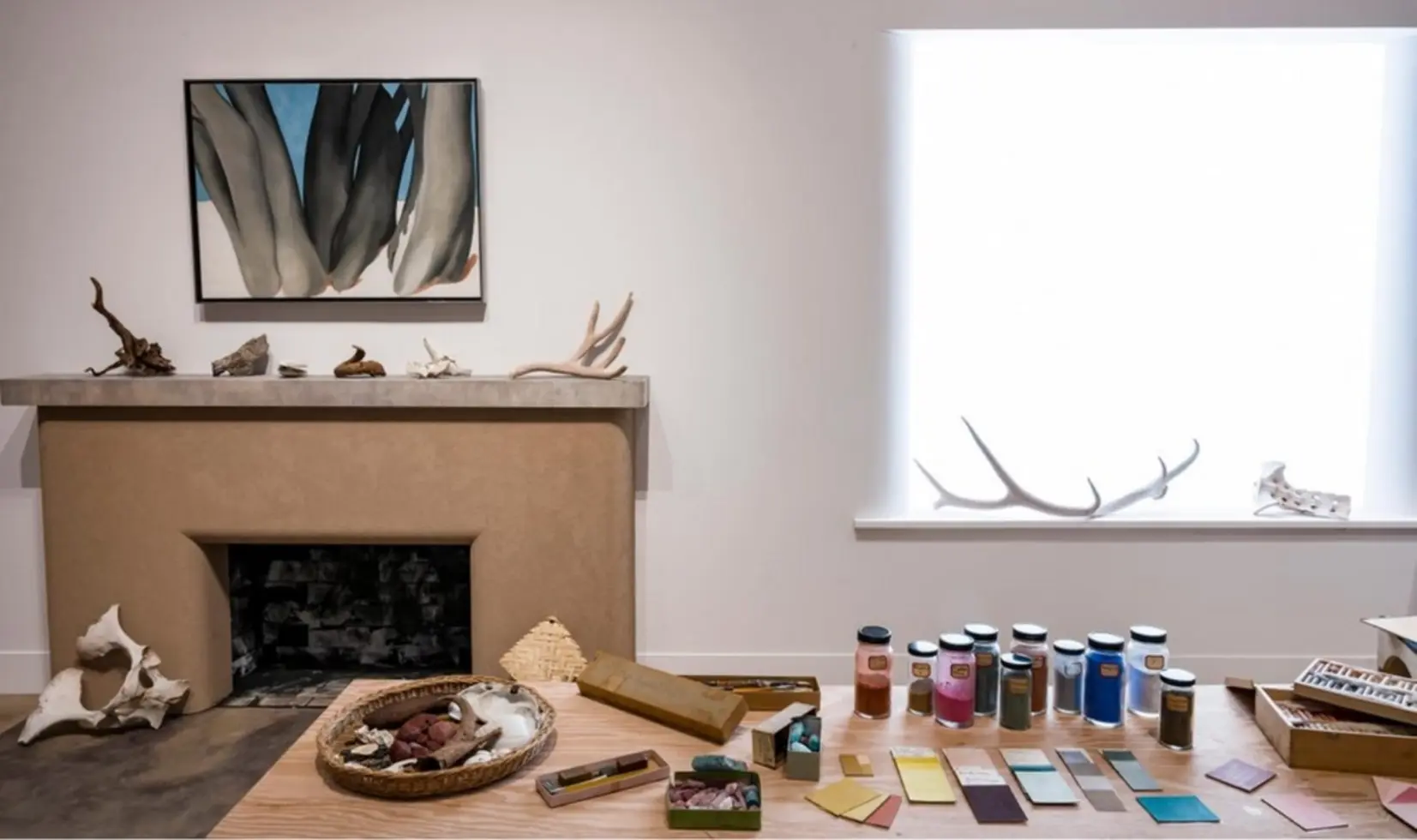
With over 150 works, the exhibition doesn't exist in a vacuum. It places Georgia O’Keeffe and Henry Moore in a "dialogue" with other mid-century contemporaries like Barbara Hepworth and Arthur Dove. This context proves that the movement toward nature-based abstraction was a global phenomenon, a collective reaching back to the land to find a new visual language for a modernizing world.
Originally curated by Anita Feldman, the exhibition has traveled from San Diego to Montreal, affirming that the visual dialogue between Georgia O’Keeffe and Henry Moore remains as resonant today as it was a century ago, where desert flowers and bronze reclining figures continue to speak across time.