MENU
Close





Running 13 February–21 March 2026 at Experimenter – Ballygunge Place, Kolkata, Trace - Chanakya School’s Debut Solo Exhibition, lands like a quiet manifesto: textile as evidence.
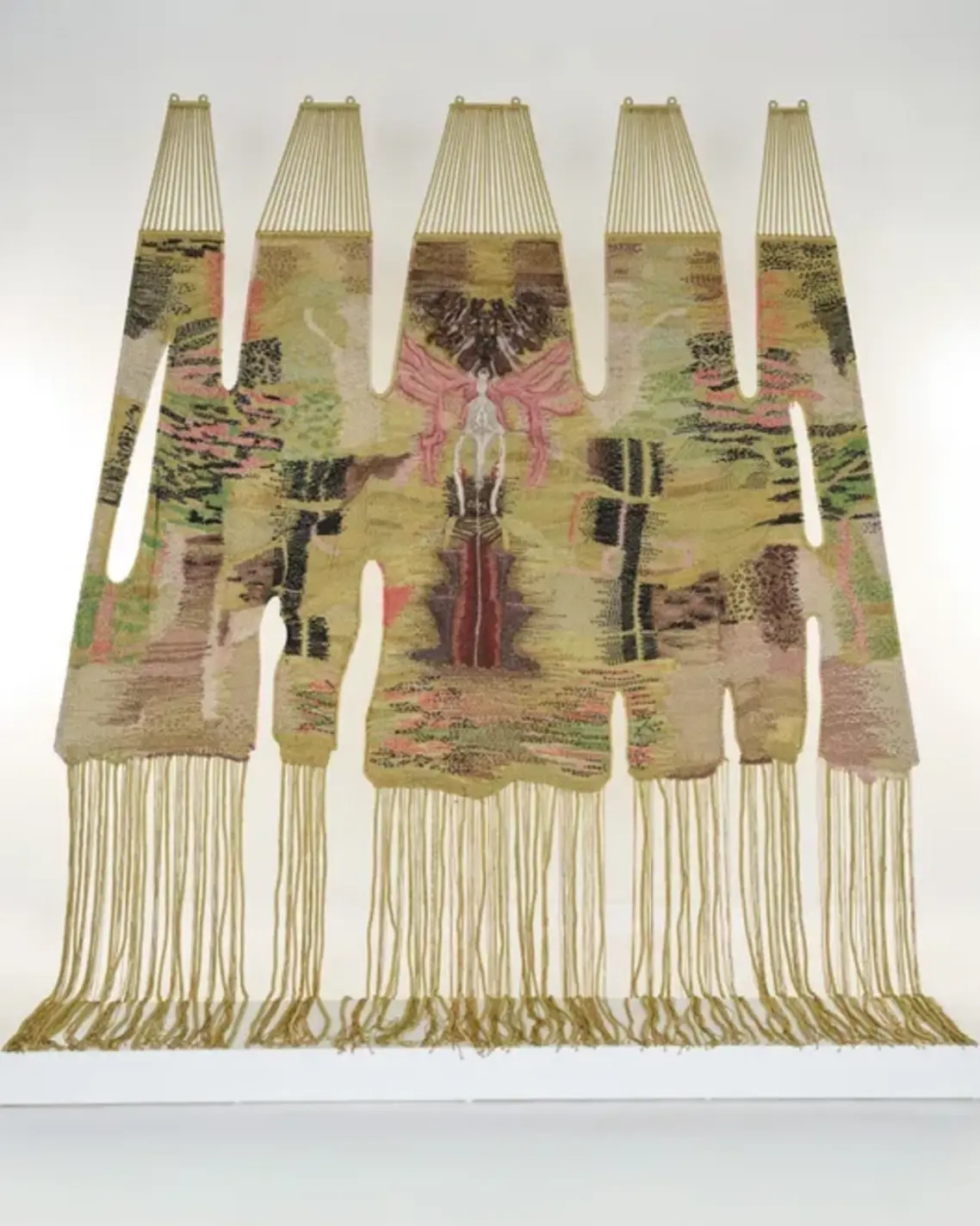
Running 13 February–21 March 2026 at Experimenter – Ballygunge Place, Kolkata, Trace - Chanakya School’s Debut Solo Exhibition, lands like a quiet manifesto: textile as evidence.
February 13, 2026


Led under the artistic direction of Karishma Swali, Chanakya School’s debut solo exhibition in India asks viewers to read cloth the way historians read palimpsests - layer by layer, with attention to what the hand leaves behind. The gallery frames fabric as one of humanity’s most intimate technologies, a surface that absorbs both private emotion and shared ritual, then carries them forward as a living record.
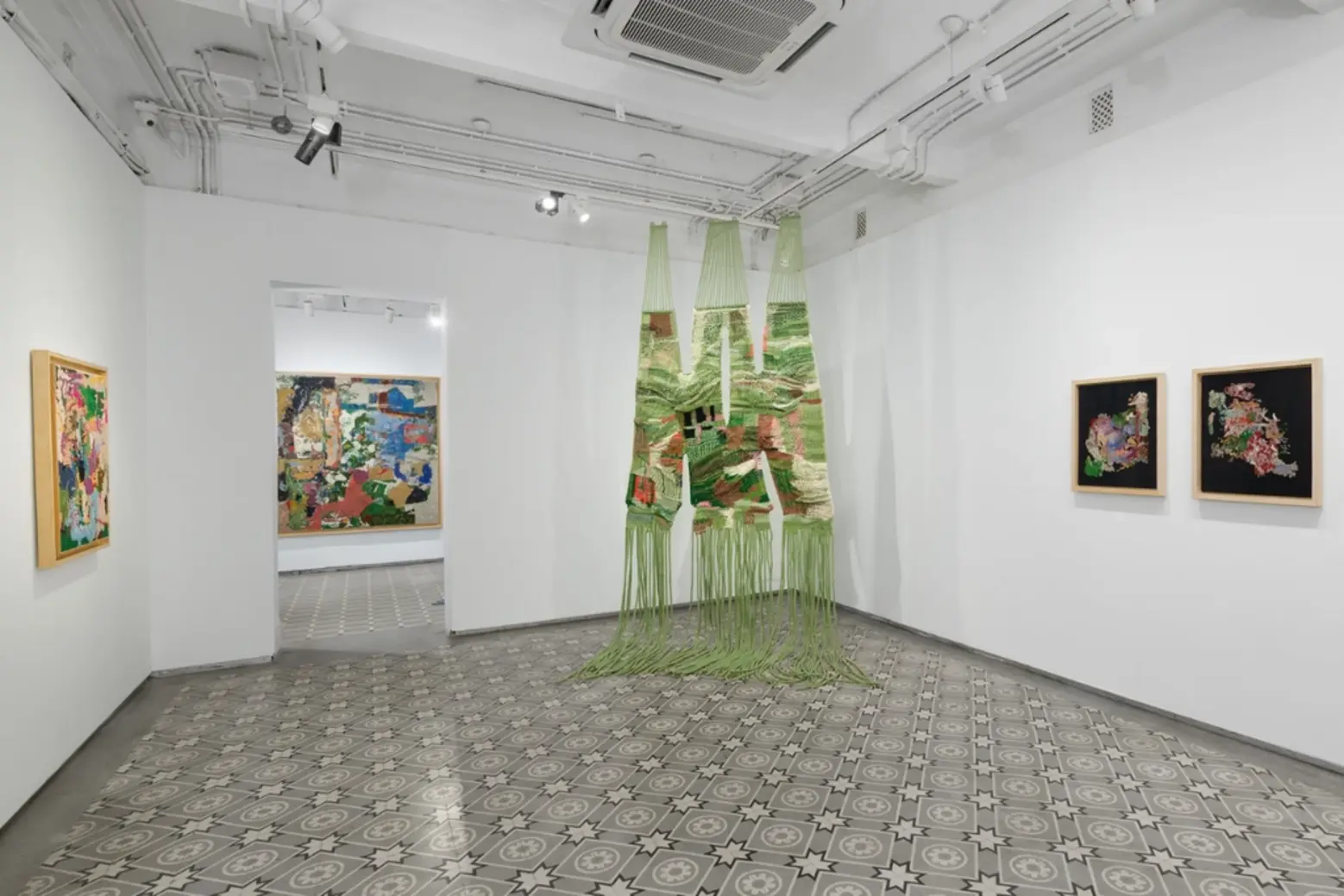
The title points to residue: the physical trace of fingers guiding fibre, and the cultural trace of knowledge moving across generations. In Trace, thread becomes a map that binds bodies to land and community, and the exhibition places women’s agency at its centre, especially the preparatory labour that shaped textile histories while staying uncelebrated. Founded in 2016 as a Mumbai-based non-profit and collective, Chanakya School has trained over 1,400 women, bringing education, research, and making into a shared practice.
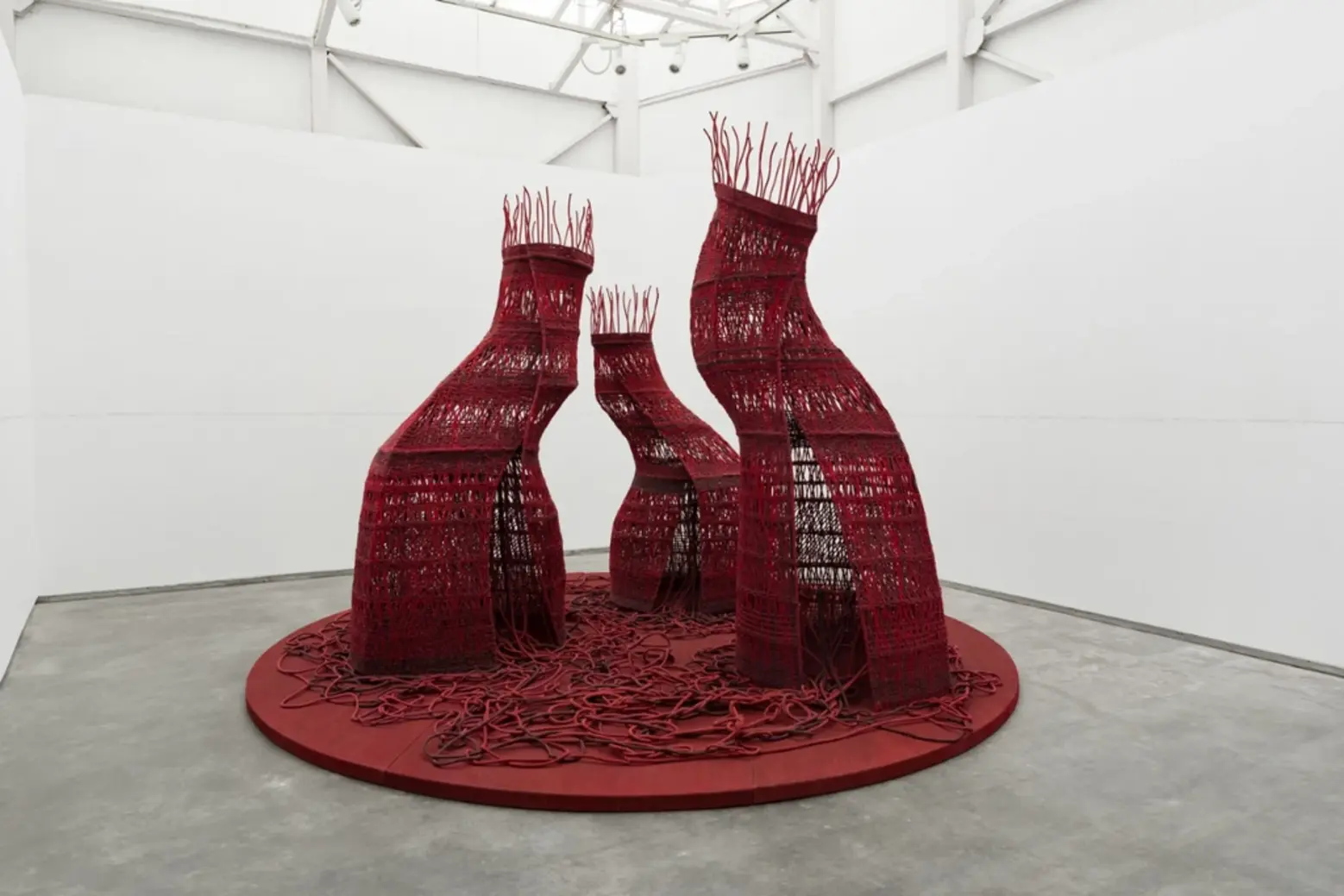
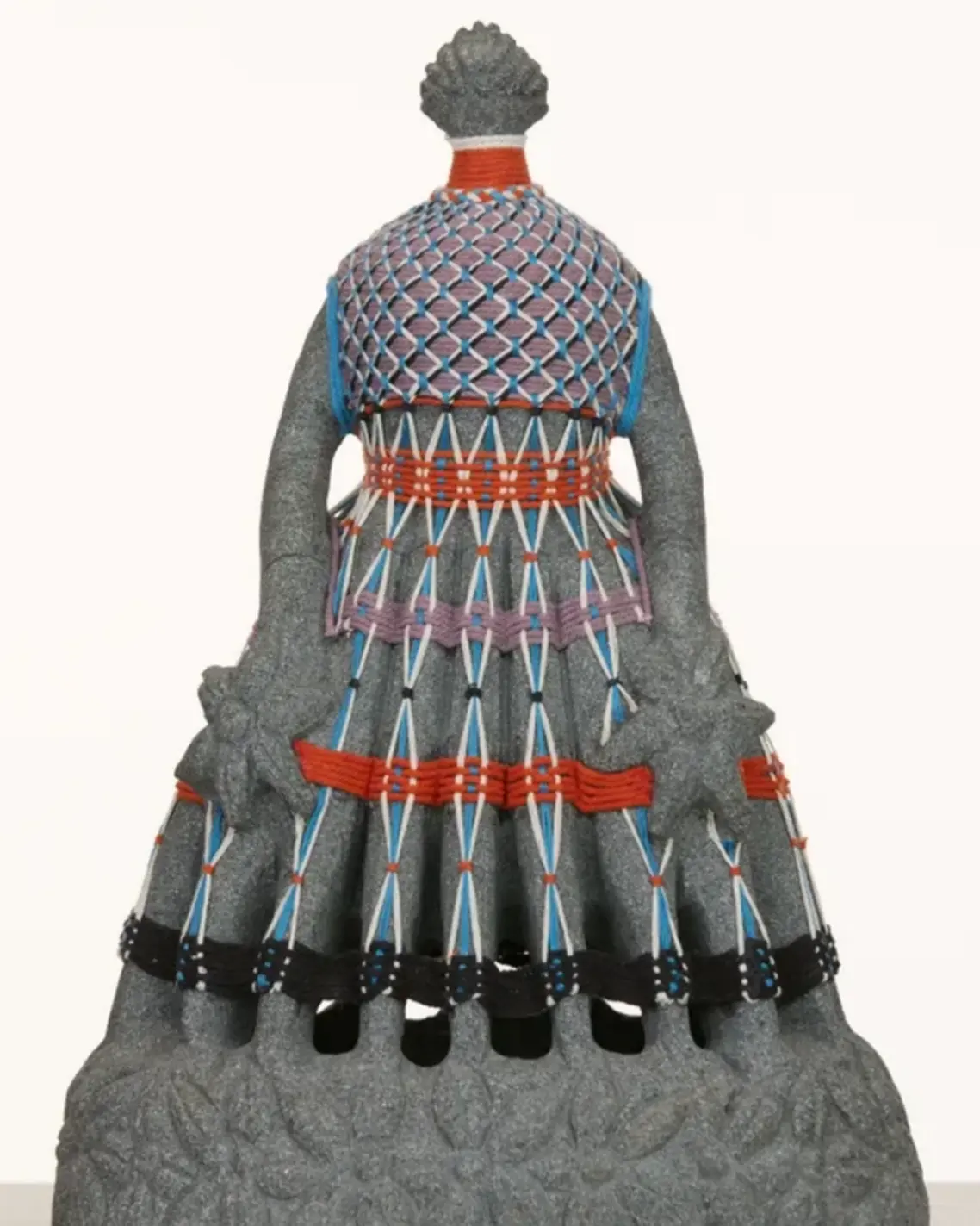
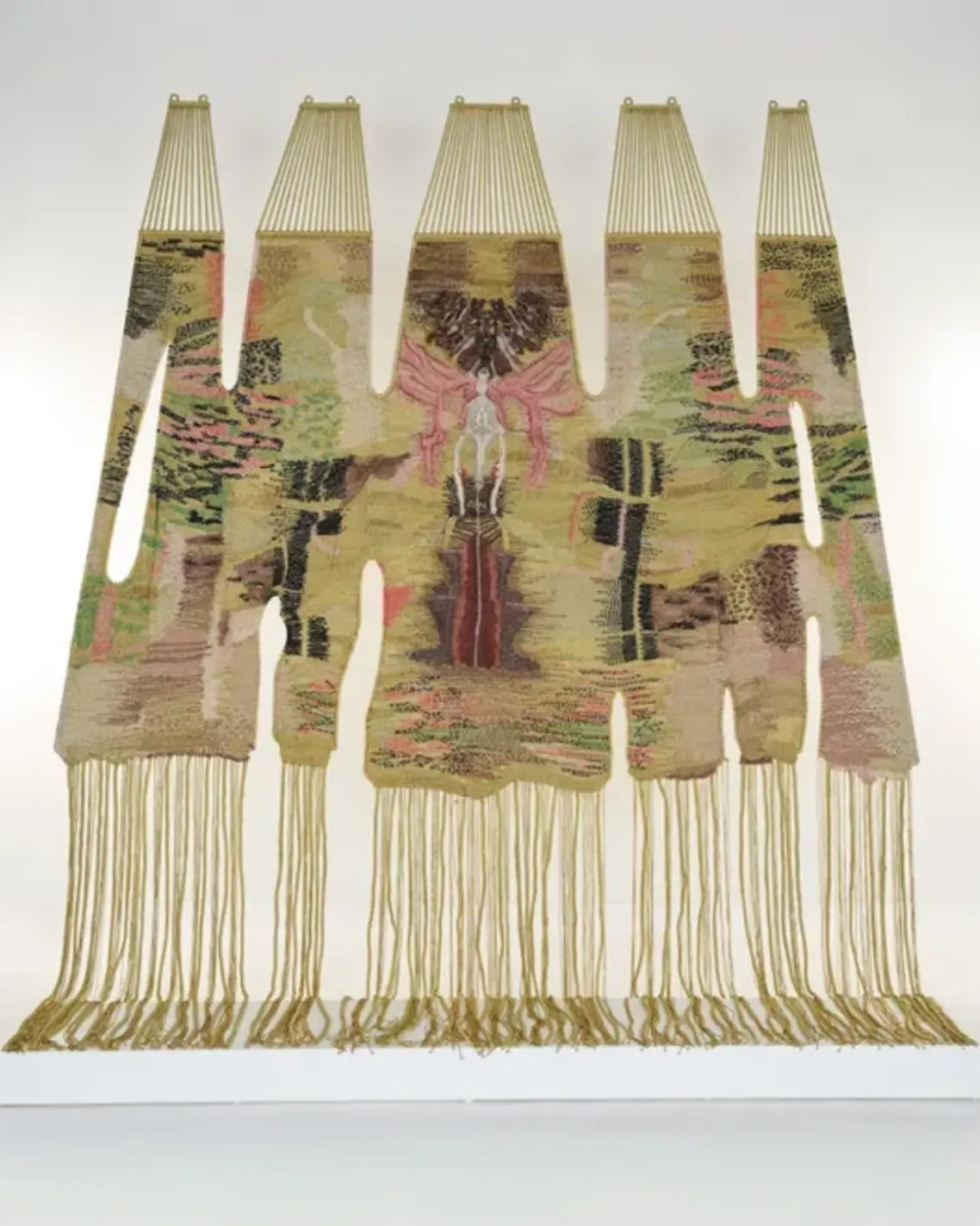
The show’s anchor is Dwelling, a large sculpture that reads as an abstract landscape. Built through gradual layering of thread and beadwork (sometimes reaching twelve layers of depth), the surface holds a stone-like density while still breathing with the suppleness of cloth. Nearby, single-panel works titled Trace continue this material inquiry, while hand-carved black-stone sculptures from the Form series stand in dialogue with softer, anthropomorphic presences embedded in textile.
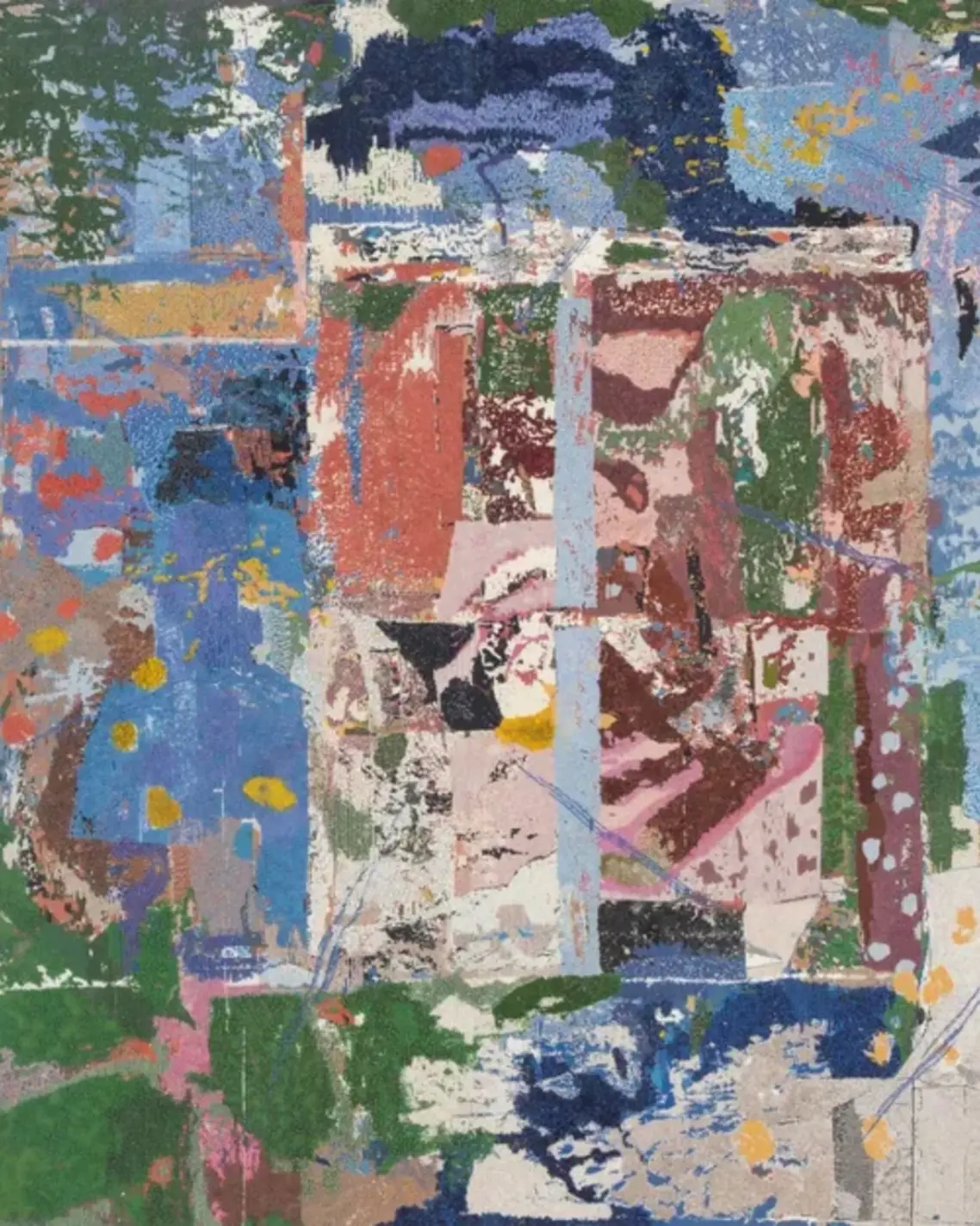
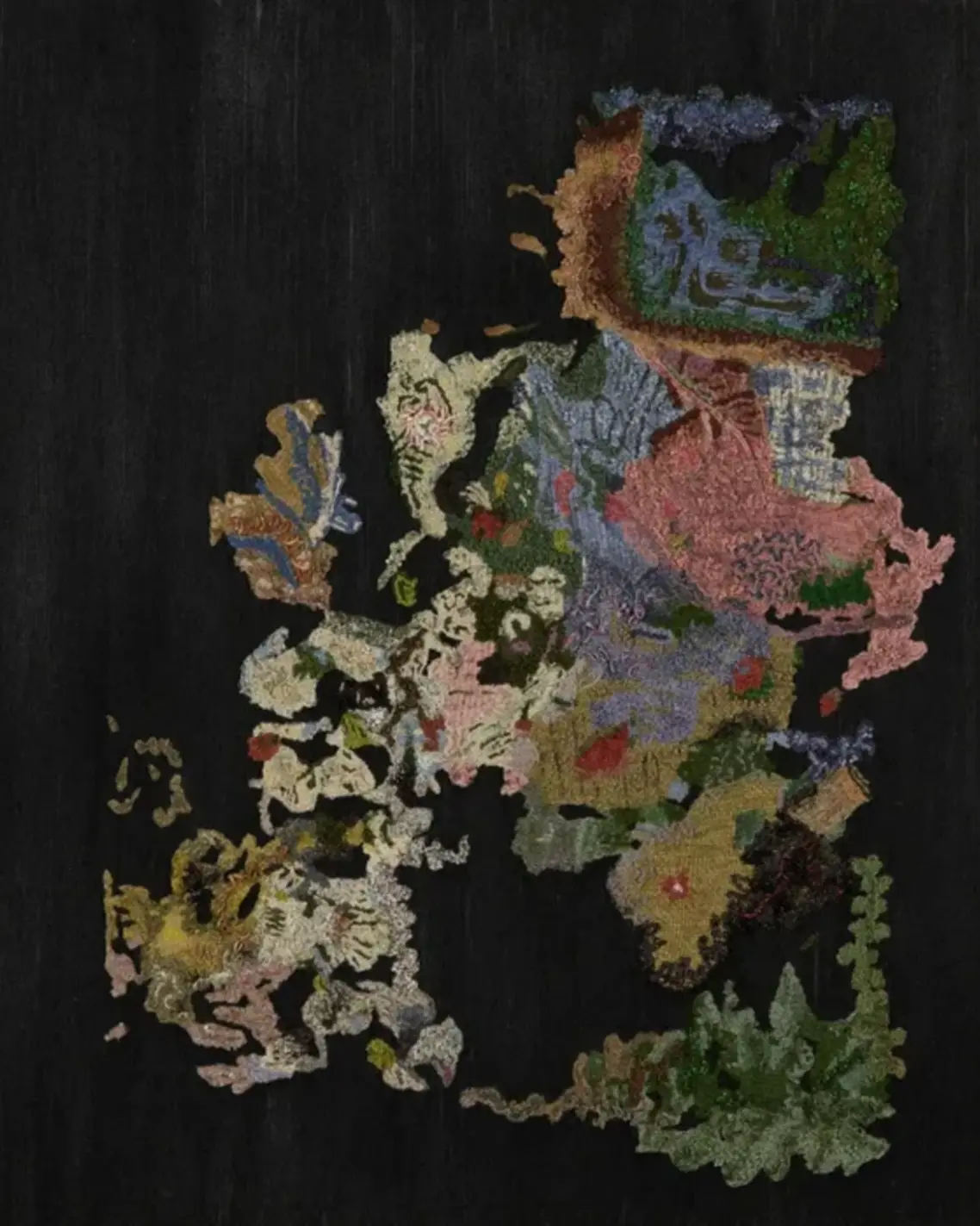
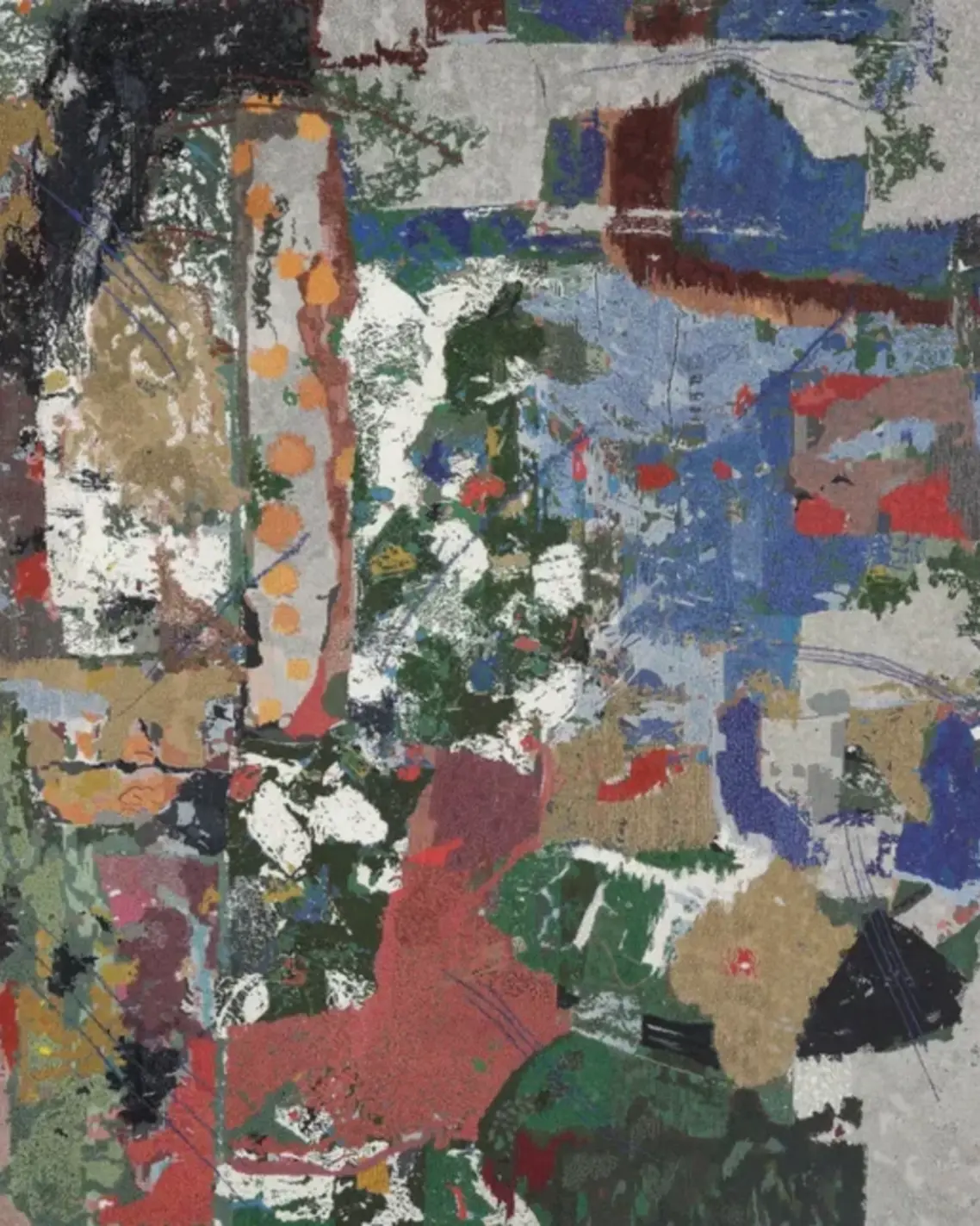
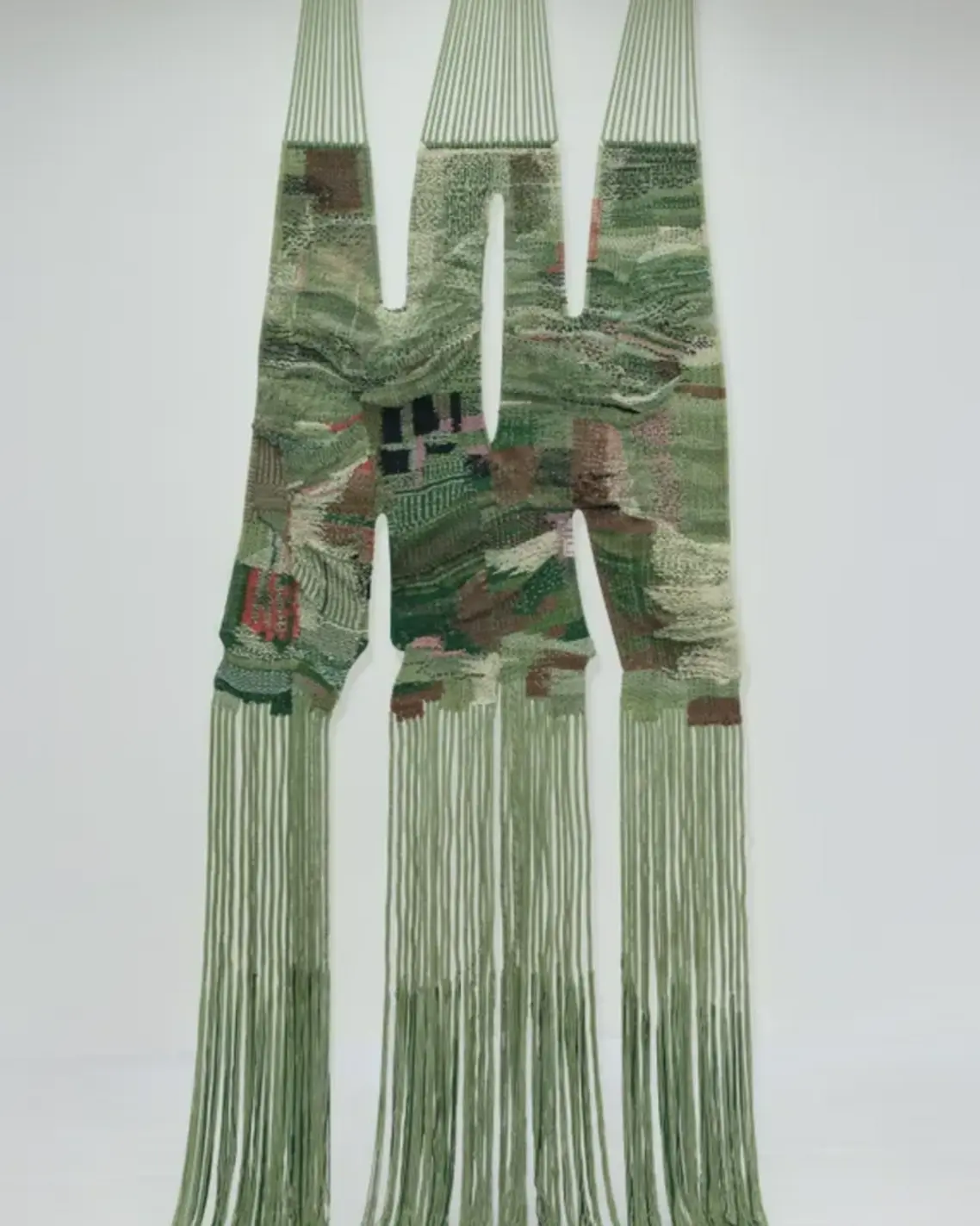
A pivotal sequence arrives in Flowers in the Night, where shuttle wrapping and other “behind-the-scenes” techniques step into the spotlight. Woven on Saori looms, the panels draw on early weave systems: herringbone, basket weave, chevron, using hand-dyed cotton, linen, and jute. Rips and joins stay visible, turning imperfection into a form of honesty. Hanging works such as Flowers in our Forest and Sun Within extend the vocabulary into sculpture, evoking sky, sun, and forest while revealing human portraits emerging from dense thread. Additional experiments appear in Field Notes panels and the hanging tapestry Sediment, expanding the exhibition into a study of material memory.
Trace also arrives with institutional weight: it follows Chanakya School’s recent presentations at the Mobilier National in Paris, the Vatican Apostolic Library in Rome, and a Venice Biennale collateral event. For Kolkata art exhibitions 2026, it stands among the season’s essential stops, best experienced slowly, in the gallery’s Tuesday–Saturday viewing hours (10.30 am–6.30 pm), where every surface rewards close looking.