MENU
Close





Once nearly wiped out by industrialization and the quartz revolution, the art of independent watchmakers has returned, stronger and more desired than ever. This is not merely a trend, but a full-circle moment for horology, where a new generation of collectors is seeking not just a timepiece, but a soulful artifact bearing the unmistakable imprint of a single master's hand.
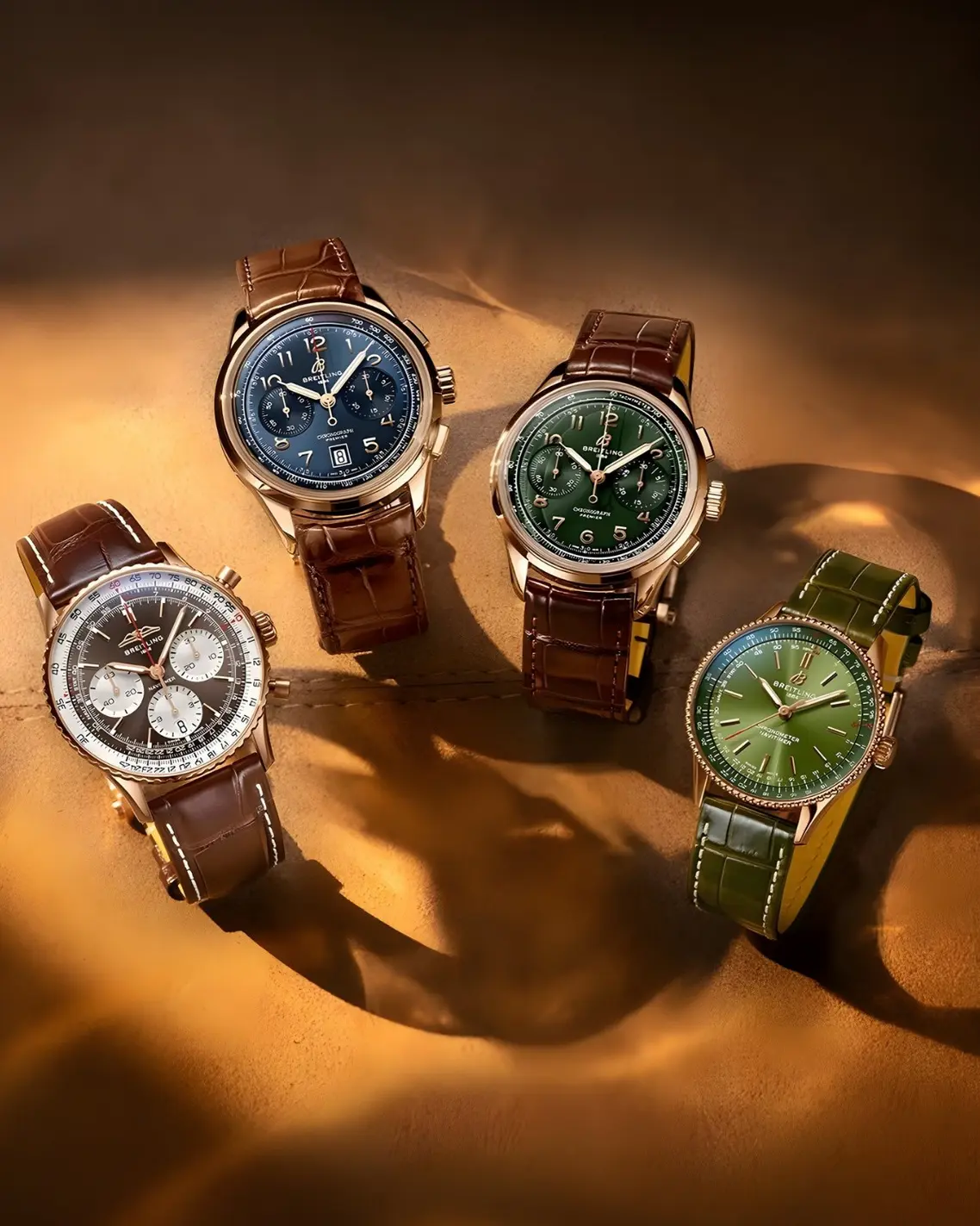
Once nearly wiped out by industrialization and the quartz revolution, the art of independent watchmakers has returned, stronger and more desired than ever. This is not merely a trend, but a full-circle moment for horology, where a new generation of collectors is seeking not just a timepiece, but a soulful artifact bearing the unmistakable imprint of a single master's hand.
November 25, 2025


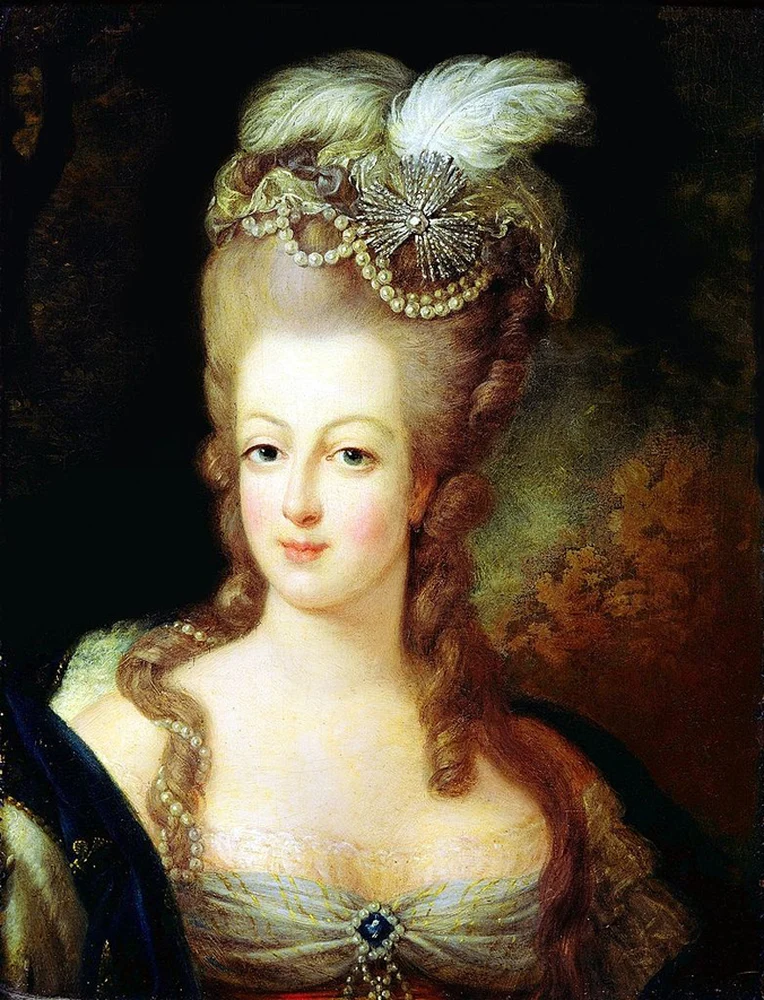
We live in an era that celebrates individuality, where everything must either be "bespoke" or crafted by independent artisans and brands. This demand for personalization has only intensified, becoming a driving force in the luxury market. Even products from non-independent brands often bear the distinct imprint of a specific individual. Take Chanel, for instance, nearly every product the house releases is tied to its legendary founder, Gabrielle "Coco" Chanel. A prime example is Chanel's 2013 high jewelry collection, which extensively explored the theme of the Leo zodiac and lion motifs, paying homage to Coco's own astrological sign and her endless fascination with the winged lions of Venice.


We all know how fashion houses and watch brands have evolved from small corner shops into global corporations. Patek Philippe was once an independent watchmaker but could no longer remain one once nearly every businessperson aspired to own one of its timepieces. The same holds true for Vacheron Constantin and Breguet. In fact, almost every renowned and historic name in the world of watchmaking has followed a similar path. So, why is this the case? Before introducing the new independent watch brands, allow me to delve into the older independent watchmakers and the "massacre" they once endured, a key reason why these older independents no longer remain truly independent.
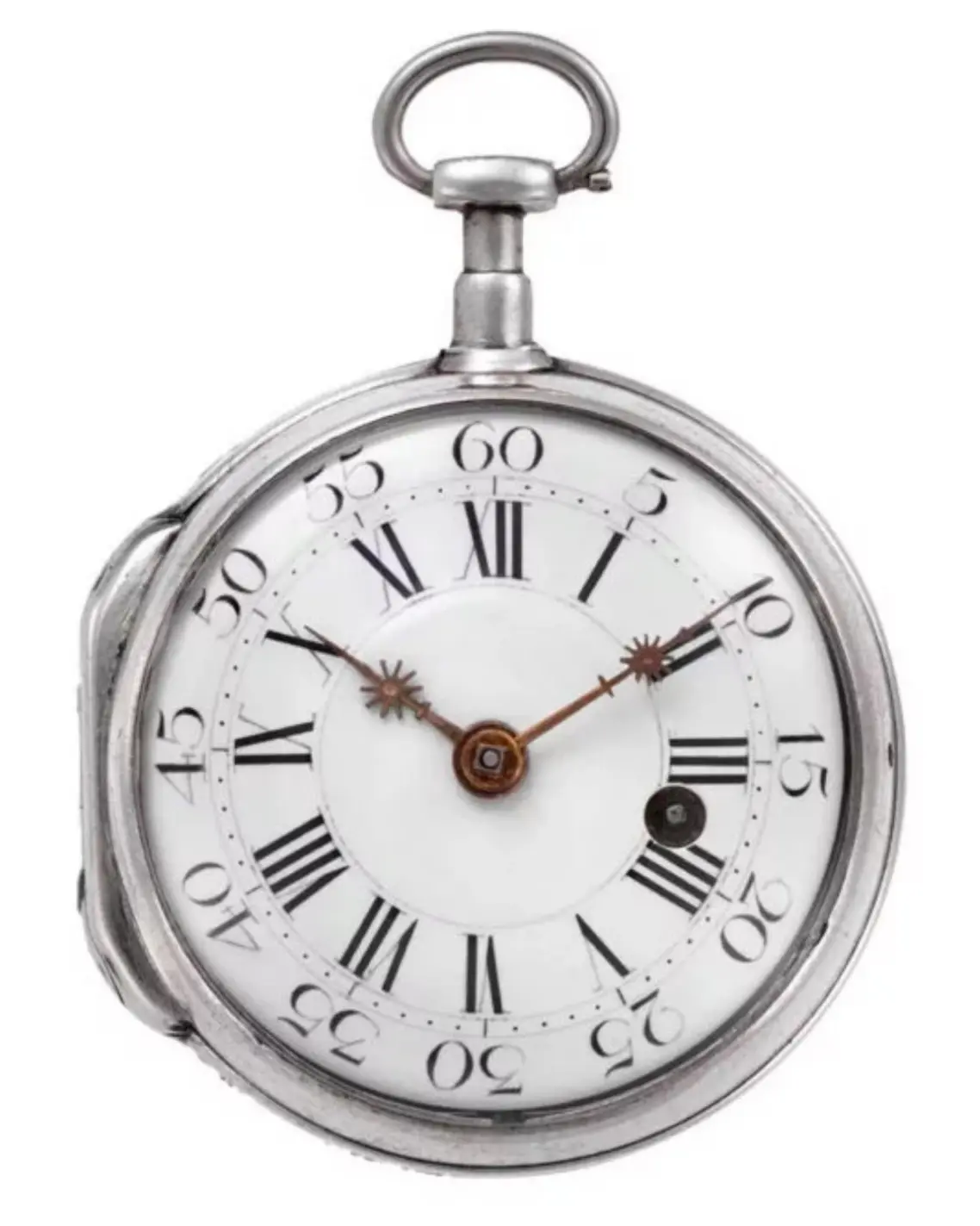
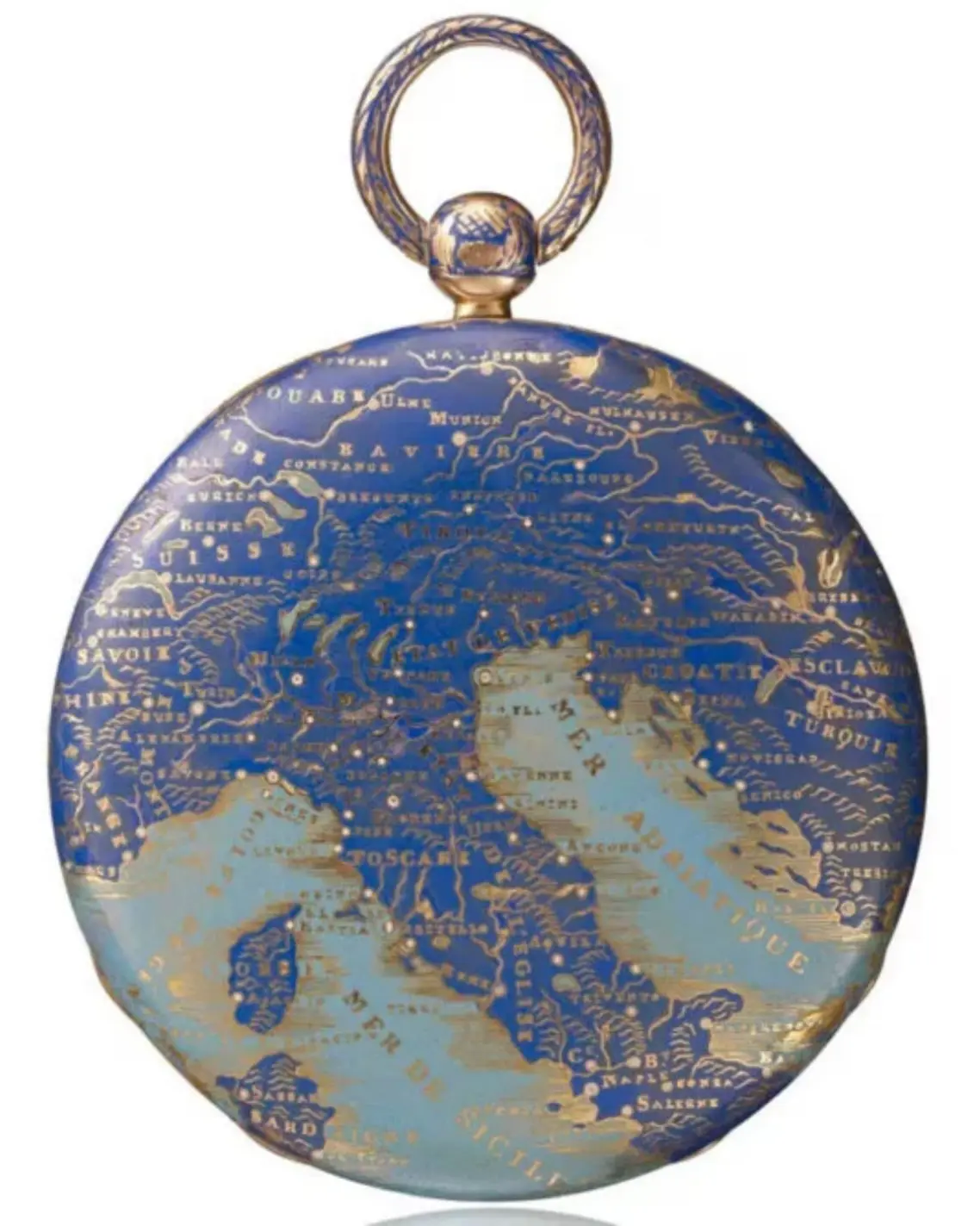

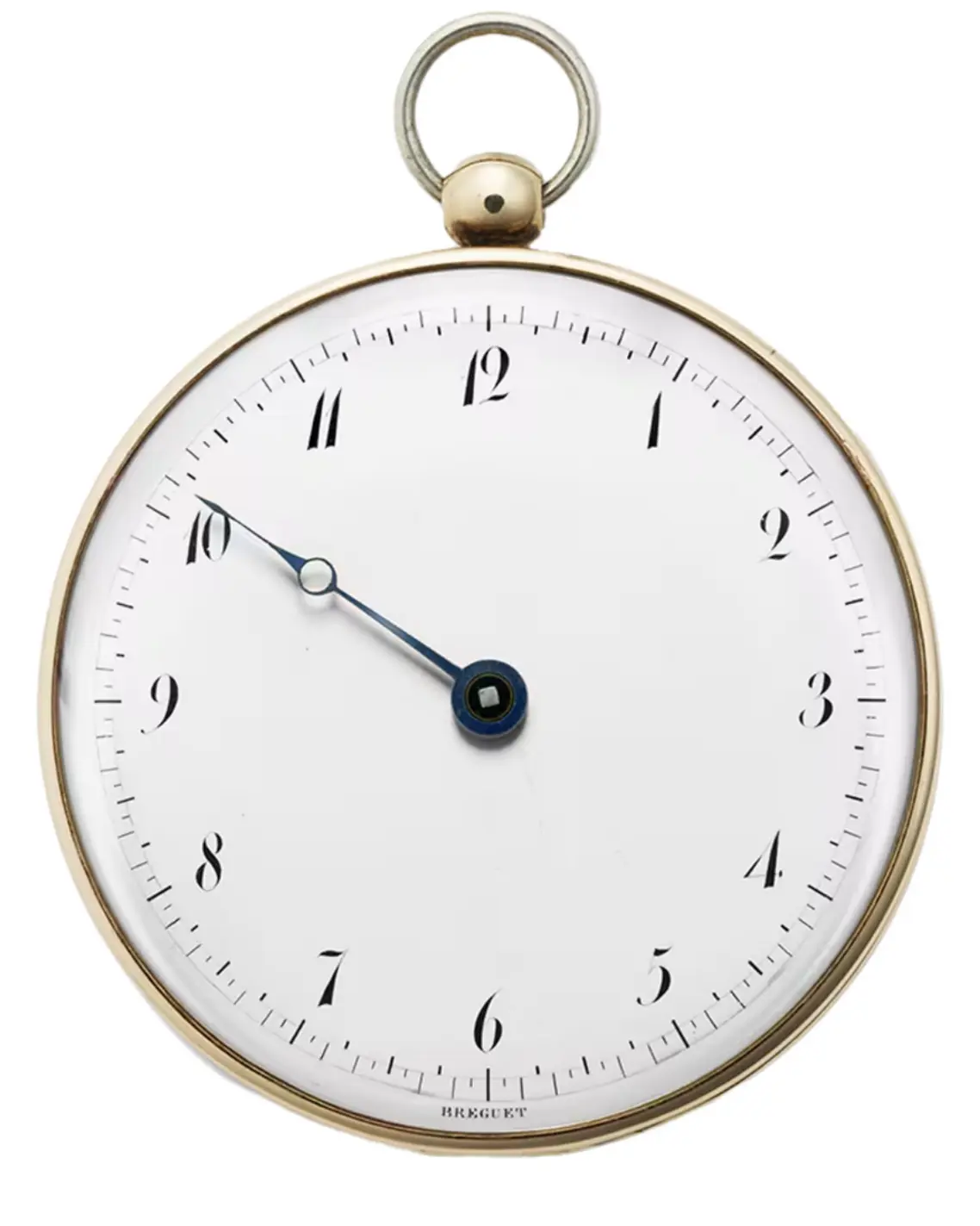
One could say that a watch is the most romantic object in the world. I've often remarked that watches possess the power to replicate the eternal and immortal nature of time. They are artifacts imbued with the magic of mirroring the motion of celestial bodies. However, in previous writings, I may have overlooked discussing the relationship between watches and the medieval wars of Europe, as well as religious conflicts on the Old Continent. Let's begin with the Edict of Nantes.

The Edict of Nantes was issued by King Henry IV of France but later revoked by King Louis XIV. This decree was designed to protect the rights of Protestants, aiming to eliminate religious divisions and the wars they incited. Its revocation led to the migration of over 400,000 Protestants, many of whom were skilled watchmakers and jewelers who relocated to England and Switzerland, France's neighboring country. However, these jewelers later faced new challenges, forcing them to transition into watchmaking — once again, due to religious reasons. A Swiss clergyman initiated a movement banning jewelry, and naturally, to survive, these artisans turned to producing watches. As a result, although Switzerland was not the birthplace of watchmaking, it became the place where the craft reached unparalleled heights. Watch models from Swiss artisans gradually became favored items among European royal courts and dynasties.
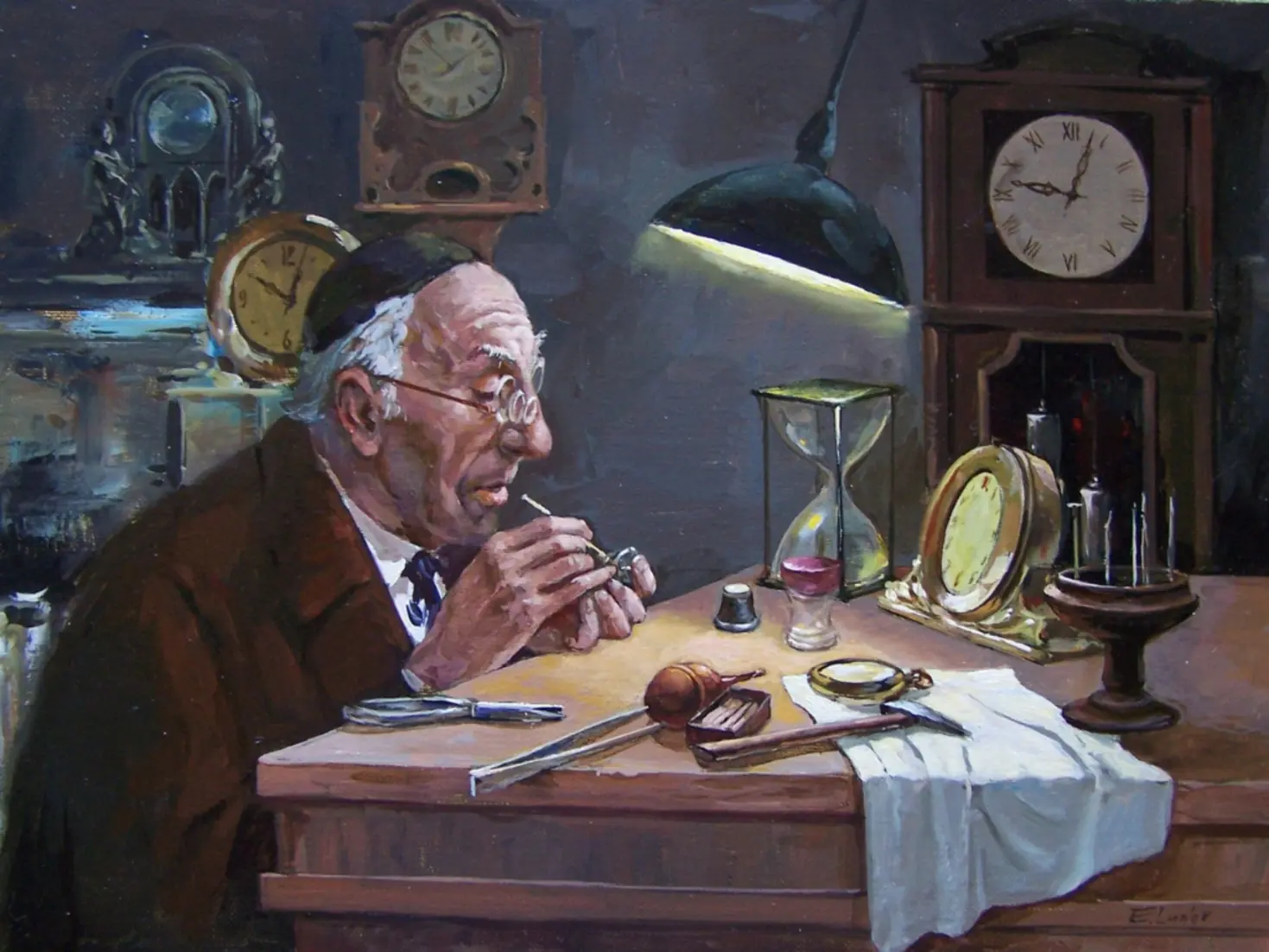
However, as time progressed, the small-scale production methods and secret-keeping traditions of Swiss watchmakers became outdated. Their processes were prone to too many errors and required excessive effort to produce a single timepiece. This dissatisfaction grew among American investors, especially during the Great Depression. This was the first factor leading to the establishment of Switzerland's first watch conglomerate, which marked the decline of independent watchmakers. In 1931, ASUAG — the General Company of the Swiss Watch Industry, was founded to rescue watch brands on the verge of bankruptcy. In 1932, the SSIH group was established, merging three watch brands: Omega, Blancpain, and Tissot. By 1983, the Swiss watch industry witnessed another "massacre" with the rampant rise of quartz watches. This event led to the merger of SSIH and ASUAG under a single name: Swatch. The era of independent Swiss watchmakers could largely be considered over!

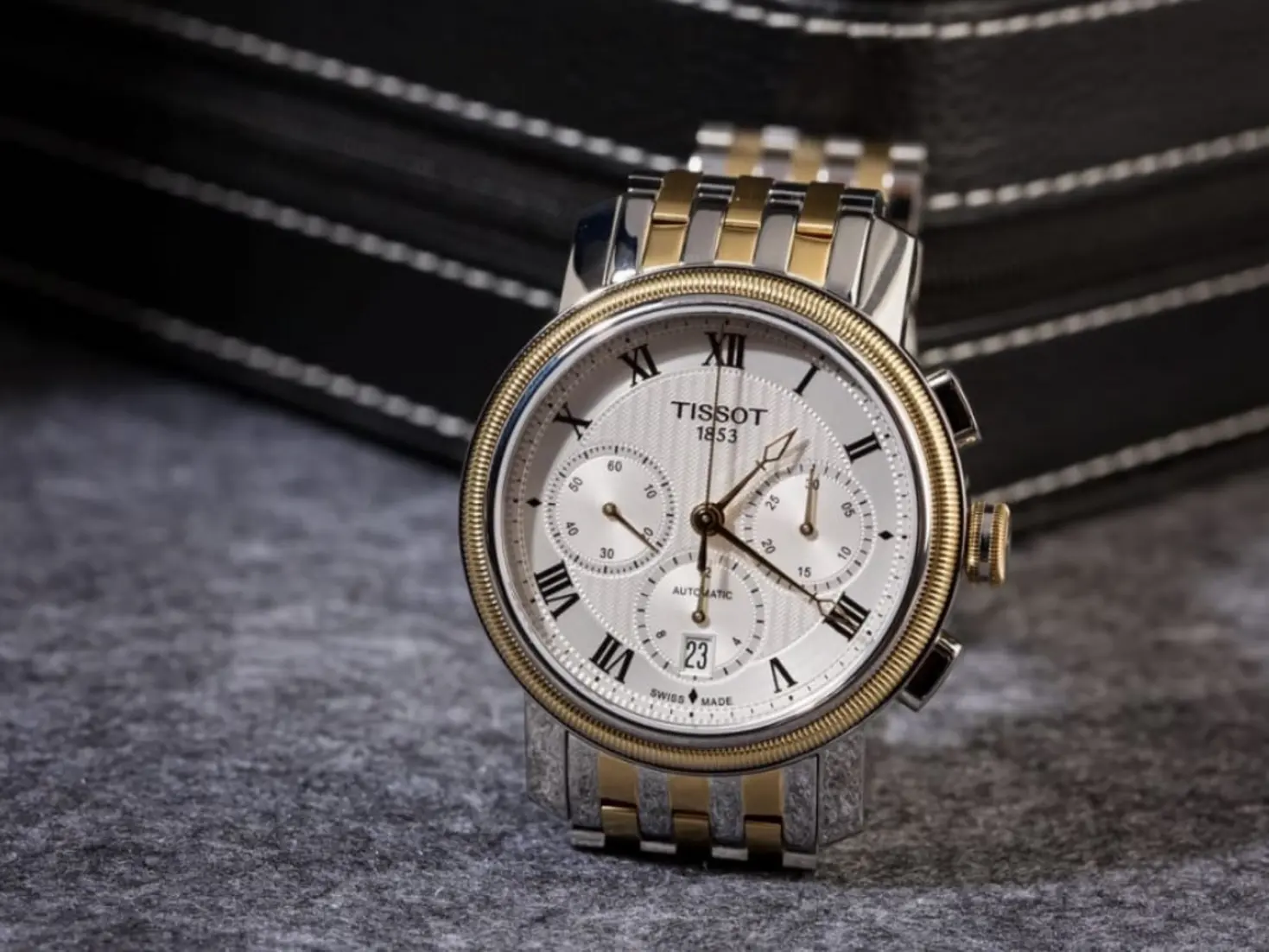
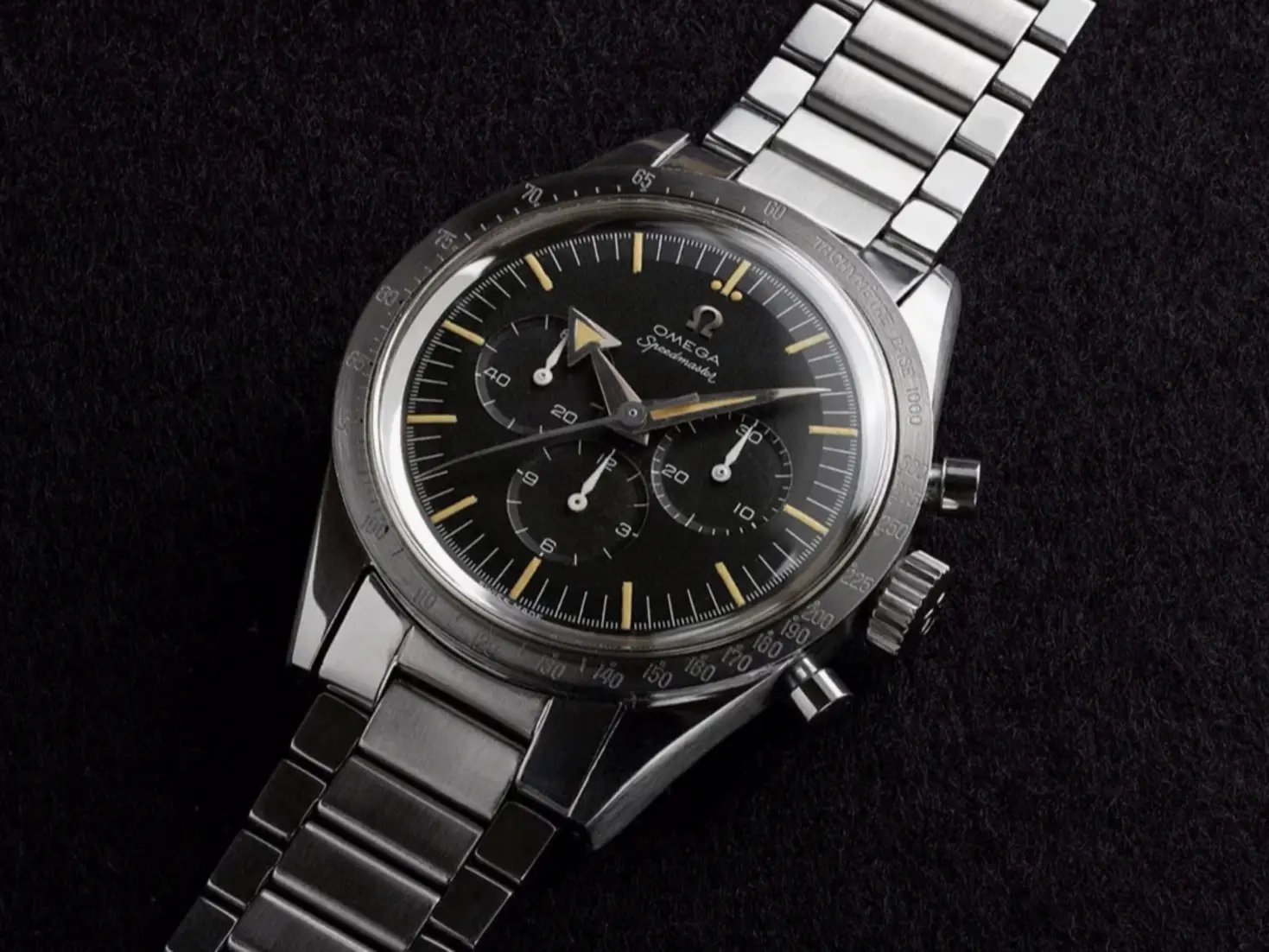
However, as the economy recovered and developed, people's demand for high-end, personality-driven watches grew. This trend has exploded in the last decade. According to the 2023 Phillips Watch Market Report, watches from independent brands now represent over 15% of the high-end auction market by value, a figure that has tripled since 2015. Artisan watchmakers, enamelers, and engravers who had left the trade gradually returned. Complex watch mechanisms became a necessity for the new generation of clients, wealthy and powerful individuals. While a quartz watch might have sufficed in the past, these clients now seek mechanical watches with extremely intricate mechanisms, engraved dials, and exquisitely detailed decorations. They increasingly desired timepieces that were personalized or even one-of-a-kind. This era gave rise to watches like those by Philippe Dufour, for which clients might wait up to 12 years. The market has validated this patience; a Philippe Dufour Simplicity, with a retail price of around $50,000 a decade ago, now regularly trades for over $500,000 on the secondary market.

In this context, major brands faced a new challenge. They could not easily produce one-of-a-kind watches or designs tailored for specific individuals, nor could they introduce collections limited to just a few dozen pieces worldwide. Even when possible, such privileges were reserved for exceptionally powerful individuals with close ties to the companies' leaders. And, though it may go without saying, these individuals also needed significant financial resources. For instance, Vacheron Constantin's Les Cabinotiers department exemplifies this, creating unique pieces like the "Grand Oeuvre" Tivoli, a one-off minute repeater that required over 10,000 hours of work. This presented an undeniable opportunity for a new wave of independent watch brands.
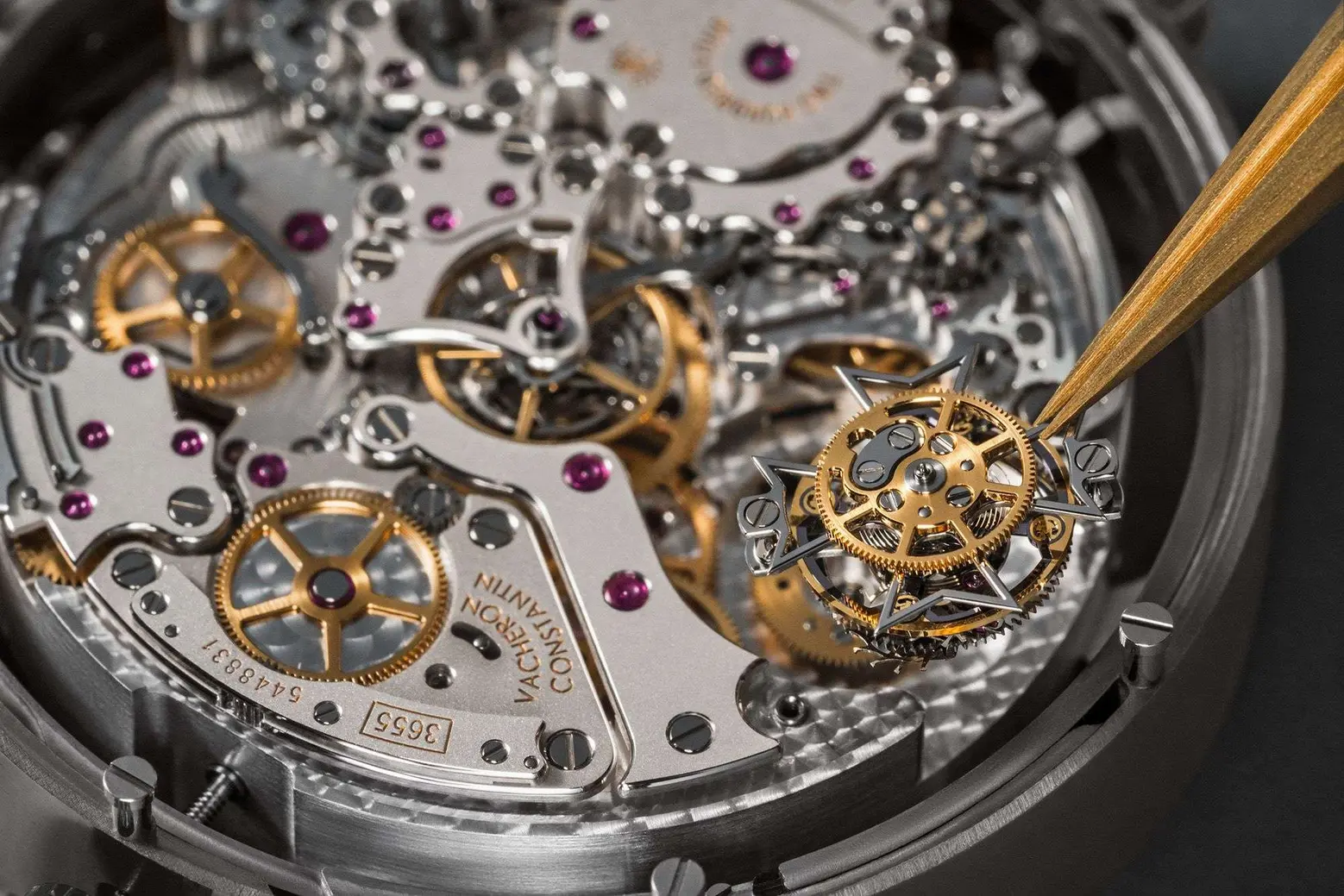
The early 2000s saw pioneers like Romain Jerome (which ceased operations in 2018 but was important in paving the way for artistic independents) and Speake Marin capturing initial attention. Today, however, a new generation of "micro-brand" independents has fully captured the spotlight. Brands like Rexhep Rexhepi (with his brand Akrivia), whose chronograph won the top prize at the 2022 Grand Prix d'Horlogerie de Genève (GPHG), and Ferdinand Berthoud, known for its chronometric tour de force, are now the darlings of collectors. The digital age has fueled their rise; platforms like Instagram and specialized forums allow these small ateliers to build a global audience and a waiting list years long without any traditional advertising.


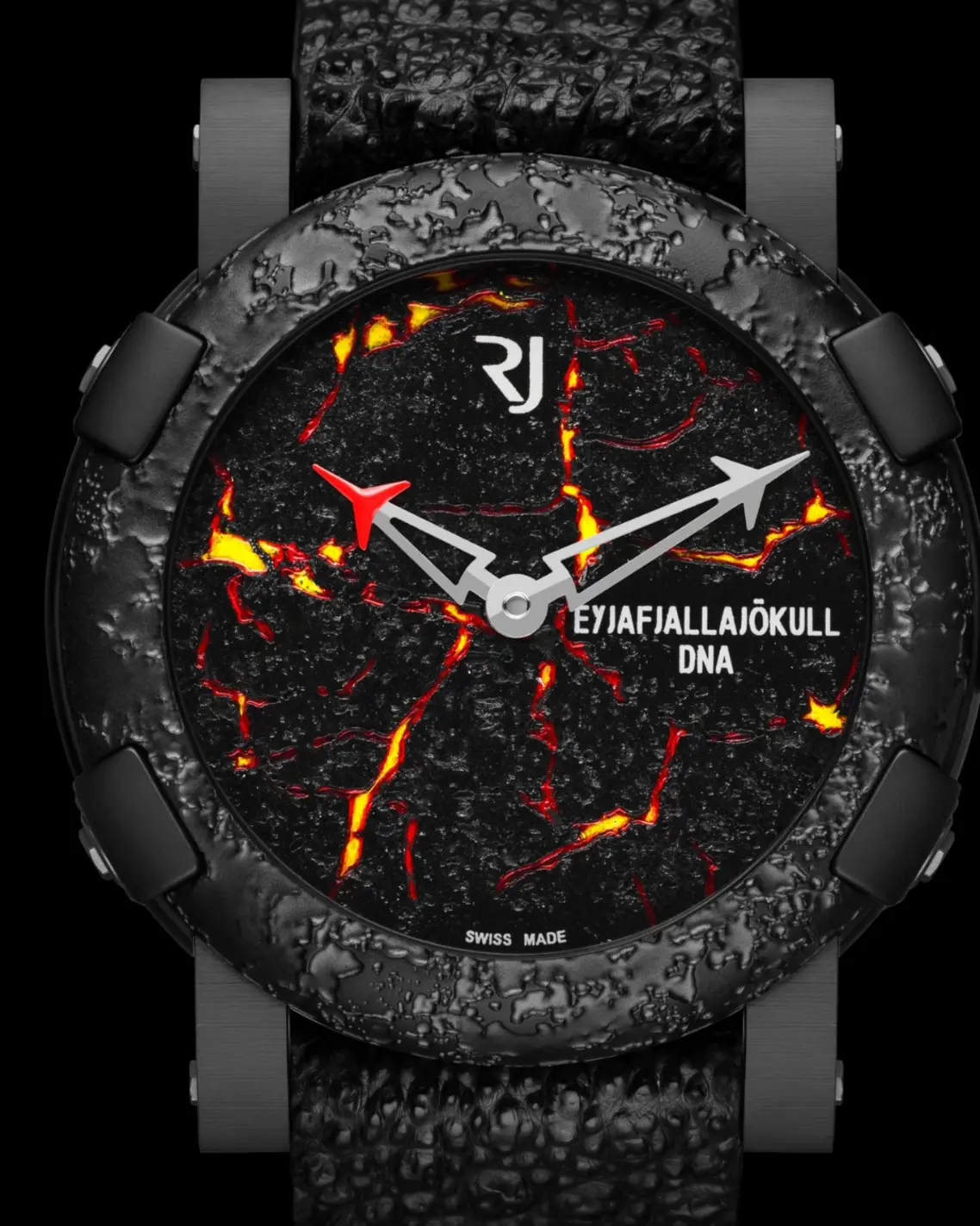
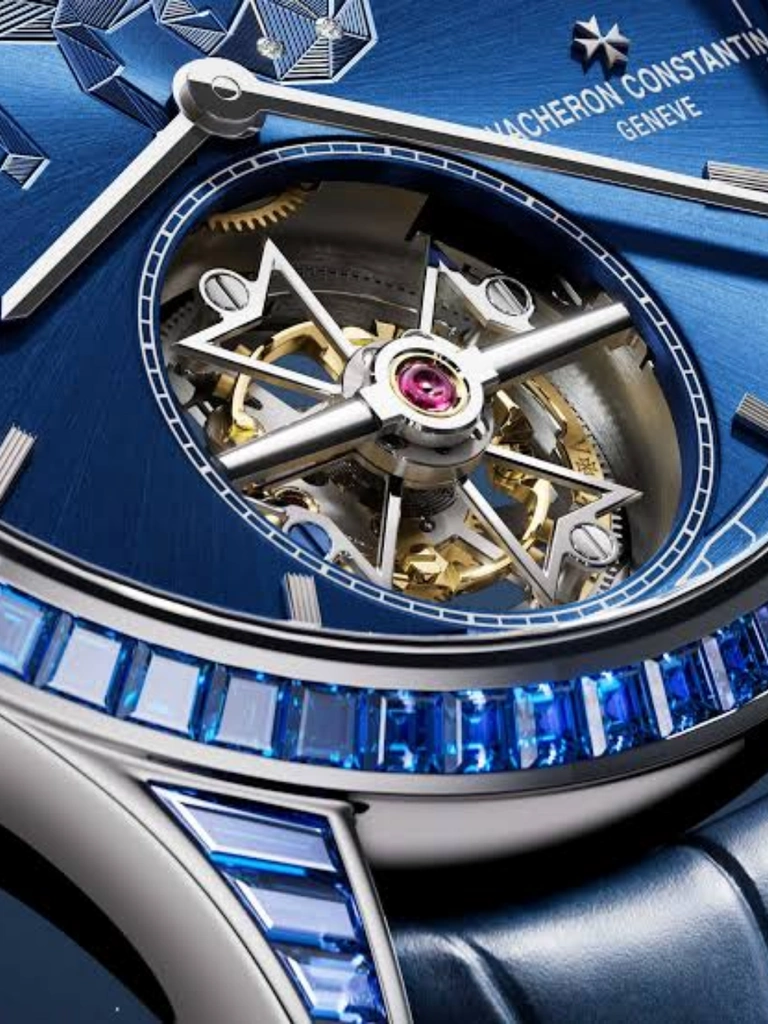
This is hardly surprising, as the designs from independent watchmakers demonstrate quality that rivals those of major brands, especially when not compared to the very highest-end models of established houses. This is particularly evident in the significant strides independents have made in introducing ultra-complex mechanisms like minute repeaters and tourbillons. Independent watch brands typically operate with very small teams. Some watchmakers work with as few as two people, treating each watch as a dedicated project. They pour their hearts into these artistic endeavors, focusing intensely on each creation. This is why an independently crafted watch can be so rare, precious, and require a wait of up to 12 years, as in the case of Philippe Dufour. For slightly larger independents, production numbers for each model remain extremely limited. A renowned watch distributor in Vietnam shared that each De Bethune model is limited to around 50 pieces. This scarcity is a key part of the appeal.

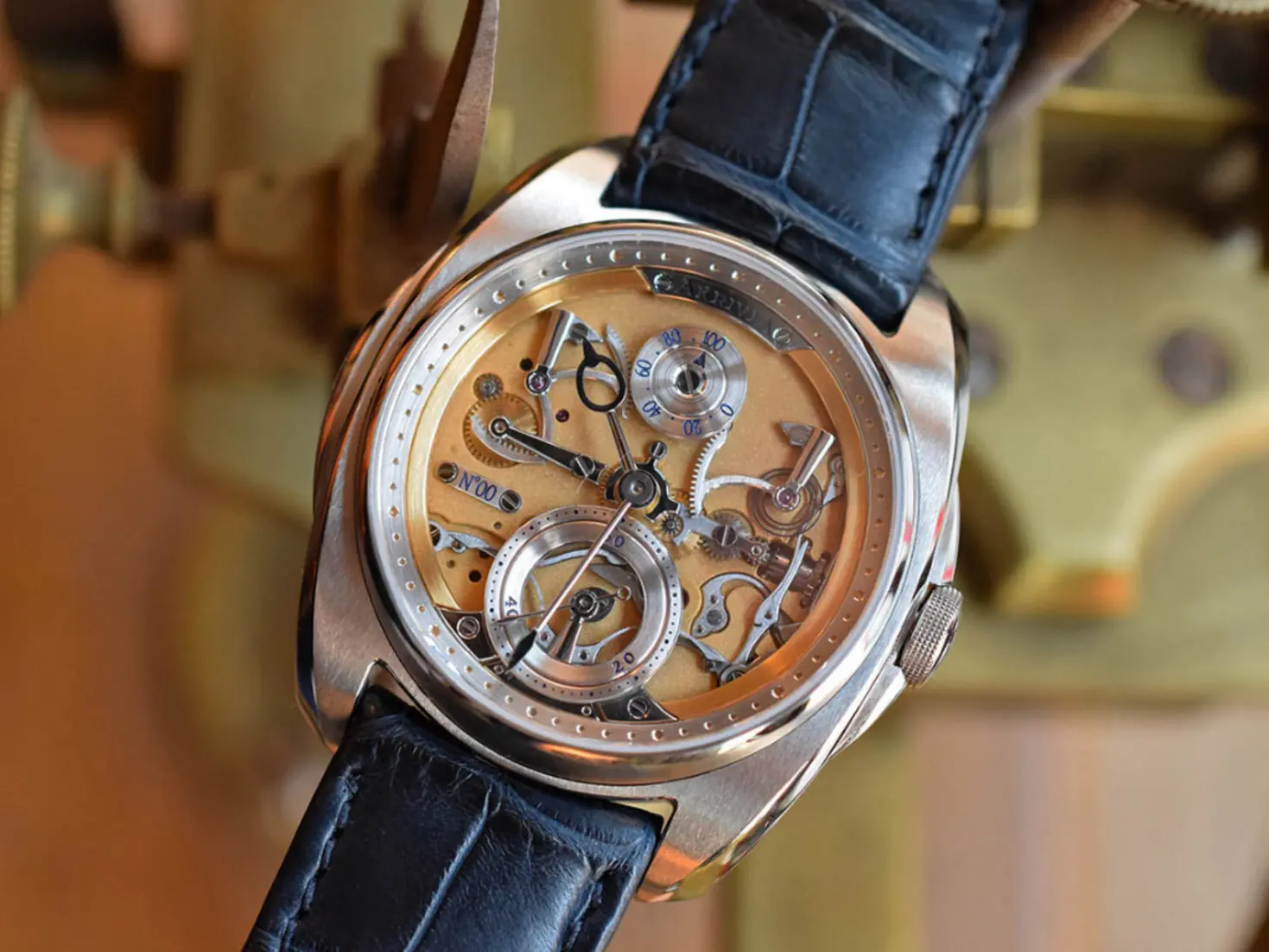
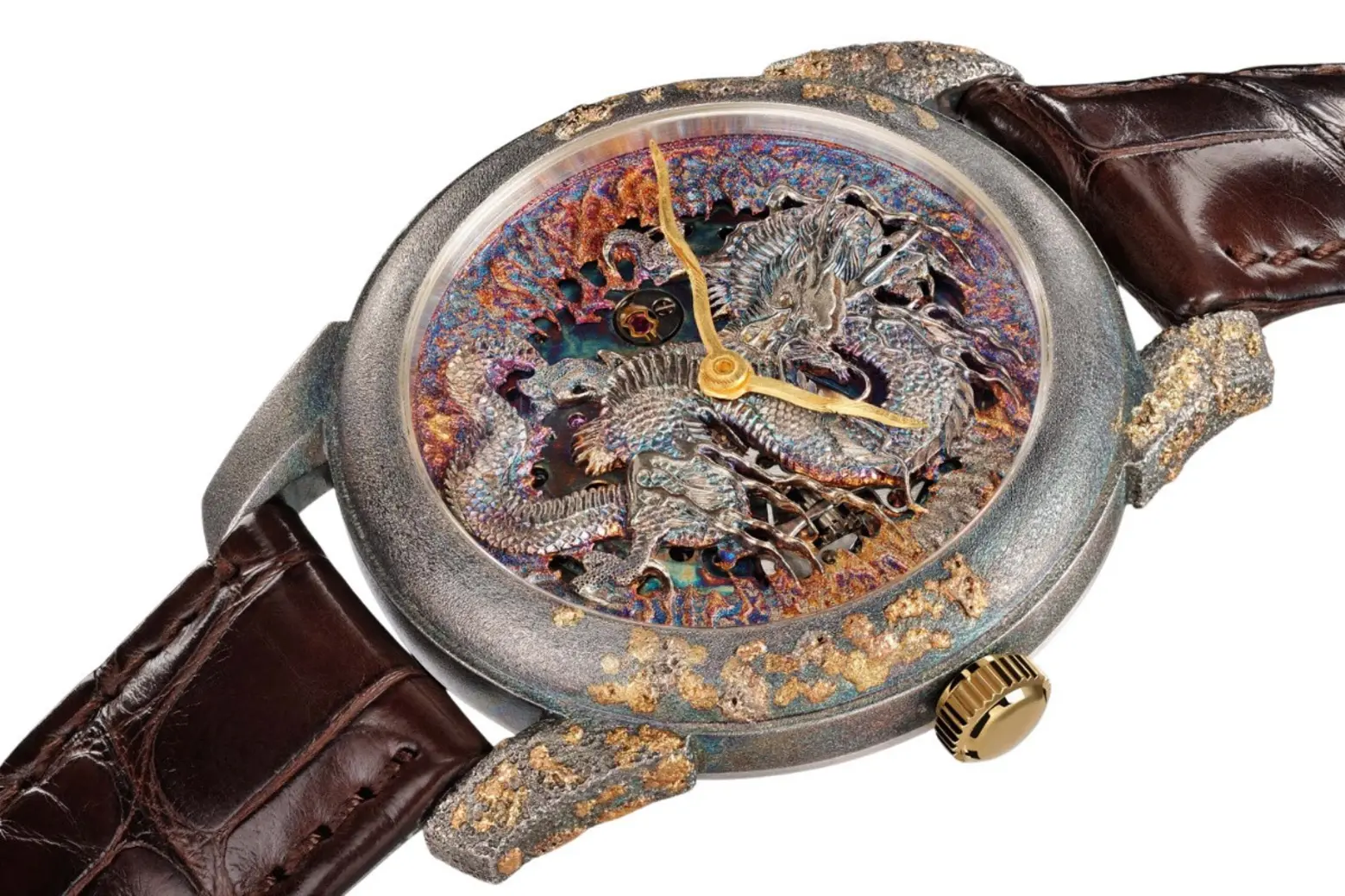
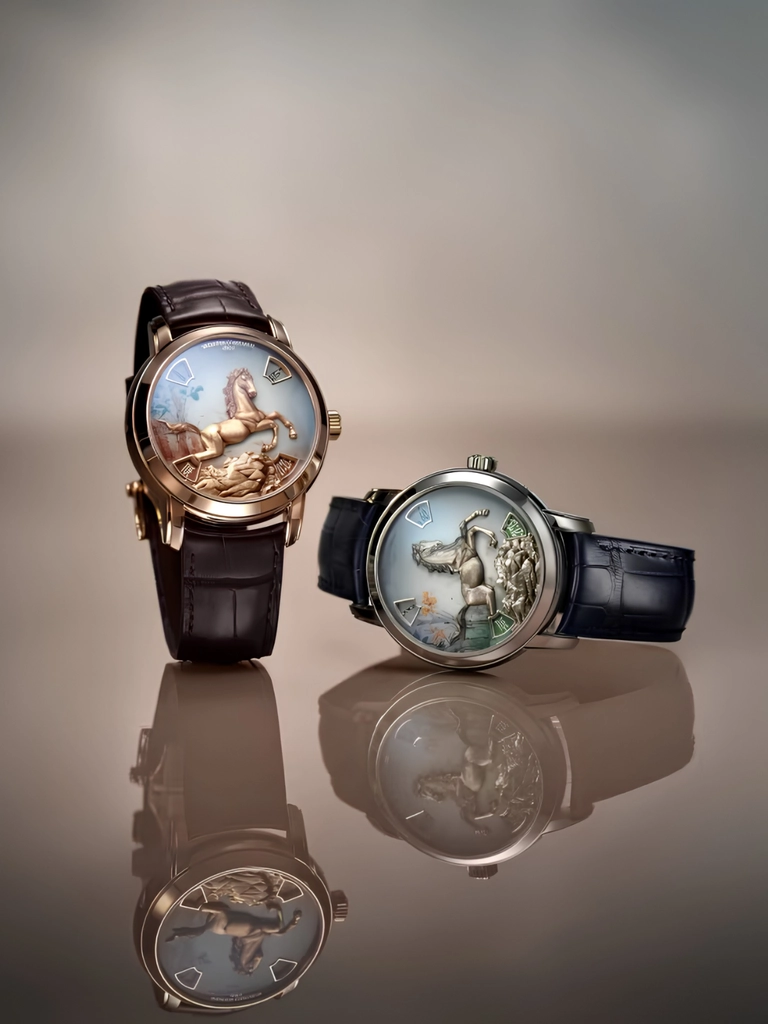
Unsurprisingly, it's not only independent watch brands that have recognized the trend toward highly personalized, high-end timepieces. Even renowned brands, which have gradually lost their status as independents, have taken note. They frequently collaborate with independent artists, sometimes exclusively sponsoring dial makers who specialize in intricate techniques like miniature enamel painting or engraving. These artists, such as Anita Porchet (enamel) or Kees Engelbarts (engraving), are now stars in their own right. They are never rushed or pressured to meet sales targets. On the contrary, one could say that for each project, the brands must practically plead with them and even clients must persuade these artisans to take on their commissions. This is understandable, as owning a watch with a dial depicting the ceiling of a Parisian opera house or a portrait of one's young daughter is a privilege few can claim. In today's market, it is this fusion of corporate might and unyielding artistic integrity that defines the very pinnacle of luxury, and explains why independent watchmakers now sit at the heart of modern watchmaking desire.