MENU
Close





In an age of disposable digital gadgets, a profound counter-movement is underway. Discerning listeners are rediscovering the visceral thrill and artisanal craftsmanship of retro audio equipment, a symphony of warm analog sound, timeless design, and modern technology that represents the ultimate luxury: a truly immersive experience.
In an age of disposable digital gadgets, a profound counter-movement is underway. Discerning listeners are rediscovering the visceral thrill and artisanal craftsmanship of retro audio equipment, a symphony of warm analog sound, timeless design, and modern technology that represents the ultimate luxury: a truly immersive experience.
November 26, 2025


In an era dominated by digital streaming and wireless convenience, a compelling counter-trend is emerging from the shadows: the sophisticated resurgence of retro audio equipment. This isn't merely nostalgia; it's a conscious choice for substance over convenience, for artistry over algorithms. Discerning audiophiles and a new generation of design-conscious millennials are rediscovering the visceral pleasure of physical knobs, warm analog sound, and furniture-grade craftsmanship that stands in stark contrast to today's disposable, black-plastic gadgets.
The proof is in the numbers. The global high-end audio equipment market, valued at over $10 billion, is seeing a remarkable 30% annual growth in the retro and vintage-inspired segment. Vinyl record sales in the U.S. alone have experienced 16 consecutive years of growth, surging 21.7% in 2022. This renaissance speaks to a deeper cultural shift—a desire for authenticity and tangible experiences in an increasingly virtual world.
Walk into any serious audiophile's sanctuary, and you'll find more than just equipment; you'll find a curated experience. Between the vintage wine cellar and the library of first editions stands the audio system — not as gadgets, but as functional art. "Asking an audiophile to choose convenience over quality is like telling a wine connoisseur to drink Burgundy from a paper cup," notes James Park, Marketing Director at Audio Research. "There's a growing appreciation for the ritual of listening, selecting a record, cleaning it, lowering the needle. It transforms listening from background noise to a focused event."
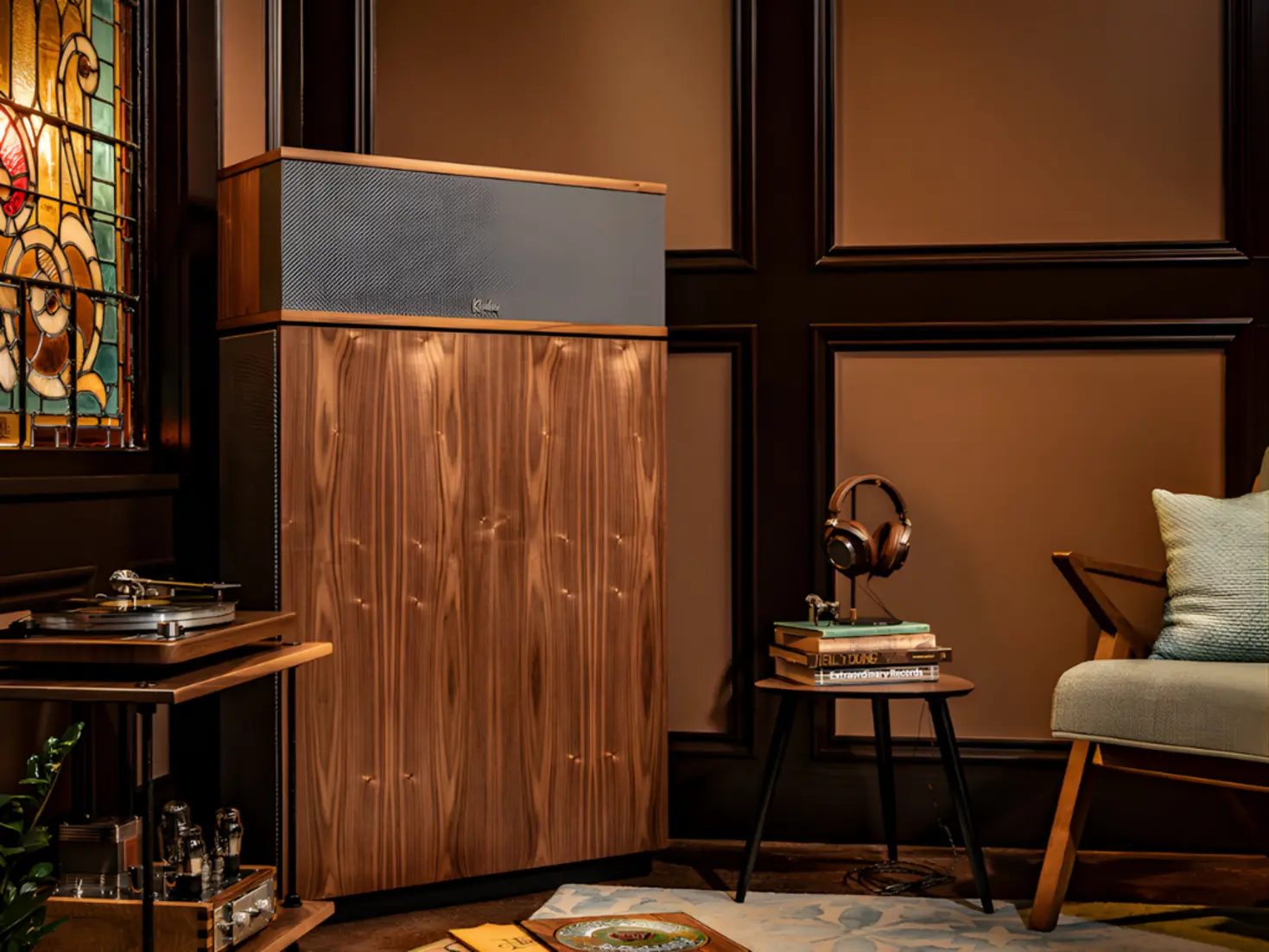
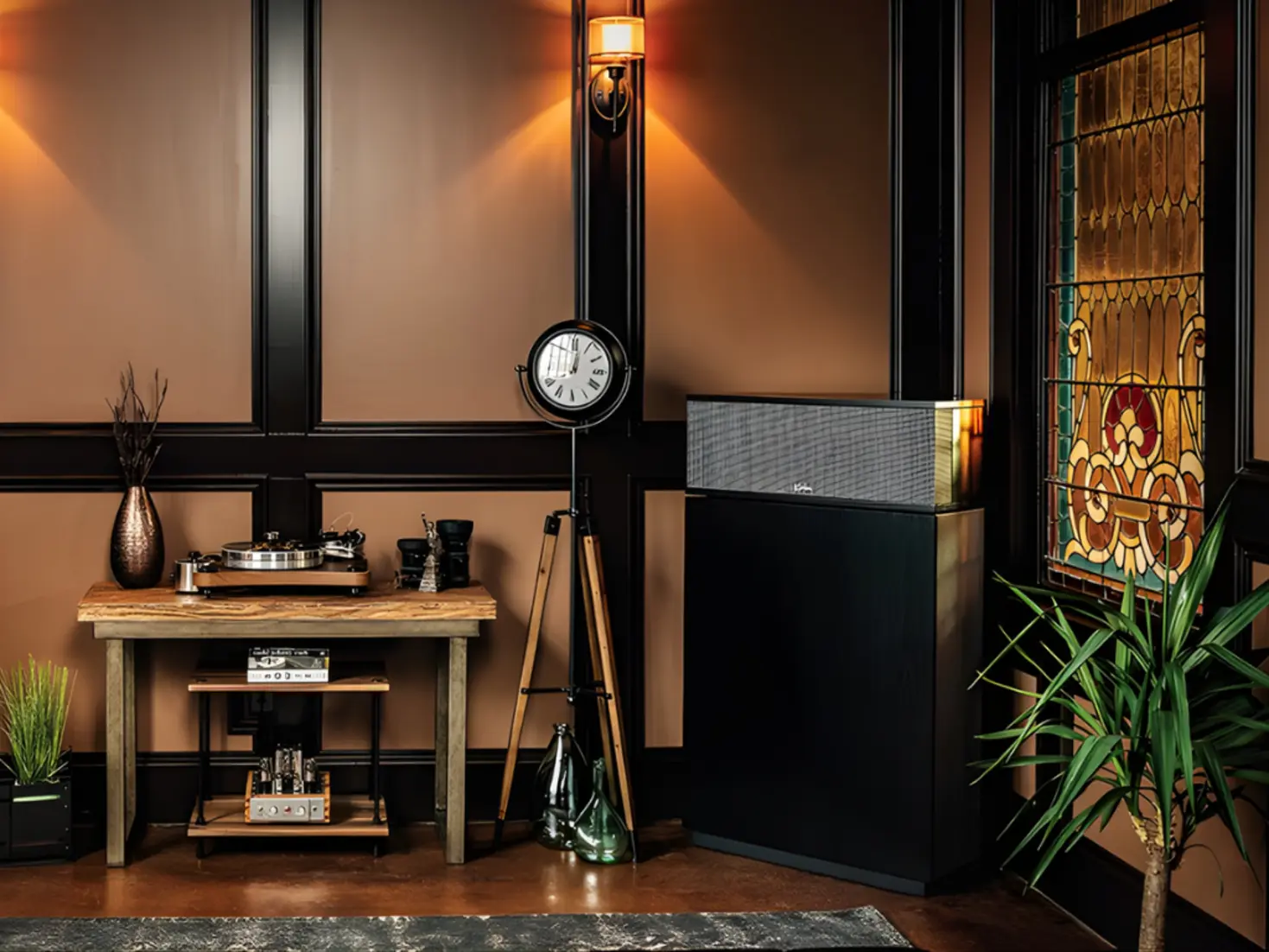
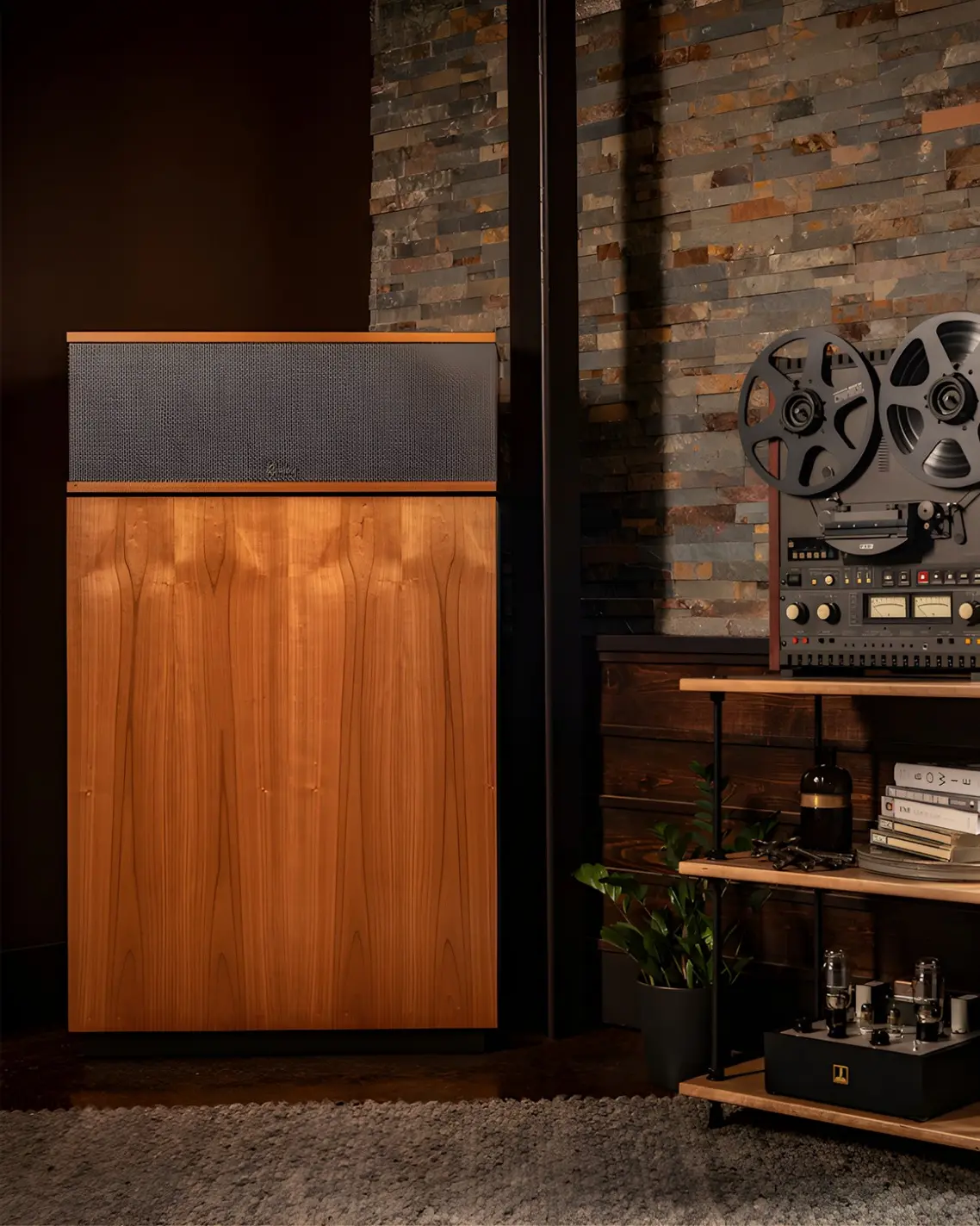
This mindset explains why classics like the Klipsch Klipschorn, continuously produced since 1946 with minimal design changes, remain more coveted than ever. It's not about resisting progress, but about recognizing perfection where it already exists.
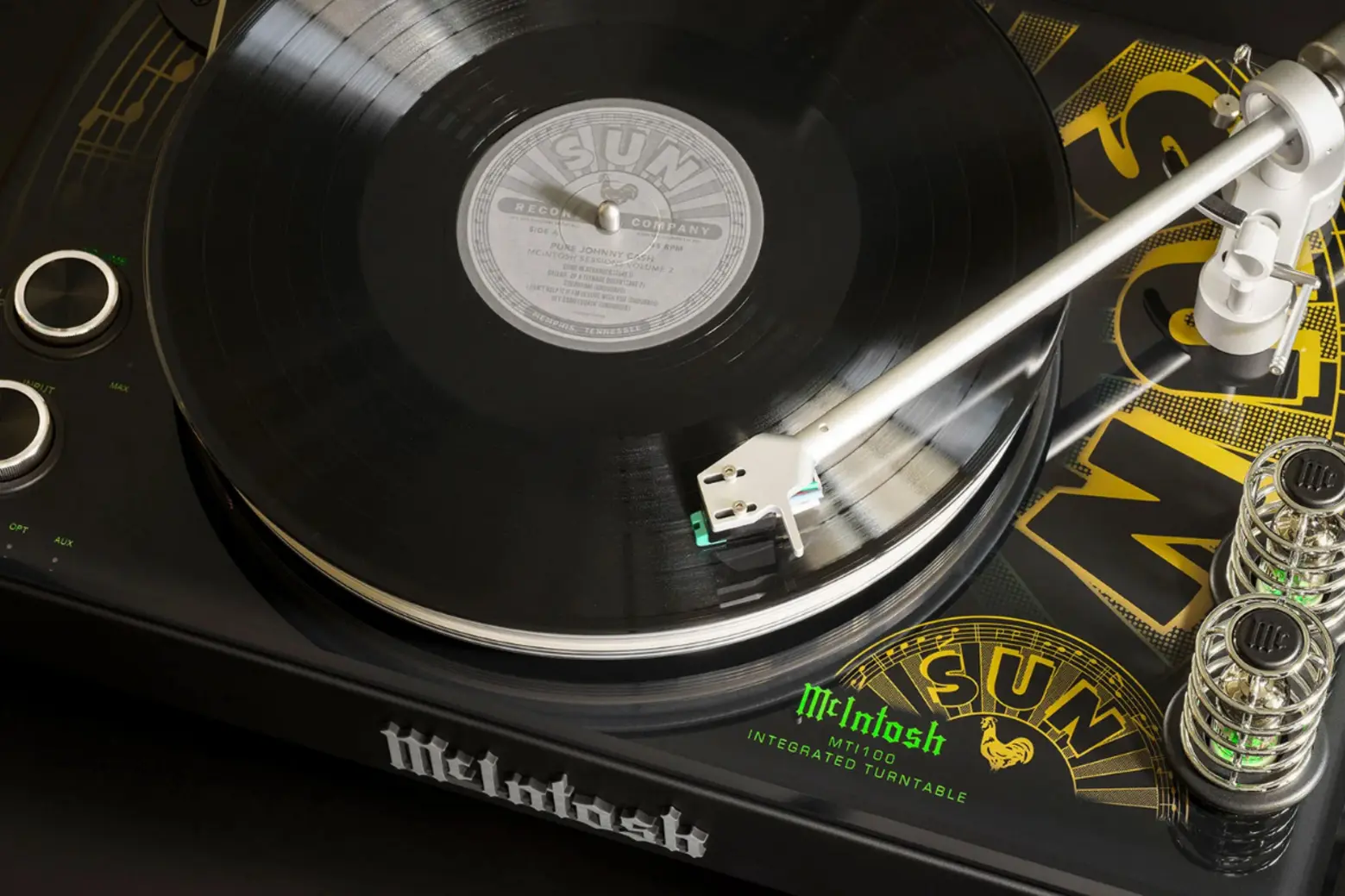
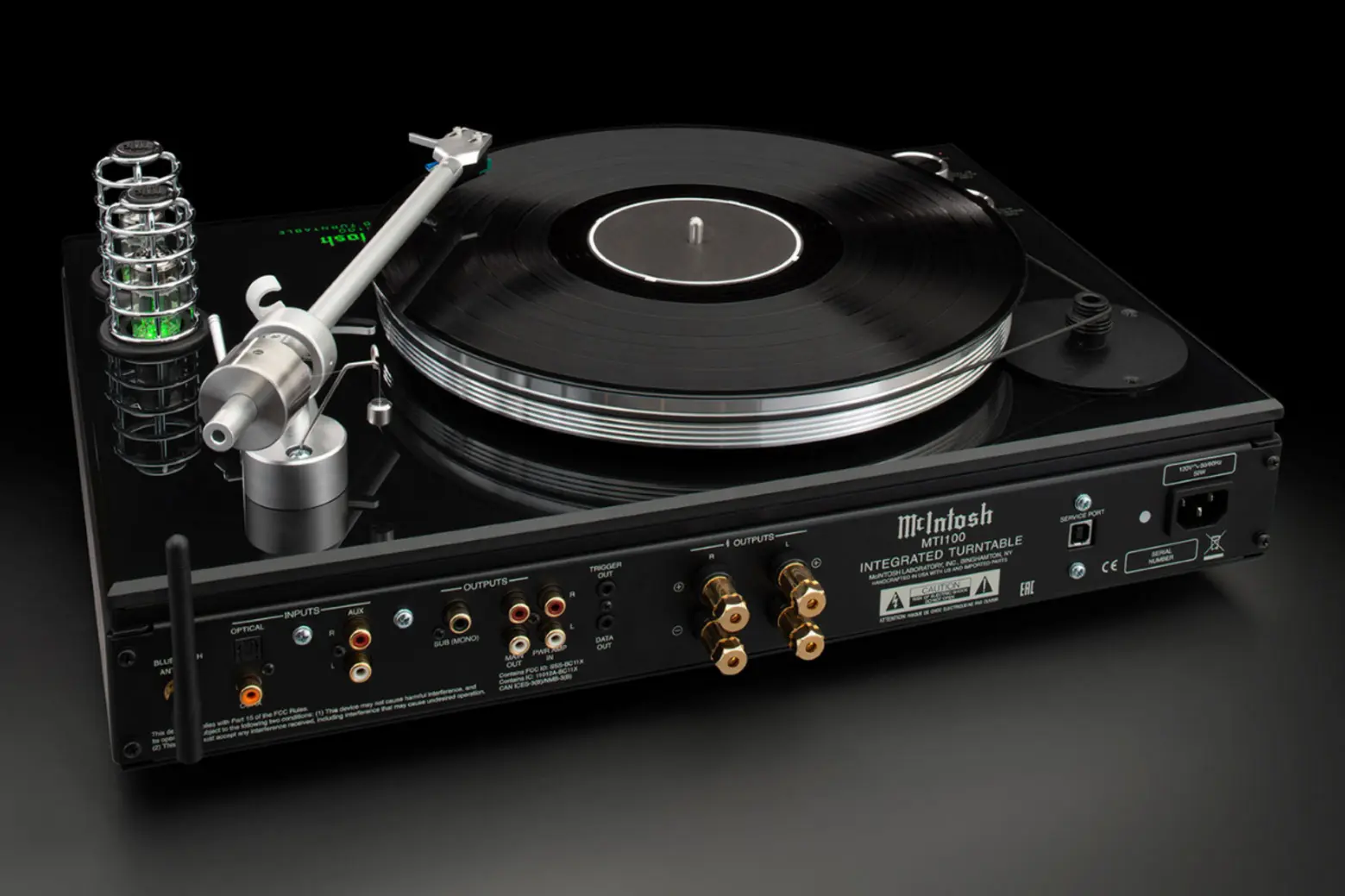
The MTI100 represents the perfect marriage of McIntosh's iconic heritage with cutting-edge technology. Behind the signature blue-lit glass and polished stainless-steel chassis lies a thoroughly modern heart: a high-resolution audio streamer, 32-bit/384kHz DAC, and Bluetooth aptX HD connectivity. It's a statement piece that acknowledges we live in the 21st century while preferring the aesthetic of the 20th.
The legendary SL-1200, first introduced in 1972, returns with enhancements that would make its ancestors proud. The new coreless direct-drive motor eliminates vibration and maintains perfect rotational stability, while contemporary touches like USB output and variable pitch control ensure it meets modern needs. This isn't a replica; it's an evolution of an icon.


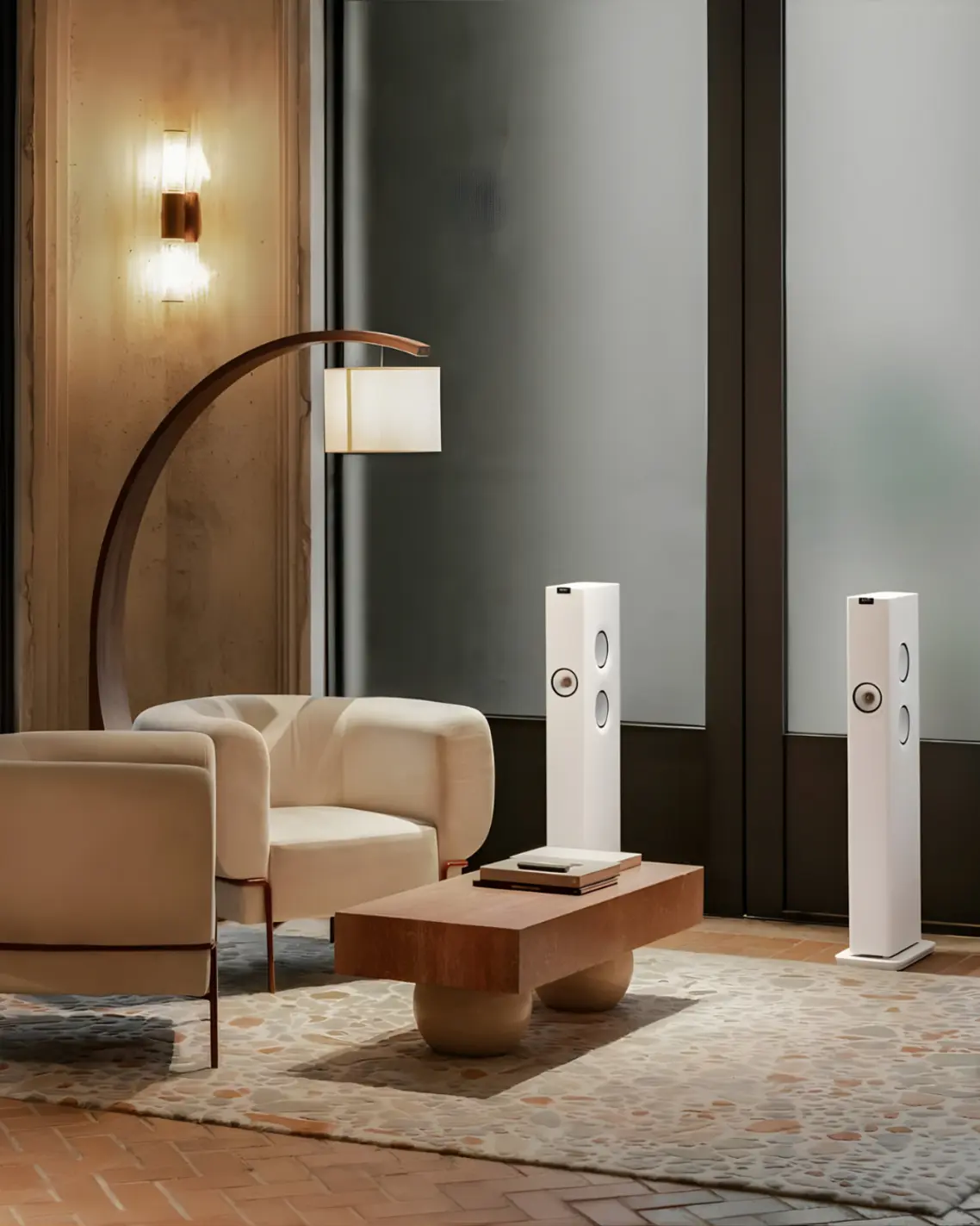
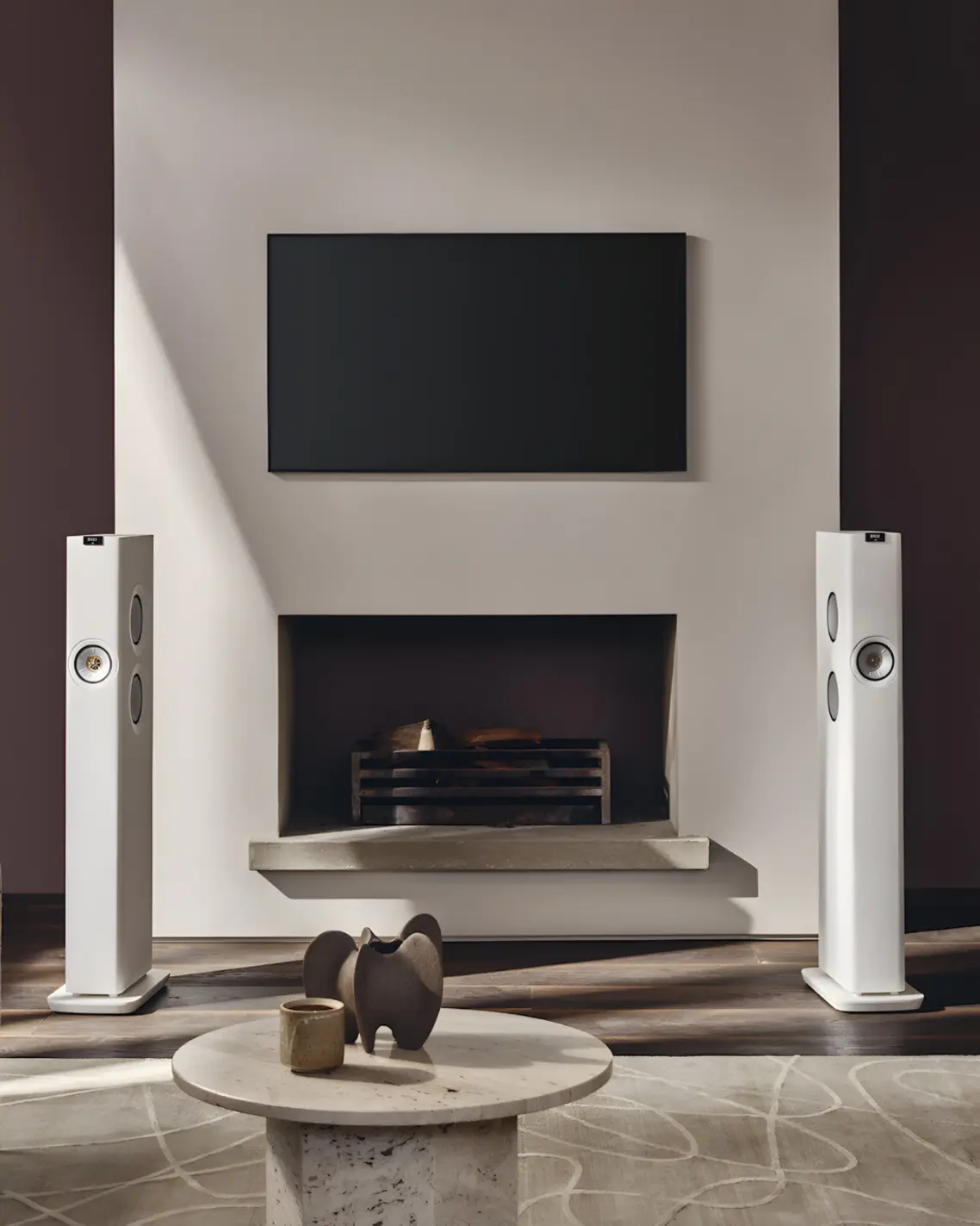
KEF's stunning floor-standing speakers reinterpret the brand's 1960s design language through a contemporary lens. The astonishingly slim profile houses the latest Uni-Q driver array and supports 24-bit/384kHz high-resolution streaming. They represent what retro-inspired design should be: honoring the past while embracing the future.
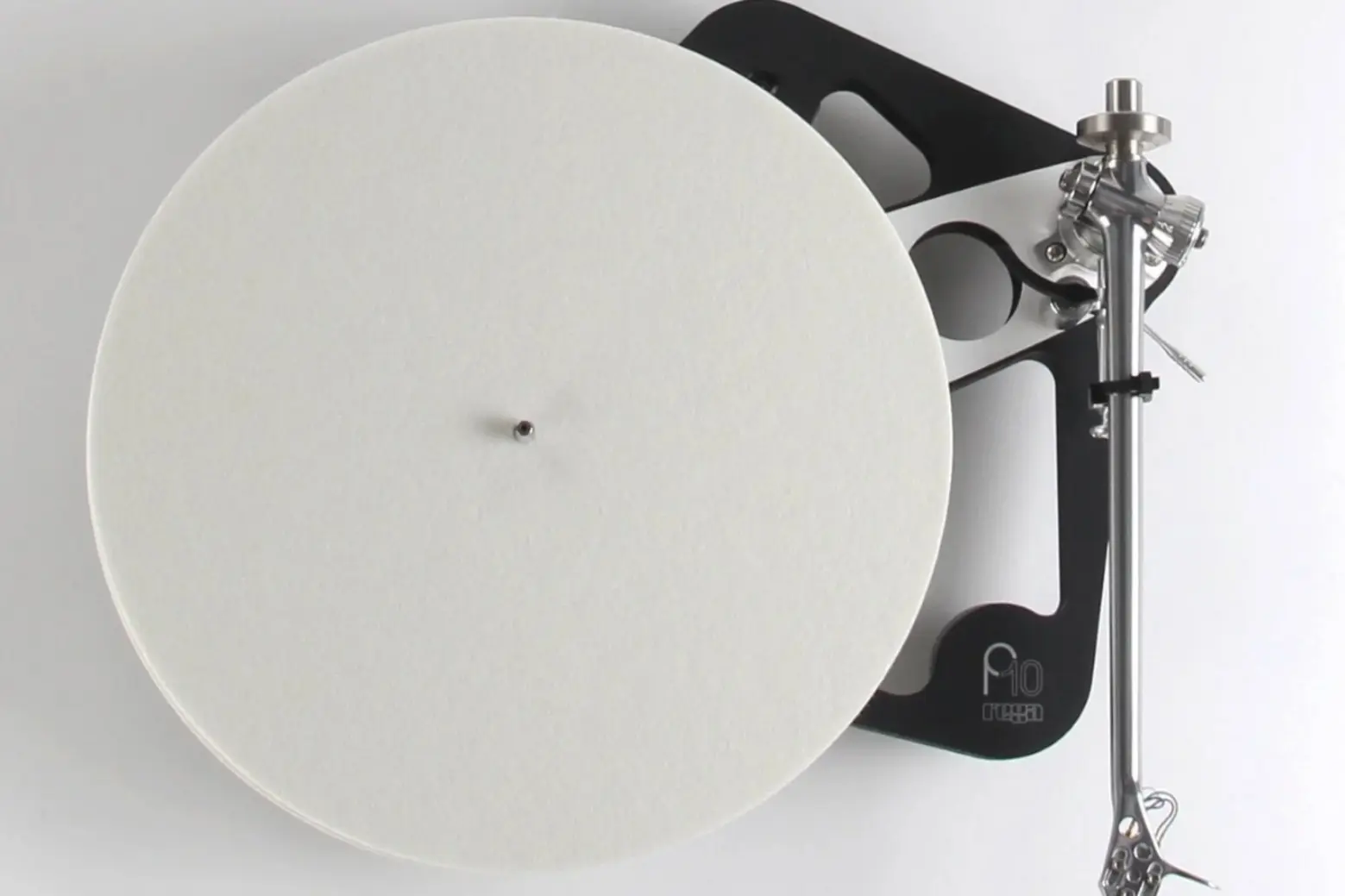
British manufacturer Rega has perfected the art of understated excellence. The Planar 10 exemplifies their "less is more" philosophy with a minimalist plinth crafted from advanced ceramics and stainless steel. Its sophisticated anti-vibration system ensures that nothing comes between you and the music.

"Retro design isn't about recreating the past; it's about interpreting timeless values through a contemporary lens," explains Toshi Kubota, Design Director at Technics. "We're preserving the emotional connection people have with our classic products while integrating invisible technology that meets modern expectations."
This philosophy manifests in several key trends:
Material Truth: The return to authentic materials — solid aluminum, real wood veneers, and premium leather, represents a rejection of plastic fantastic culture. "These materials develop character over time," says Ricardo Franassovici of Absolute Sounds. "They don't become obsolete; they become heirlooms."
Interface Intelligence: The satisfying click of a rotary knob, the gentle glow of vacuum tubes, the weighted sweep of a volume control—these provide tactile satisfaction that touchscreens cannot replicate. "Users appreciate interfaces that immediately communicate their function," notes Alan Rourke of Ruark Audio.
Sustainable Audio: In an age of environmental consciousness, retro-inspired equipment offers compelling sustainability credentials. These are pieces built to last decades, often repairable rather than replaceable. "We're seeing increased interest in products with 20-year lifecycles versus 2-year upgrade cycles," adds Bert Kiggen of D&M Holdings.
As we look ahead, the retro audio trend shows no signs of fading. If anything, it's accelerating and evolving:
AI-Enhanced Analog: Several manufacturers are developing systems that use artificial intelligence to optimize room acoustics while preserving analog signal paths
Sustainable Materials: Expect wider use of reclaimed woods, recycled metals, and organic composites
Cross-Generational Appeal: As Gen Z discovers the superior experience of dedicated audio systems, demand grows across age demographics
Mainstream Luxury: What began as an audiophile niche is becoming an interior design essential
The return to retro audio equipment represents more than mere aesthetic preference. It's a cultural statement about how we choose to experience life's pleasures. In a world of compressed digital files and algorithmically generated playlists, these pieces represent intentionality — the choice to slow down, to engage physically with our technology, and to participate actively in the reproduction of music.
They remind us that some innovations aren't about making things smaller, cheaper, or more convenient, but about making them better, more beautiful, and more human. The warm glow of vacuum tubes, the solid weight of a metal volume knob, the rich grain of real wood veneers, these speak to senses that flat screens and plastic shells cannot reach.
In the end, the resurgence of retro audio tells us something important about the future of luxury: that true sophistication lies not in chasing the new for its own sake, but in recognizing and preserving what was always excellent.