MENU
Close





The magic of a new serum never lasts. Discover "The Plateau Effect"—the science behind why skincare miracles fade, and the dermatologist-approved strategy to renew their power.
The magic of a new serum never lasts. Discover "The Plateau Effect"—the science behind why skincare miracles fade, and the dermatologist-approved strategy to renew their power.
January 7, 2026
Advertisement

Advertisement



It began with a whisper of silk, a veil of perfection laid over my skin by a single, legendary serum. I remember the first night with Estée Lauder’s Advanced Night Repair—the alchemy of it. By morning, my complexion was plump, pores were reticent, and a glow seemed to emanate from within. I had found it: my Holy Grail. The search was over. The shelves of Sephora could hold no more mystery for me.
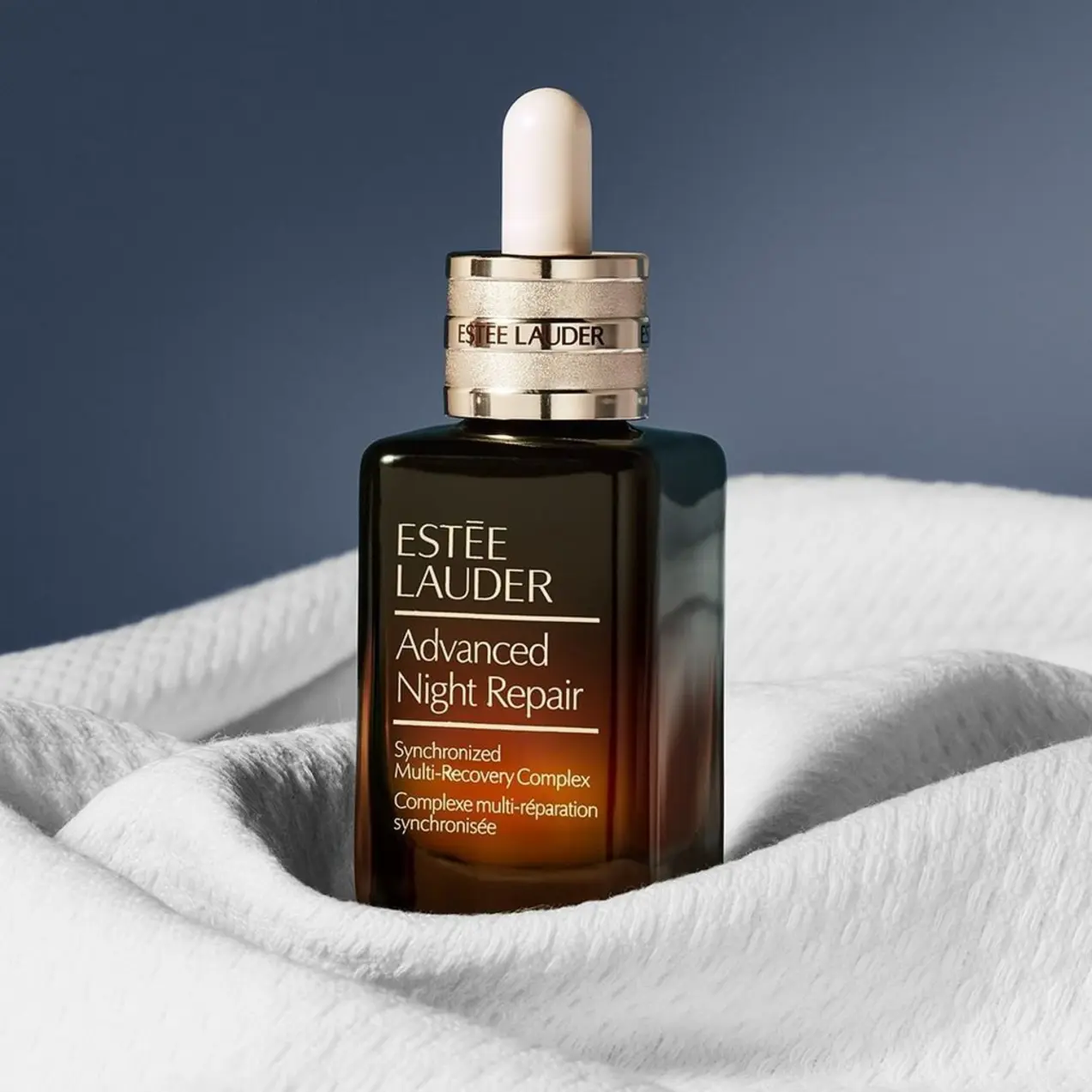
But the universe, it seems, delights in gentle corrections. By the end of that first bottle, the magic had begun to temper. The transformation was less a revelation and more of a gentle nod. After a year of faithful devotion, I faced a disconcerting truth: my skin looked no different whether I used it or not. The love affair had settled into a polite, and ultimately pointless, coexistence.
This story, I’ve since learned, is not unique to me or to that serum. It’s a quiet ritual familiar to anyone devoted to skincare: the dizzying peak of discovery, the comfortable plateau of routine, and finally, the puzzling descent into invisibility. We chalk it up to imagination, to a bad batch, to our own ungrateful skin. But what if the fade isn’t in our heads? What if it’s written into the very biology of our cells?
For years, this phenomenon lived in beauty lore, often dismissed as “product fatigue” or our skin getting “bored.” But cosmetic science has caught up, offering more precise, less accusatory terms. According to cosmetic chemist and science educator Dr. Michelle Wong, the concept of “bored” skin is a myth. What you’re likely experiencing is either “tolerization”—where the skin’s biological response to an active ingredient diminishes over repeated use—or you’ve simply reached a “maintenance plateau.”
Think of potent actives like retinoids or exfoliating acids as trainers for your skin. “Initially, they provide a strong stimulus, and your skin responds dramatically by boosting collagen, speeding turnover,” explains Dr. Whitney Bowe, a board-certified dermatologist in New York City. “But just as muscles adapt to a workout, skin can adapt to a stimulus. The visible ‘wow’ diminishes because you’ve already addressed the initial deficit. The product is likely still working to maintain that new baseline, which is a victory in itself.”
A 2020 review in the Journal of Cosmetic Dermatology on retinols supports this, noting that the most significant visual improvements in wrinkles and elasticity typically occur within the first three to six months, after which benefits transition to sustaining those results.
The answer, then, is not to abandon our heroes, but to stop asking them to fight the same battle every single day. The most progressive thinking in dermatology now champions strategic rotation—giving your skin different tools for different jobs, and crucially, time to recover.
This philosophy is crystallized in the concept of Skin Cycling, a method popularized by Dr. Bowe that has revolutionized routines worldwide. It’s a structured, four-night rhythm designed to maximize efficacy and minimize irritation:
“Cycling prevents over-stressing the skin, which can lead to inflammation, impaired barrier function, and yes, that adapted, muted response,” says Dr. Bowe. “It keeps the skin’s communication channels fresh and receptive.”
You can also rotate within a category. If retinoids are your focus, consider a Bakuchiol serum on alternate nights. A 2019 study in the British Journal of Dermatology found it delivered comparable anti-aging benefits to retinol over 12 weeks with significantly less irritation (Br J Dermatol. 2019;180(2):289–296). Peptides offer another brilliant lane—they work as gentle messengers, persuading skin to produce more collagen without the initial retinoid “shock.”
This shifts the entire skincare paradigm. The quest is no longer for a single, mythical Holy Grail, but for a curated, intelligent wardrobe for your face. A vitamin C serum might be your brilliant morning suit; a retinoid, your powerful evening gear; a simple ceramide moisturizer, your essential, comforting loungewear.
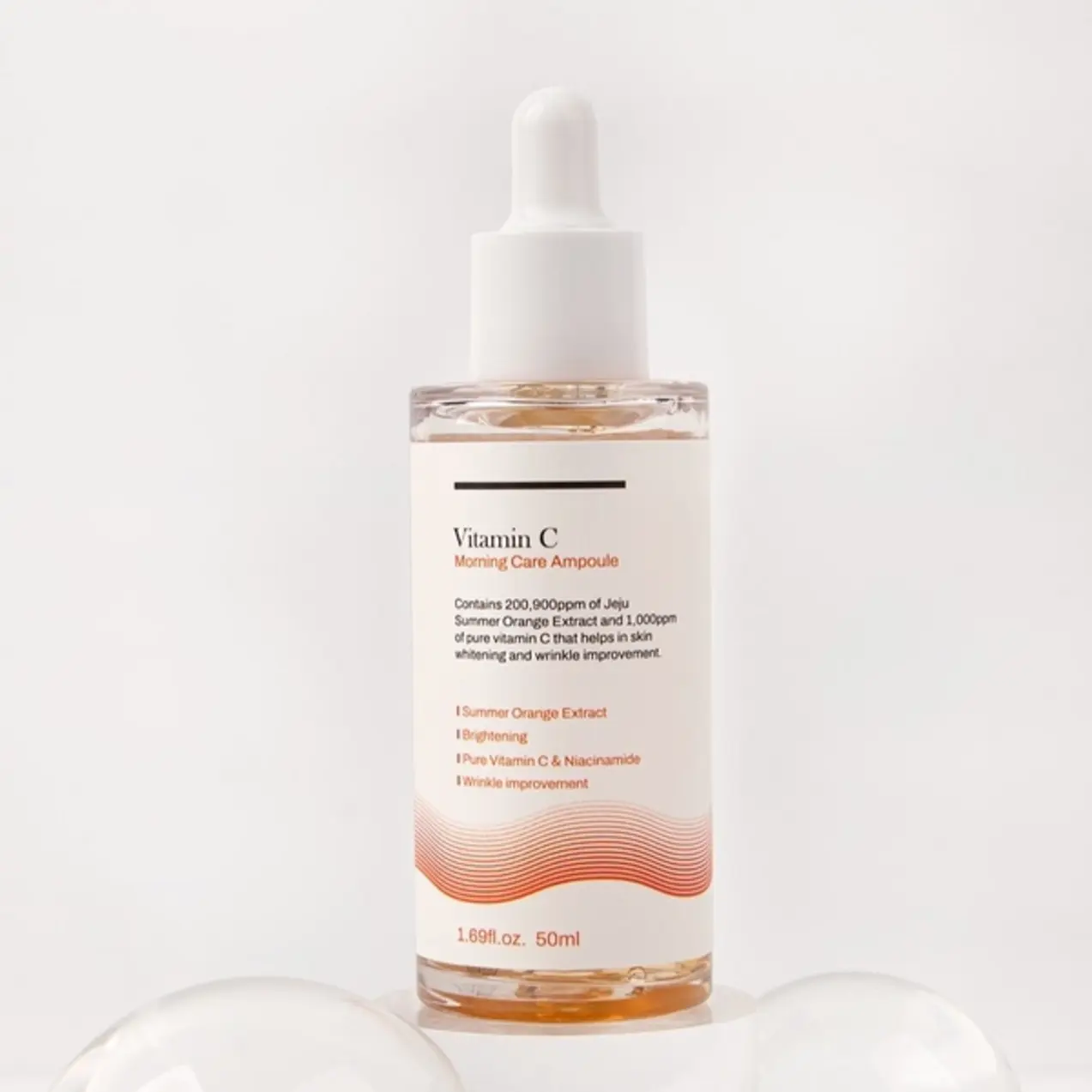
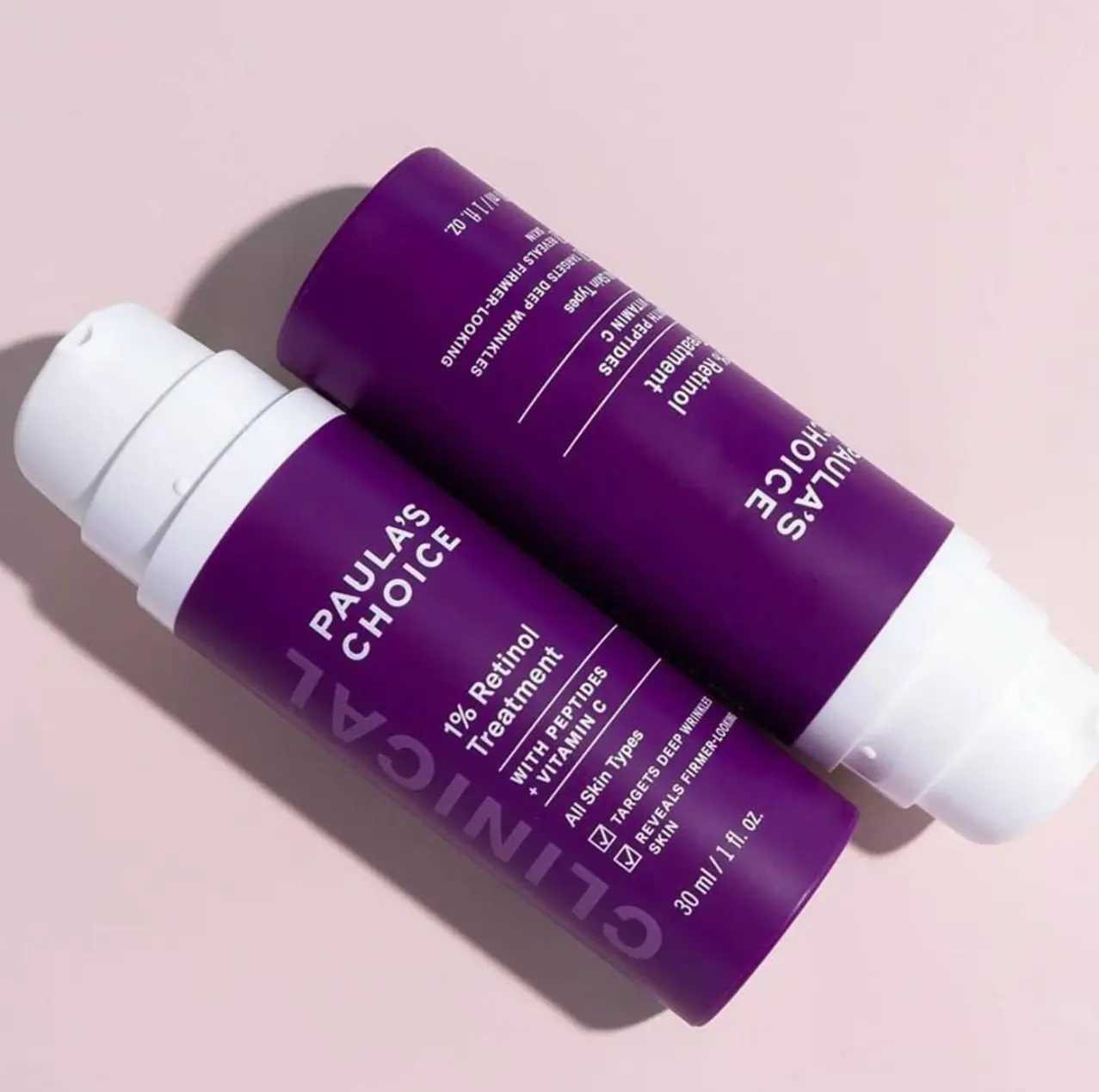
Embrace the seasons. Let your summer routine prioritize antioxidants and light hydration, while winter calls for richer creams and reparative oils. Most importantly, listen. Give your skin a true “skin Sabbath”—a day or two each week with nothing but a gentle cleanser and moisturizer.
The moment your favorite product seems to lose its sparkle isn’t a failure. It’s an invitation—a cue from your own biology to change the conversation. It’s a reminder that in skincare, as in life, the most sustainable relationships are built not on constant, intense stimulation, but on attentive, adaptive care.
Advertisement