MENU
Close





When the Burj Al Arab opened its doors on December 1, 1999, it wasn’t merely the debut of a hotel — it was the unveiling of Dubai’s new identity.
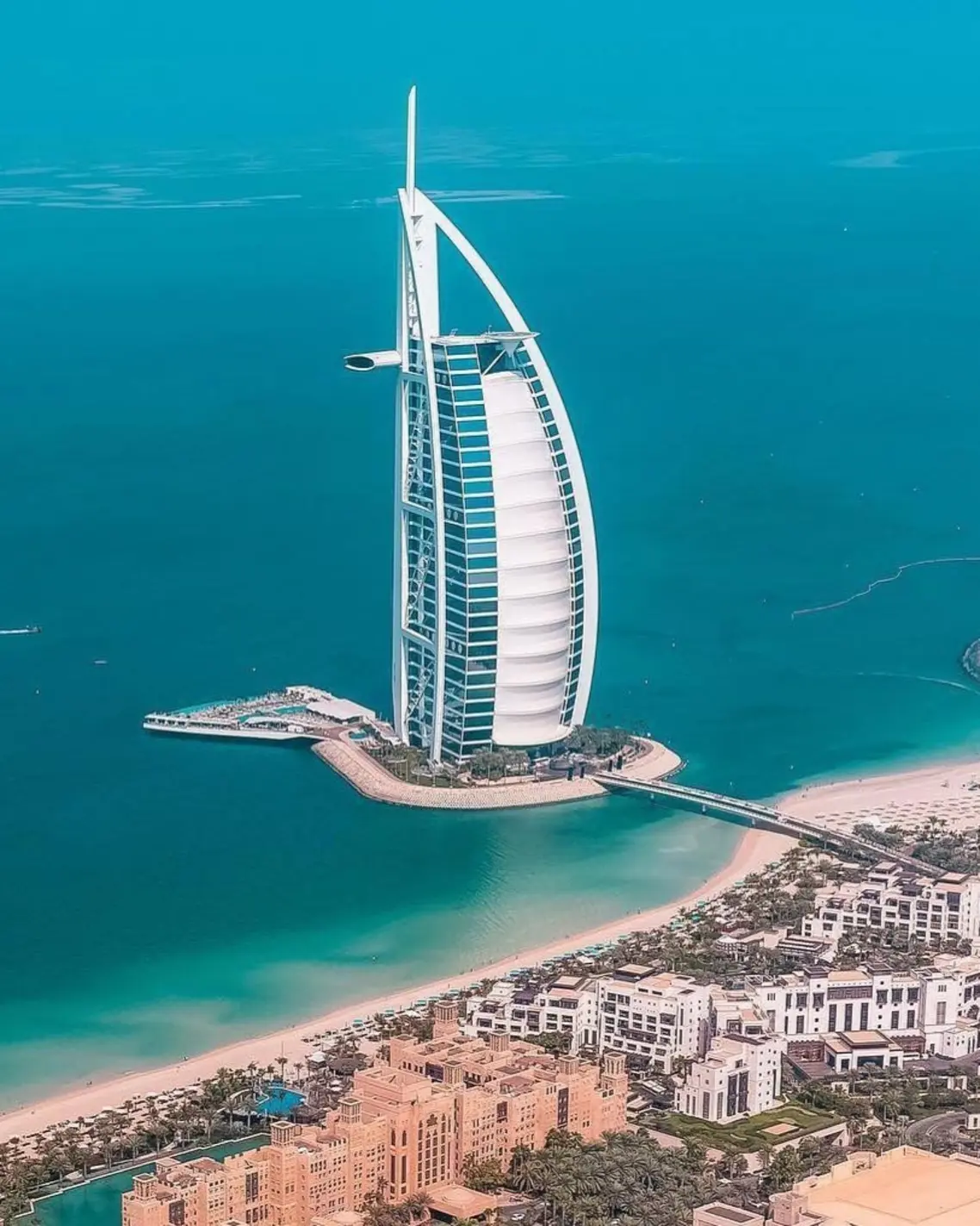
When the Burj Al Arab opened its doors on December 1, 1999, it wasn’t merely the debut of a hotel — it was the unveiling of Dubai’s new identity.
December 1, 2025


Rising 321 meters above the Gulf and shaped like a billowing sail, the property immediately became a global symbol of ambition, daring imagination, and a city determined to redefine hospitality. At a time when Dubai was still emerging on the world stage, the Burj Al Arab announced, with cinematic confidence, that the future of luxury would be written here.

The opening itself felt like a spectacle crafted to match the building’s architectural audacity. Guests arrived on a private bridge leading to its man-made island, stepping into a soaring 180-meter atrium — one of the tallest ever built, flooded with color, movement, and theatrical geometry. The interiors shimmered with 24-carat gold leaf, mosaic patterns, rare textiles, and sweeping fountains that seemed to rise and fall in choreographed rhythm. The message was unmistakable: this was not a hotel that whispered luxury; it declared it boldly.
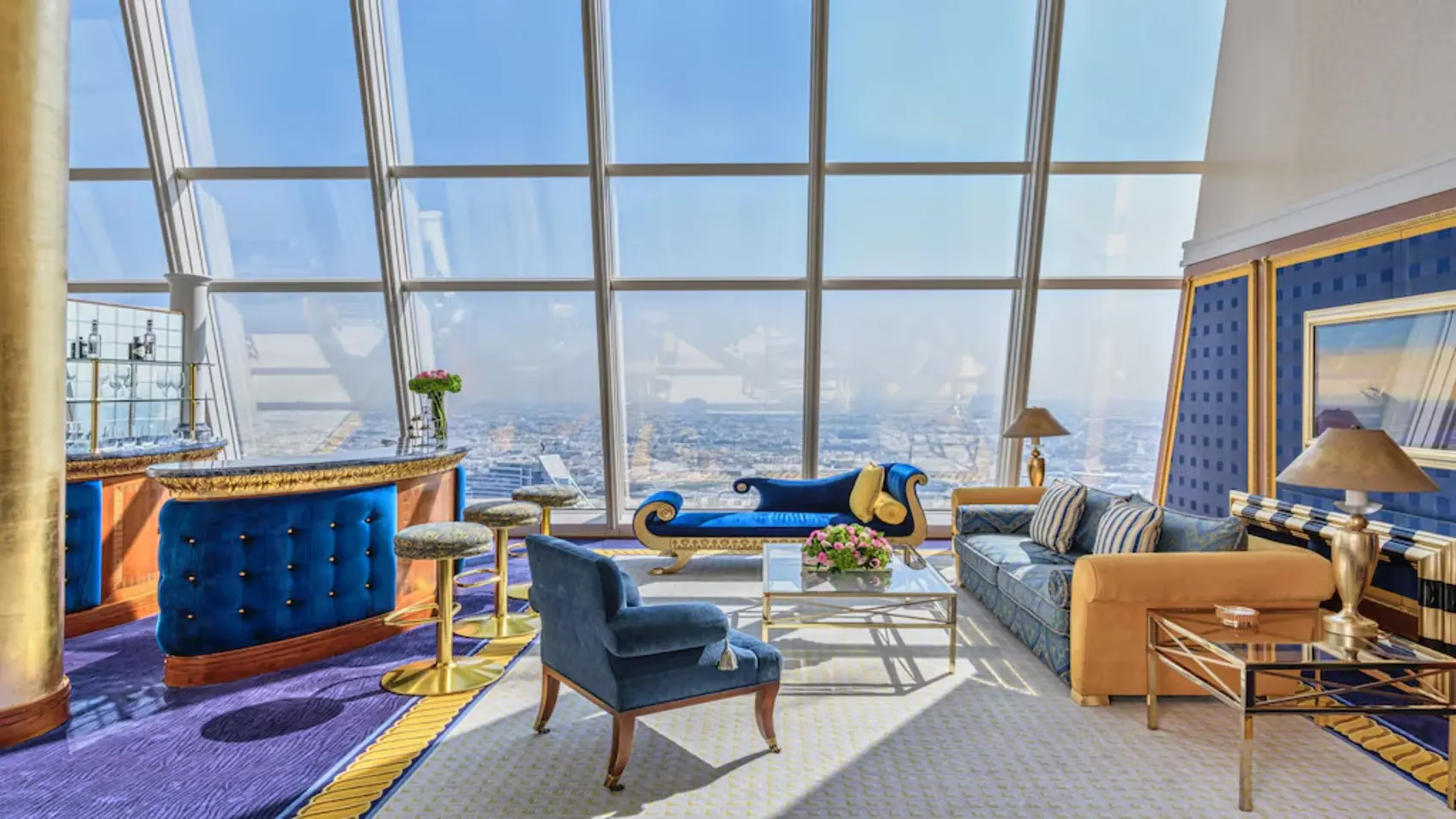
What set the Burj Al Arab apart from the moment it opened was its philosophy of experience. Double-story suites, each a self-contained residence in the sky, reimagined privacy and indulgence. A fleet of white Rolls-Royces stood ready to escort guests, while a helipad perched near the roof offered an entrance worthy of royalty. Every detail, from personalized butler service to avant-garde dining concepts, pushed the hospitality world into new territory.
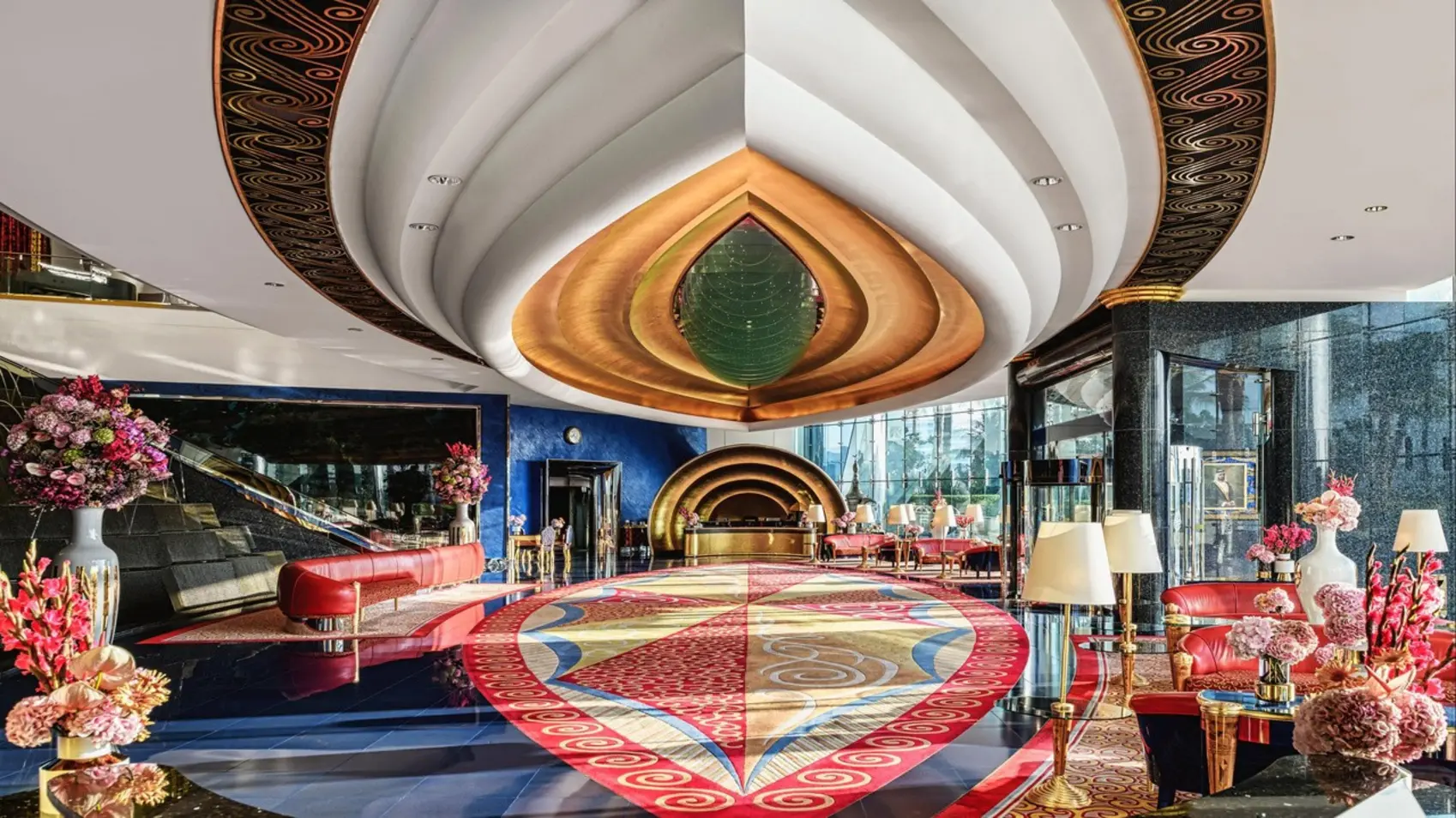
But beyond the opulence, the opening of the Burj Al Arab marked a turning point for Dubai’s cultural narrative. It became the prototype for experiential architecture: a building designed not only to be inhabited, but to be remembered. Its silhouette quickly joined the ranks of the world’s most recognizable structures, influencing a generation of destination-driven travel and setting the tone for Dubai’s transformation into a global luxury capital.
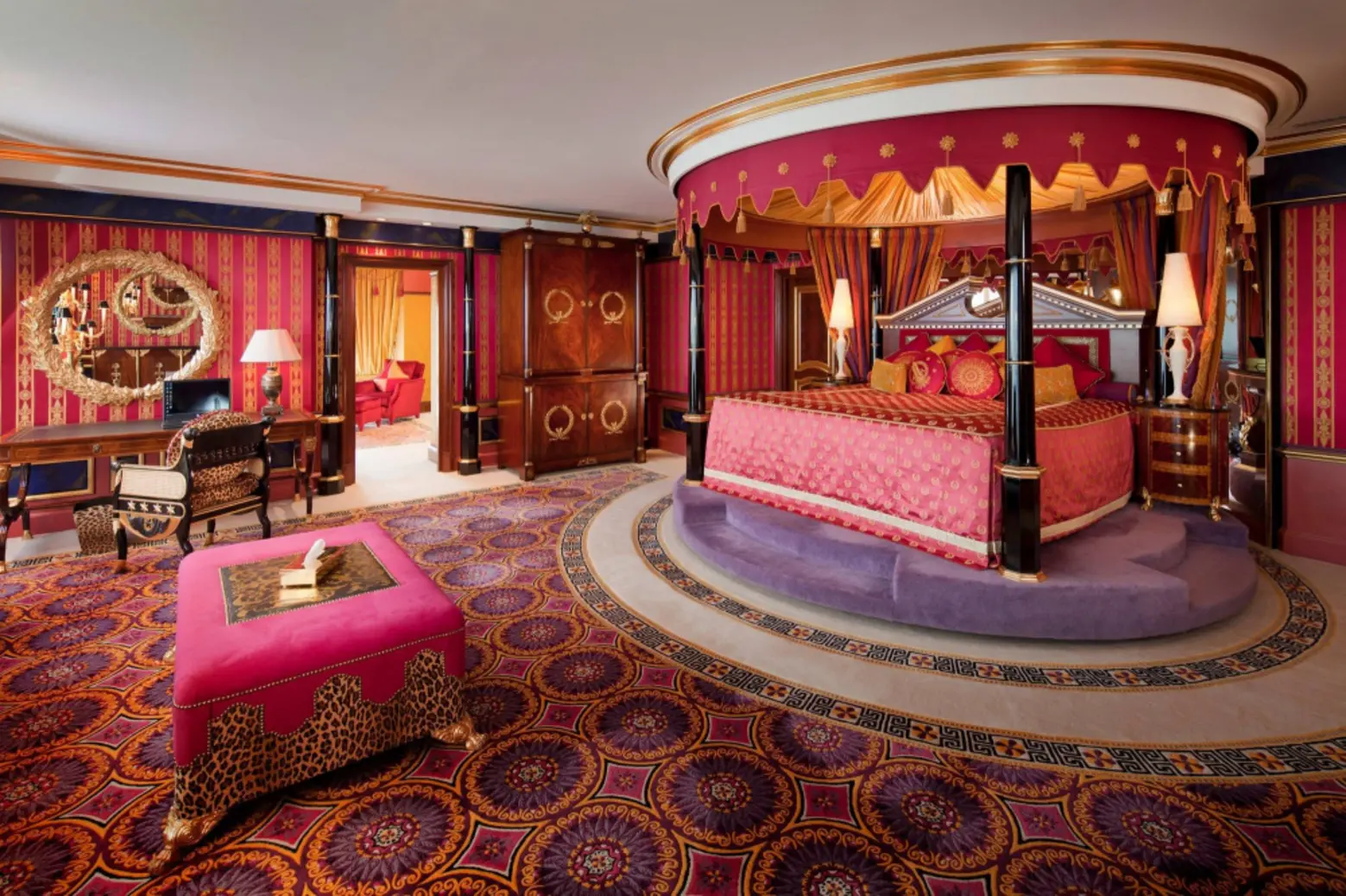
Twenty-five years later, the Burj Al Arab remains a masterpiece that continues to shape the city’s skyline and its identity. Its opening was the moment Dubai stepped confidently onto the world stage, wrapped in gold, innovation, and imagination.