MENU
Close





What was once a back-bench territory in the art world is now emerging as a vital frontier. Driven by vast cultural investment, a new generation of collectors, and digital access, the Middle Eastern art market is shifting from periphery to centre. For galleries looking to grow, it offers not just expansion, but a re-definition of how and where value is created.
What was once a back-bench territory in the art world is now emerging as a vital frontier. Driven by vast cultural investment, a new generation of collectors, and digital access, the Middle Eastern art market is shifting from periphery to centre. For galleries looking to grow, it offers not just expansion, but a re-definition of how and where value is created.
December 8, 2025


Over the past decade, the UAE and its neighbours have shifted from patronage to full ecosystem-building: museums, biennales, commissions, public art, and residency-style support. Multiple industry analyses cite the UAE’s cultural investment at roughly US$5.3 billion, a signal that this is treated as national infrastructure rather than seasonal programming.
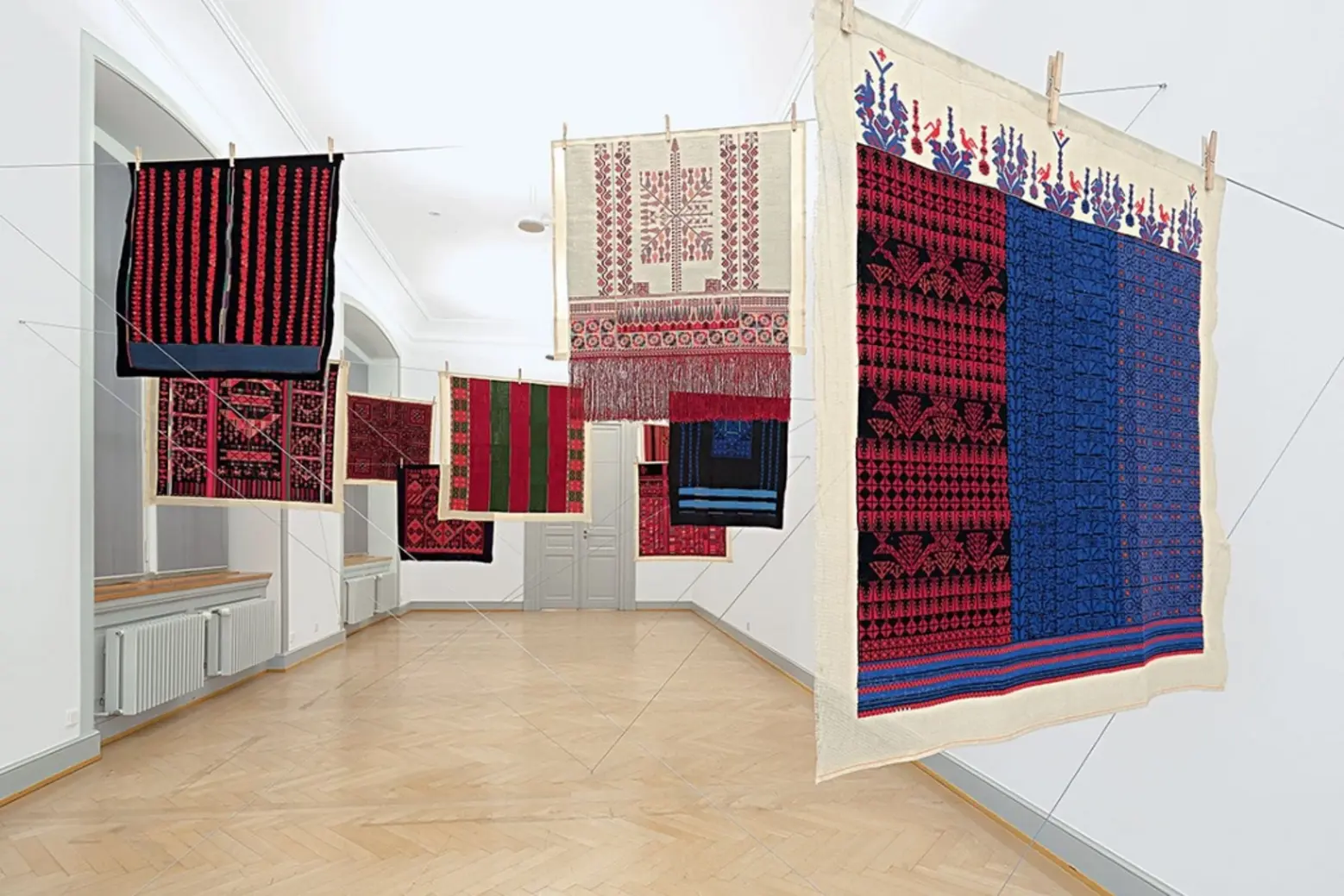
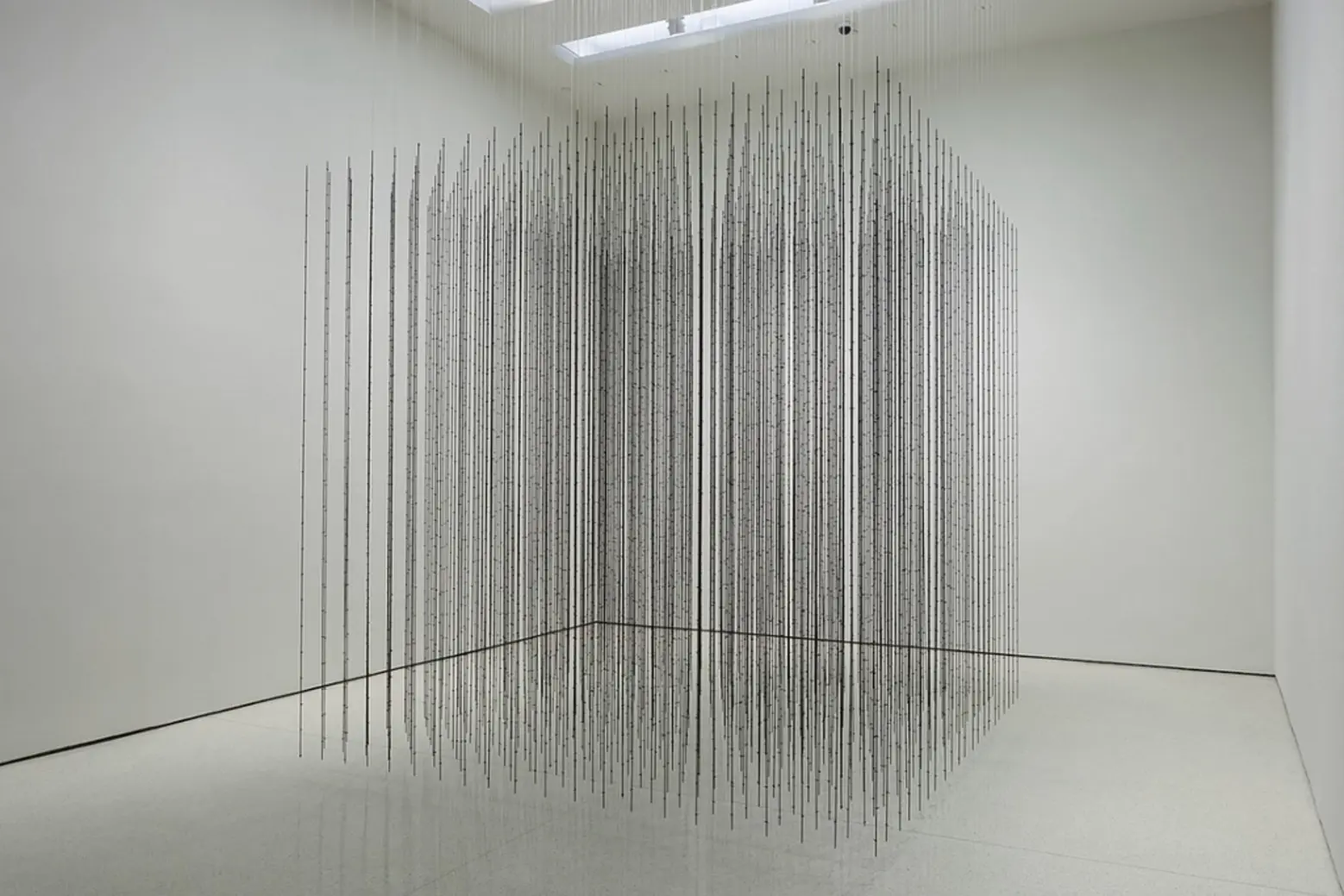
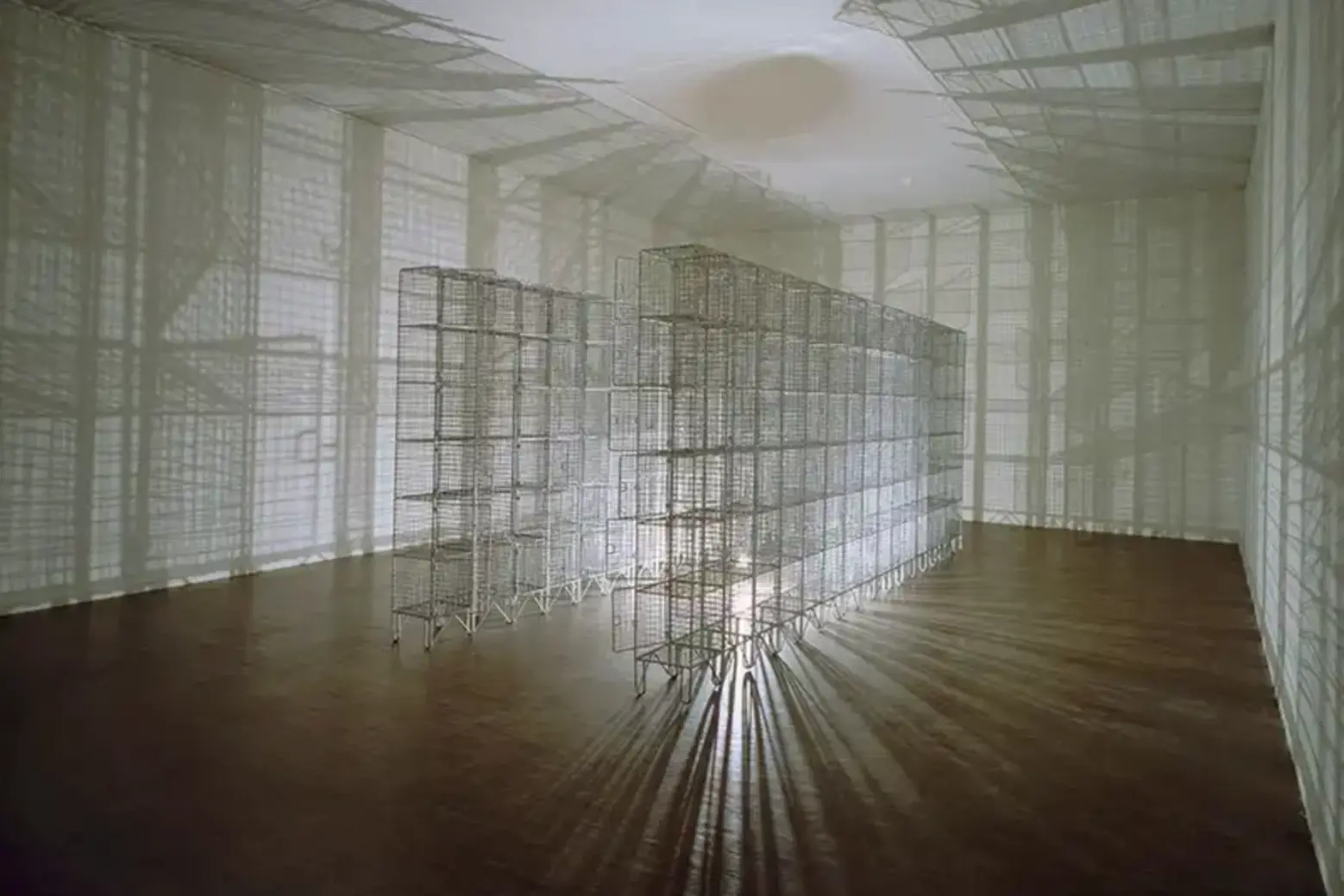
That “ecosystem” effect matters because it creates artist pipelines. It is how regional voices move from local acclaim to international placements: artists such as Mona Hatoum (Palestinian-British), Shirin Neshat (Iranian), Etel Adnan (Lebanese-American), and Wael Shawky (Egyptian) already sit inside global museum narratives, while Gulf-based practices, think Ahmed Mater and especially Manal AlDowayan (Saudi Arabia), increasingly carry institutional weight that translates into market confidence.
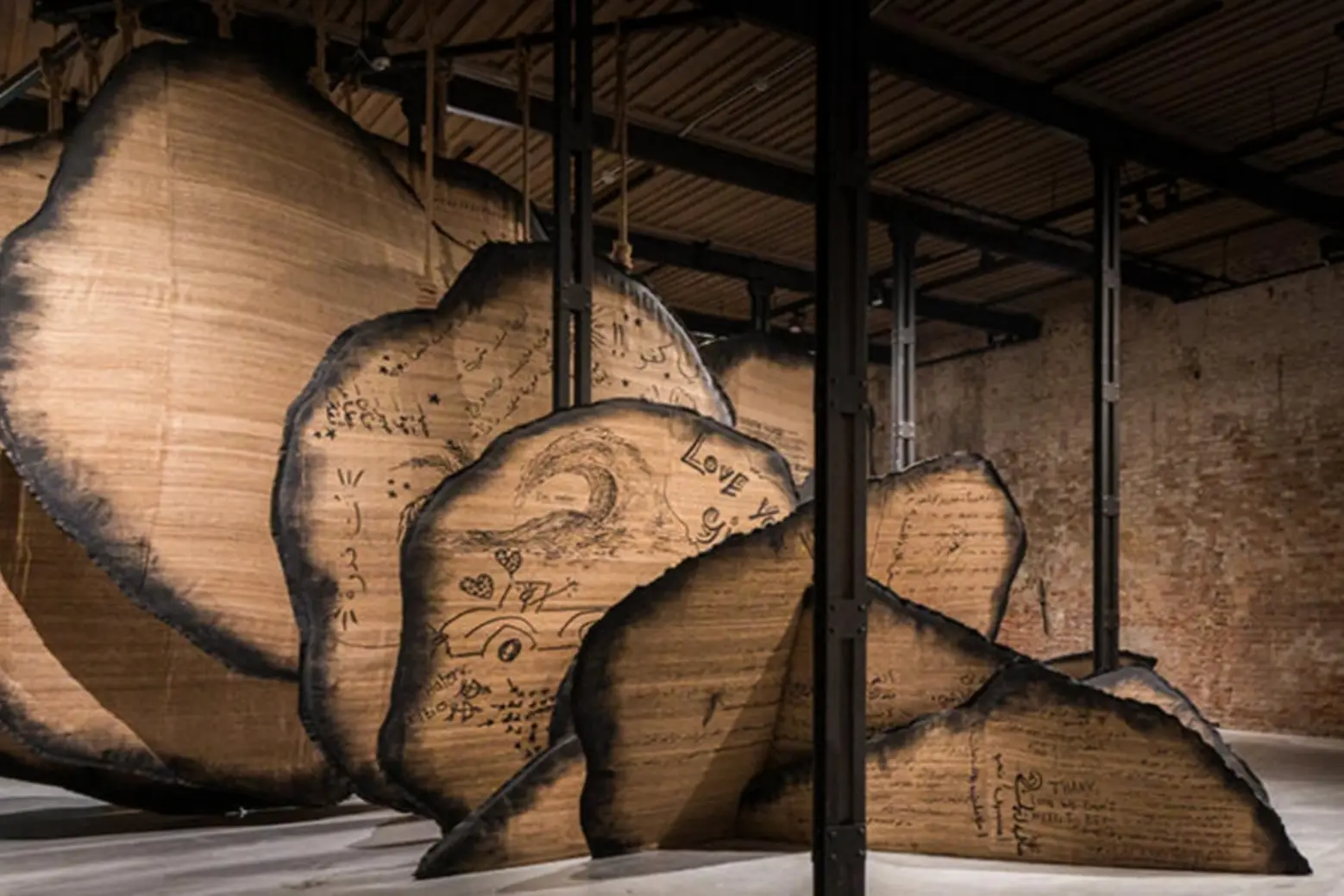
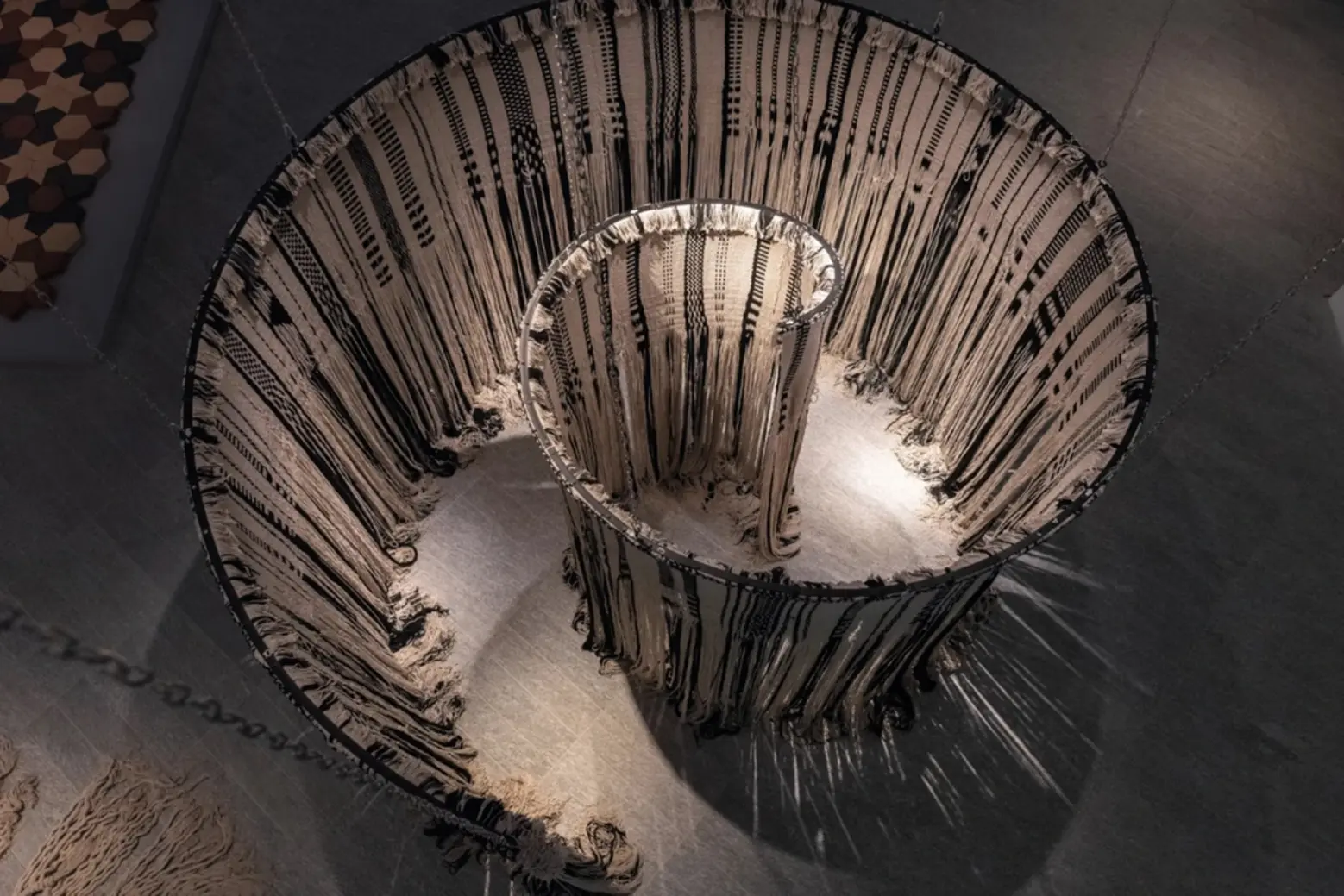
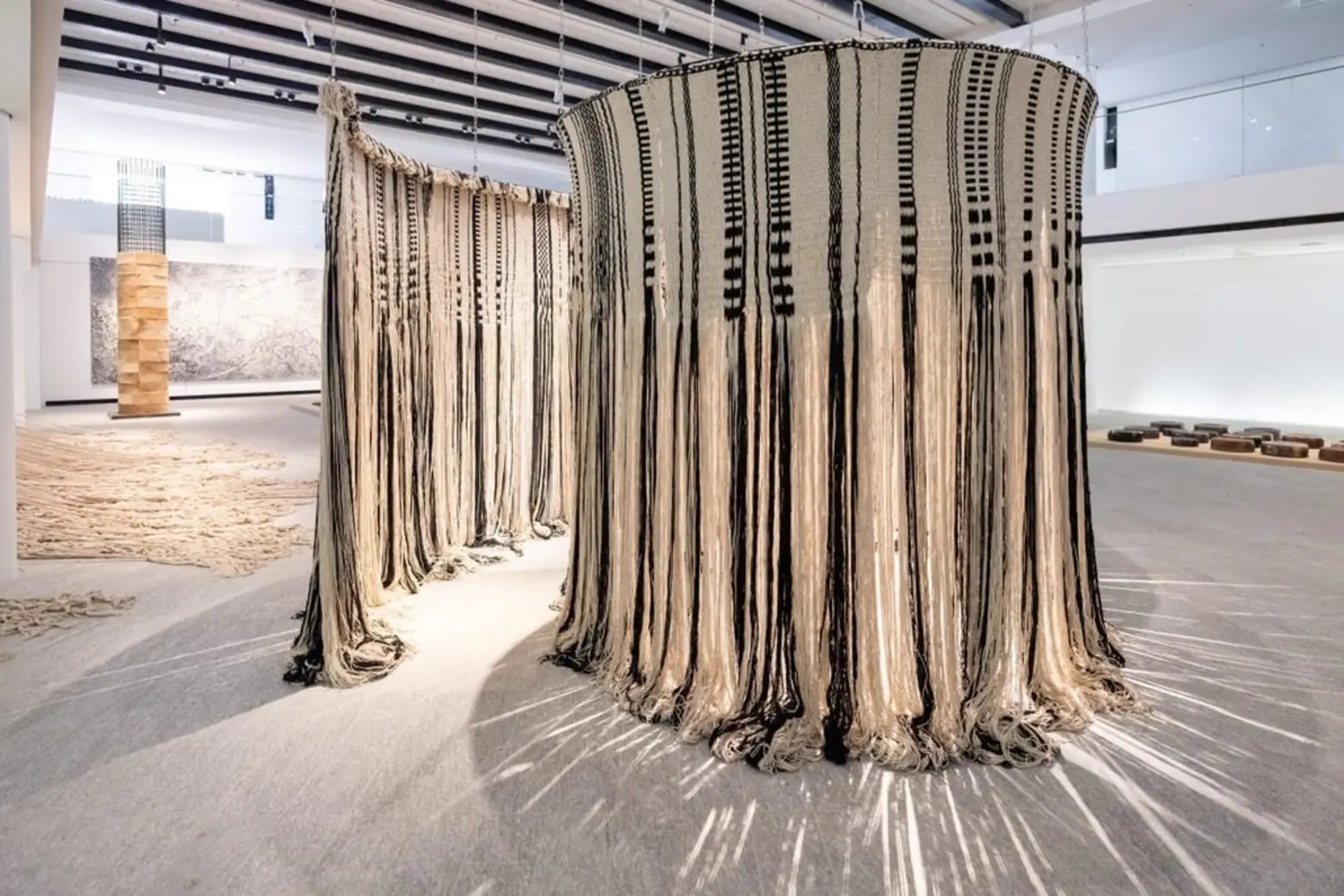
A definitive moment in this trajectory was AlDowayan’s "Shifting Sands: A Battle Song", a monumental installation commissioned for the Saudi Pavilion at the Venice Biennale 2024. Crafted from Tussar silk, ink, and acrylic paint, the work creates a maze of large-scale, petal-like sculptures modeled after the "desert rose" crystal. These silk forms serve as a canvas for a cacophony of silkscreened media texts and participatory drawings, juxtaposed against a haunting multichannel soundscape of "singing sands" and the recorded voices of over 1,000 Saudi women.
On the digital side, the UAE online art market alone is estimated at US$305.5M (2024), projected to reach US$488.1M by 2033. This is the commercial “circulatory system” around the museums and fairs: discovery, access, and repeat buying at scale.
With that foundation in place, the next layer is how galleries interact with this market. The Middle Eastern art market now demands a different kind of strategy: one that respects regional narratives, global context, and value formation over time.
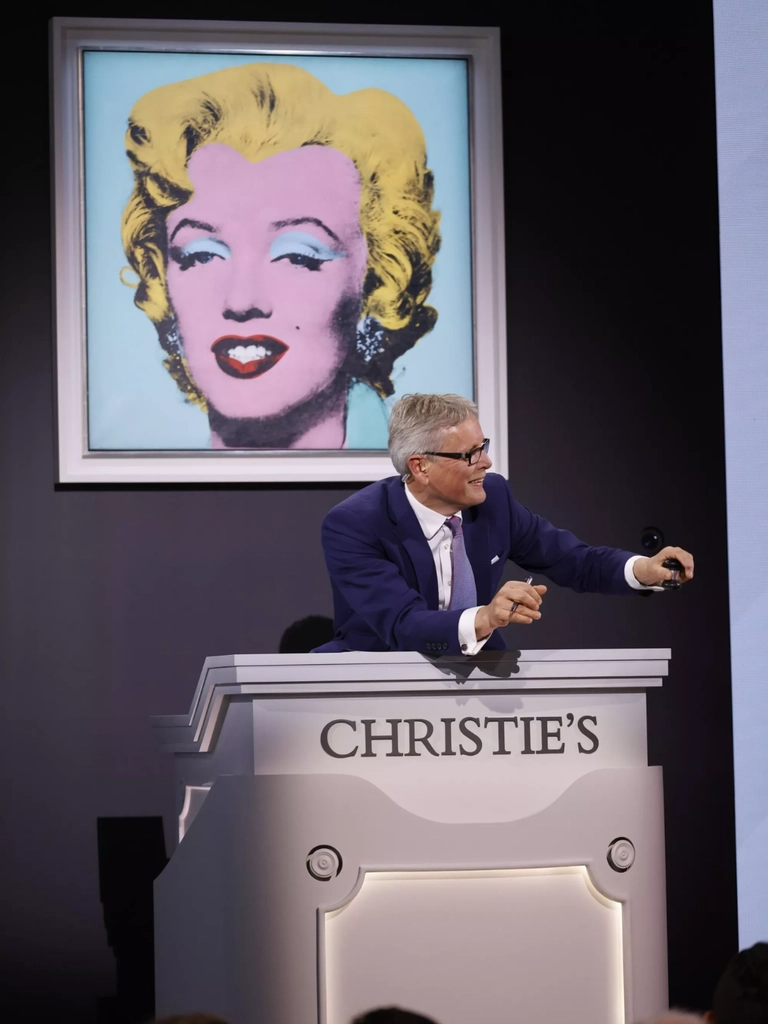
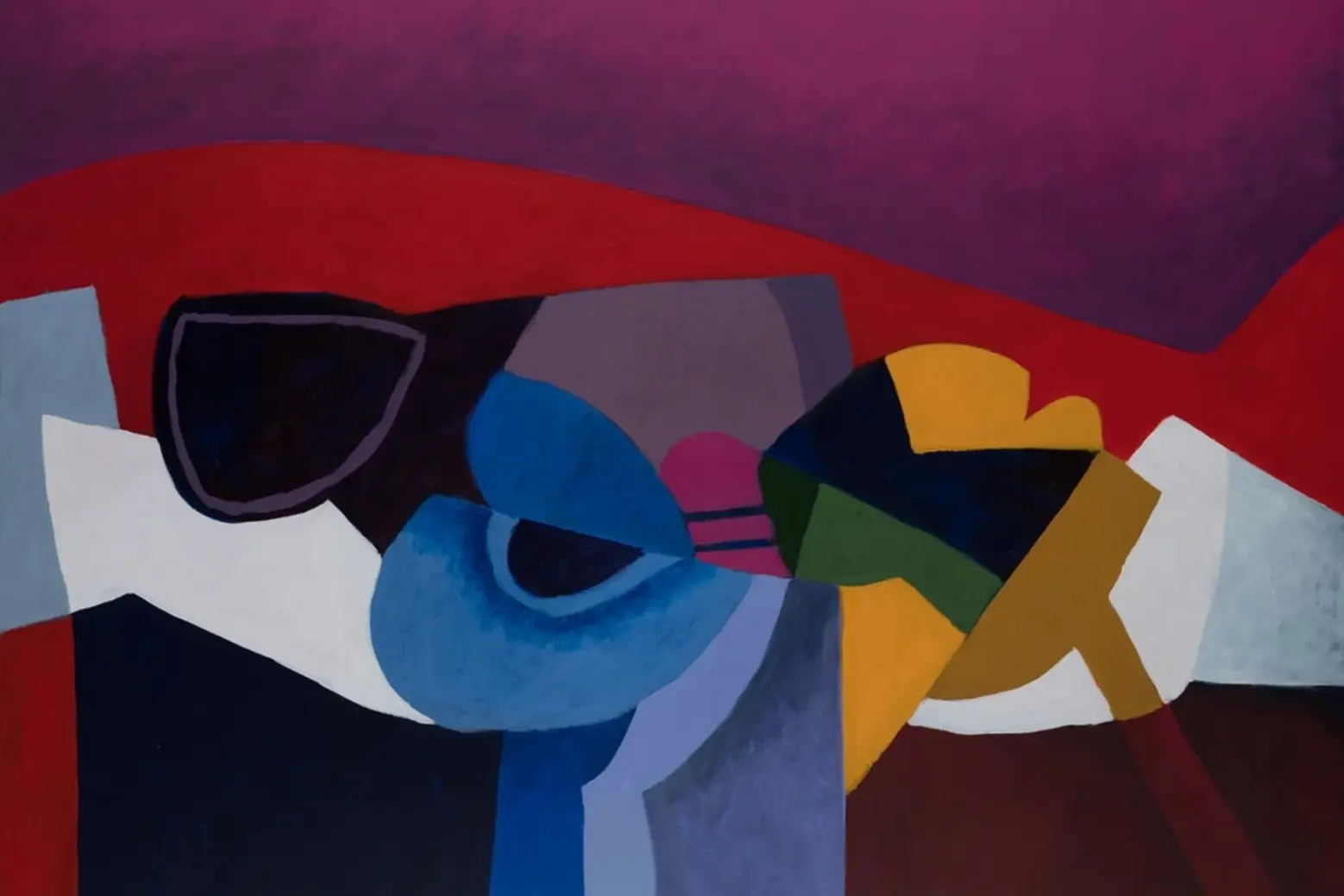
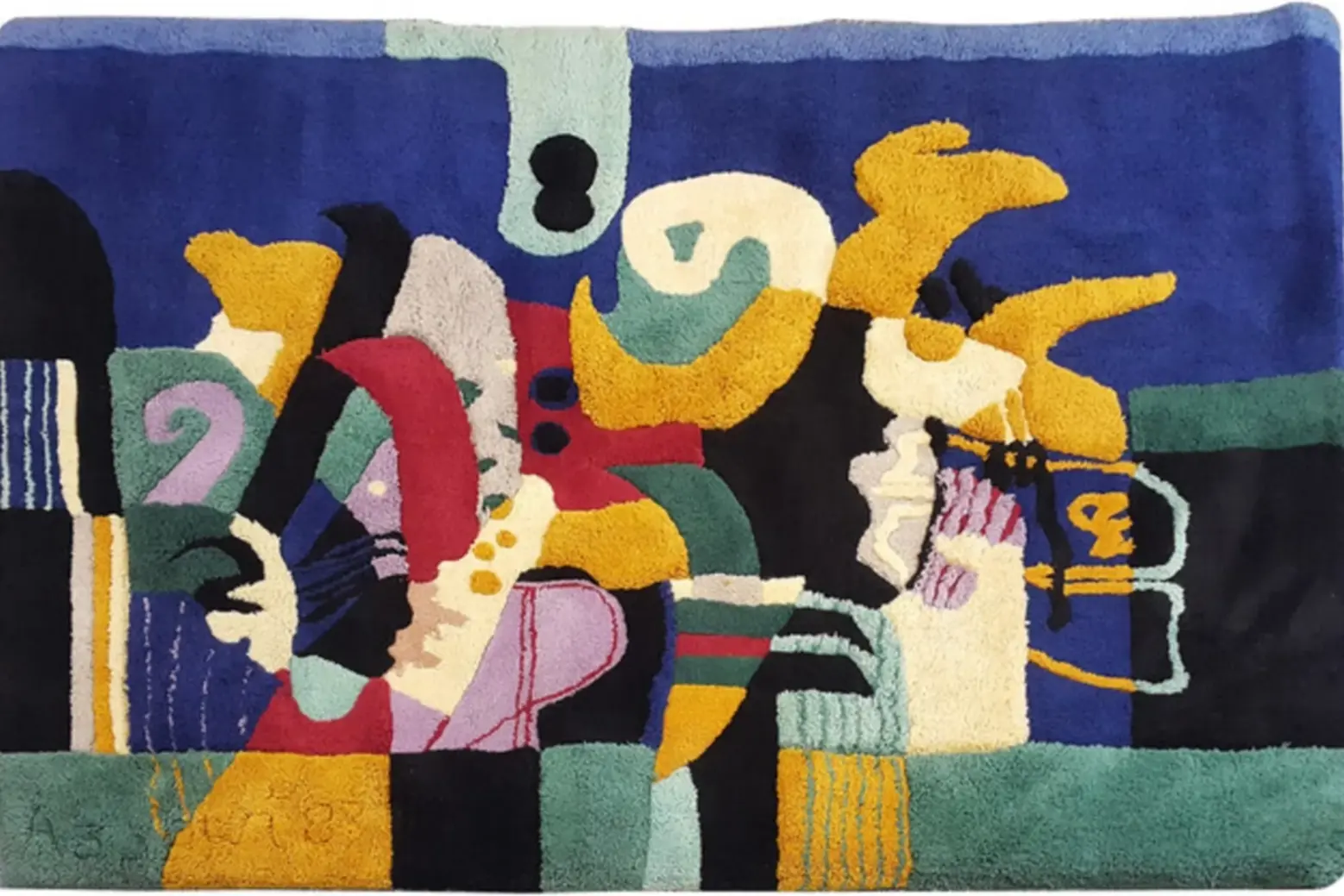
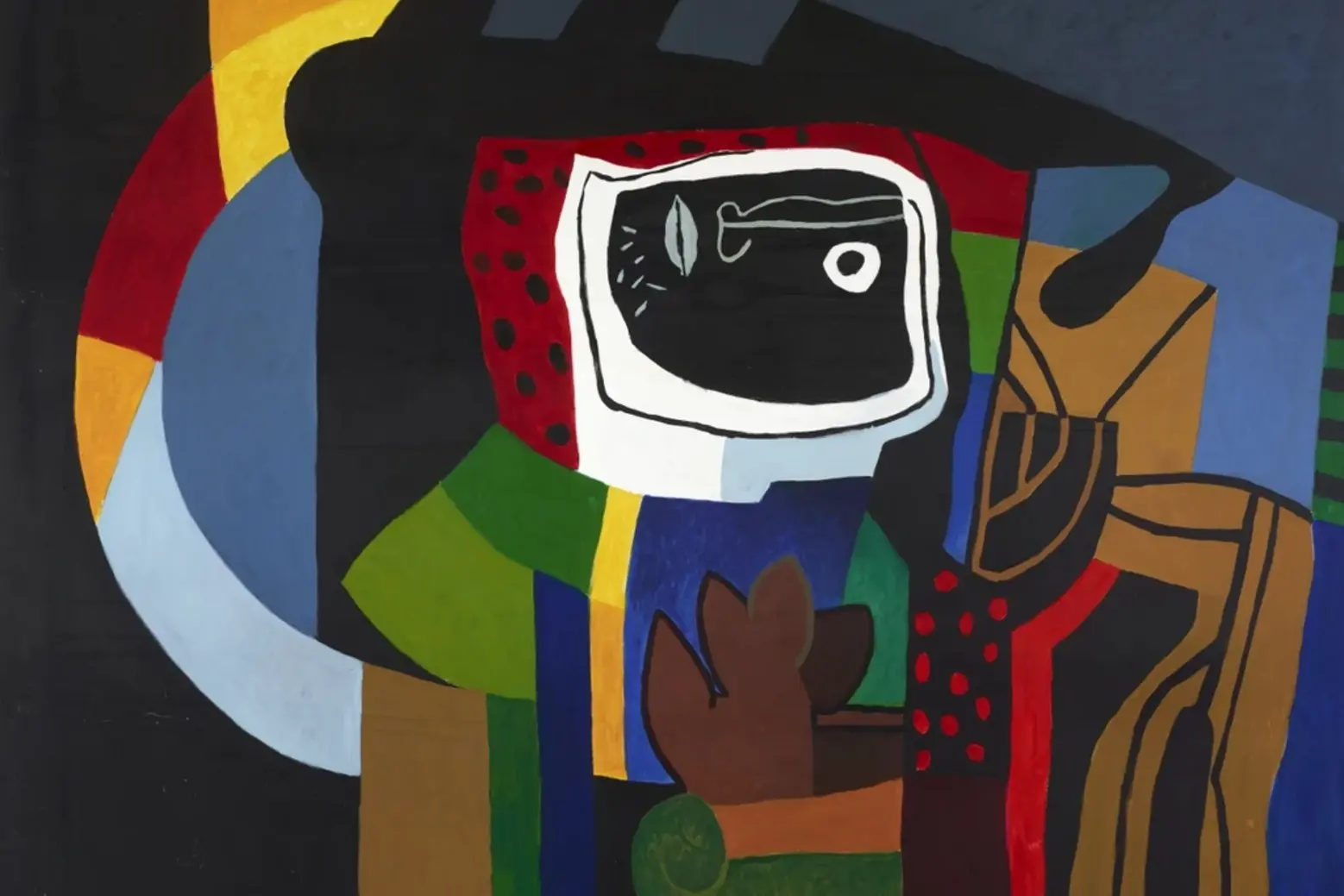
Auction houses helped formalise the category. Christie’s Dubai office dates to 2005, and the firm has continued expanding its regional footprint, including plans around Saudi presence reported by Artnet. For galleries, the strategic play is sequencing: regional institutional validation (Sharjah, Abu Dhabi, Riyadh) followed by international fairs, then selective secondary-market exposure. That pathway tends to suit artists whose work carries strong cultural grammar: Dia Azzawi (Iraq), Mahmoud Saïd (Egypt), or Abdulnasser Gharem (Saudi Arabia), where scholarships and stories amplify price resilience.
Fairs such as Art Dubai and Abu Dhabi Art increasingly operate as relationship engines (curators, advisors, collectors, institutions) where long-term patronage can form faster than in older markets.
Digitalisation is one of the region’s sharpest accelerants: viewing rooms, online bidding, and social discovery compress distance. Christie’s has also highlighted the youthfulness of the Gulf collector base; Artnet’s reporting on Saudi market growth points to a notably young cohort engaging with auctions and new openings.
In practical terms, galleries that embrace digital engagement in the region experience higher resilience. When travel is restricted or global events disrupt fairs, artists and galleries with strong digital platforms are better positioned to maintain momentum.
This is where artists with strong visual signatures thrive online: Bold photography, conceptual portraiture, or icon-driven pop aesthetics, alongside internationally legible contemporary practices.
What sets the Middle Eastern art market apart from many other “emerging market” narratives is the convergence of deep cultural narrative, regional identity, and global relevance. Artists from the region frequently engage themes like migration, memory, climate, identity, and social change, subjects with intrinsic resonance both locally and internationally.
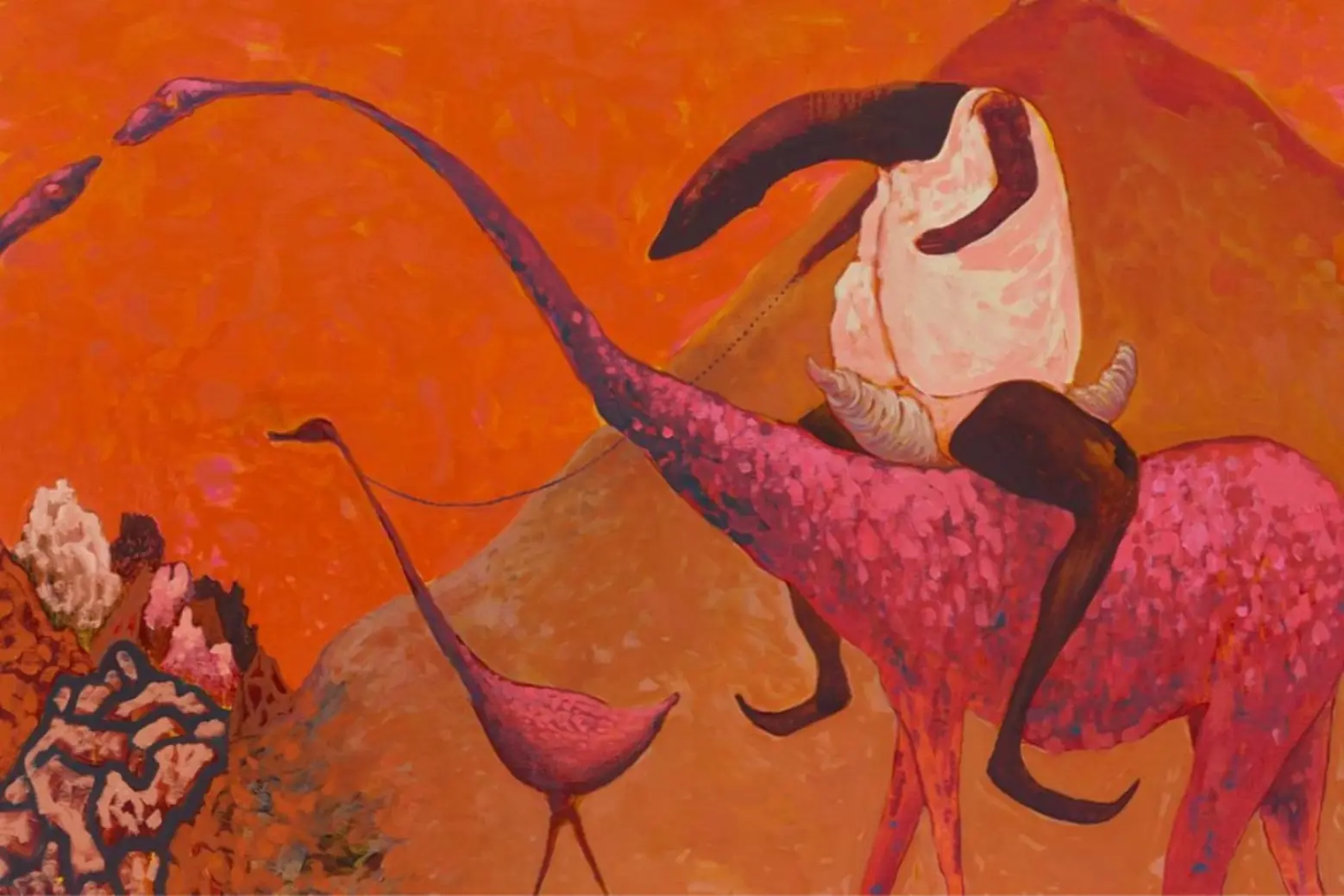
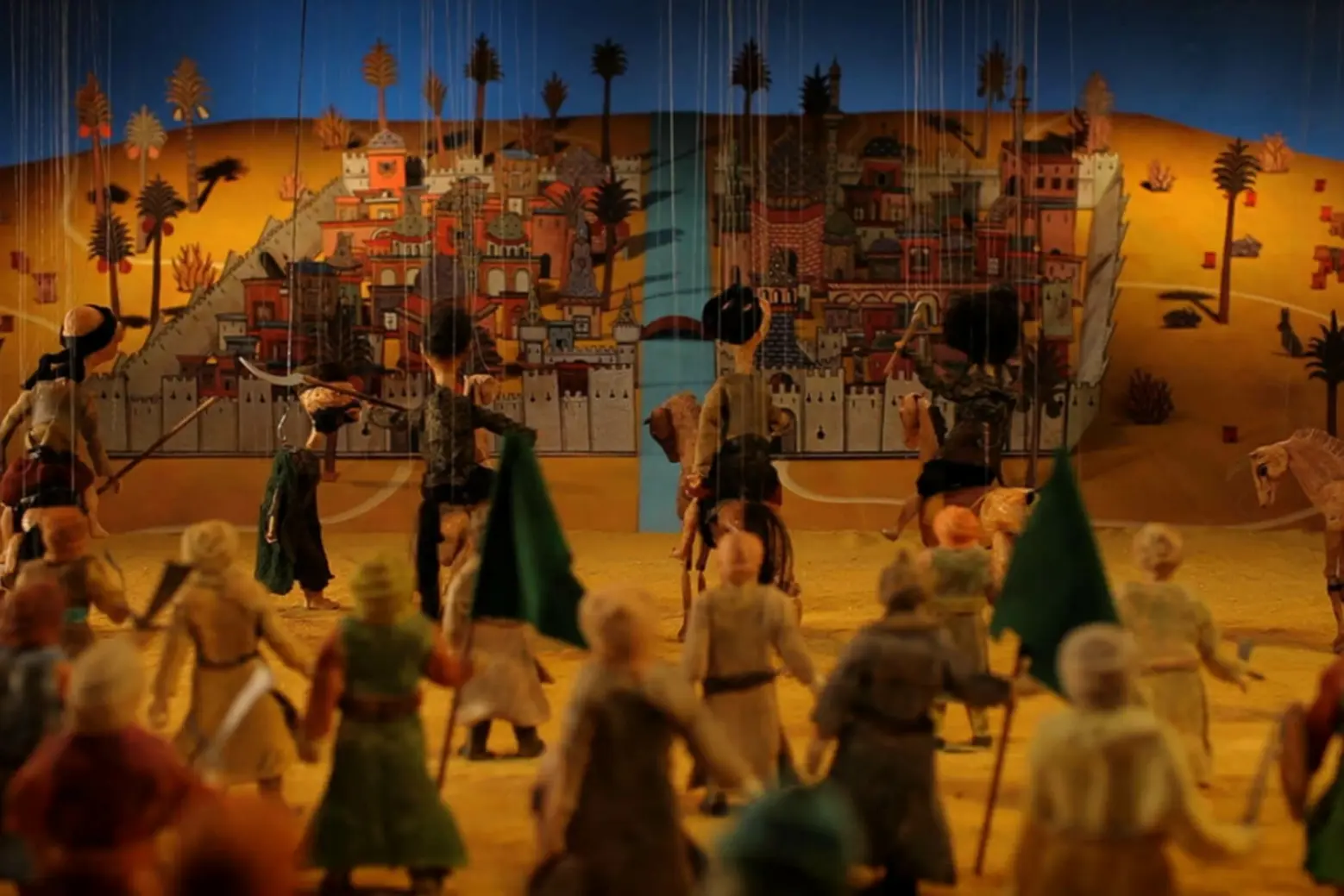
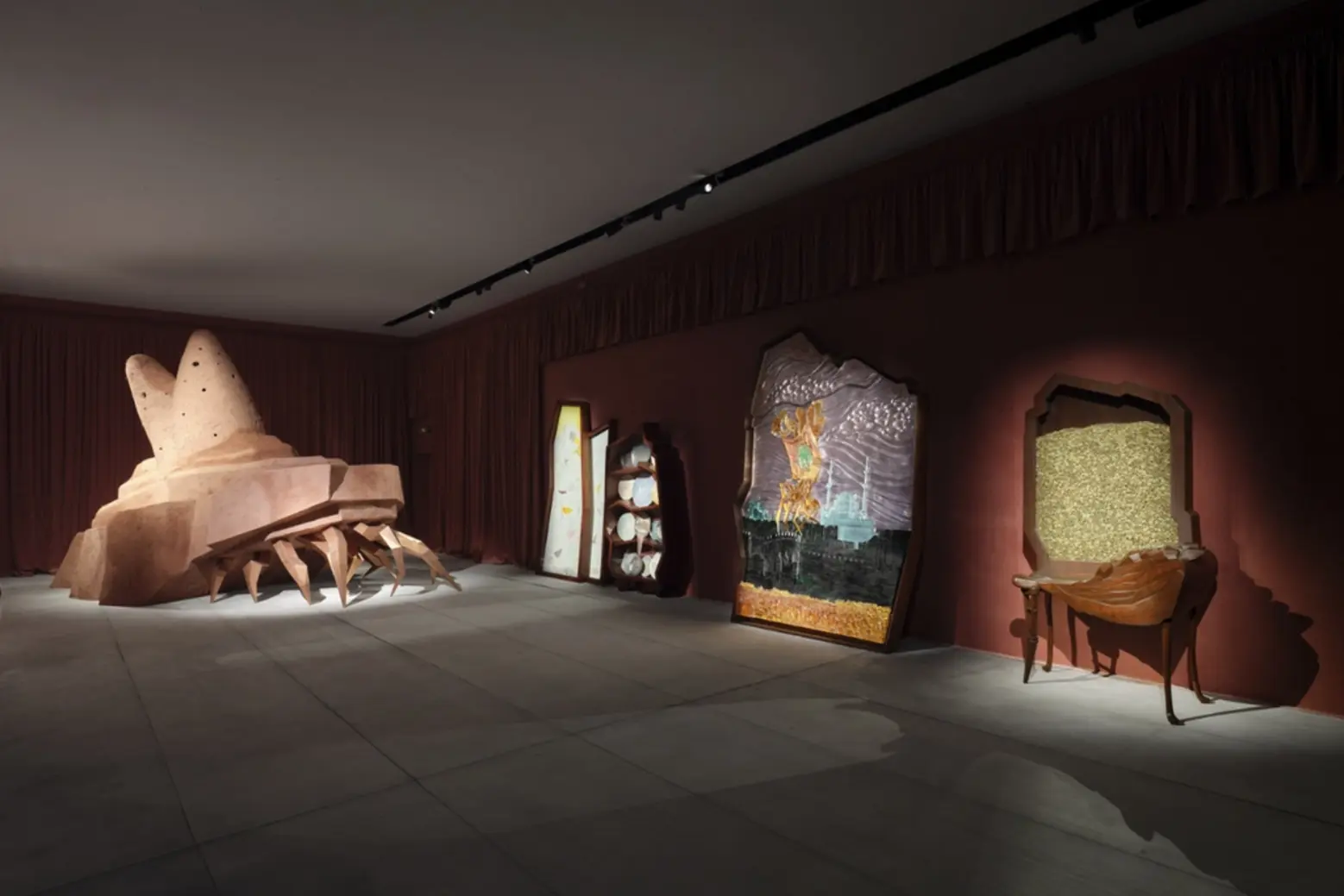
Experienced observers note that “owning a piece by a Middle Eastern artist today isn’t just a statement of taste; it’s often an investment in an emerging voice within a larger geopolitical dialogue.” For galleries, that means value is not just in medium or size, but in story, context, and network.
From a market-analysis viewpoint, the importance of institutional validation cannot be overstated: artists whose practices have been shown in respected regional institutions (e.g., in Sharjah, Abu Dhabi, Riyadh) or whose works have entered museum collections tend to show stronger price resilience. In that sense, regional identity, when framed properly, is not a risk but a strength.
Value creation is also supported by the rising collector base. Earlier, we cited that regional collectors represented about 23% of global demand for contemporary artworks above US $1 million in recent years. This means that Middle East–based collectors are not passive but active market-participants, which helps reduce the “weak market” trap that often hits peripheral regions.
At the same time, we cannot ignore macro-risks: geopolitical tensions, regulatory variability, fluctuating oil wealth, art-tourism volatility. These factors impose higher due diligence, stronger networks, and adaptive strategy for galleries engaging the region.
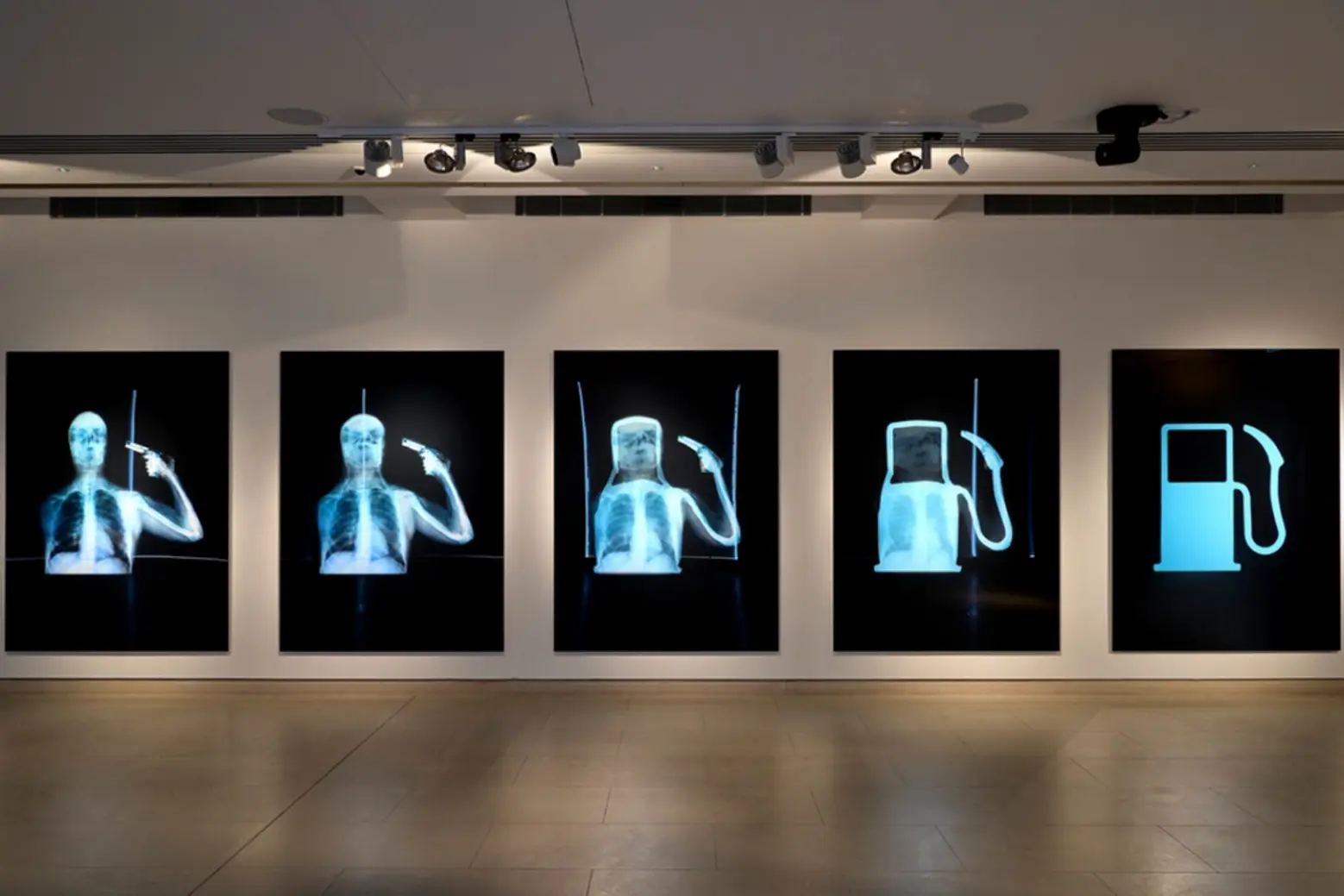
Looking ahead, the regional art market carries clear upside. Grand View Research projects the Middle East and Africa online art segment rising from US$1.41 billion in 2024 to over US$2.19 billion by 2033, while the UAE’s online art market is forecast to expand at roughly 5.3% CAGR (2025–2033). In parallel, Saudi Arabia’s art tourism is estimated at US$862.5 million in 2024 and expected to reach about US$1.1 billion by 2030. Together, these signals point to growth in both transaction volume and the underlying infrastructure: more collectors, stronger institutions, and wider digital access.
For galleries, this is fertile ground, but success depends on how you engage. The keys: build long-term relationships rather than chase individual sales, develop artists with regional‐global pathways, invest in digital and bilingual accessibility, monitor institutional trends and collector demographics ensure pricing strategy aligns with narrative, provenance and exposure and treat risk (geopolitical, legal, currency) as part of the operating model.
Yet growth is not guaranteed. The global art market in 2024 faced a drop in high-ticket auction turnover even as transaction numbers rose. The Middle Eastern market is not immune to external shocks: oil-price swings, regional instability, regulatory change, logistical challenges. Moreover, as galleries and institutions flock to the region, credential fatigue (artists/galleries over-exposed before narrative matured) becomes a danger. Pricing too early without institutional framing can backfire.
In a recent interview, an industry leader described 2024 as “tough” for some markets and said the Middle East’s outcome will depend heavily on geopolitical developments. That suggests while structural momentum exists, execution and context matter deeply.
The rise of the Middle Eastern art market marks a structural realignment rather than a passing surge. Backed by cultural investment, institutional ambition, digital acceleration, and a maturing collector base, the region now acts as a co-creator of value in the global art system. While the European art market builds authority through slow institutional validation and Asia art contemporaries drive momentum through speed, scale, and transactional intensity, the Middle East forges a hybrid model: assembling museums, capital, and digitally fluent collectors into fully formed ecosystems in real time.