MENU
Close





Spring, the season of vibrant renewal, has long inspired artists to capture its life, color, and transformative power. Classical masterpieces by Old Masters like Botticelli, Rubens, and Bosch immortalize this essence, blending myth, nature, and rebirth in ways that continue to mesmerize audiences and command incredible value in today’s art auctions.
Spring, the season of vibrant renewal, has long inspired artists to capture its life, color, and transformative power. Classical masterpieces by Old Masters like Botticelli, Rubens, and Bosch immortalize this essence, blending myth, nature, and rebirth in ways that continue to mesmerize audiences and command incredible value in today’s art auctions.
December 17, 2025


As the earth awakens from its winter slumber, spring unfurls its vibrant tapestry of color and life, beckoning artists to capture its fleeting beauty. From the mythological elegance of Sandro Botticelli’s Primavera to the lush vitality in Peter Paul Rubens’ The Seasons, spring has been immortalized in the brushstrokes of the Old Masters. These timeless works not only define an artistic era but also symbolize nature’s eternal rebirth. Today, these masterpieces continue to enchant collectors and art lovers, standing as eternal symbols of renewal, their beauty evoking awe and wonder across the ages.
No celebration of spring in art is complete without the ethereal beauty of Primavera by Sandro Botticelli. Painted around 1482, this masterpiece transcends the seasons, weaving a mythological tapestry of renewal. Set in a verdant garden, the painting breathes life through figures from classical mythology, including Venus, the goddess of love; Flora, the goddess of flowers; and the three Graces, each embodying the spirit of nature’s rejuvenation. The lush greenery and the delicate blossoms surround these divine figures, symbolizing the season’s awakening in all its radiant glory.
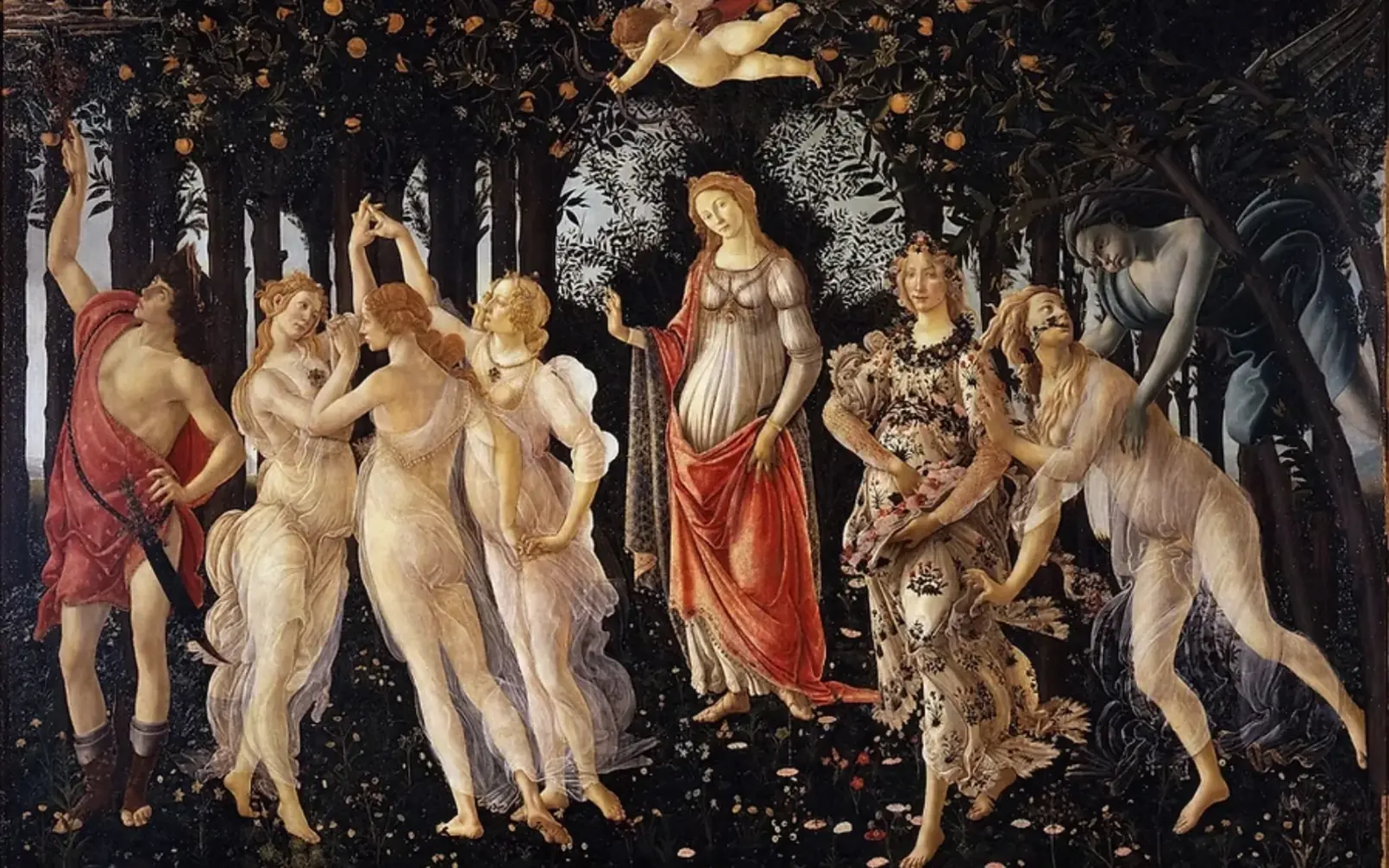
Primavera is more than a mere depiction of spring; it is an allegory of beauty, life, and the cyclical power of nature. The vivid palette and the interplay of light that illuminates the figures, together with the flowing, graceful forms, evoke a sense of vitality and movement. In this moment captured on canvas, the flowers are in full bloom, and the air hums with the promise of new beginnings. It is as if Botticelli has frozen time at the very heart of spring’s most tender embrace.
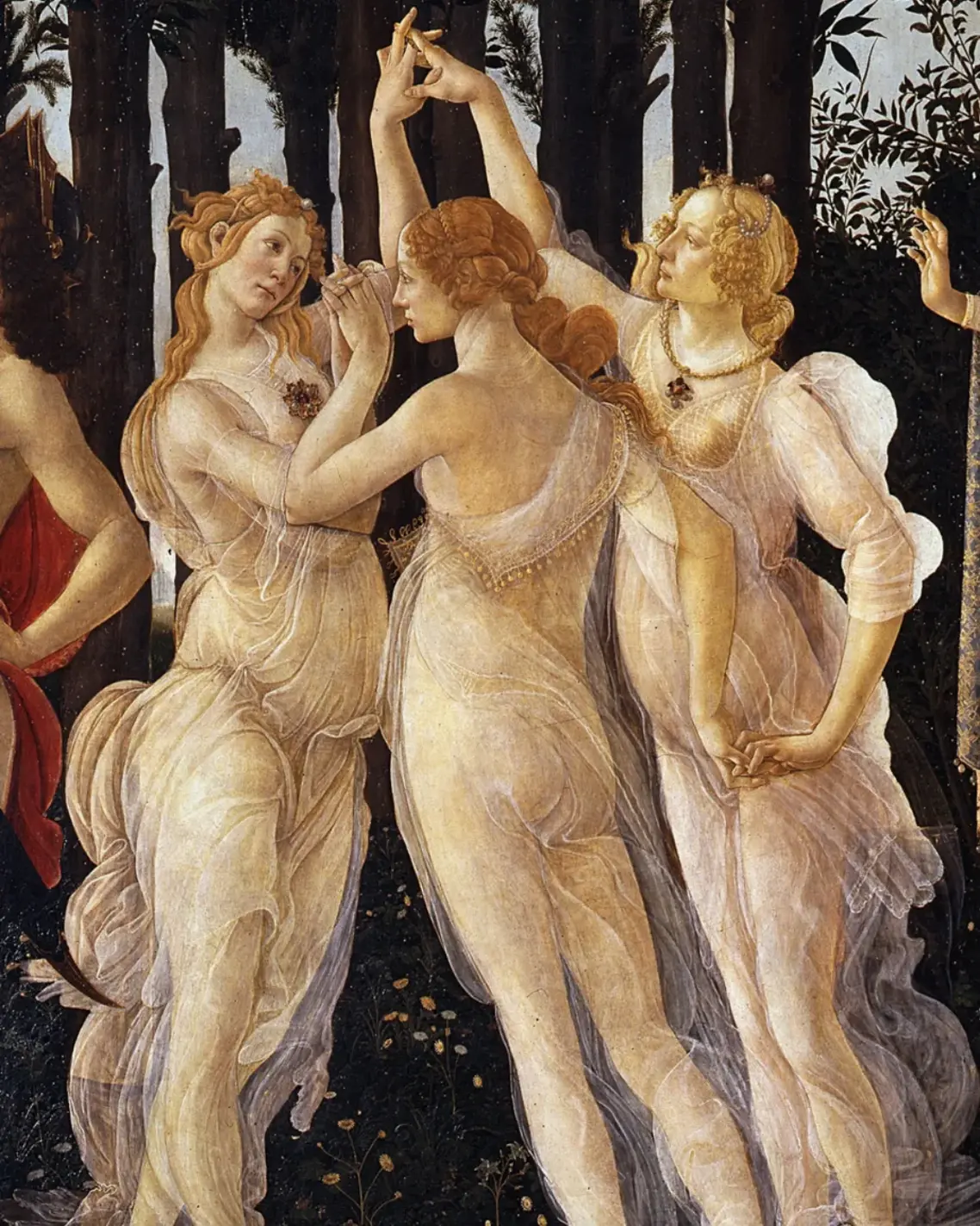
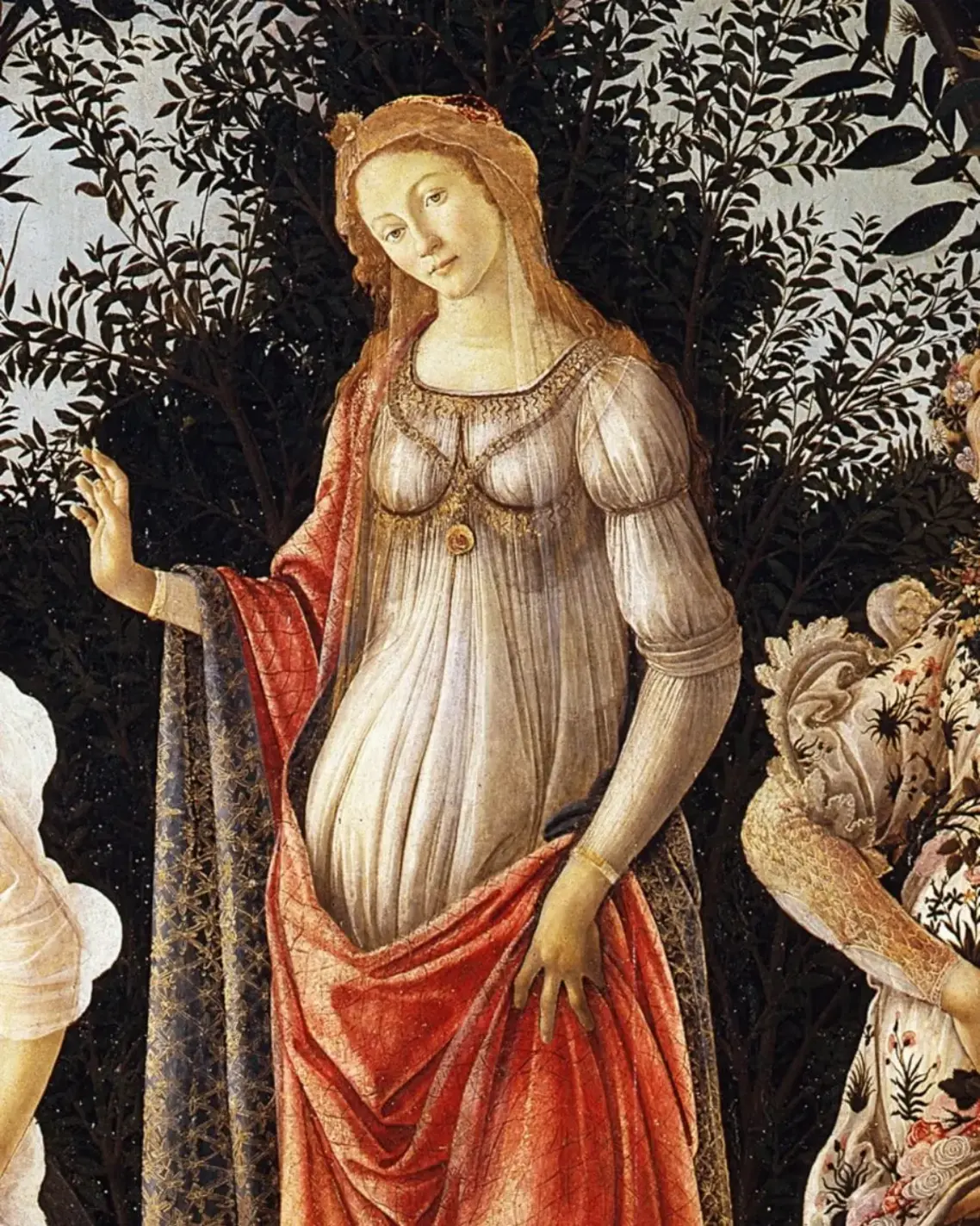
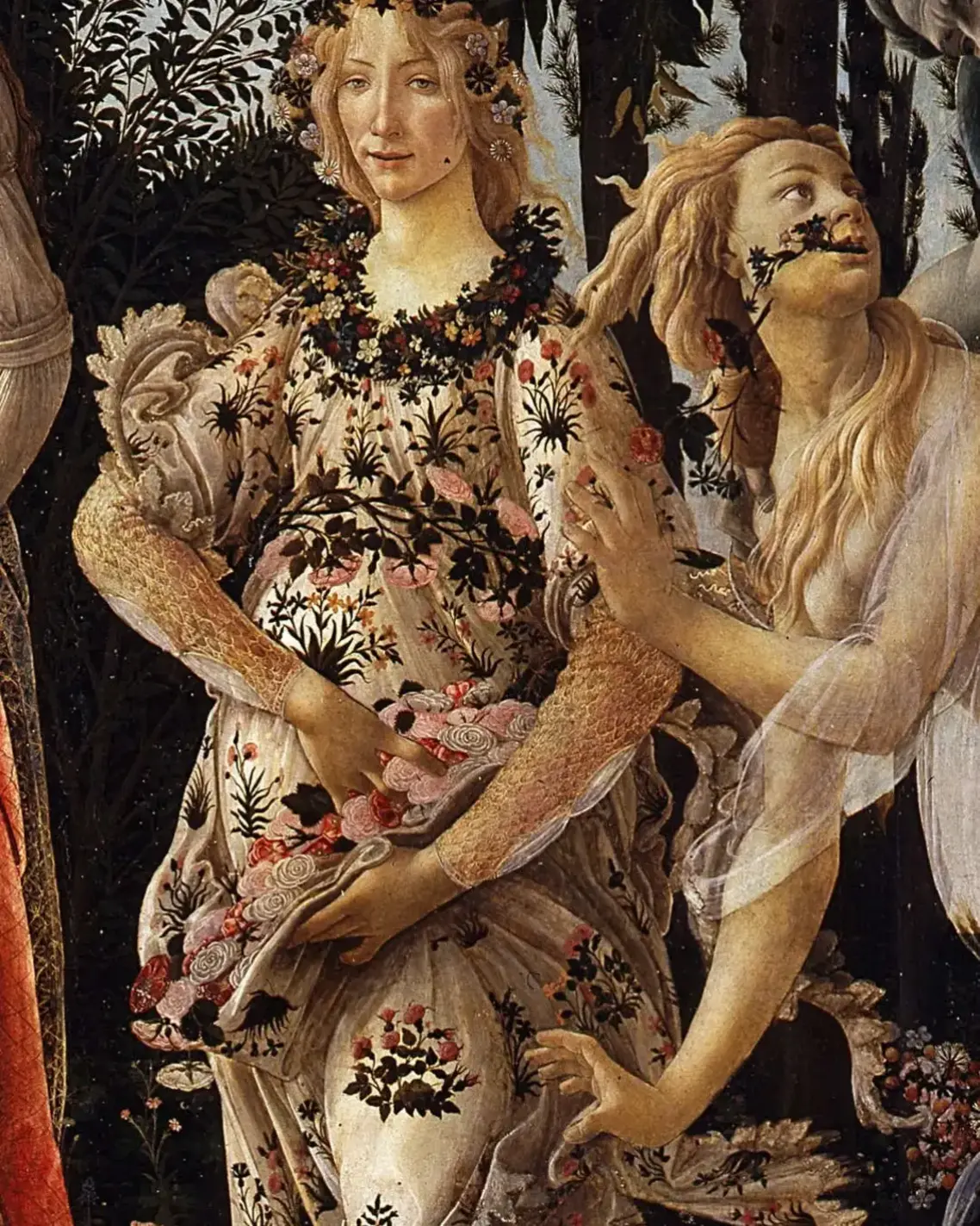
Though housed in the Uffizi Gallery in Florence, Primavera continues to cast its spell far beyond the walls of the museum. Replicas and prints of this iconic painting have fetched extraordinary sums, some valued at over $40 million had the original ever been released to the market. It remains one of Botticelli’s most celebrated works, an everlasting symbol of the Renaissance’s reverence for beauty, nature, and the eternal cycle of life.
Another masterpiece by Botticelli that embodies the spirit of spring is The Birth of Venus (1486), which illustrates the myth of Venus rising from the sea. Though the painting is often associated with love and beauty, it also delves into themes of rebirth - key elements of the spring season.
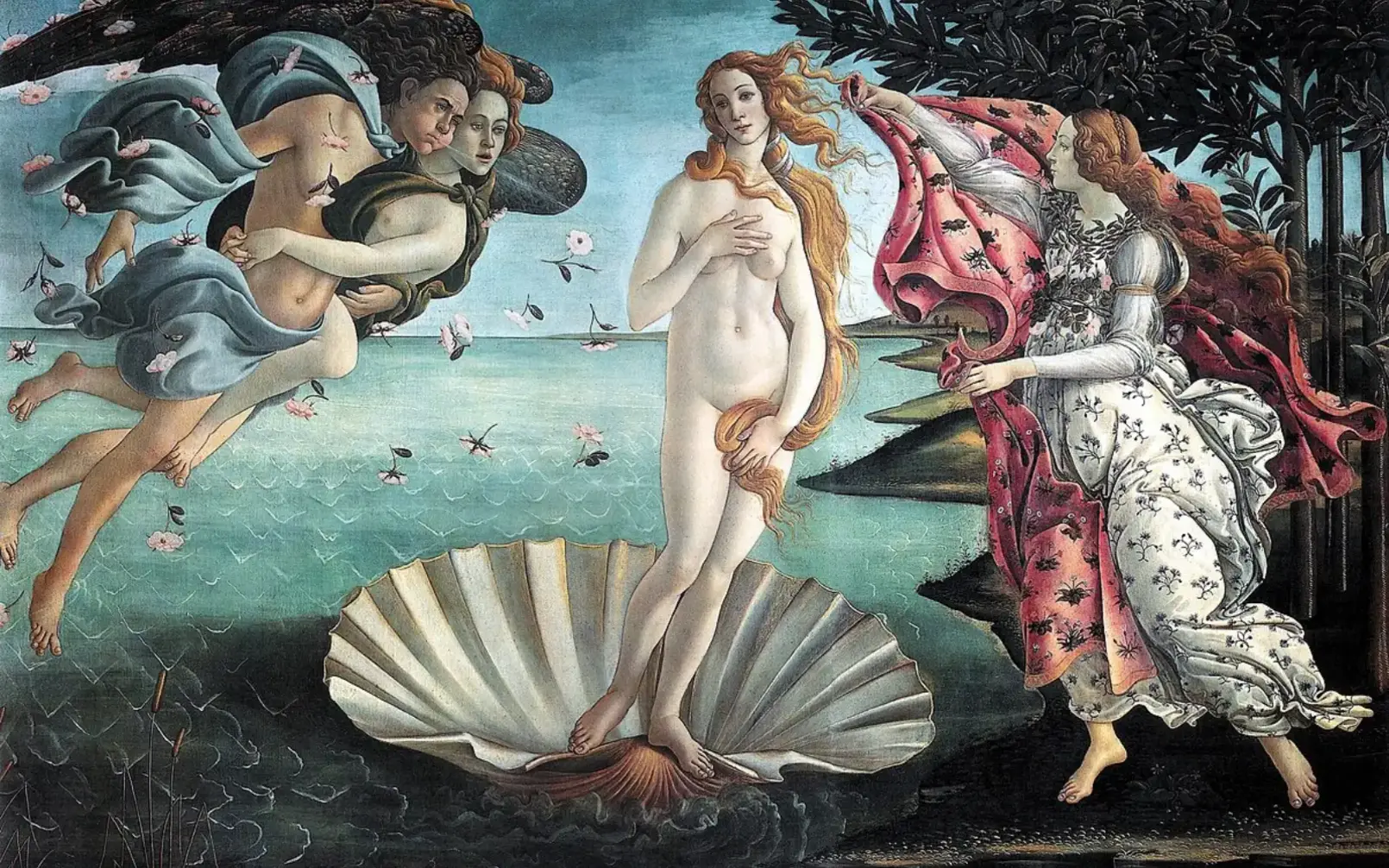
Venus, as the personification of love and fertility, emerges into a world brimming with life, her figure floating gracefully among the waves. The background, awash in soft pastel hues, imparts an ethereal quality that mirrors the gentle nature of spring. Botticelli’s technique, characterized by delicate, flowing lines and a harmonious color palette, enhances the painting’s dreamlike atmosphere. His use of tempera paint allows for smooth, luminous finishes, highlighting the softness of Venus's skin and the fluidity of her hair. The interplay of light and color, combined with Botticelli’s precise attention to detail, creates a timeless portrayal of beauty and renewal. Venus’s smooth skin, her flowing hair, and the flowers and waves surrounding her all symbolize the tenderness and vitality of spring’s renewal.
Hieronymus Bosch’s The Garden of Earthly Delights (c. 1490-1510) may not seem like an obvious choice when discussing spring, but its left panel, representing the Garden of Eden, is an Edenic paradise filled with vibrant greenery, fruit, and wildlife. The panel’s lushness and fertility evoke the spirit of spring, a time of paradise regained. The symbolic imagery, whether in the form of animals, fruits, or the carefully constructed landscape, speaks to Bosch’s belief in the flourishing of nature.
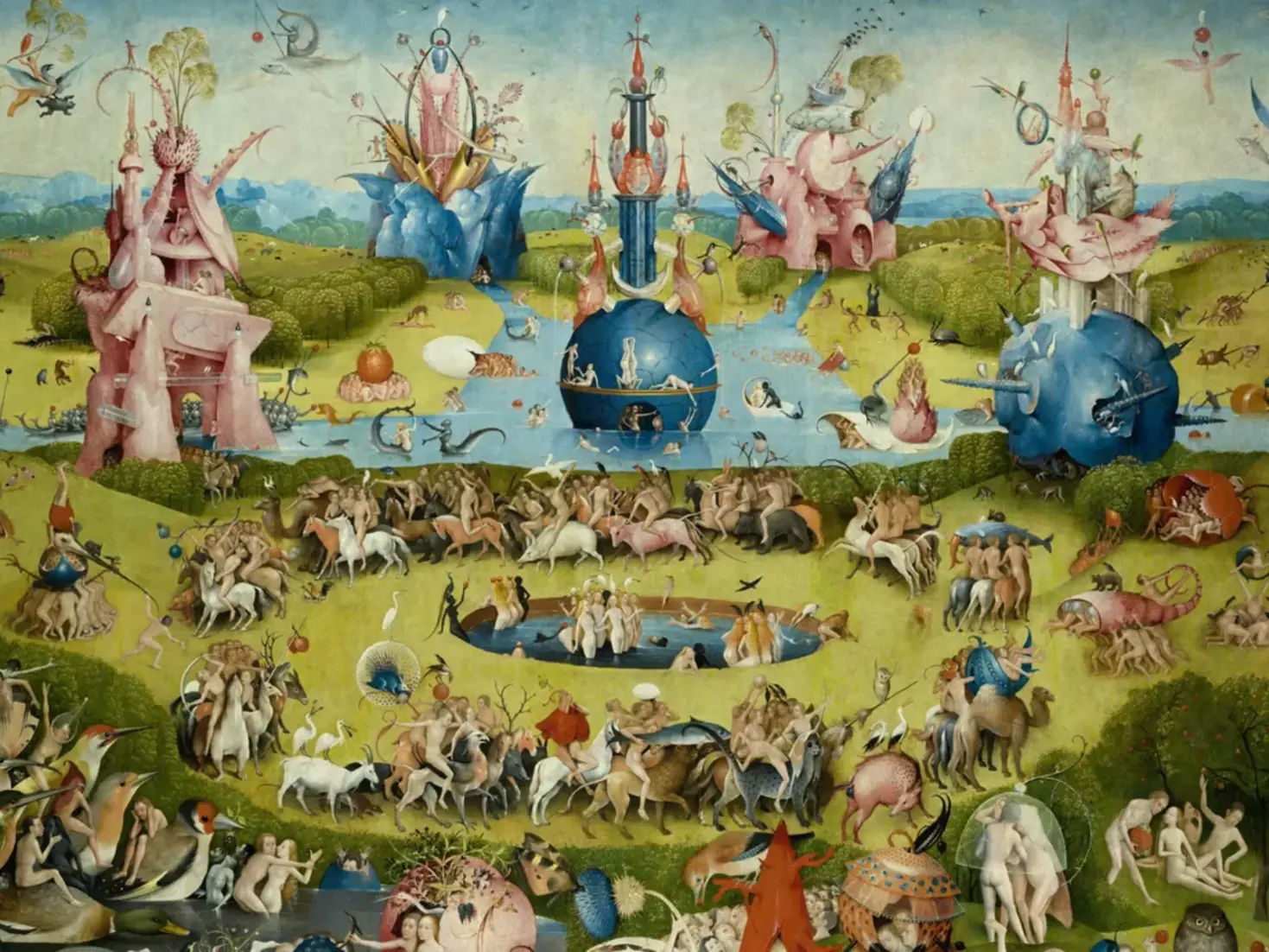
Bosch’s highly detailed, surreal, and fantastical style brings a different energy to the spring theme. The idealized nature of the Garden of Eden in The Garden of Earthly Delights gives us a sense of paradise where spring reigns eternal. The intricate detail and strange creatures in the background make this piece an enigmatic exploration of nature’s potential for both beauty and chaos.
Though The Garden of Earthly Delights is housed in the Prado Museum in Madrid, Bosch’s works are continually in demand in art markets. Replicas, prints, and even individual panels have appeared in auctions, fetching impressive prices due to Bosch’s mystique and the painting’s role in the narrative of Western art history.
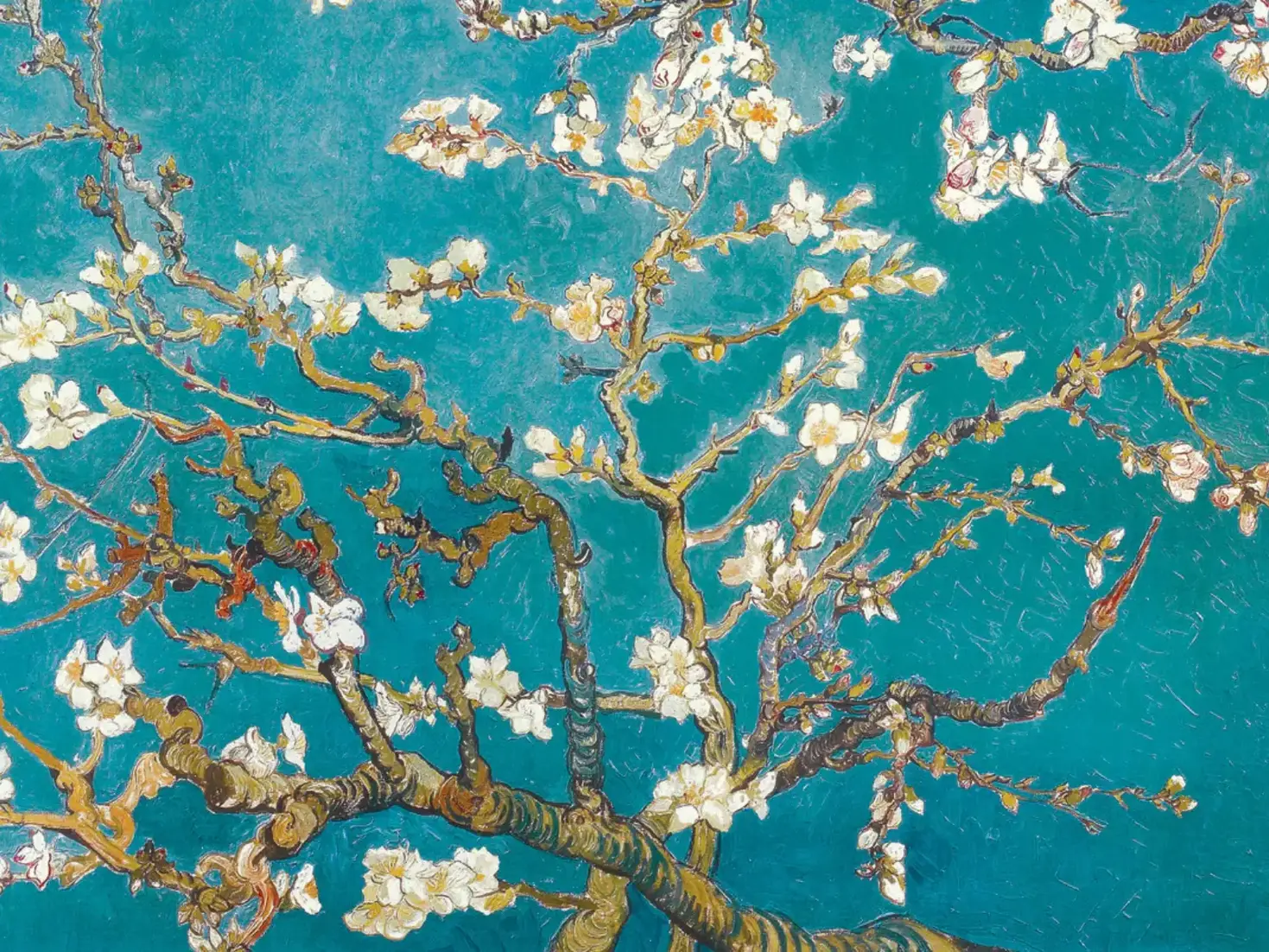
Spring emerges as a quiet dialogue between cultures, written in petals and branches, where cherry blossoms become a universal symbol of renewal and fleeting beauty. In Almond Blossom, Vincent van Gogh captures spring as a moment of tender awakening, painting pale blossoms stretching across a luminous blue sky with a sense of weightlessness that feels almost dreamlike. The work carries personal meaning, created to celebrate the birth of his nephew, yet its visual language reaches far beyond Europe, shaped profoundly by Van Gogh’s fascination with Japanese ukiyo-e prints. He admired their flattened compositions, strong outlines, cropped branches, and serene harmony between nature and space, elements that surface clearly in the way the almond branches float freely, unconstrained by depth or shadow.
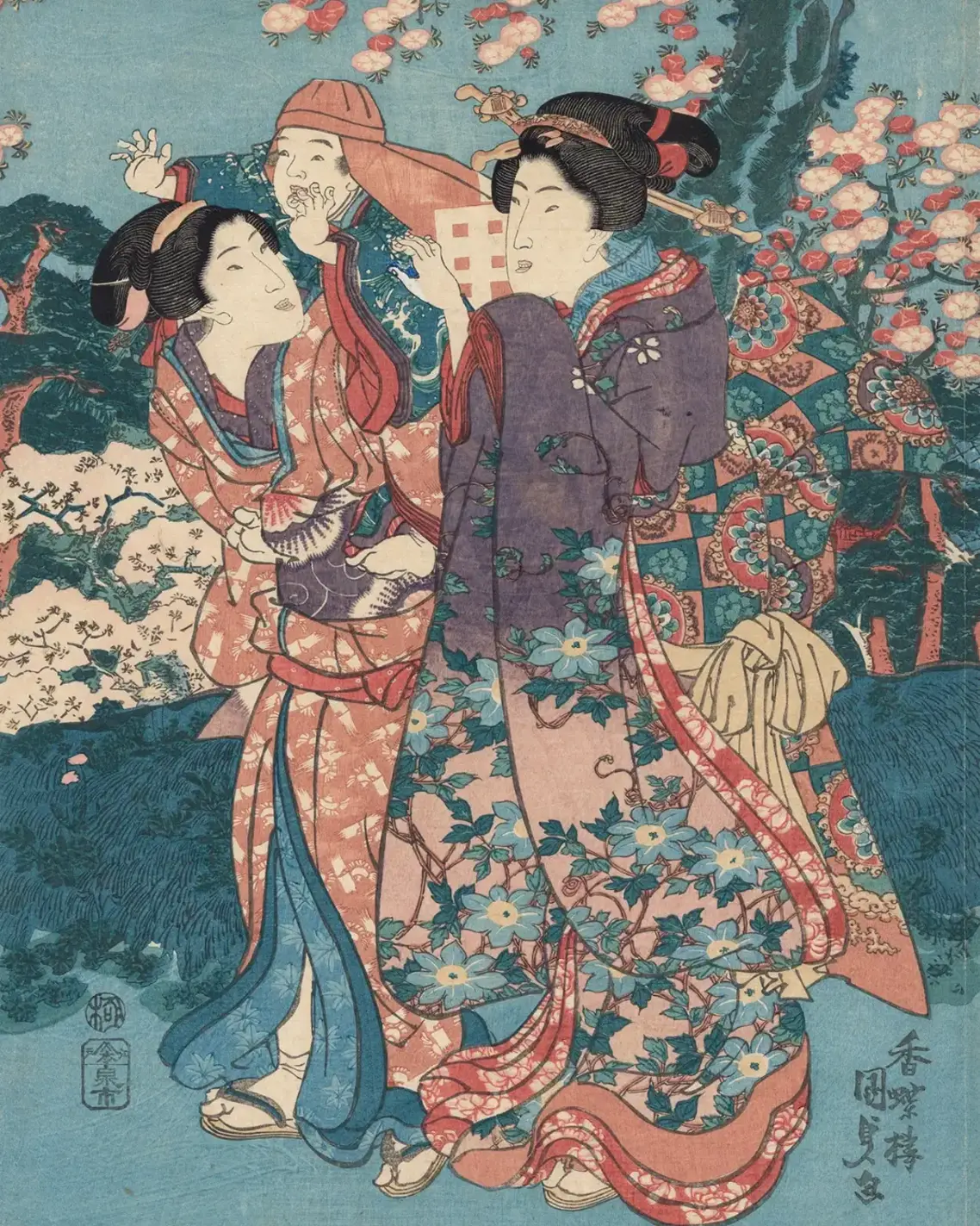
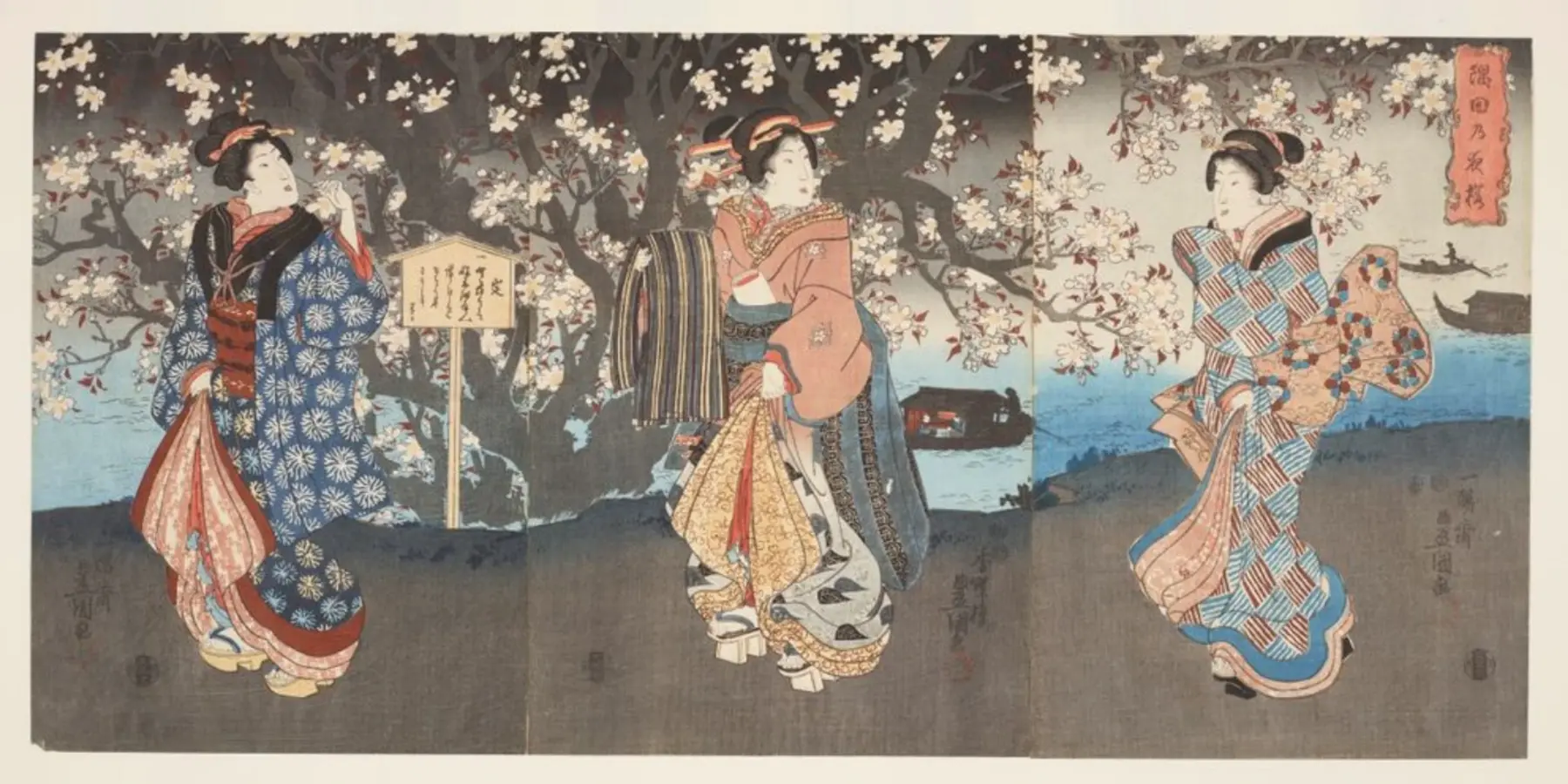
This sensibility mirrors the poetic restraint found in Japanese depictions of spring, such as Utagawa Kunisada’s Three Women Viewing Cherry Blossoms on a Riverbank, where arching sakura branches link figures, landscape, and season into one continuous rhythm. In Kunisada’s vision, cherry blossoms become a shared experience - viewed, felt, and contemplated together, echoing Japan’s deep reverence for impermanence, where beauty gains meaning through its brief existence. Across these works, spring is neither loud nor dramatic; it arrives gently, carried by blossoms that suggest both beginning and passing, joy and fragility. Whether rendered through Van Gogh’s vibrant blues and flowering limbs or Kunisada’s elegant woodblock lines, cherry blossoms speak of a season suspended in time, a reminder that life renews itself softly, and that art, like spring, often blooms most powerfully in moments of quiet transition.
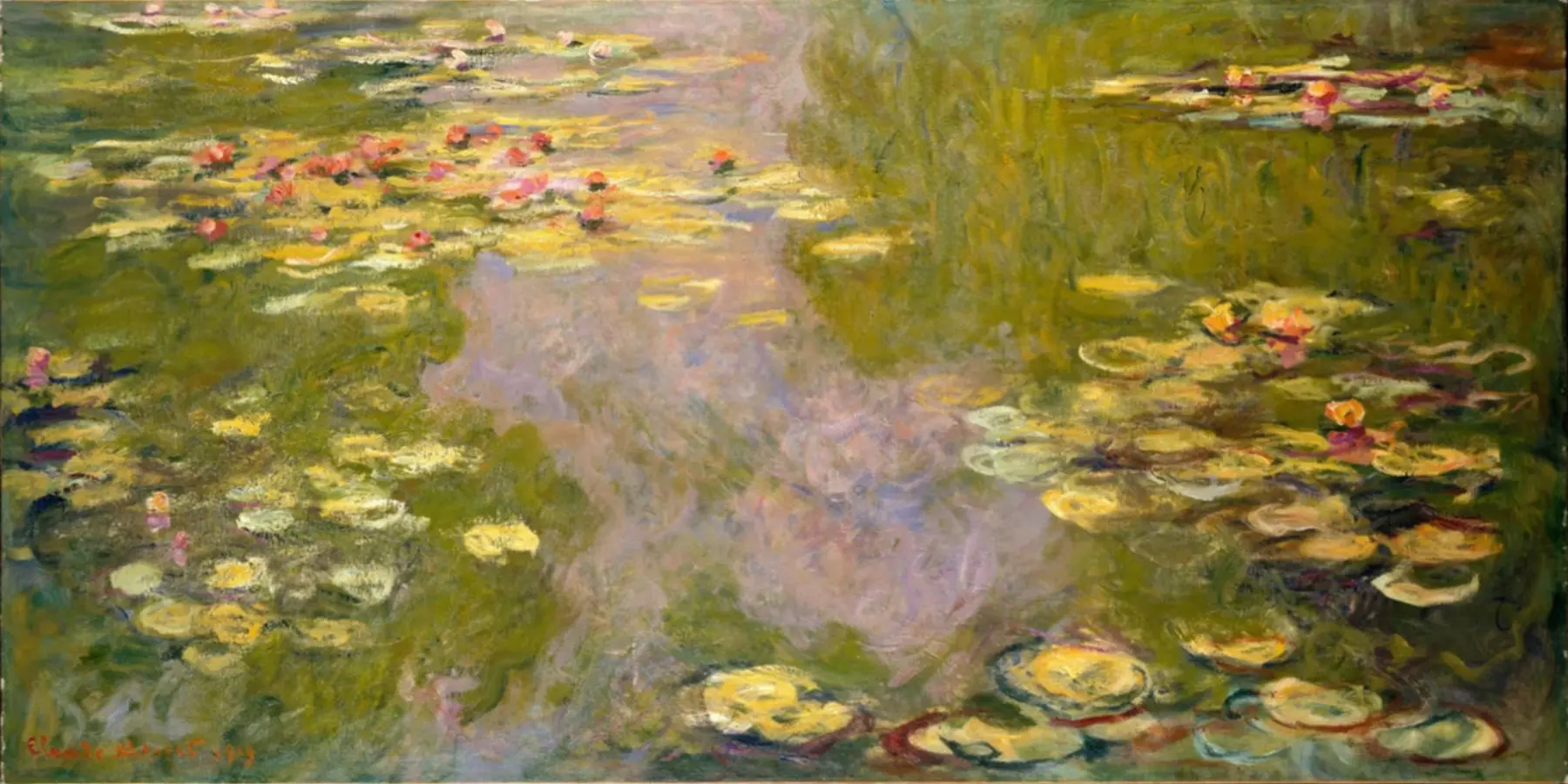
Beyond Botticelli, Rubens, and Bosch, numerous modern artists have excellently reinterpreted the renewal, light, and rebirth of spring through radically different visual languages. In Water Lilies, Claude Monet dissolves spring into color and reflection, where blooming gardens become pure sensation rather than literal landscape, marking a turning point toward modern abstraction.

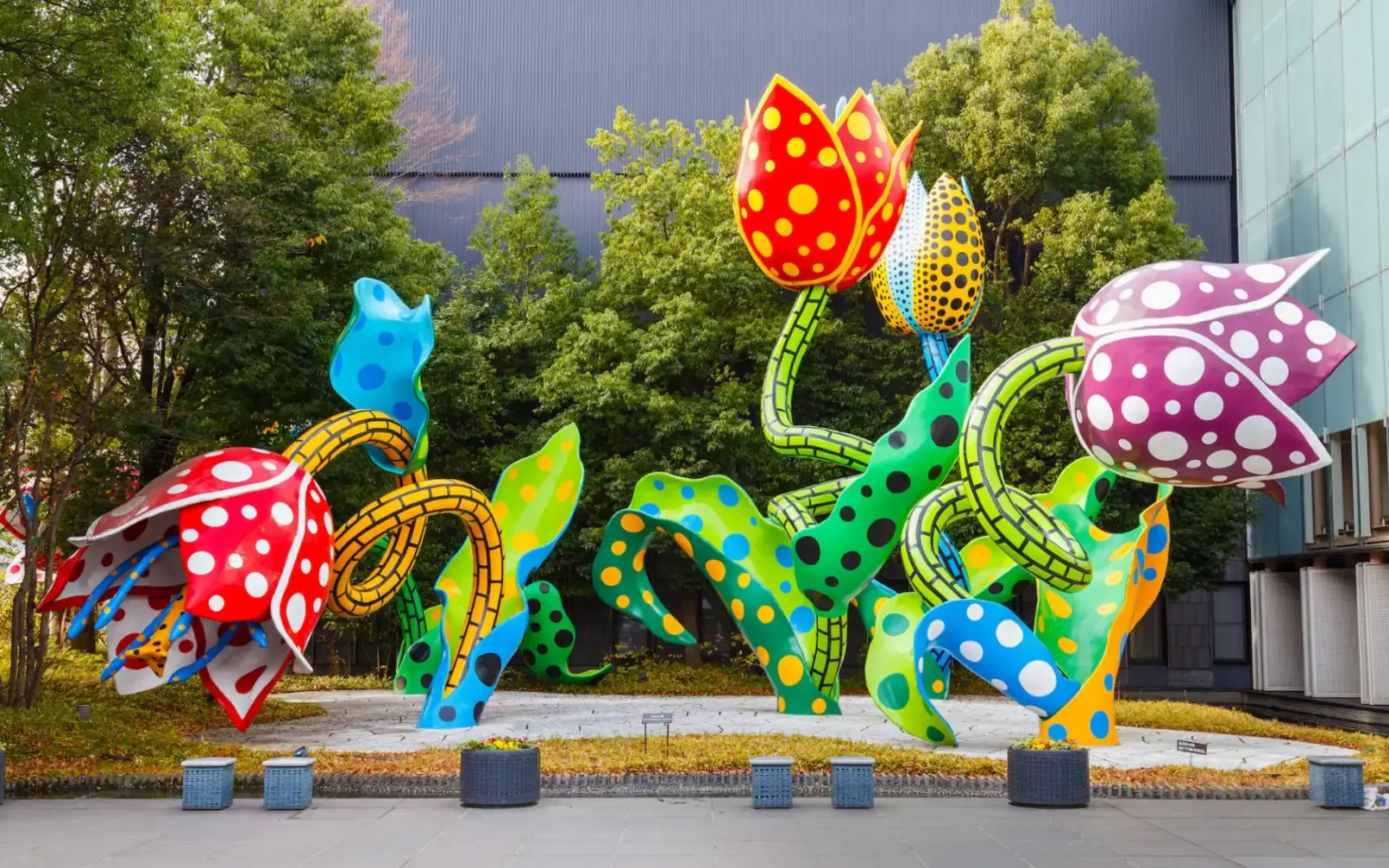
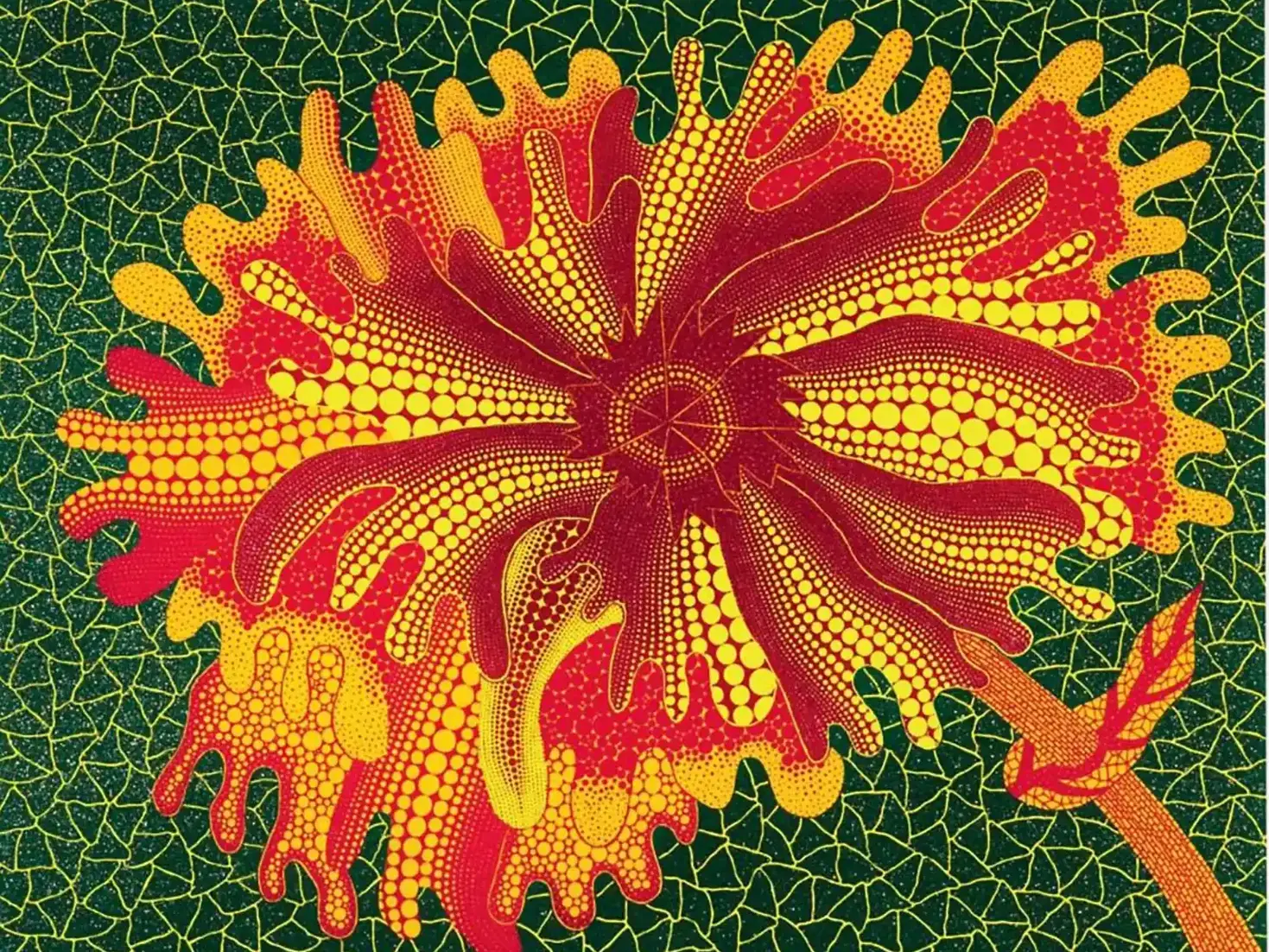
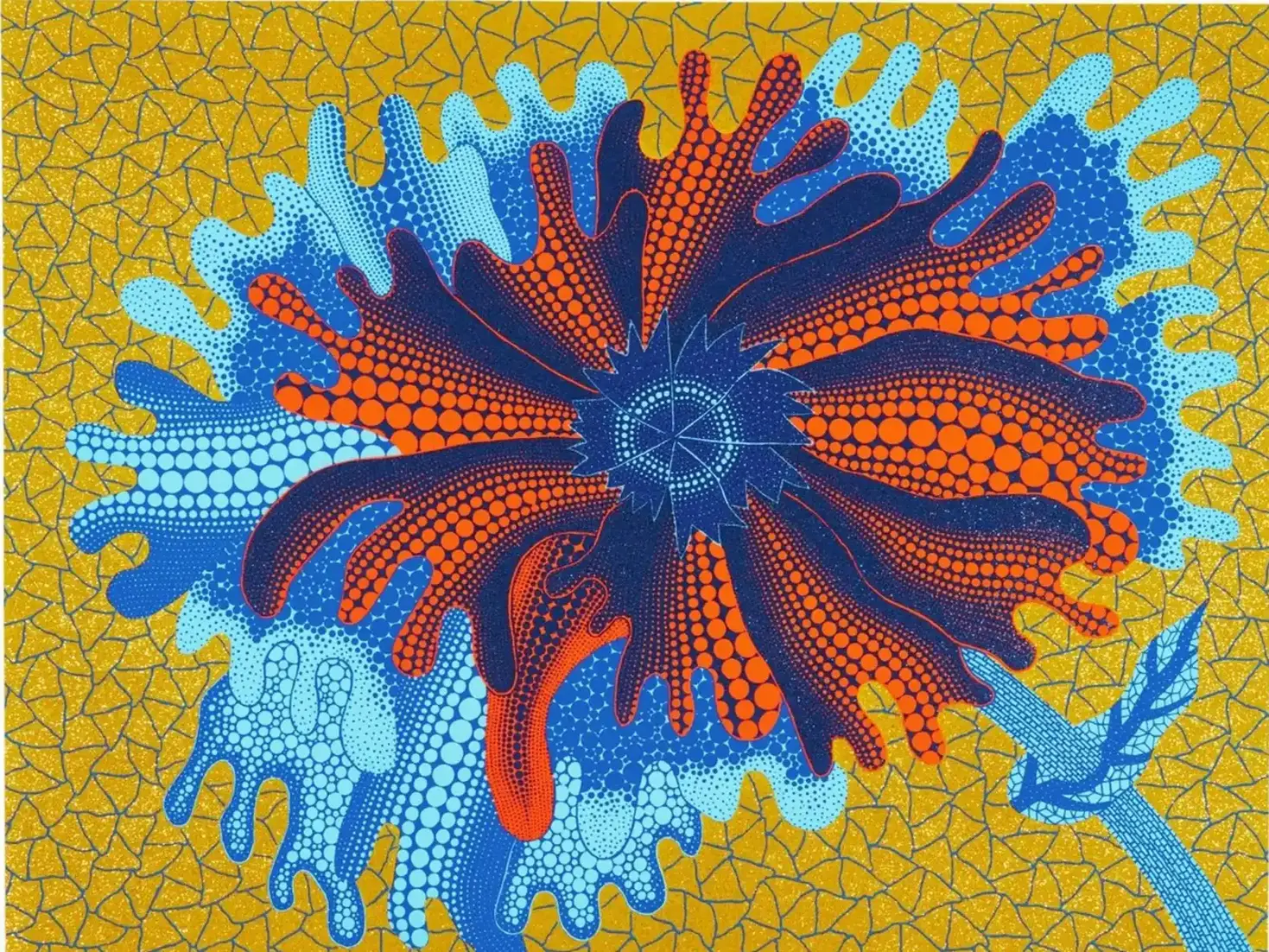
Decades later, Spring also appears as repetition and infinity in Yayoi Kusama’s floral works, where fields of blossoms multiply endlessly, transforming nature into a psychological and emotional experience rather than a physical place. Across these modern interpretations, spring becomes more than a season; it turns into a state of mind - fluid in Monet, exuberant in Hockney, immersive in Kusama, proving that even in modernity, the language of renewal continues to bloom in ever-evolving forms.
Across centuries and cultures, spring endures as art’s most poetic symbol of renewal. From the mythic gardens of Sandro Botticelli to the luminous blossoms of Vincent van Gogh, from Japanese sakura prints to modern visions by Claude Monet and Yayoi Kusama, artists have returned endlessly to spring as a language of hope and transformation. Though styles evolve and meanings shift, the season remains timeless in art - a quiet promise that beauty, like life itself, always finds a way to bloom again.