MENU
Close





The Family of Man transformed photography into a universal language, presenting humanity’s shared emotions, rituals, and realities through a powerful global lens.
The Family of Man transformed photography into a universal language, presenting humanity’s shared emotions, rituals, and realities through a powerful global lens.
January 24, 2026


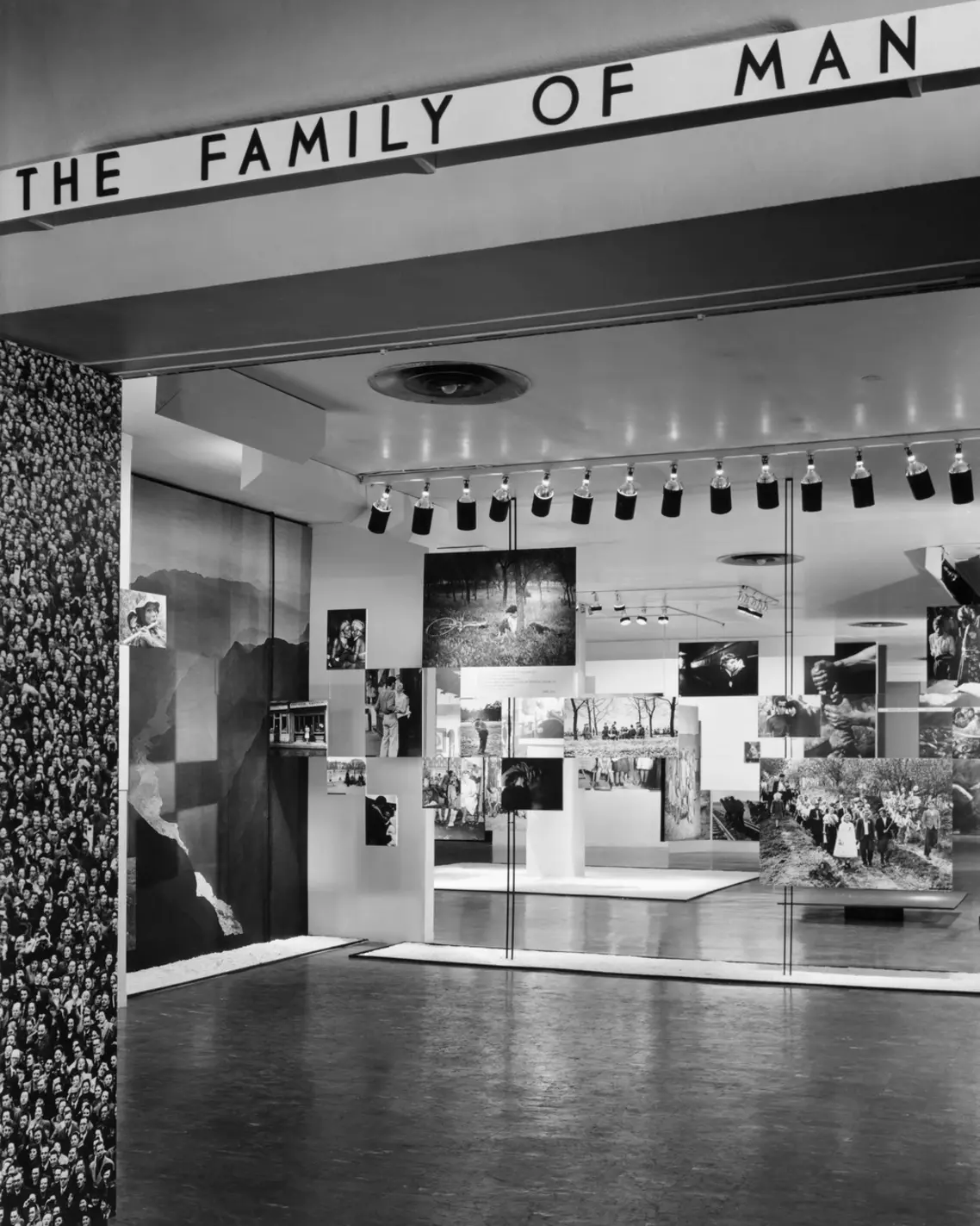
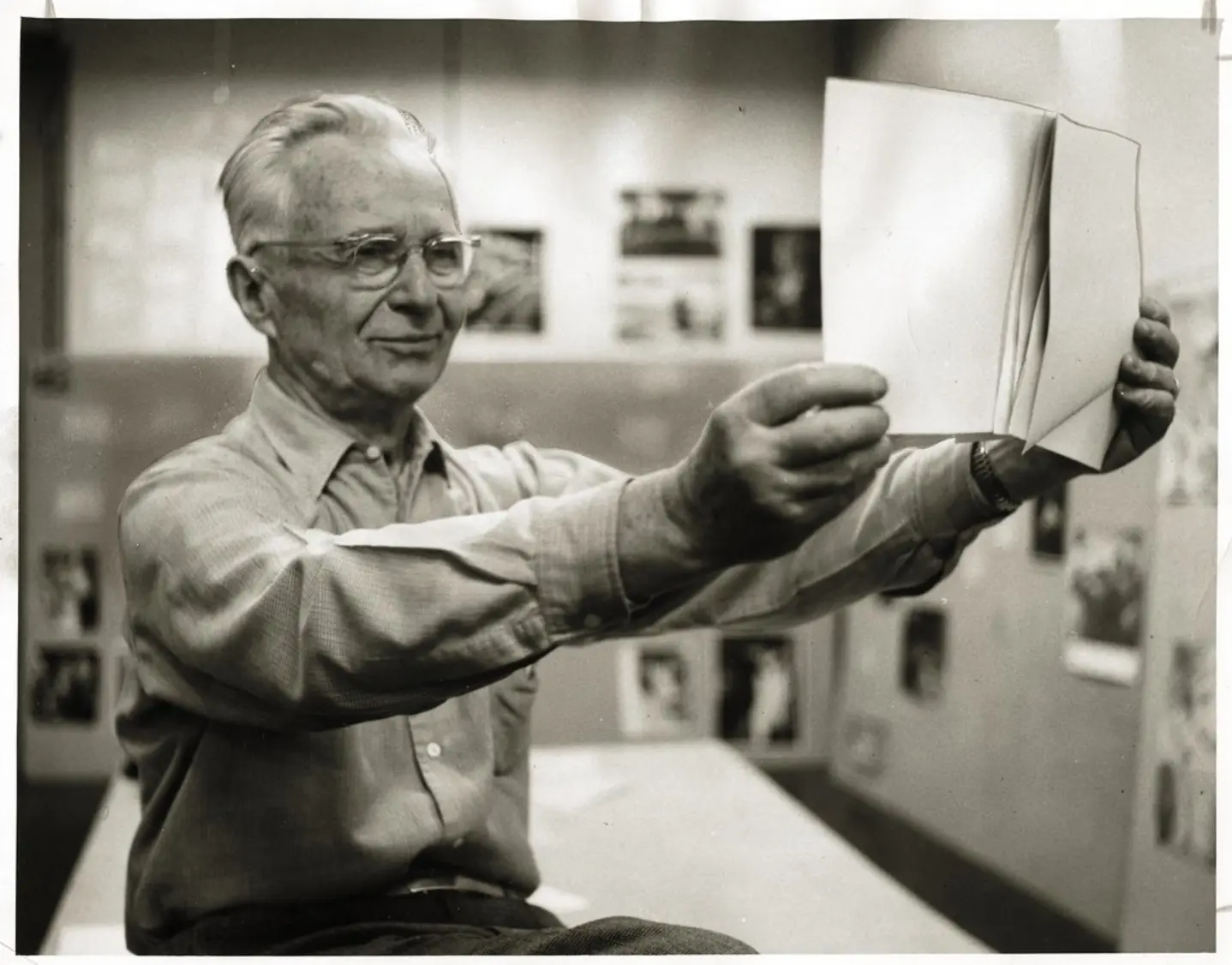
On January 24, 1955, The Family of Man opened at the Museum of Modern Art in New York, quietly redefining what a photography exhibition could be. Curated by legendary photographer Edward Steichen, the show arrived at a moment when the world was still processing the emotional aftermath of World War II and the growing anxieties of the Cold War. Its message was radical in its simplicity: humanity, in all its differences, shares the same fundamental experiences.
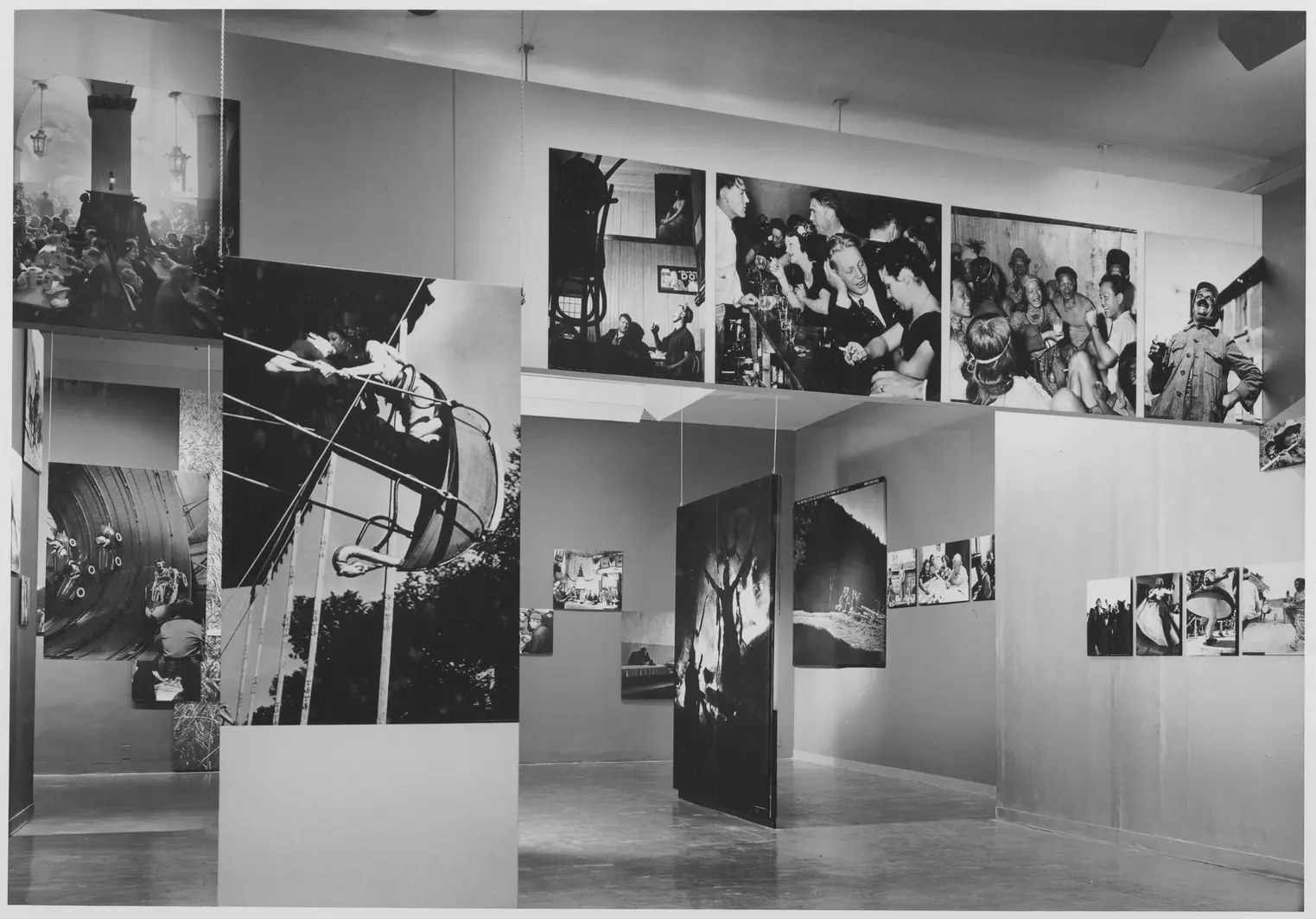
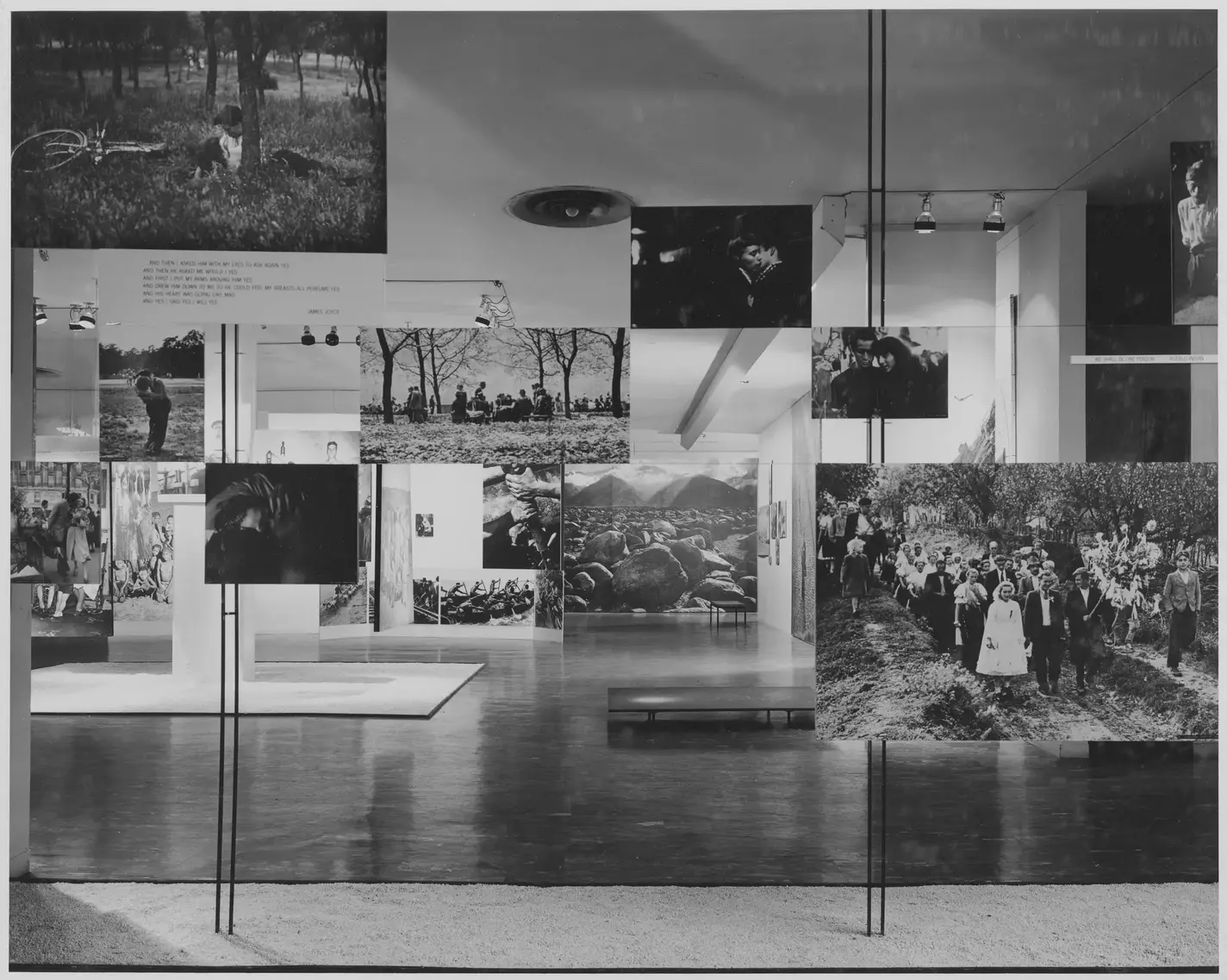
Steichen assembled more than 500 photographs taken by 273 photographers from 68 countries, ranging from celebrated names to anonymous image makers. Rather than organizing the exhibition by geography or author, he structured it around universal moments of life: birth, love, work, joy, conflict, aging, and death. The result felt less like a traditional gallery and more like a visual poem unfolding across rooms. Images were enlarged, clustered, suspended, and sequenced to guide visitors through an emotional journey rather than an academic argument.
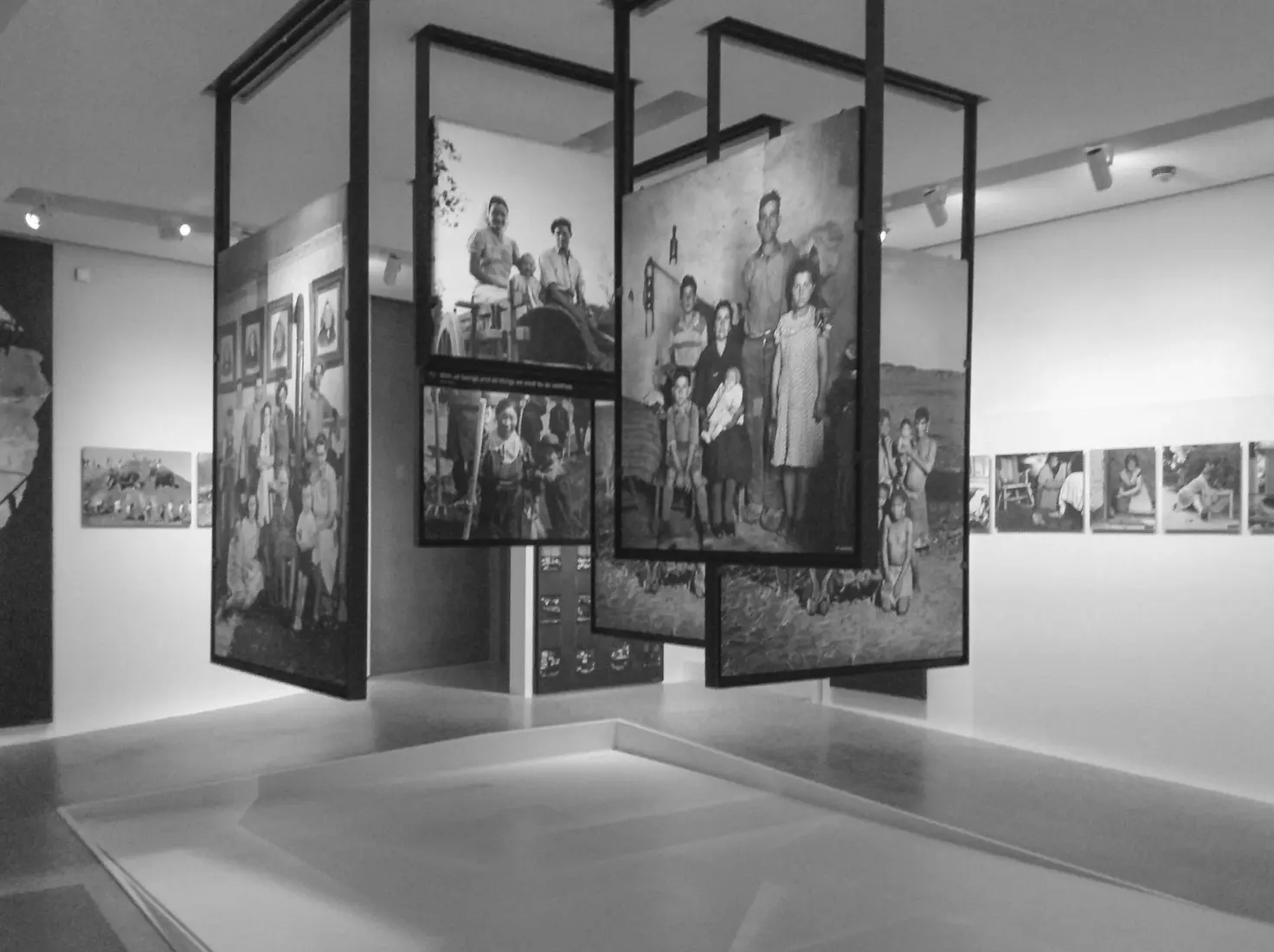
What made The Family of Man groundbreaking was its belief in photography as a moral and emotional language. A mother cradling a child in Africa resonated with a similar gesture captured in Europe or the Americas. Wedding celebrations, laboring hands, children at play, and faces marked by grief appeared across cultures, collapsing distance and difference. In the charged political climate of the 1950s, this vision of shared humanity carried quiet but profound weight.
The public response was extraordinary. Millions of visitors passed through the exhibition during its international tour, which traveled to dozens of countries under the auspices of the United States Information Agency. While some critics later challenged its idealism and universalism, the exhibition’s emotional impact proved undeniable. For many viewers, it was the first time photography felt capable of speaking to global human experience on such a scale.
More than seventy years later, The Family of Man endures as a cultural landmark. Its influence can be traced in contemporary photojournalism, visual storytelling, and even social media’s instinct to document everyday life as something meaningful. On that January day in 1955, Steichen did more than curate photographs. He staged a collective mirror, inviting humanity to recognize itself, not as divided nations, but as one extended family.