MENU
Close





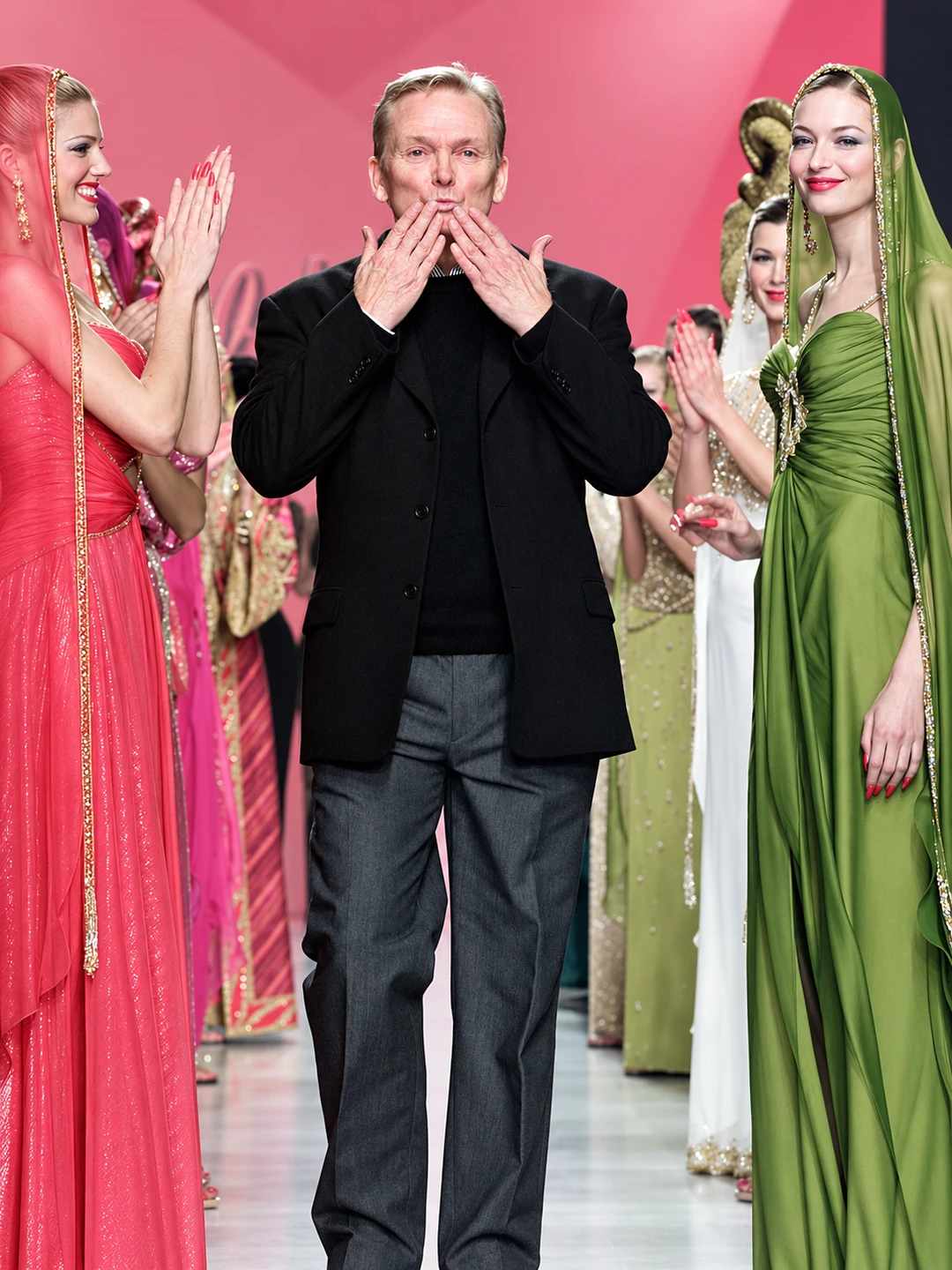
On 19 March 2024, Dries Van Noten announced he would step down from day-to-day creative direction at his namesake house after nearly four decades, closing a 1986–2024 era defined by fearless spirit, and a devotion to fabric as intellect.

On 19 March 2024, Dries Van Noten announced he would step down from day-to-day creative direction at his namesake house after nearly four decades, closing a 1986–2024 era defined by fearless spirit, and a devotion to fabric as intellect.
March 19, 2024


Dries Van Noten’s announcement carried weight because it marked more than a retirement headline. It marked the rare closure of a founder-led vision that stayed coherent across decades, trends, retail cycles, and fashion-week churn.
The timeline matters because it explains why his signature reads so “whole.” Dries Van Noten launched his first menswear collection in 1986, then built a rhythm of biannual collections that gradually expanded the house’s reach. Fashion media consistently places his rise inside the Antwerp Six context, the late-1980s wave that helped turn Antwerp into a global fashion reference point for intellect, experimentation, and strong pattern-making. From there, his label became one of the industry’s clearest examples of longevity through authorship.
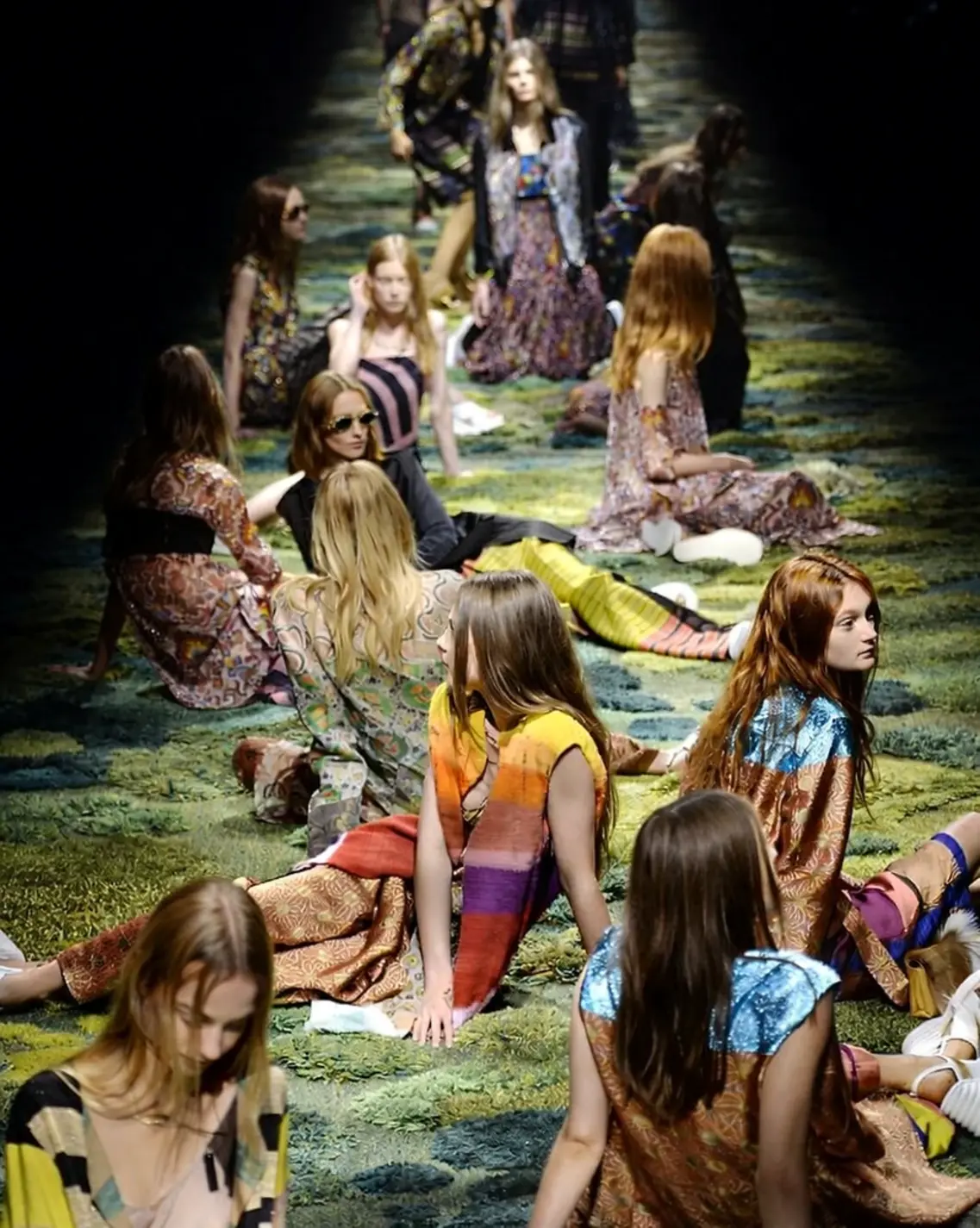
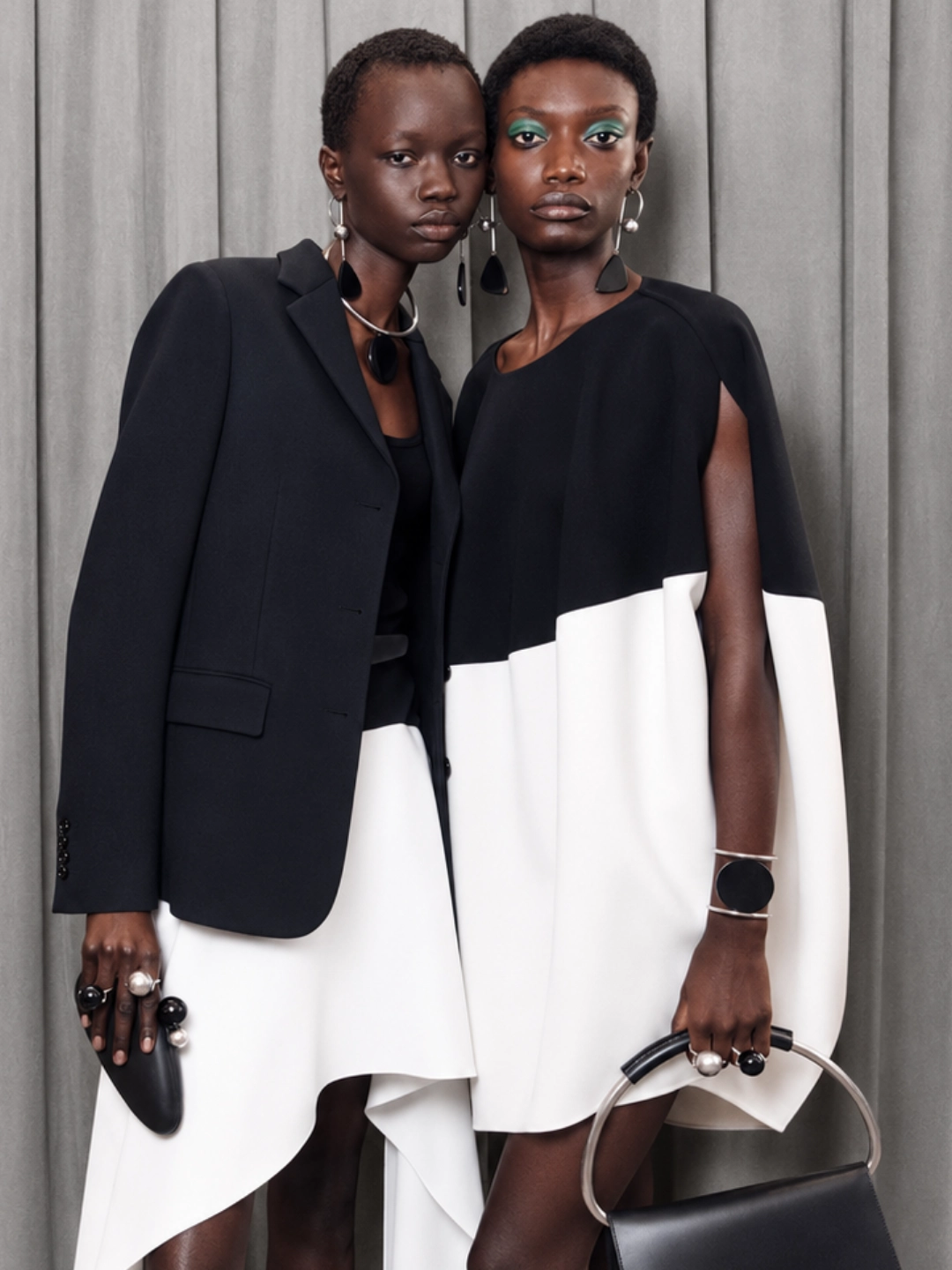
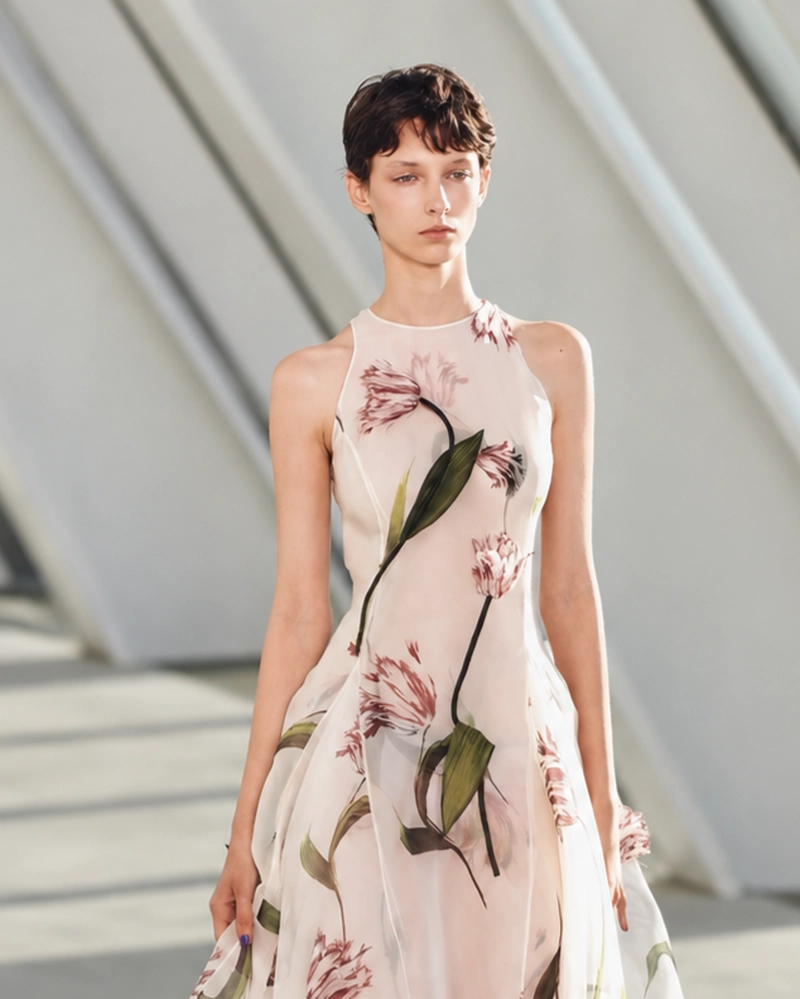
His design language always looked maximal from a distance and disciplined up close. Color behaved like structure. Prints arrived as collage, layered with a curator’s eye: florals against geometrics, jacquards beside stripe, metallic sheen next to matte cotton. Publications describing his work return to the same anchors: rich color, embroidery, prints, and fabric juxtapositions that feel unexpected yet resolved. The elegance came from proportion and restraint: relaxed tailoring that still reads precise, coats that sit with ease yet carry exact shoulders, evening pieces that glow yet keep a calm line.
That textile intelligence became his real contribution to fashion. Many designers build a silhouette. Dries Van Noten built a surface world: the way fabric catches light, the way a motif repeats across a body, the way a palette sets mood before a garment’s cut even registers. It shaped how modern ready-to-wear could feel luxurious through craft rather than logo. Even his admirers often describe his clothes as pieces people keep, rewear, and archive, because the design does not rely on a single season’s obsession.
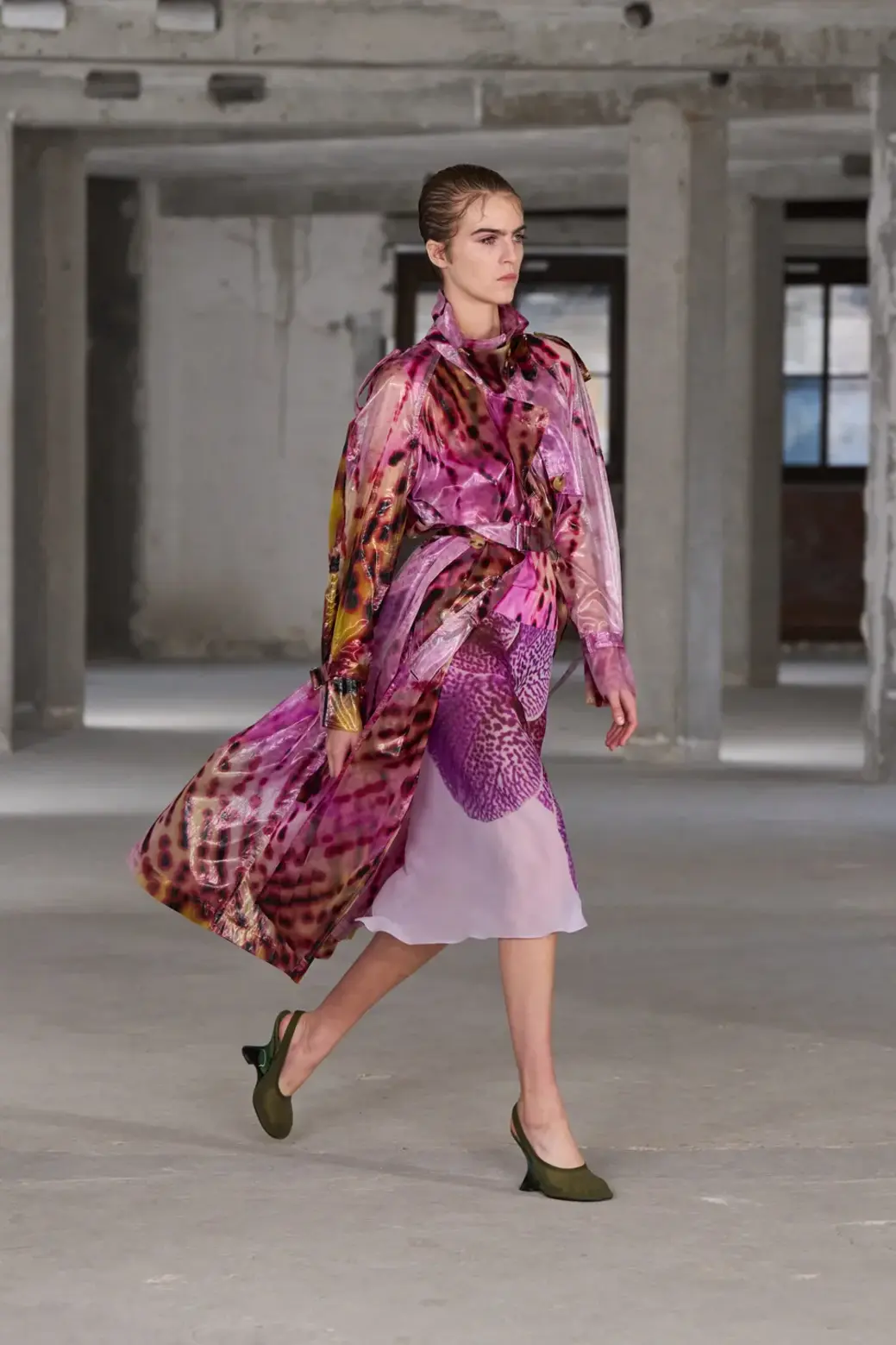
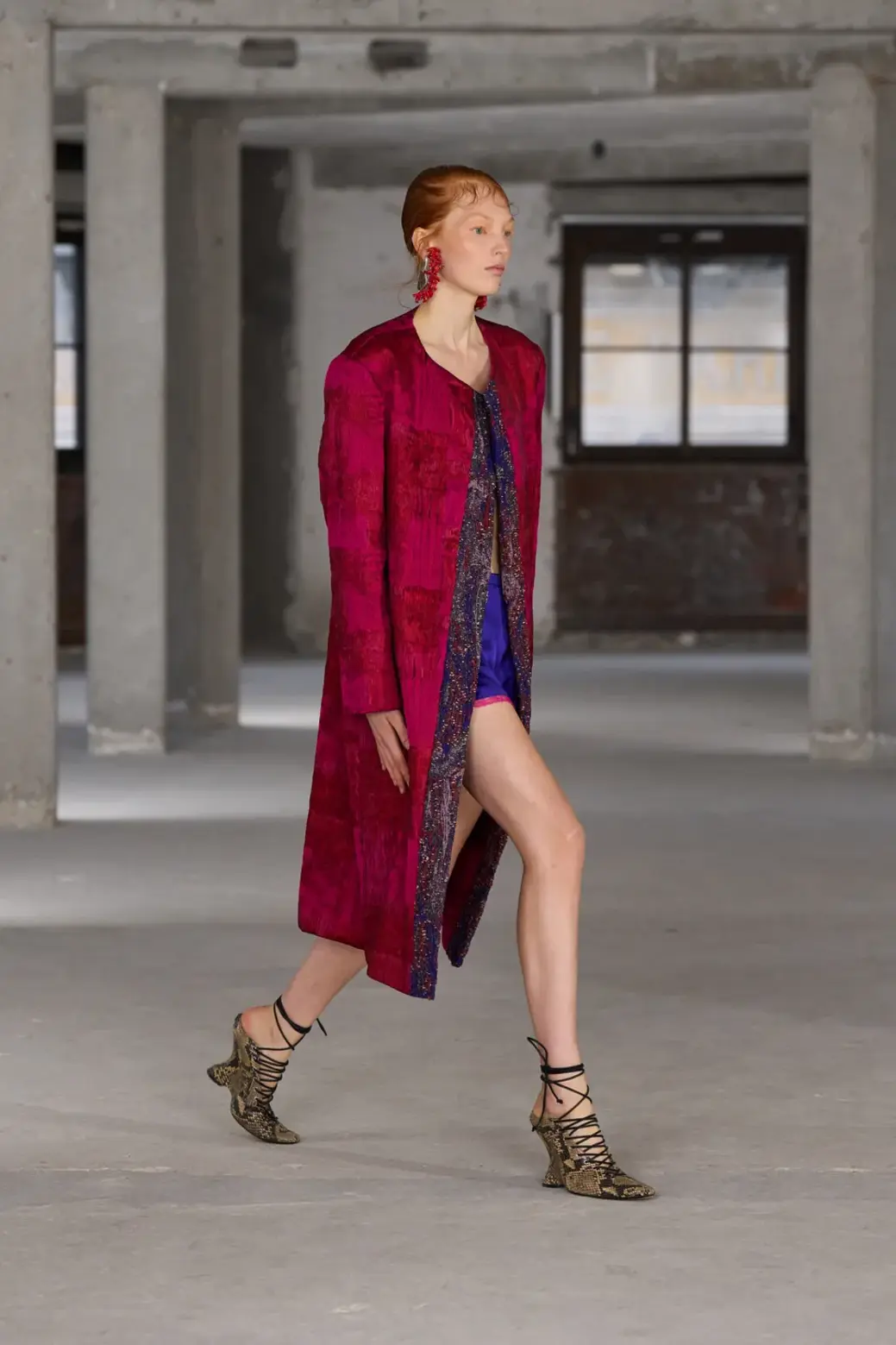
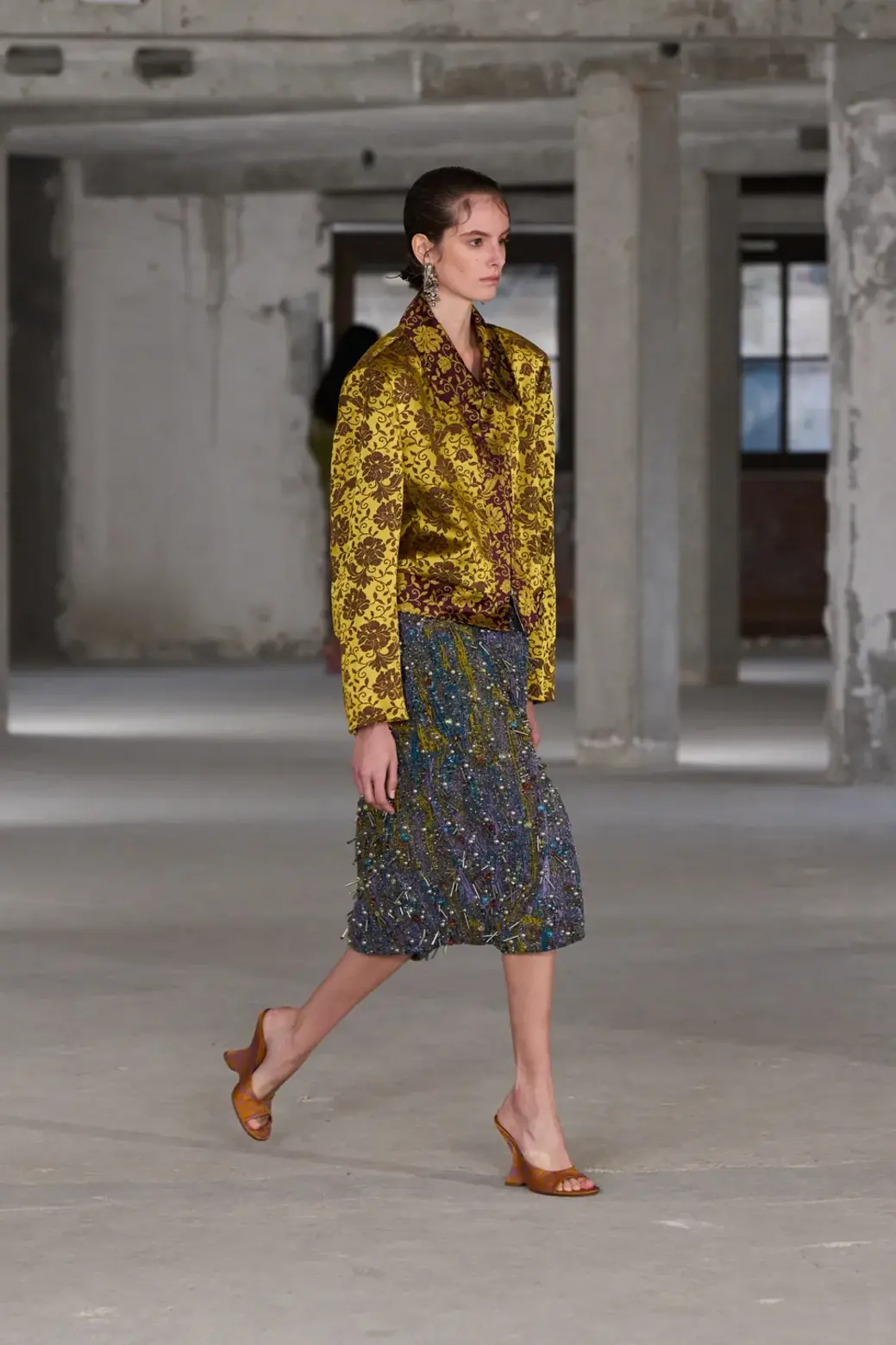
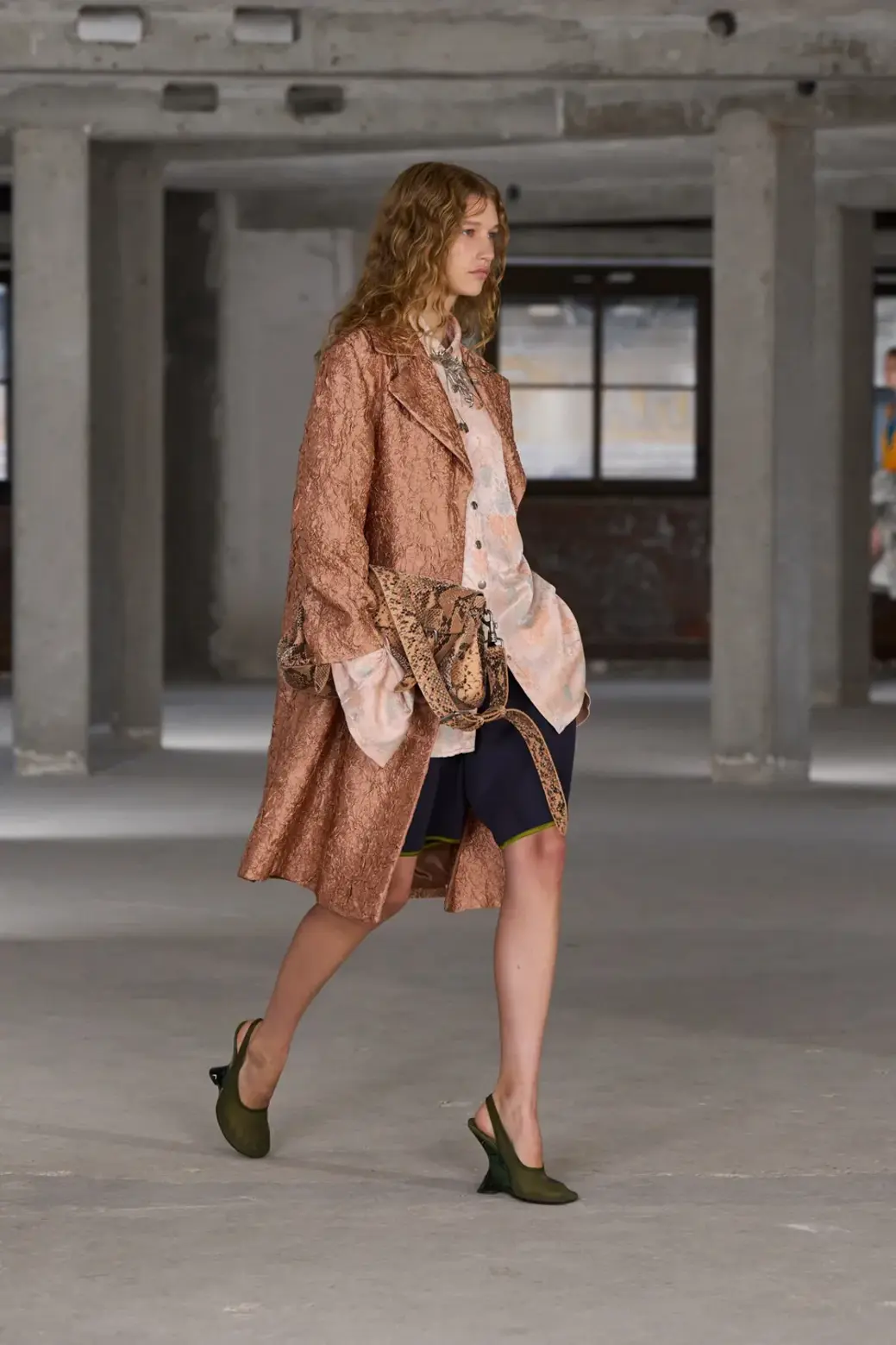
His influence also shows in how he treated runway as truth. The house produced every piece shown on the runway, an approach that signals seriousness about clothes as product, not just image. Business-wise, the story carries another layer. In 2018, the Spanish group Puig took a majority stake in the brand, with Dries Van Noten continuing as chief creative officer and chairman at the time.
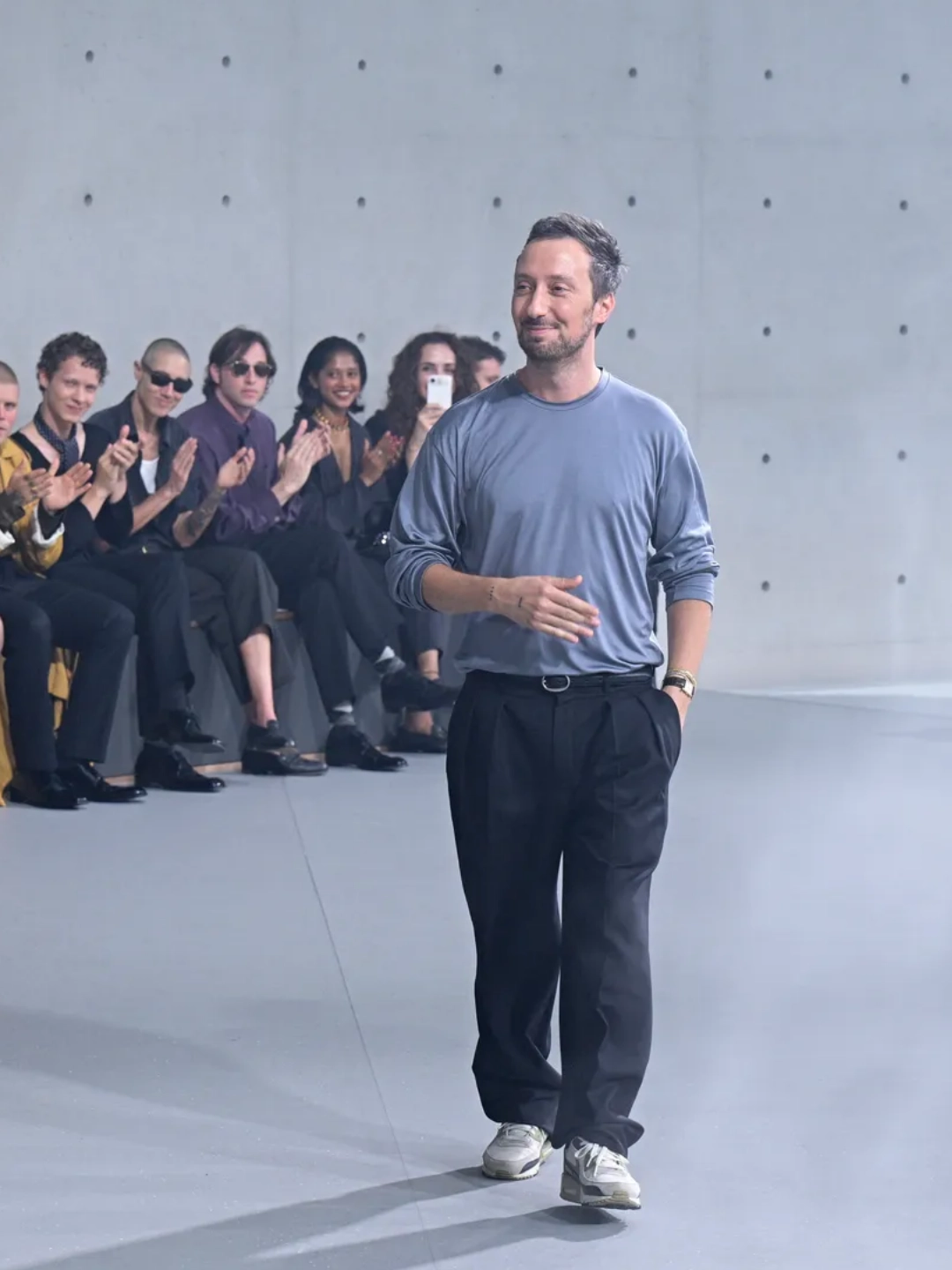
The arc then continued: in December 2024, the house named Julian Klausner as creative director for both women’s and men’s collections, positioning him as a bridge between continuity and the next era.
What Dries Van Noten leaves behind is a template that many brands chase and few sustain: a house built on taste, on color as intelligence, on prints as culture, on craft as the engine of desire. On 19 March 2024, fashion gained a timestamp for the end of a founder era, and a clear reminder of what a consistent vision can do over 38 years.