MENU
Close





On January 26, 1905, the Cullinan Diamond was discovered at South Africa’s Premier No. 2 mine when Frederick Wells uncovered what proved to be the largest gem-quality rough diamond ever found, weighing 3,106.75 carats.
On January 26, 1905, the Cullinan Diamond was discovered at South Africa’s Premier No. 2 mine when Frederick Wells uncovered what proved to be the largest gem-quality rough diamond ever found, weighing 3,106.75 carats.
January 26, 2025


The Cullinan was first used as the ultimate "I’m sorry" gift. In 1907, the Transvaal Colony government purchased the stone to smooth things over after losing the Boer War. To ensure its safety during the voyage to London, authorities orchestrated an elaborate ruse. They placed a decoy stone in a heavily guarded safe aboard a steamship to distract potential thieves, while the real diamond was wrapped in a plain box and sent via ordinary registered post, arriving safely and unnoticed at Buckingham Palace.
The task of cutting the leviathan was entrusted to Joseph Asscher of Amsterdam. Asscher spent months studying the stone's internal structure, knowing a single mistake could shatter it into worthless fragments. Asscher’s first attempt at the diamond was a disaster: he swung his mallet, and the blade shattered instead of the stone. On the second try, the diamond finally split perfectly, and Asscher promptly fainted from relief. Once he regained consciousness, he spent the next 38 days meticulously carving it up, proving that high-stakes jewelry is definitely not for the faint of heart. The rough stone was eventually transformed into nine major diamonds and nearly 100 smaller brilliants, most of which were integrated into the most significant regalia of the British Royal Collection.
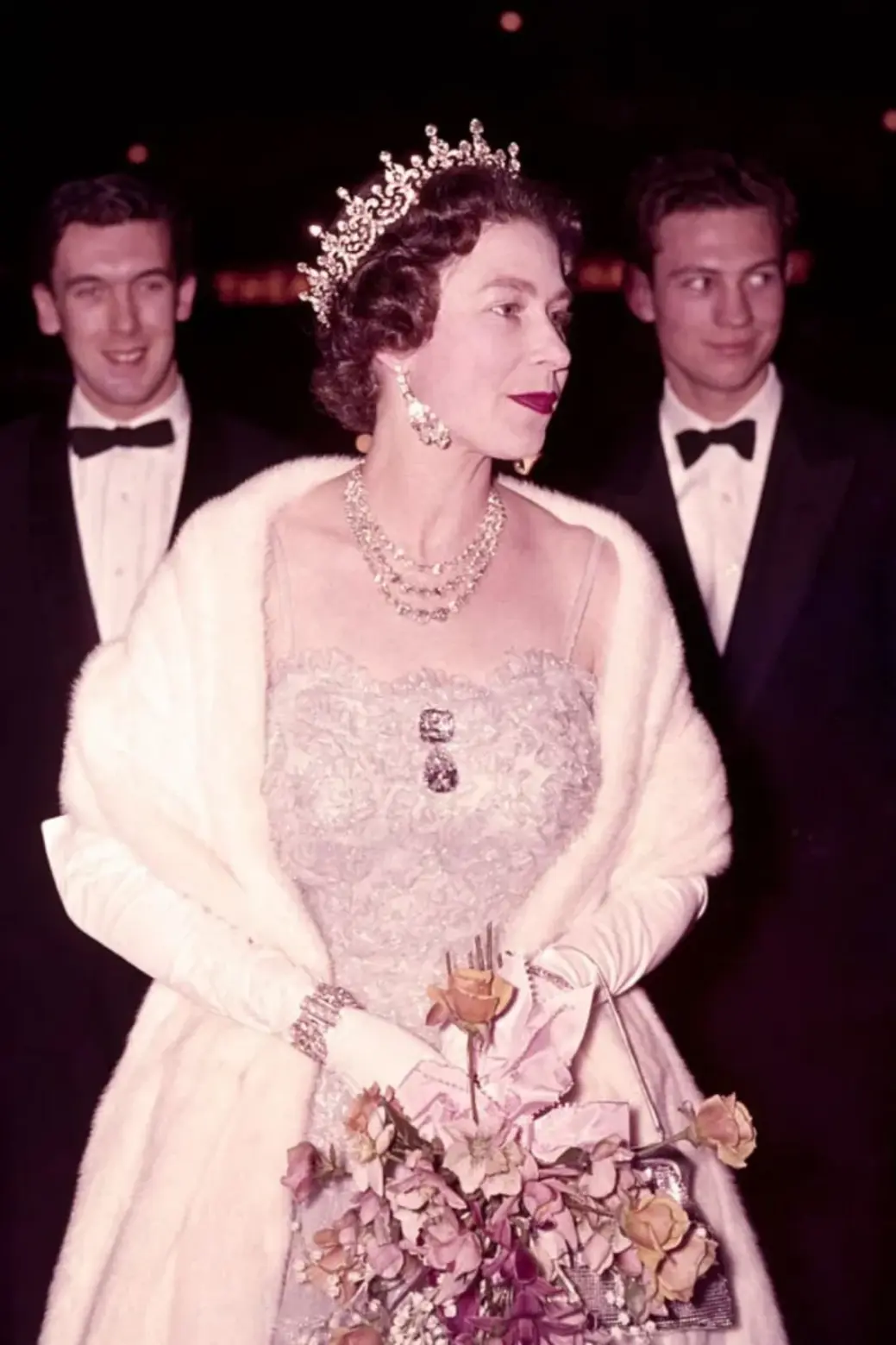
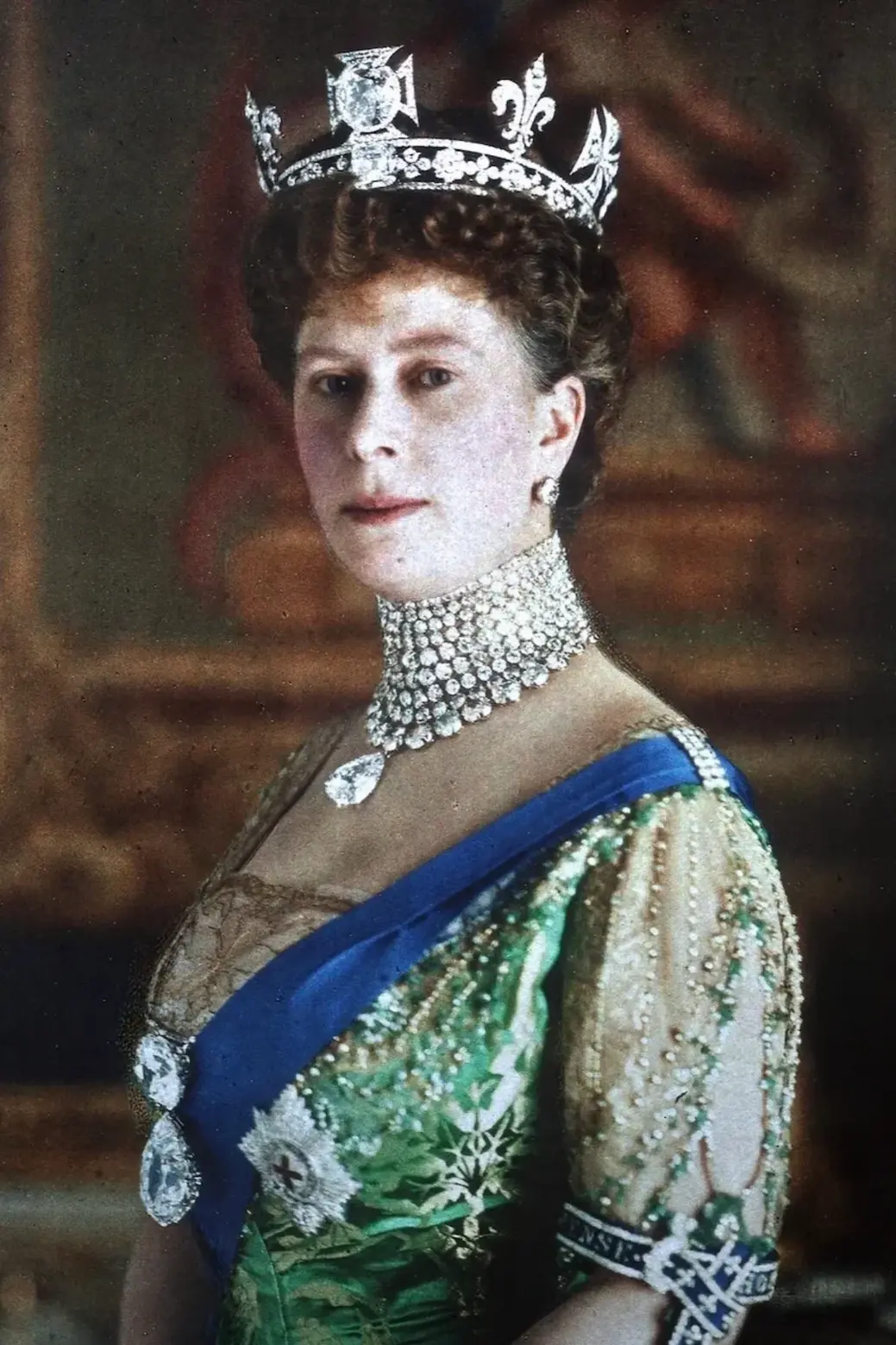
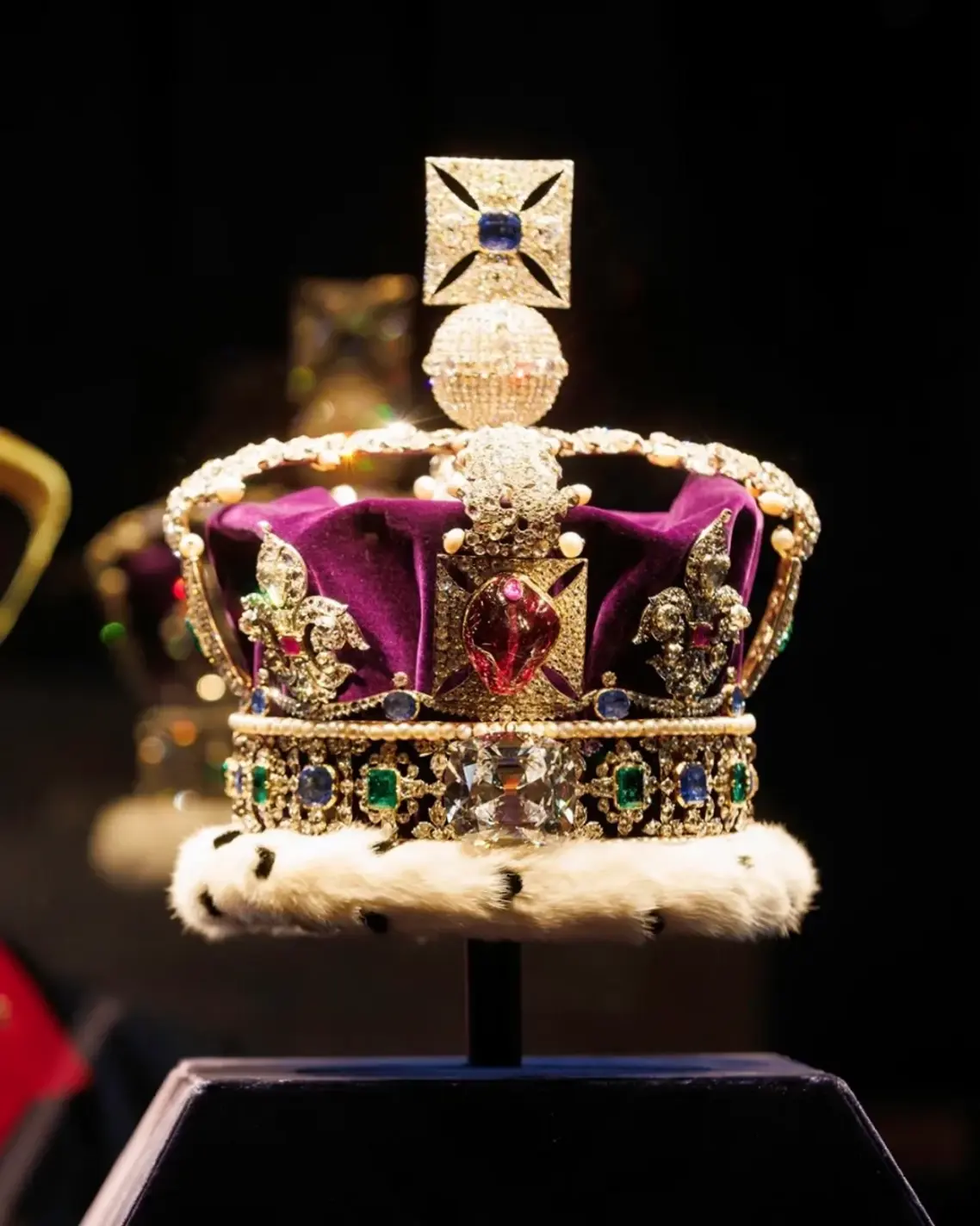
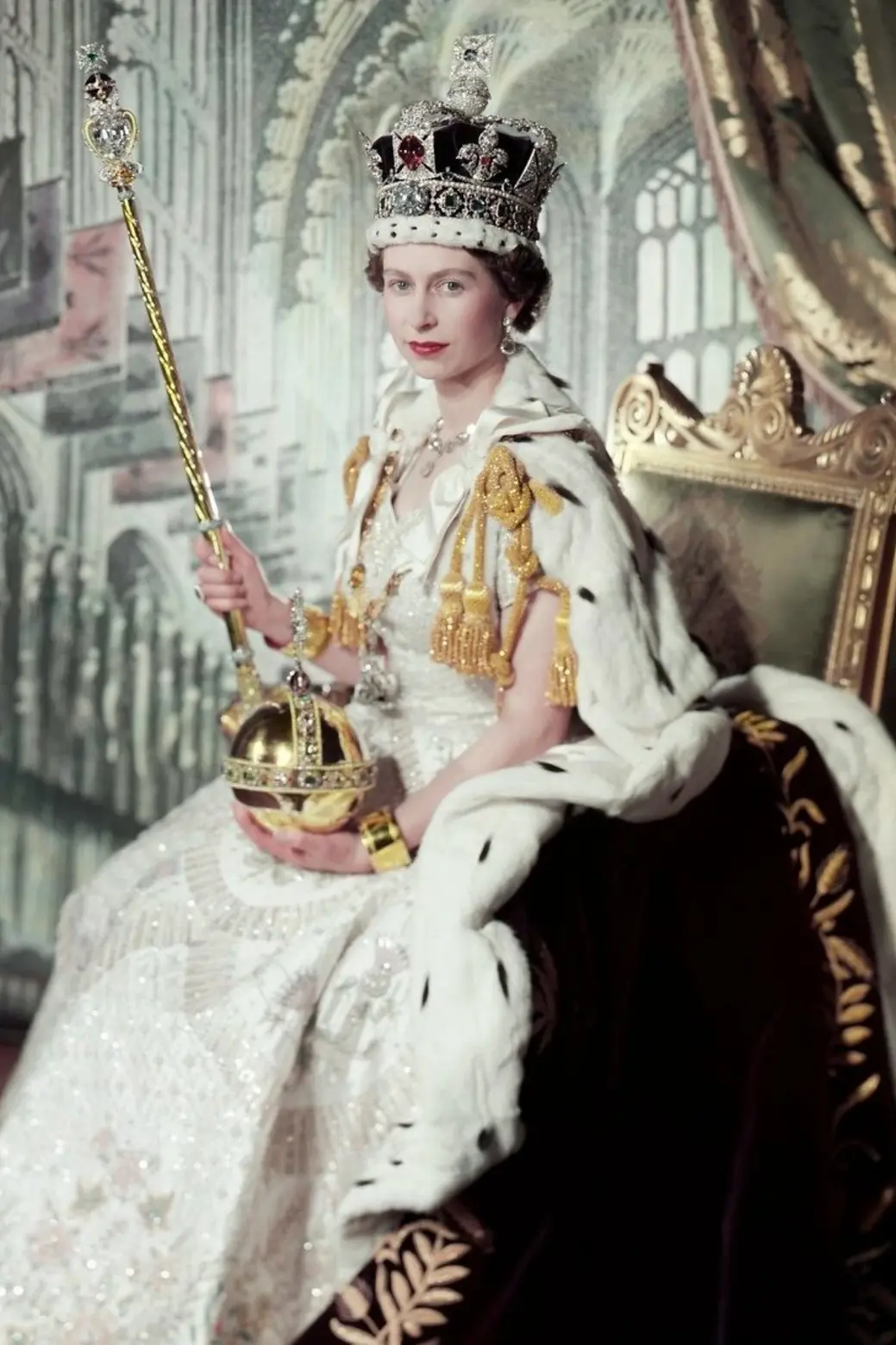
Today, these diamonds serve as the crowning glory of the monarchy's most sacred jewellery. The largest of the set, the pear-shaped Cullinan I, also known as the Great Star of Africa, weighs a staggering 530.4 carats and is set into the Sovereign’s Sceptre with Cross. This piece is a central part of every coronation, symbolizing the monarch's power. The second largest, the 317.4-carat Cullinan II (The Second Star of Africa), resides in the front of the Imperial State Crown, positioned prominently below the Black Prince’s Ruby.
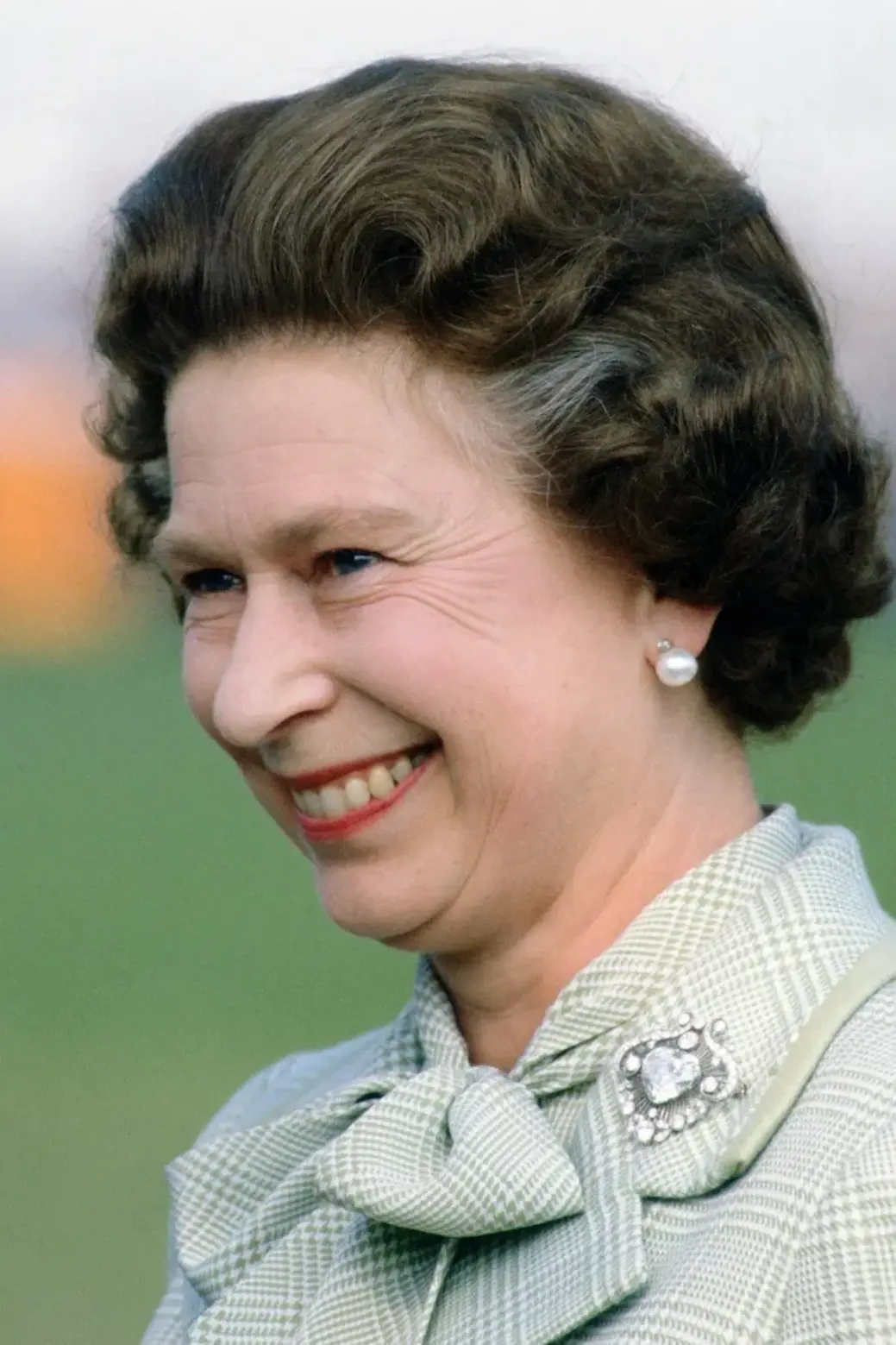
The smaller stones cut from the Cullinan Diamond are no less distinguished. Cullinan III and IV were famously mounted together as a brooch worn by Queen Elizabeth II, while Cullinan V was set into a heart-shaped brooch that can also form part of the Delhi Durbar Necklace. More than a century later, the Cullinan Diamond remains an unmatched geological marvel, celebrated as a lasting testament to both nature’s scale and human craftsmanship.