MENU
Close





On December 6, 1912, deep within the sands of Amarna, German archaeologist Ludwig Borchardt uncovered a sculpture that would become one of the most recognizable faces in history: the Nefertiti Bust.

On December 6, 1912, deep within the sands of Amarna, German archaeologist Ludwig Borchardt uncovered a sculpture that would become one of the most recognizable faces in history: the Nefertiti Bust.
December 6, 2025


Created around 1345 BCE, emerged from the ruins of the workshop of the royal sculptor Thutmose. When sunlight touched the queen’s painted features for the first time in thousands of years, the world witnessed a masterpiece that felt astonishingly alive.
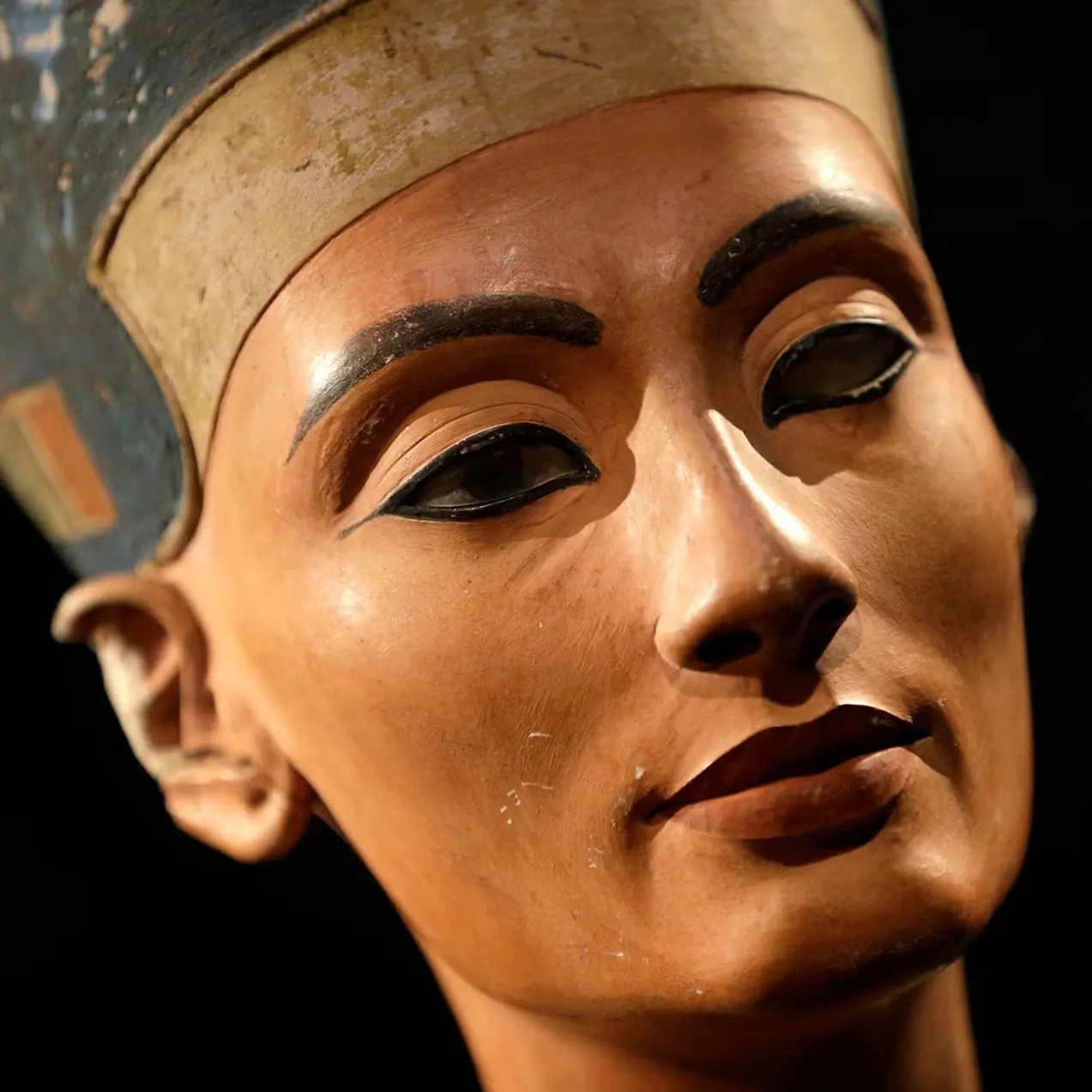
The Nefertiti Bust became iconic because it captured an ideal of beauty that seemed both ancient and modern. Her tall blue crown, long neck, and perfectly balanced features reflect a mastery of proportion and elegance that few sculptures in history can match. The gentle curve of her lips, the serene confidence in her expression, and the single inlaid eye create an irresistible aura of mystery. She has often been compared to the Mona Lisa for the sense of quiet power she projects.
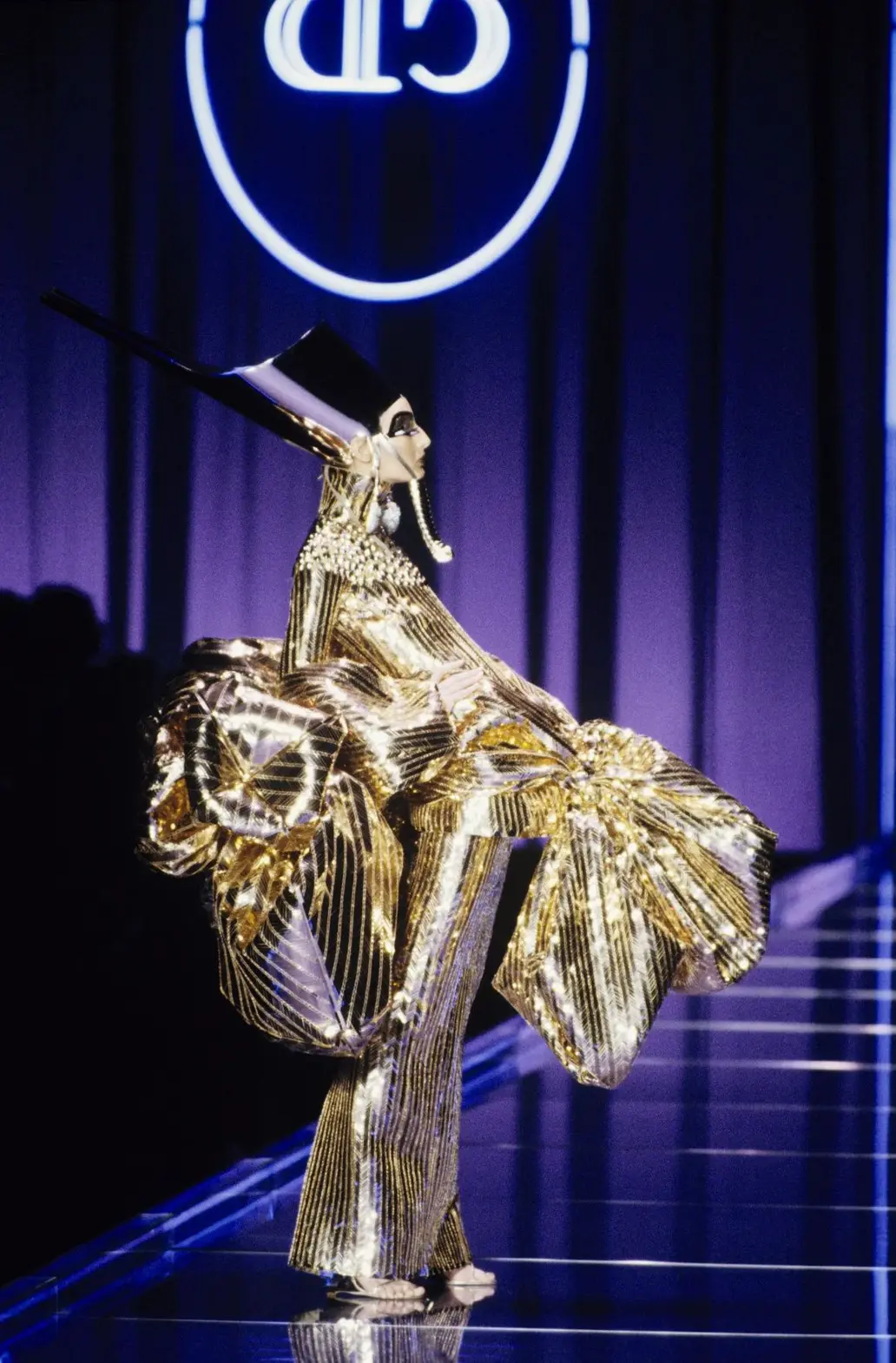
Artists across the globe continue to reinterpret her presence. Some explore themes of identity and representation through her likeness, while others recreate her form in digital and conceptual art to question ideas of beauty and cultural ownership. The bust has become a central figure in discussions about museum collections and repatriation, turning her into both an artistic treasure and a cultural symbol with global significance.

The discovery of the Nefertiti Bust on December 6 did more than reveal a queen from the past. It reshaped the imagination of generations, influencing art, fashion, and popular culture with a power that has not diminished. Today, she remains a timeless muse, a portrait of beauty and strength that continues to inspire every gaze that meets her ageless face.