At São Paulo’s sweeping Bienal Pavilion, SP-Arte 2026 closed with a mood that felt both commercially sharp and culturally grounded, using design, material, and memory to argue for a more locally rooted idea of prestige.
SP-Arte 2026 Closed With Brazil at the Center
At São Paulo’s sweeping Bienal Pavilion, SP-Arte 2026 closed with a mood that felt both commercially sharp and culturally grounded, using design, material, and memory to argue for a more locally rooted idea of prestige.
April 8, 2026


SP-Arte 2026 concluded on April 12 after five days at the Pavilhão da Bienal in Ibirapuera Park, bringing the 22nd edition of Latin America’s flagship art-and-design fair to a close inside one of São Paulo’s most iconic modernist spaces. The fair gathered around 180 exhibitors, and while its international draw remained visible, the overall tone felt distinctly Brazilian. Hyperallergic described this year’s edition as standing “at a global nexus” while still feeling “decidedly regional,” a phrase that captures the fair’s strongest quality: its ability to welcome international attention without surrendering its local texture.
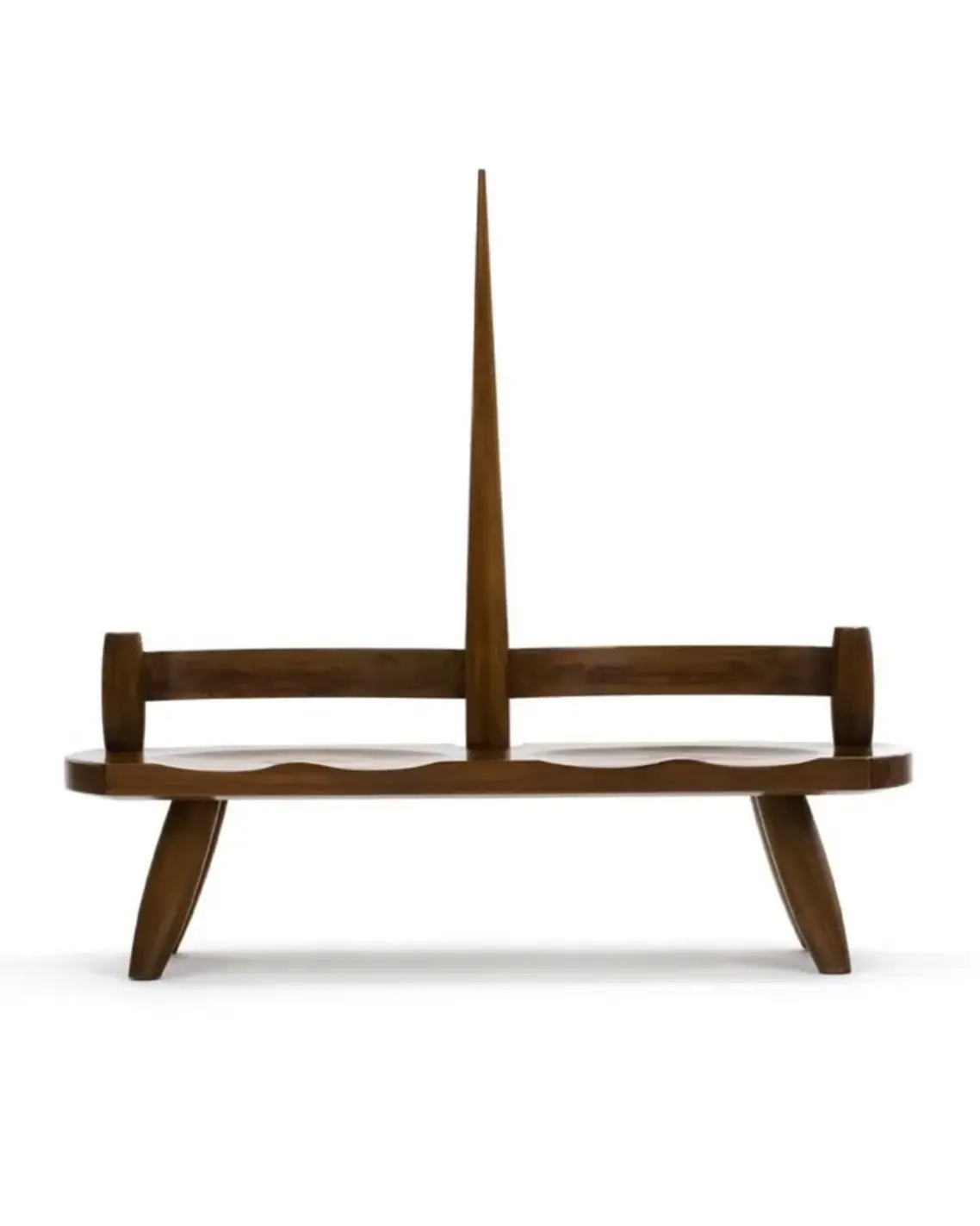
That regional texture was especially vivid in the design programming. One of the clearest ideas running through the edition was material consciousness: what an object is made from, where that material comes from, and what kinds of memory it carries.
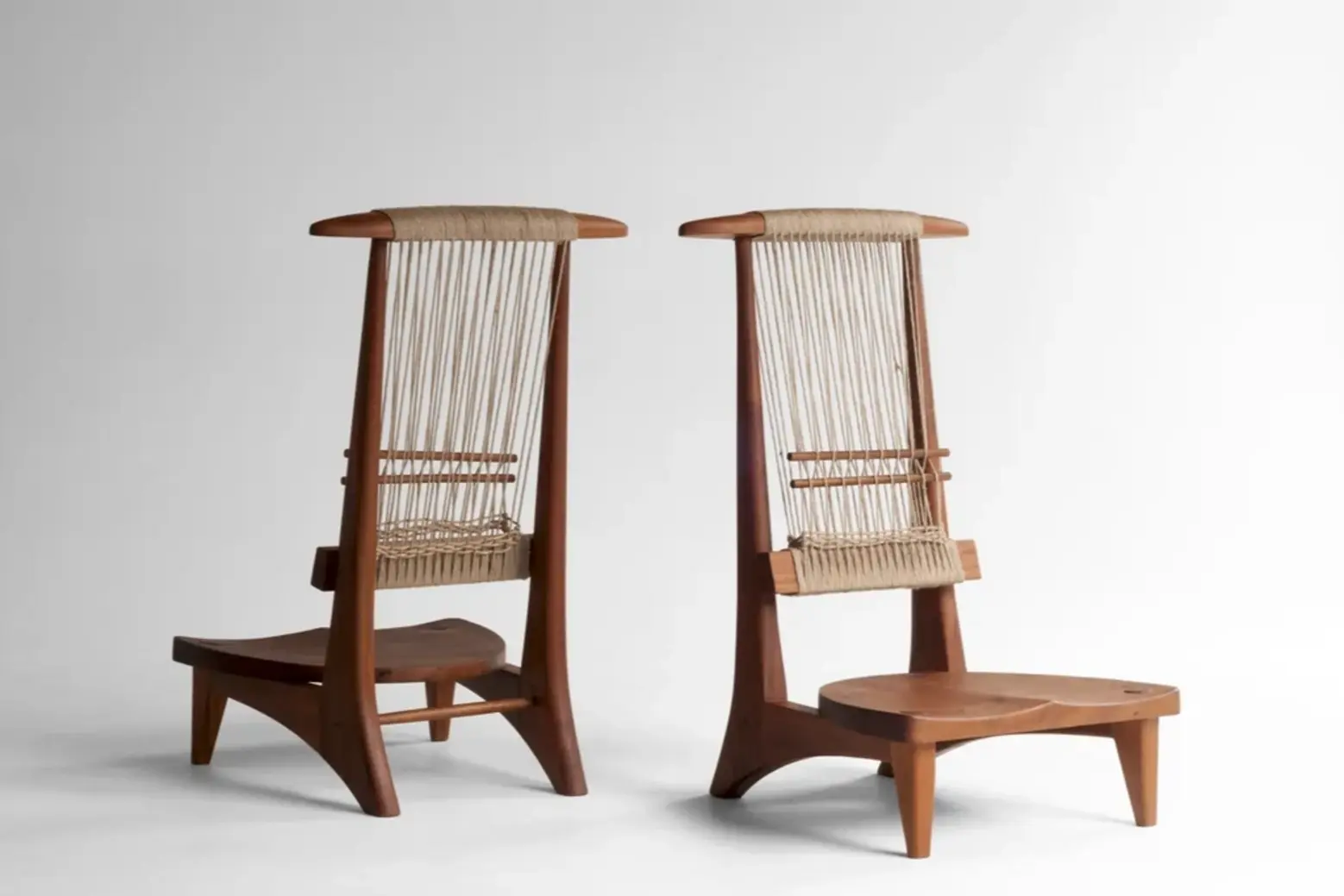
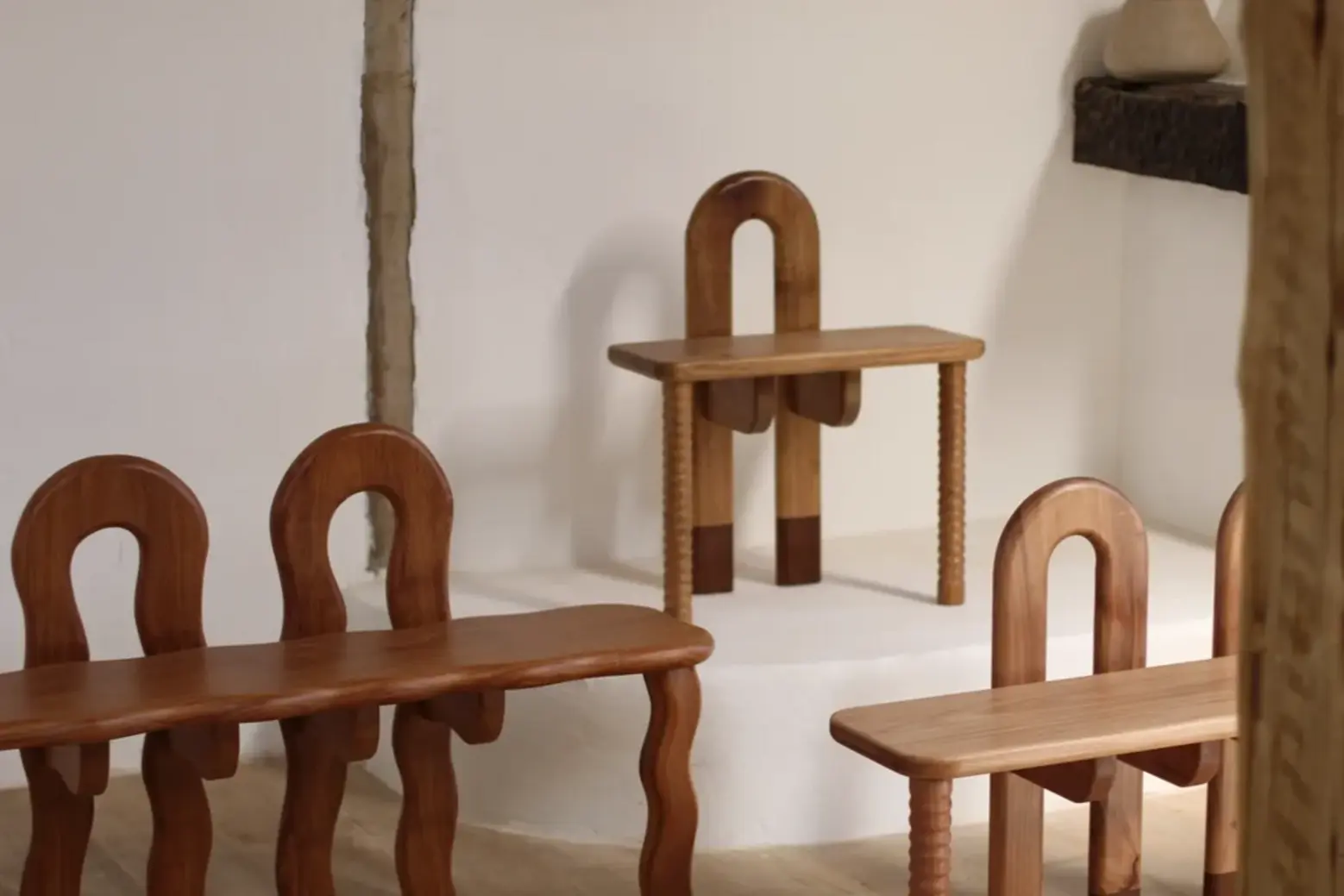
The new Design NOW section, introduced in 2026, expanded the fair’s design language with studios focused on contemporary authorial production, while the exhibition Existe uma Árvore, curated by Livia Debbane, proposed a strikingly simple premise for Brazilian design history: Before the object, there is raw material. Built around native woods and their relationship to territory, the show linked canonical names such as Lina Bo Bardi and Sergio Rodrigues to newer conversations around stewardship, regeneration, and sustainability.
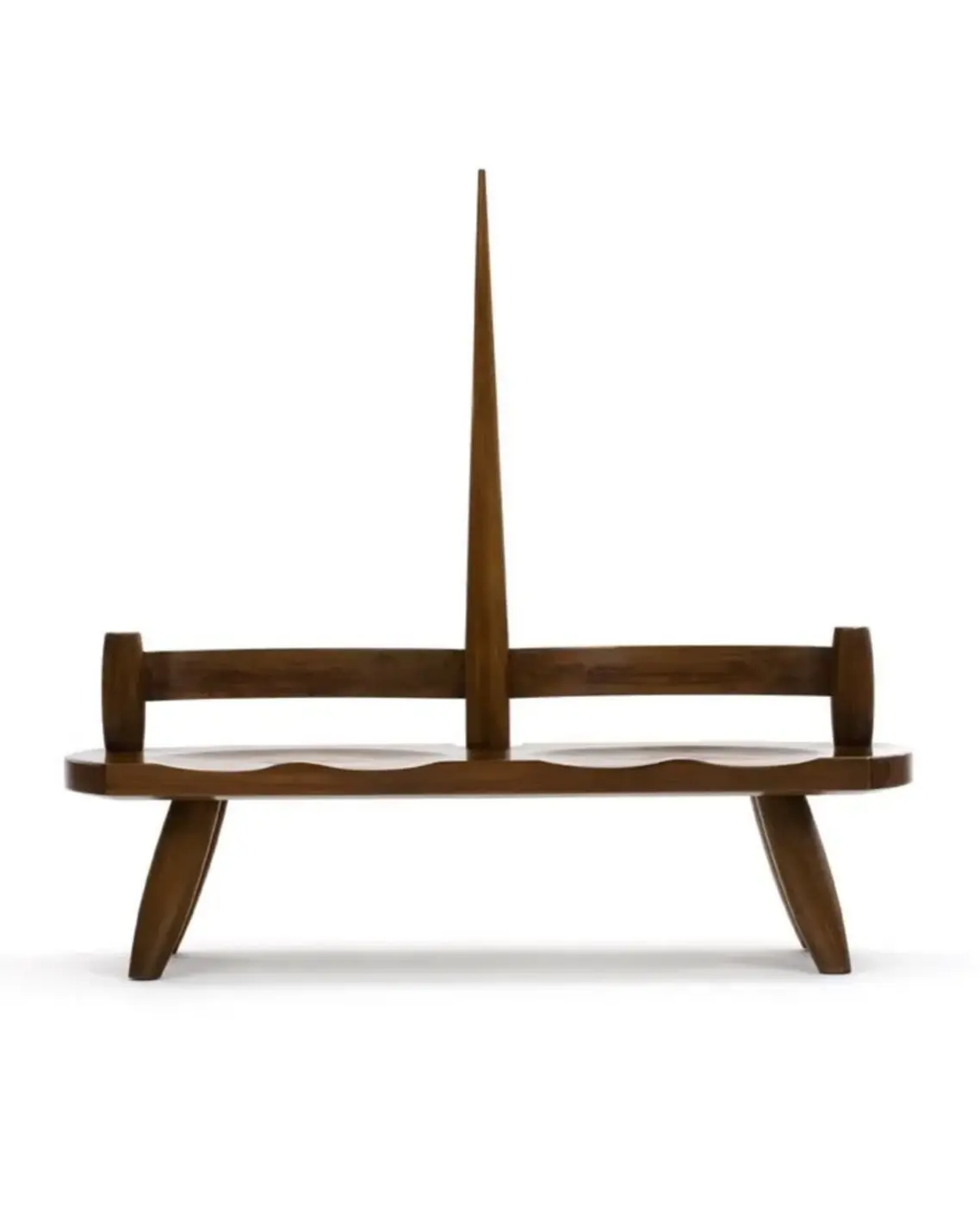
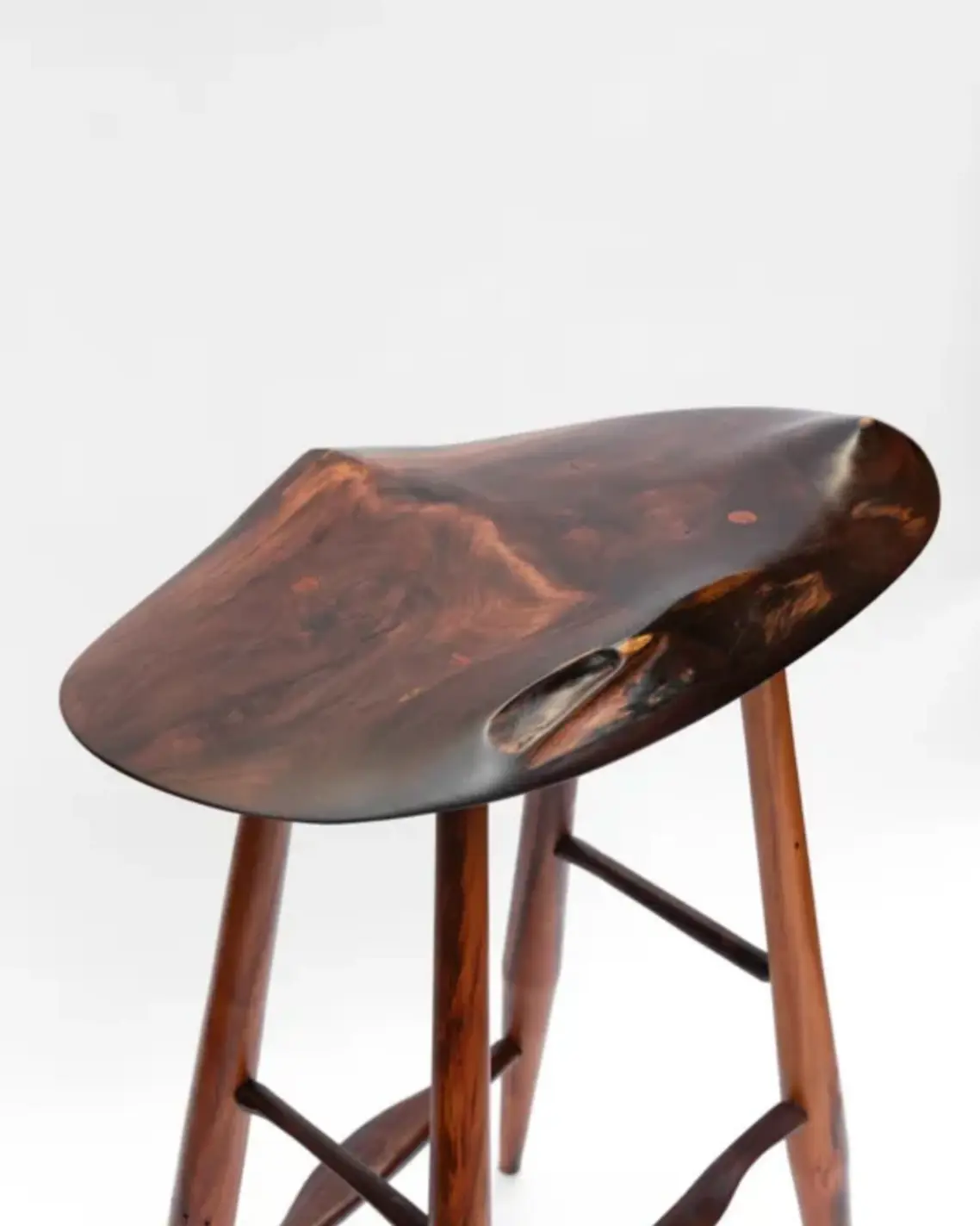
SP-Arte also widened its international reach without letting the fair lose coherence. The return of the Showcase sector brought in galleries from Argentina, Peru, Mexico, and Portugal, including Ruth Benzacar, Crisis, and Curro, signaling renewed cross-border energy. Yet even with those arrivals, Brazilian galleries and artists remained the fair’s gravitational force.
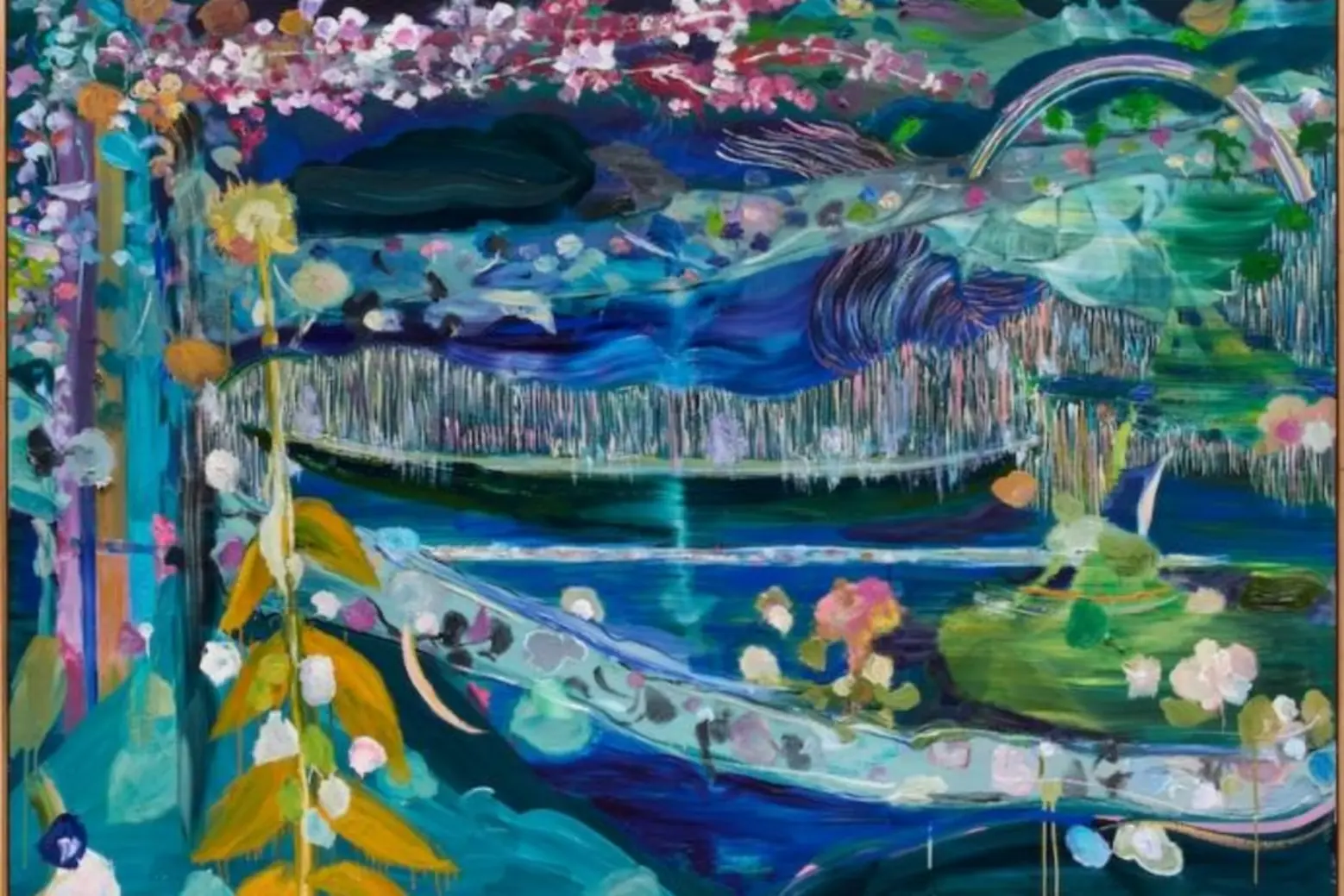
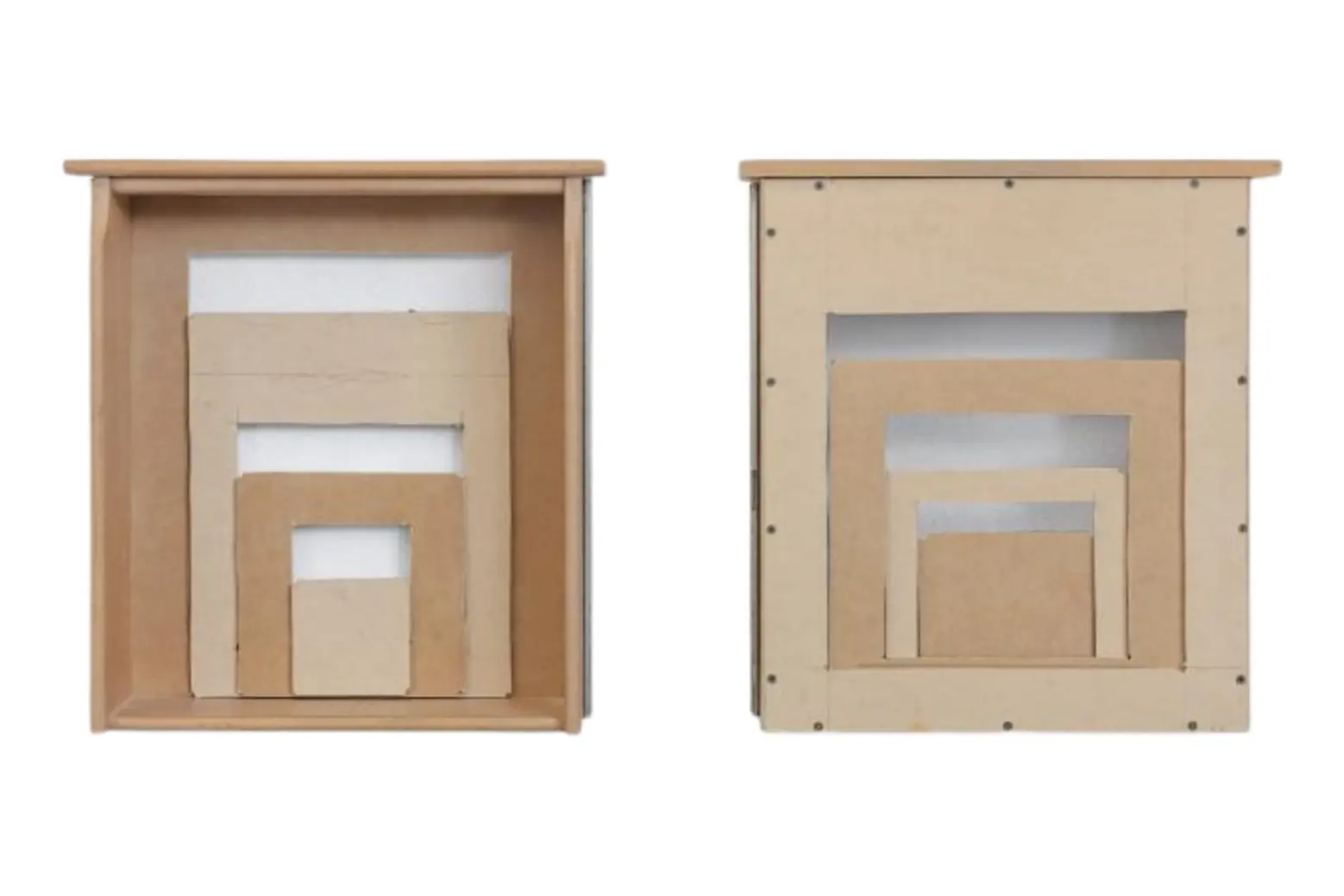
What made SP-Arte 2026 feel especially current was the way the fair sat inside a larger São Paulo conversation about history and authorship. During the same week, the city offered Macunaíma é Duwid at Pina Estação, a critical rereading of a Brazilian modernist myth from Indigenous perspectives, while Instituto Tomie Ohtake staged Isay Weinfeld – Etcétera, a retrospective running through May 17. Together, these parallel events reinforced the sense that SP-Arte was thriving less as a sealed marketplace than as part of a broader civic and cultural circuit.
Even the logistics told a São Paulo story. On the fair’s final day, the 30th São Paulo International Marathon forced major road closures, and official guidance directed visitors across a pedestrian bridge to reach gates 3 or 4. In another context, that might have felt disruptive. Here, it seemed oddly fitting: SP-Arte 2026 is a fair built around material presence, local context, and slow-looking ending with the city itself insisting on a different route in.