MENU
Close





On July 1, 2010, The Estée Lauder Companies acquired Smashbox Cosmetics, bringing the Los Angeles photo-studio makeup brand into one of beauty’s most powerful prestige portfolios.
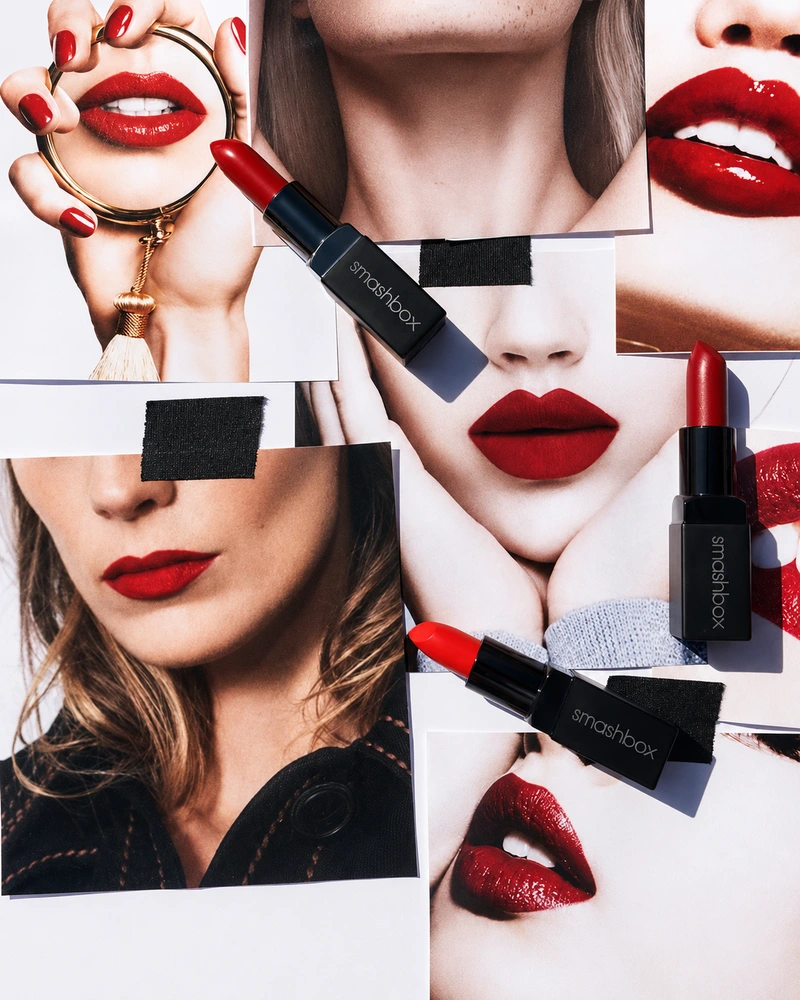
On July 1, 2010, The Estée Lauder Companies acquired Smashbox Cosmetics, bringing the Los Angeles photo-studio makeup brand into one of beauty’s most powerful prestige portfolios.
July 1, 2026


Smashbox Cosmetics was born from Smashbox Studios in Los Angeles, a creative environment built around photographers, models, celebrities, makeup artists, lighting tests, campaign shoots, and the practical pressure of looking good on camera. That studio background became more than a marketing detail. It shaped the entire product promise: makeup had to perform under lights, survive long days, photograph well, and still feel useful outside a professional set.
Founded by Dean and Davis Factor, great-grandsons of Max Factor, Smashbox Cosmetics carries a direct link to Hollywood makeup heritage while speaking to a newer generation of consumers.
The acquisition by The Estée Lauder Companies marked a strategic moment for prestige beauty. Smashbox Cosmetics gave Estée Lauder a stronger position in color cosmetics, especially within a younger, image-conscious, artist-aware market. The brand also brought a West Coast identity into a portfolio historically associated with classic luxury, department-store beauty, professional artistry, and global prestige.
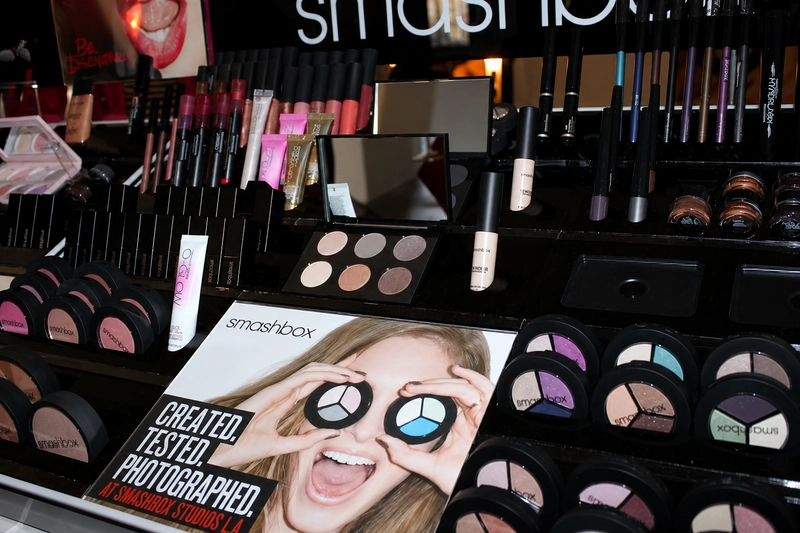
At the center of the brand’s authority was the idea of studio-tested makeup. Smashbox Cosmetics did not sell only color; it sold performance under pressure. Primers, foundations, complexion products, lip color, and eye makeup were framed through the needs of photography and movement. This gave the brand a technical reason to exist inside an increasingly crowded makeup category. The customer was invited to think like someone preparing for a lens, even when the setting was everyday life.
For Estée Lauder, the acquisition also reflected a broader portfolio strategy. The group had already built strength through brands with distinct personalities, from M·A·C to Bobbi Brown, Clinique, La Mer, Aveda, and others. The value of the deal sat not only in sales growth, but in the brand’s ability to speak to a specific beauty behavior that was becoming more important every year.
Under The Estée Lauder Companies, Smashbox Cosmetics gained access to stronger global distribution, prestige beauty infrastructure, and a wider corporate portfolio, which helped move its photo-studio makeup identity beyond its original Los Angeles niche. Yet the brand’s later trajectory appears more complicated than a simple acquisition success story, especially as makeup became increasingly driven by TikTok virality, creator-led brands, and faster visual trends.
However, in 2022, Smashbox Cosmetics exited the U.K. and Ireland after what the brand described as an “accumulation of challenges,” which already suggested pressure in certain markets. By 2026, multiple beauty trade reports said Estée Lauder was considering or moving toward selling Smashbox Cosmetics alongside Too Faced and Dr.Jart+, with reports describing the brands as struggling with growth and sales. This also sits inside a broader Estée Lauder turnaround period, with the company reporting makeup weakness in recent results.