MENU
Close





On July 6, 2020, Qwo Cellulite Injection became the first FDA-approved injectable treatment for moderate to severe cellulite in the buttocks of adult women.
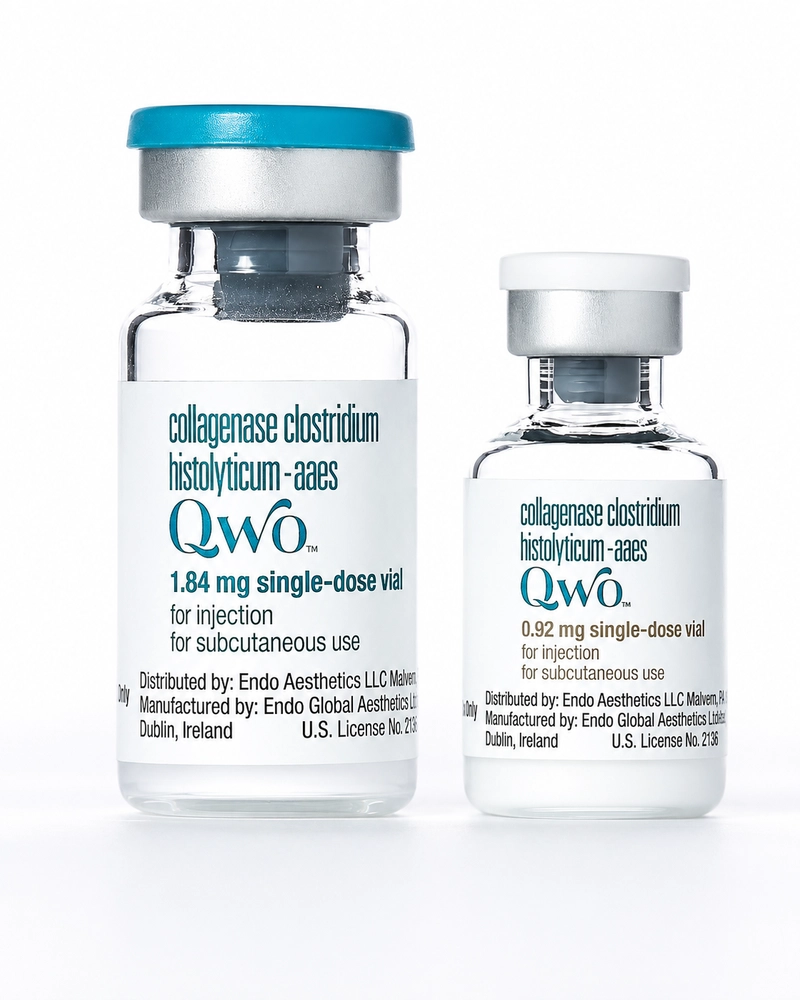
On July 6, 2020, Qwo Cellulite Injection became the first FDA-approved injectable treatment for moderate to severe cellulite in the buttocks of adult women.
July 6, 2026


Its arrival turned a common body texture into a major medical-aesthetic milestone, opening a new conversation about beauty science, body confidence, clinical innovation, and the limits of injectable aesthetics.
The treatment, officially known as collagenase clostridium histolyticum-aaes, was approved for moderate to severe cellulite in the buttocks of adult women. Its significance came from the way it addressed cellulite as a structural concern rather than a purely surface-level issue. Instead of promising softness through creams or temporary optical tricks, Qwo Cellulite Injection belonged to a generation of beauty innovation shaped by biology, injection, and physician-administered procedures.
By the late 2010s, injectables had already become familiar through facial aesthetics, especially neuromodulators and fillers. Qwo extended that logic beyond the face and into the body, suggesting that body texture could become part of the same precise, clinical, highly targeted beauty language. It reflected a larger movement in the industry, where treatments were becoming more specialized and where the line between skincare, dermatology, and aesthetic medicine continued to blur.
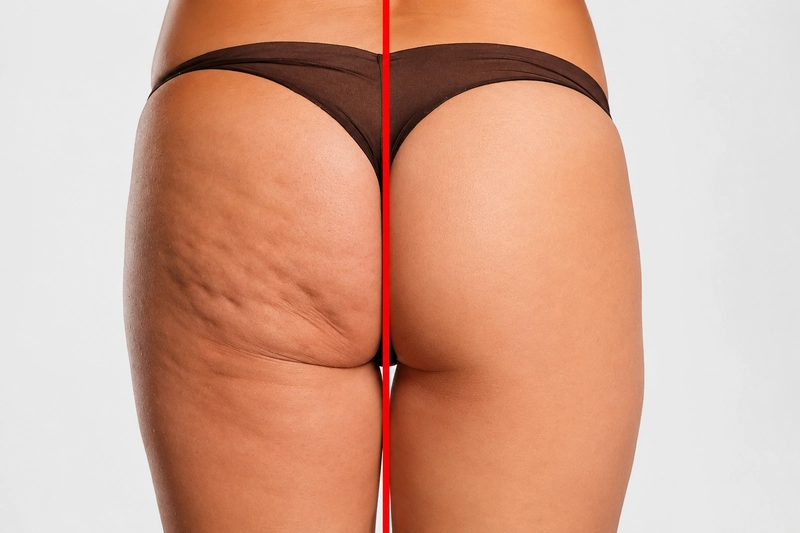
Yet the story of Qwo Cellulite Injection also carries an important complication. The product was later discontinued after concerns around post-treatment bruising and possible skin discoloration. Qwo showed how quickly beauty science can create new possibilities, but also how carefully innovation must answer to real experience, safety, comfort, and trust.
In the history of modern aesthetics, Qwo Cellulite Injection remains a fascinating case: a treatment that briefly made the future of cellulite care feel injectable, regulated, and scientifically specific. Its legacy lies not only in what it promised, but in what it exposed about the beauty industry’s evolving relationship with the body, where even the most ordinary textures can become sites of technology, desire, debate, and caution.