MENU
Close





Roger Fry, born on December 14, 1866, remains one of the most transformative figures in the shaping of modern art.
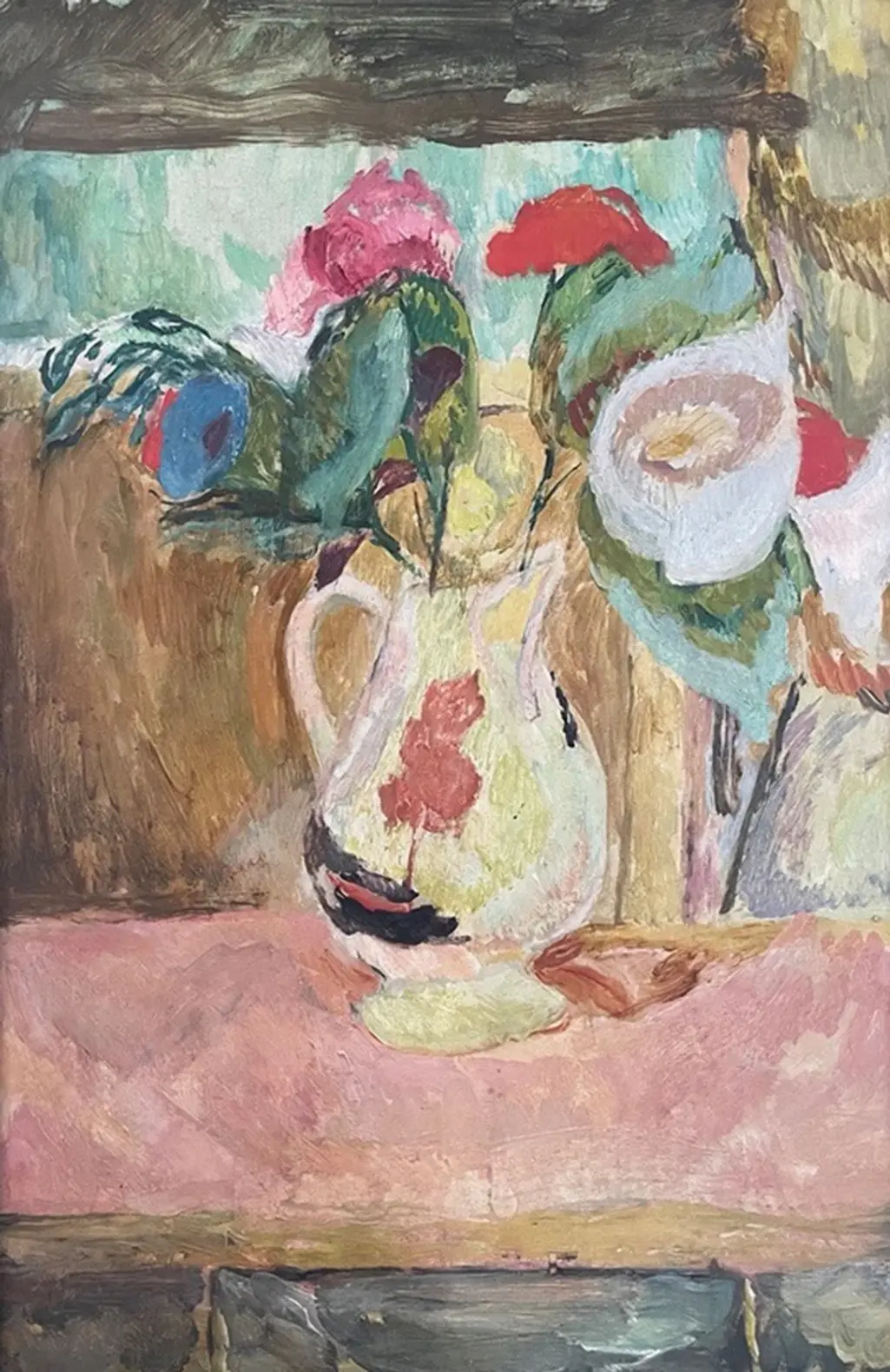
Roger Fry, born on December 14, 1866, remains one of the most transformative figures in the shaping of modern art.
December 14, 2025


A critic, painter, curator, and founding spirit of the Bloomsbury Group, Fry not only introduced Britain to Post-Impressionism but changed the very way audiences understood the emotional and intellectual power of art. To celebrate his birthday is to celebrate a turning point in cultural history, when a single mind dared to challenge tradition and opened the door to a new visual language.
Before Fry, British art at the turn of the twentieth century was rooted in academic realism and Victorian sentiment. Fry saw beyond these limits. During his travels in Paris, he encountered Cézanne, Gauguin, Matisse, and Van Gogh, artists whose work was largely unknown or dismissed in England. He recognized in them a radical commitment to color, form, and emotion, a shift away from literal representation and toward what he famously called “significant form.” This idea became the foundation of his critique: that the arrangement of lines, shapes, and colors could communicate feeling more powerfully than narrative alone.
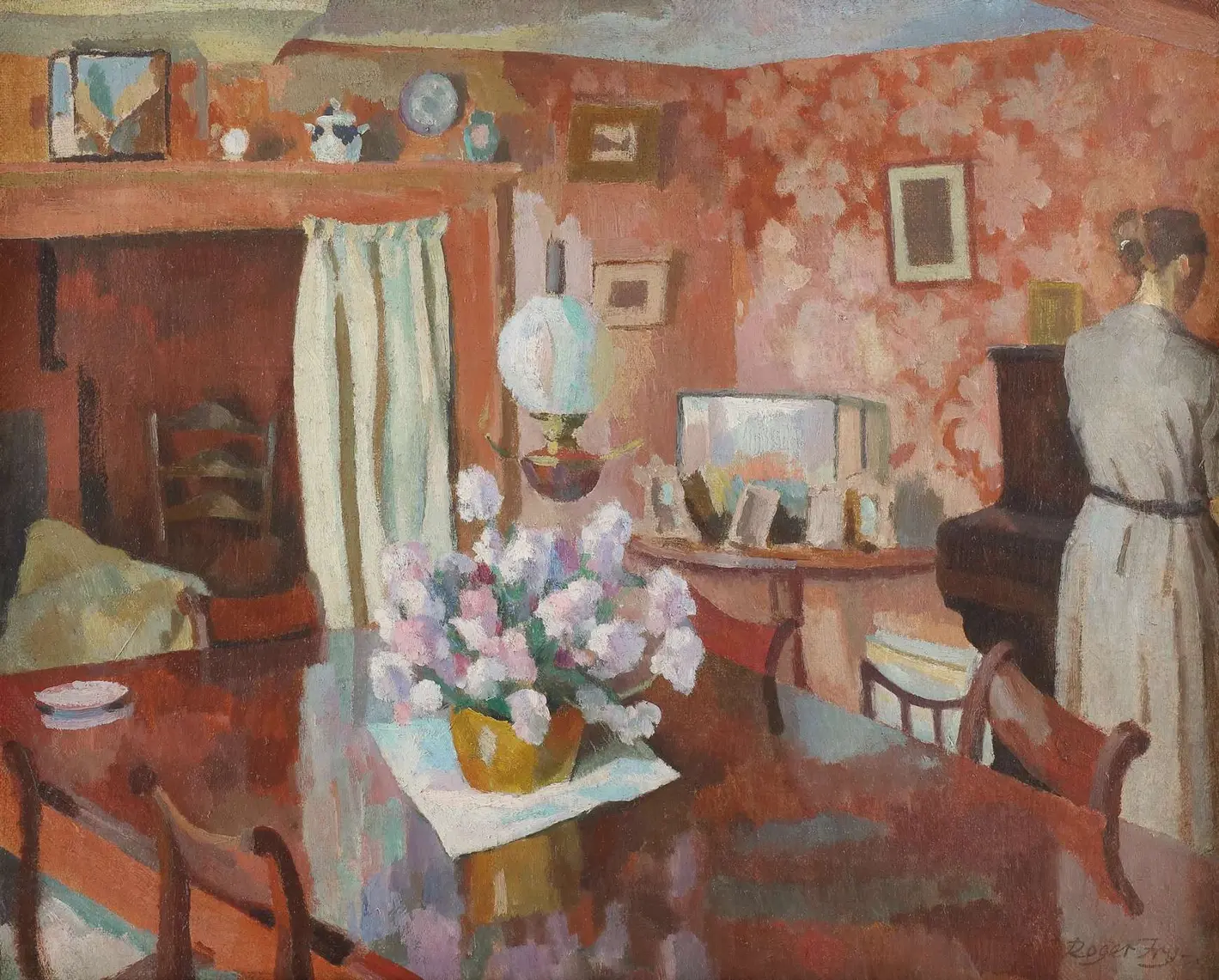
Fry’s landmark 1910 exhibition, Manet and the Post-Impressionists, shook London. Critics were outraged, audiences were bewildered, and the art world found itself split open. Yet history vindicated Fry. His insistence that modern art deserved thoughtful engagement helped foster the cultural shift that allowed abstraction, experimentation, and artistic rebellion to enter mainstream conversation. Without Fry, the trajectory of British modernism would look profoundly different.
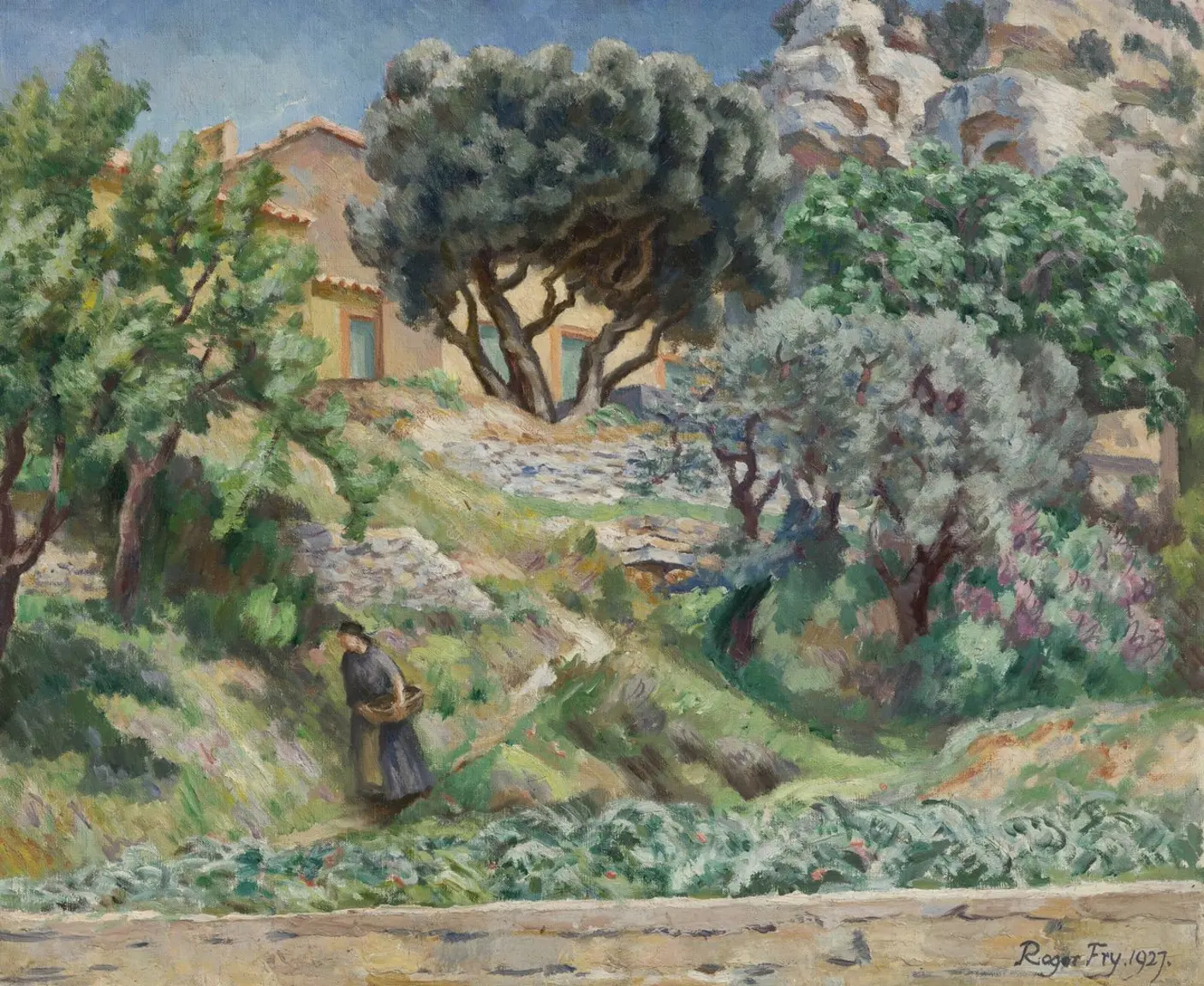
But Fry was more than a critic. As a member of the Bloomsbury Group, he championed the idea that art should be woven into daily life. He founded the Omega Workshops in 1913, a studio where artists created textiles, furniture, ceramics, and decorative objects that blended bold color with modern form. His belief that beauty should live in the home as well as the gallery helped shape modern design sensibilities in Britain.

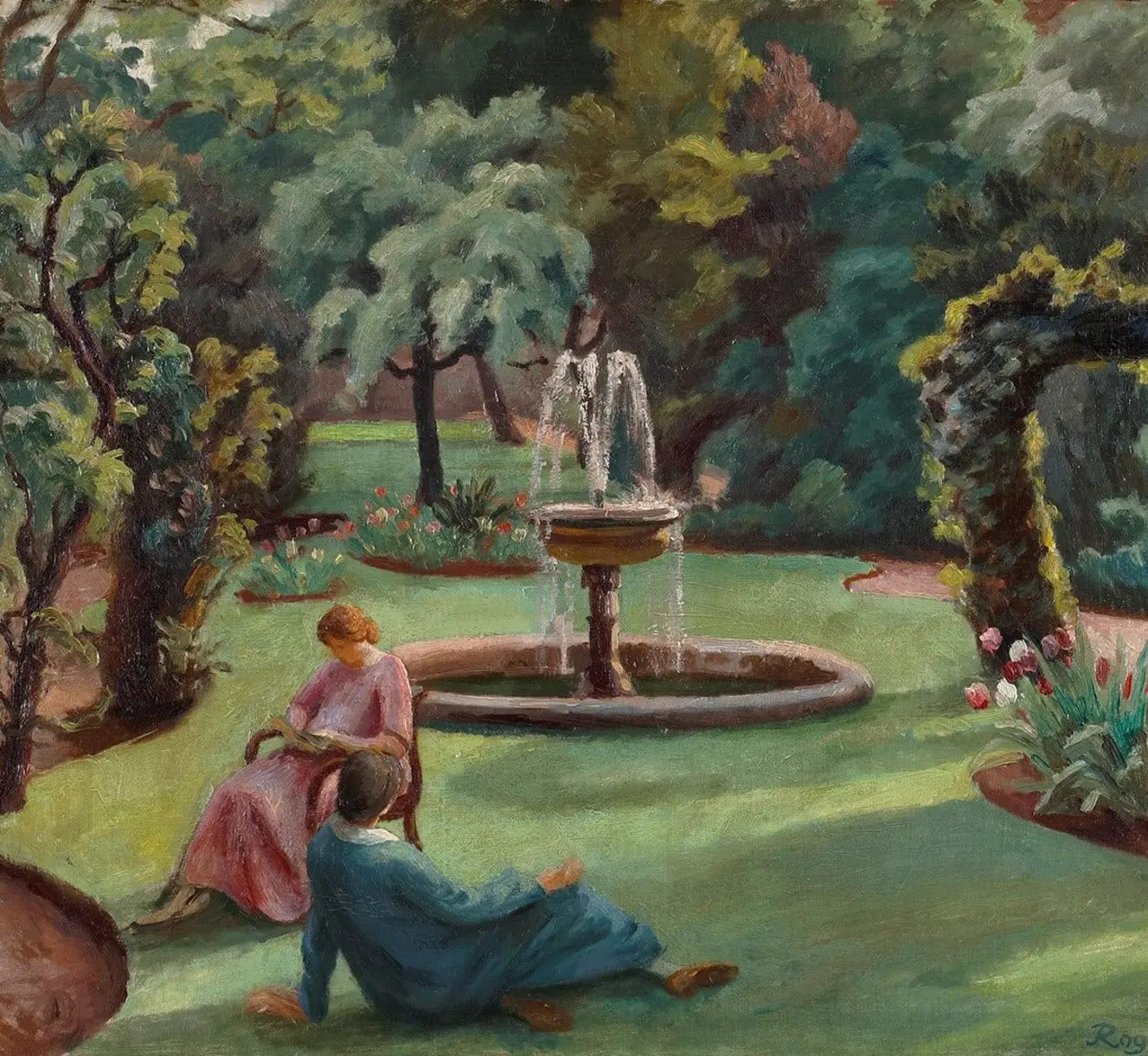
As a painter, Fry developed a gentle, lyrical style influenced by the very artists he championed. His portraits and landscapes reveal an intimacy and sensitivity that mirror his theories: color used not as decoration but as emotion, form used to reveal structure rather than mimic appearance.
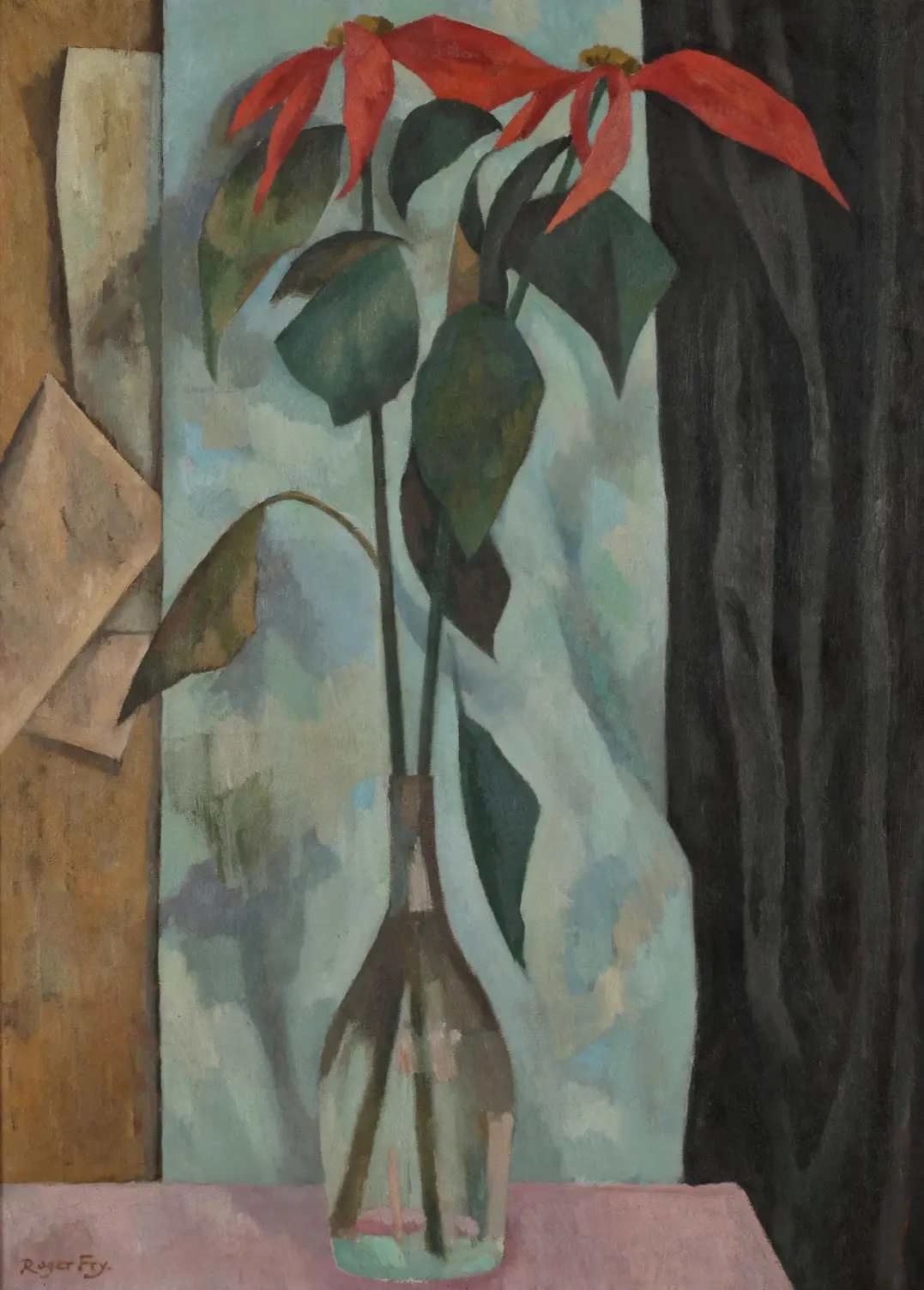
Today, on his birthday, we celebrate Roger Fry as the visionary who taught Britain not simply what to look at, but how to look. His legacy endures in every modern gallery, every bold brushstroke, and every viewer who understands that art’s true power lies in perception.