MENU
Close





The palace doors are open again, and fashion seems dangerously willing to enter. Rococo Revival has dragged the 2026 runways back to court with a delirious appetite for beauty that refuses to be simple.
The palace doors are open again, and fashion seems dangerously willing to enter. Rococo Revival has dragged the 2026 runways back to court with a delirious appetite for beauty that refuses to be simple.
July 6, 2026
Advertisement

Advertisement



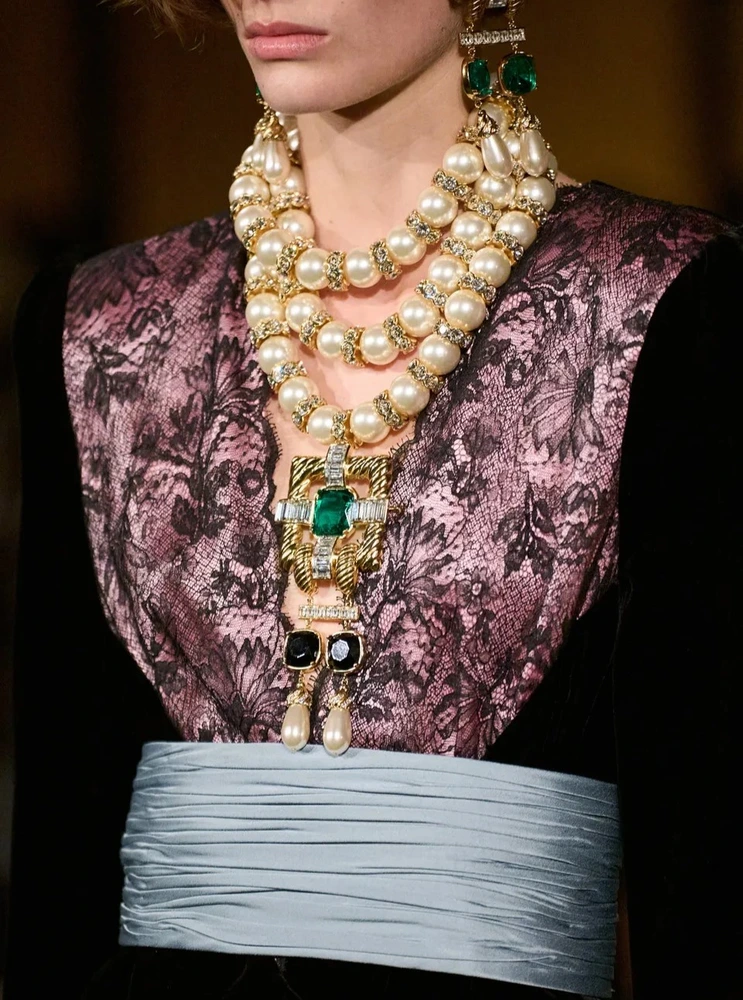
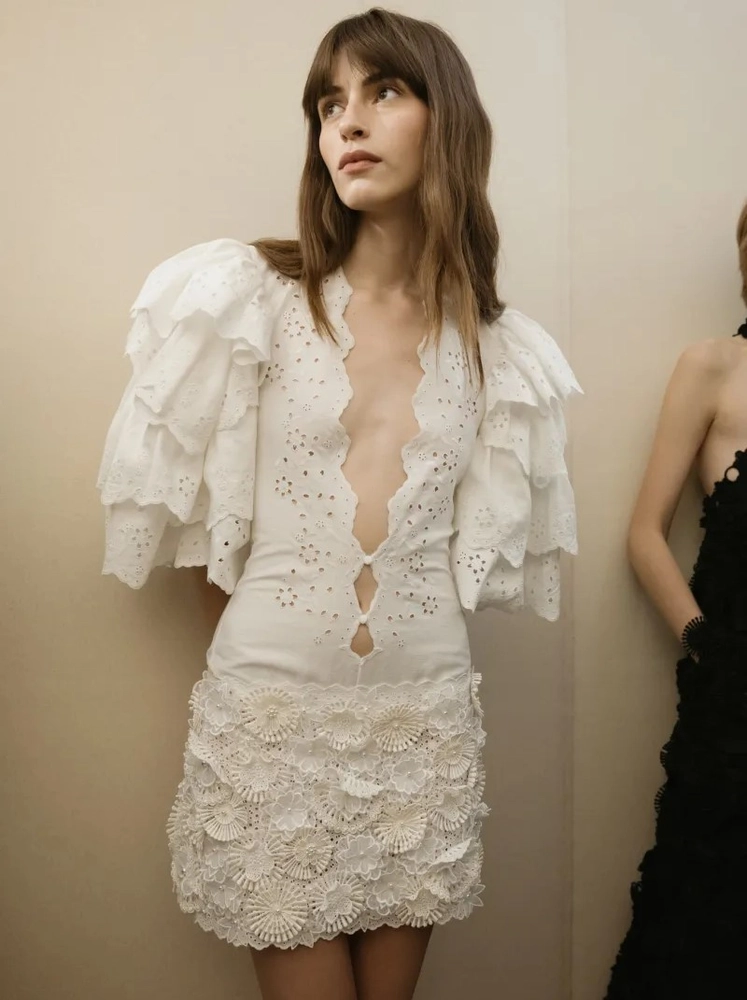
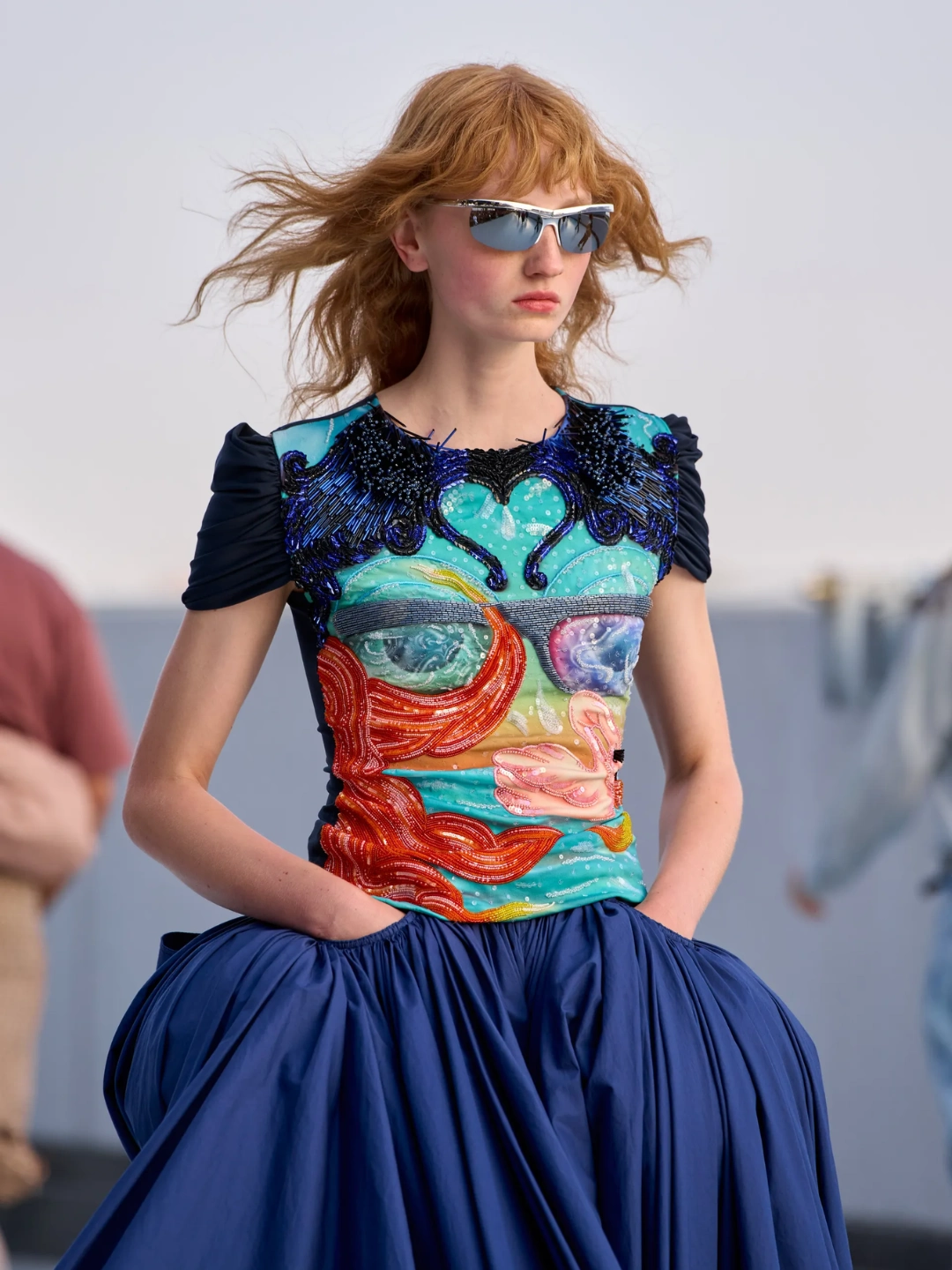
The fashion landscape currently hungers for wide panniers, voluminous petticoats, intricate corsetry, delicate lace, cascading ruffles, and resplendent floral brocades. We observe a decisive pivot toward powdery pastel hues and grand silhouettes that proudly extend outward from the natural body. Rococo revival embraces historical archives entirely to capture the thrill of pure fantasy, opulent decoration, and sweeping emotional escape.
The Spring 2026 collections embraced Rococo style with a delightfully decadent, cake-like sense of ornament, volume, and theatrical sweetness. Runways celebrated structured petticoats, exaggerated forms, and sculptural volume as essential components of a broader cultural movement toward theatricality and reimagined history. The current cultural mood feels intensely vibrant and deeply powerful. This specific Rococo revival successfully transforms the daily act of getting dressed into a grand performance, turning the human body into a magnificent architectural structure.
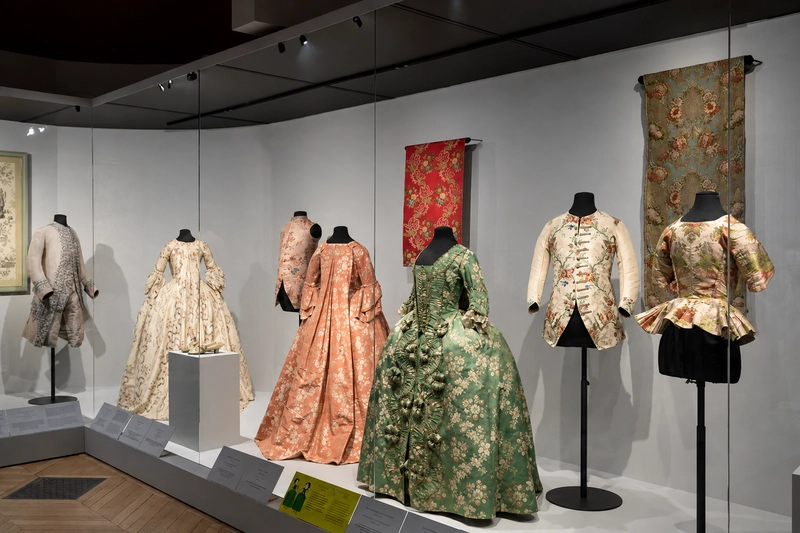
Furthermore, it grants fashion full permission to embrace bold decoration with complete conviction. The energy vibrating through these collections thoroughly transcends polite sweetness; it offers something endlessly compelling. Here, we witness profound beauty acting as a form of rebellion, lavish excess providing deep psychological release, and exquisite softness evolving into a breathtaking visual spectacle.
The current Rococo revival reaches far past the exclusive spheres of Parisian runways. A vast and highly influential cultural machine actively cultivates this opulent mood, weaving together esteemed museum exhibitions, popular television period dramas, archival red-carpet references, and the lasting influence of beloved cinema.
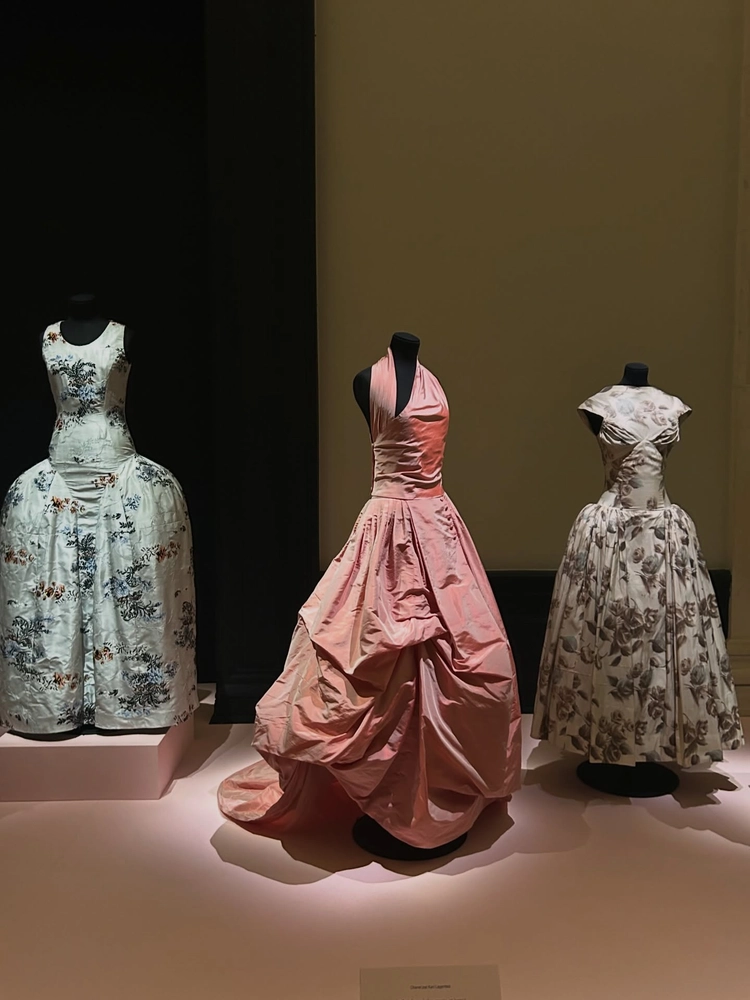
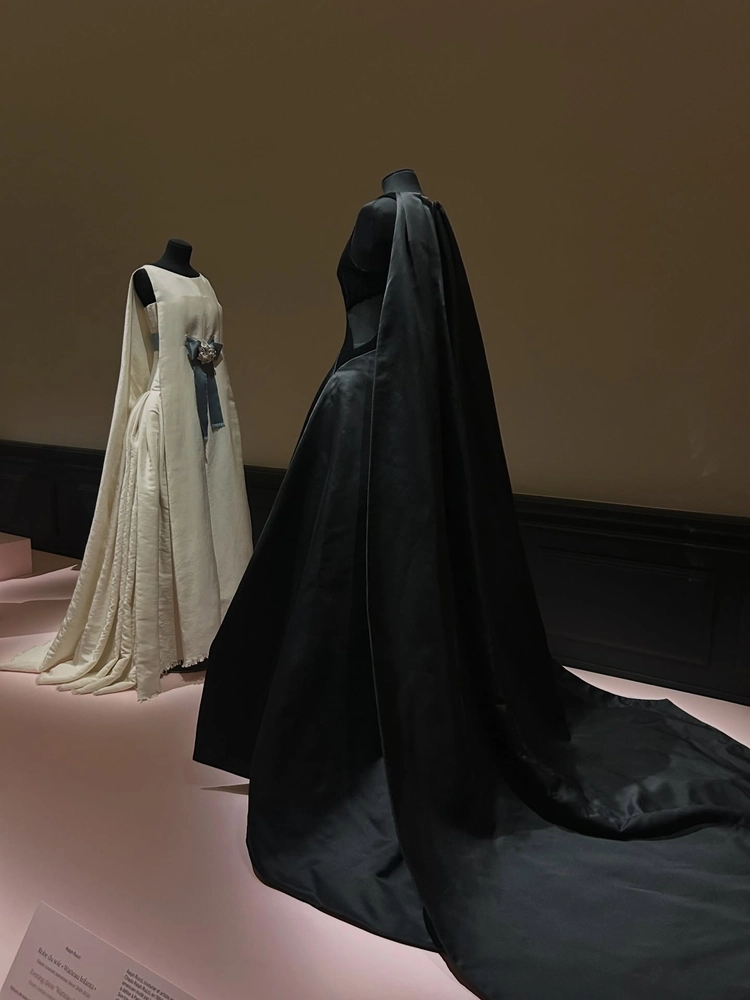
The Palais Galliera exhibition, elegantly titled Fashion in the Eighteenth Century: A Fantasized Legacy, provides the trend with immense intellectual legitimacy. Running from March through July of 2026, the exhibition brilliantly explores historical women’s fashion through a series of modern reinterpretations. The Paris fashion calendar is currently surrounded by multiple exhibitions celebrating eighteenth-century French history. The Palais Galliera brilliantly places historic garments in direct conversation with contemporary creations from legendary houses like Dior, Chanel, Givenchy, Jean Paul Gaultier, Louis Vuitton, Dries Van Noten, and Vivienne Westwood.
Simultaneously, screen culture deeply amplifies this sartorial shift. The Spring 2026 Rococo revival shares a strong visual lineage with immensely popular television phenomena like Bridgerton and The Gilded Age, alongside the culturally significant twentieth anniversary of Sofia Coppola’s Marie Antoinette. That film’s famously playful, inventive styling originally succeeded in making Rococo aesthetics feel completely fresh, vibrant, and relevant.
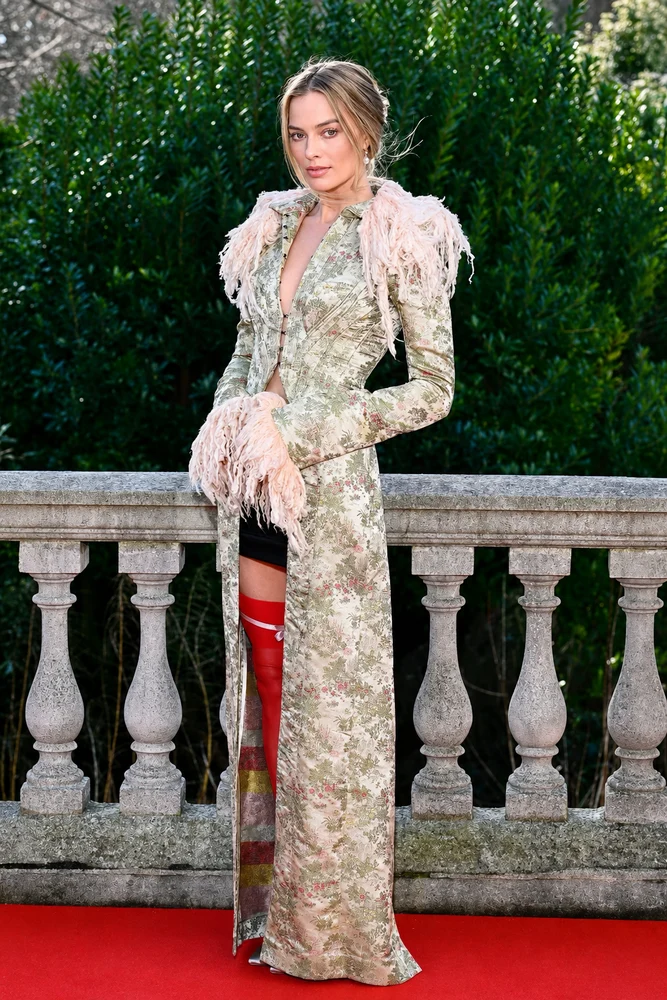
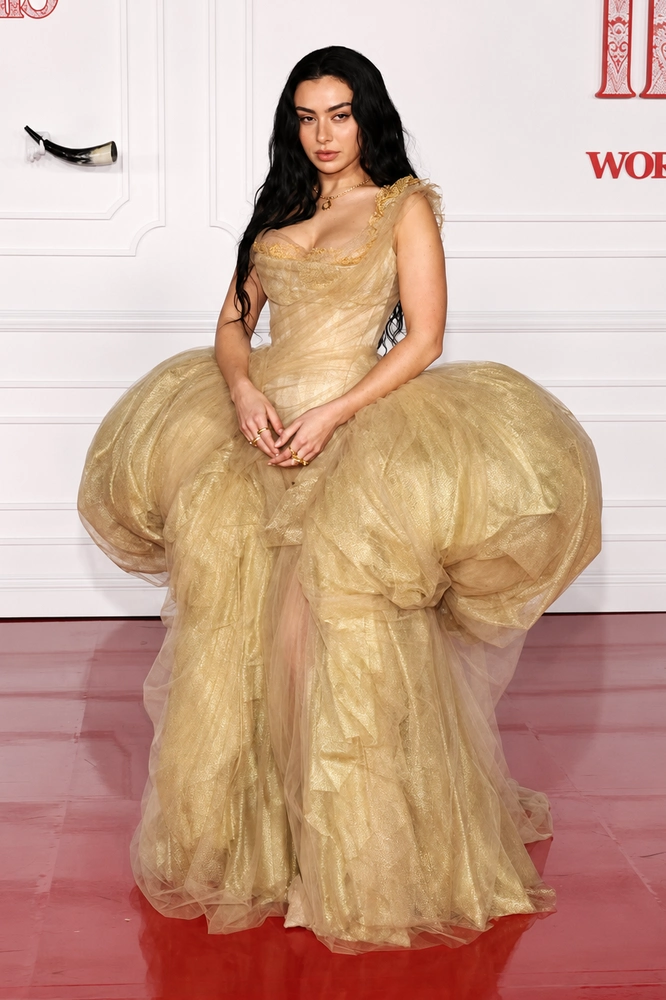
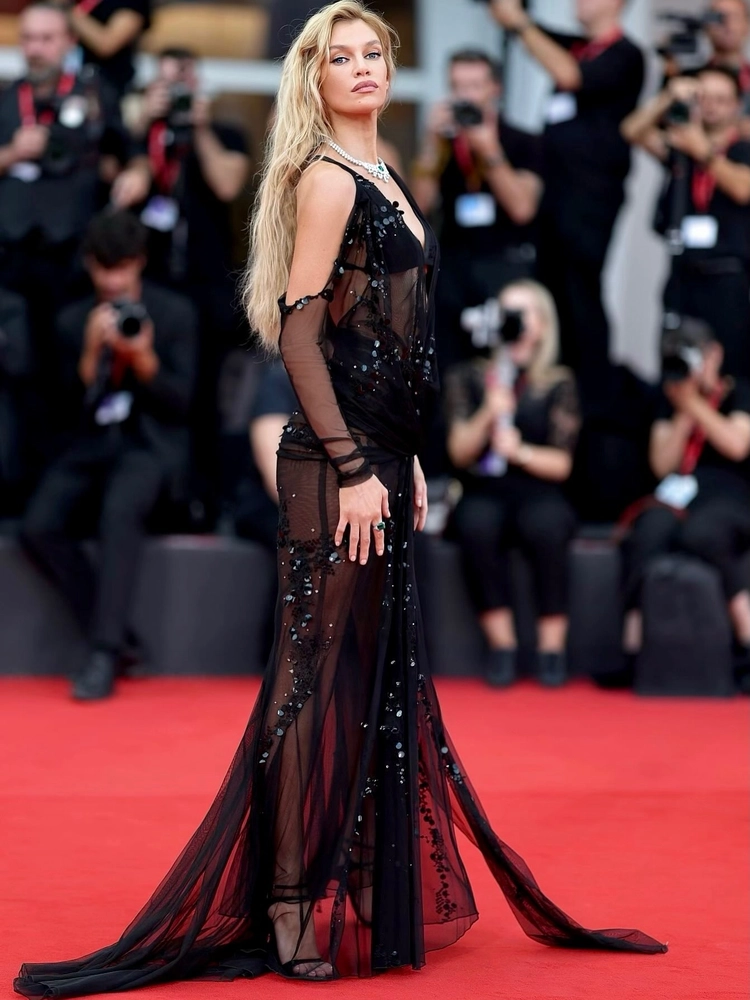
As we transition into the Fall 2026 collections, the mood evolves into a darker, fiercely gothic-romantic register. London Fashion Week reports connect this renewed period dressing to the surging literary attention surrounding Frankenstein and Wuthering Heights, with cinched waists and dark lace dominating presentations from Dreaming Eli. Celebrities consistently prove that historical fantasy belongs firmly to modern pop culture. Famous figures like Charlie XCX and Margot Robbie frequently utilize these eighteenth-century codes, transforming vintage shapes into a broadly understood visual language for music videos and grand red-carpet performances.
Translating the Rococo revival into relevant 2026 garments requires immense analytical skill and brilliant creative vision from modern designers. Simone Rocha consistently provides this trend with deep emotional complexity.
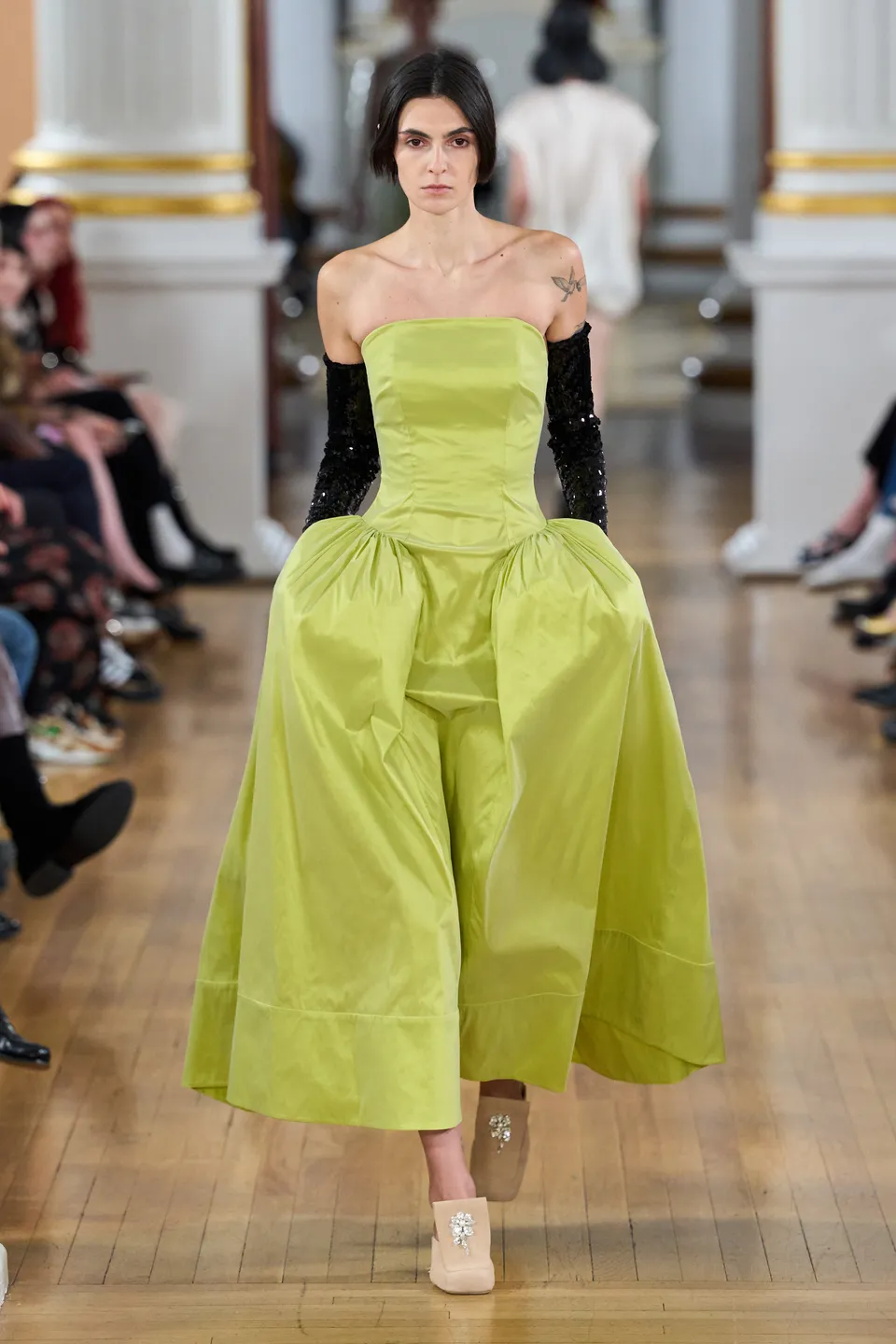
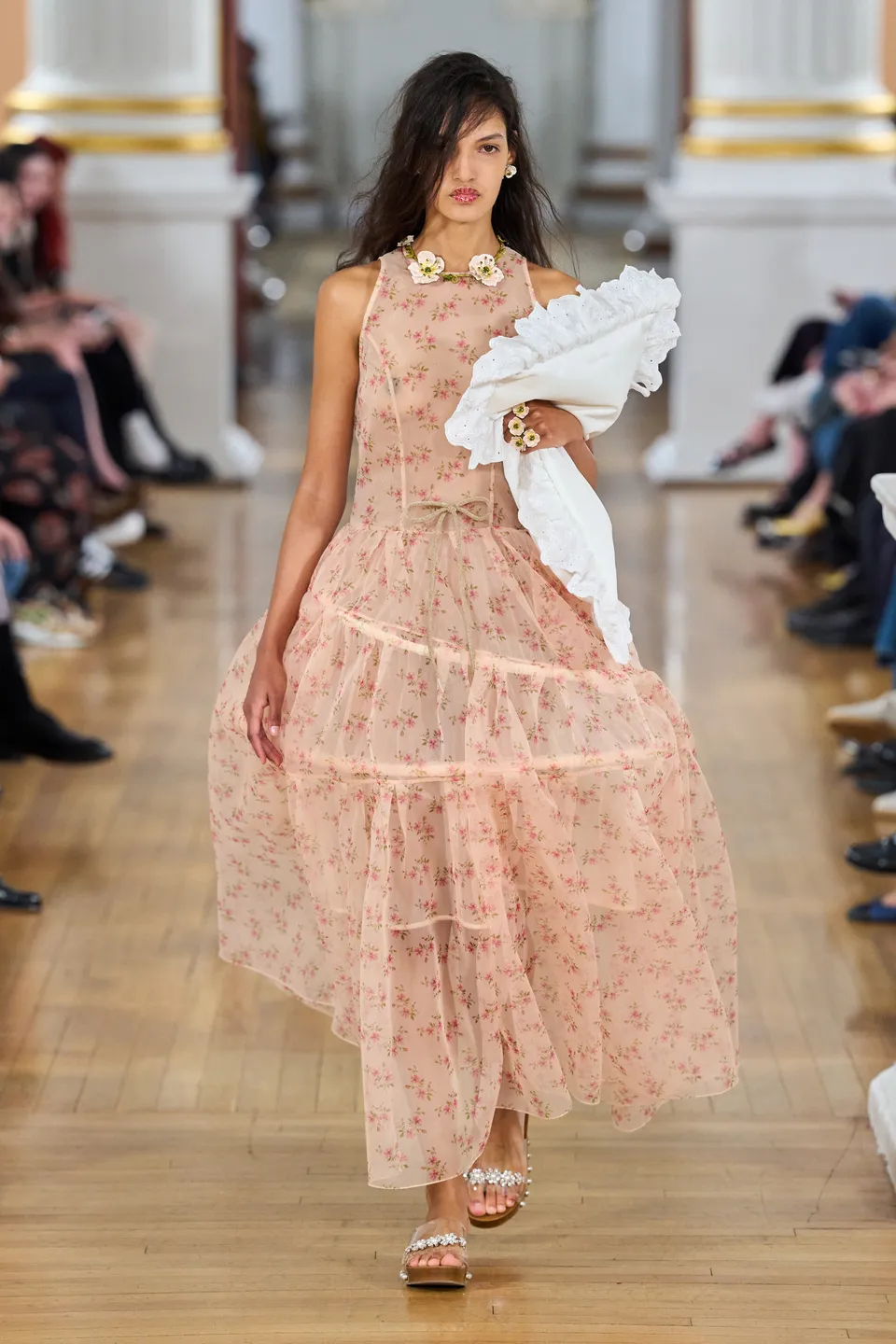
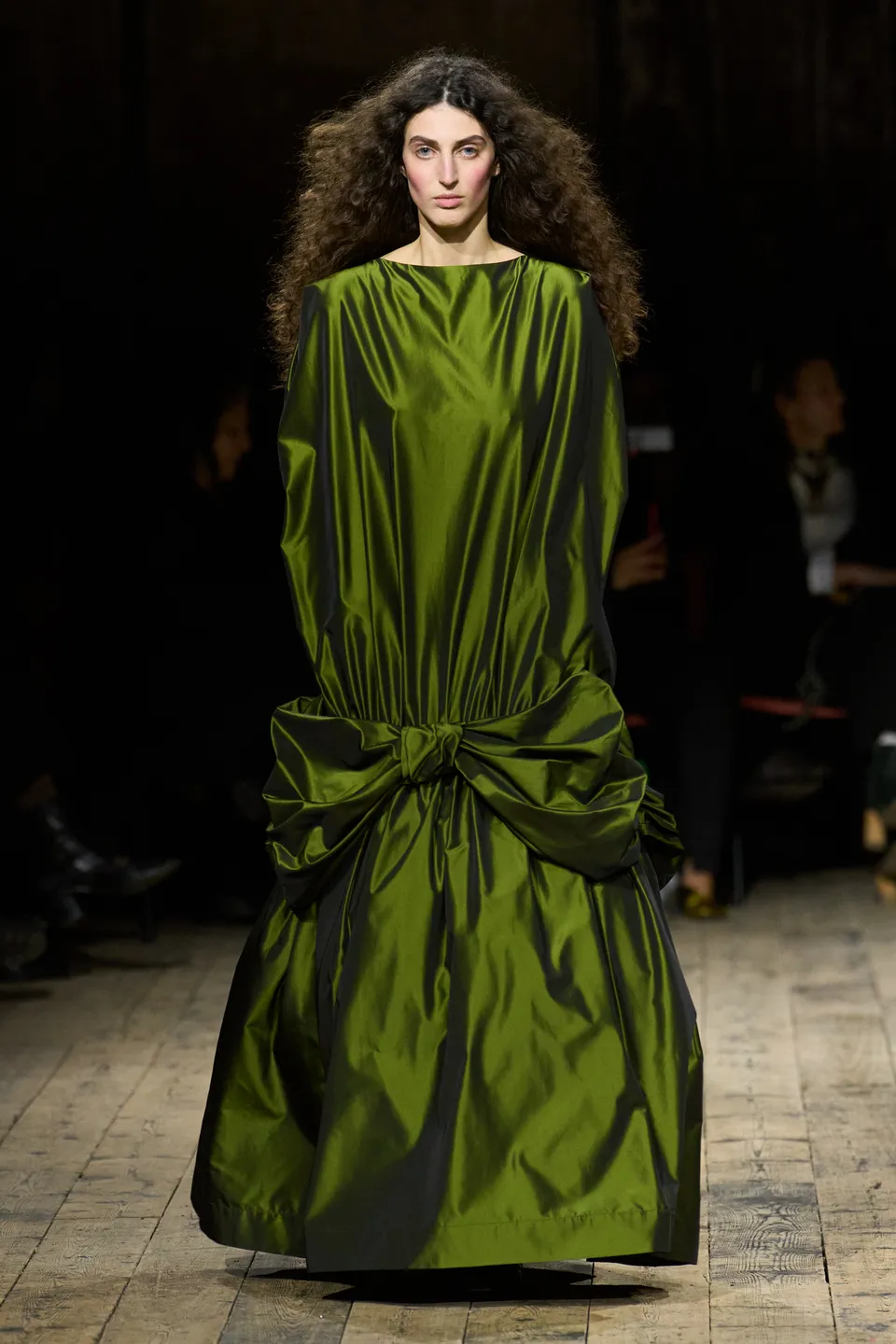
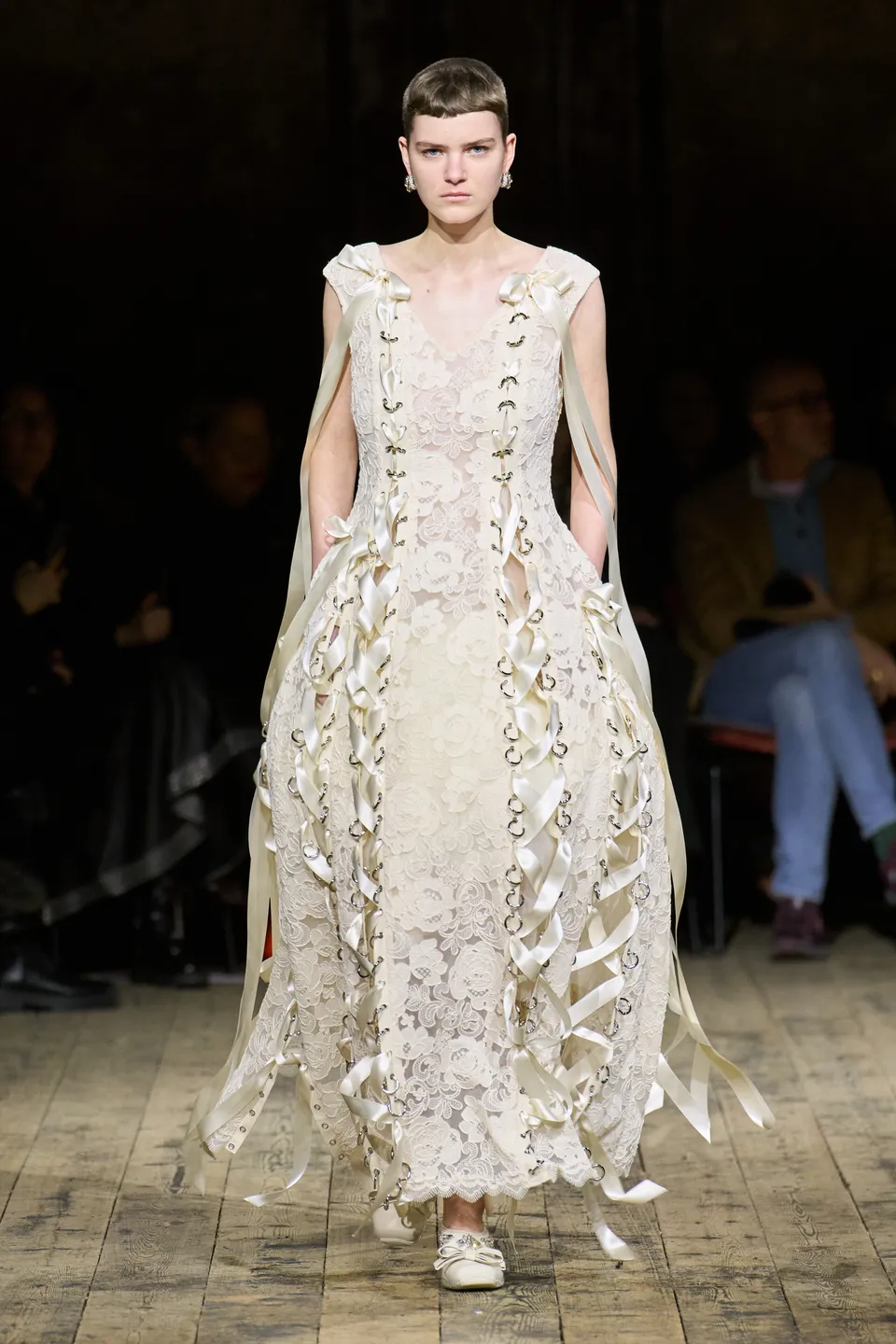
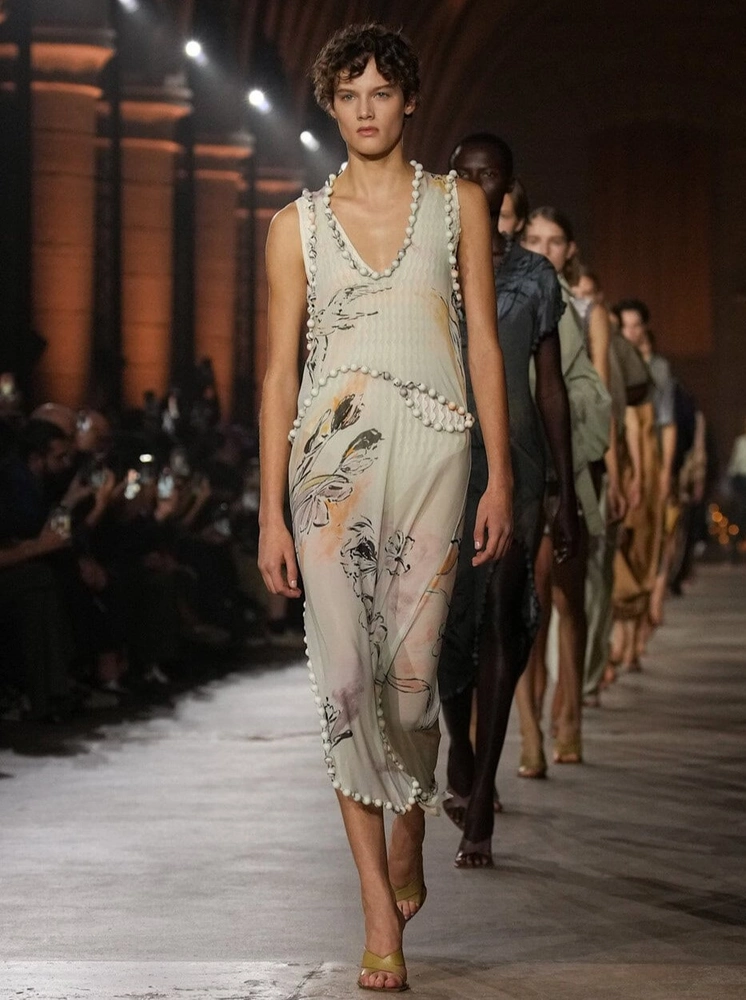
Her collections treat antique lace, profound volume, luminescent pearls, sheer transparency, and bodily distortion as deeply romantic and wonderfully provocative elements. For Spring 2026, the conversation surrounding the exaggerated hip and cinched waist takes center stage. Rocha presented a stunning chartreuse gown specifically identified as “hips,” successfully connecting the modern silhouette to traditional pannier proportions and the triumphant return of a pronounced waistline. Moving into Fall 2026, Rocha thoroughly commands the delicate romance category by integrating elaborate lace and heavily corseted references.
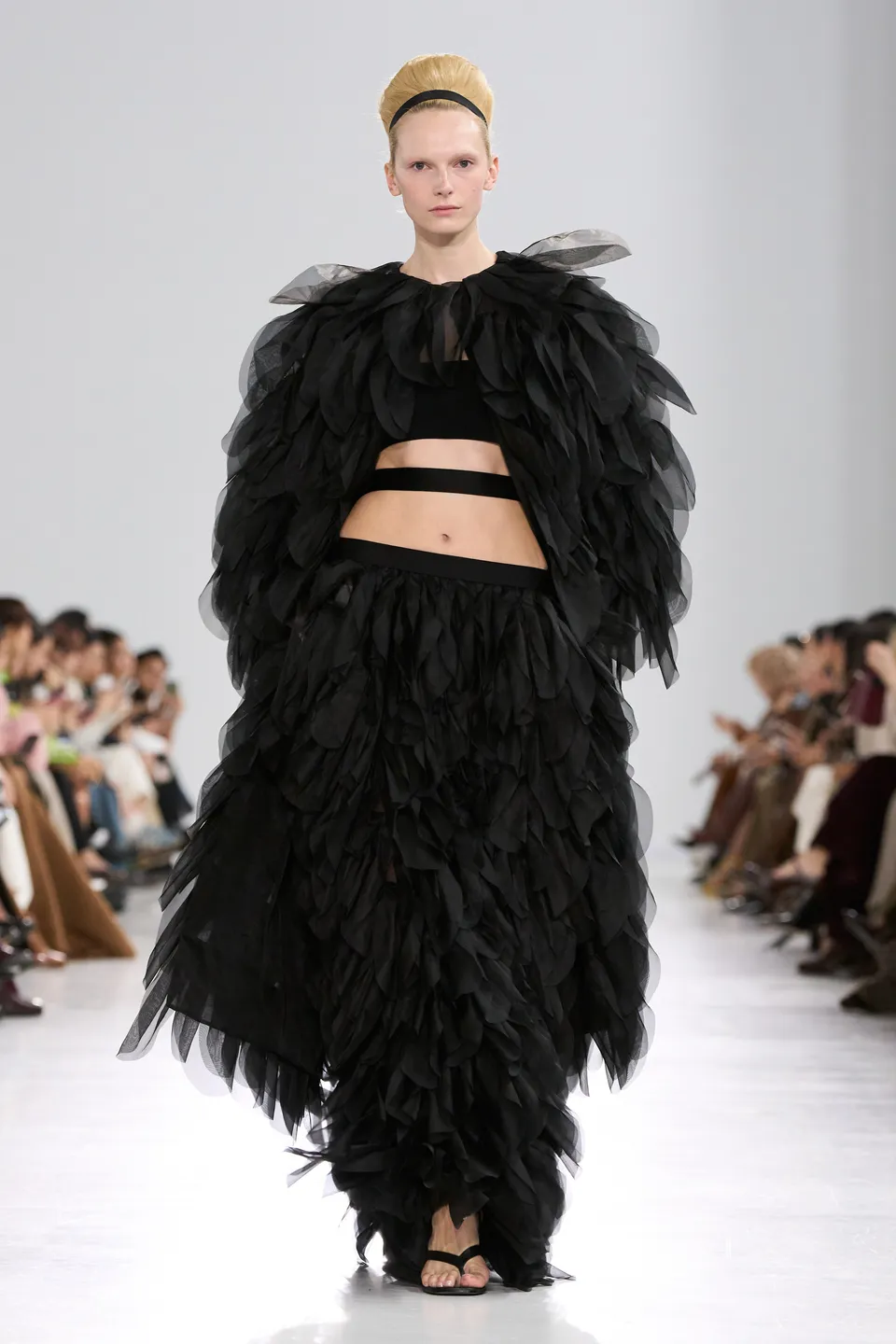
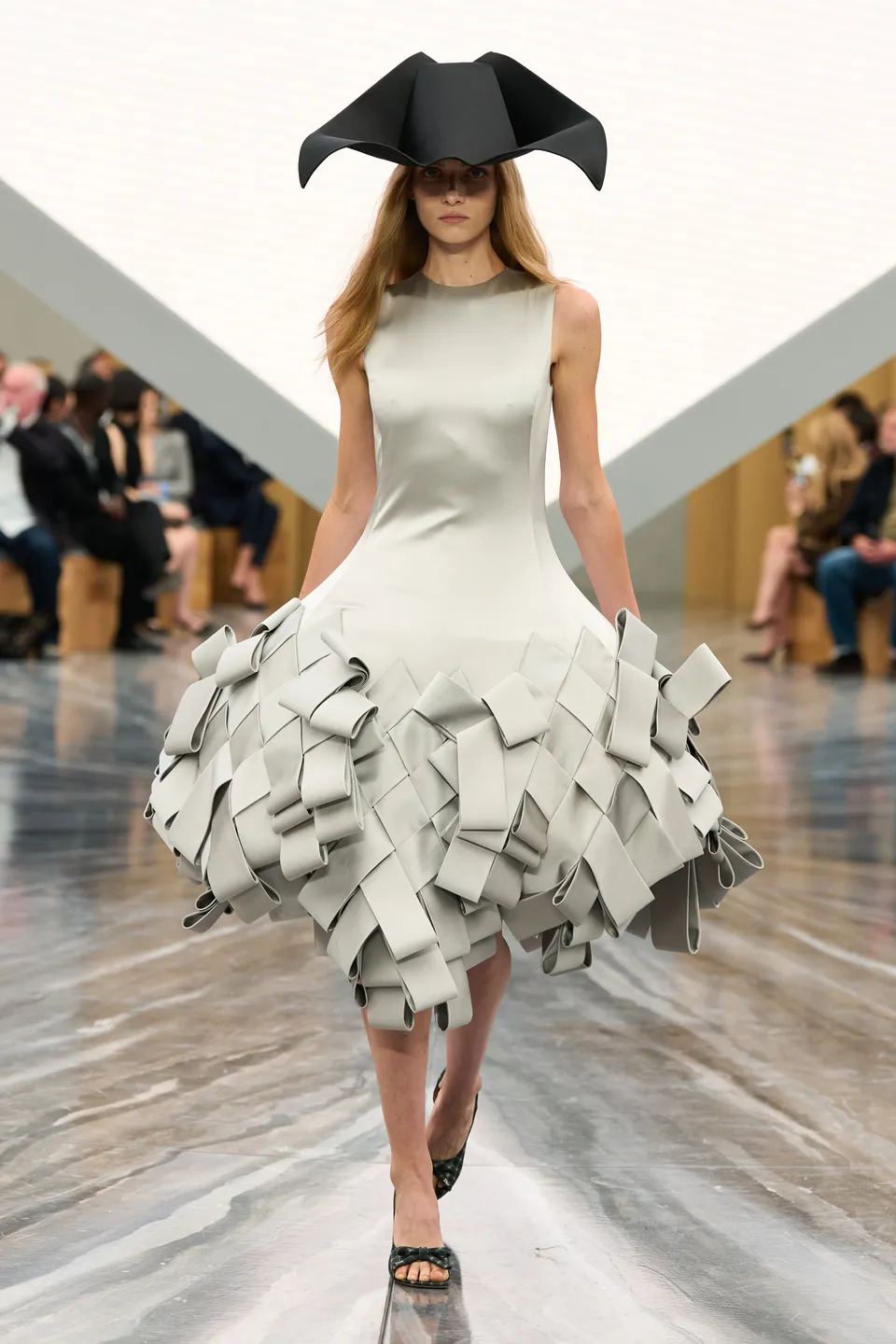
Diverse houses approach the waist with highly unique methodologies. Jil Sander and Max Mara executed the historic motif to feel strikingly architectural, sleek, and precise. Other bold contemporary labels pushed the aesthetic into an exceptionally sexy, body-conscious direction. Fashion currently brings back the powerful politics of the focused waist. Designers eagerly explore the highly decorative Rococo revival with equal enthusiasm.
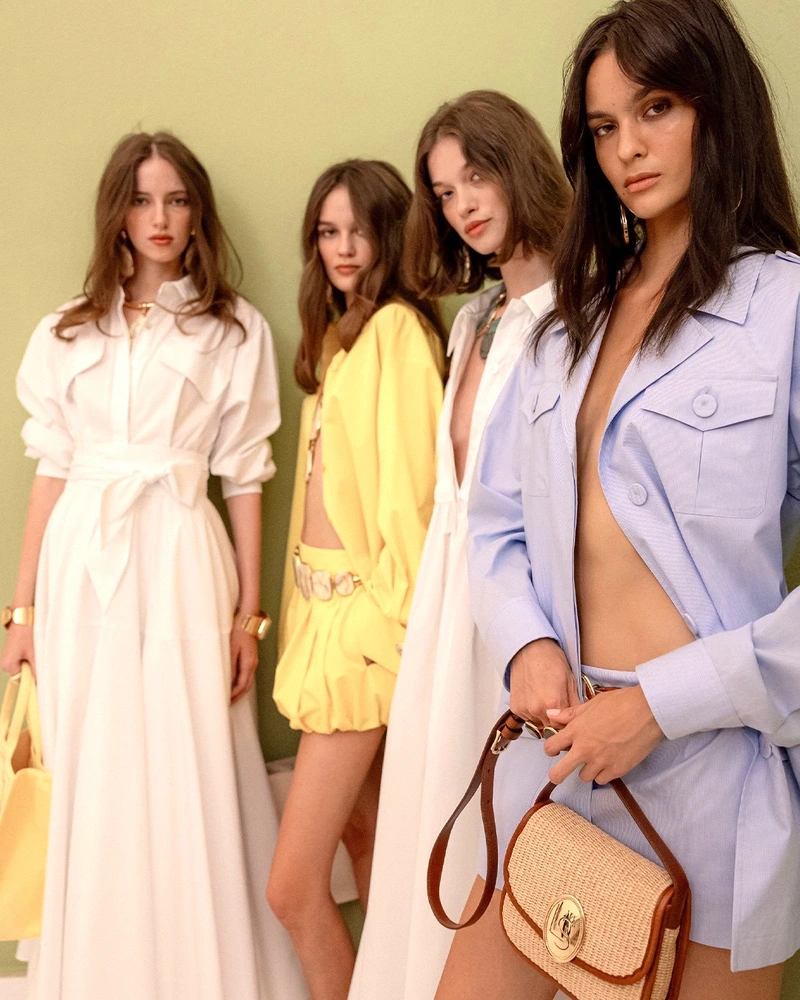
Max Mara’s Spring/Summer 2026 collection serves as a pristine case study, brilliantly translating courtly decoration into sophisticated modern tailoring, structural bands, and highly wearable structure.
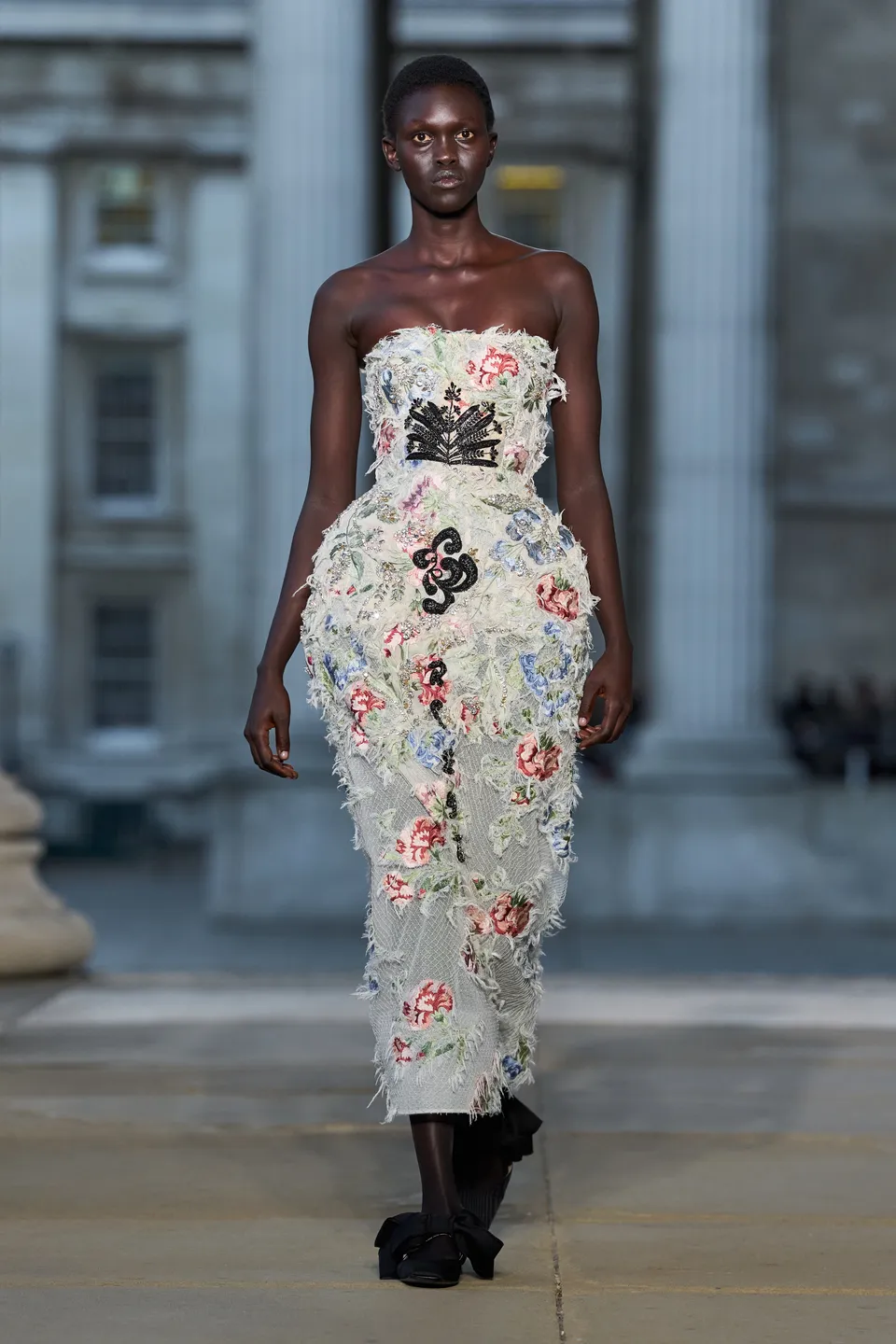
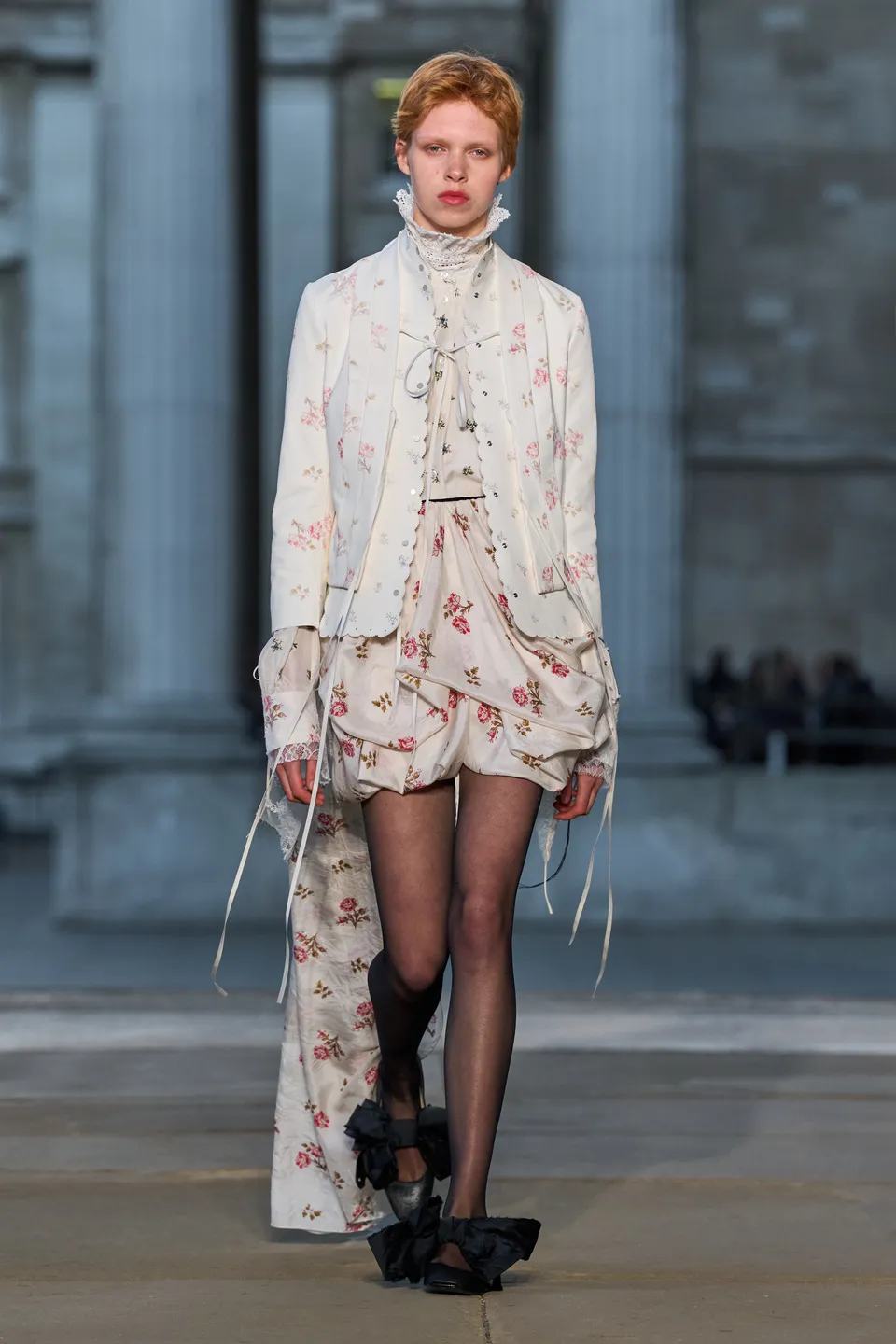
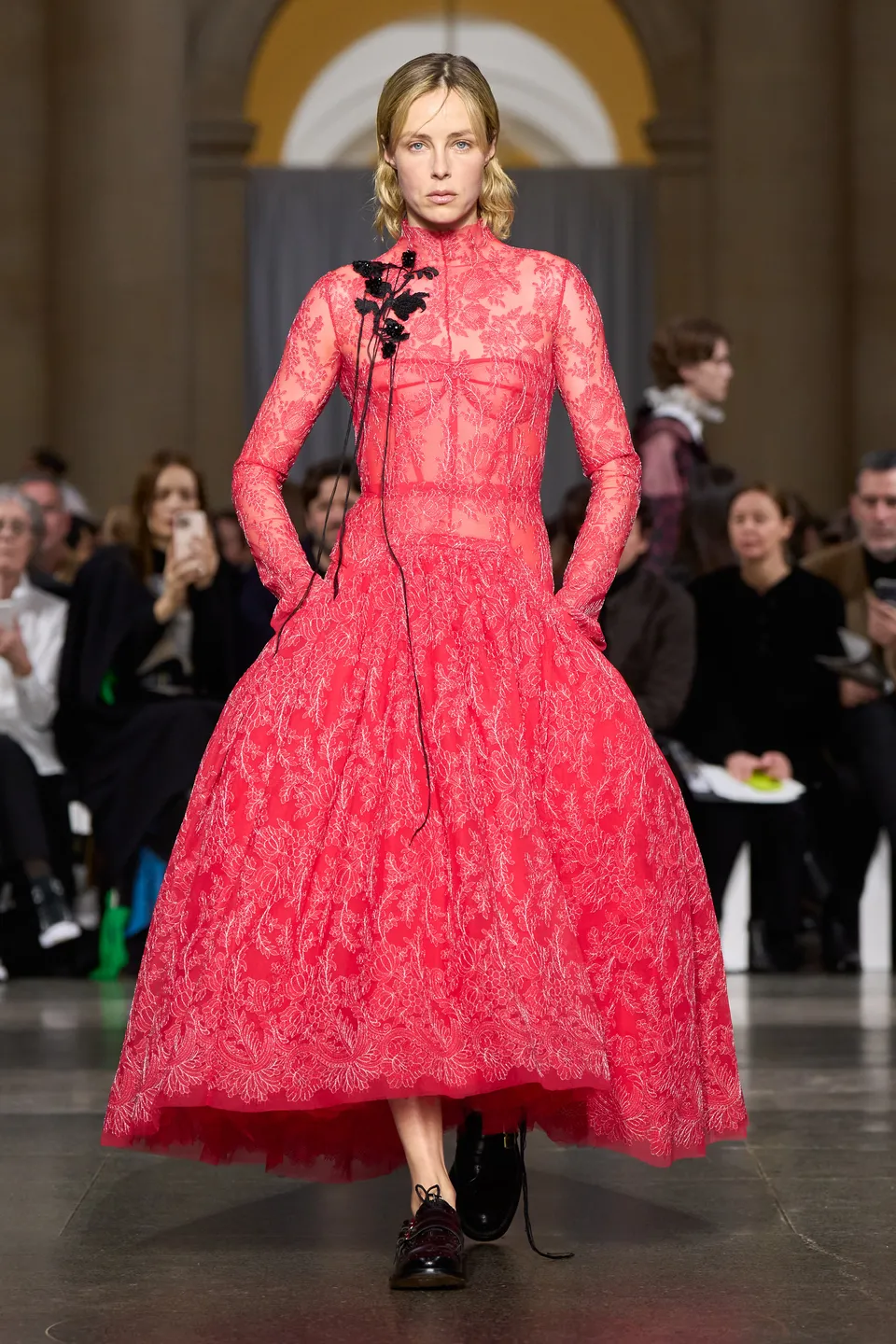
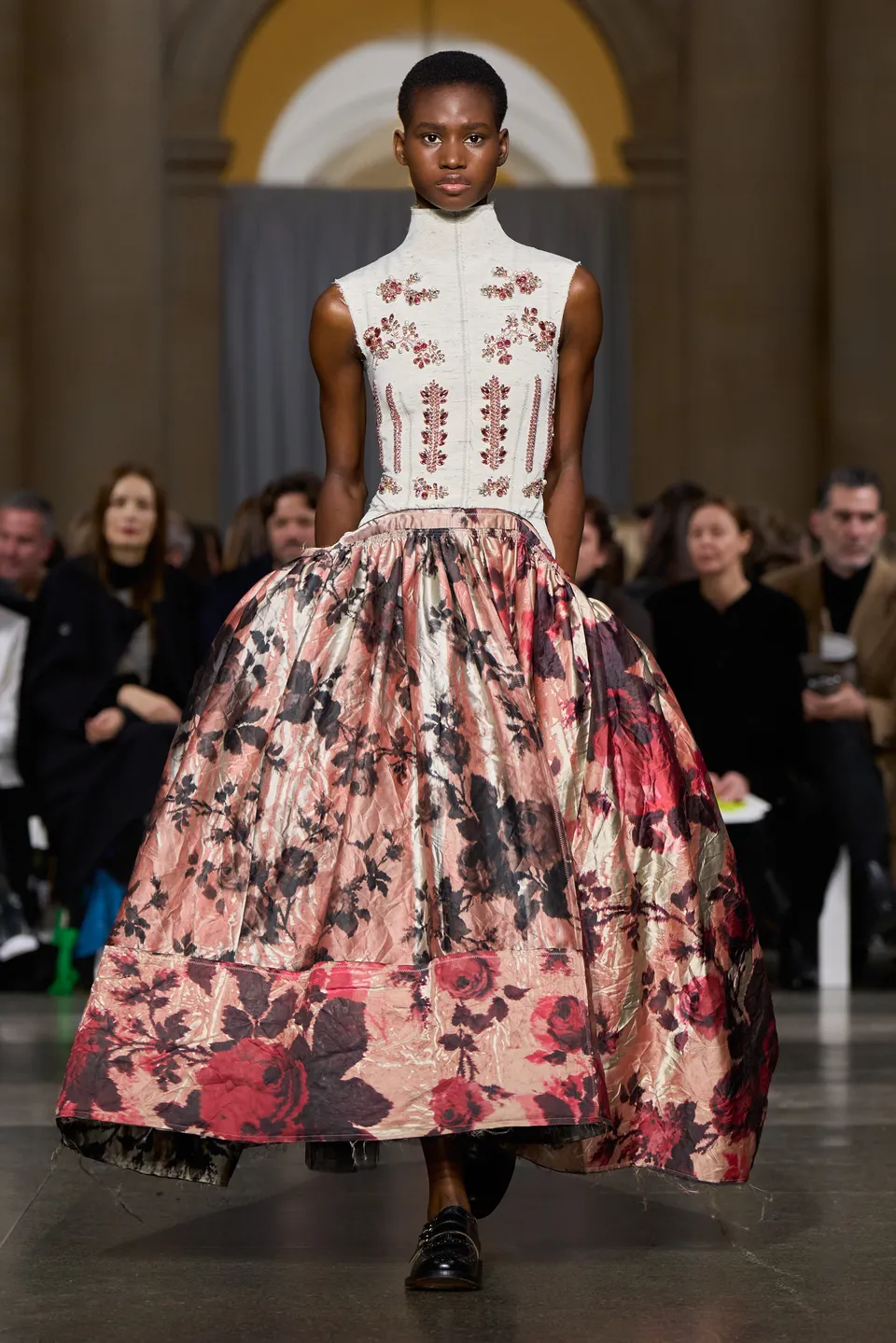
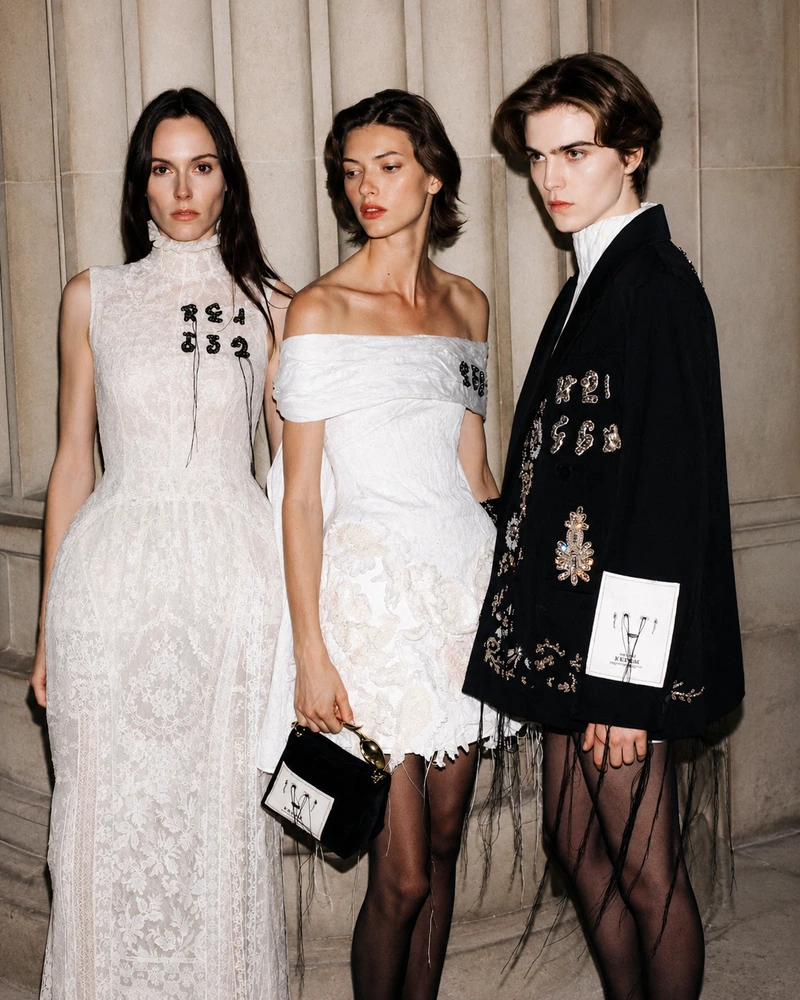
Erdem delivers intoxicating floral narratives, while Dior honors its own rich historical legacy through exquisite craftsmanship.
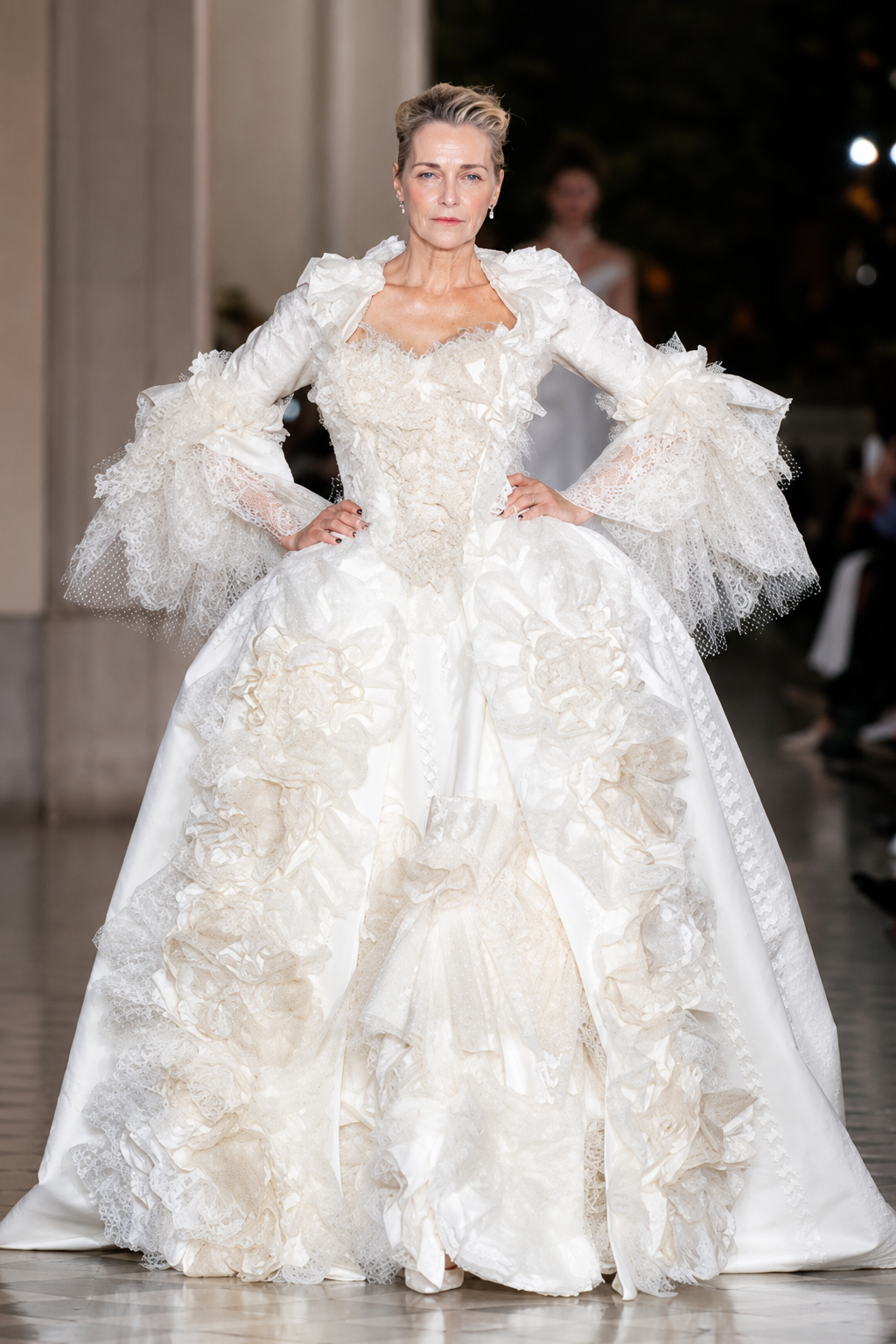
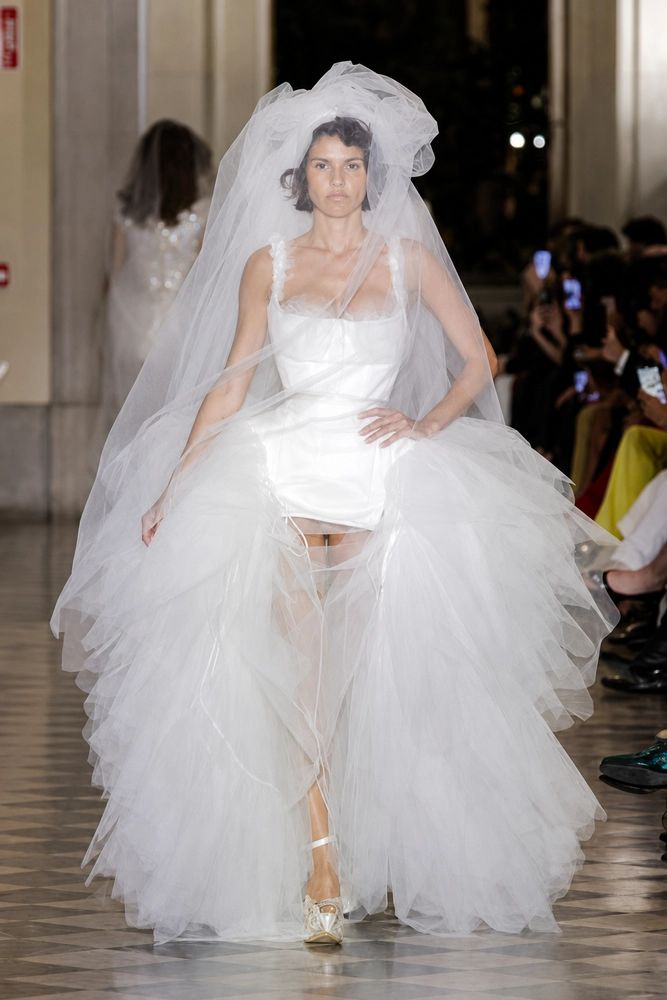
The Galliera exhibition proudly features the exquisite Pompadour gown from Vivienne Westwood’s 2026 bridal collection, presenting it as a brilliant contemporary realization of the house’s eternal historical fascination.
Perhaps Rococo revival matters now because it reminds fashion that beauty does not always have to be useful to be powerful.
Advertisement