Art market analysis reveals photography's evolution from industrial product to blue-chip asset. Expert insights on what drives value, from Modernist classics to contemporary icons, plus essential strategies for today's investor.
Art market analysis reveals photography's evolution from industrial product to blue-chip asset. Expert insights on what drives value, from Modernist classics to contemporary icons, plus essential strategies for today's investor.
December 9, 2025
No items found.
SAVE THIS ARTICLE
unsave this ARTICLE
Like
Unlike
Share:
If you've ever believed that art auctions are just a pastime for the wealthy, or thought that only Old Master paintings are valuable assets... it's time to shift your perspective. Believe me one more time: Fine art photography, particularly Modernist and contemporary works, is solidifying its status as a legitimate asset class, with prices consistently shattering records. In the near future, their value is poised for continued, robust growth.
Shattering Preconceptions: From "Snapshot" to "Million-Dollar Masterpiece"
For decades, collectors viewed painting as a superior investment to photography. The reasons? Paintings were seen as unique, handcrafted objects, while photographs were often dismissed as products of an industrial process, easily reproducible with the "click of a button."
But the market has changed dramatically. A series of million-dollar records have been set, starting with key milestones:
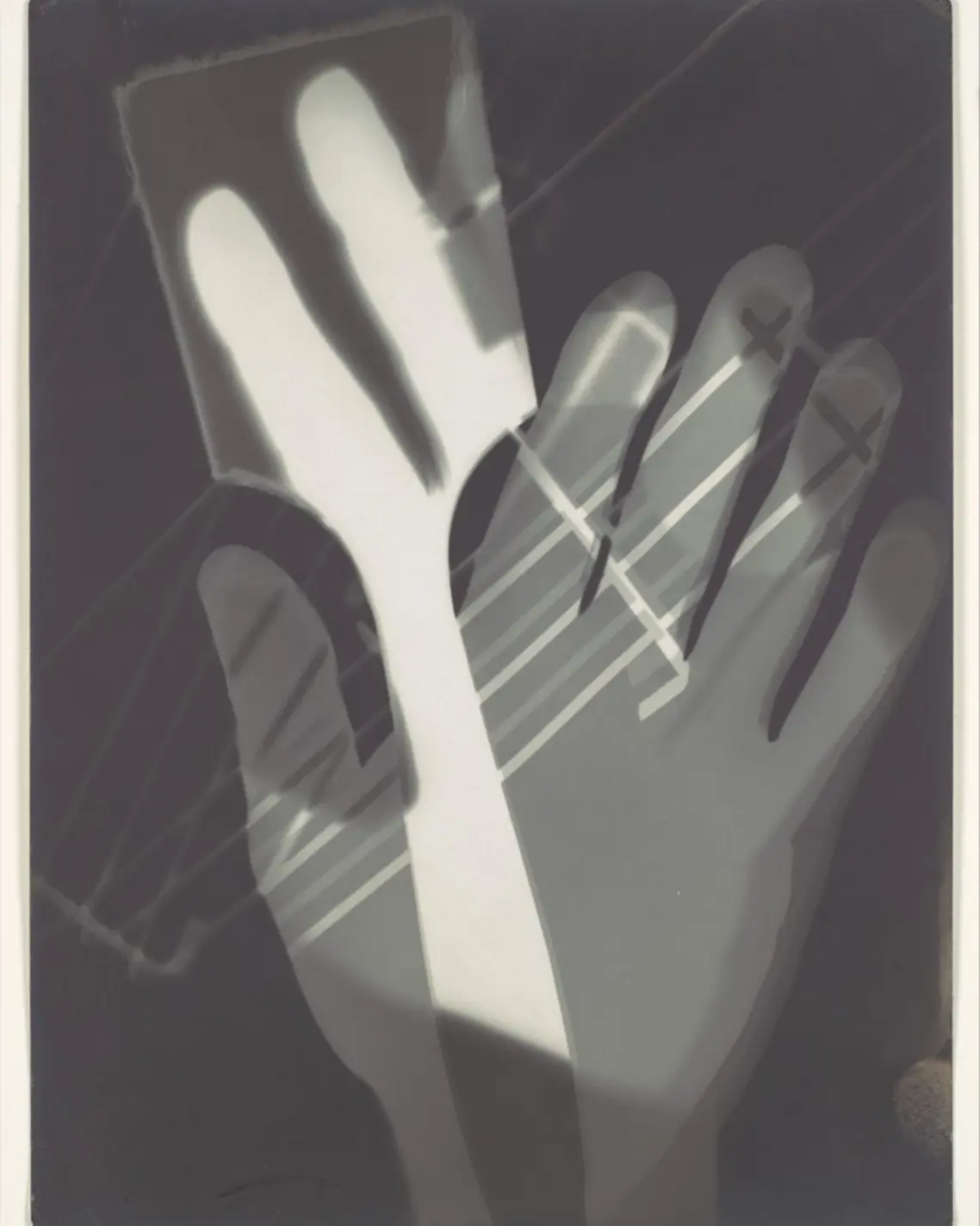
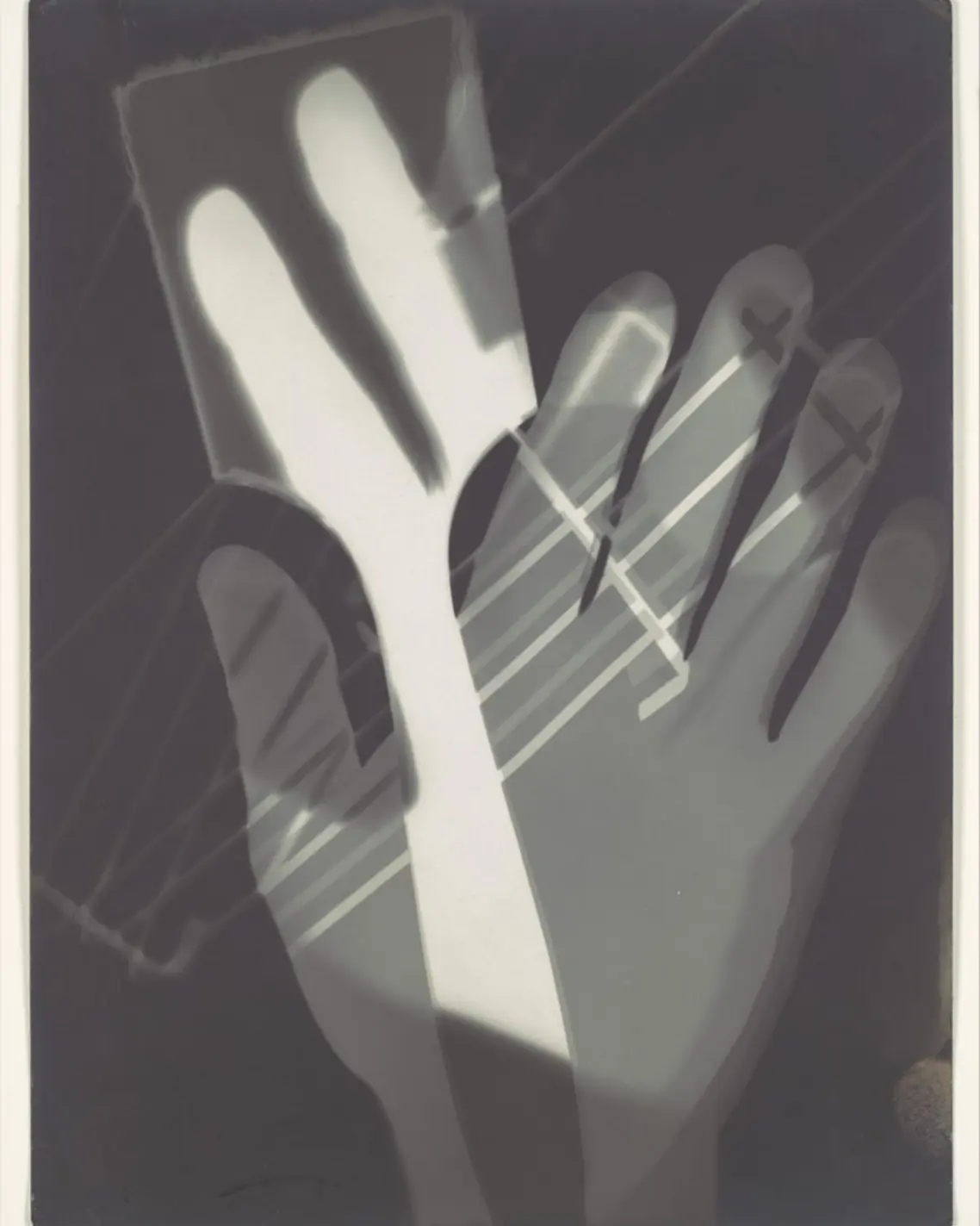
Two Modernist masterpieces, László Moholy-Nagy's Fotogramm (1926) and Herbert Bayer's Lonely Metropolitan (1932), each fetching $1.48 million.
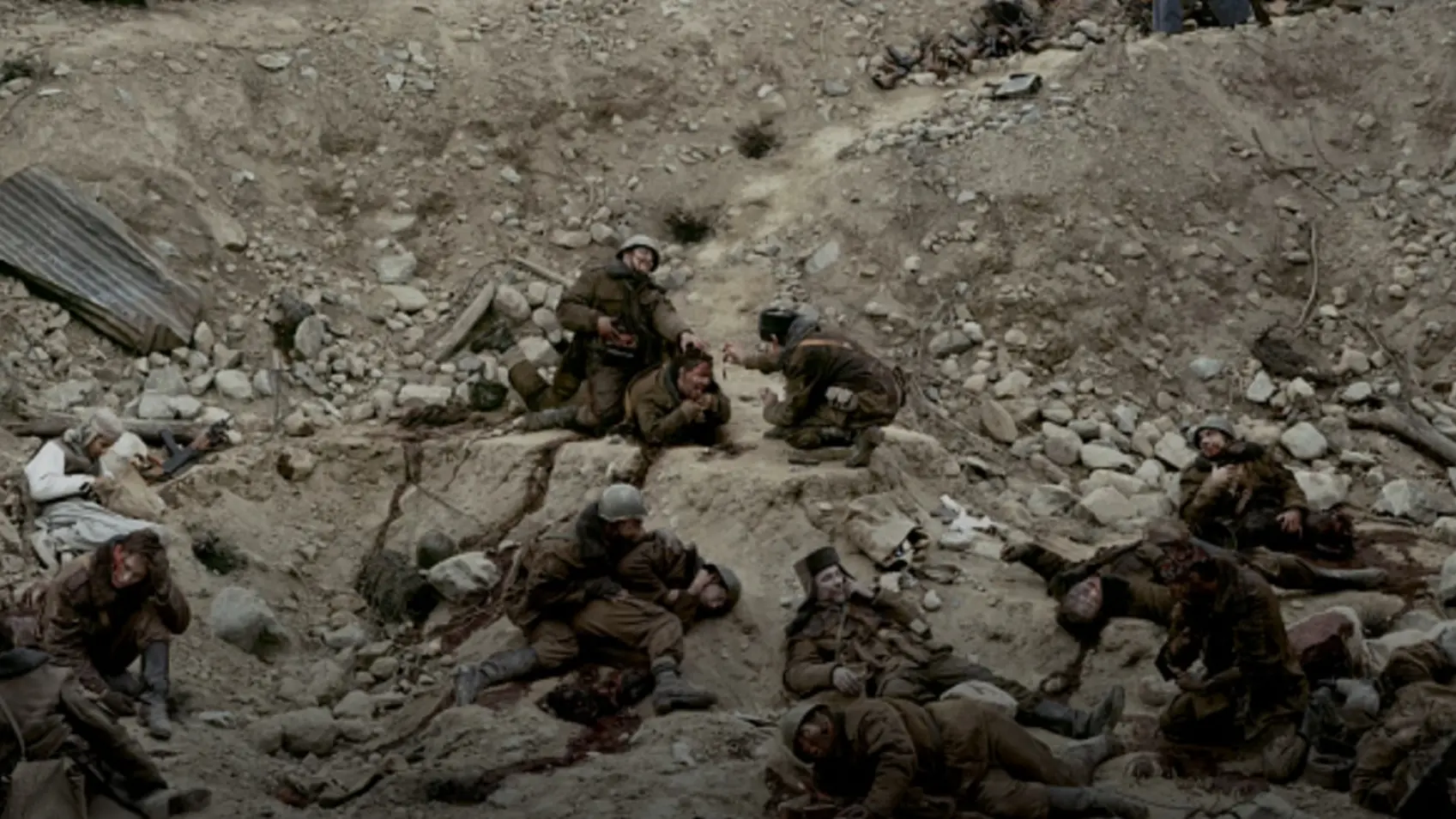
The peak was Jeff Wall's Dead Troops Talk, commanding $3.67 million.
Dead Troops Talk
A New Era: When the "Ceiling" Shattered
History has witnessed photography's spectacular breakthrough:
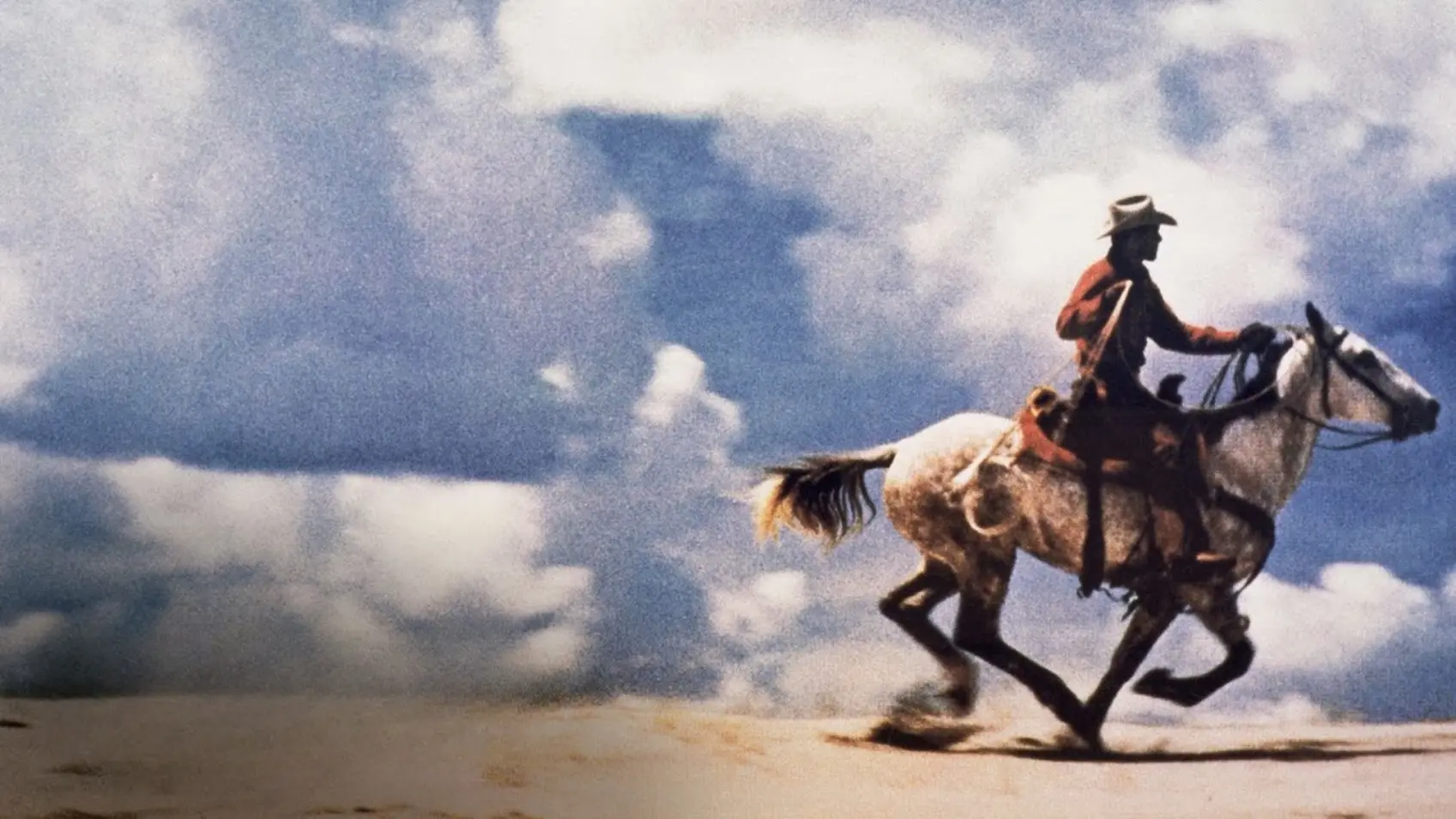
2005: Richard Prince's Untitled (Cowboy) opened the floodgates at $1.25 million.
Untitled (Cowboy)
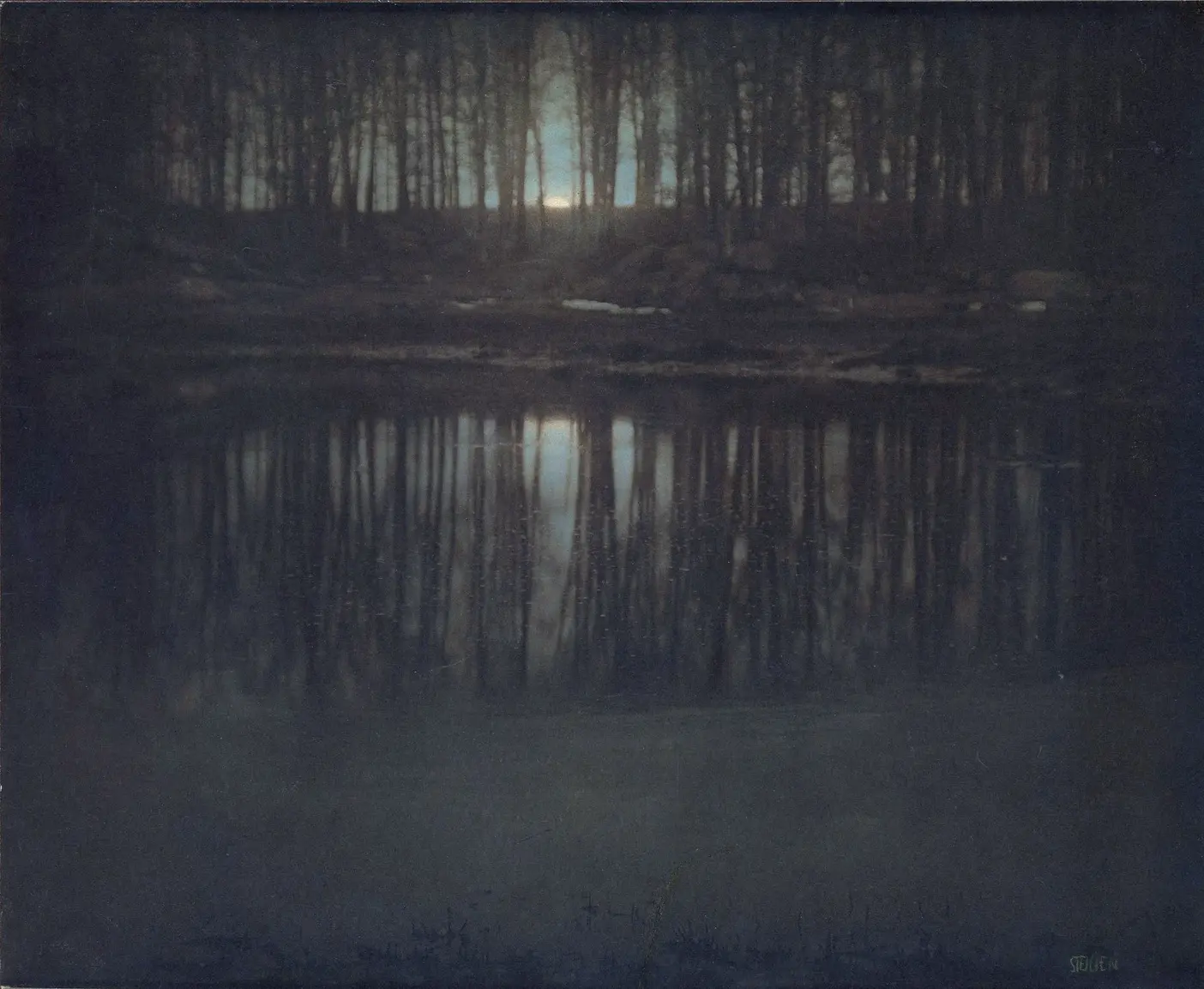
2006: Edward Steichen's The Pond-Moonlight (1904) caused a global shockwave, selling for $2.9 million, becoming the most expensive photograph at the time and formally introducing photography to the serious art investment map.
The Pond-Moonlight
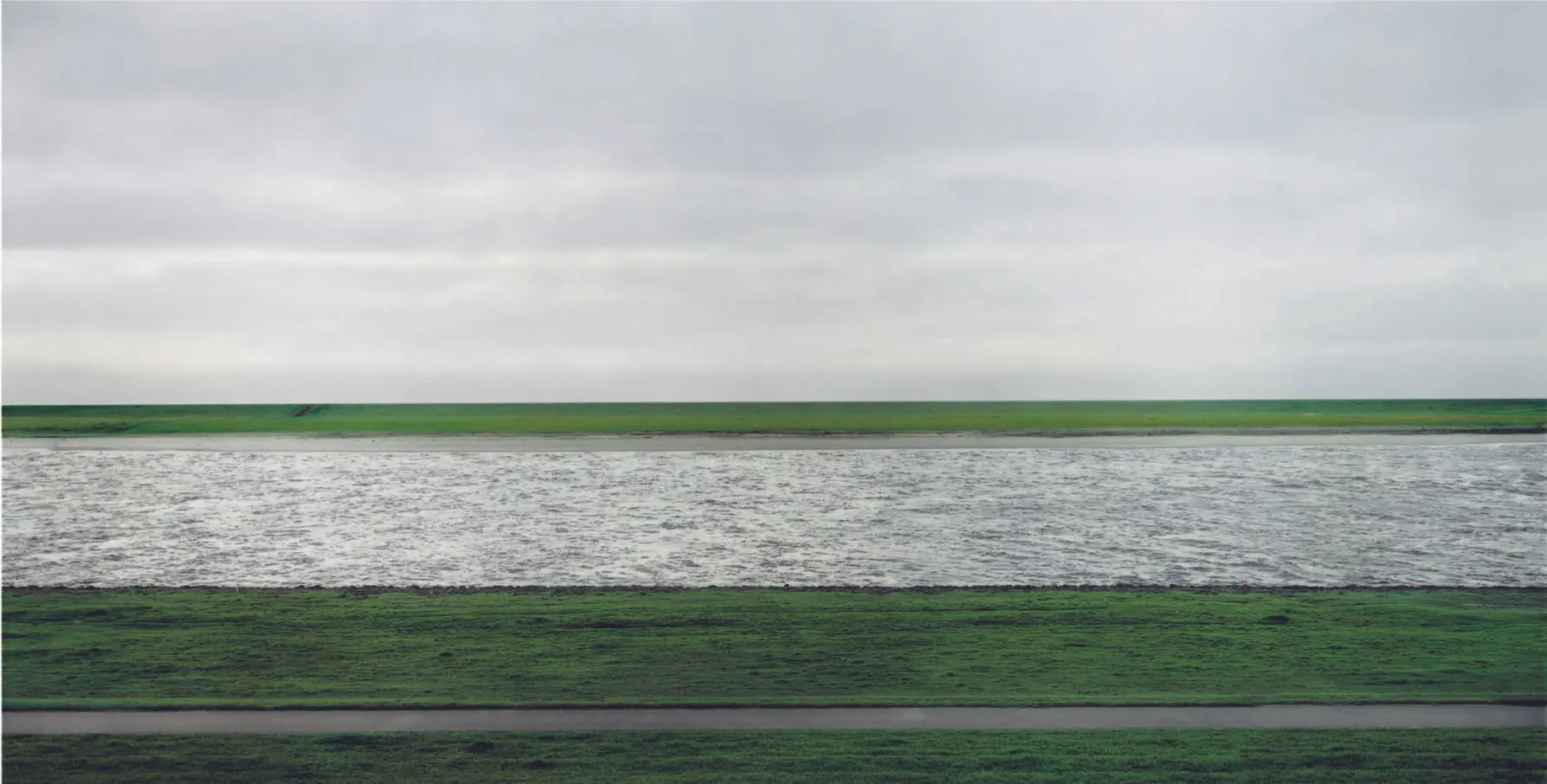
2011: The global record was set by Andreas Gursky's Rhein II at a staggering $4.34 million, affirming that the limit for photographic value is indeed "the sky's the limit."
Rhein II
Update 2023-2024: The Boom of Uniqueness and Iconic Status
The 2023-2024 period saw the photography market mature, moving beyond speculative fever to focus on cultural-historical value and uniqueness.
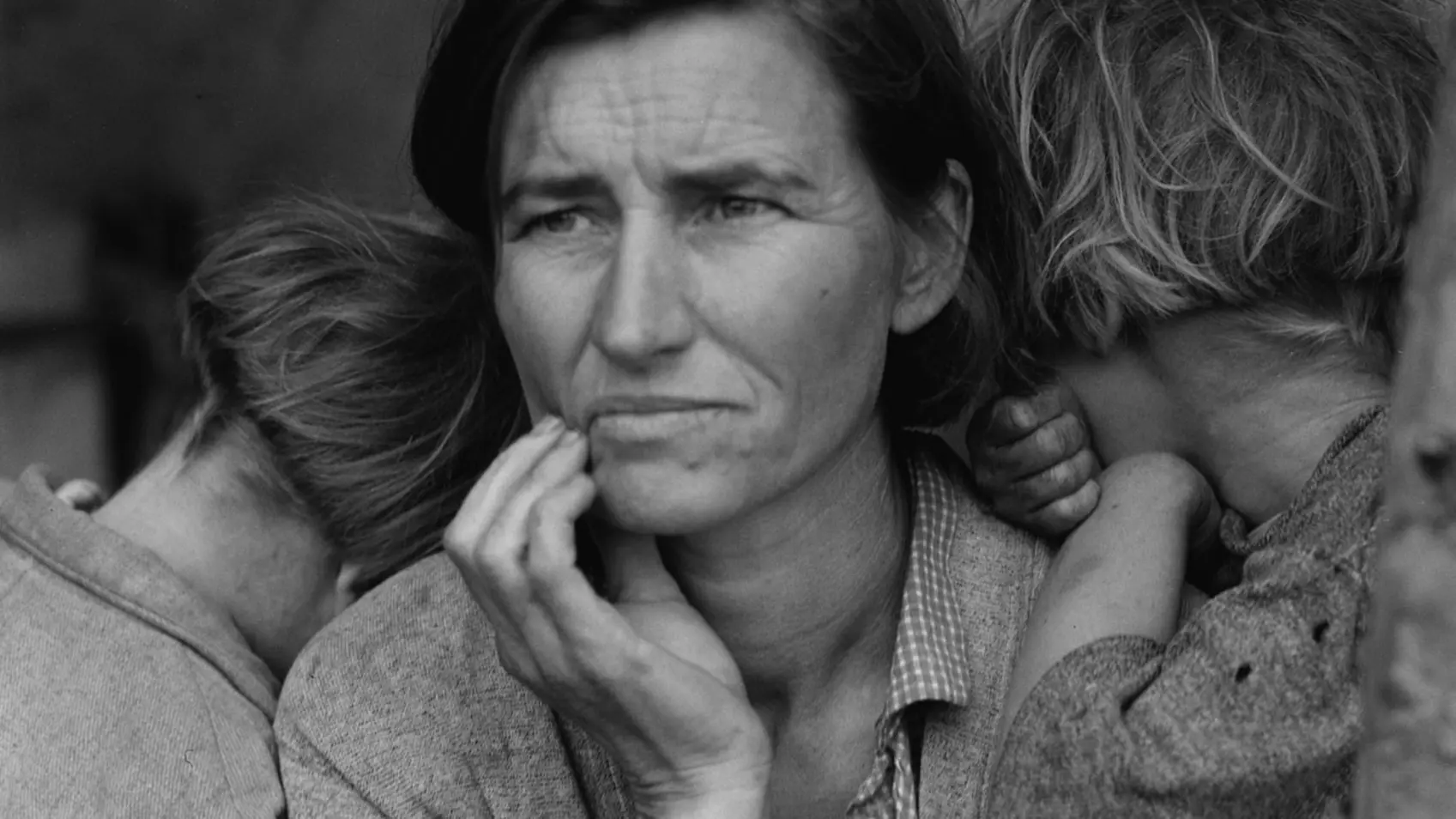
A New Record for an Icon (October 2023): Dorothea Lange's "Migrant Mother" (1936), a 20th-century photographic icon and the defining image of the Great Depression, was auctioned at Sotheby's New York for $5.2 million. This not only set a new record for the work (far exceeding its $1-1.5 million estimate) but also confirmed the power of photographs etched into the collective memory.
Migrant Mother
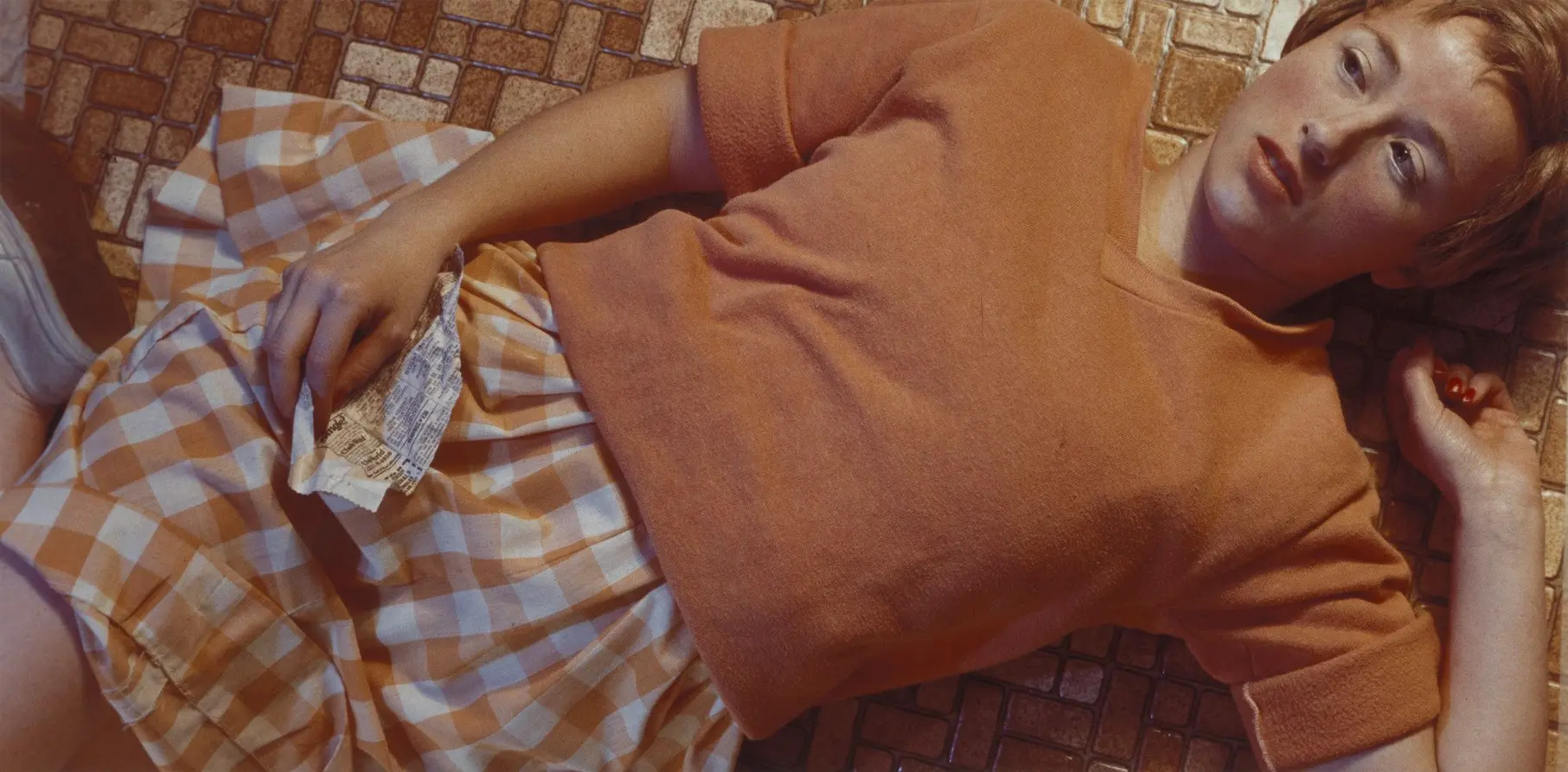
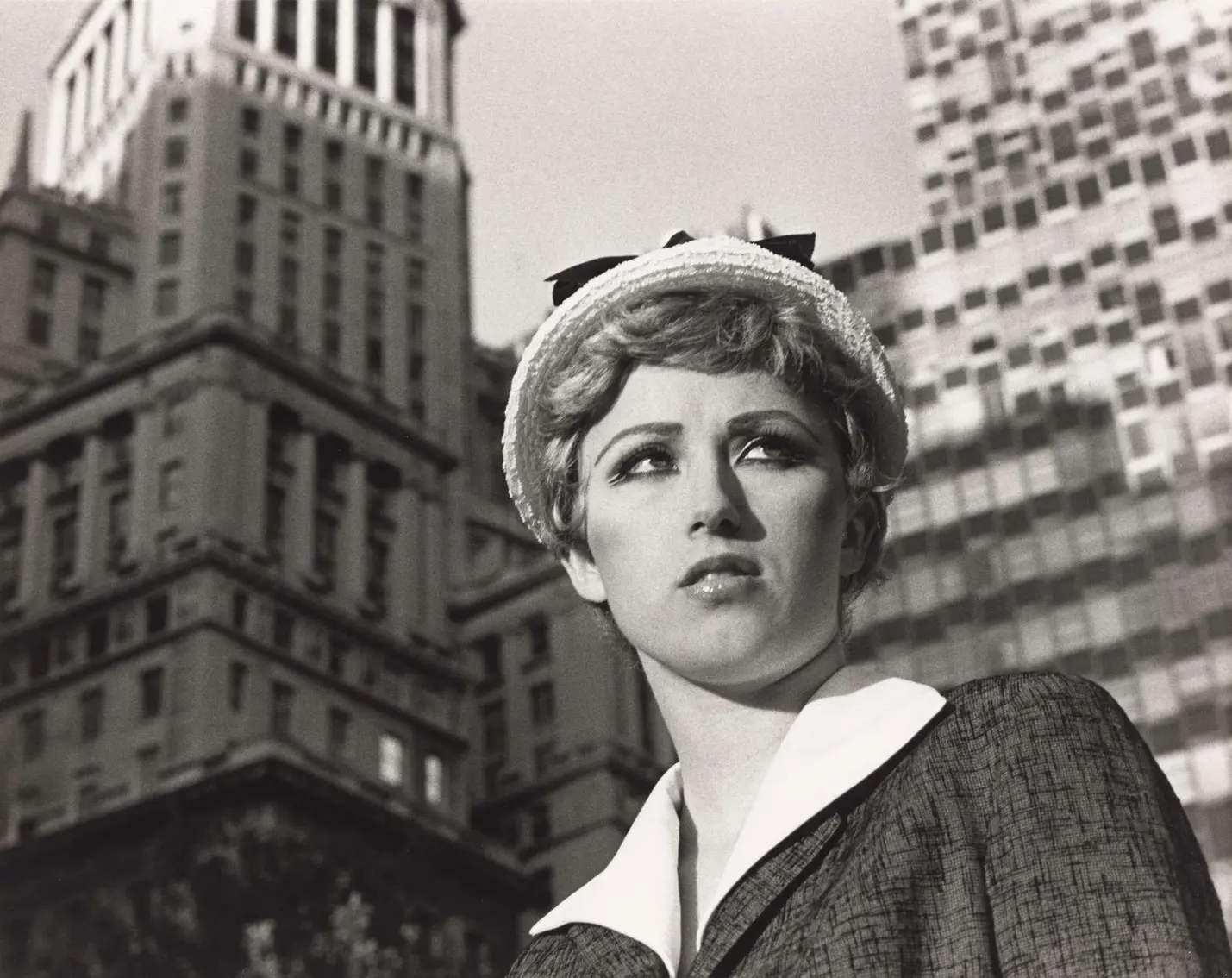
Enduring Appeal of Contemporary Colour Photography (May 2024): Cindy Sherman's "Untitled Film Still #21" (1978) continued to prove its lasting appeal, selling for $3.8 million at Christie's New York. The consistent high prices achieved by editions from the same seminal series ( Film Stills) demonstrate the market's full acceptance and stable valuation of iconic contemporary photographic works.
Untitled Film Still #21
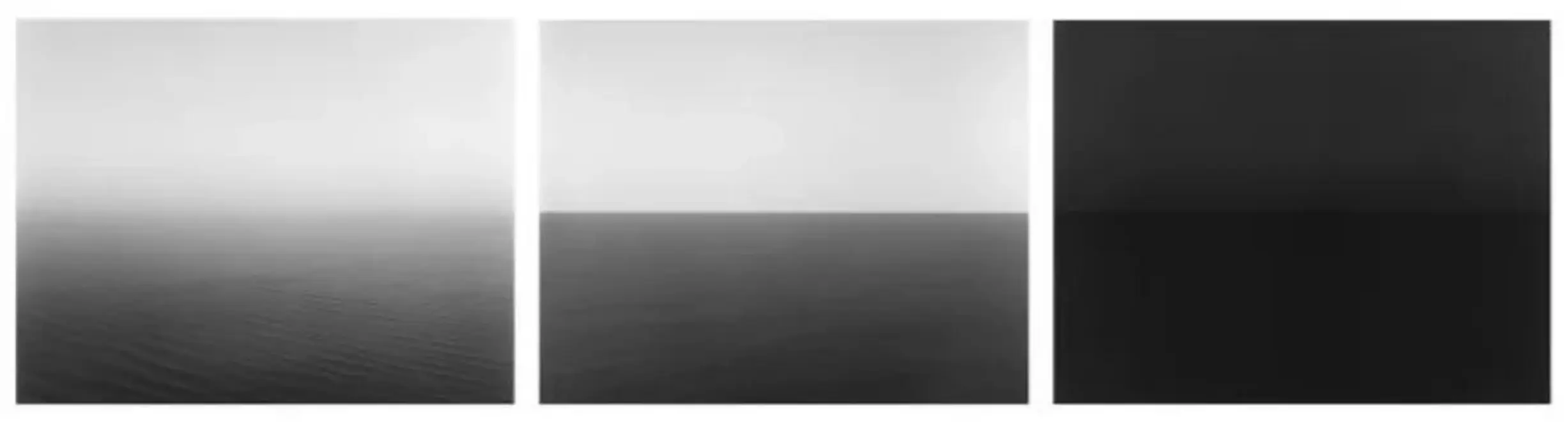
The Rise of Asian Photography (November 2023): The globalization of the market became evident when Japanese artist Hiroshi Sugimoto's "Black Swa, Ozuluce, Yellow Sea Cheju; Red Sea, Safaga" sold for nearly $1.9 million, becoming one of the most expensive photographic works by an Asian artist. This opens new avenues for collectors seeking value from different photographic traditions.
Black Swa, Ozuluce, Yellow Sea Cheju; Red Sea, Safaga
2025 Forecast: Trends for Savvy Investment
Historical & Documentary Value: Works with profound historical and social significance (like "Migrant Mother") will remain highly sought-after. They are not just beautiful images but cultural artefacts.
20th Century Colour Photography: Pioneers of artistic colour photography like William Eggleston and Stephen Shore will attract greater attention as the market more fully appreciates their innovative value.
Uniqueness (Unique Works or Very Small Editions): The market increasingly prizes scarcity. Unique vintage prints or editions with extremely limited numbers (e.g., fewer than 5) will show the strongest price appreciation.
Photography from Emerging Markets: Artists from Southeast Asia, Latin America, and the Middle East with powerful visual languages and unique local narratives will be the "gold mines" for visionary collectors.
Strategy for the Astute Investor: Seeking the "Hidden Gold Mine"
While the overall trend is upward, pouring money into already peak-priced (blue-chip) works isn't always wise. As Deborah Bell, former Head of Photographs at Christie's New York, noted, the real opportunity may lie with "classic masters" where price potential remains. She suggests highly reliable, market-tested names like Diane Arbus, Robert Mapplethorpe, and Edward Weston.
Notable Trend: The Rise of the "Non-Photographer" Artist
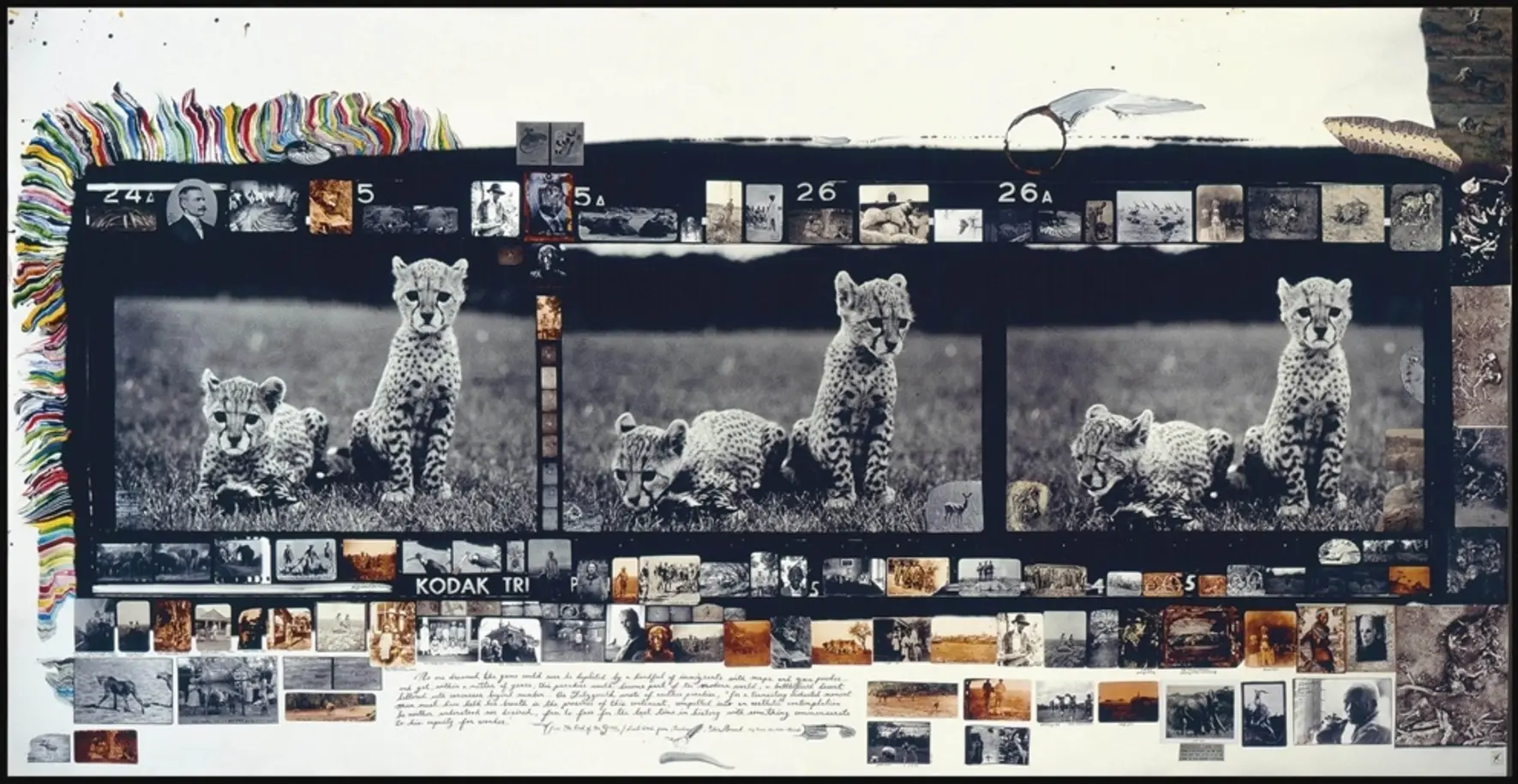
Orphan Cheetah Triptych
The trend of coveting works by artists who use photography as a medium of expression continues. The phenomenon of Peter Beard, whose Orphan Cheetah Triptych sold for $662,000 (in 2012), exemplifies the allure of unique, highly personal works.
The Maturation of a Market
The fine art photography market has entered a phase of maturity and sustainability. It is no longer a short-term speculative bubble but a market driven by knowledge, understanding of art history, and long-term collecting strategy. The continued setting of million-dollar records for iconic works, coupled with expansion into new geographical regions and artistic periods, proves this is a cultural asset class with increasing liquidity and long-term growth potential. The opportunity remains wide open for investors who know how to research, take the long view, and dare to act early.
Welcome to PAVE. The next issue is already on its way to your inbox