MENU
Close





On May 28, 1992, the McLaren F1 made its first public appearance at a launch show at The Sporting Club in Monaco, timed to the Monaco Grand Prix weekend-an unveiling that felt less like a product reveal and more like a statement of intent from a racing team fluent in speed, packaging, and discipline. The early production car stayed remarkably close to the original prototype (XP1), with only small changes such as the wing-mirror solution as road-use details evolved.
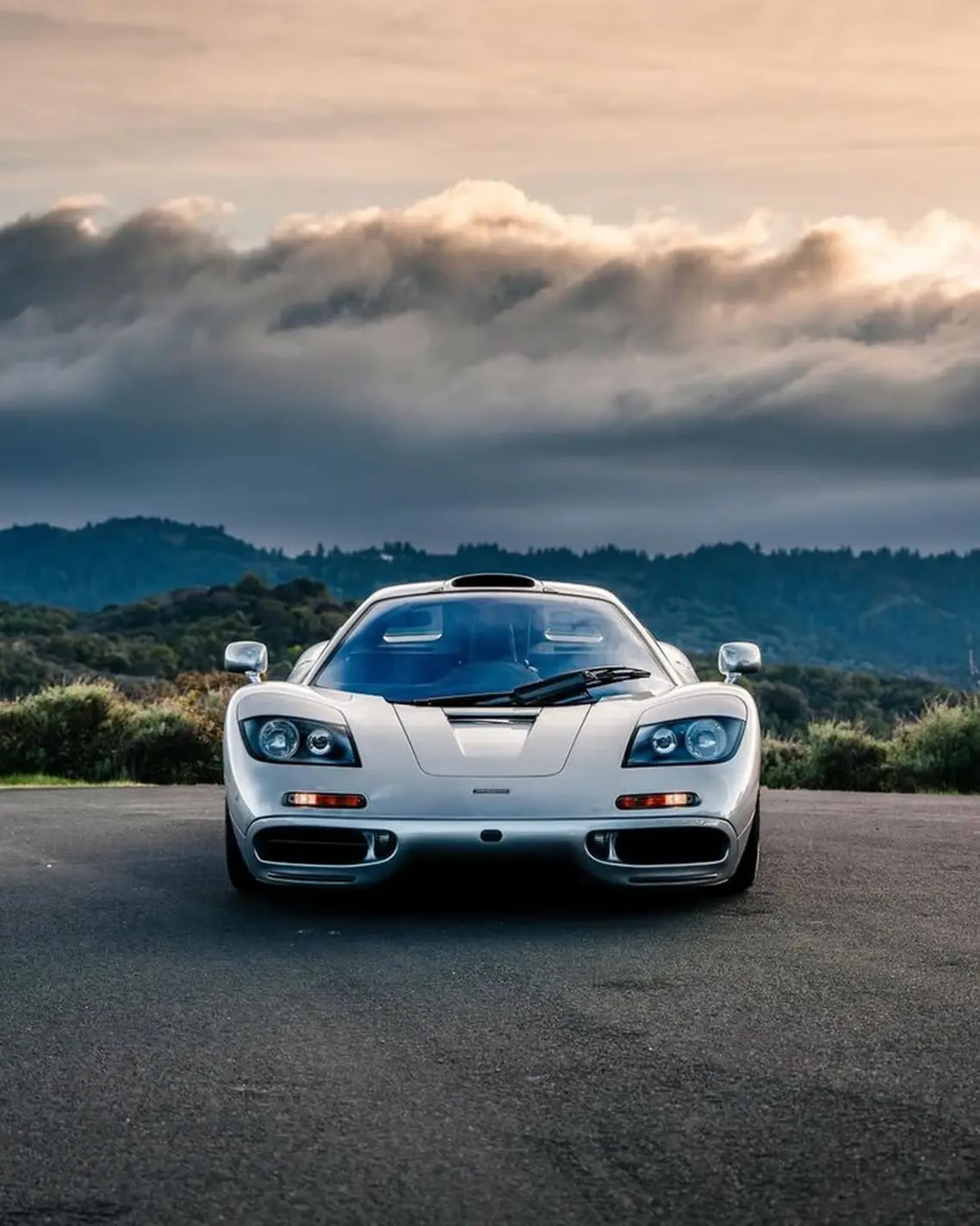
On May 28, 1992, the McLaren F1 made its first public appearance at a launch show at The Sporting Club in Monaco, timed to the Monaco Grand Prix weekend-an unveiling that felt less like a product reveal and more like a statement of intent from a racing team fluent in speed, packaging, and discipline. The early production car stayed remarkably close to the original prototype (XP1), with only small changes such as the wing-mirror solution as road-use details evolved.
May 28, 2025


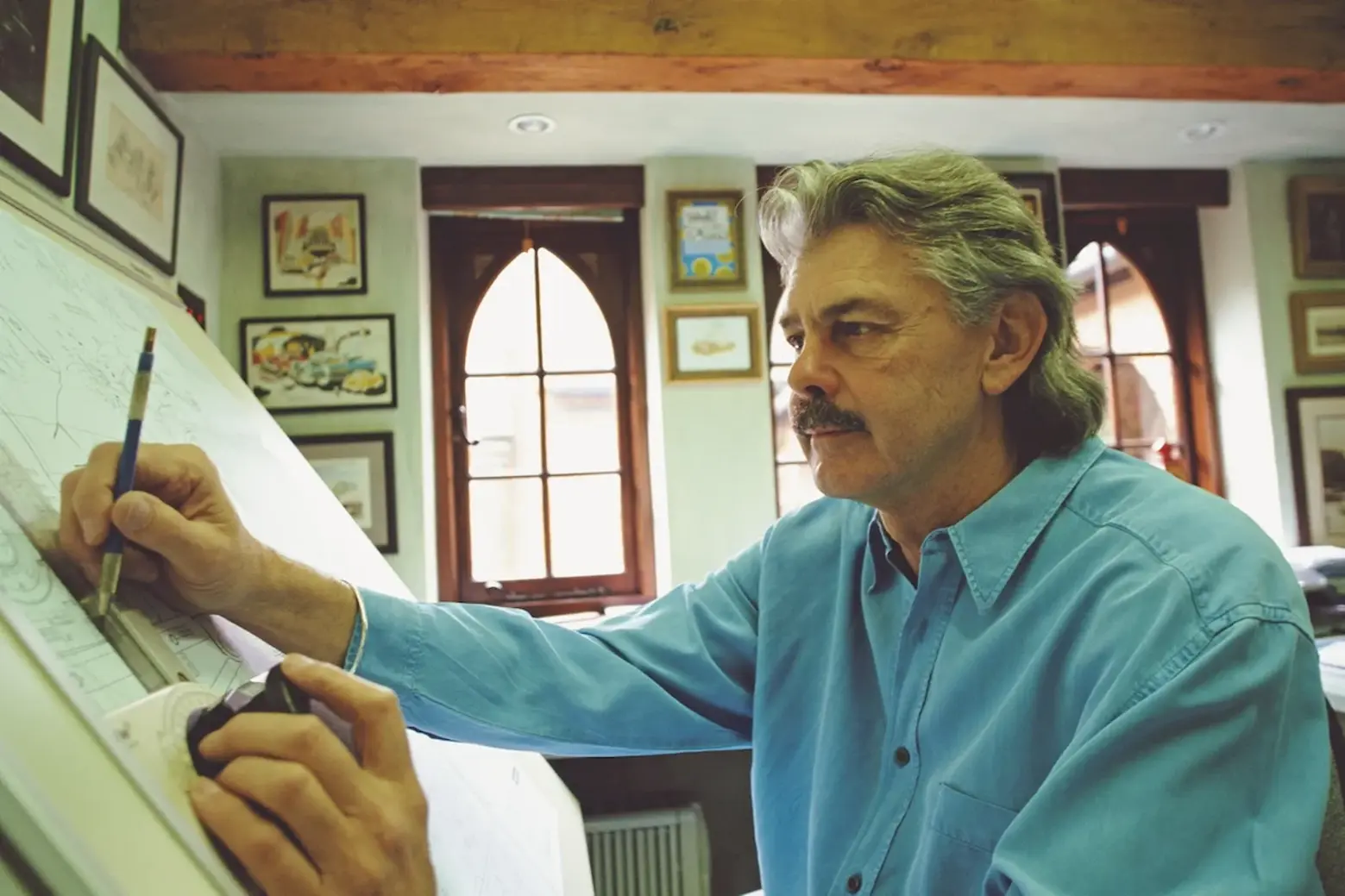
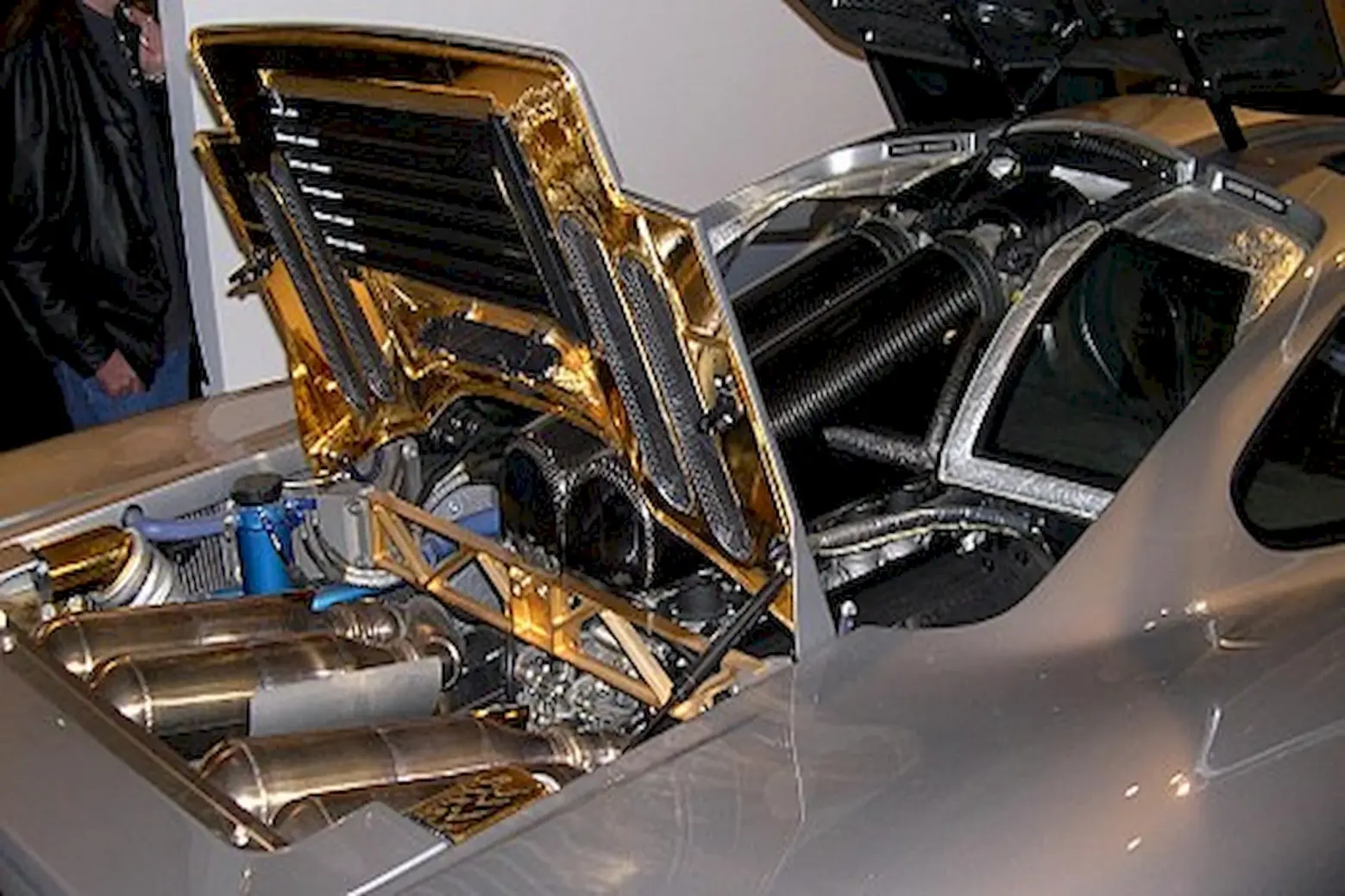
Behind the curtain sat Gordon Murray’s core idea: build the ultimate road car by chasing low mass and high power, using advanced, expensive materials-carbon fibre, titanium, gold, magnesium, Kevlar-as tools rather than trophies. From the very beginning, the car’s philosophy framed the McLaren F1 as Formula 1 thinking released into the open air of a road car, aiming for Grand Touring comfort while keeping the cockpit intensely driver-centric.
Two details turned this debut into history. First, the McLaren F1 became the first production car to use a carbon-fibre monocoque as its chassis foundation, and the press material described an advanced-composites monocoque engineered for exceptional stiffness and a strong “survival cell” approach to structure and safety. Second, it re-wrote supercar ergonomics with a radical one-plus-two seating layout and a centreline driving position built for visibility, control, and a sense of unity between driver and machine-an experience the original text treats as core identity rather than a gimmick.
As a product, the McLaren F1 paired that architecture with aerodynamic intelligence and meticulous packaging, chasing a famously lean figure: the press release cites a mere 1,018 kg while still carrying a purpose-designed large-capacity V12 and a composite-led structure positioned as world-first in series production. Murray’s own recollections also trace the path to a BMW engine after discussions elsewhere, sharpening the sense that every component choice served the final brief.

Rarity sealed the myth. Only 106 cars were built across all variants, with production running from 1992 to 1998, and each car took months to complete-small numbers that keep the McLaren F1 anchored as an object of engineering culture, with Monaco as its opening chapter.