MENU
Close





In 2026, luxury train journeys around Europe feel less like a nostalgic spectacle and more like the sharpest expression of high-end travel now: slower, more private, more immersive, and increasingly tied to legendary hotels, wellness, and longer-form itineraries that turn transit itself into the destination.
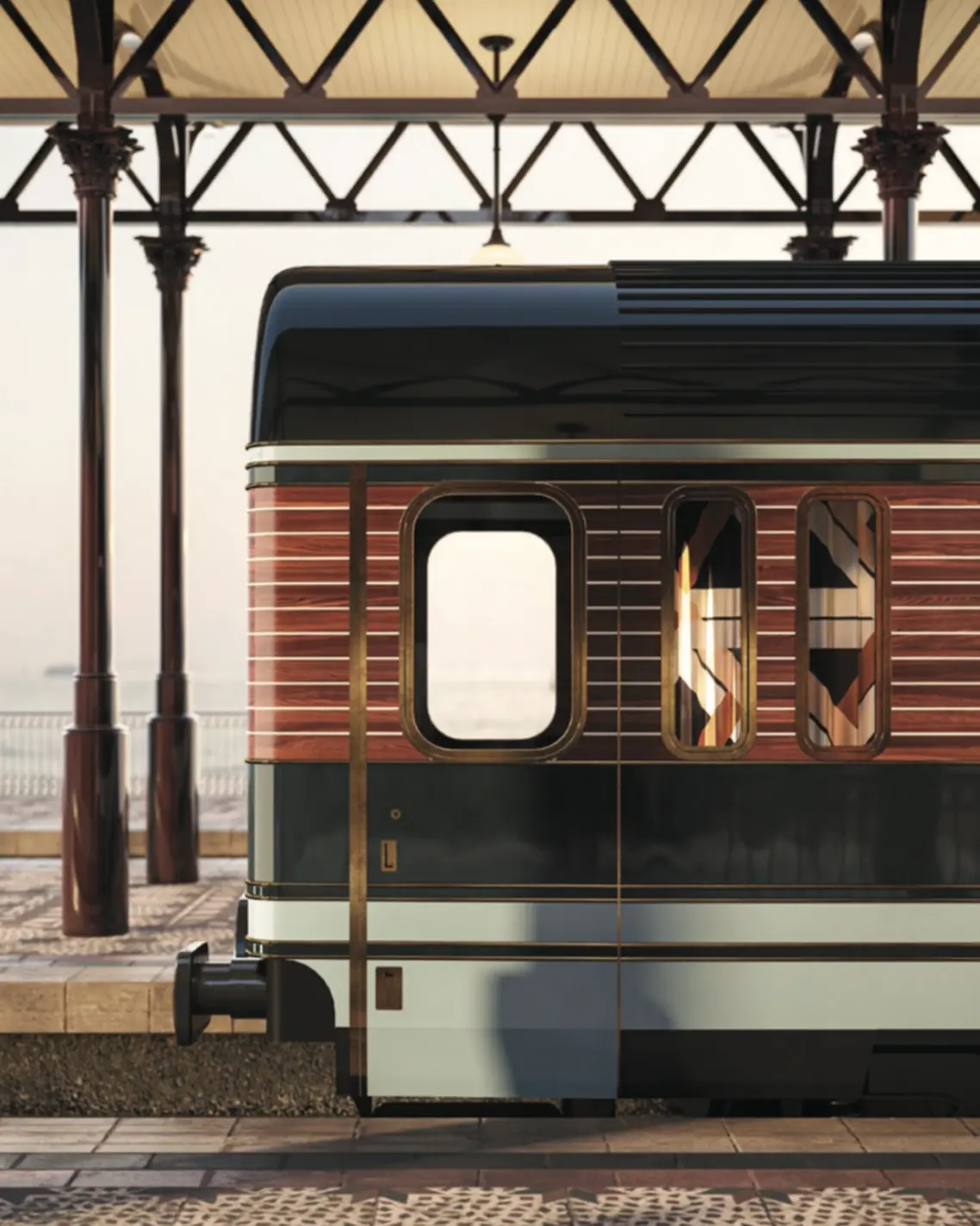
In 2026, luxury train journeys around Europe feel less like a nostalgic spectacle and more like the sharpest expression of high-end travel now: slower, more private, more immersive, and increasingly tied to legendary hotels, wellness, and longer-form itineraries that turn transit itself into the destination.
March 17, 2026


This year, luxury train journeys around Europe have moved decisively beyond the old heritage niche. Rail is now being sold as one of the purest luxury propositions in travel: time-rich, airport-free, highly curated, and emotionally legible in a way private jets and fast transfers no longer always are. Market forecasts reinforce the mood, with Grand View Research projecting the global luxury travel market at $3.04 trillion by 2033, while 2026 travel reporting keeps pointing to rail as one of the category’s most visible prestige shifts. Condé Nast Traveler has already framed the moment as a new age of “luxury train hopping,” driven by fresh routes and a renewed appetite for multi-day, scenic overland travel.
What makes luxury train journeys around Europe feel especially current is the overlap of three 2026 desires: slow travel, micro-retirement thinking, and land-to-sea storytelling. Travel trend coverage this year shows more travelers embracing longer, mid-career journeys once postponed for retirement, while slow travel has become a signifier of discernment rather than compromise. In Europe, the rail format fits that perfectly: you leave the terminal logic behind, arrive in the center of cities, and watch the landscape assemble itself in real time. The sector’s newest products are leaning into that mood by pairing vintage carriages with iconic hotels, coastal resorts, and even wider maritime brand universes.
There is also a sustainability subtext that makes luxury train journeys around Europe newly compelling without reducing them to virtue signaling. Rail in Europe remains materially less carbon-intensive than air travel, and travel commentary in 2026 increasingly treats that lower-impact profile as part of a broader move toward more regenerative, place-connected tourism. In other words, the train is attractive because it is gentler on the map, yet also because it lets luxury breathe: regional dining, slower arrival, more contact with local culture, and fewer dead zones between one “highlight” and the next.
No operator has understood the new theater of luxury train journeys around Europe better than Belmond. Its 2026 “Villeggiatura by Train” program turns the Venice Simplon-Orient-Express into a seamless Italy fantasy, linking Paris to Venice, Florence, Portofino, and, most notably, the Amalfi Coast. The new Paris-to-Amalfi itinerary runs May 4 to 7, 2026 and ends with a stay at Caruso in Ravello, while the wider series also connects travelers to Hotel Cipriani, Splendido, and Villa San Michele. That matters because it shows how luxury rail is being repositioned: The train is no longer a glamorous middle chapter, but the first act in a door-to-door hospitality narrative.
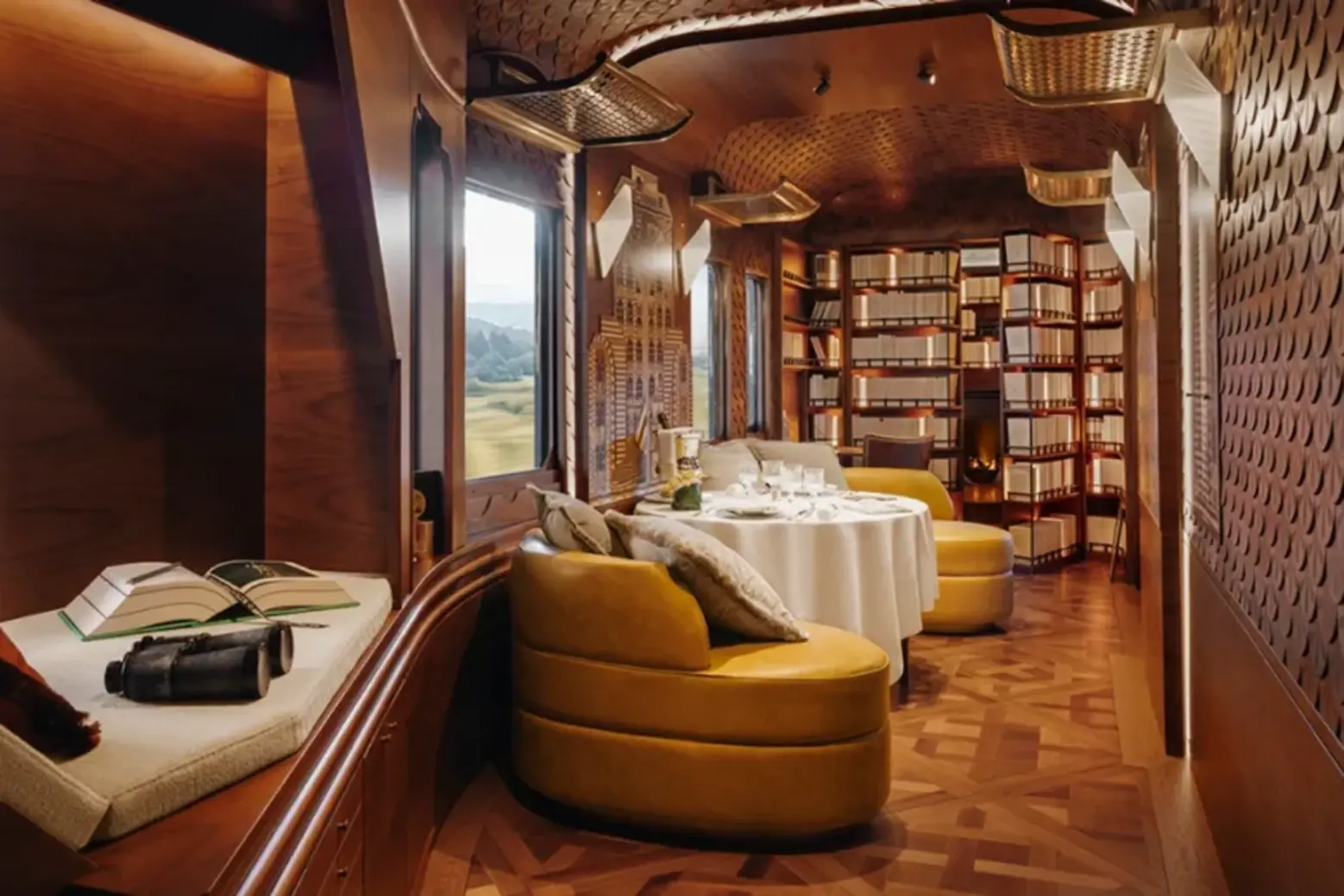
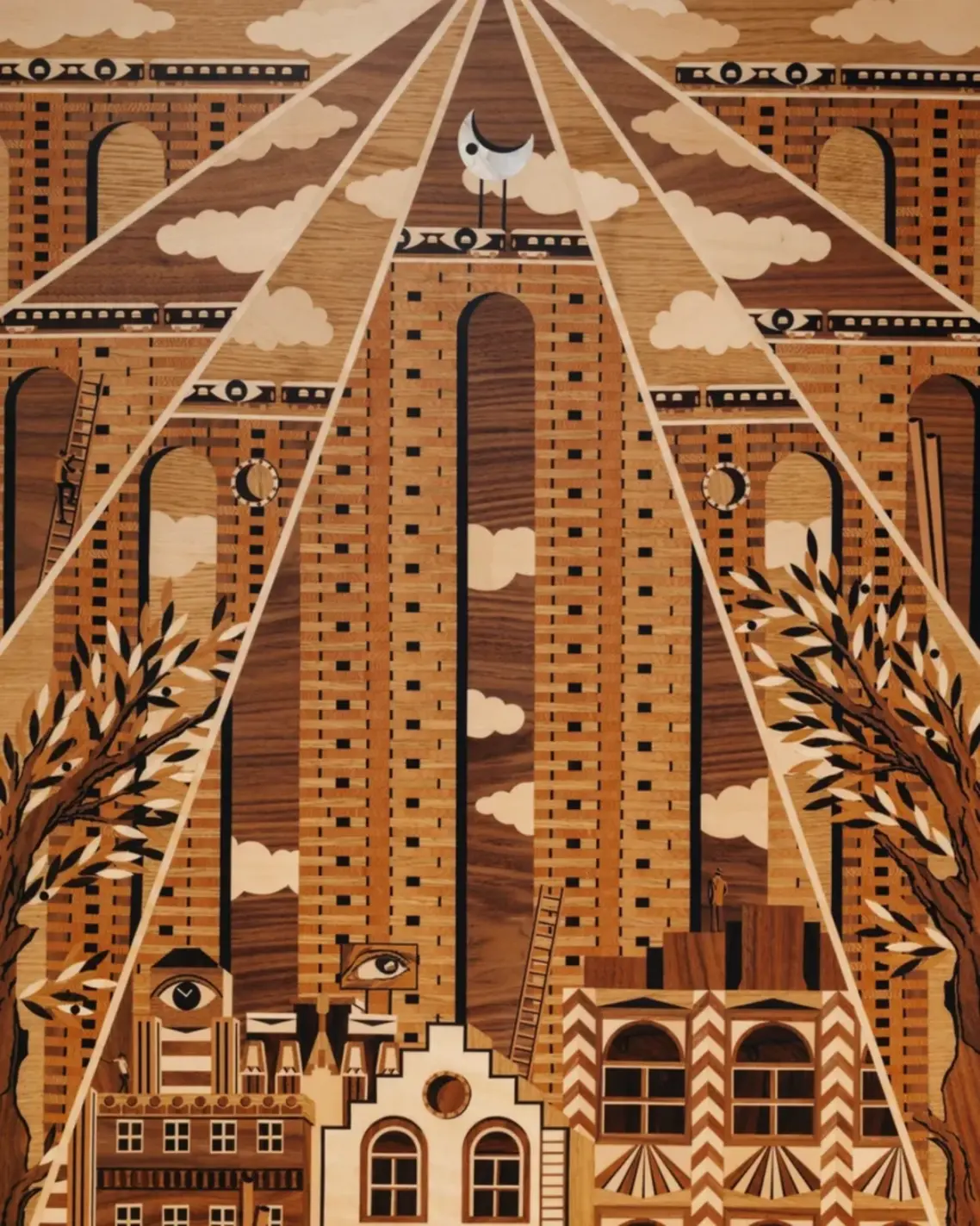
On board, the Venice Simplon-Orient-Express keeps its Art Deco myth intact, yet 2026 adds a more contemporary layer of collectible exclusivity. The clearest symbol is L’Observatoire, the JR-designed carriage that Belmond describes as the train’s first artist-designed accommodation. It occupies an entire carriage and folds in a lounge, library, hidden tearoom, and a bedroom with an oculus that opens to the sky; Belmond lists it from £60,000 for exclusive use. At the other end of the spectrum, official journey listings show the classic Paris–Venice departures from about £3,885 per person in a Historic Cabin, with prices described as guide rates that move with availability. For anyone shopping luxury train journeys around Europe at the very top end, that spread says everything: this market now stretches from icon-level aspiration to fully bespoke art-object travel.
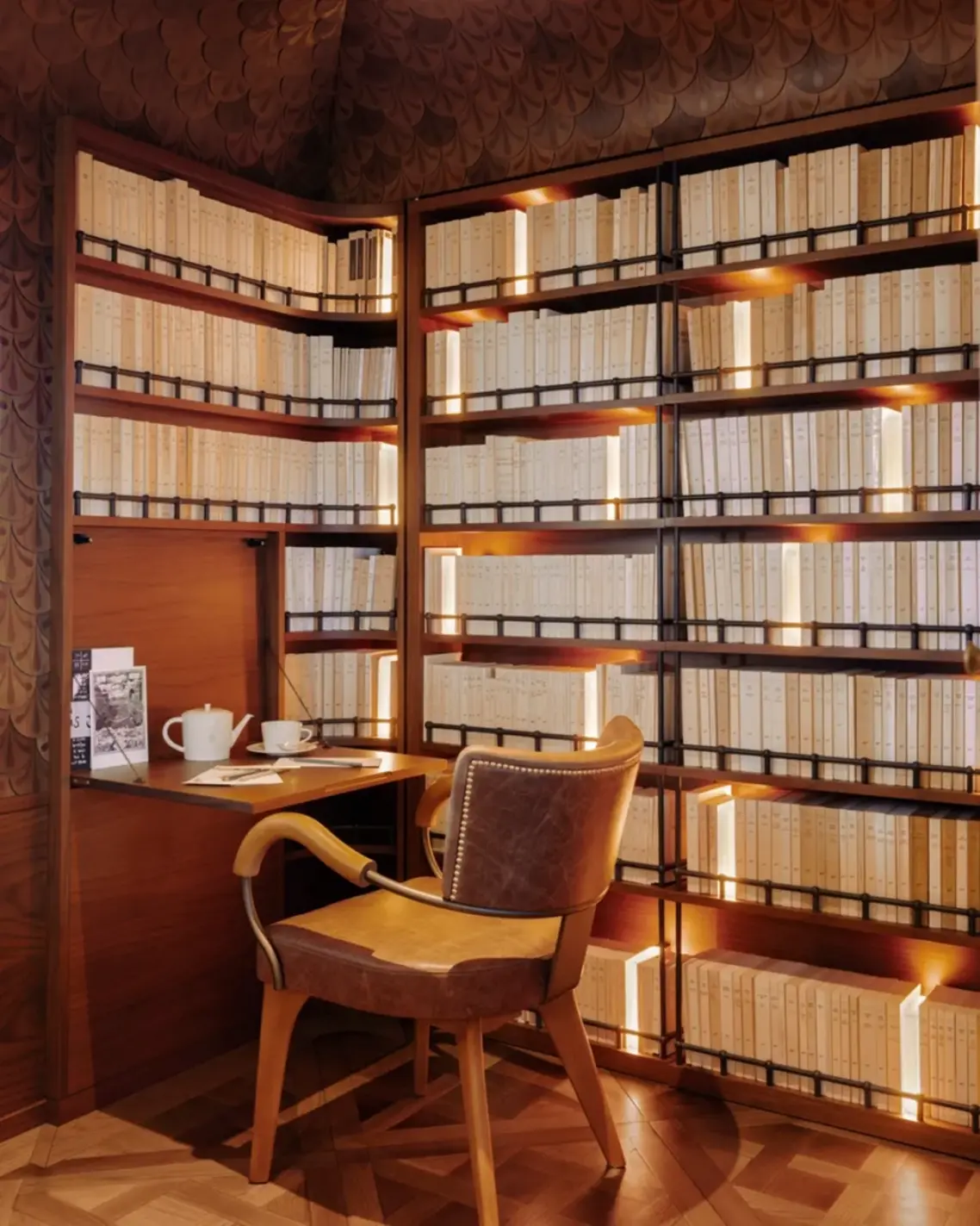
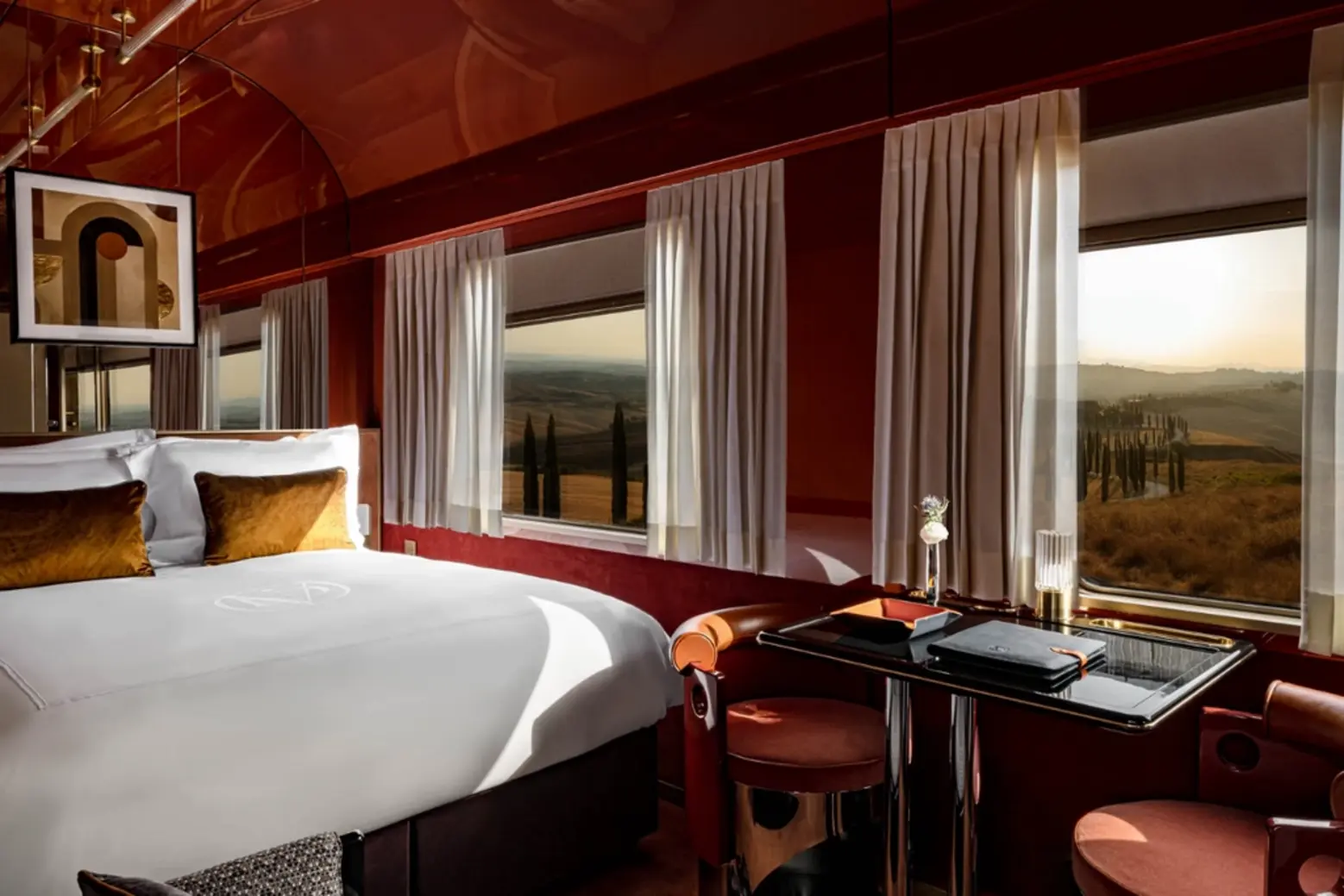
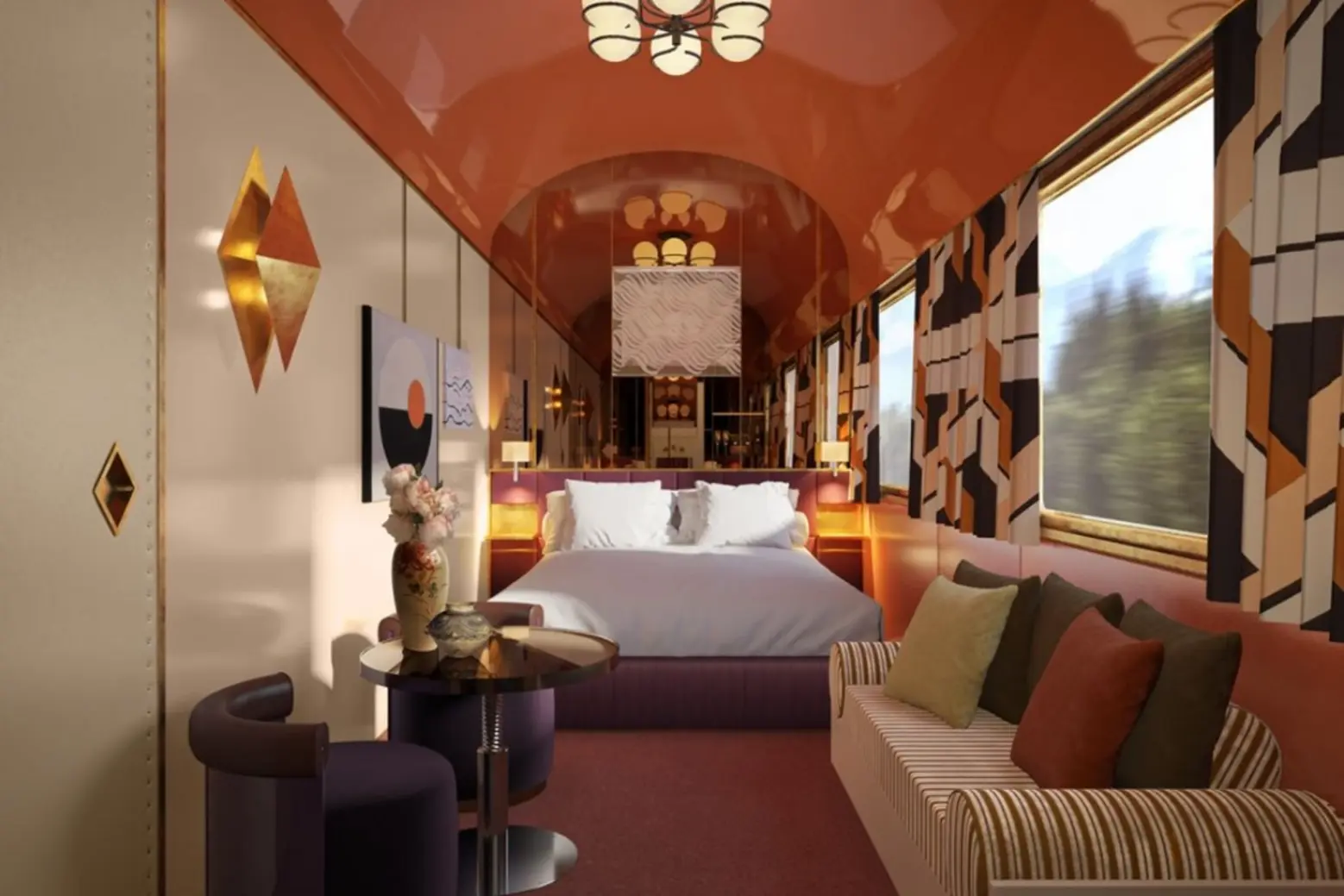
If the Venice Simplon-Orient-Express is the aristocrat of luxury train journeys around Europe, La Dolce Vita Orient Express is the stylish modern heir. The train positions itself as a love letter to Italy, with interiors inspired by 1960s design and dining curated by three-Michelin-starred chef Heinz Beck. Official materials describe a network of bespoke itineraries across the country, from Venice and Portofino to Sicily, with cabins and suites designed more like polished boutique-hotel rooms than nostalgic sleeping compartments. The result is a version of luxury rail that feels less ceremonial than Belmond and more cinematic, warm, and design-literate.
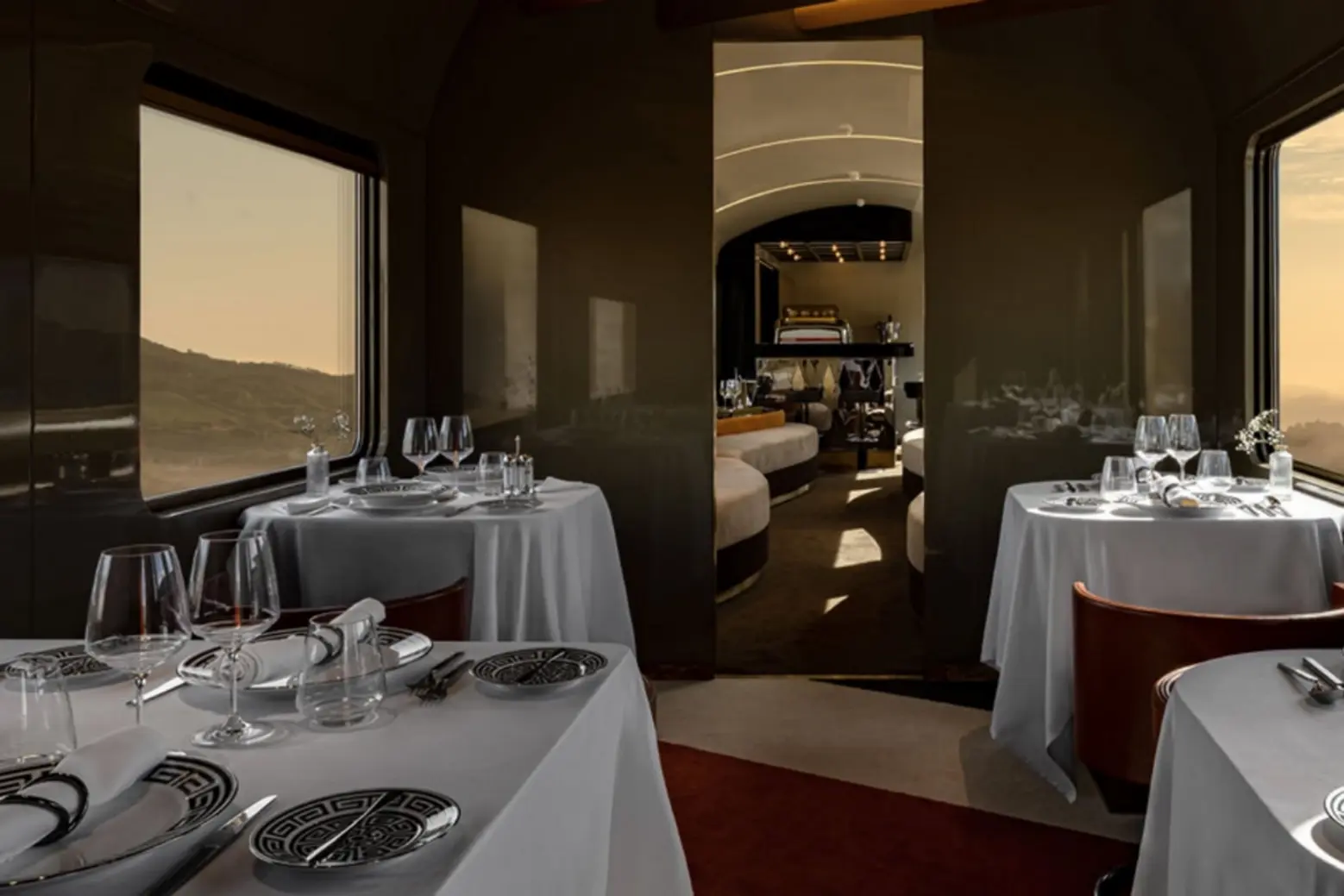
Its strongest advantage is variety. Official itinerary pages currently show routes that move from Rome to Sicily via Taormina and Palermo, a Sicily loop through Siracusa and Agrigento, and a longer Grand Tour linking Rome, Venice, Matera, Taormina, Palermo, and back to Rome. Pricing is broad enough to widen the category: La Dolce Vita Orient Express previously announced one-night itineraries from €3,500 per person in a deluxe cabin and €4,700 in a suite, while current itinerary listings show Shores of Sicily from roughly €4,440 to €5,000 depending departure and the five-day Grand Tour from €16,640. That pricing structure matters because it gives luxury train journeys around Europe a new middle and upper tier: still rarefied, still expensive, yet more modular than the old once-in-a-lifetime model.
The British side of luxury train journeys around Europe is currently being defined by two different moods. Royal Scotsman remains the intimate classic: Belmond’s Highland sleeper with just 36 guests, a deeply clubby atmosphere, and routes built around scenery, whisky, estates, and slow ritual. Its current season includes journeys such as Taste of the Highlands, which Belmond lists from £5,850, while the train’s spa offering has evolved from the Bamford era into the Dior Spa Royal Scotsman, still one of the most unusual wellness propositions on European rails. It is the kind of product that turns the Highlands into a moving country house weekend rather than a transport corridor.
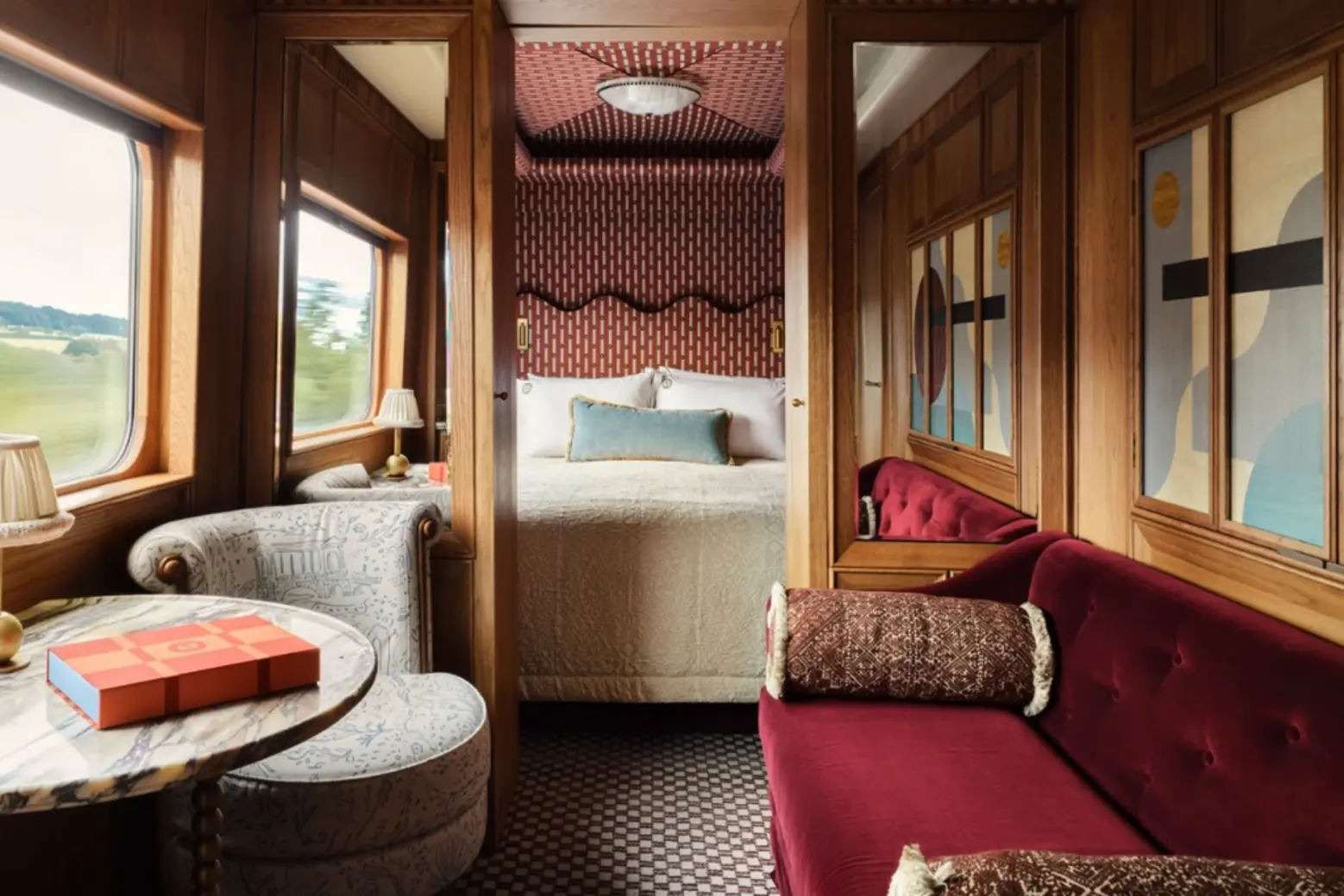
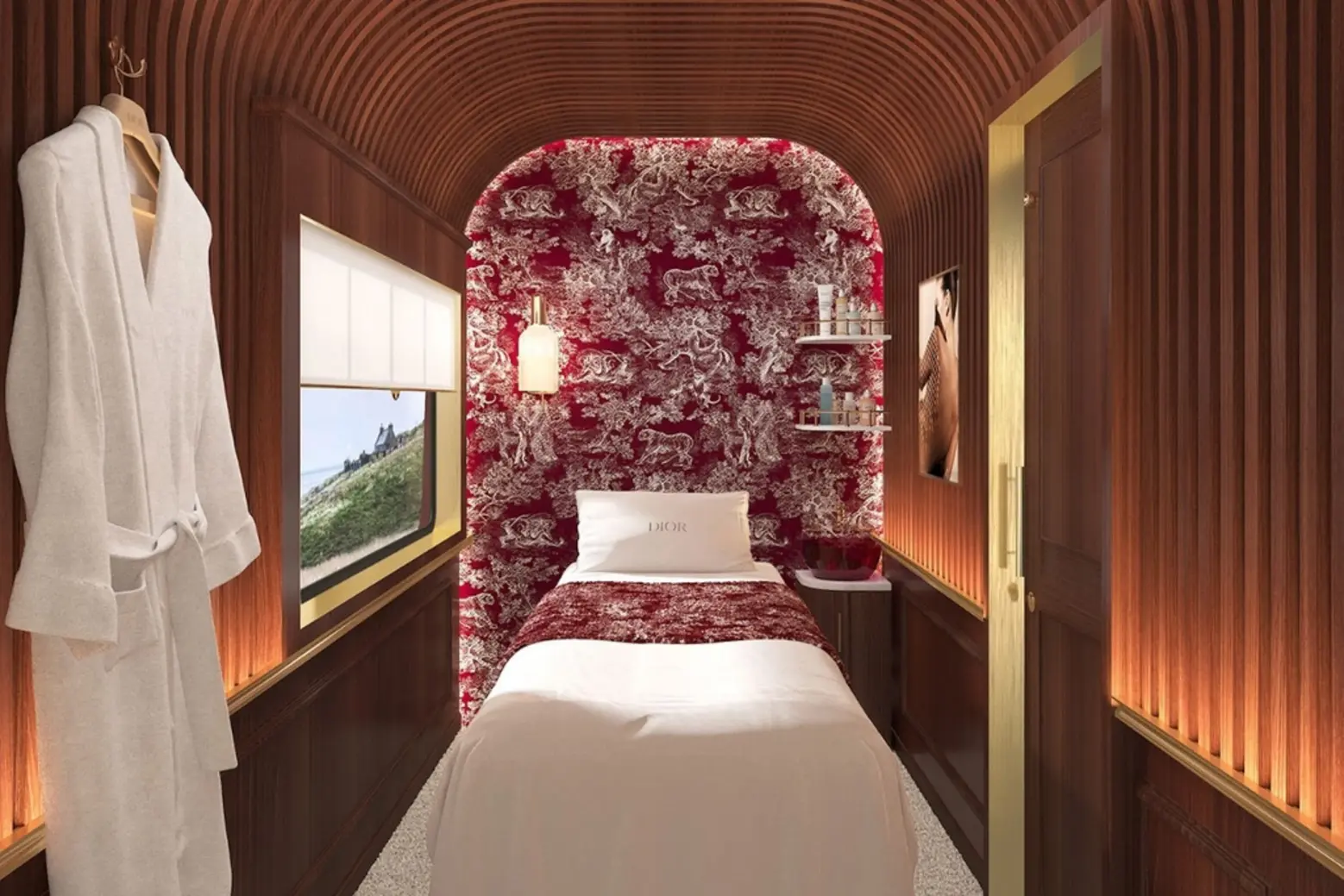
The real sign of expansion, though, is the Britannic Explorer, which Belmond positions as the first luxury sleeper train in England and Wales. It runs from London to Cornwall, Wales, and the Lake District, with a Wellness Suite, bar car, observation-led social spaces, and off-board experiences shaped around regional culture. Belmond’s own language around the train openly centers slow travel, while specialist rail sellers are currently quoting entry prices at roughly £5,800 per person for three-night routes, with higher rates for Grand Suites and longer journeys. In other words, luxury train journeys around Europe are no longer only about old Continental glamour; they are also being reimagined through softer domestic landscapes, contemporary British craft, and a more relaxed notion of prestige.
For travelers who want luxury train journeys around Europe to feel expansive rather than purely romantic, Golden Eagle remains one of the strongest names in the market. Its 2026 timetable includes the Grand Alpine, Balkan, Paris–Istanbul, and Istanbul–Paris departures, giving the category a different emotional register, less honeymoon, more imperial sweep. Official pricing for Paris–Istanbul in 2026 starts at €16,900 per person in Deluxe Class twin occupancy and rises to €21,300 in Superior Deluxe, with the operator also publishing a 25% deposit requirement. That makes Golden Eagle especially interesting in the current landscape, because it serves travelers who want the rail journey to function almost like a private expedition hotel.
Ultimately, the appeal of luxury train journeys around Europe lies in how completely they reframe the idea of movement itself: slower, richer, more tactile, and far more emotionally resonant than the logistics-driven pace of modern travel. Yet this revival extends far beyond the Continent. Luxury train journeys are flourishing across the world as travelers increasingly seek routes that offer scenery, storytelling, craftsmanship, and a deeper sense of place, whether through deserts, mountains, coastlines, or vast interior landscapes. Europe may remain the most romanticized stage for this renaissance, but it is part of a much larger global return to rail as one of luxury travel’s most compelling forms. For a wider look at extraordinary rail experiences beyond the continent, see our other article, “Rails of Reverie,” where we explore luxury train routes that will take you to wonders of every continent.