MENU
Close





In the annals of jewelry history, certain dates carry the weight of legends. January 23, 1969, is one such day.
In the annals of jewelry history, certain dates carry the weight of legends. January 23, 1969, is one such day.
January 26, 2026


The day marks the moment Richard Burton, acting on behalf of his wife Elizabeth Taylor, won a bidding war at Parke-Bernet Galleries (Sotheby’s) in London to acquire La Peregrina - the "Pilgrim" or "Wanderer" pearl, for a then-princely sum of $37,000.
What Burton purchased wasn't just a gemstone; it was five centuries of royal provenance encapsulated in a perfectly symmetrical, pear-shaped drop.
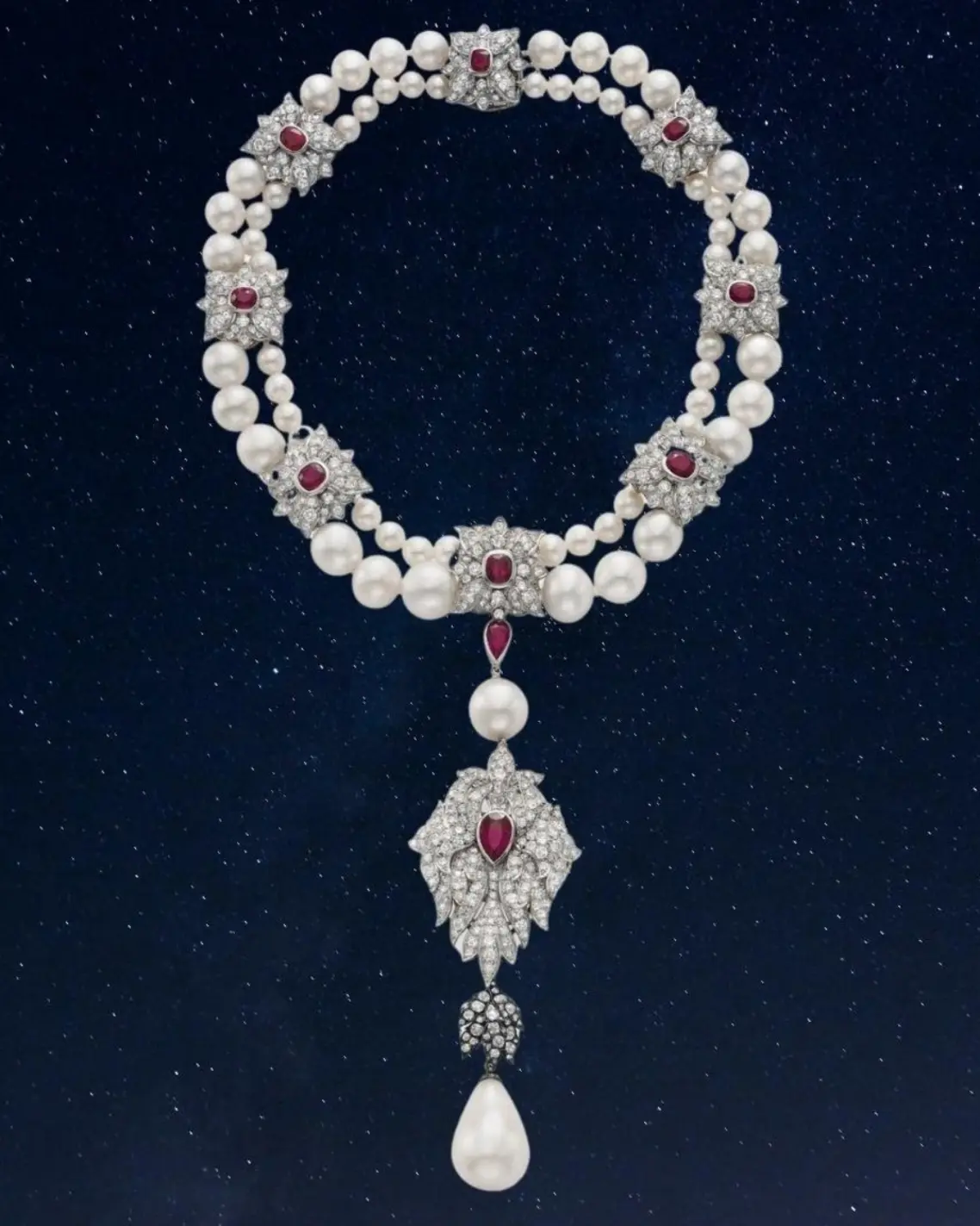
Before it graced the neck of Hollywood royalty, La Peregrina was a staple of European monarchies. Found in the Gulf of Panama in the mid-16th century, it traveled through the collections of: King Philip II of Spain, who presented it to Queen Mary I of England, the Spanish Bourbons, appearing in several equestrian portraits by Velázquez, Joseph Bonaparte, who took it to France during the Napoleonic Wars.
By the time it reached Taylor in early 1969, the pearl had already survived revolutions and the rise and fall of empires.
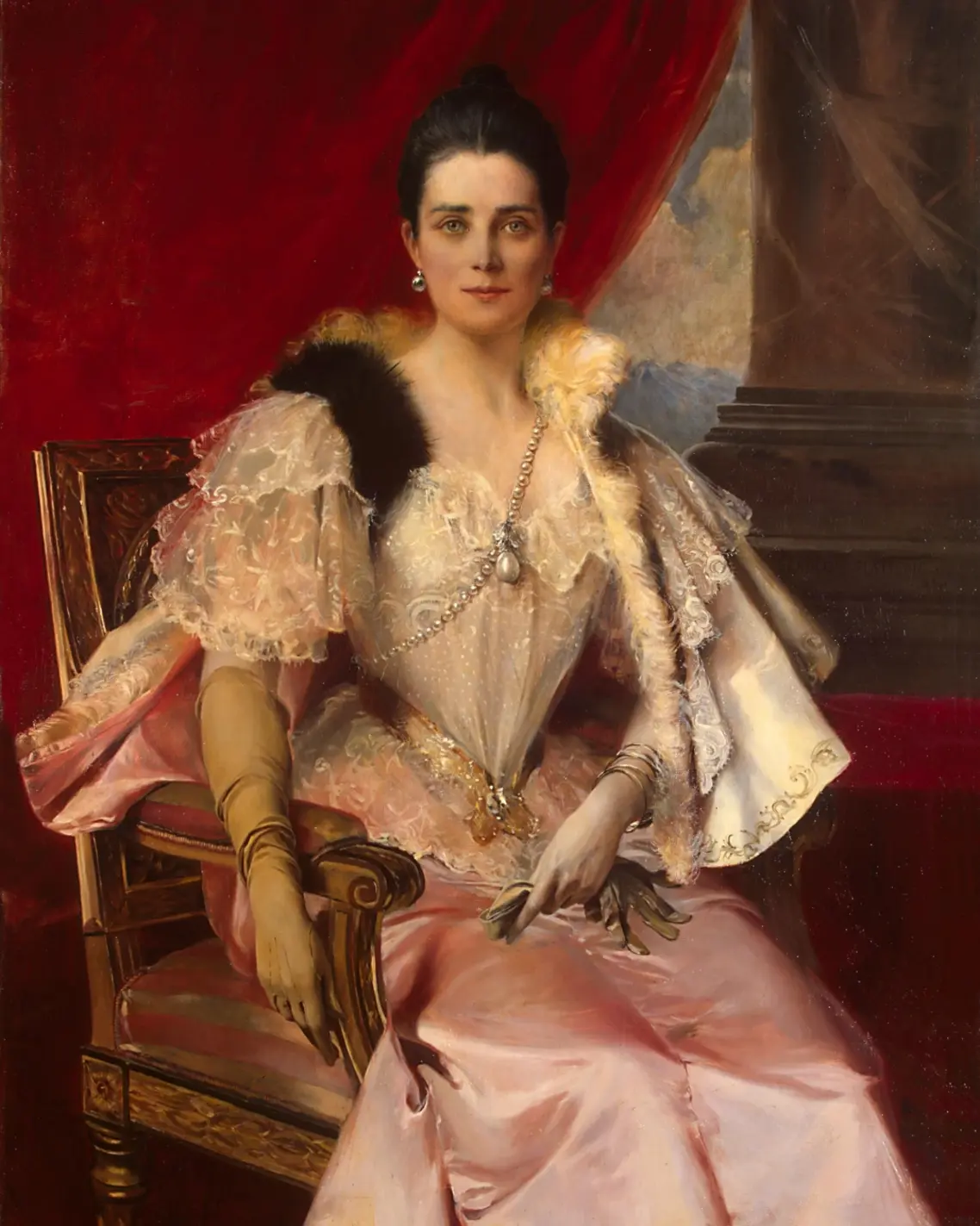
Elizabeth Taylor’s relationship with the pearl was famously hands-on. She once recounted a heart-stopping moment at Caesar’s Palace when she realized the pearl had gone missing from its chain, only to find it in the mouth of one of her puppies.
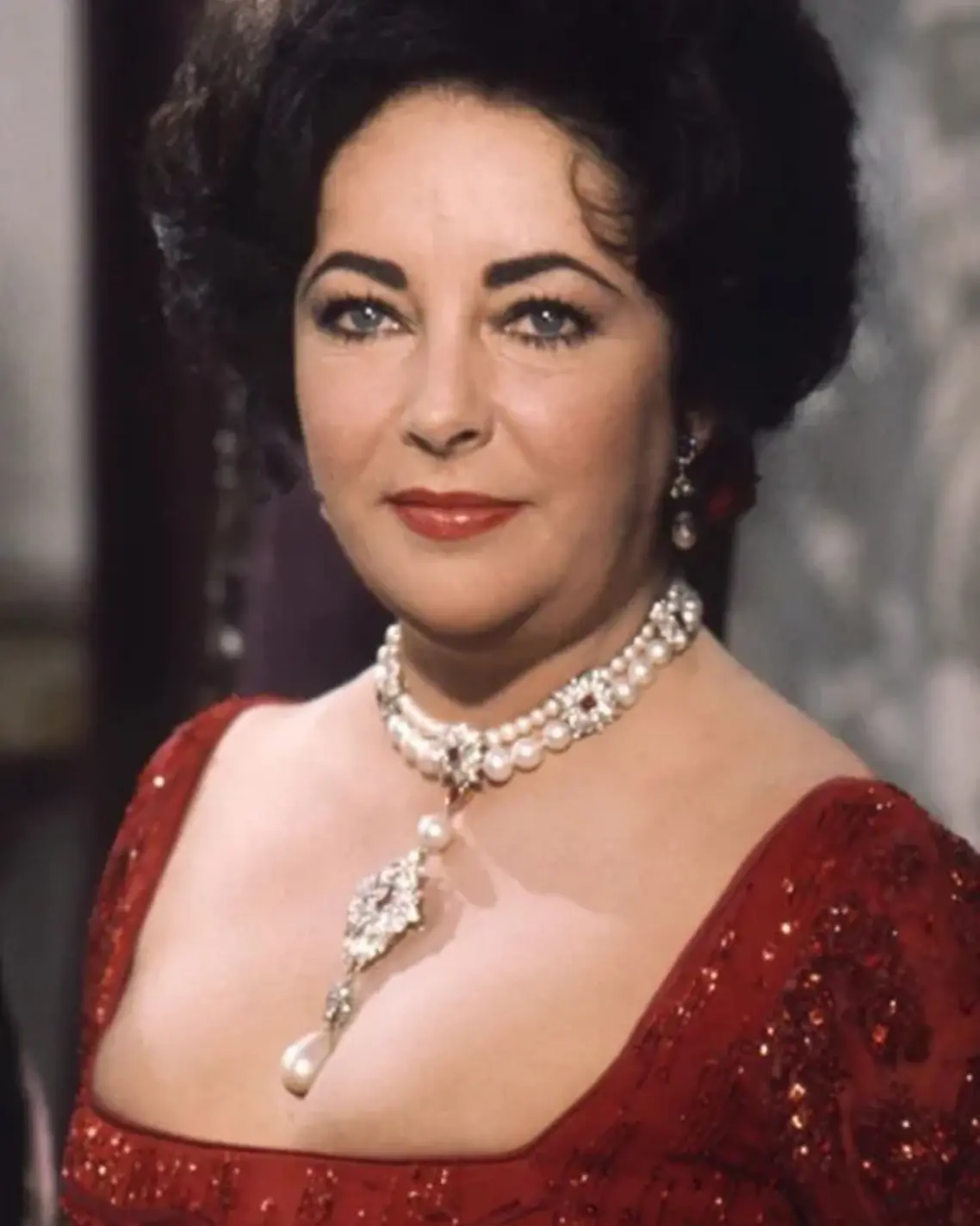
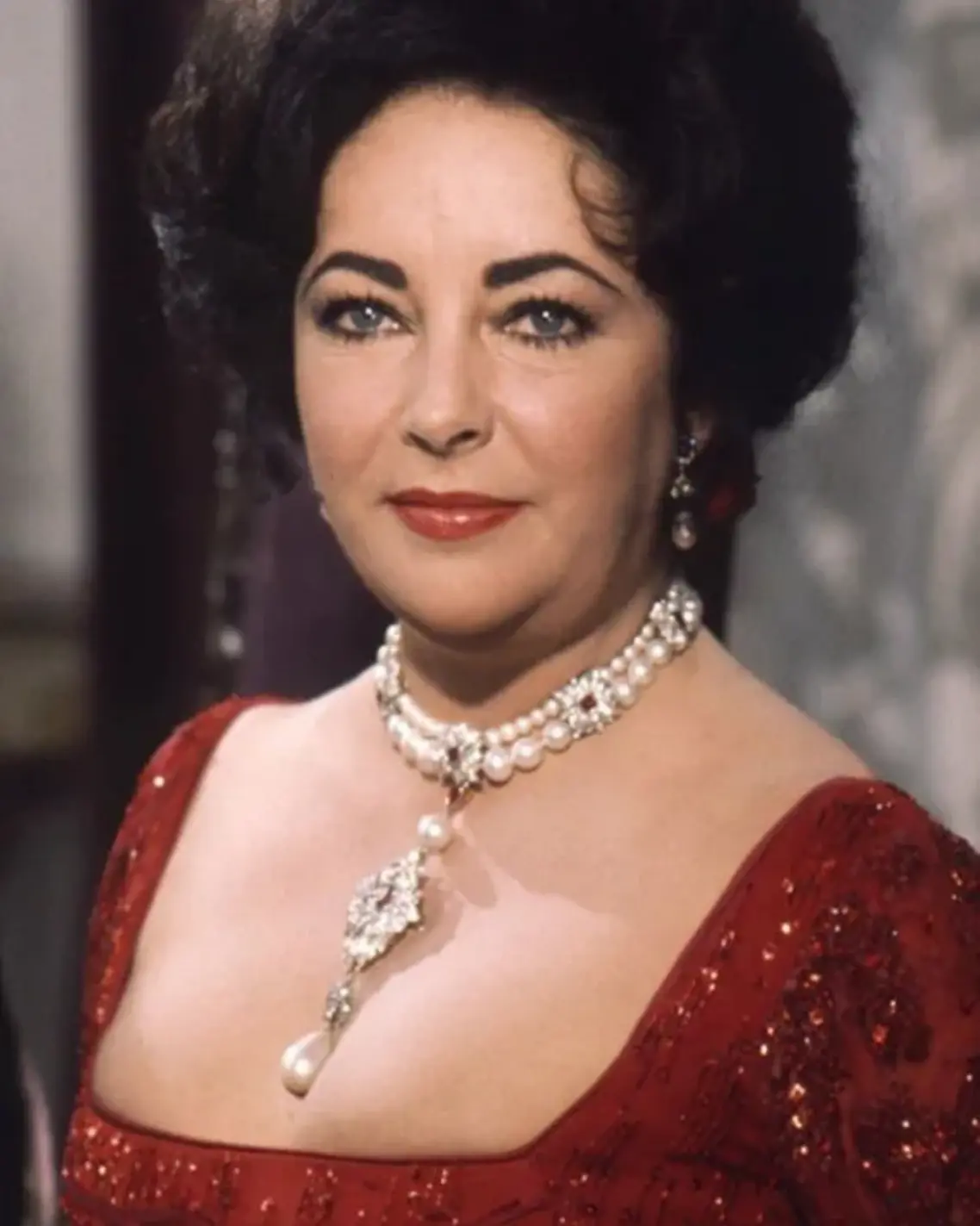
Realizing the original setting was insecure, Taylor commissioned Cartier to redesign the piece. The result was a breathtaking necklace of rubies, diamonds, and cultured pearls, inspired by a portrait of Mary I. This "new" La Peregrina became Taylor’s signature, most notably appearing on-screen during her cameo in the 1969 film Anne of the Thousand Days.
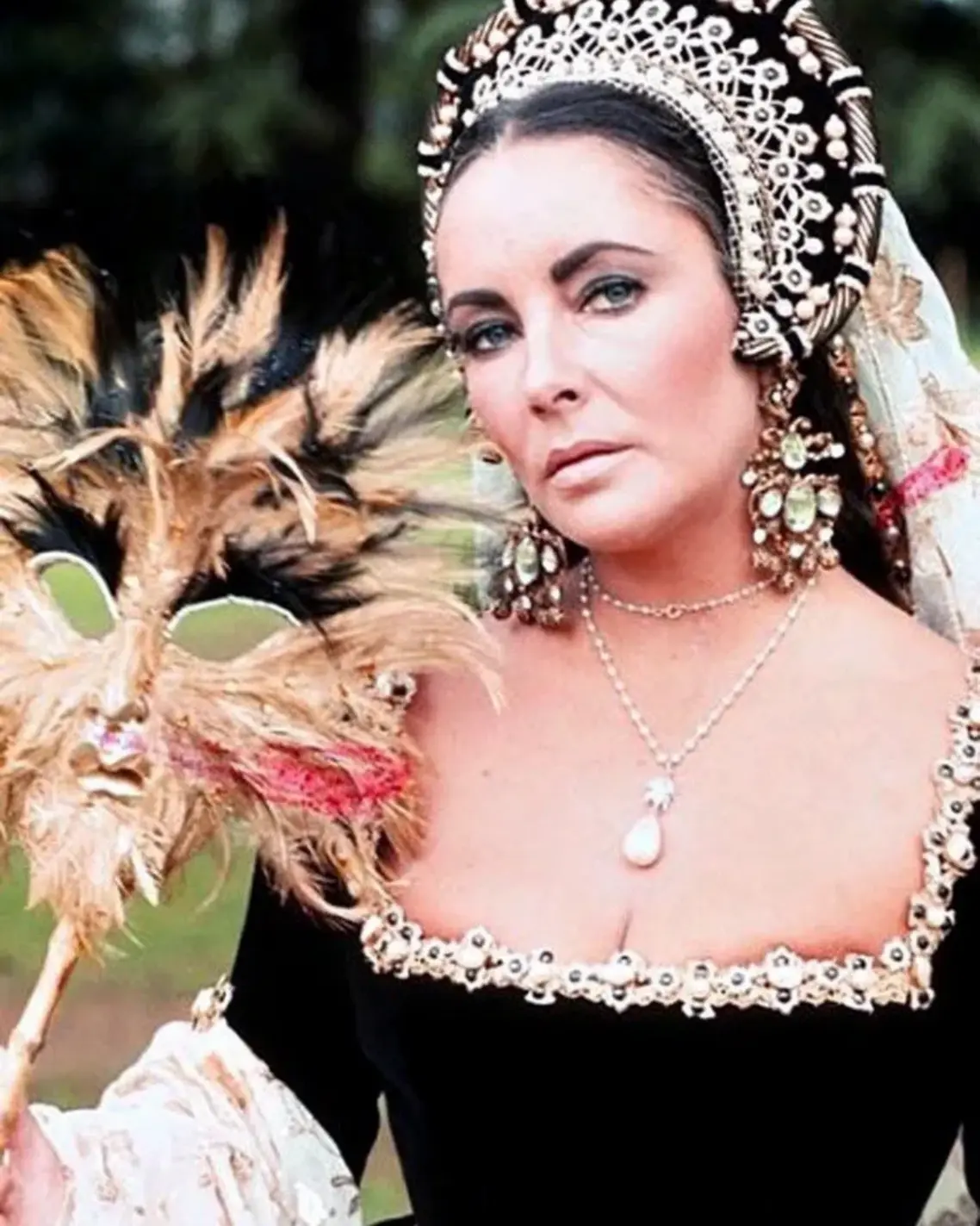
The La Peregina eventually found its final home on December 14, 2011. Following Taylor’s passing, her collection went to auction at Christie’s New York. La Peregrina, which Burton had bought for $37,000, shattered records by selling for a staggering $11.8 million.
It remains the gold standard for provenance in the jewelry world - a testament to the fact that while gems are beautiful, it is the stories (and the stars) behind them that make them priceless.