MENU
Close





Born on January 25, 1858, Kokichi Mikimoto was the eldest son of a noodle-shop owner. While his beginnings were humble, his ambition was oceanic.
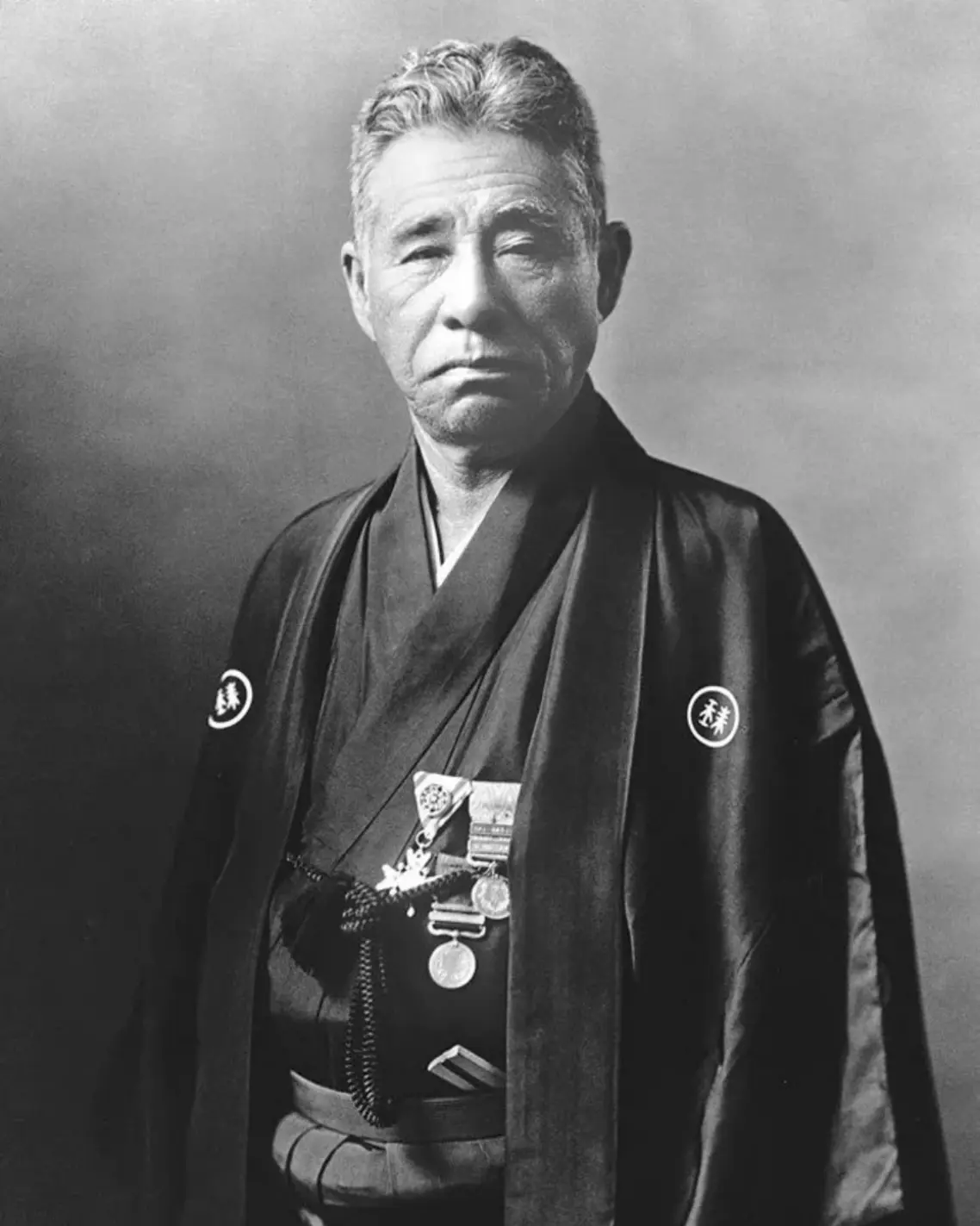
Born on January 25, 1858, Kokichi Mikimoto was the eldest son of a noodle-shop owner. While his beginnings were humble, his ambition was oceanic.
January 25, 2026


Kokichi Mikimoto’s story begins on the shoreline of Japan, where a boy watched pearl divers disappear beneath the surface and return with treasure that felt like fate. In the late 19th century, pearls were essentially flukes of nature, found by chance, at staggering odds, and reserved for royalty and the ultra-elite. As over-harvesting pushed the Akoya oyster toward collapse in his hometown, Mikimoto set himself a radical mission: to collaborate with the sea and grow pearls by human design.
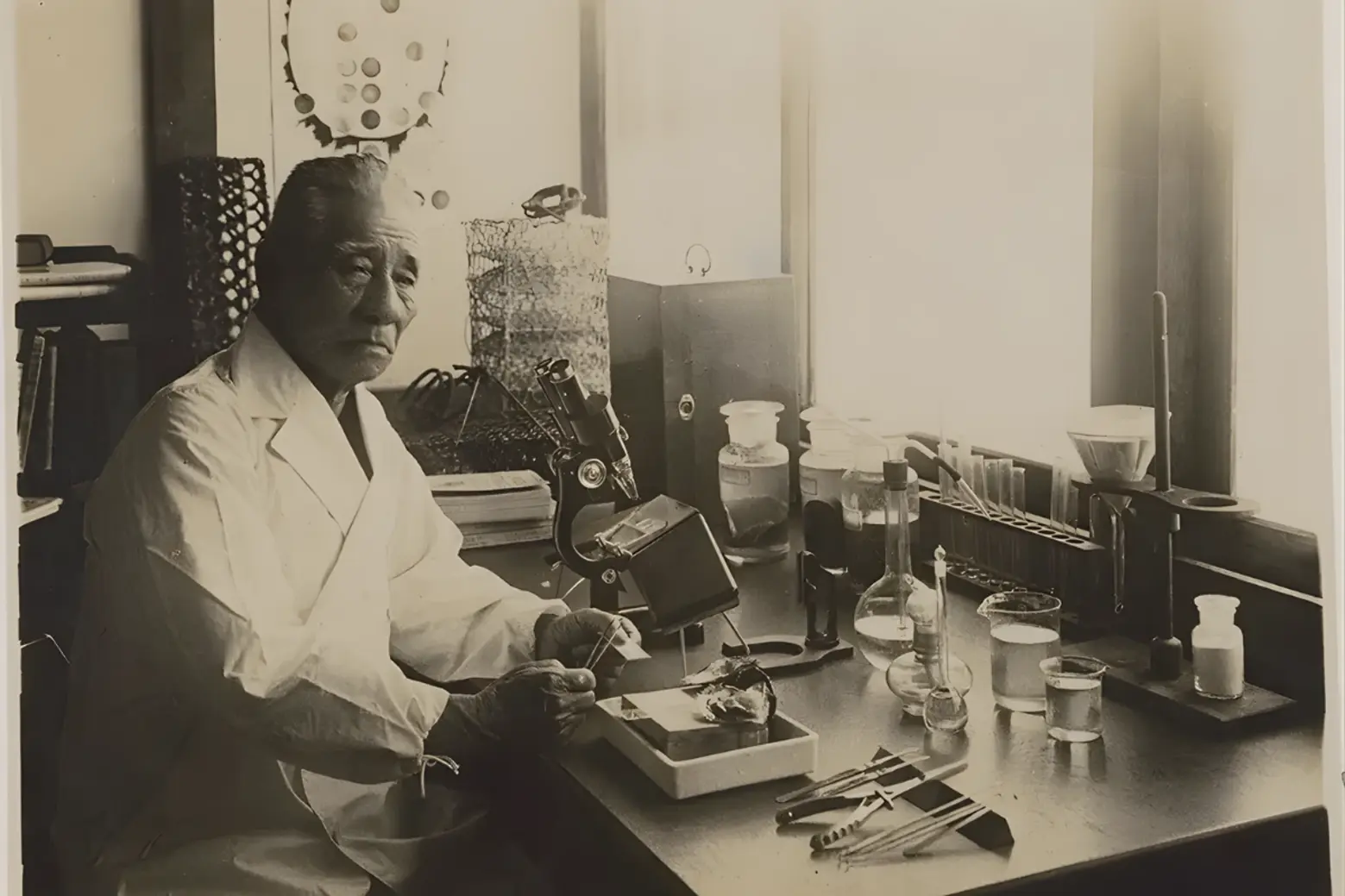
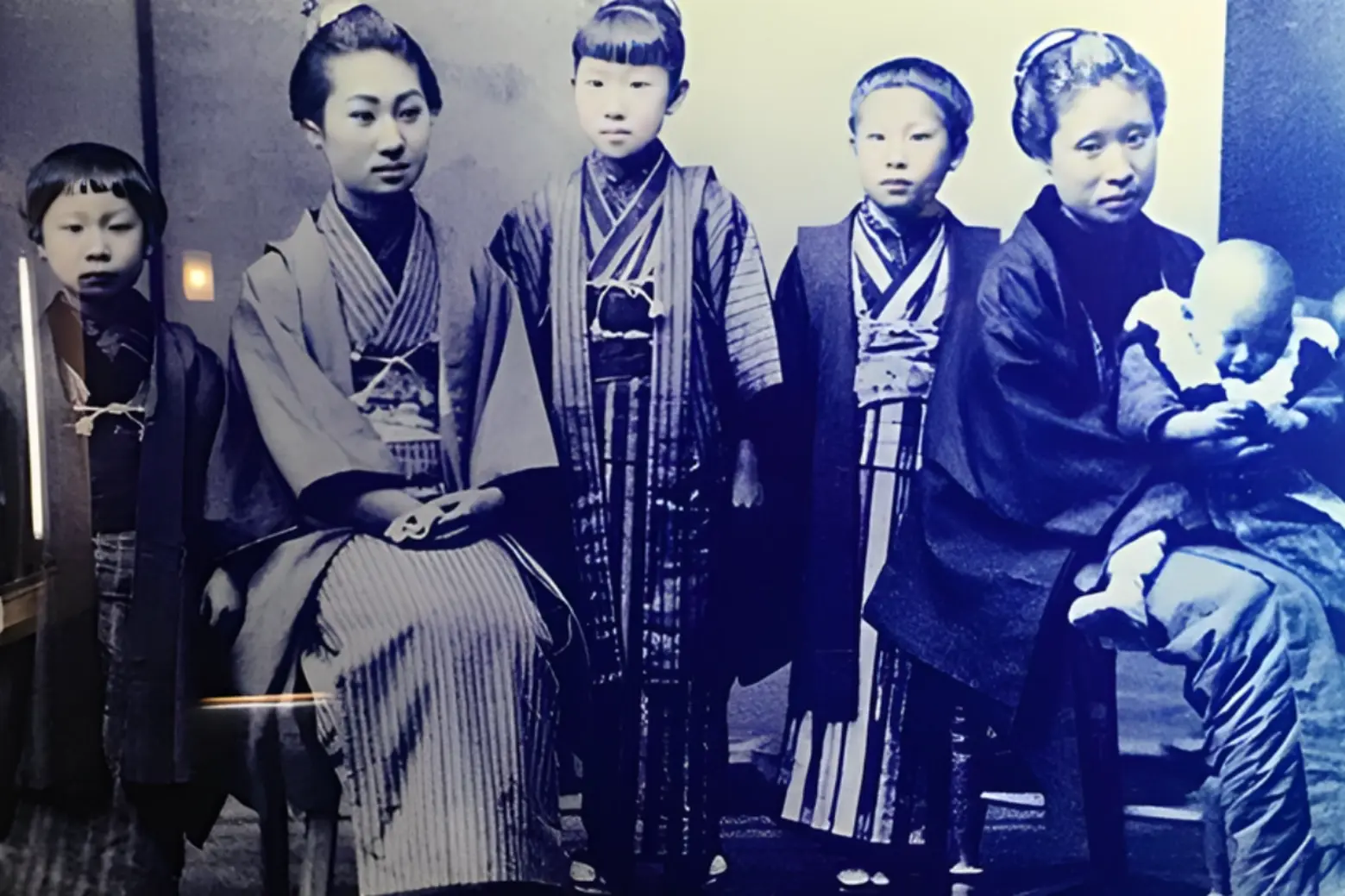
The path was brutal. Years of trial dissolved savings and invited ridicule. Red tides ravaged oyster beds. Public skepticism followed him like a shadow. Yet Mikimoto and his wife, Ume, stayed disciplined, treating each failure as a data point rather than a verdict. On July 11, 1893, that discipline yielded a shimmering semi-spherical pearl, discovered in a bamboo basket pulled from the water - proof that nature could be guided, not merely awaited.
By 1905, Mikimoto reached the breakthrough that changed global jewelry: perfectly round cultured pearls. His ambition carried a social charge as much as a scientific one. “I would like to adorn the necks of all women in the world with pearls,” he declared, an early manifesto for what modern brands would call democratizing luxury. The revolution was reinforced by operational genius: vertical integration. Mikimoto controlled the full chain, from seeding oysters to finishing necklaces, blending Japanese craftsmanship with European design codes into a distinctive “Mikimoto style.”

He also understood that innovation required global proof. A Ginza boutique in 1899 laid groundwork for modern jewelry retail in Asia, followed by London in 1913 and expansion to major capitals. In France, the “Paris Trials” helped legitimize cultured pearls as genuine gems, and at world’s fairs he staged spectacle - pearl replicas of American icons, turning science into theater.
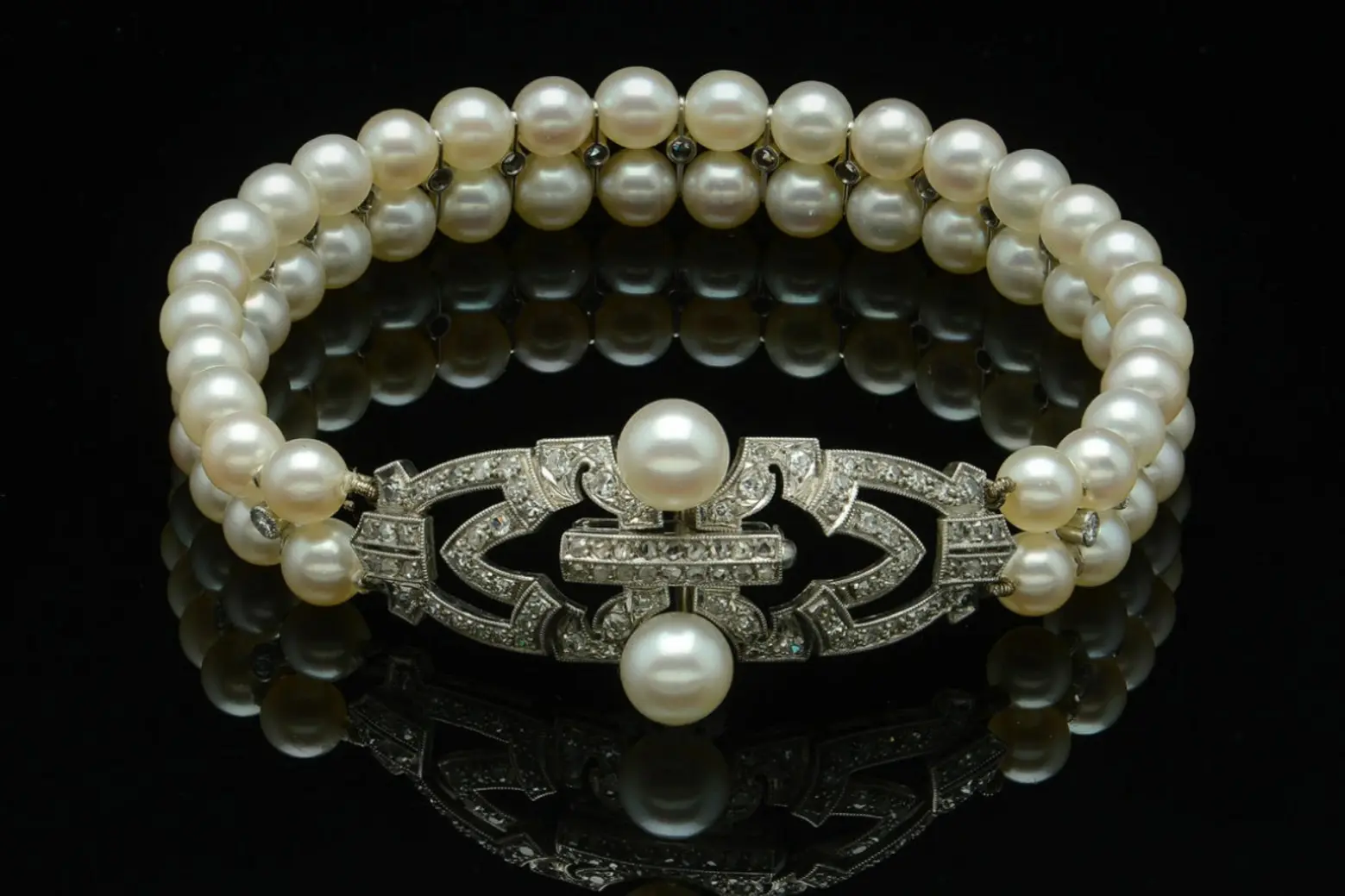
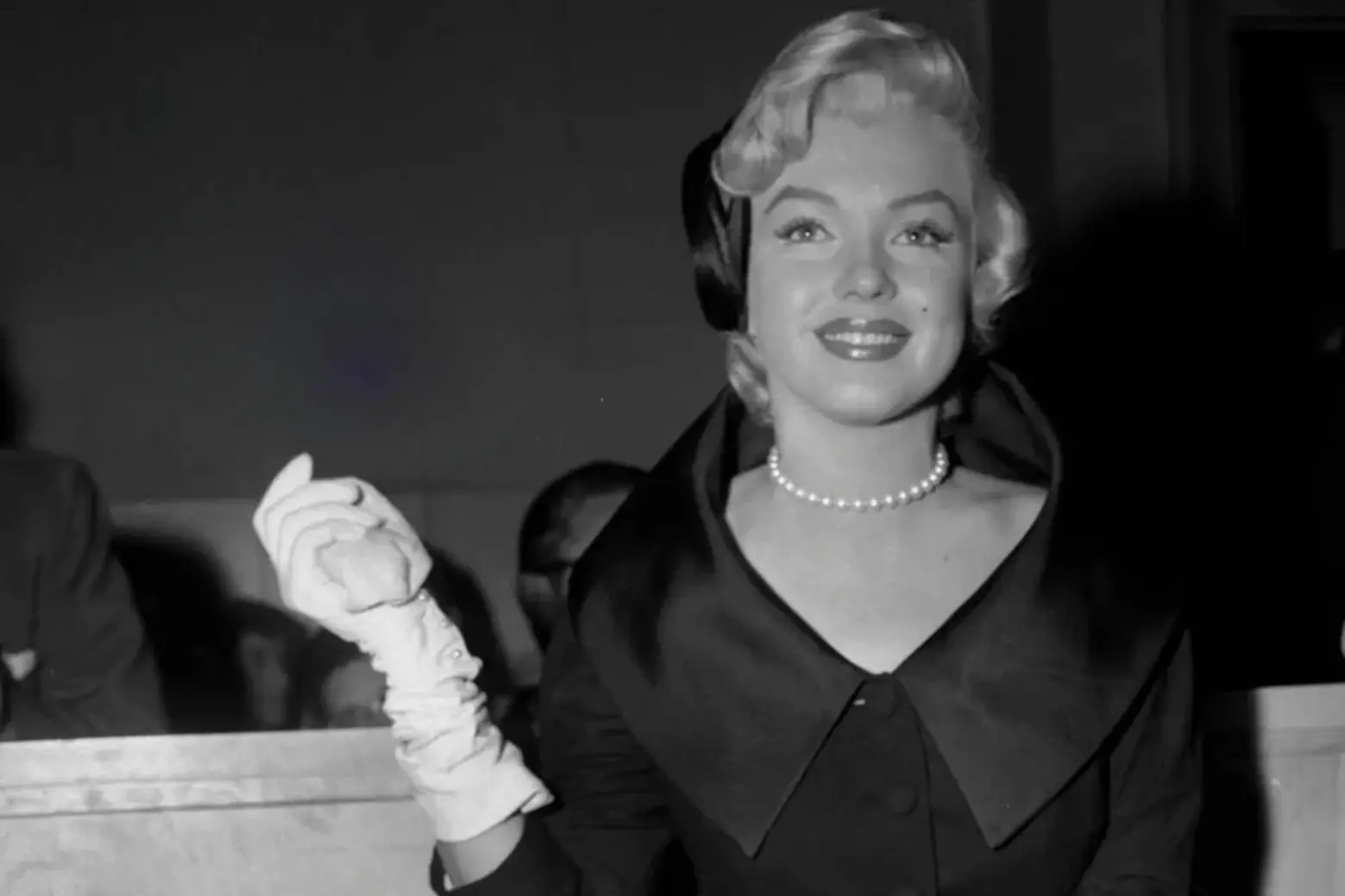
Royalty and celebrities followed. Mikimoto became jeweler to the Japanese imperial family in 1924. Princess Margaret’s two-strand pearl bracelet - likely a gift from Queen Mary and stamped with an “M”, later sold at auction for £320,000, a testament to enduring provenance. Thomas Edison praised the achievement as “one of the wonders of the world.” Pop culture joined the lineage when Joe DiMaggio gifted Marilyn Monroe Mikimoto Akoya pearls during their 1954 Japanese honeymoon. In 2002–2007, Mikimoto crowns became a Miss Universe emblem, extending the brand’s symbolism of radiance.
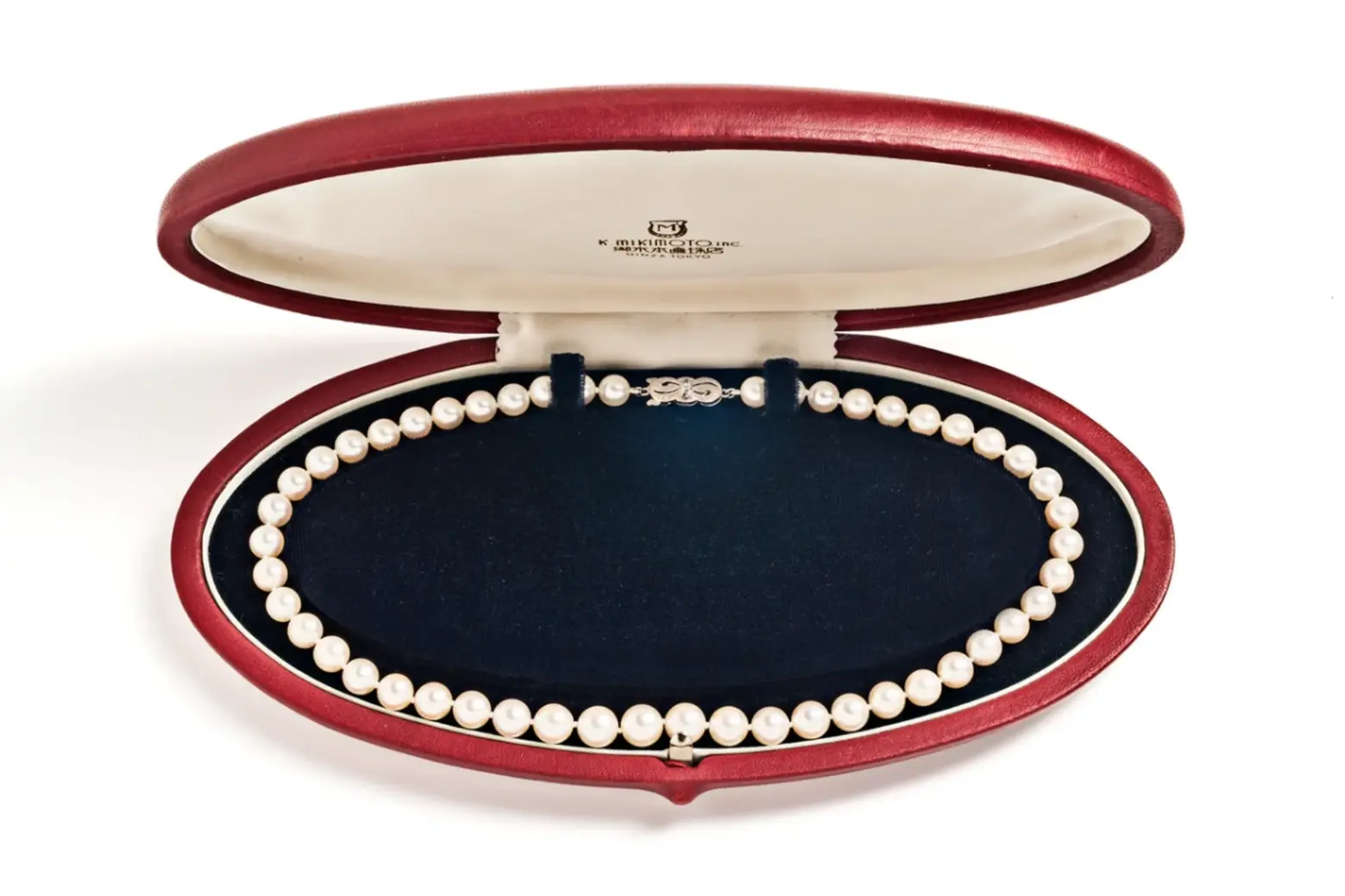
Quality remained the brand’s religion. In 1932, Mikimoto publicly burned low-grade pearls to signal a standard beyond compromise. A century later, that same philosophy keeps Mikimoto synonymous with elegance, proof that a single obsession, guided by craft and credibility, can reshape what the world calls precious.