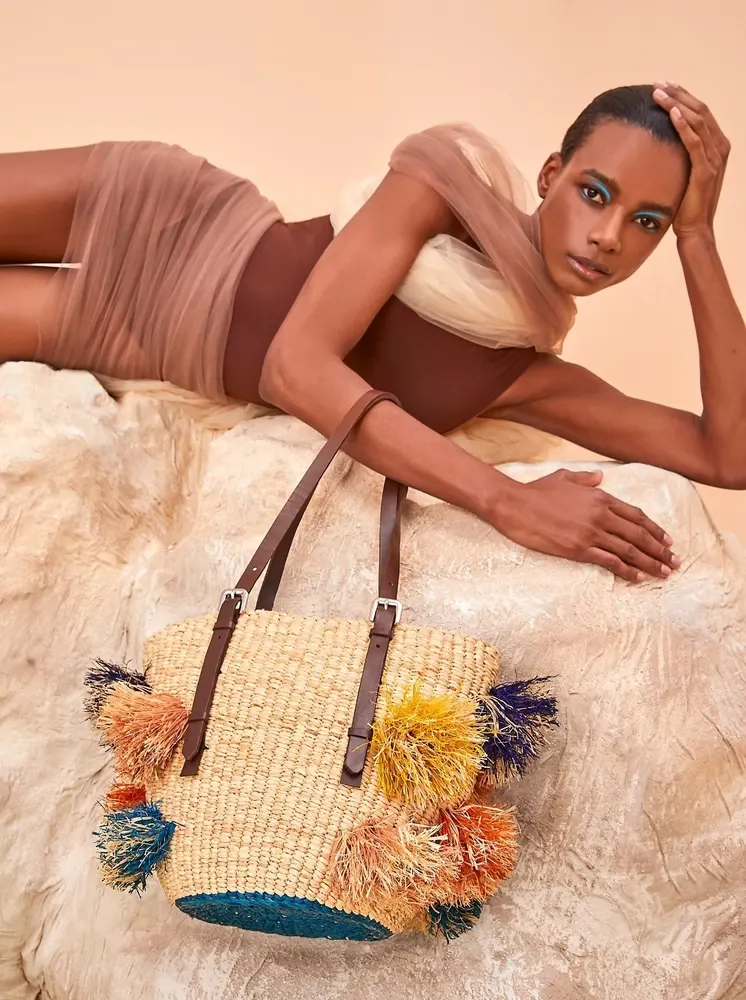
On June 5, 2018, Kate Spade passed away in New York at the age of 55. Her legacy remains central to American fashion because she turned the handbag into a language of optimism, independence, and everyday polish.
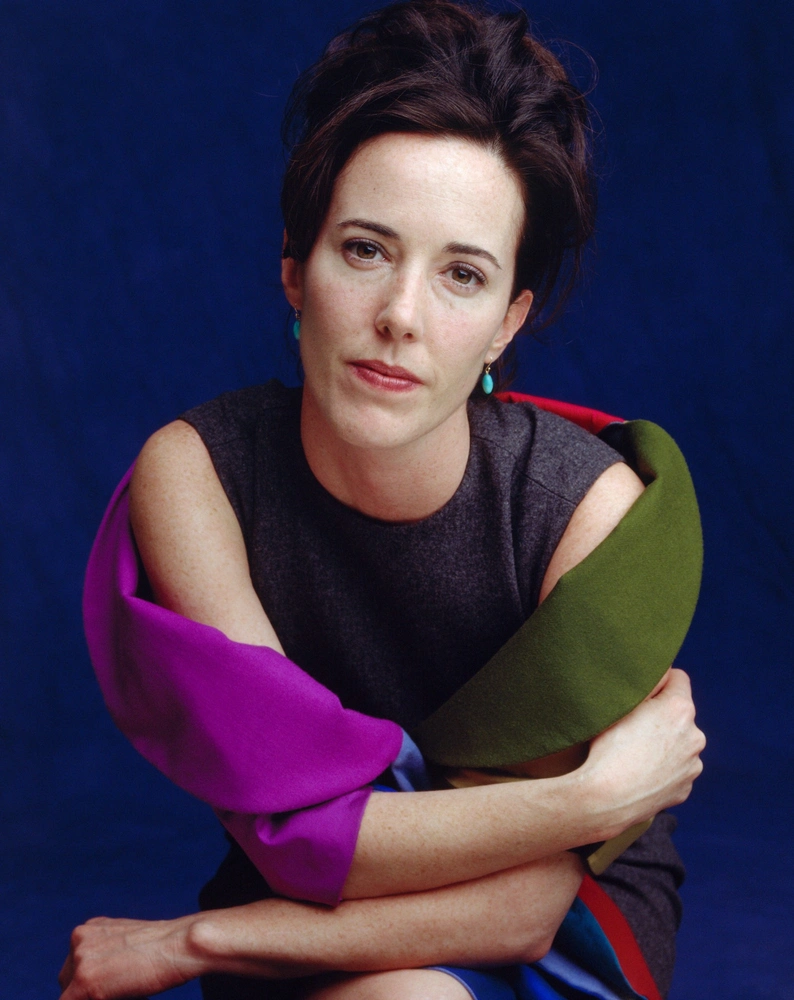
Kate Spade Left, Her Handbags Stayed Behind Like Love Notes
On June 5, 2018, Kate Spade passed away in New York at the age of 55. Her legacy remains central to American fashion because she turned the handbag into a language of optimism, independence, and everyday polish.
June 5, 2026


Her name became attached to a particular kind of fashion intelligence: practical, graphic, witty, polished, and emotionally accessible. At a time when the handbag market often revolved around heavy status codes, Kate Spade built a brand that understood how women actually moved through offices, taxis, apartments, dates, airports, and first adult jobs.
Born Katherine Noel Brosnahan in Kansas City, Missouri, Kate Spade entered fashion through editorial work before building her own design company. Her years in the accessories department at Mademoiselle gave her a close view of the handbag market and its missing space. She saw an opportunity for bags that felt structured, useful, elegant, and playful at once. In 1993, she co-founded Kate Spade New York with Andy Spade, Elyce Arons, and Pamela Bell, launching the brand with six essential handbags.
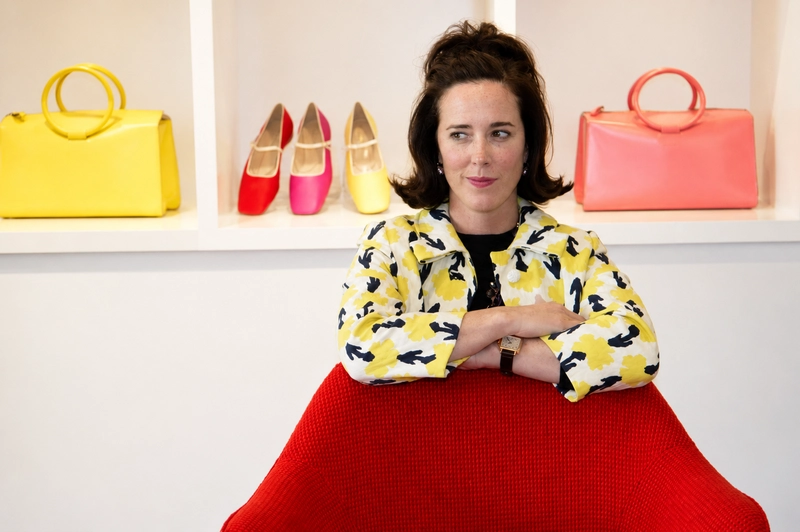
That beginning matters because Kate Spade understood accessories as part of daily identity rather than pure decoration. The early bags used clean shapes, crisp proportions, bright personality, and a visible label that felt direct and modern. The Sam bag became a symbol of this approach. It carried a square, almost architectural discipline, yet its cultural effect was softer: it gave young professional women a bag that felt adult, charming, and emotionally easy to claim.
The rise of Kate Spade also marks an important chapter in American fashion business. Her brand translated editorial instinct into retail clarity. The stores, packaging, colors, product names, and visual language created a full world around the customer. A handbag could lead naturally into stationery, shoes, jewelry, clothing, fragrance, and home objects because the brand had a lifestyle grammar from the beginning. It sold usefulness with personality, and it made style feel organized through joy.
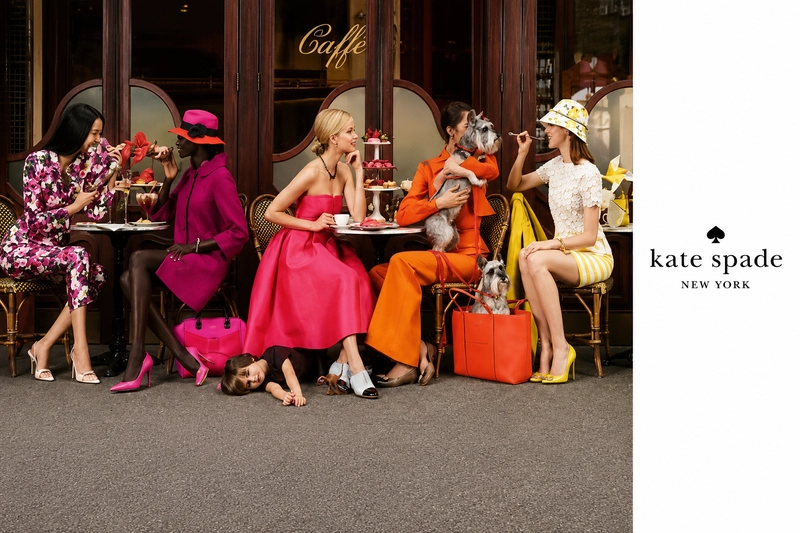
Her contribution sits strongly inside accessories history because she treated the handbag as an intimate social object. A Kate Spade bag could signal ambition, taste, humor, and independence without excessive ceremony. This made the brand especially powerful for women entering new stages of life: first job, first serious wardrobe, first city apartment, first sense of personal authority. Her designs carried a form of confidence that felt approachable, yet still precise.
After leaving the company that carried her name, Kate Spade continued her creative path through Frances Valentine, a project that kept her interest in color, character, and accessories alive. This later chapter reinforced the consistency of her design thinking. Across both names, she understood that fashion gains cultural value when it enters ordinary life and gives that life a sharper rhythm.