MENU
Close





On September 10, 2010, E! premiered Fashion Police, turning the red carpet into a court case the next day, with Joan Rivers as judge, jury, and headline.
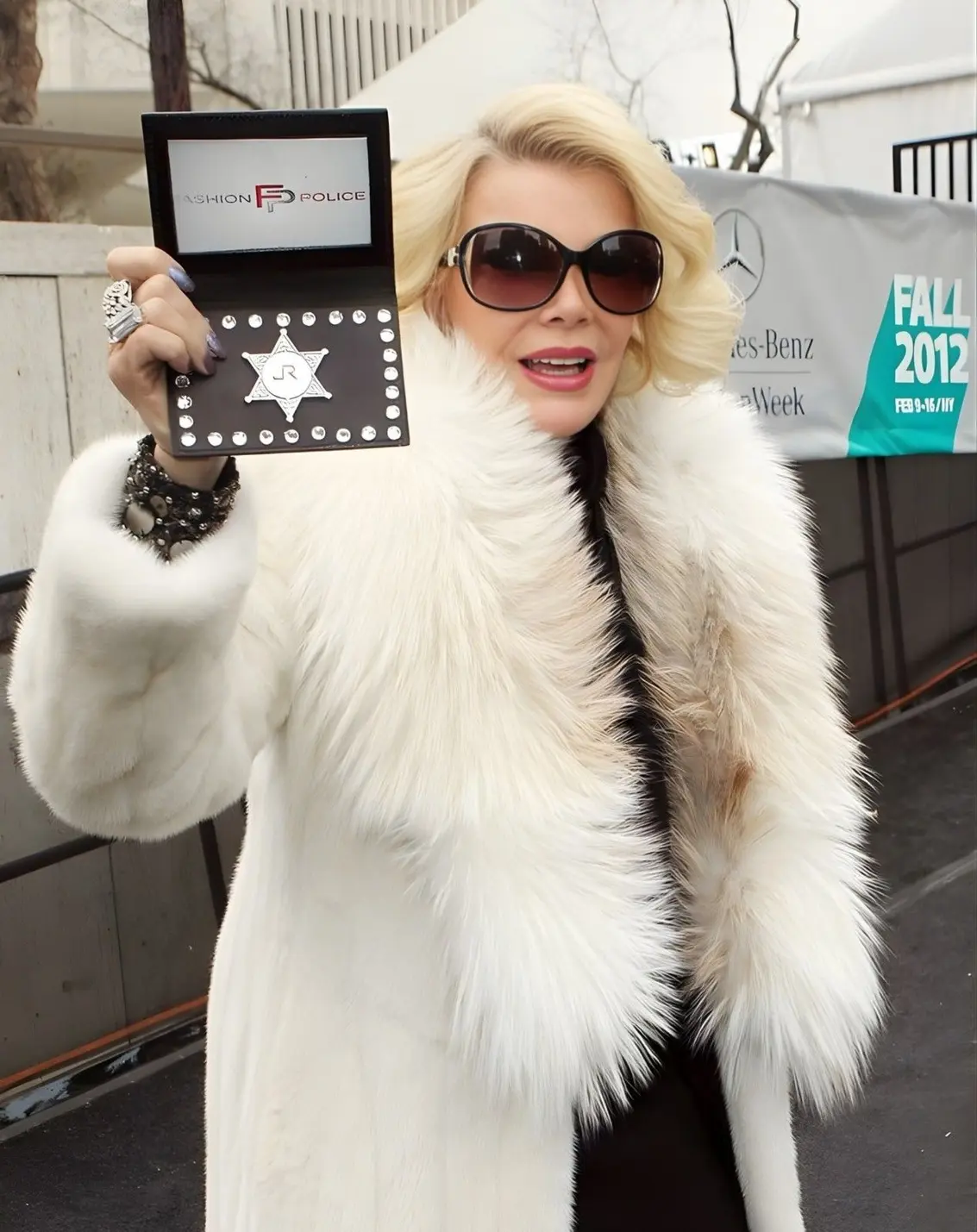
On September 10, 2010, E! premiered Fashion Police, turning the red carpet into a court case the next day, with Joan Rivers as judge, jury, and headline.
September 10, 2025


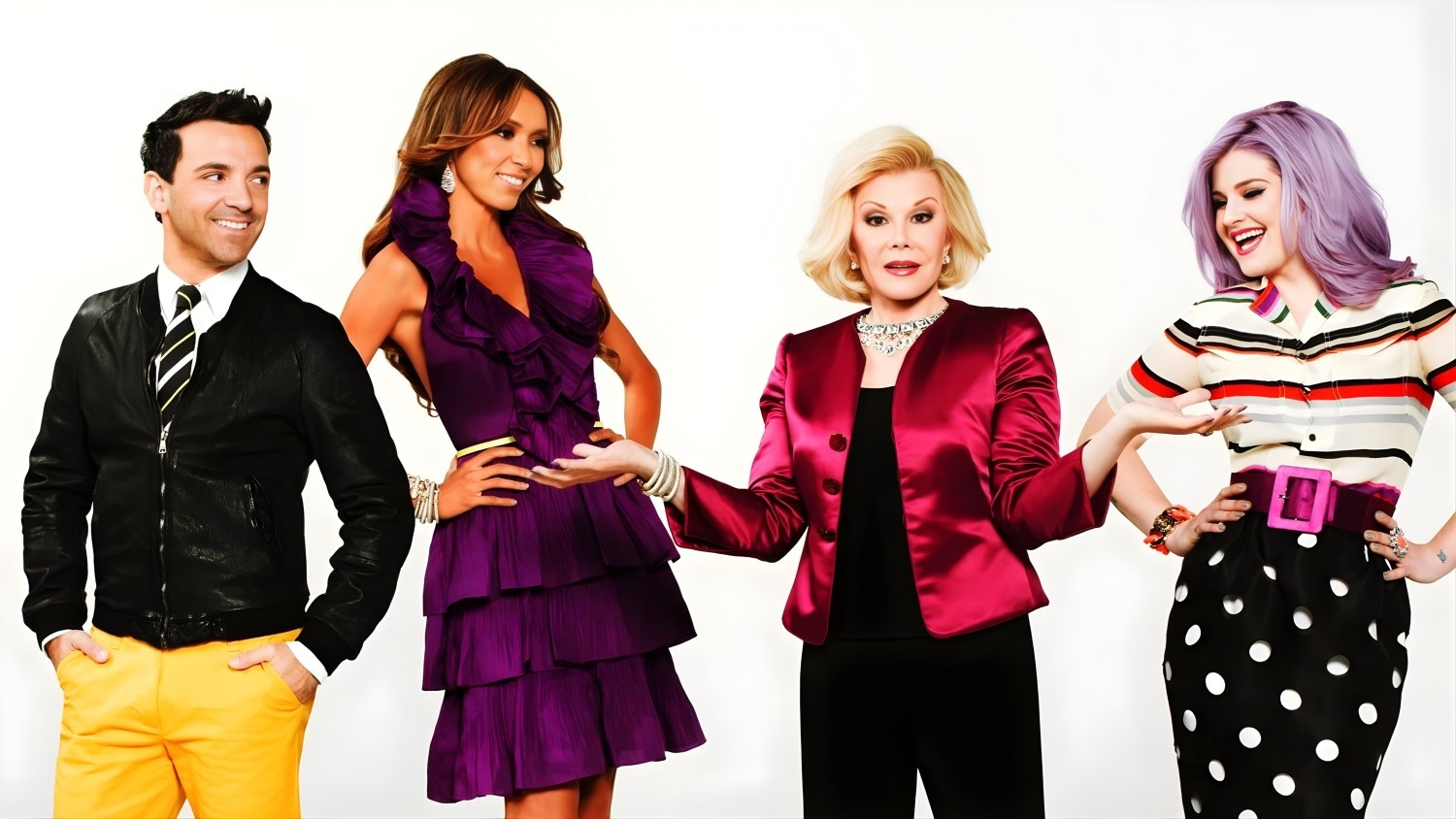
The panel lineup that defined the show’s early voice included Giuliana Rancic, Kelly Osbourne, and George Kotsiopoulos, delivering verdicts on celebrity looks with the speed of tabloid culture and the bite of late-night comedy.
Its genius was format. Fashion Police was built like a highlight reel of fashion risks and fashion regrets, stitched together with recurring segments that made critique feel like a sport. Bits like “Bitch Stole My Look” and “Gotta Have It, Make It Stop” didn’t just recap outfits, they created a language viewers could repeat instantly, so a gown could become a joke, a meme, a warning, or a win before the celebrity’s car even left the venue.
That speed had consequences. Stylists and publicists knew the fear factor was real: show up under-dressed, look like you phoned it in, or misjudge the theme, and the next day’s episode could freeze your look into a punchline that lived longer than the event itself. In a culture where photos circulate endlessly, a single cutting line could follow an actor or singer for years. Fashion police didn’t simply comment on red carpet fashion, it pressured it. It rewarded effort, punished laziness, and trained celebrities to treat a premiere as performance.
Joan Rivers was central to that influence, even though she was not a fashion designer or stylist. She was a comedian and an entertainment icon who built a second career on razor-sharp celebrity commentary and red carpet interviewing long before Fashion Police made it a weekly ritual. Her authority came from timing, nerve, and a total refusal to soften a punchline for comfort.
That refusal also fueled the show’s most lasting criticisms. A recurring segment called “Starlet or Streetwalker” drew petitions and backlash for using sex work imagery as a guessing game, with critics arguing it blurred comedy into cruelty.
When Joan Rivers died on September 4, 2014, the show’s chemistry changed overnight, and the industry treated it as an open question whether the format could survive without its engine. E! announced it would continue, later bringing in Kathy Griffin for a 2015 relaunch.
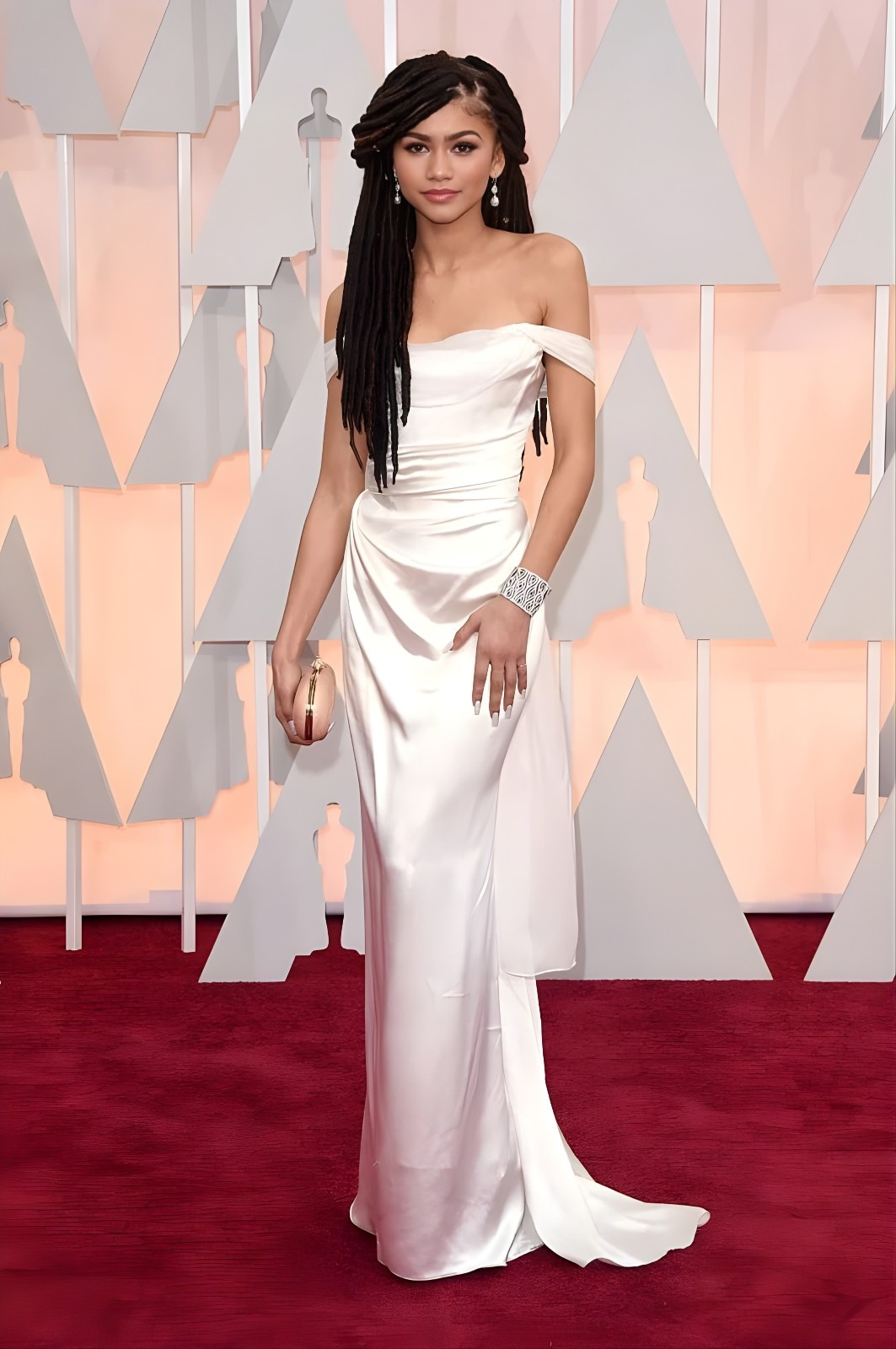
The moment many viewers point to as the real downturn arrived on February 23, 2015, during the post-Oscars special, when Giuliana Rancic’s comment about Zendaya’s hair sparked a major backlash, followed by exits and a reset period for the franchise.
Looking back to the first airing in 2010, Fashion Police captured a truth about celebrity style that still holds: fashion on the red carpet is never only fabric. It is reputation, narrative, and risk, and the commentary around it can shape the culture as sharply as any dress.