MENU
Close





Edvard Munch, born on December 12, 1863, remains one of the most influential and psychologically incisive artists in modern history.

Edvard Munch, born on December 12, 1863, remains one of the most influential and psychologically incisive artists in modern history.
December 12, 2025


Edvard Munch's birthday anniversary invites us to revisit a body of work that has never lost its urgency. Munch understood, long before it became fashionable, that art could serve as an emotional mirror. His paintings exposed the tremors beneath everyday life, giving form to anxiety, longing, love, fear, and the strange beauty of human vulnerability.
Though most widely known for The Scream, Munch’s legacy stretches far beyond a single image. His entire oeuvre unfolds like a visual autobiography, documenting the formative losses, illnesses, and existential questions that echoed through his life. Growing up amid family tragedies, he absorbed the fragility of existence at an early age. Instead of turning away from pain, he transformed it into a new artistic language that fused Symbolism and Expressionism, expanding the boundaries of what painting could communicate.

In works such as Madonna, The Sick Child, and Anxiety, Munch pushed emotion to the forefront. Figures appear elongated and shadowed, their forms shaped by psychological tension rather than anatomical precision. Color becomes a pulse. Lines twist with inner turmoil. Landscapes bend beneath the weight of feeling. Munch did not simply paint the world he saw; he painted the world as it felt to him. This subjectivity became the cornerstone of Expressionism and opened the door for later artists like Kirchner, Nolde, and even the Abstract Expressionists who embraced emotion as a driving force.
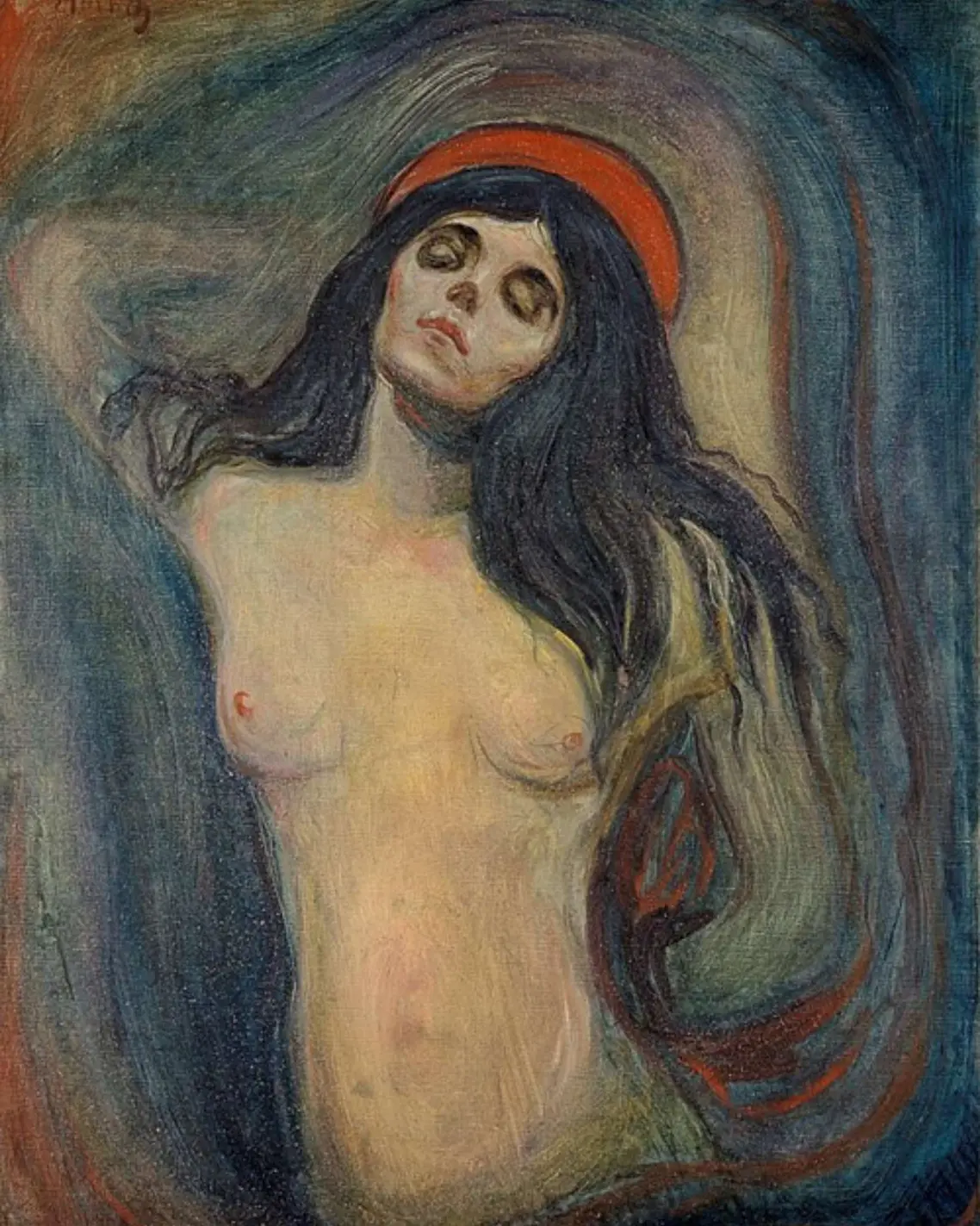
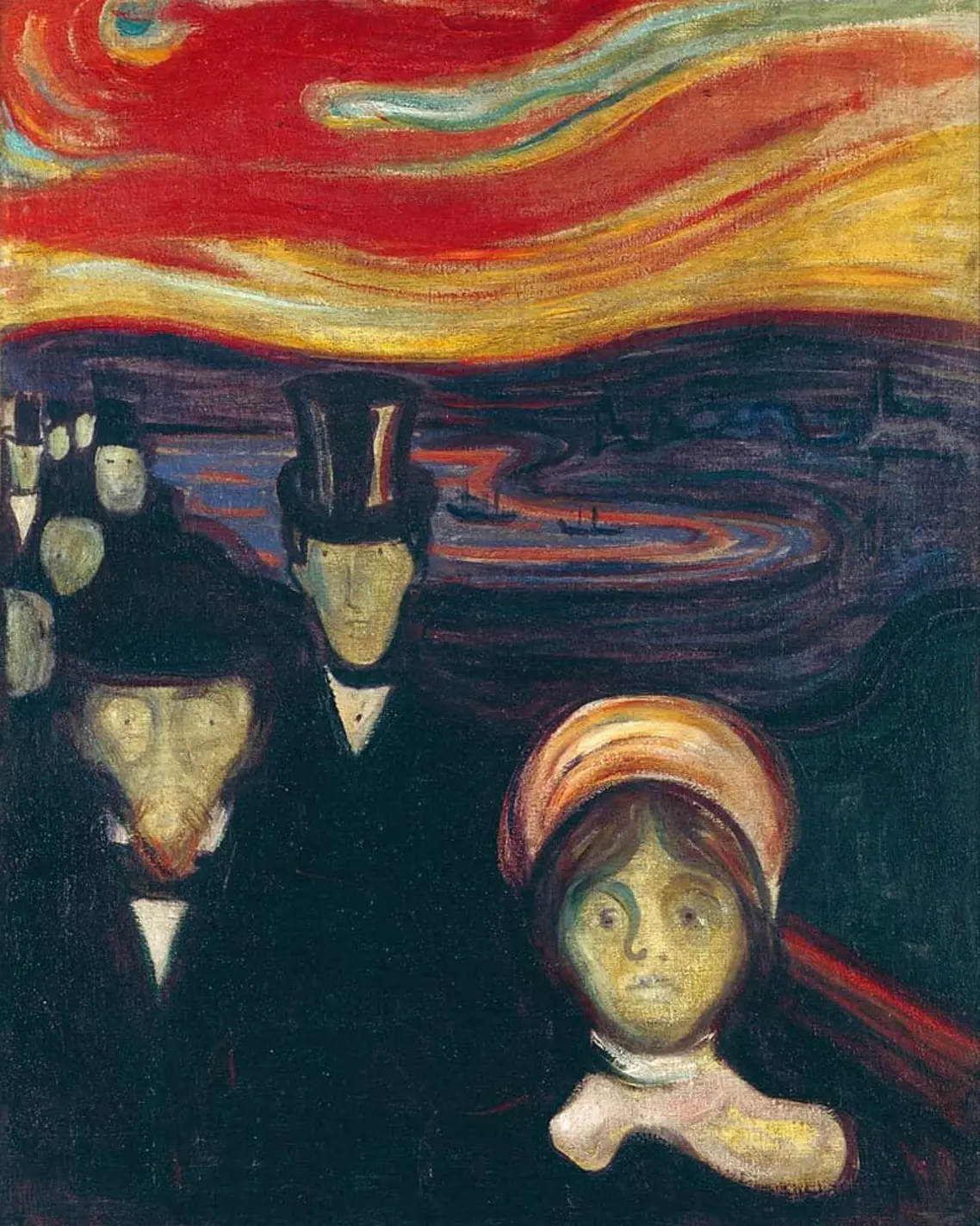
Munch’s personal life was as complex as his canvases. He spent years moving between Norway and continental Europe, drawing inspiration from bohemian circles in Berlin and Paris. His art explored themes of desire and despair, connection and isolation. Love appears as both intoxicating and destructive. Death is ever-present, yet never depicted with finality. His recurring motif of the shoreline, often at twilight, suggests moments when inner and outer worlds meet in uneasy harmony.
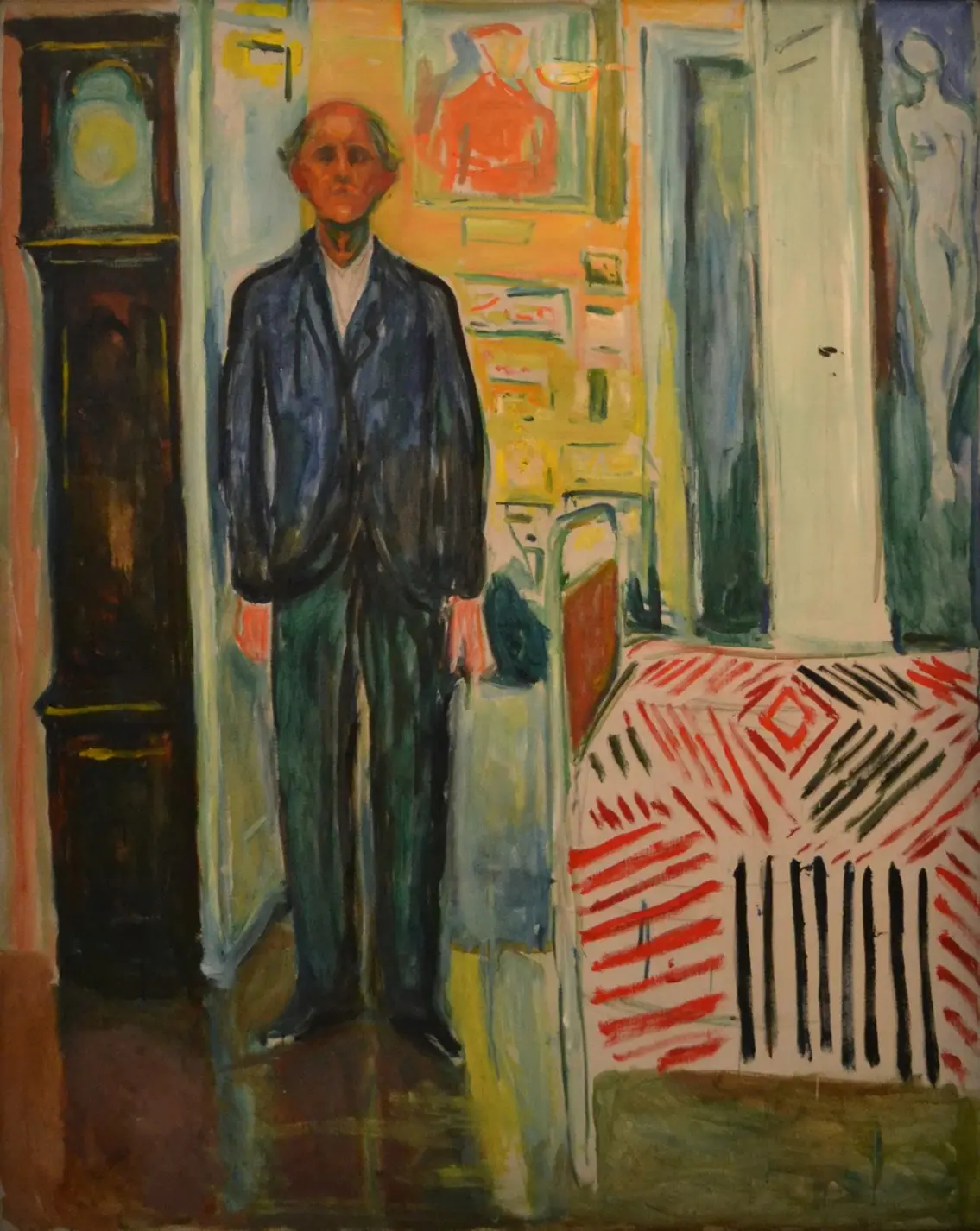
In his later years, Munch turned toward quieter forms of reflection. Works like The Sun and Self-Portrait Between the Clock and the Bed embraced acceptance rather than anguish, revealing an artist who never stopped questioning life’s rhythm.

Today, on his birthday, we celebrate Edvard Munch not only as the creator of iconic images but as an artist who dared to paint the invisible. His work continues to resonate because he captured what so many feel but cannot name. Munch painted the human condition with honesty, courage, and unfaltering intensity - a gift that still reverberates across the world.