MENU
Close





On March 23, 1914, the Helena Rubinstein beauty salon opened in New York, marking one of the earliest modern beauty salons and redefining how cosmetics and personal care were understood. Far from mere treatments, her salon framed beauty as expertise-an idea that reshaped the foundations of the global cosmetics industry and set the stage for the rise of beauty salons everywhere.
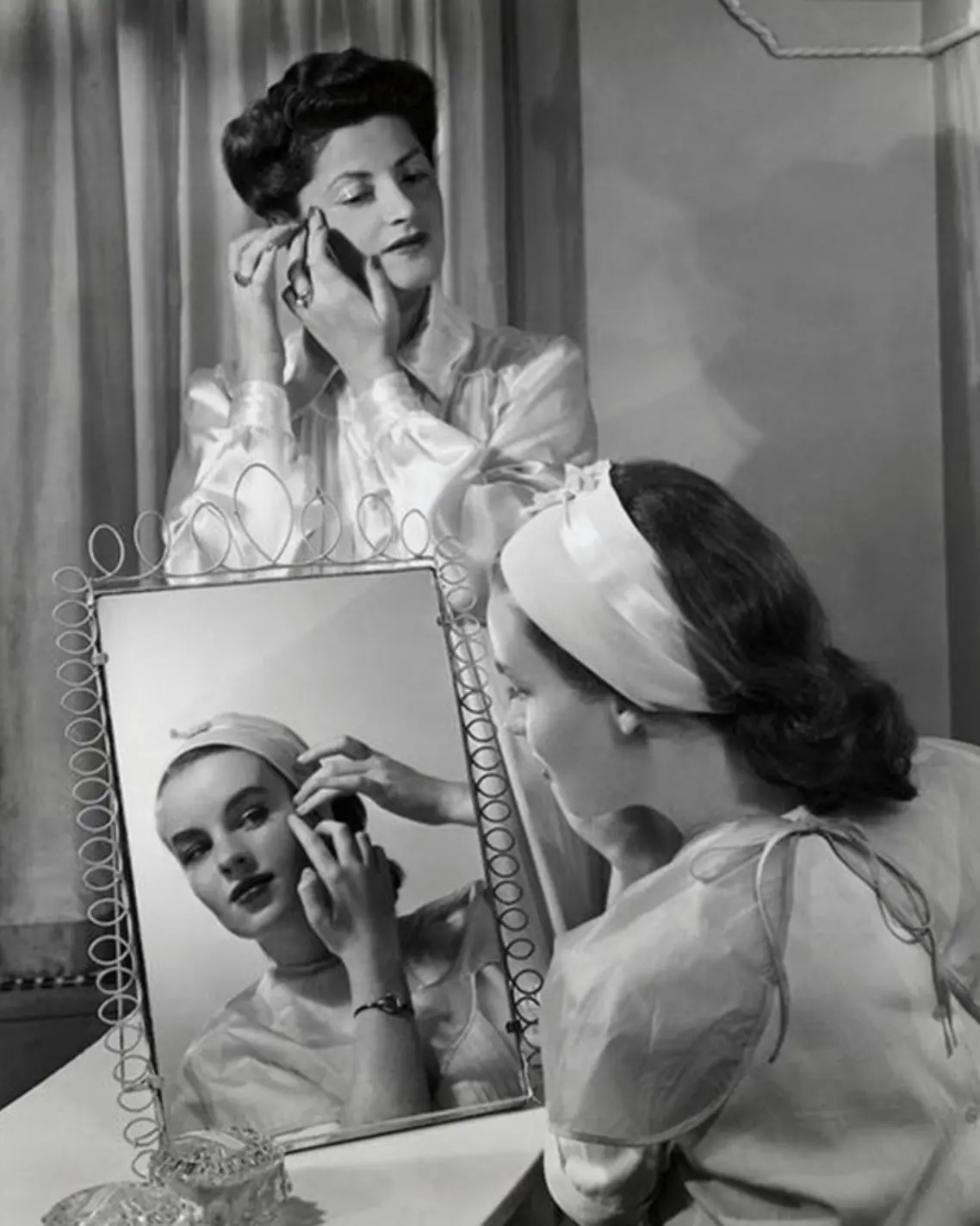
On March 23, 1914, the Helena Rubinstein beauty salon opened in New York, marking one of the earliest modern beauty salons and redefining how cosmetics and personal care were understood. Far from mere treatments, her salon framed beauty as expertise-an idea that reshaped the foundations of the global cosmetics industry and set the stage for the rise of beauty salons everywhere.
March 23, 2025


When Helena Rubinstein stepped into Manhattan that spring morning, she was bringing more than creams and serums; she was launching a concept that bridged science, self-care, and individuality. At a time when beauty advice was still often home-remedy folklore and people used the same products regardless of skin type, Rubinstein insisted on personalization and professional guidance-ideas that feel familiar in salons today.

Her New York salon became a model for how beauty could be practiced, taught, and experienced. It offered tailored consultations, treatments, and a space where women could learn about their skin, hair, and overall appearance in a structured environment. This approach contrasted with the earlier norm, where beauty was largely a domestic affair without formal guidance or trained specialists.
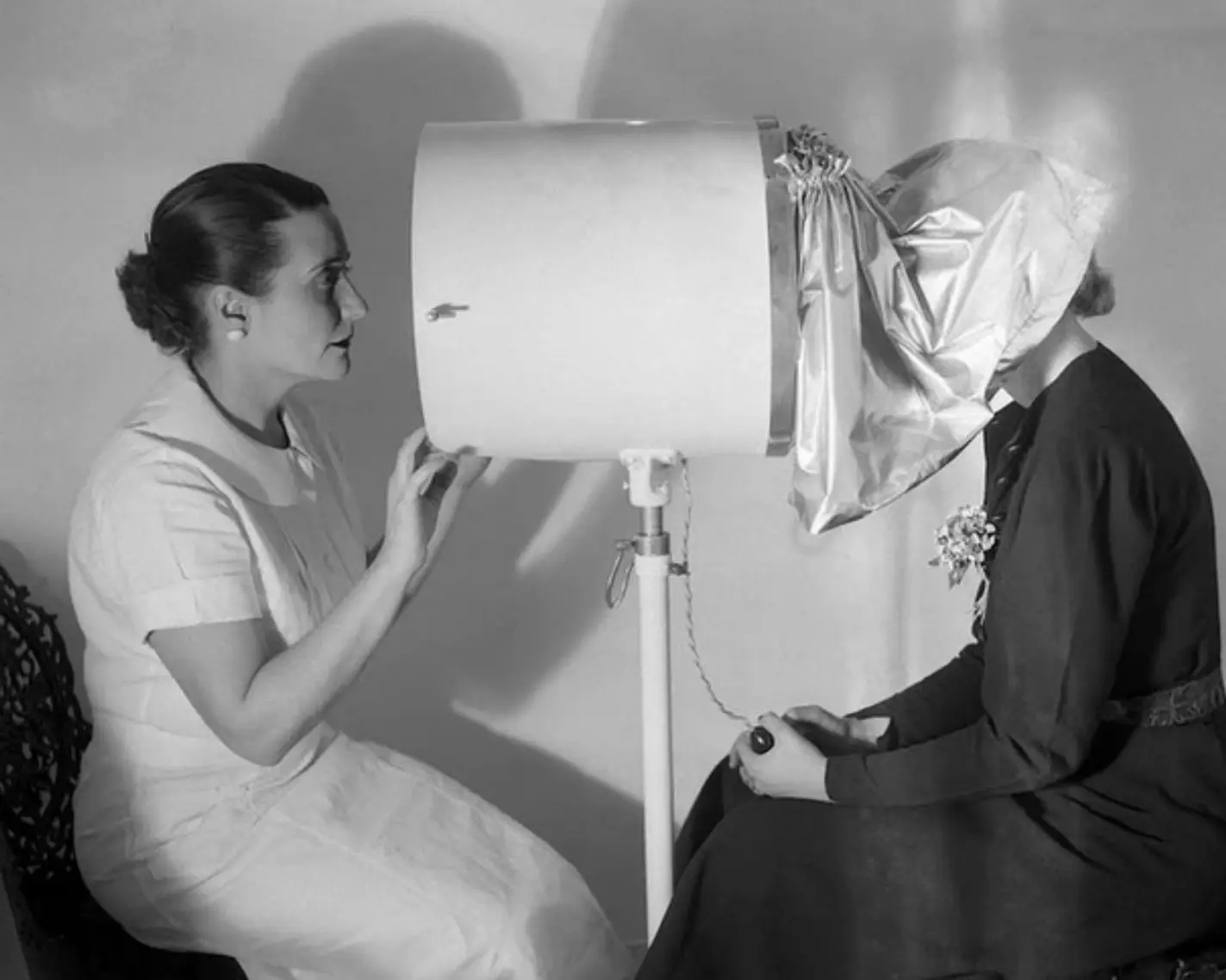
By the 1930s, the idea of the beauty salon had evolved further. Across Europe and North America, women frequented salons not just for skincare and makeup, but for advanced treatments, hair design, and social connection-mirroring a cultural shift in how beauty and self-presentation were understood.
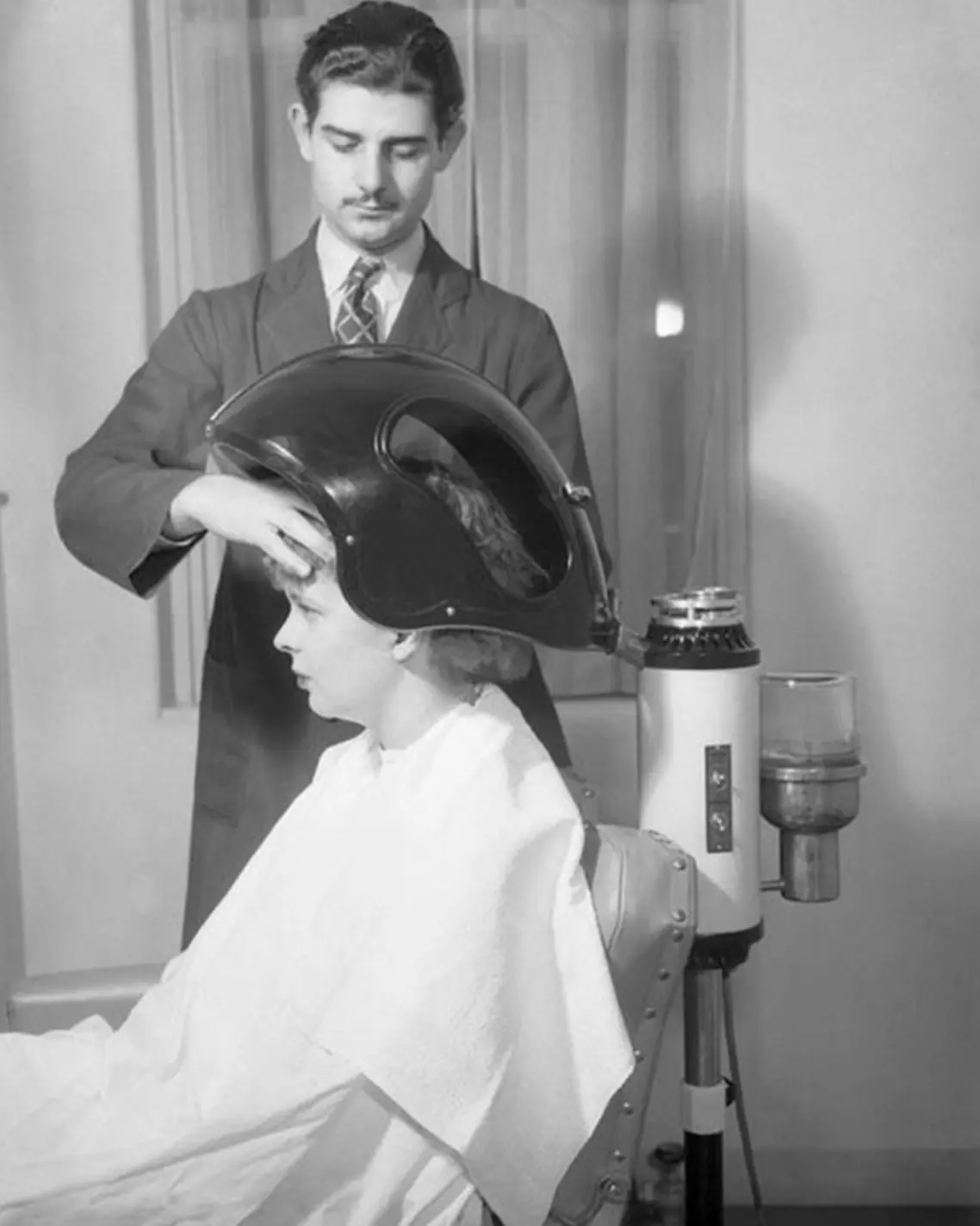
Rubinstein’s influence extended beyond products and services. She insisted that beauty was not one-size-fits-all, recognizing early on that different skin types and conditions required distinct care-a principle that feels remarkably modern today. Her work helped professionalize a space that would grow into a global industry, where expertise and personalization became the norm.
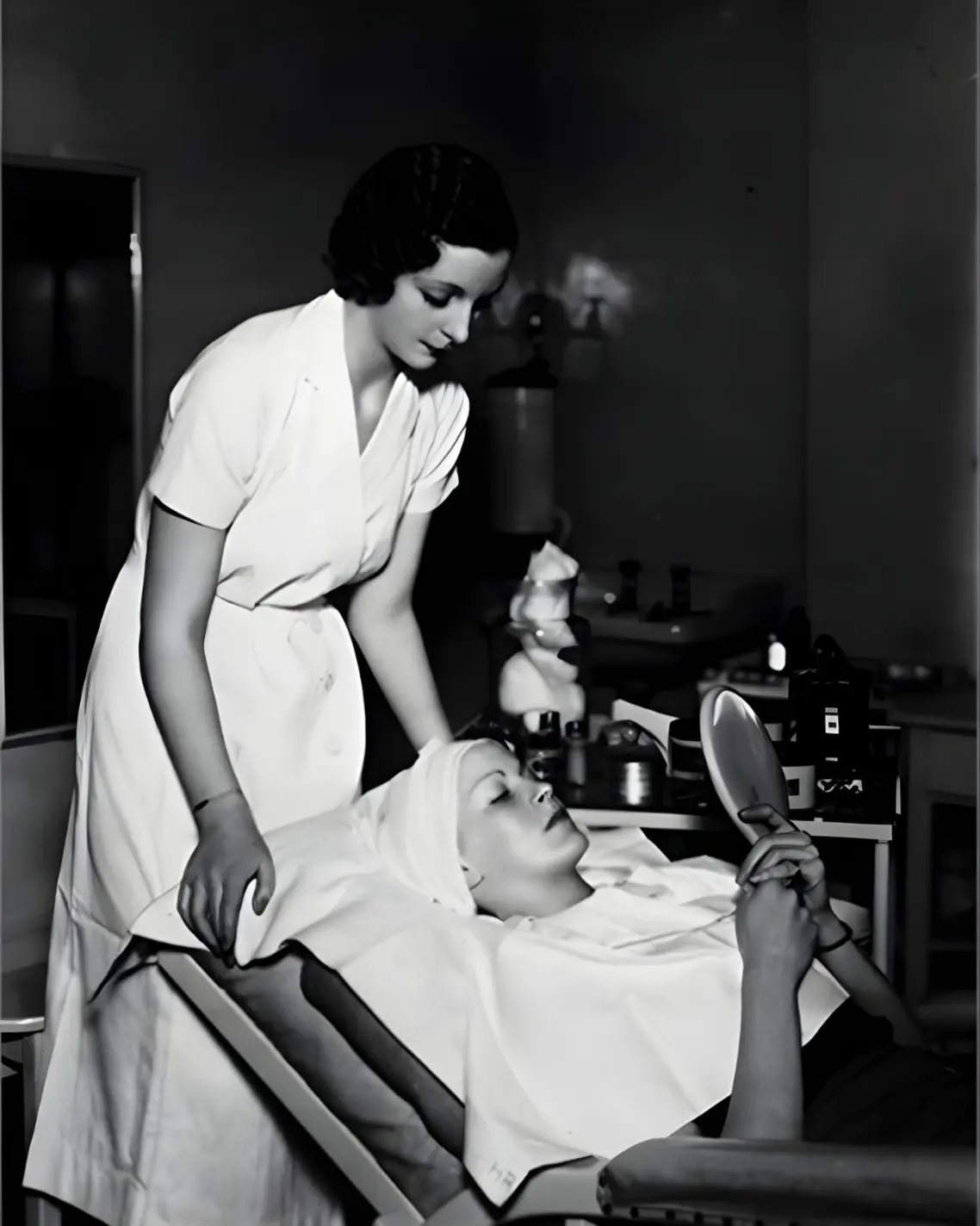
Looking back, March 23, 1914 stands as a turning point ushered in by the Helena Rubinstein beauty salon, when beauty moved from the private sphere into the realm of public expertise. Skincare and aesthetics became subjects to study, invest in, and approach with intention. What began as a single salon would ripple outward, shaping generations of salons, brands, and beauty professionals around the world.