MENU
Close





Beyond notes of bergamot and jasmine lies the real magic of modern fragrance: the sculptural bottle destined for your #shelfie and the name that conjures your next alter ego. We decode the alchemy.
Beyond notes of bergamot and jasmine lies the real magic of modern fragrance: the sculptural bottle destined for your #shelfie and the name that conjures your next alter ego. We decode the alchemy.
December 8, 2025
Advertisement
Advertisement



Let’s be real: describing a fragrance with words is nearly impossible. “Notes of Calabrian bergamot, ambroxan, and creamy sandalwood” can only do so much. And in an era where we impulse-buy a $250 bottle after a 15-second TikTok video, the traditional spritz-on-a-strip ritual feels almost archaic. So, when the scent itself is an intangible ghost, what actually makes you click “add to cart”?
Spoiler: It’s rarely just the juice. It’s the sculptural bottle that doubles as a vanity trophy. It’s the name that whispers a fantasy directly into your subconscious. Perfume has always been emotional, but now, it’s a full-sensory aesthetic experience where the visuals and the vocabulary are just as critical as the olfactory pyramid. Understanding why we buy perfume requires looking beyond the scent itself.
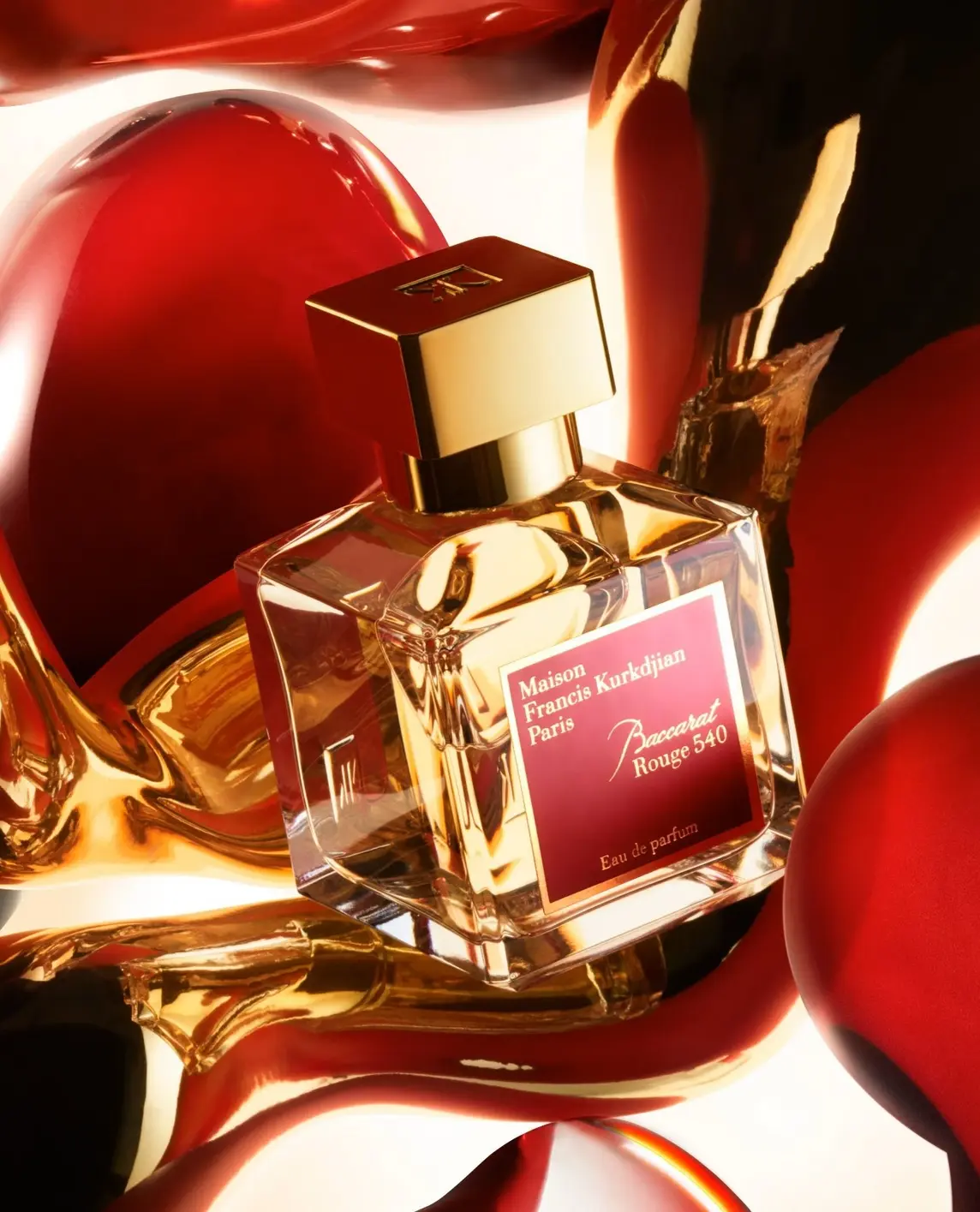
As master perfumer Francis Kurkdjian (the nose behind Baccarat Rouge 540 and the founder of Maison Francis Kurkdjian) once put it: “Perfume is an art of the invisible. So, you need the bottle to make the dream visible.” And honey, the industry is dreaming bigger than ever.
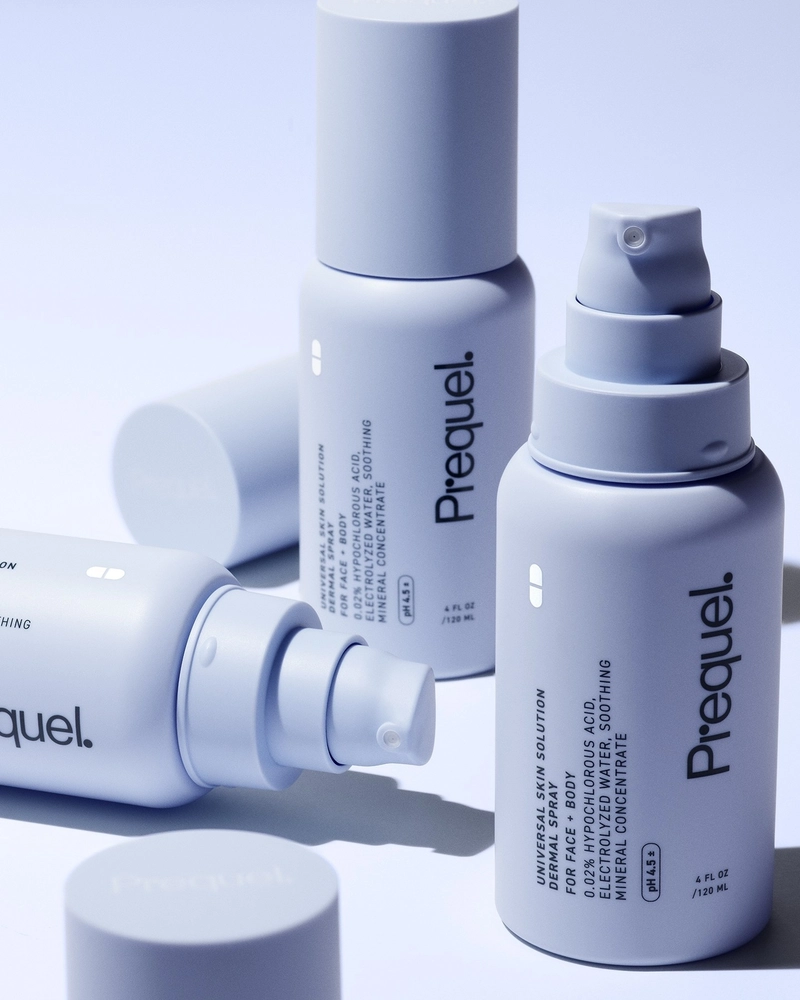
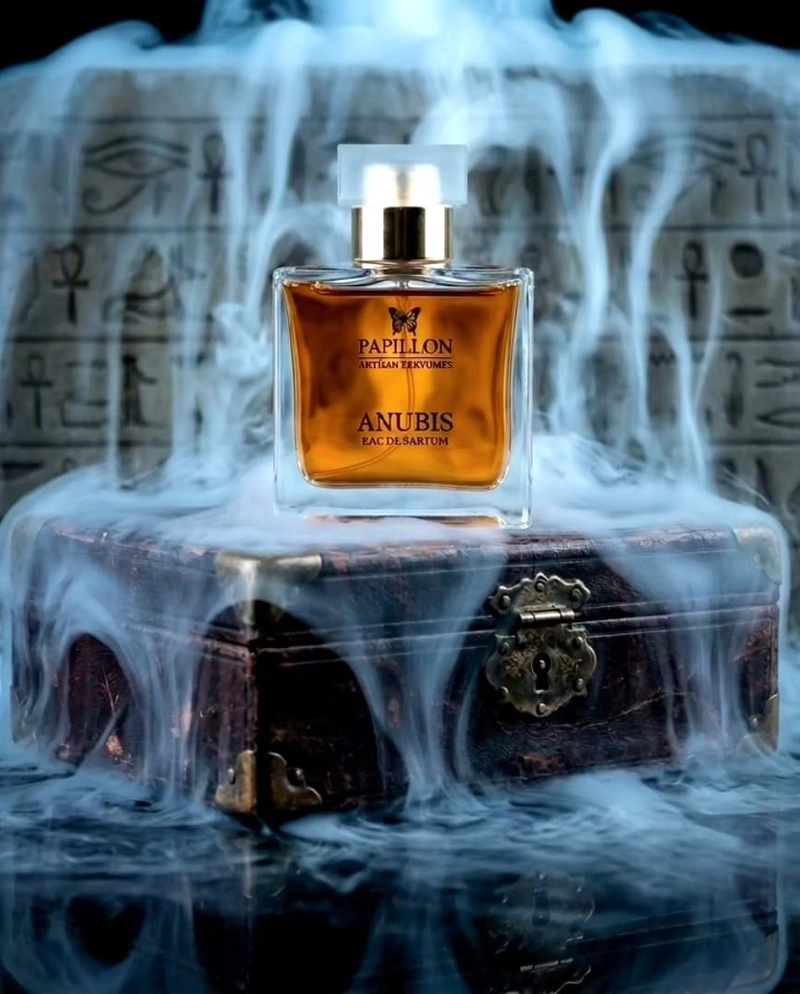
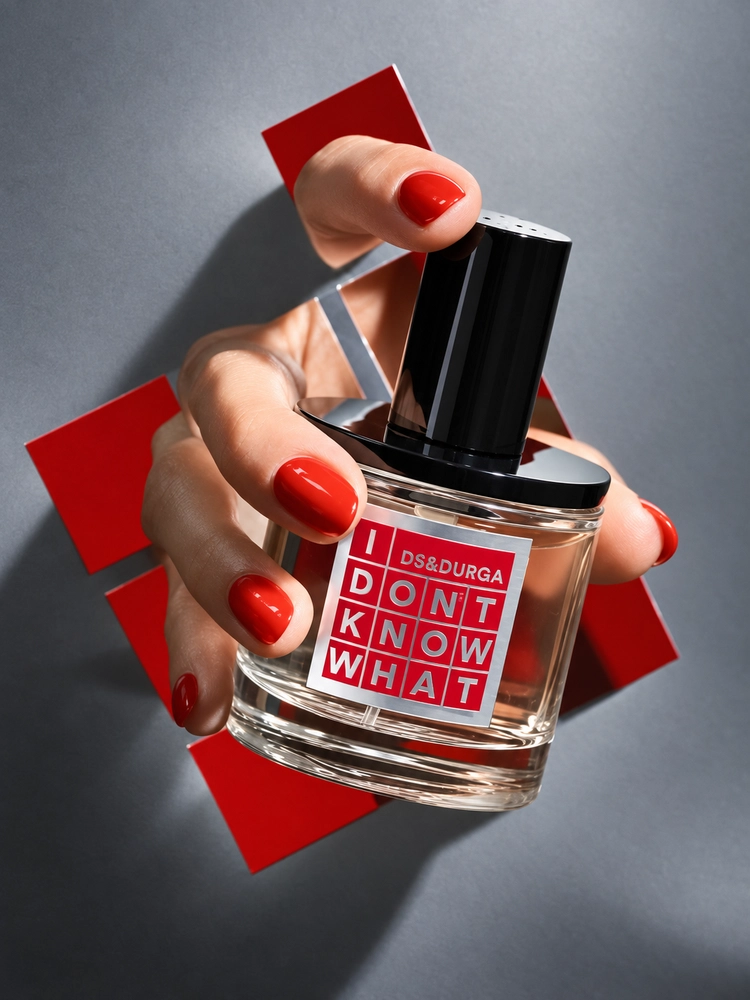
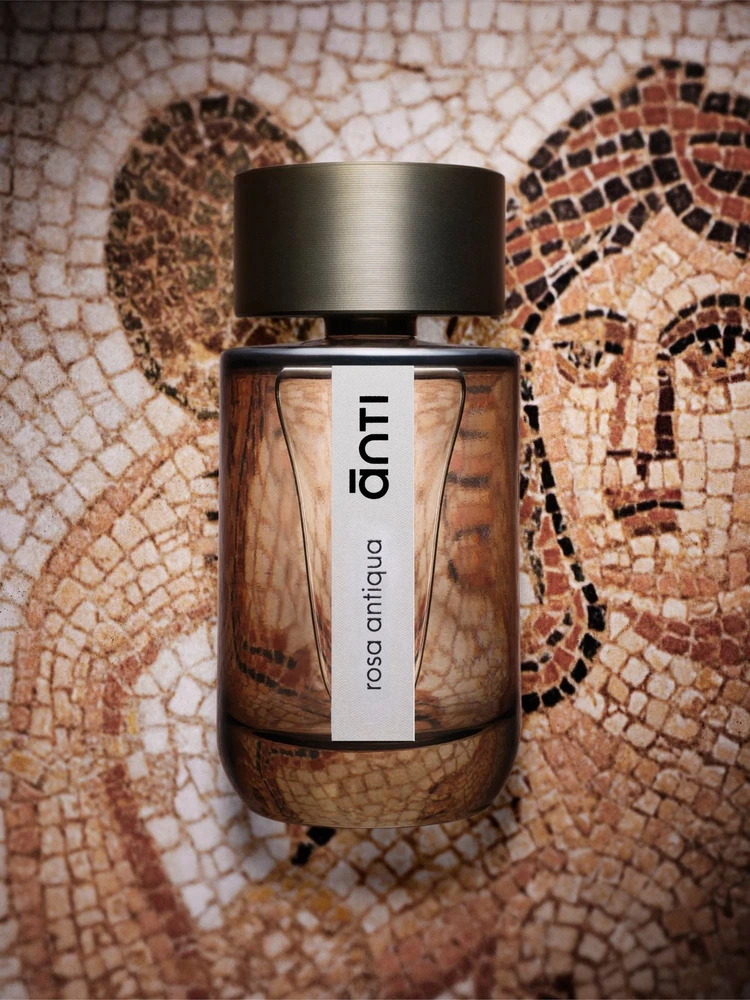
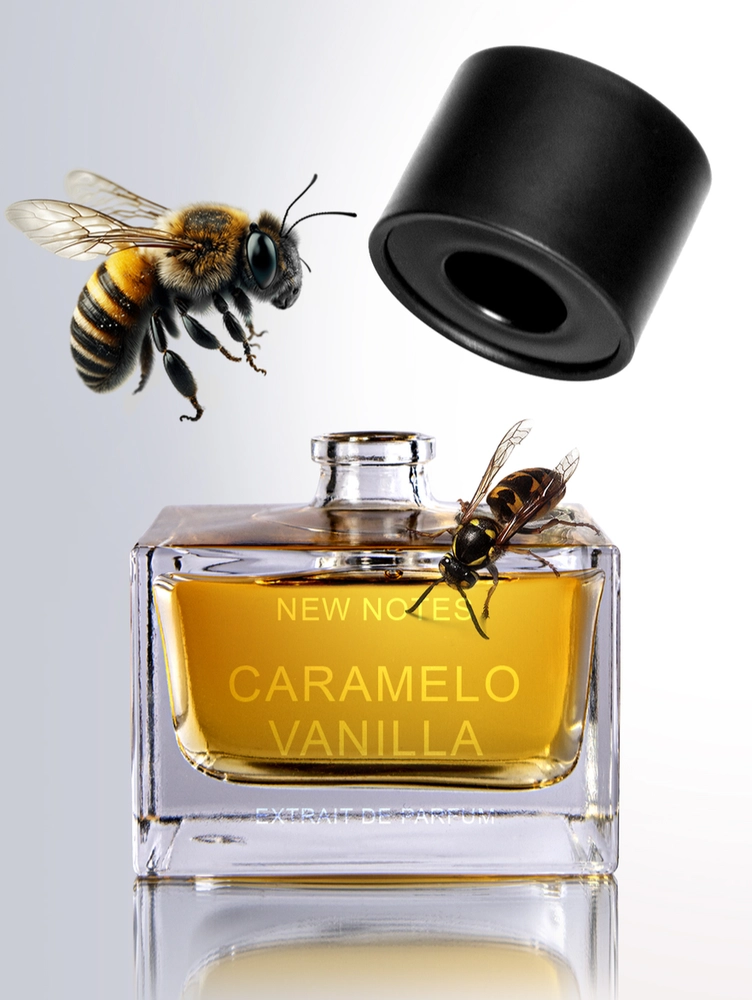
Forget mere containers. Today’s fragrance bottles are minimalist sculptures, maximalist collectibles, and Instagram catnip. Design isn’t an afterthought; it’s the opening act. The evolution of perfume bottle design is a key chapter in the story of why we buy perfume.
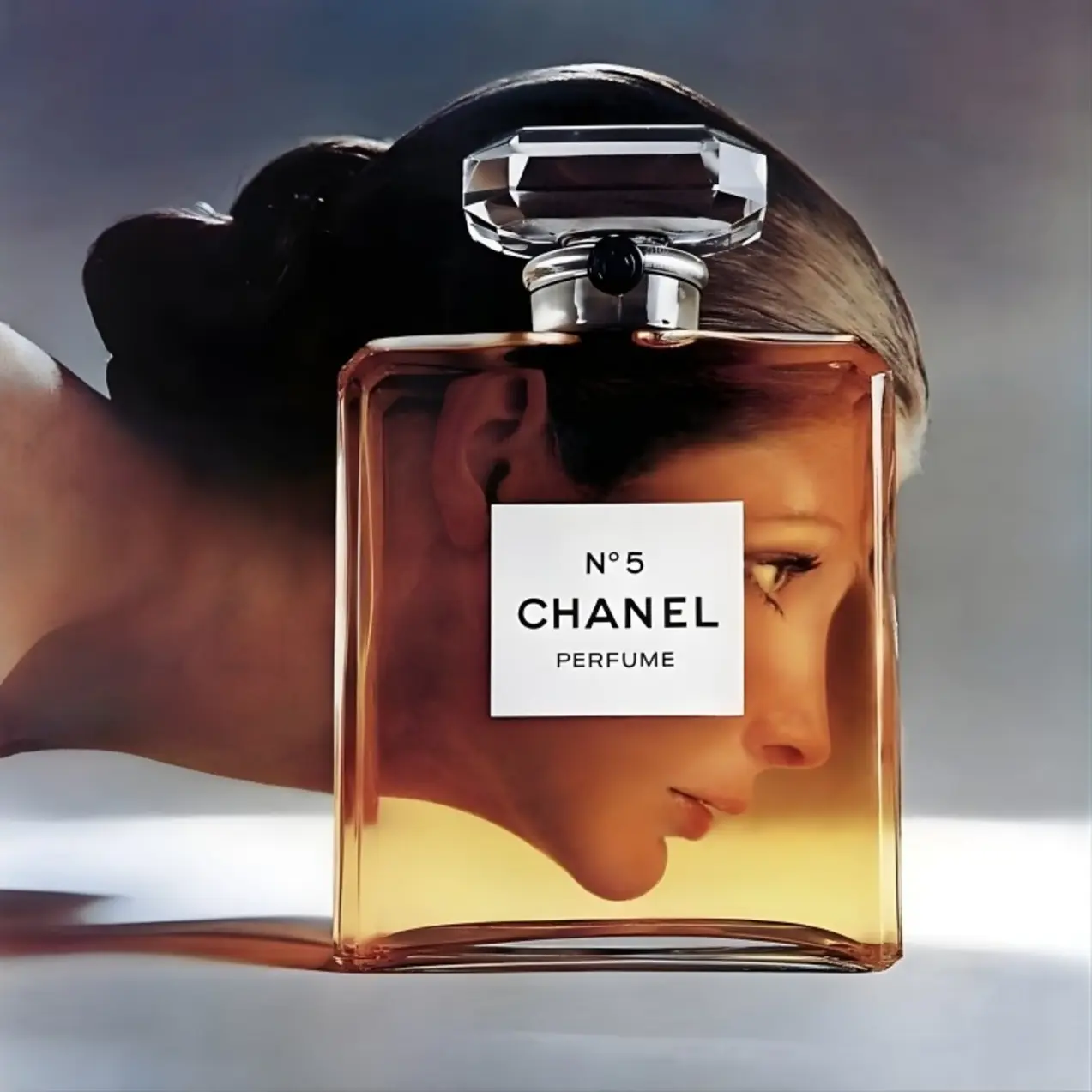
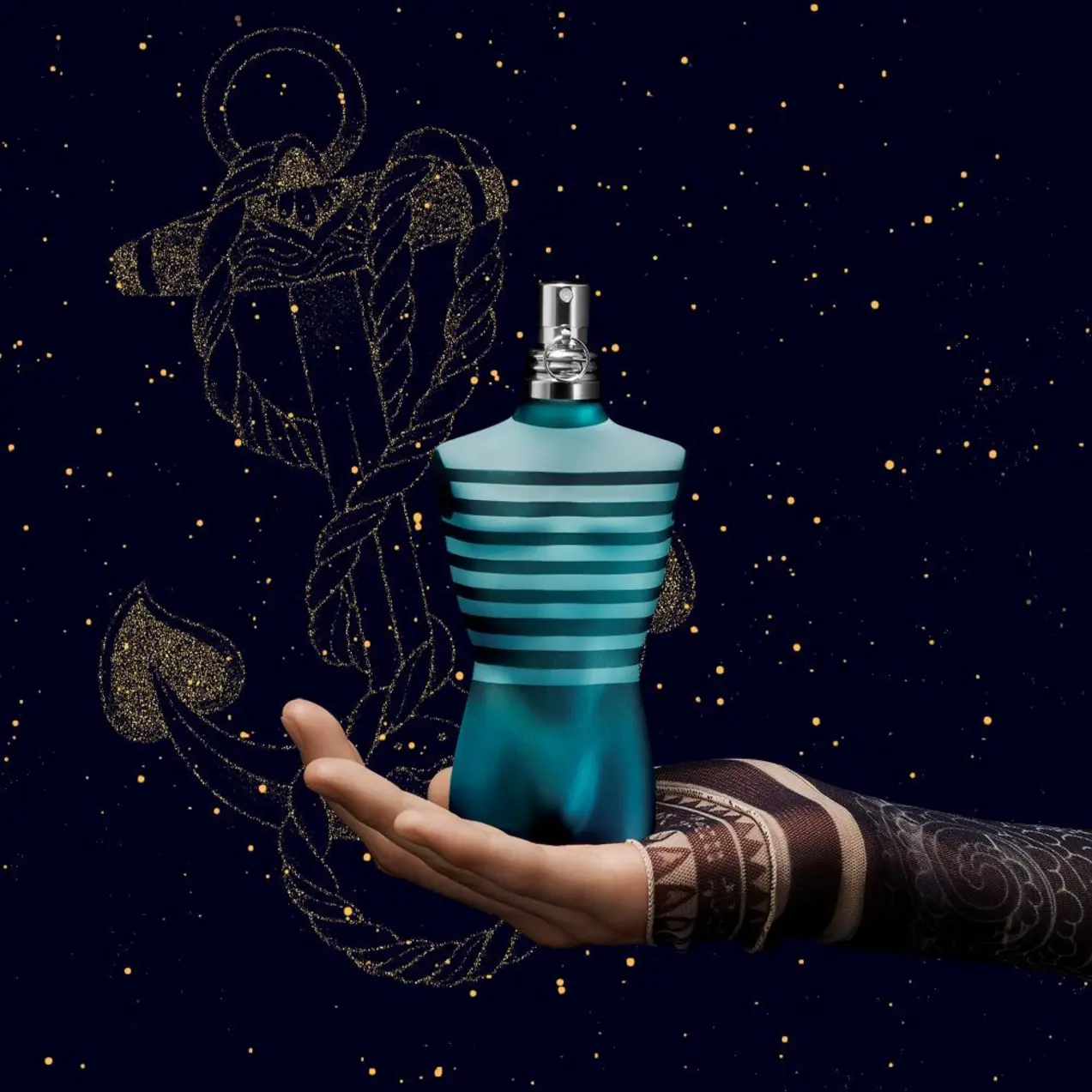
The icons set the stage. Chanel No.5’s austere rectangular bottle, conceived by Coco Chanel herself to be “a bottle that looked like a piece of architecture,” isn’t just packaging, it’s a century-old cultural landmark. Jean Paul Gaultier’s corseted Classique and sailor-striped Le Male flasks are so iconic, they are the brand’s identity.
But the new guard is playing a different game. They’re designing for the #shelfie.
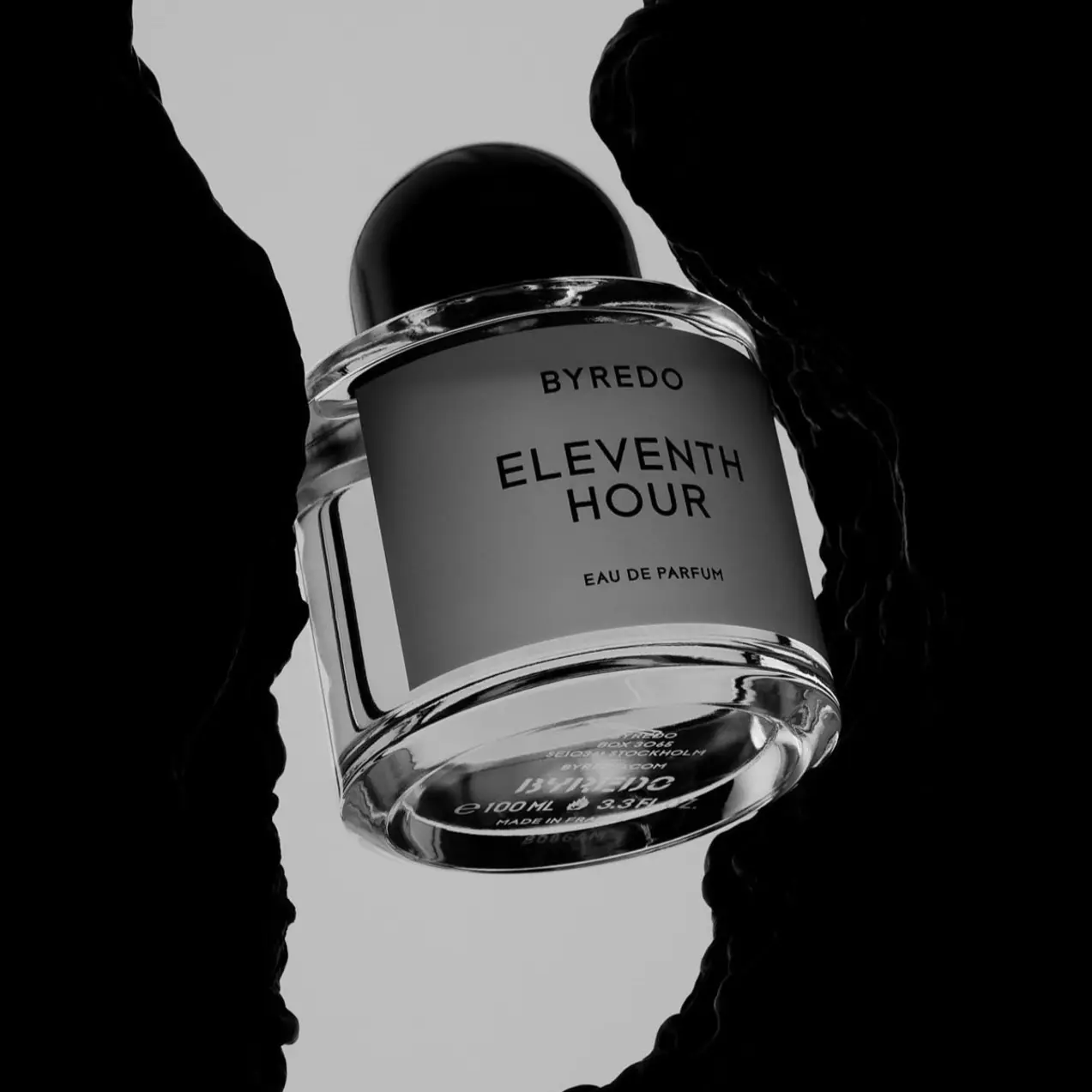
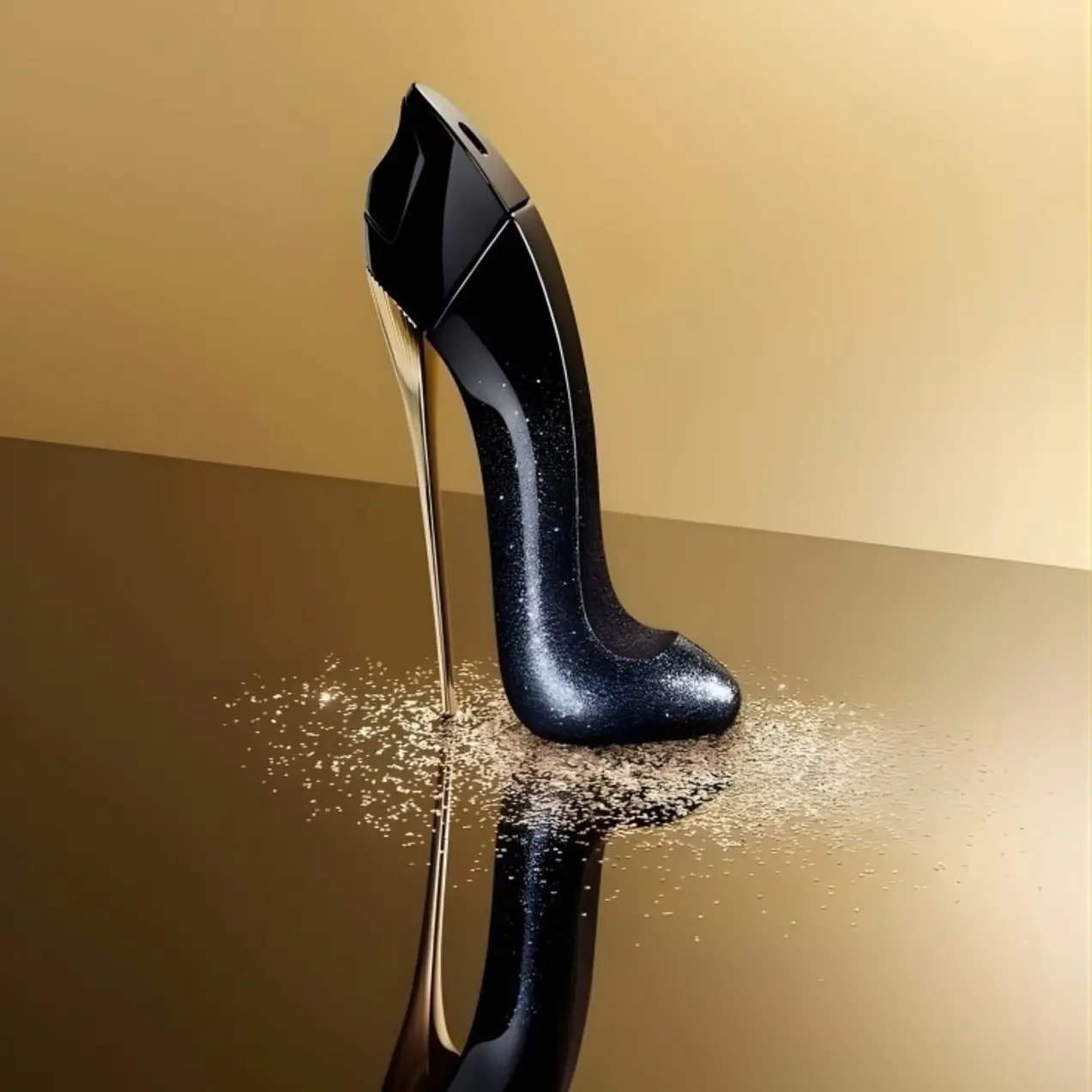
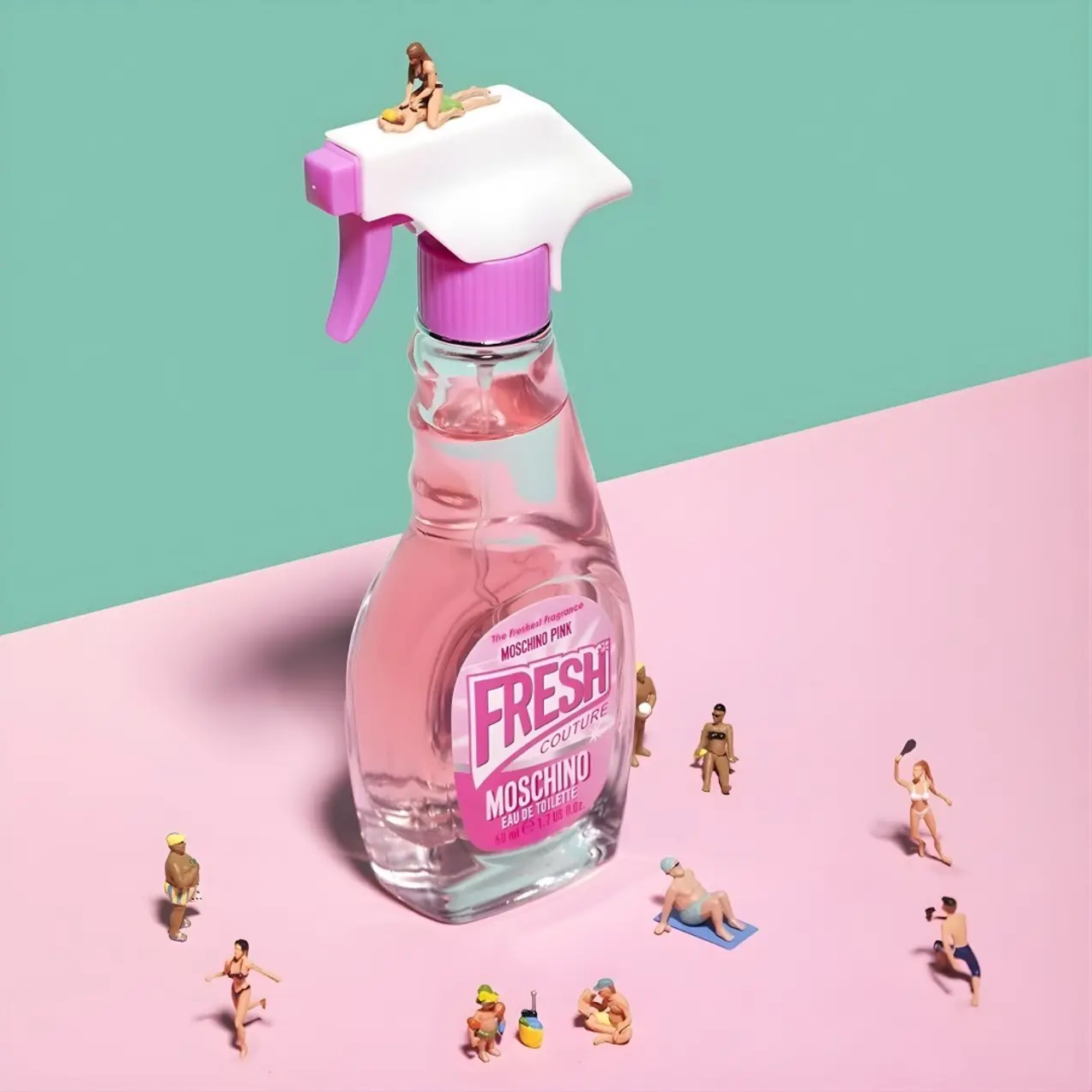
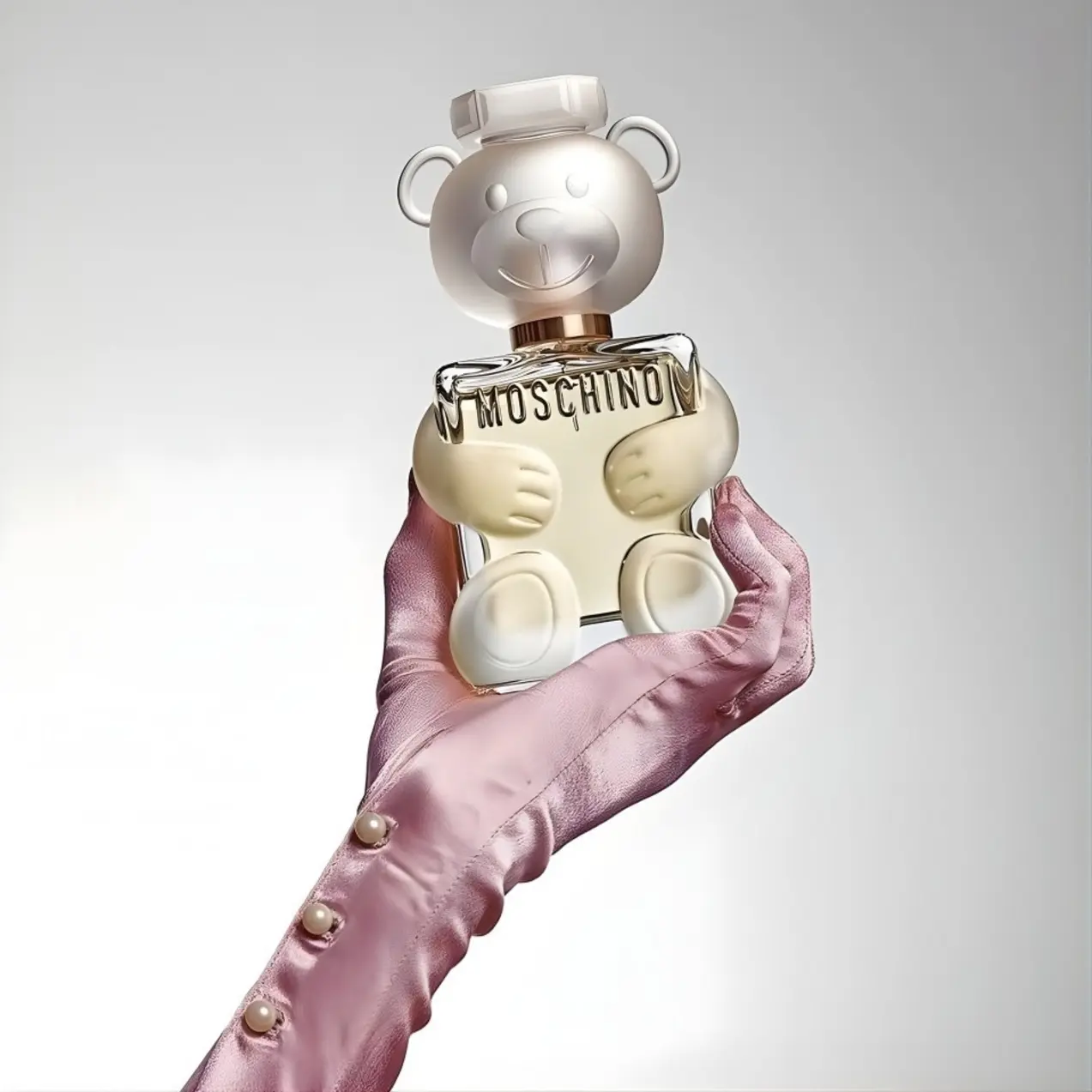
If the bottle is the cover, the name is the logline. And in fragrance, naming is a high-stakes art of seduction. It’s about conjuring a whole world, a mood, an alter ego before you even smell it. This is another powerful clue to why we buy perfume, we’re purchasing the story and identity the name promises.
Lyn Harris, founder and perfumer of Perfumer H, explains the alchemy: “A name has to evoke an emotion, a memory, a place. It’s the first portal into the scent’s soul.”
We’ve moved far beyond simple florals. Today’s names are micro-poems, inside jokes, and emotional provocations.
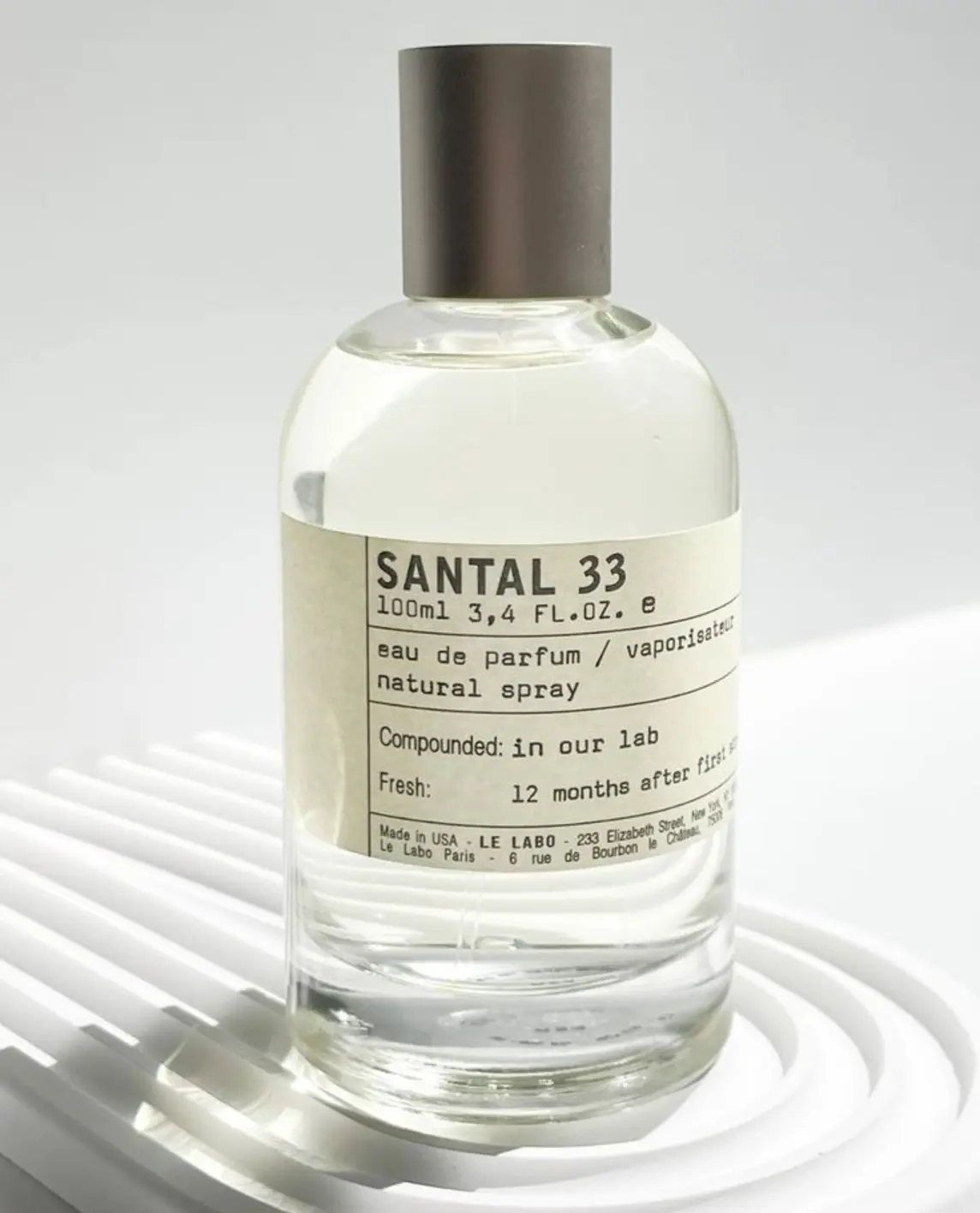
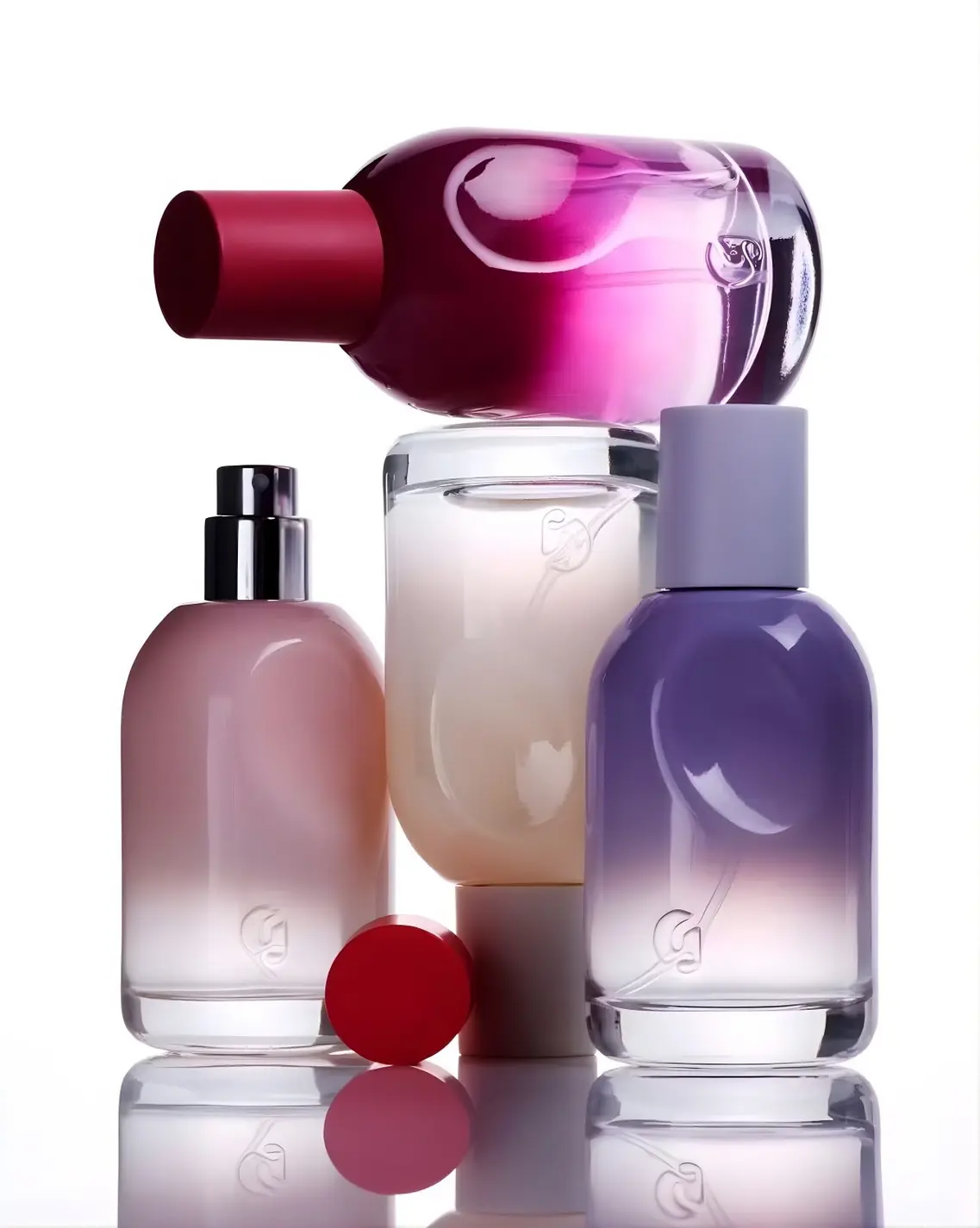
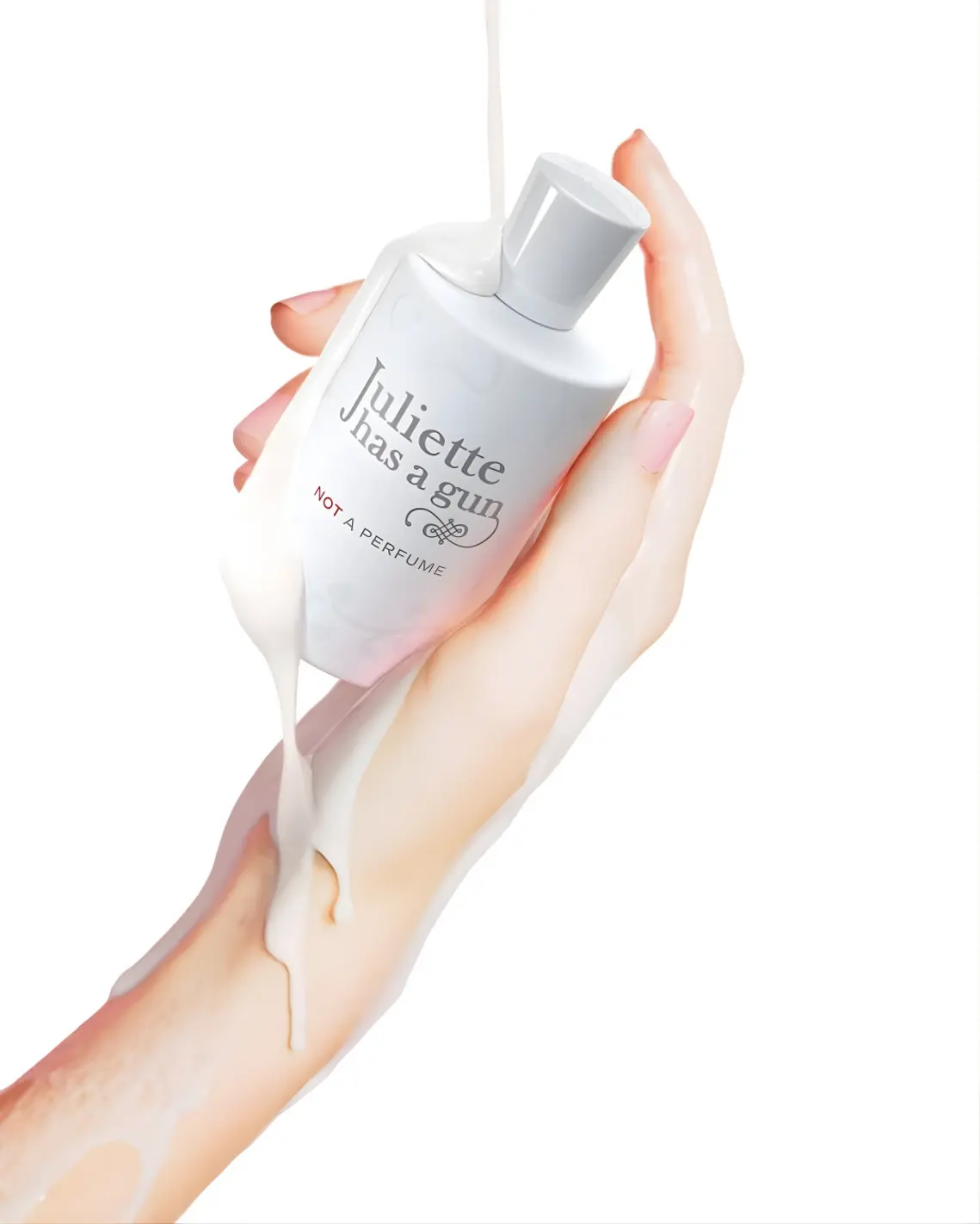
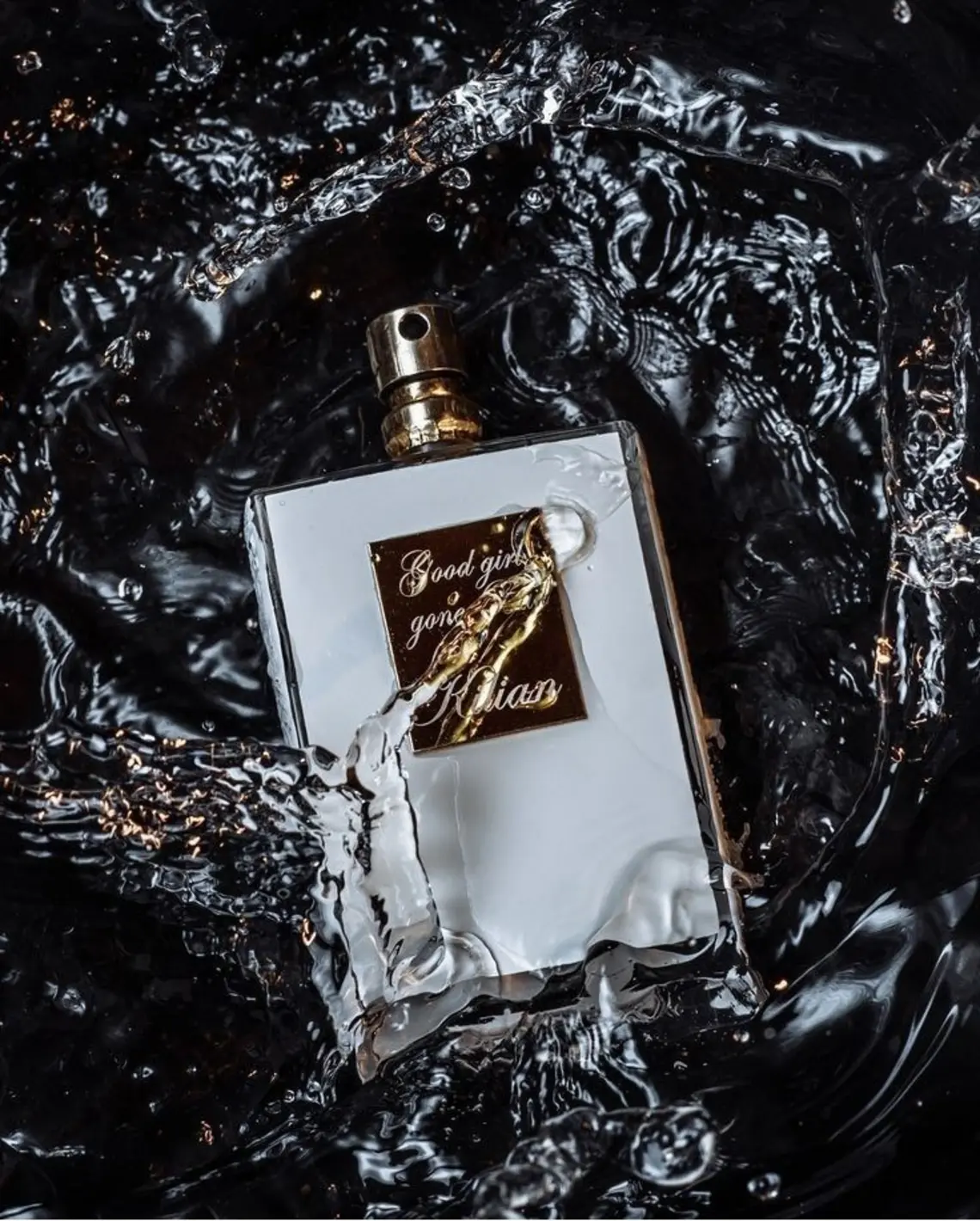
The truth is, a fragrance’s life cycle is poetic. The liquid evaporates. The scent on your skin fades after hours. But the bottle remains on your dresser. The name lingers in your mind. When we reflect on why we buy perfume, the answer often crystallizes here: we are investing in a future memory.
What you’re really investing in is a future memory. That sculptural flacon will forever remind you of the summer you bought it. That clever, poignant name will always evoke a feeling you wanted to embody. The industry knows this. They’re not just selling bergamot and jasmine; they’re selling a tangible piece of a dream, a beautiful vessel for your own story. And in the end, that’s the most intoxicating scent of all.
Advertisement