Day Without Art began in 1989 during the darkest years of the AIDS crisis, created as a collective gesture of remembrance and a call for action.
Day Without Art began in 1989 during the darkest years of the AIDS crisis, created as a collective gesture of remembrance and a call for action.
December 1, 2025


Day Without Art began in 1989 during the darkest years of the AIDS crisis, created as a collective gesture of remembrance and a call for action.
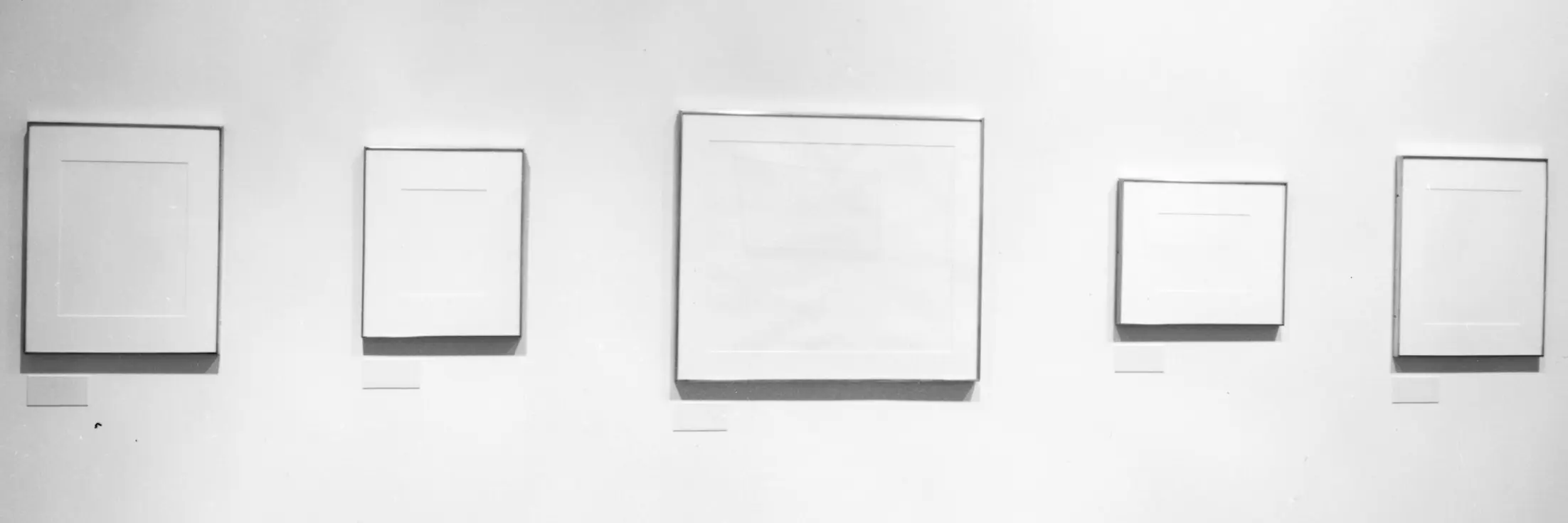
Every year on the first of December, museums, galleries, and cultural spaces around the world choose silence instead of spectacle. On this day, institutions remove artworks from view, dim their lights, or replace paintings with empty frames. The absence becomes a message that needs no sound. It is a reminder of every artist, performer, writer, and loved one taken by AIDS, and of the creative futures that never came to be.
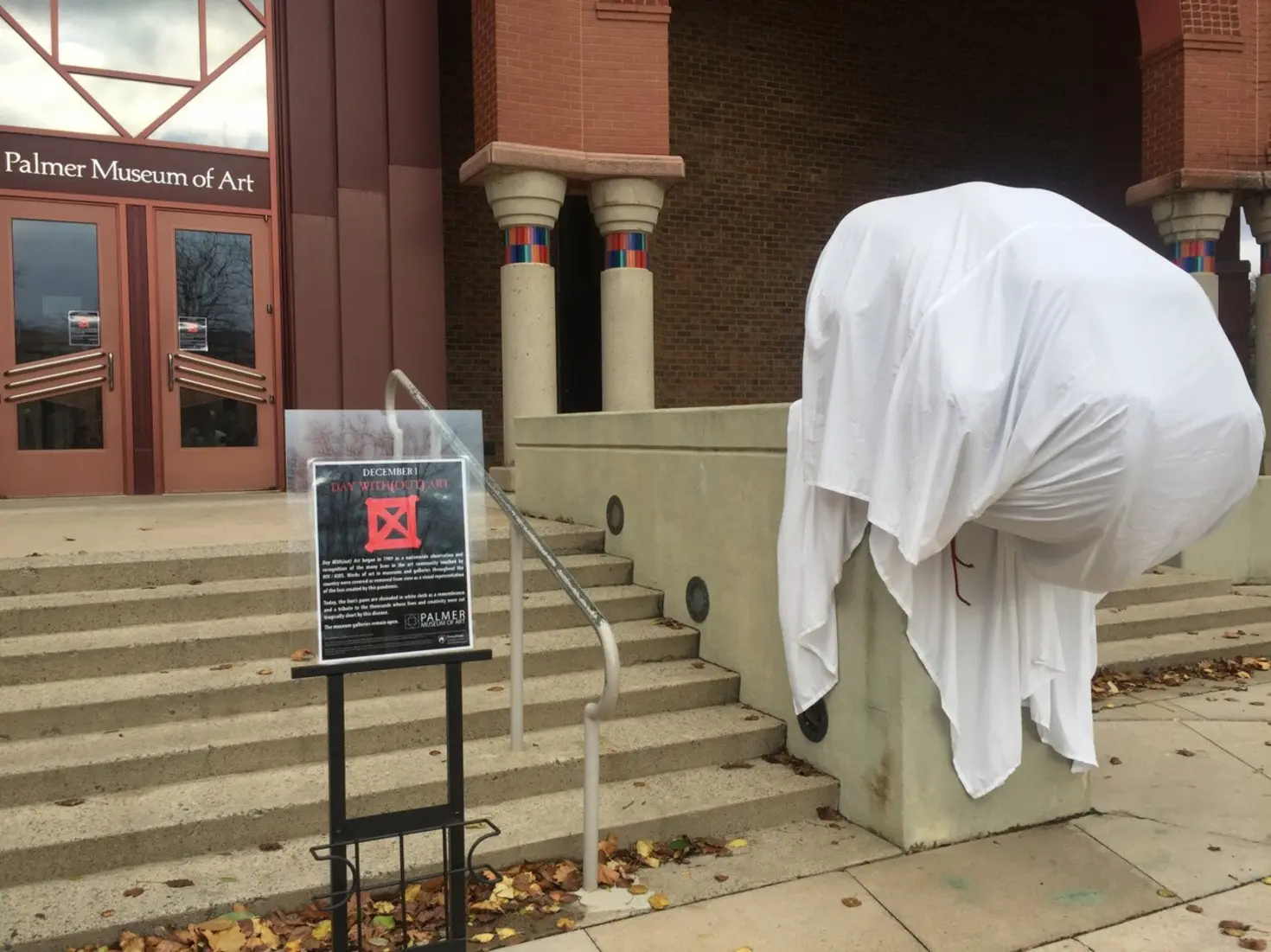
What makes Day Without Art so moving is the way it transforms loss into a shared act of awareness. Many museums project the names of artists who died from AIDS related illnesses, creating a roll call of memory that stretches across continents. Some present quiet rooms filled with letters from families or stories from friends. Others invite visitors to stand before mirrors placed where artworks once hung, urging them to reflect on responsibility, empathy, and collective care. By removing art, the world becomes newly aware of how essential it is and how quickly an entire generation of creativity can vanish.
Over time, Day Without Art shifted from a simple act of removal to a day that also centers creation. Visual AIDS commissions videos, performances, and community projects each year that explore the ongoing realities of living with HIV, including access to medicine, social stigma, and the preservation of queer history. These works are screened globally, turning the day into a living memorial as well as a platform for education and solidarity. The message is clear. This is not only a remembrance of the past. It is a reminder that the crisis continues and that lives still depend on awareness and advocacy.

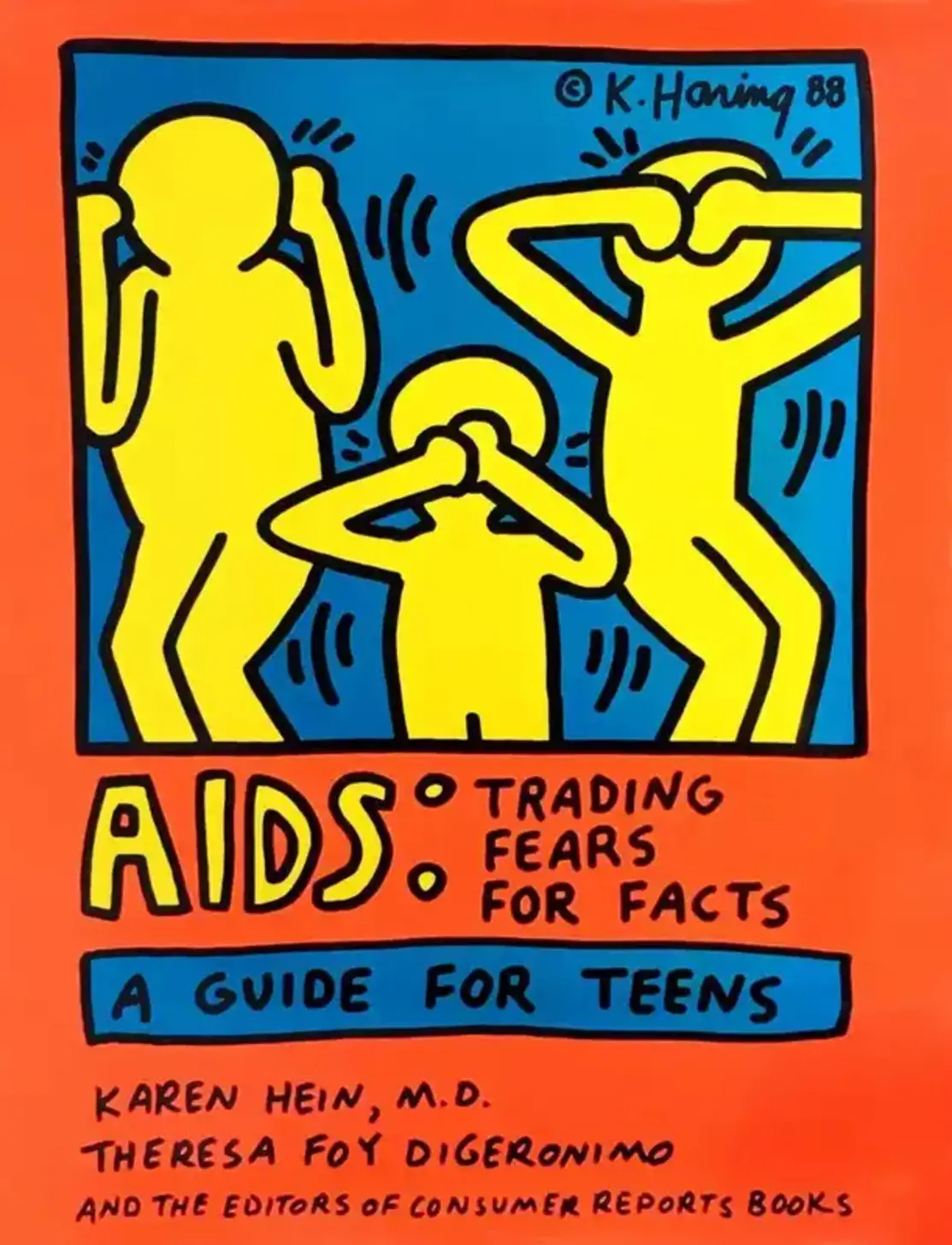
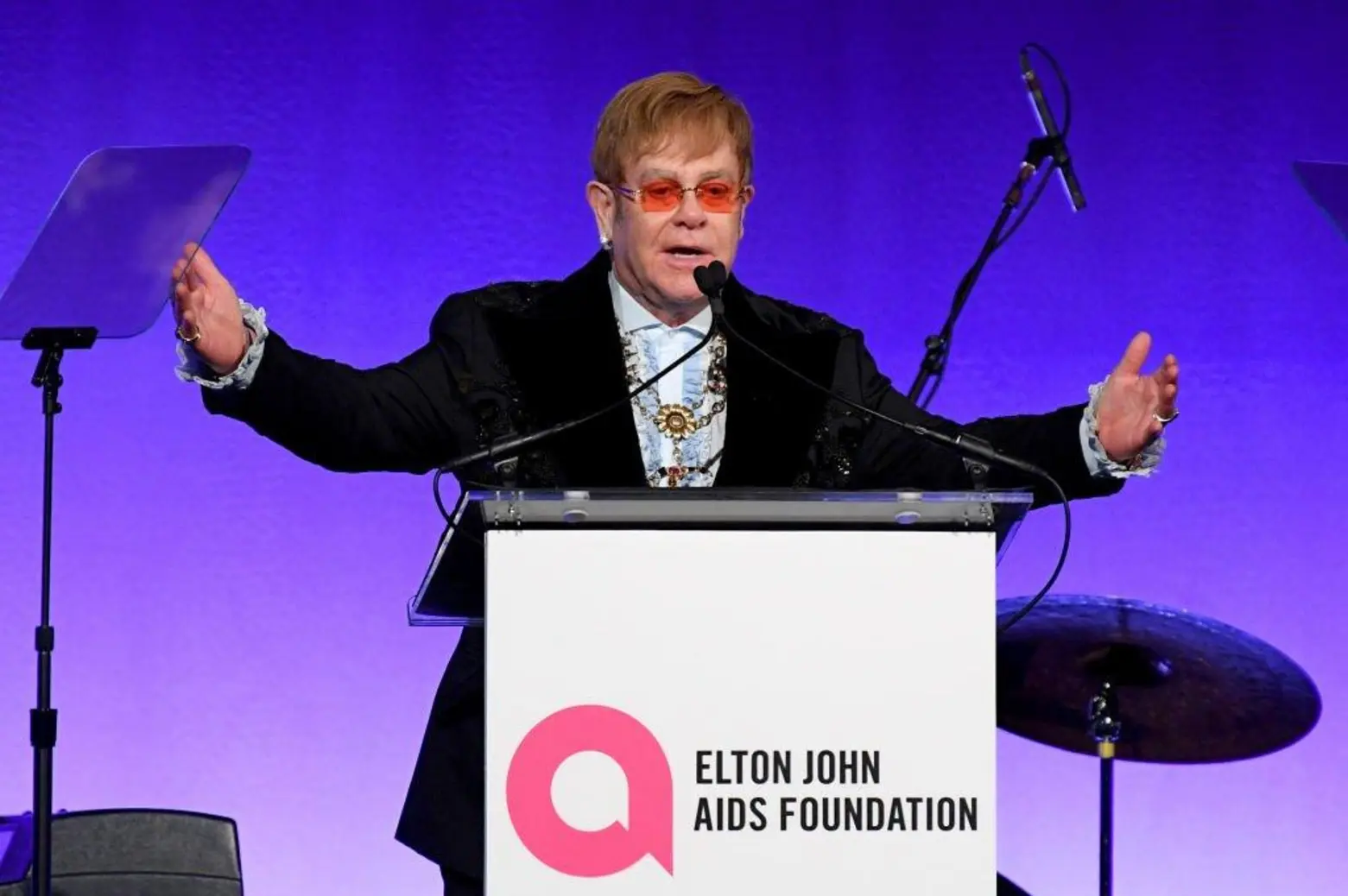
The movement has been supported by many public figures. Elton John and his foundation work tirelessly to end the epidemic. Madonna has used her stage and her voice to confront stigma. The art world continues to honor legends like Keith Haring, Nan Goldin, and Felix Gonzalez Torres whose works remain some of the most powerful reflections on love, loss, and resilience.
Day Without Art stands as a reminder that silence can be a form of protest, that absence can hold extraordinary meaning, and that art carries the power not only to express life but to protect it.