MENU
Close





Stéphane Rolland Fall 2026 Couture dressed power in white and gave it nowhere to hide.
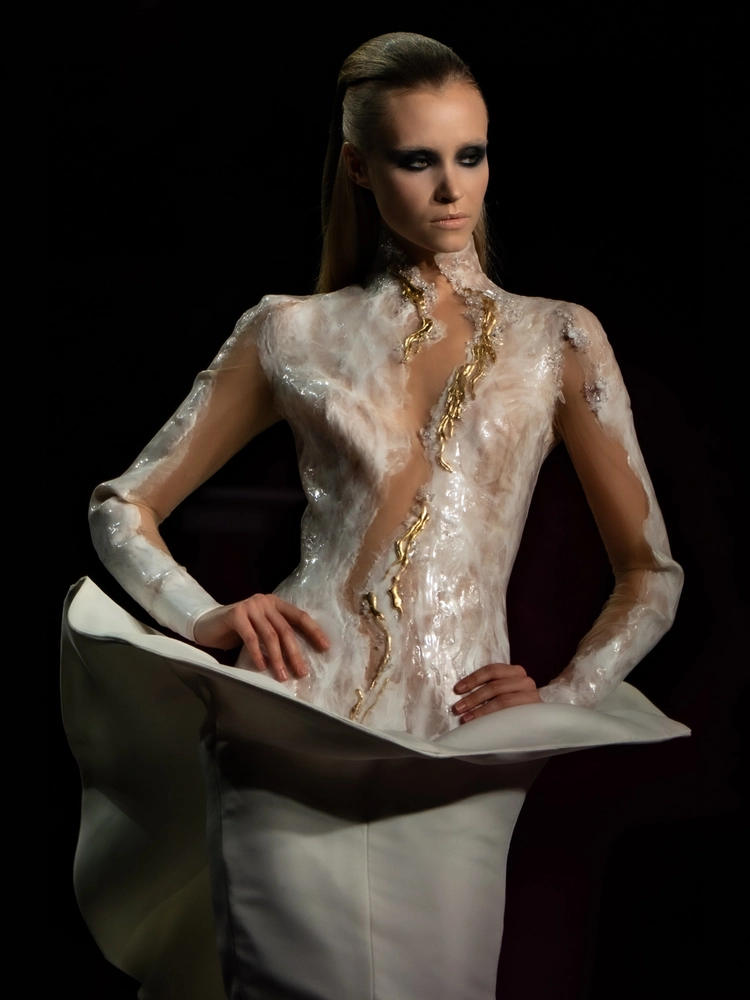
Stéphane Rolland Fall 2026 Couture dressed power in white and gave it nowhere to hide.
July 13, 2026
Advertisement

Advertisement



Iolanda Gigliotti, known to the world as Dalida, was born in Cairo to Italian parents before rising to iconic stardom in Paris. Her public image was built on striking contradictions: the commanding diva who electrified the Olympia, and the deeply private woman shadowed by melancholy.
Stéphane Rolland Fall 2026 Couture translates that emotional complexity into fashion, unfolding inside the Olympia itself, the stage where Dalida’s legend took on its most enduring form.
The experience feels like entering a vast private estate after the guests have departed: white marble halls, crimson curtains, expensive silence, and a solitary woman standing covered in a high collar and cape until a cutout opens suddenly across the waist. Beneath deep crimson curtains, Dalida’s enlarged, kohl-lined eyes look down from the screen like the sovereign owner of the estate, guiding a thirty-three-look recital moving from white light into red, black, and silver.
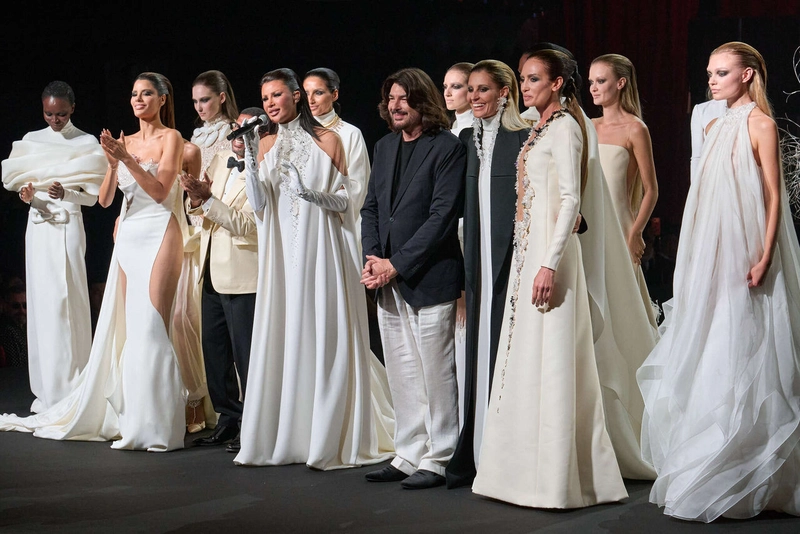
White capes trail behind narrow trousers while high-neck columns rise vertically in monastic purity. Then, the clothes open: a slit travels upward through a column; an openwork panel exposes skin beneath crystal borders. This becomes the primary emotional mechanism of Stéphane Rolland Fall 2026 Couture: the creator evokes desire through withholding. Dalida enters first as a monument. Can this architecture reveal something newly intimate, or has the house simply opened another elegant window inside the same magnificent estate?


Transcending a parade of literal archive replicas, the collection recovers the profound solitude of a performer walking toward the microphone. The house describes her through opposing states: Orient and Paris, strength and fragility, melancholy and light. Her journey from Cairo to French stage stardom provides the fundamental cultural structure, where Cairo supplies Mediterranean memory and Paris supplies formal discipline. The Olympia becomes the threshold where private identity turns into spectacle, enhanced by a live orchestra that turns the presentation of Stéphane Rolland Fall 2026 Couture into an emotional recital.
Bypassing literal exoticism, the designer introduces the Orient through proportion and construction, preferring architectural depth over decorative quotation. Long pareos, zouave trousers beneath capes, kimono sleeves, and enveloping bisht coats allow Cairo’s cosmopolitan memory to enter the silhouettes while preserving the authentic dignity of Dalida’s origins.
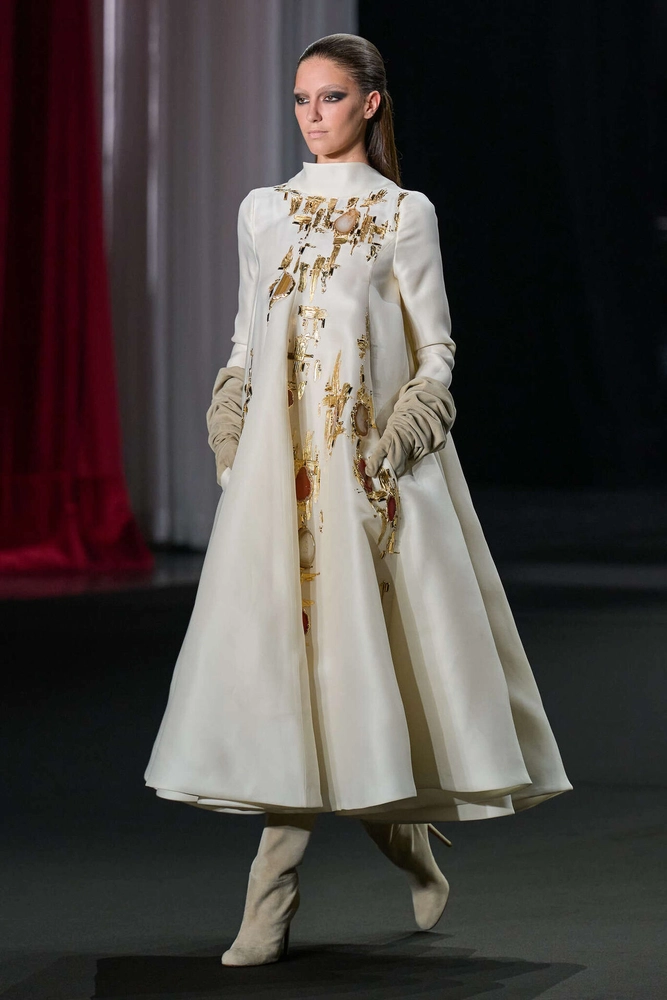
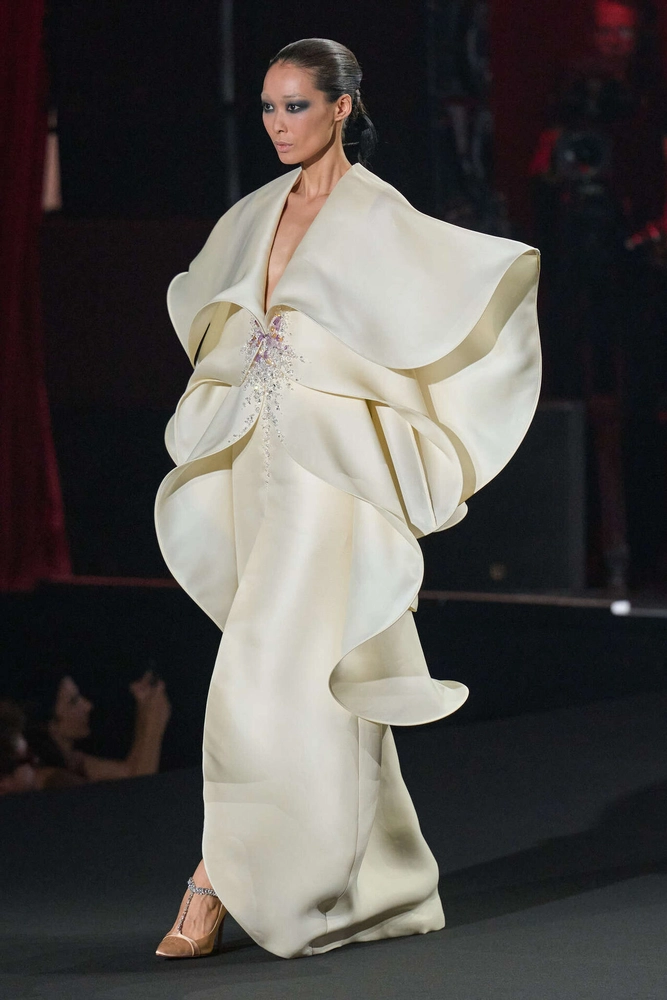
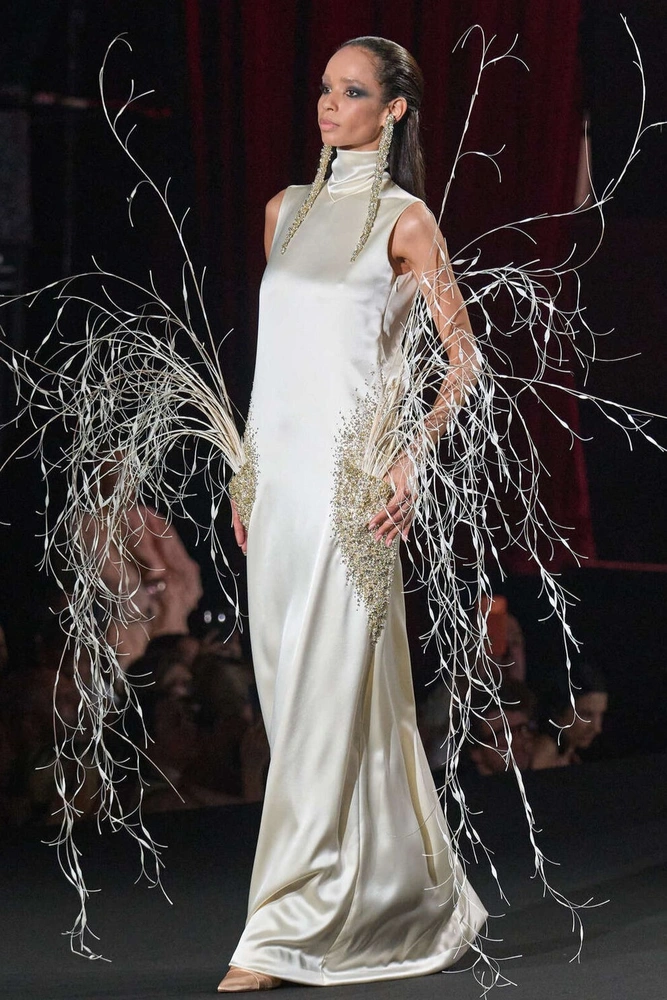

White dominates the early looks, functioning as a blank page before memory acquires shape, focusing the eye entirely on pure form away from the diversion of color. White carries concurrent meanings: stage light, emotional exposure, ceremonial dignity, and the private woman existing before the public image is written over her body.
This direction perfectly suits Stéphane Rolland Fall 2026 Couture, as architecture sits at the center of his language, concentrating the underlying drama. Once the stage light establishes Dalida’s presence, the narrative moves toward the body, where garments appear modest from a distance and fracture up close.
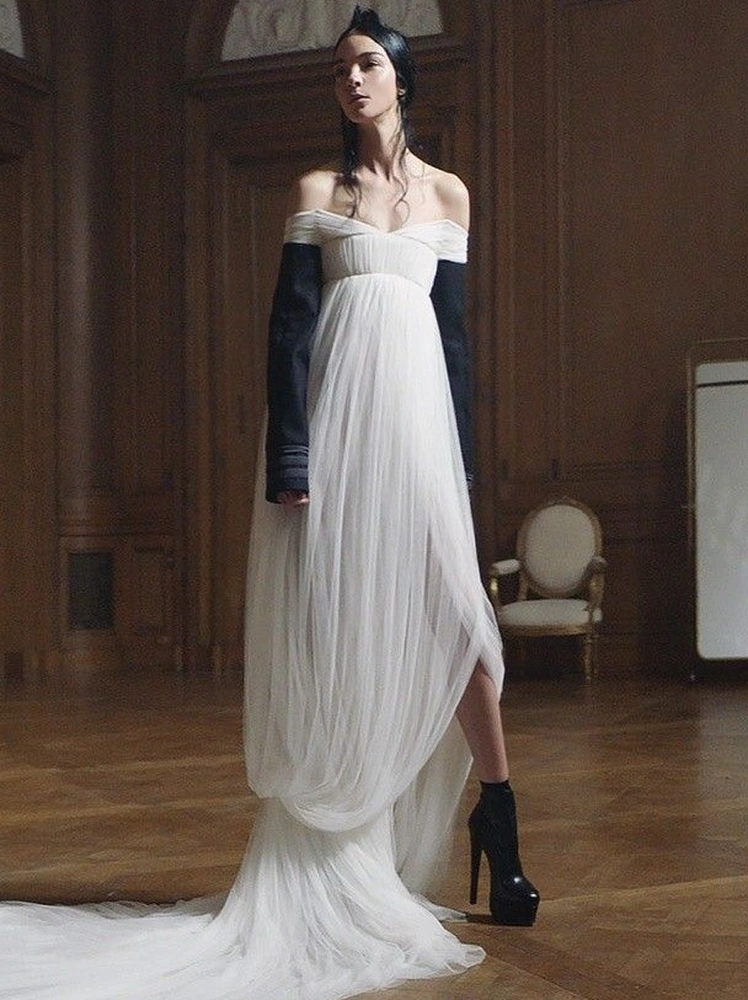
The monumental outer shell utilizes the established vocabulary of Stéphane Rolland Fall 2026 Couture: long white column gowns, high necklines, architectural sleeves, floor-length capes, and fluid trousers. Purity of line stands as the collection’s strongest achievement, creating an aristocratic distance where a cape resembles a protective wall and a gazar coat becomes a private room framing the wearer inside, protected by impeccable boundaries.

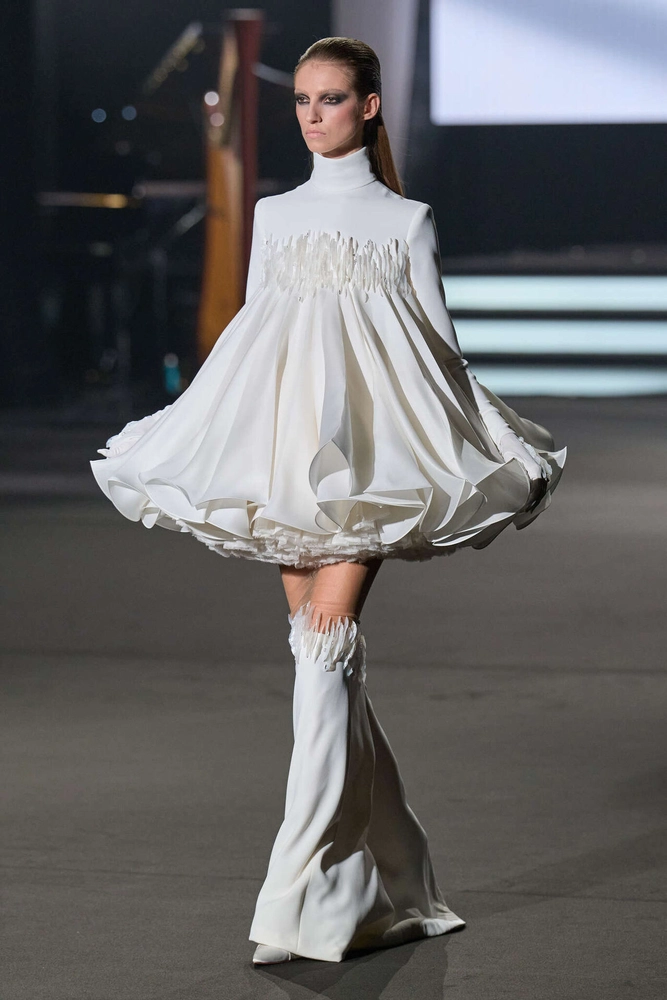


Then, the body reveals itself through deliberate interruption, introducing sheer areas, transparent inserts, and cutouts while maintaining absolute elegance. High slits split severe columns, openwork panels are bordered with crystals, and backs are entirely removed from covered fronts. A long white crêpe openwork dress traced with crystal-edged cutouts serves as a premier example, bringing the body into the architecture and fusing skin and fabric into a singular entity. The wearer appears meticulously concealed until a single opening changes the complete meaning of the look.
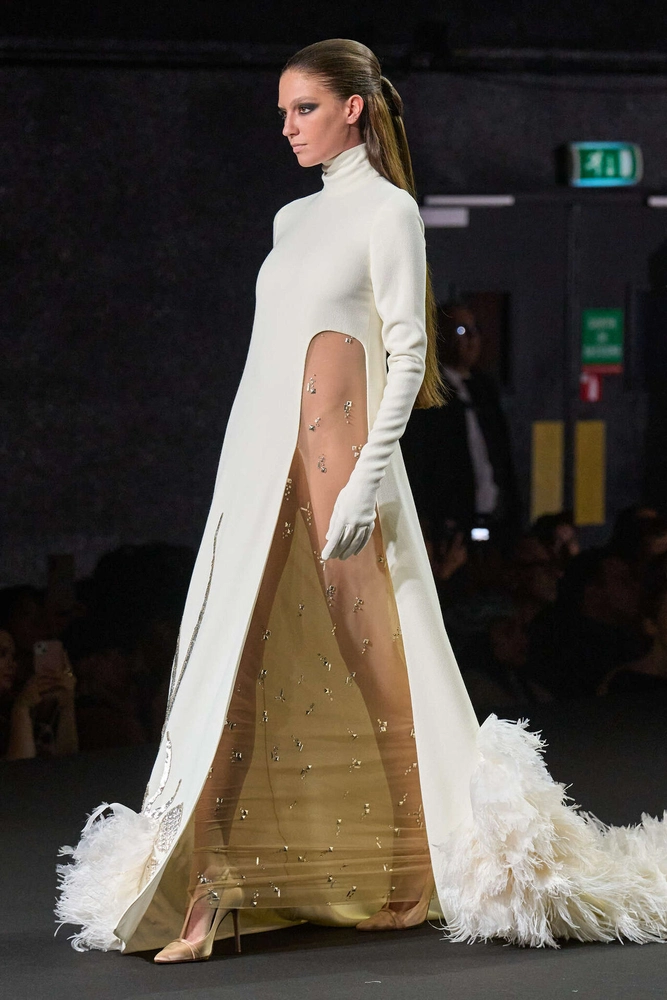
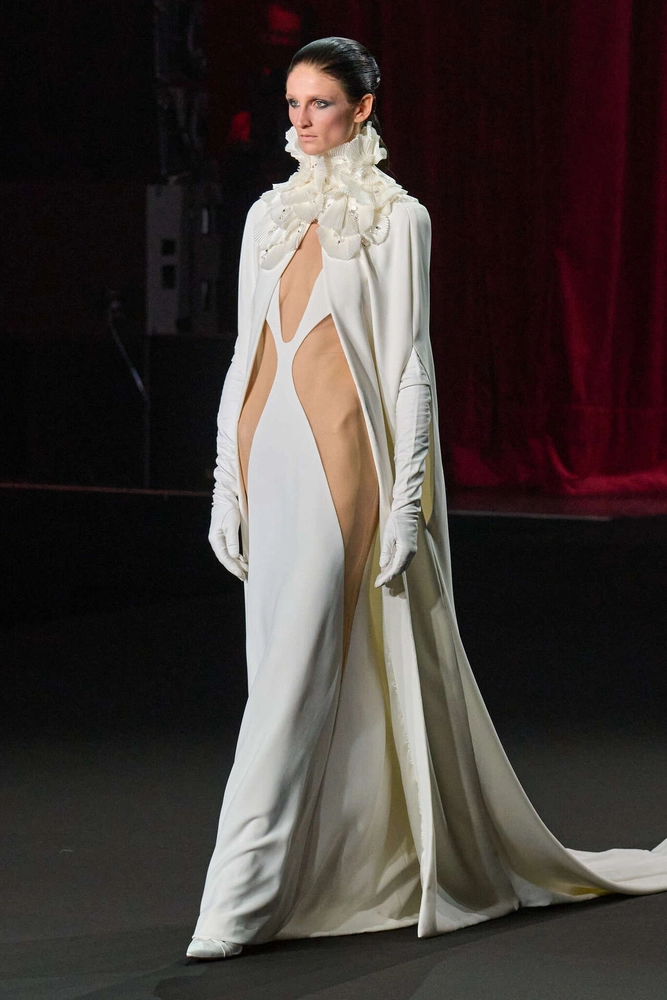

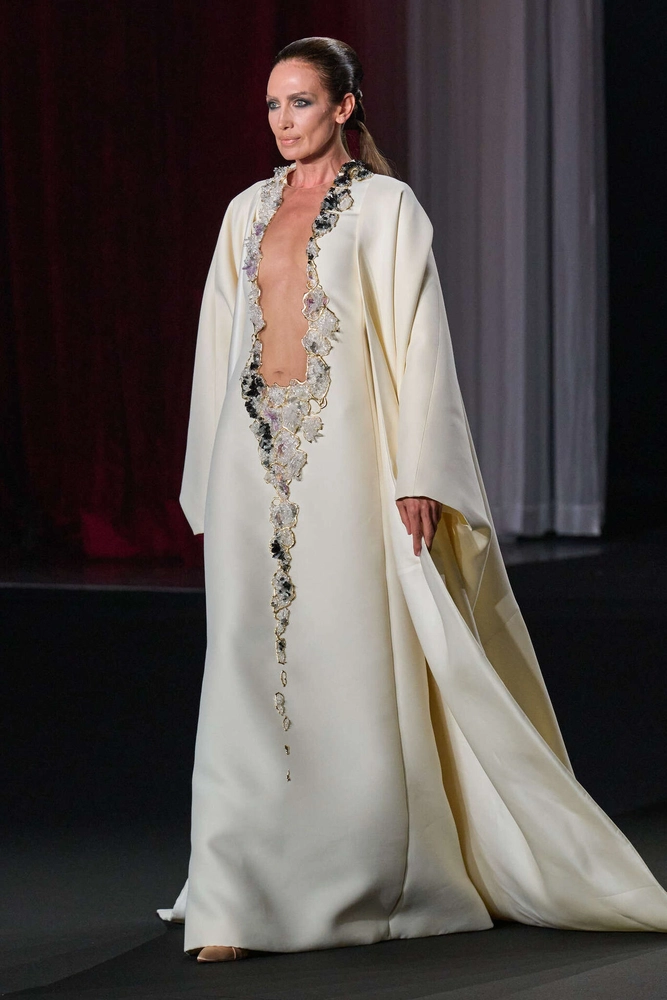
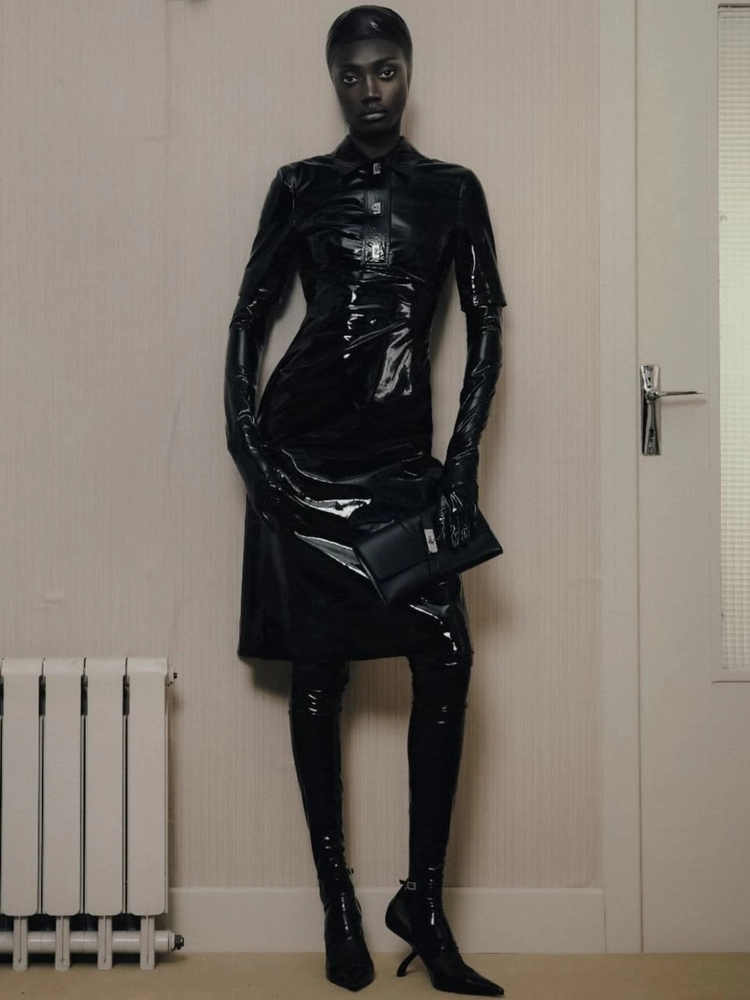
The wearer moves fluidly among the identities of priestess, screen icon, and high-society client. The priestess arrives through white hues and ceremonial length; the screen icon appears through capes and exposed backs; the couture client emerges through controlled proportions. While white dominates, a deep-red velvet ensemble beneath an ivory shantung kimono coat functions like a sudden key change. Black arrives through tuxedo jackets and gazar bisht forms, bringing Parisian severity into dialogue with Cairo-inflected proportions. White signifies arrival; red represents memory; black denotes public authority; silver functions as the afterimage of performance.
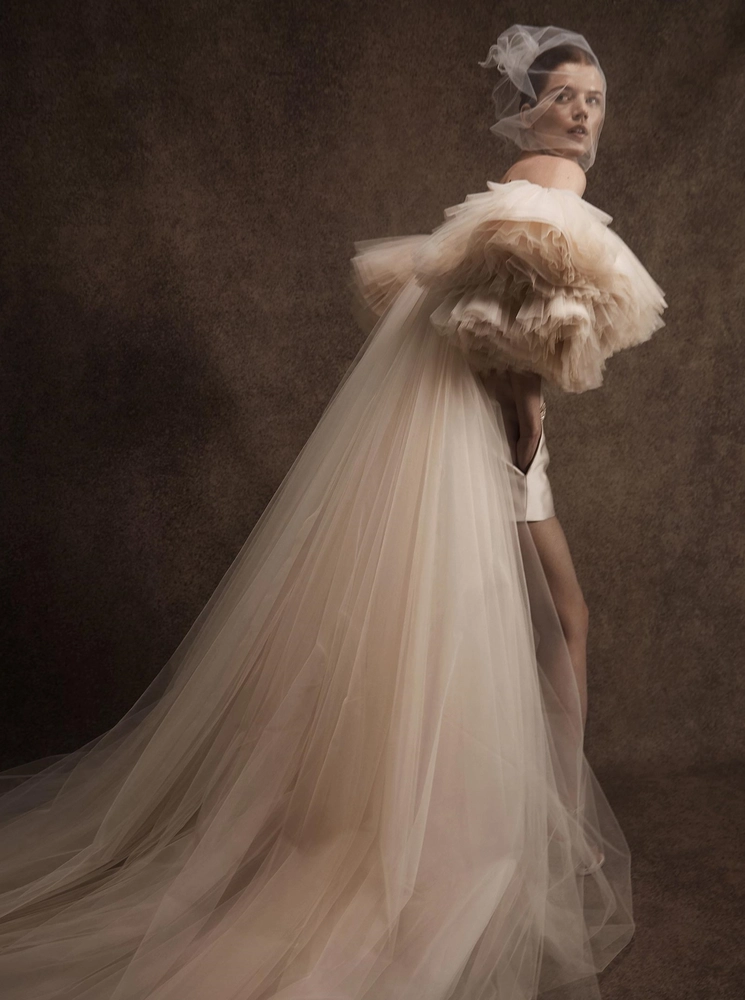
The material framework of Stéphane Rolland Fall 2026 Couture relies on fabrics like crêpe for clean verticality, gazar for structured architectural distance, and organza for weightless ruched clouds. A white satin macramé bustier paired with ruched organza and an ostrich-feather overskirt shows this mastery, giving the upper body an architectural density while feathers blur the edge between the garment and the surrounding air. Gazar ruffles turn volume into visible applause, and white ostrich feathers soften strict bustiers. The estate has marble walls, yet its curtains are moving.
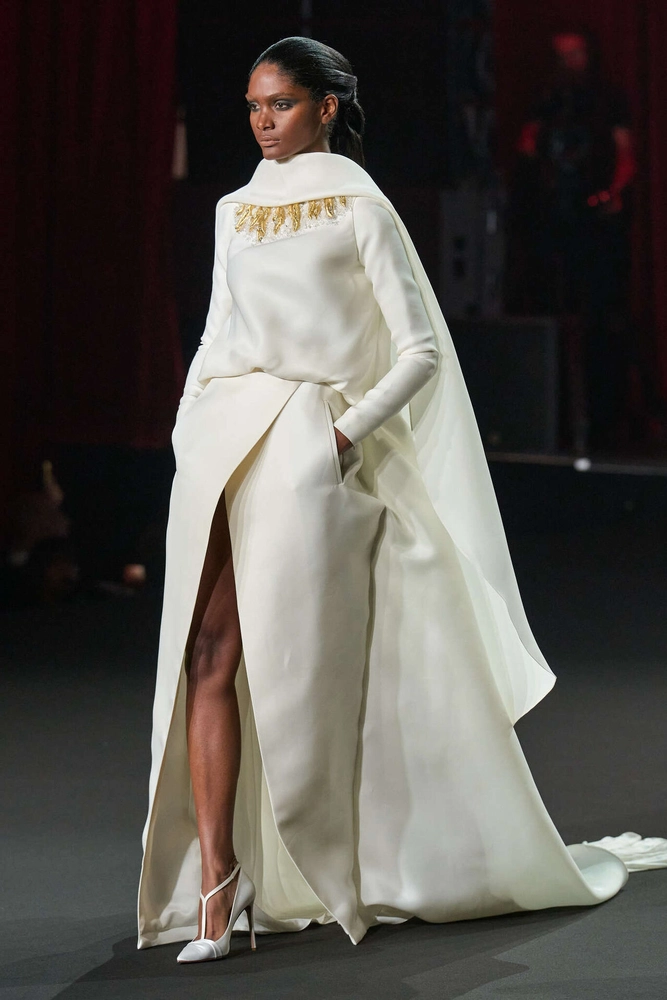


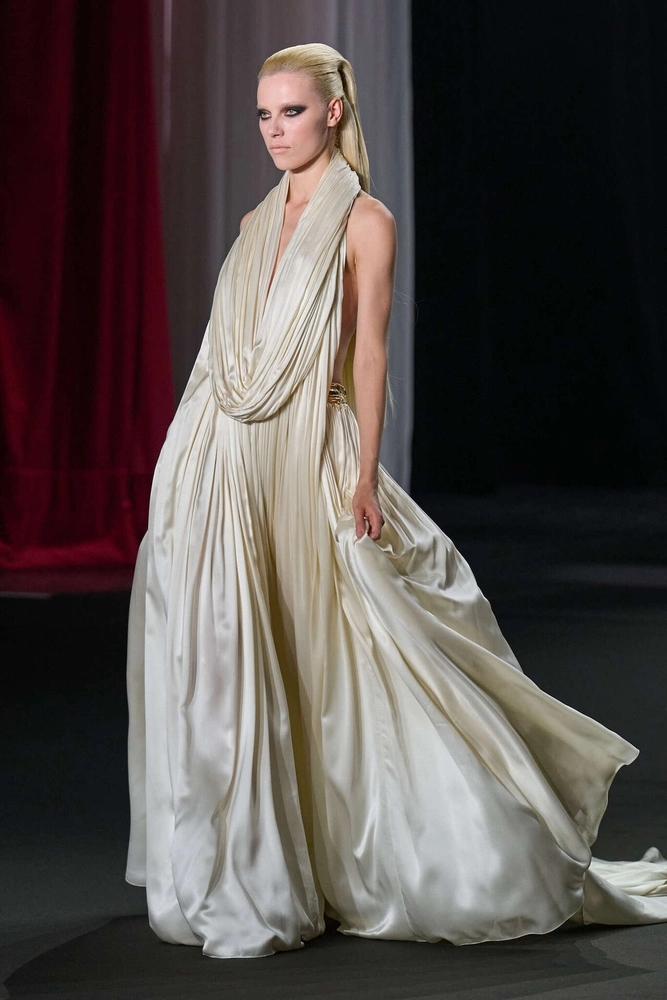
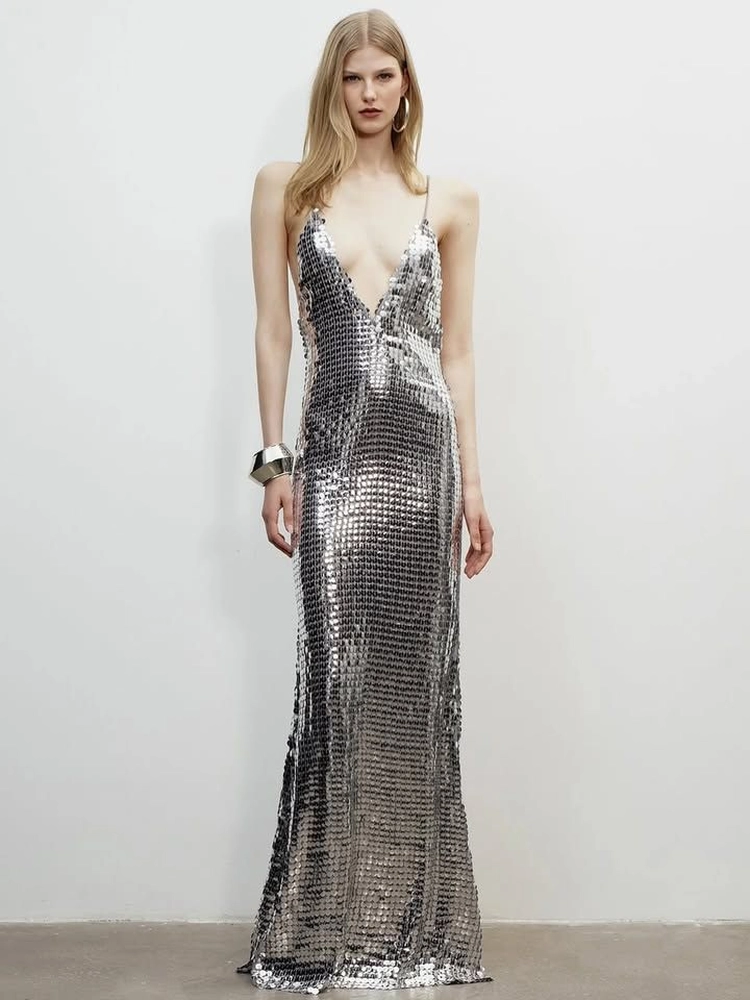
Embroidery functions as concentrated emotional punctuation, utilizing grey agate, crystal, diamonds, mother-of-pearl, porcelain, and metallic appliqué. On a white crêpe column, silver branches extend from the sleeves like frost, while agate adds mineral gravity and crystal sharpens the edges of cutouts. The best embellishment elevates the estate, marking exactly where something emotional happened inside it. At a time when skilled artisans remain scarce, human craft and specialist knowledge are required to create fantasy. The clothes look inevitable because their complexity has been edited out of sight, relying on internal engineering, hand draping, precise cut, openwork construction, and the difficult balance between heavy stones and moving fabric. The luxury lies heavily in what remains hidden from the audience.
The show works most powerfully when Dalida’s contradictions transform the garments, capturing the tension of a performer who looks all-powerful beneath the spotlight while remaining emotionally exposed. However, the collection encounters questions regarding evolution within Stéphane Rolland Fall 2026 Couture. The long white column, liquid cape, and feathered finish remain deeply familiar devices. The core discussion centers on whether Dalida alters that language or merely enters it as another muse, and whether the white procession could belong to another season if the music and projected eyes were absent.


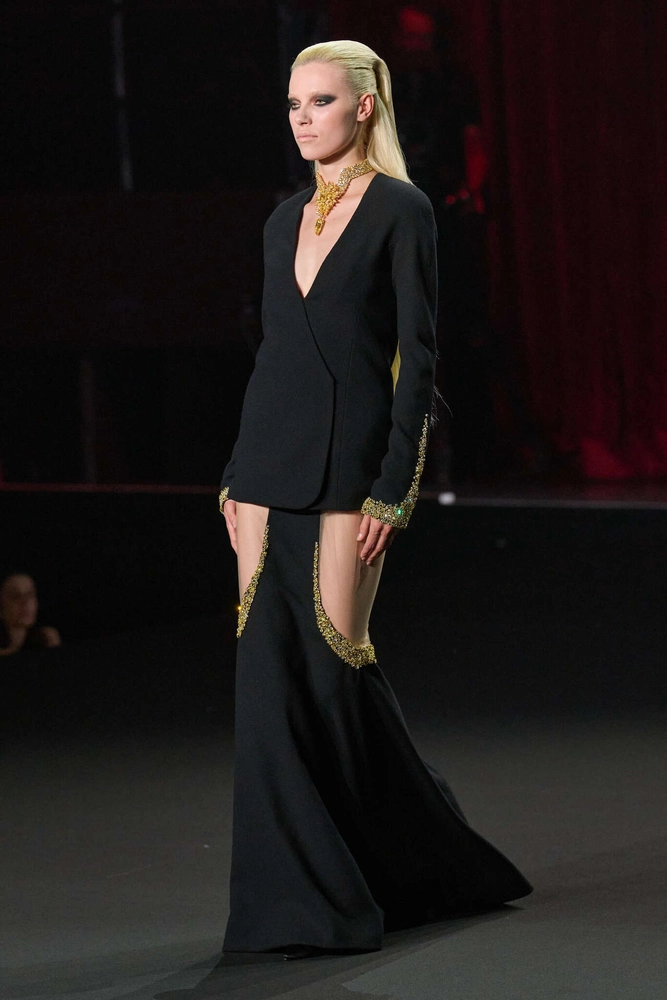
The collection’s sophistication comes from transcending the simple opposition of coverage as virtue and exposure as rebellion. Coverage generates mystery; a cutout creates emphasis; a bare back becomes powerful because the front remains severe. Sheer fabric feels luxurious because architectural weight surrounds it, poised between secrecy and display.
Dalida, De l’Orient à Paris confirms the house as a premier architect of monumental femininity, creating a wearer who is elegant, protected, and suddenly exposed. Yet, the collection’s limitation is tightly bound to its strength; the estate is so beautifully maintained that every room feels familiar. The next challenge is opening a door hitherto hidden from view.
We return to the Olympia after the final singer and model have left. The orchestra falls silent, white fabric vanishes backstage, and the crimson curtains remain. The Stéphane Rolland Fall 2026 Couture collection dressed Dalida like the owner of an immense white estate, serene behind its walls, magnificent beneath its chandeliers, and visible only through openings she chose herself. The collection became most intimate when a sudden cutout, bare back, or transparent panel disturbed that perfection.
Advertisement