MENU
Close





On the night of 30 November 1936, a strange glow rose above South London, first a flicker, then a roar. Within minutes, the sky burned orange as flames devoured one of the most iconic structures Britain had ever built: The Crystal Palace.
On the night of 30 November 1936, a strange glow rose above South London, first a flicker, then a roar. Within minutes, the sky burned orange as flames devoured one of the most iconic structures Britain had ever built: The Crystal Palace.
November 30, 2025


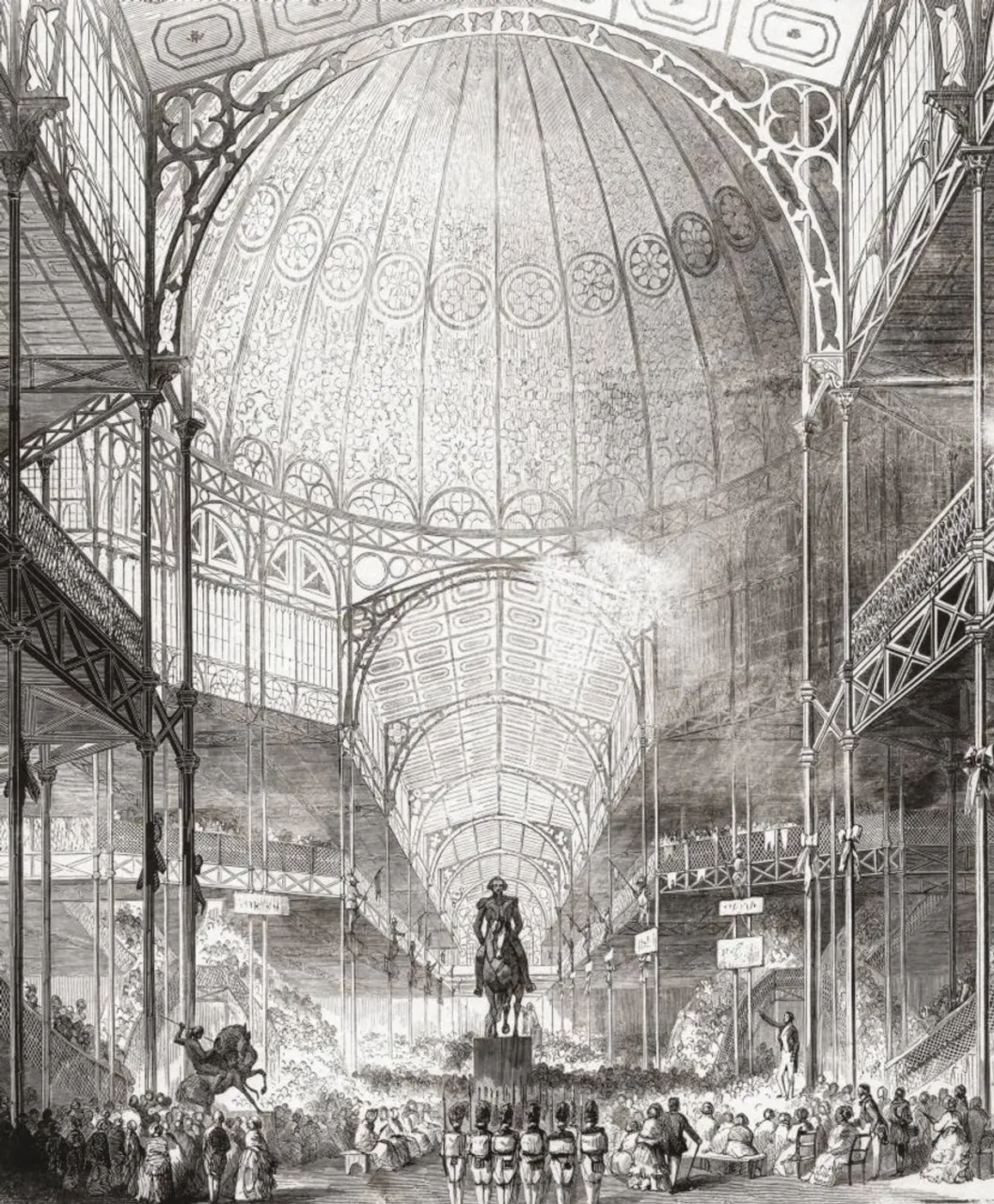
The Crystal Palace began as a dream of progress, designed by Joseph Paxton for the Great Exhibition of 1851. Its radical glass structure, spanning nearly 1,000 feet, captured the imagination of the world. After the Exhibition, it was dismantled and rebuilt in Sydenham, becoming a cultural wonderland of gardens, concerts, festivals, and technological showcases. For decades, it was the place where Londoners went to touch the future.
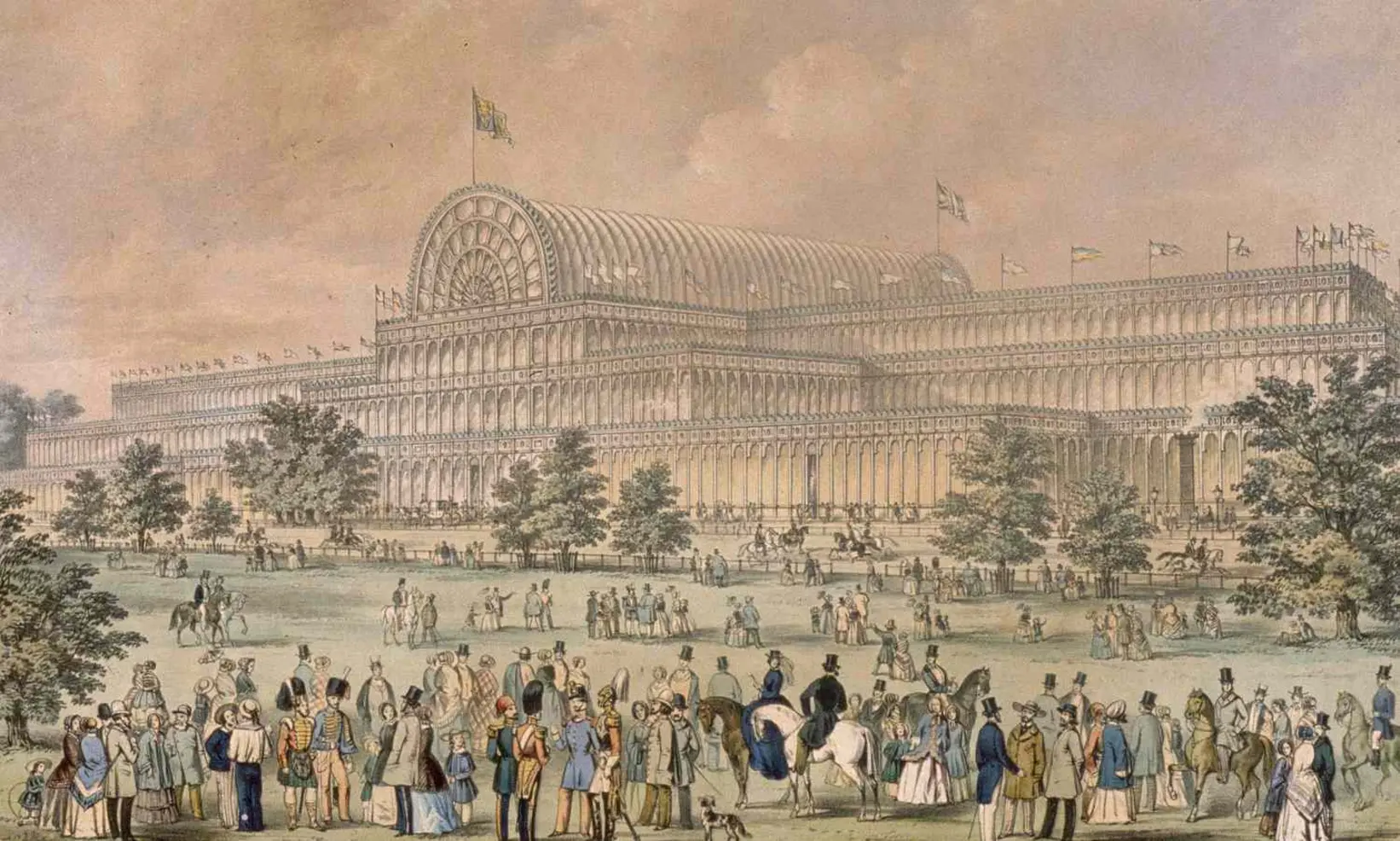
But by the 1930s, the Palace was aging. Maintenance lagged, funds dwindled, and its vast iron skeleton had begun to corrode. Still, nothing could have prepared London for the speed and violence of the fire that destroyed it. Shortly after 7 p.m., two night watchmen noticed a small fire in the Palace’s central transept. Fueled by decades of dry timber flooring and the greenhouse-like structure, flames spread with terrifying speed. Thousands of panes shattered in waves, creating explosions that could be heard miles away.
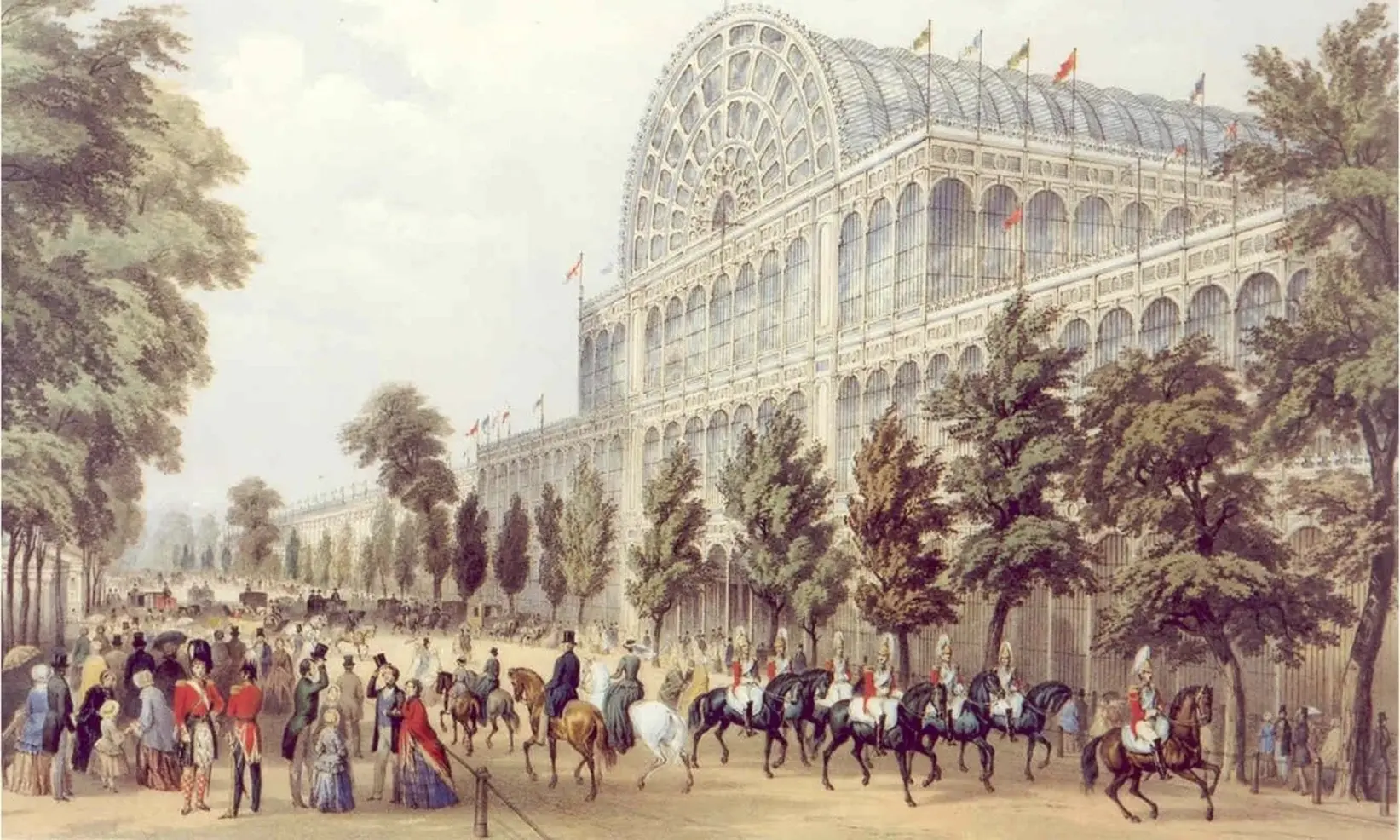
One witness described the sight as “a cathedral made of embers.” Winston Churchill, standing among the crowds, famously murmured: “This is the end of an age.”Fire brigades arrived quickly, but the structure was impossible to save. The heat was so intense that hoses turned to steam before the water could even touch the flames. By midnight, the great Palace had collapsed, leaving only smoking iron ribs.
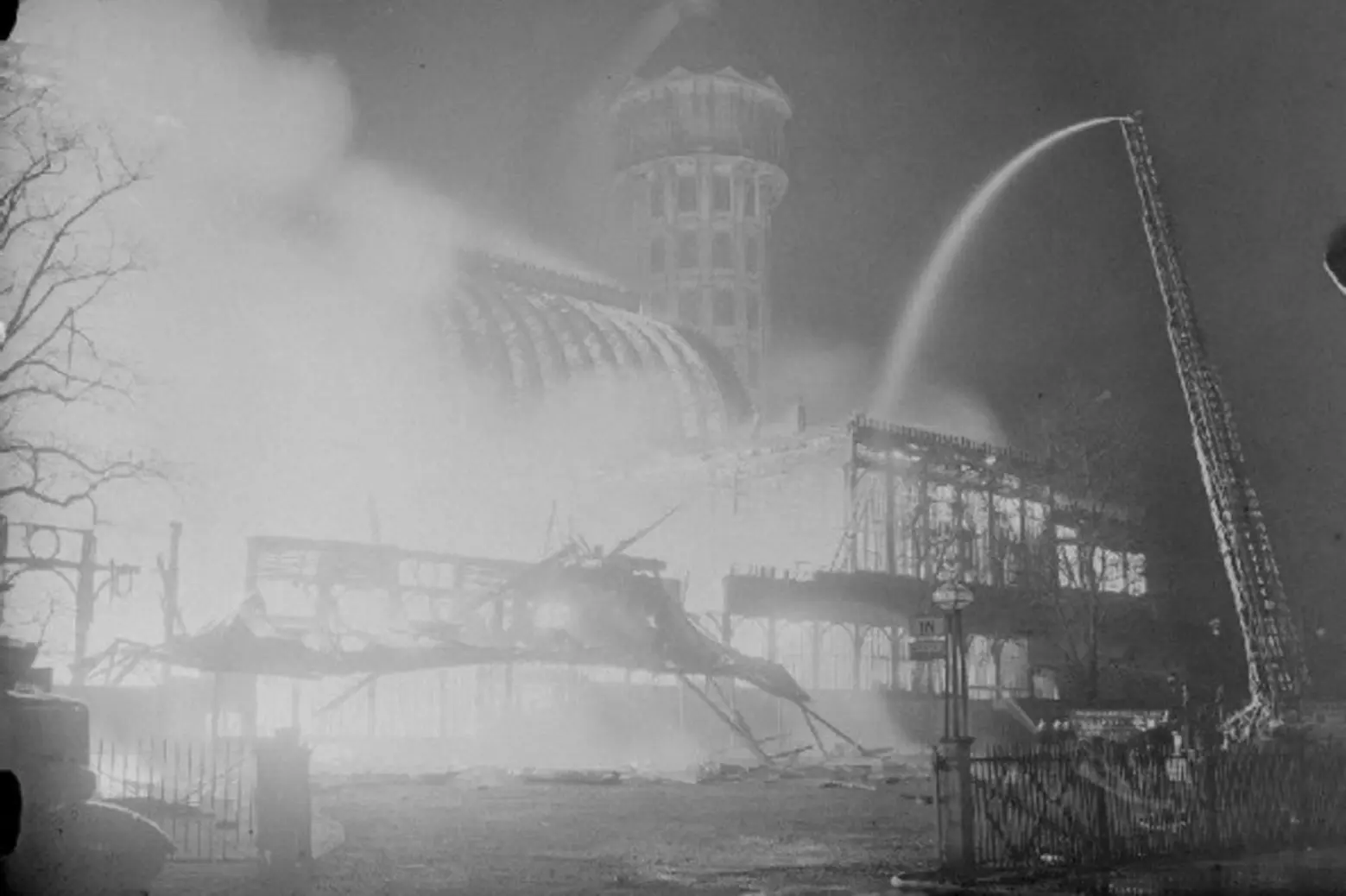
Though its physical form vanished, the Crystal Palace endures as one of Britain’s most influential architectural achievements. It inspired modern exhibition halls, early skyscraper designs, and even the aesthetics of contemporary glass-and-steel architecture. Its memory lives on in Crystal Palace Park, in museums, and in the very idea that architecture can be both technological and poetic.
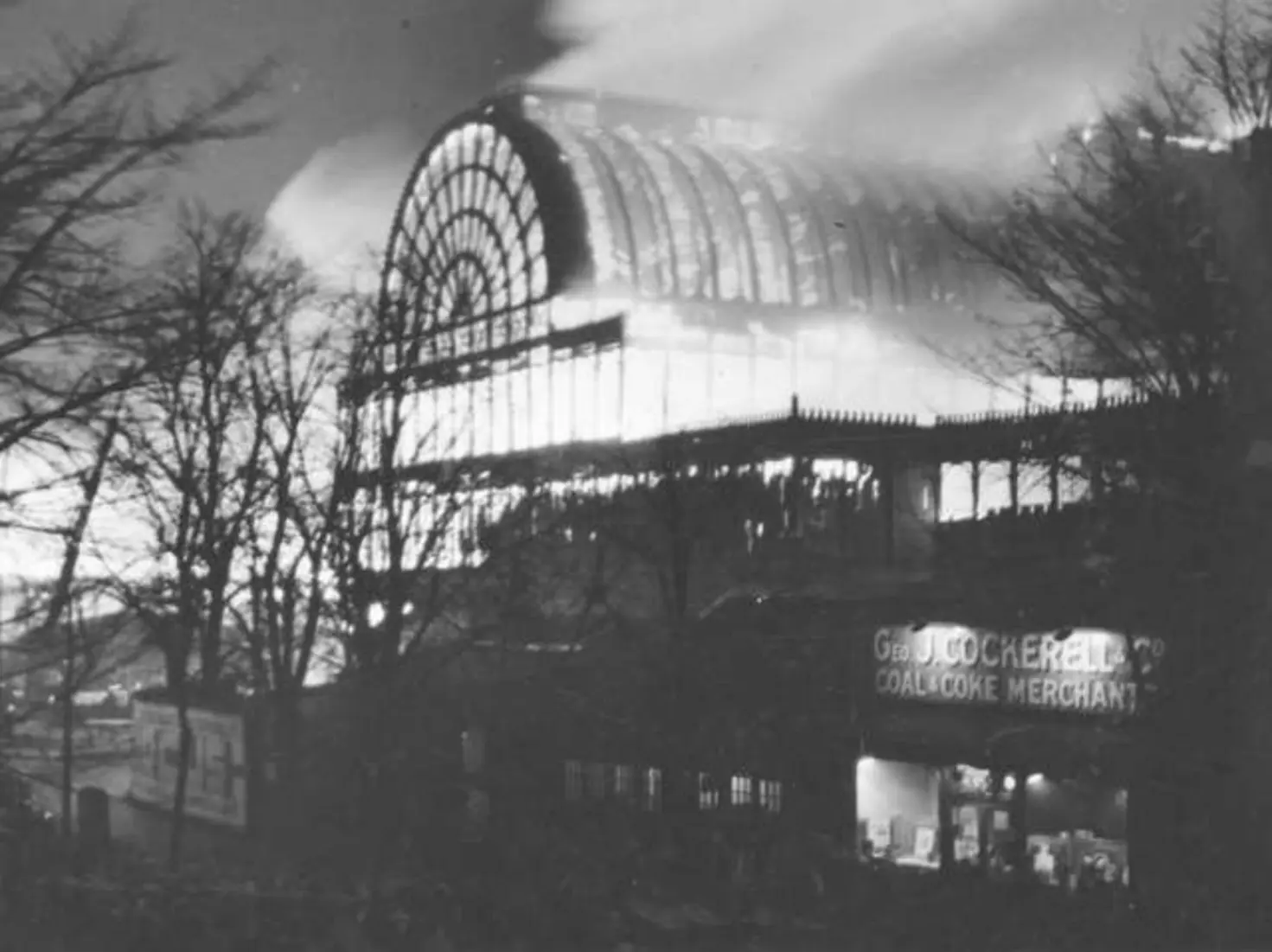
The fire of 30 November marked the end of the Victorian dream, but not its legacy. The Palace may have fallen, but its spirit continues to refract through the architecture of the modern world.