MENU
Close





In an age defined by speed, saturation, and fleeting cultural signals, Chanel has chosen an unexpectedly quiet form of influence: a library.
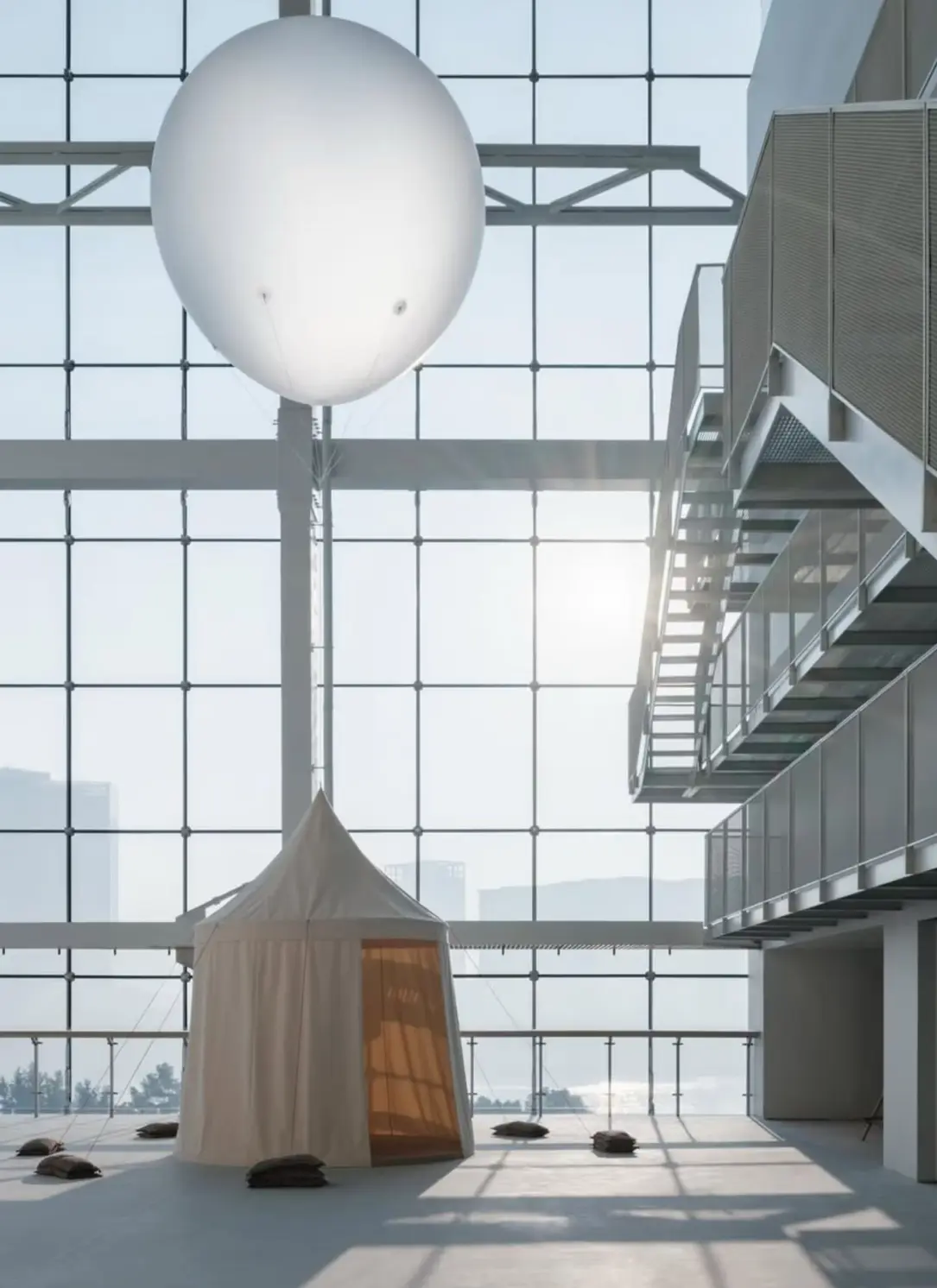
In an age defined by speed, saturation, and fleeting cultural signals, Chanel has chosen an unexpectedly quiet form of influence: a library.
November 24, 2025


Chanel’s involvement is far more than philanthropy. For years, the house has been quietly stitching together a global constellation of cultural partnerships: the N°5 Culture Fund nurturing new artistic voices, the Chanel Next Prize spotlighting innovators across disciplines, and long-standing collaborations with institutions like MoMA, Centre Pompidou, and the V&A. Chanel is investing in cultural permanence. Its strategy is slow, deliberate, and almost archival in spirit, anchored in the belief that creativity thrives where knowledge is accessible.
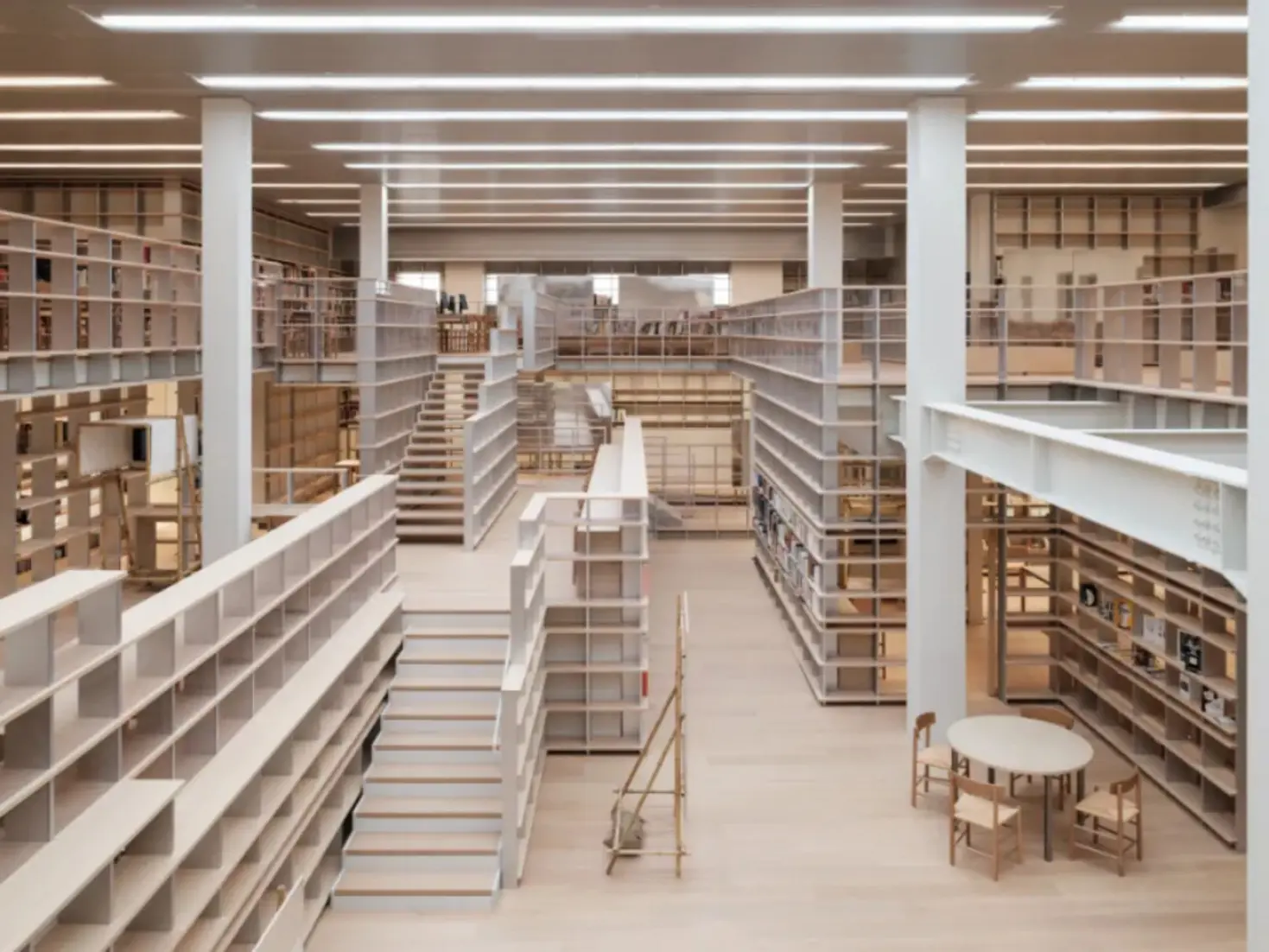
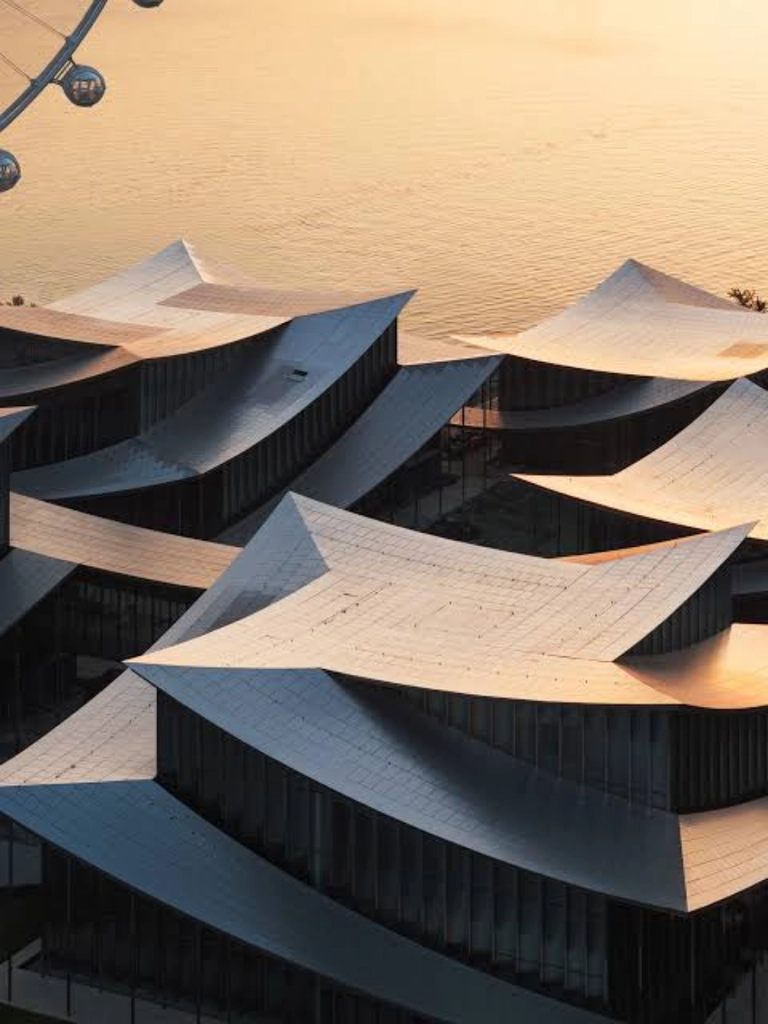
This latest move deepens Chanel’s relationship with China, one of its most dynamic cultural landscapes. Instead of leaning on spectacle or commercial programming, Chanel is supporting artists—both emerging and established—through a more enduring structure: intellectual infrastructure. That commitment takes shape in its new partnership with Shanghai’s Power Station of Art (PSA), China’s first state-run contemporary art museum, resulting in the establishment of a long-term contemporary art public library that is poised to become one of Asia’s most vital knowledge hubs.
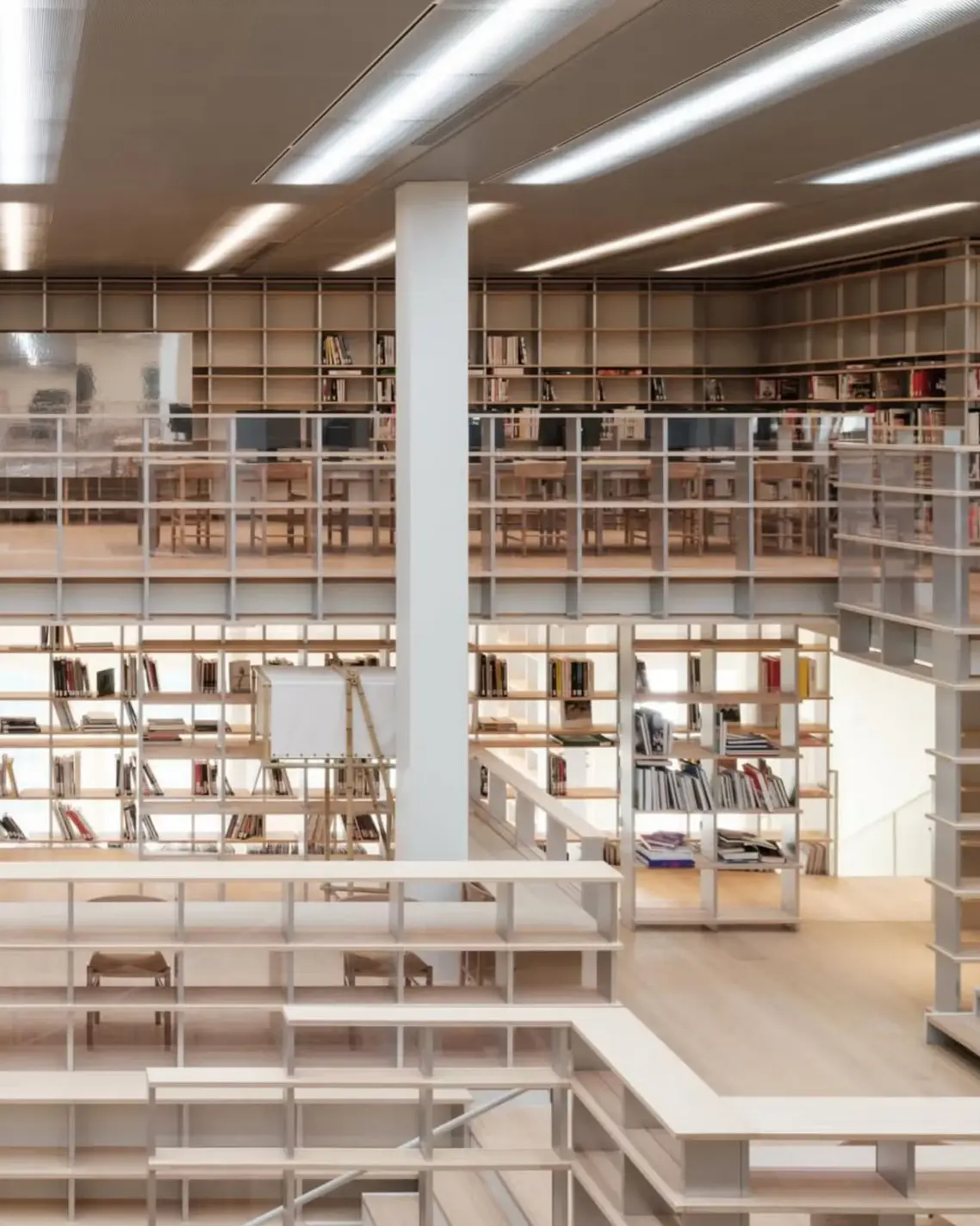
Inside this space, the PSA × Chanel library seeks to democratize access to contemporary art scholarship. Students searching for reference materials, young artists looking for inspiration, researchers tracing the evolution of new movements, and everyday museum visitors curious to understand the world around them will all share the same reading tables. The library begins with a foundational collection of contemporary art books and catalogues, and expands outward into a dedicated archive chronicling the evolution of Asian and Chinese contemporary art.
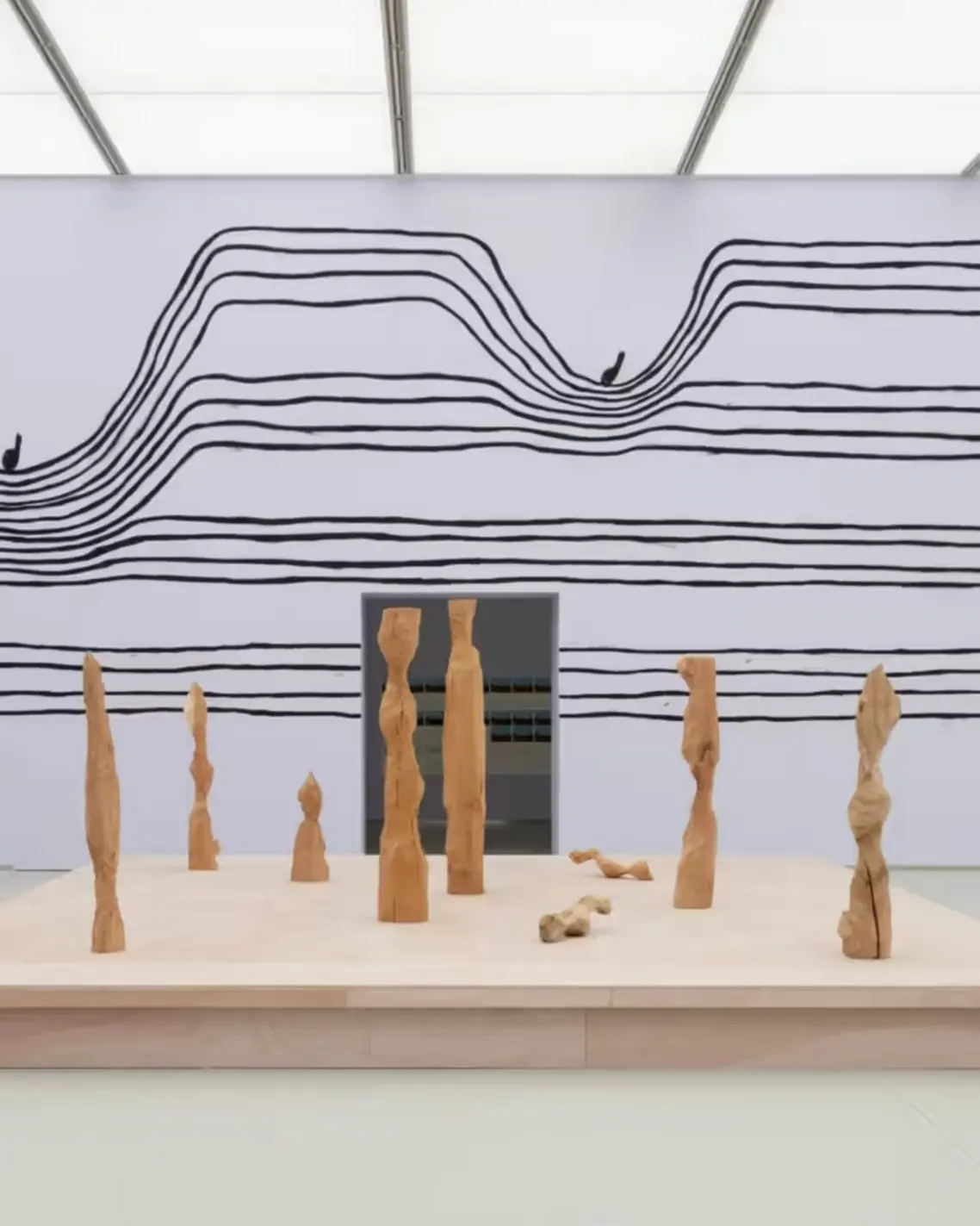
What makes the project truly groundbreaking is its orientation toward the public. This is not the kind of library tucked deep within a museum’s private research wing; it is conceived as a cultural commons. A place where knowledge circulates with the same ease as creativity. A place where anyone, not just scholars, can enter the global dialogue of contemporary art.