MENU
Close





Slowdancing to "Casablanca" (the song) before rewatching "Casablanca" (the movie).
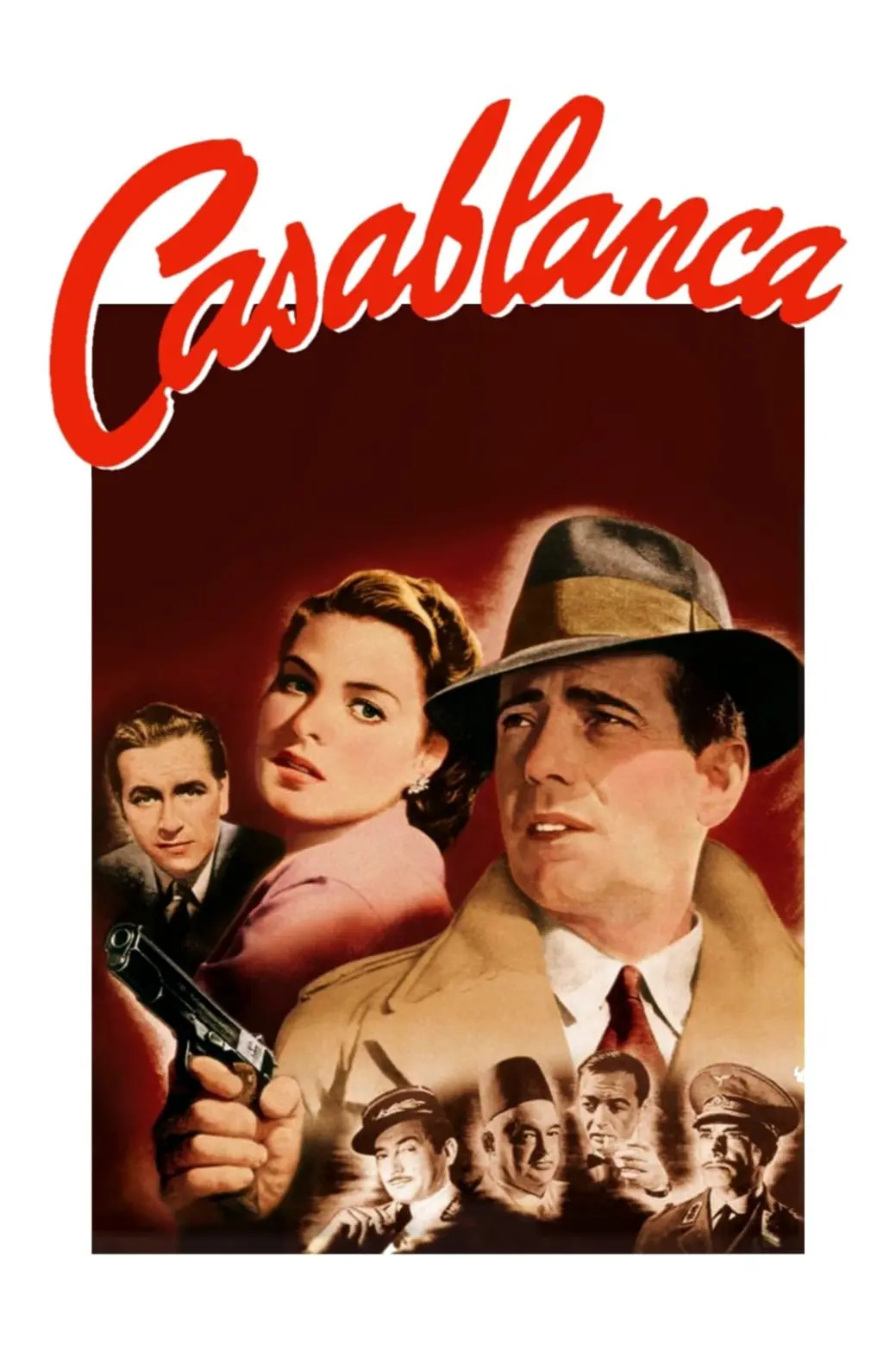
Slowdancing to "Casablanca" (the song) before rewatching "Casablanca" (the movie).
November 26, 2025


On November 26, 1942, an unassuming black-and-white film premiered in New York. No red-carpet frenzy. No grand declarations. Just a wartime release scheduled early because the Allies had landed in North Africa, and a movie set in Casablanca suddenly felt “timely.” No one knew they were watching the beginning of a legend.
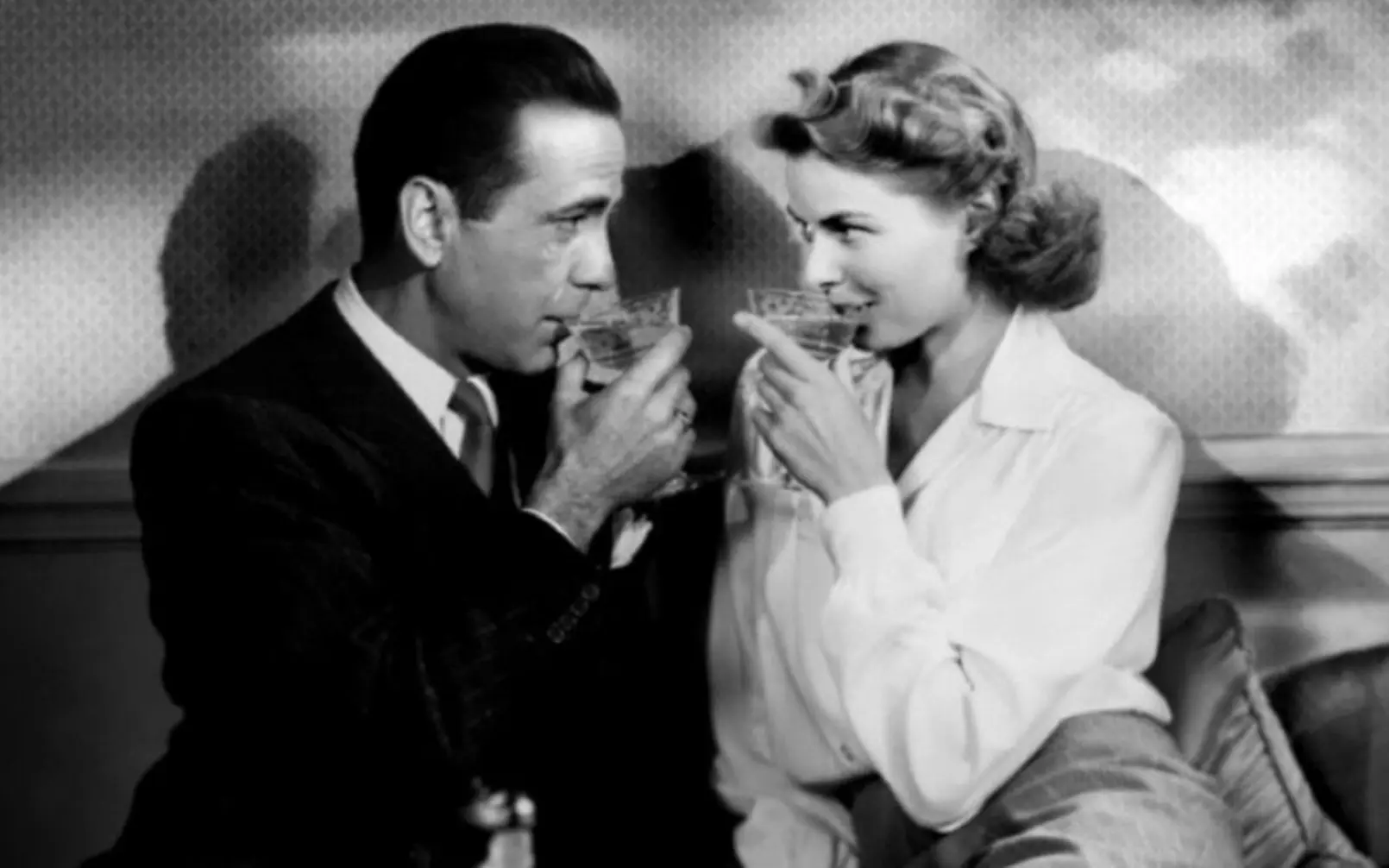
Set in the smoky, morally ambiguous world of Rick’s Café Américain, Casablanca follows Rick Blaine (Humphrey Bogart), a cynical American expatriate whose carefully constructed indifference shatters when his former lover Ilsa Lund (Ingrid Bergman) walks into his bar. Their reunion, set against the turbulence of World War II, political exiles, and desperate escapes, became a cultural touchstone for love, sacrifice, and choosing something greater than oneself.
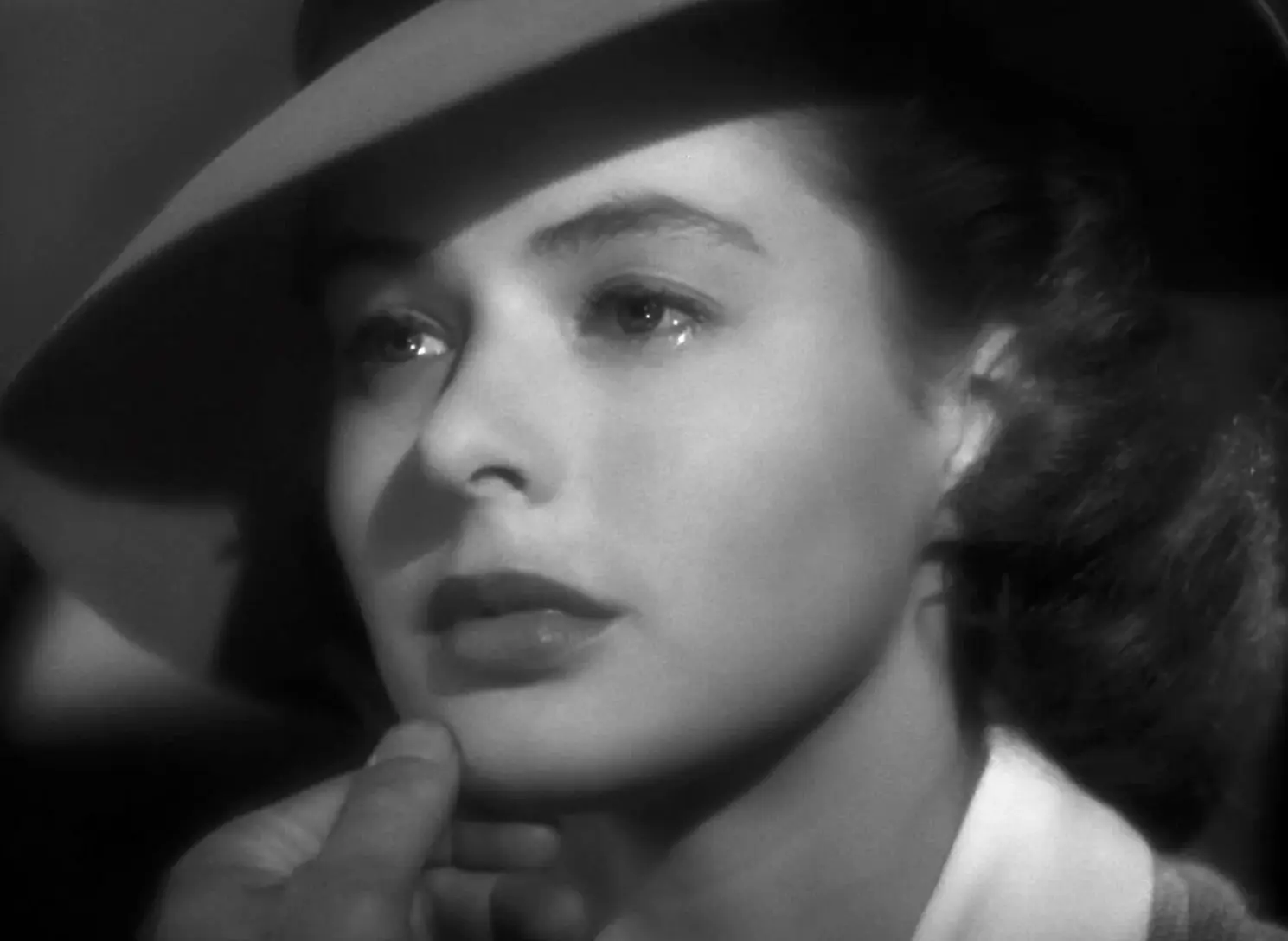
Its creation was famously chaotic. The script changed daily. The actors didn’t know how the story would end until the final week of shooting. The iconic line “Here’s looking at you, kid” was improvised by Bogart. And the movie’s anthem, “As Time Goes By,” almost disappeared entirely until Bergman — having already cut her hair for her next role, couldn’t reshoot the scene, forcing the song to stay.
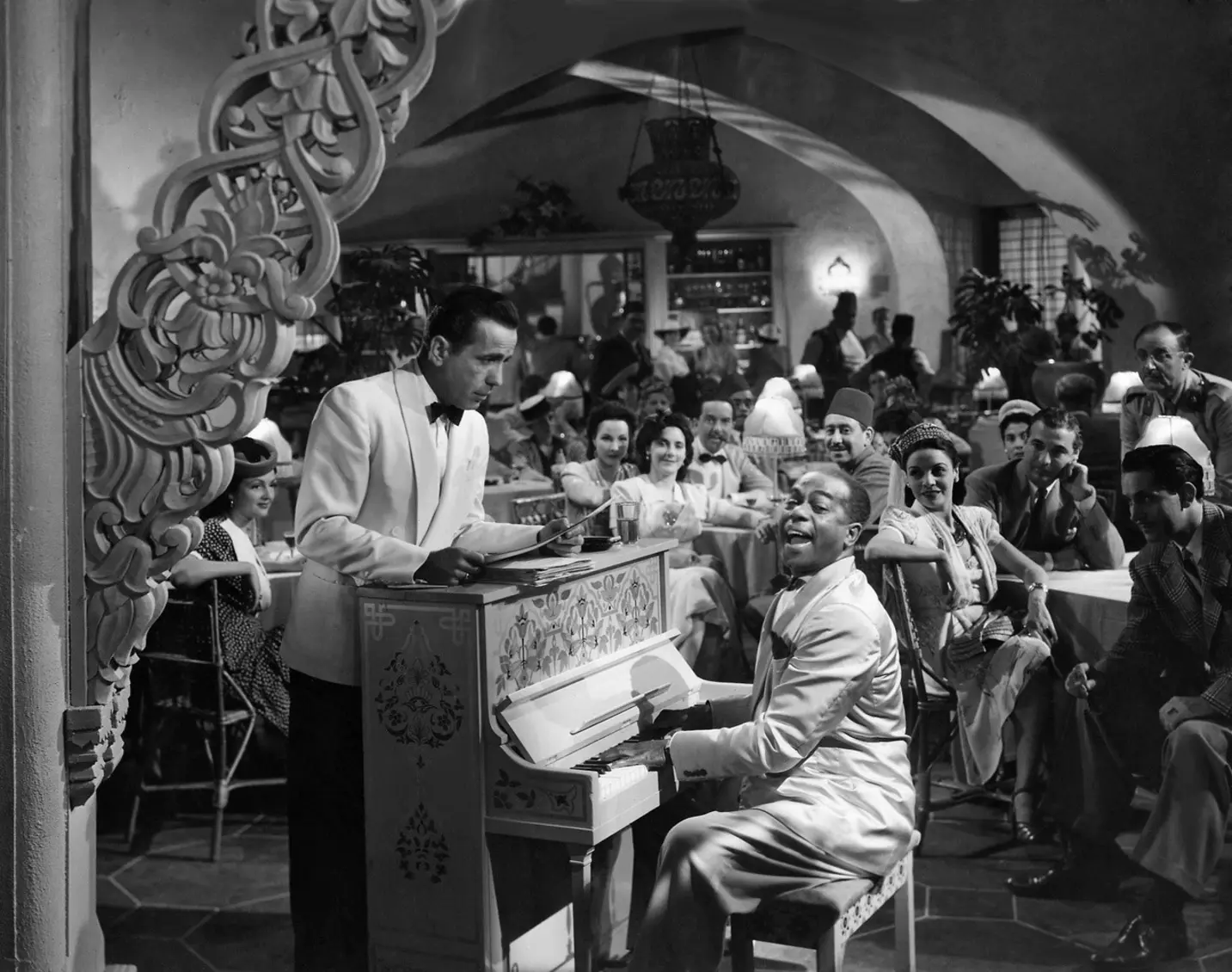
Casablanca went on to win three Oscars, including Best Picture, and became a global symbol of classic Hollywood storytelling. The film is now studied not only for its romance and dialogue, but also for its subtle political commentary, representation of refugees in wartime, and its anti-fascist stance long before such positions were culturally safe.
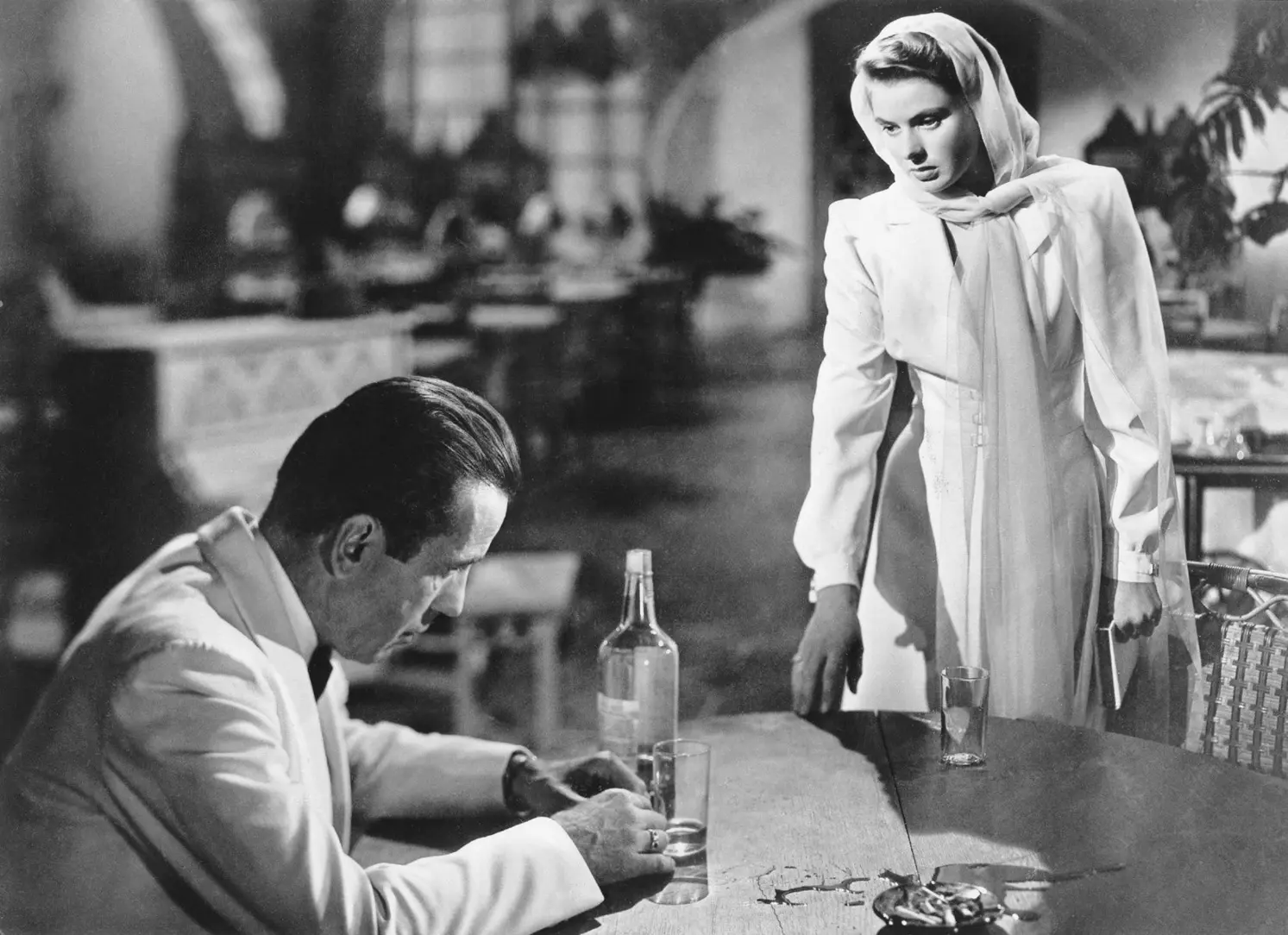
Its legacy is everywhere: It is one of the most quoted movies in history (“We’ll always have Paris,” “Play it, Sam,” “Round up the usual suspects”). Rick’s Café inspired countless real-life replicas, including a functioning restaurant in Morocco. The American Film Institute consistently ranks it among the top three greatest films ever made.
Eight decades later, Casablanca continues to resonate because it distills the human condition into one unforgettable truth: in moments of crisis, love becomes clarity. And sometimes the greatest acts of love require letting go.