Bvlgari Eclettica transforms Roman classicism into something luminous, sensual, and startlingly alive, proving once again why the house remains one of the defining names in modern high jewelry.
Bvlgari Eclettica Turns Roman Drama Into Celestial Light
Bvlgari Eclettica transforms Roman classicism into something luminous, sensual, and startlingly alive, proving once again why the house remains one of the defining names in modern high jewelry.
June 4, 2026


Bvlgari has always understood that high jewellery works best when it arrives with theatre, and at the 2026 Oscars the house found exactly the right stage. The 98th Academy Awards took place on March 15, 2026, and before the full Eclettica presentation in Milan later in March, Bvlgari used Hollywood’s most watched red carpet to introduce the collection in full view of a global audience. What might have been a straightforward celebrity placement became something more deliberate: a soft-launch with maximum visibility, and a reminder that Bvlgari still knows how to turn a public appearance into an event.
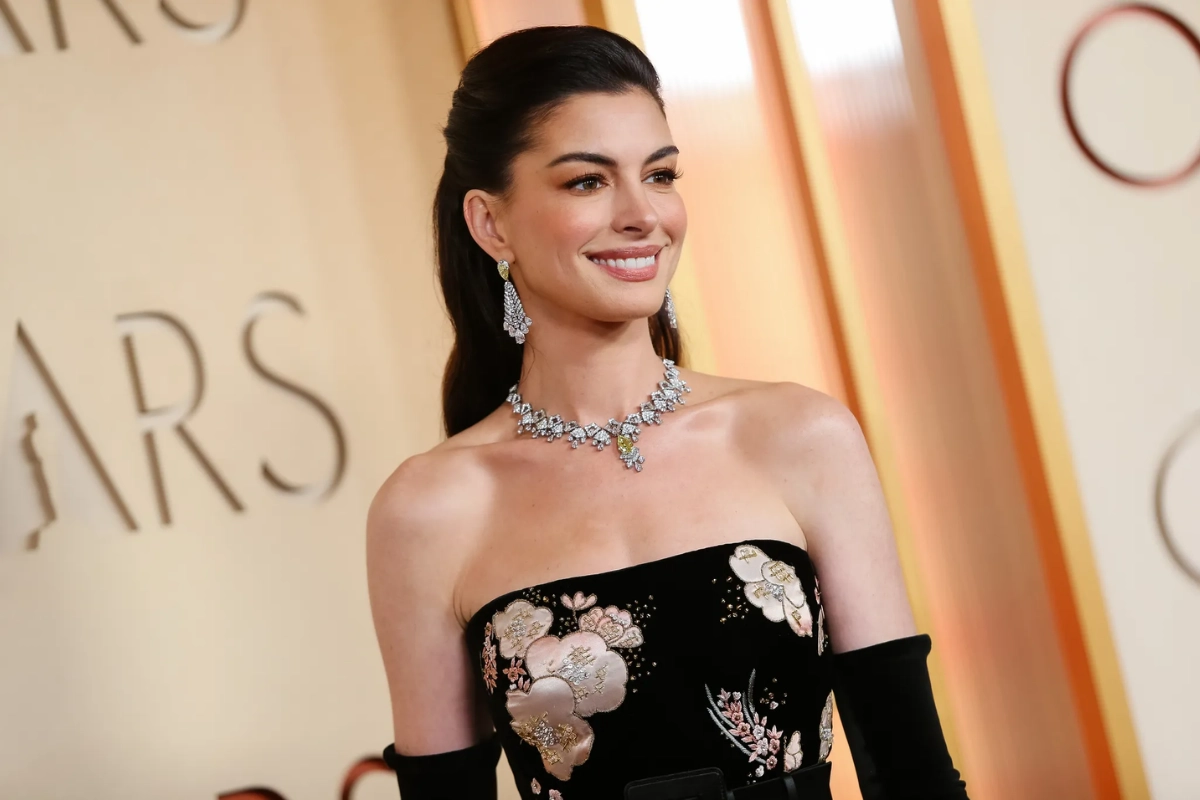
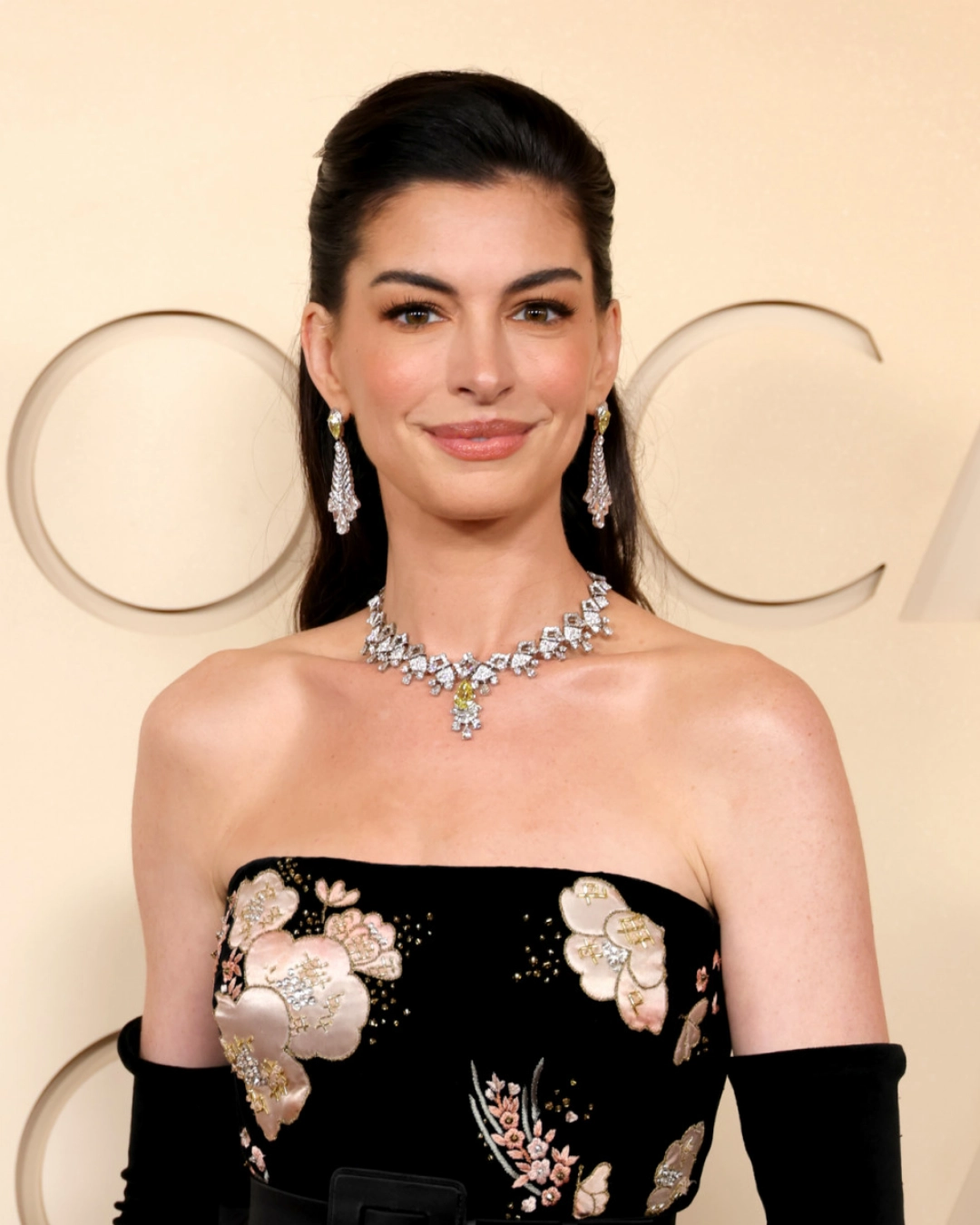
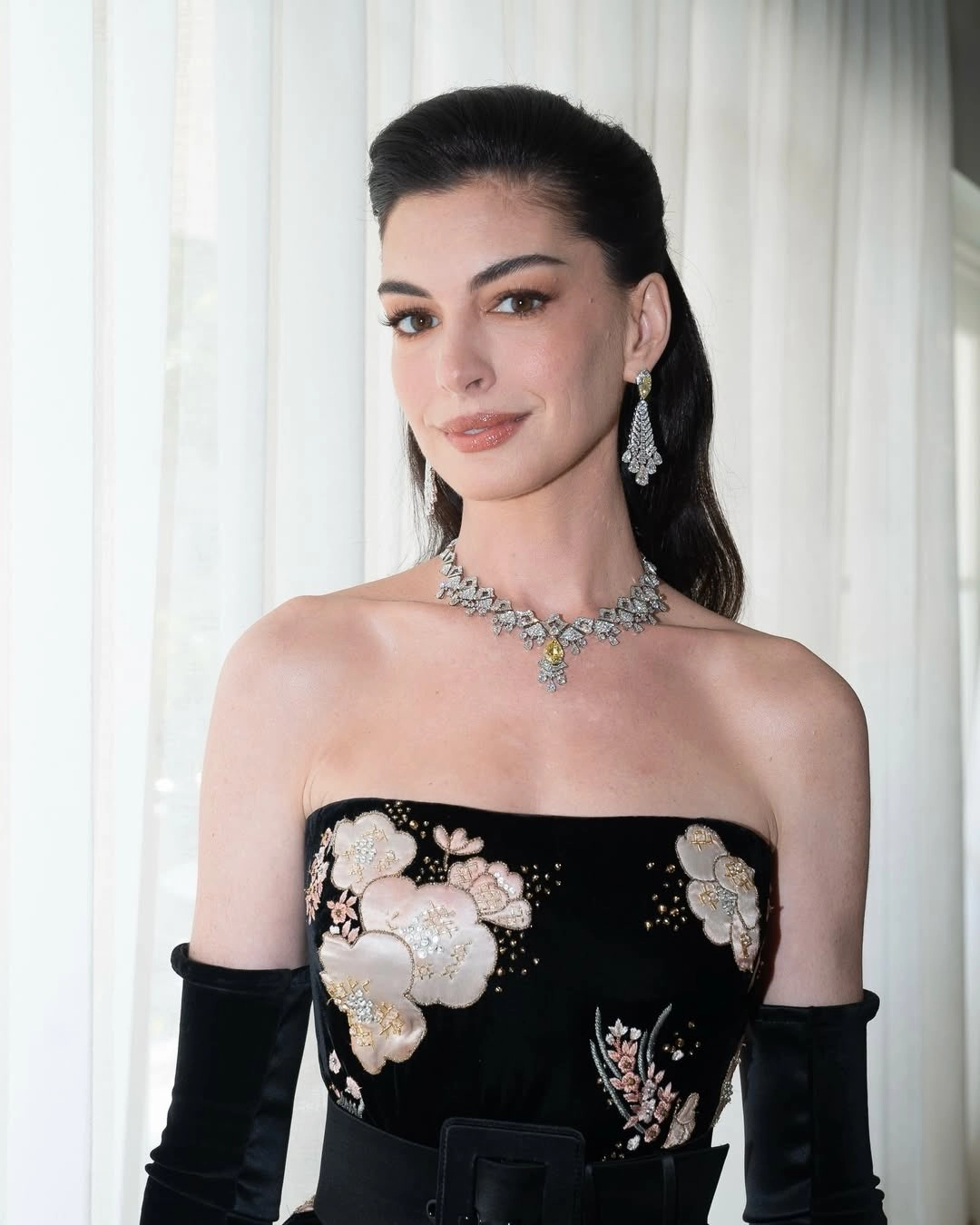
Anne Hathaway carried one side of that message. At the Oscars, she wore the Neoclassical Starlight high-jewellery necklace, a piece that took more than 850 hours to complete and centred on an 8.02-carat pear-cut Fancy Vivid Yellow diamond. Reports around the piece linked its mood to the sculptural clarity of Antonio Canova, and that influence showed in the necklace’s disciplined balance and architectural grace. Bvlgari did not use diamonds here simply to create brilliance. It used them to create order, proportion and a kind of composed radiance that felt closer to sculpture than ornament. The over-35-carat composition reads like a suspended constellation, giving Eclettica its most refined expression of celestial light.
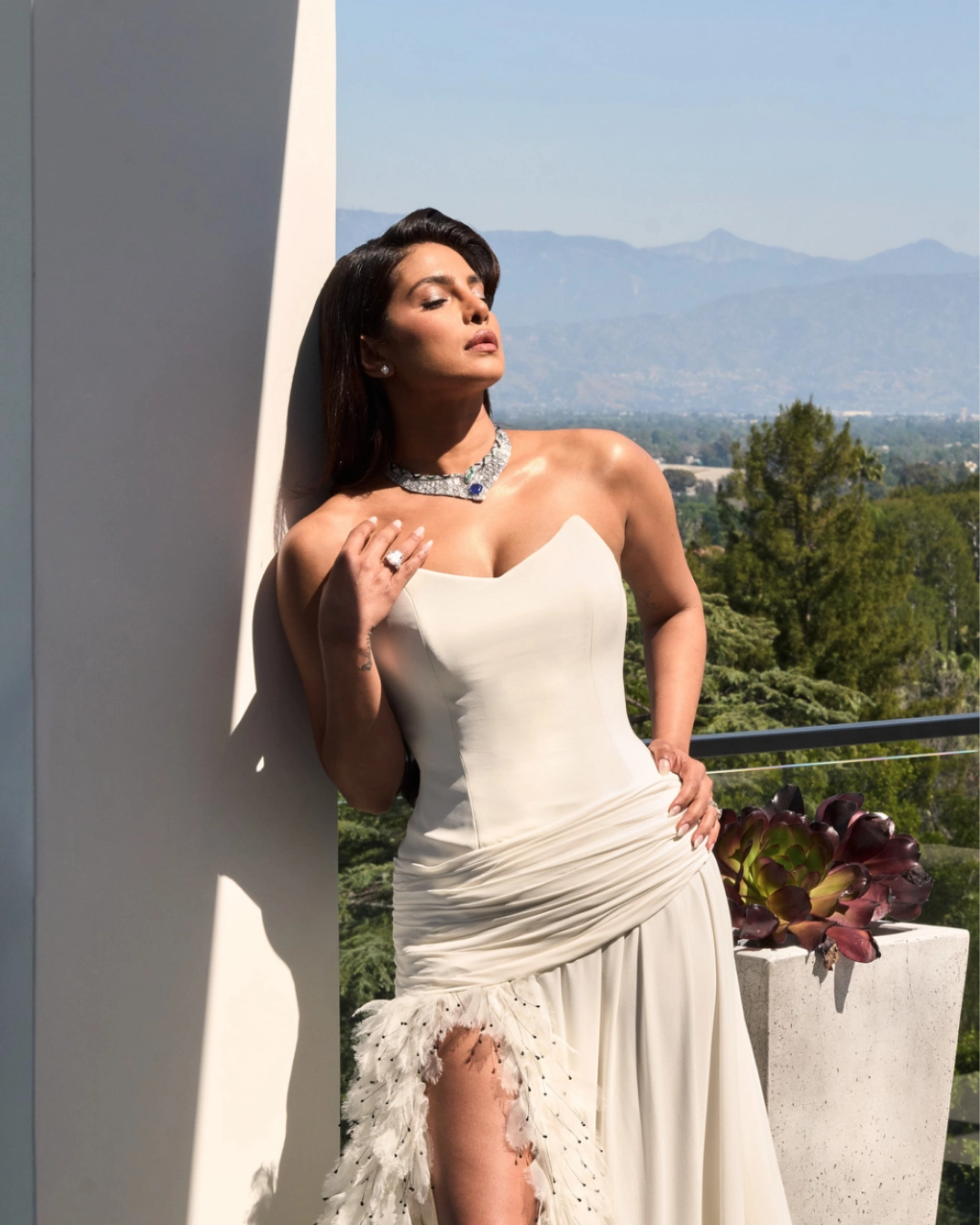
Priyanka Chopra Jonas revealed the collection’s other, sharper side. Her Serpenti Illusio necklace turned the red carpet into a study in illusion, built around a 14.01-carat antique cushion-cut Madagascar sapphire and set with pavé diamonds, buff-top emeralds and onyx. The piece took more than 1,300 hours to make and was assembled from 235 elements, designed so that the Serpenti motif emerged gradually rather than announcing itself at first glance. That was a more interesting luxury proposition. Bvlgari did not rely on size alone. It relied on tension: abstraction against sensuality, geometry against movement, secrecy against spectacle.

Seen through the Oscars lens, Eclettica came across less as a conventional collection launch than as a demonstration of Bvlgari’s wider strength as a fine jewelry brand. The red carpet allowed the maison to show two sides of its identity at once: Roman classicism in Hathaway’s necklace, and Serpenti reinvention in Chopra Jonas’s. One expressed symmetry and poise; the other expressed motion and visual intrigue. Together, they made a persuasive case for Bvlgari’s ability to move between heritage and modernity without flattening either one.

That is what made Bvlgari Eclettica feel so effective at the Oscars. The collection did not merely appear on the carpet; it used the carpet as a narrative device. In a setting crowded with beautiful gowns and familiar diamonds, Bvlgari offered something more memorable: jewellery with a point of view. Roman memory, sculptural precision and celestial light were all there, yet nothing felt static. The house turned a showcase into a statement, and in doing so gave Eclettica the kind of entrance modern high jewellery rarely achieves.