MENU
Close





Barbara Hepworth was born on 10 January, 1903 in the coastal town of Wakefield. The spirit of Yorkshire sea winds blew life into stone, carved by the diligent hands of music-lover Barbara Hepworth.
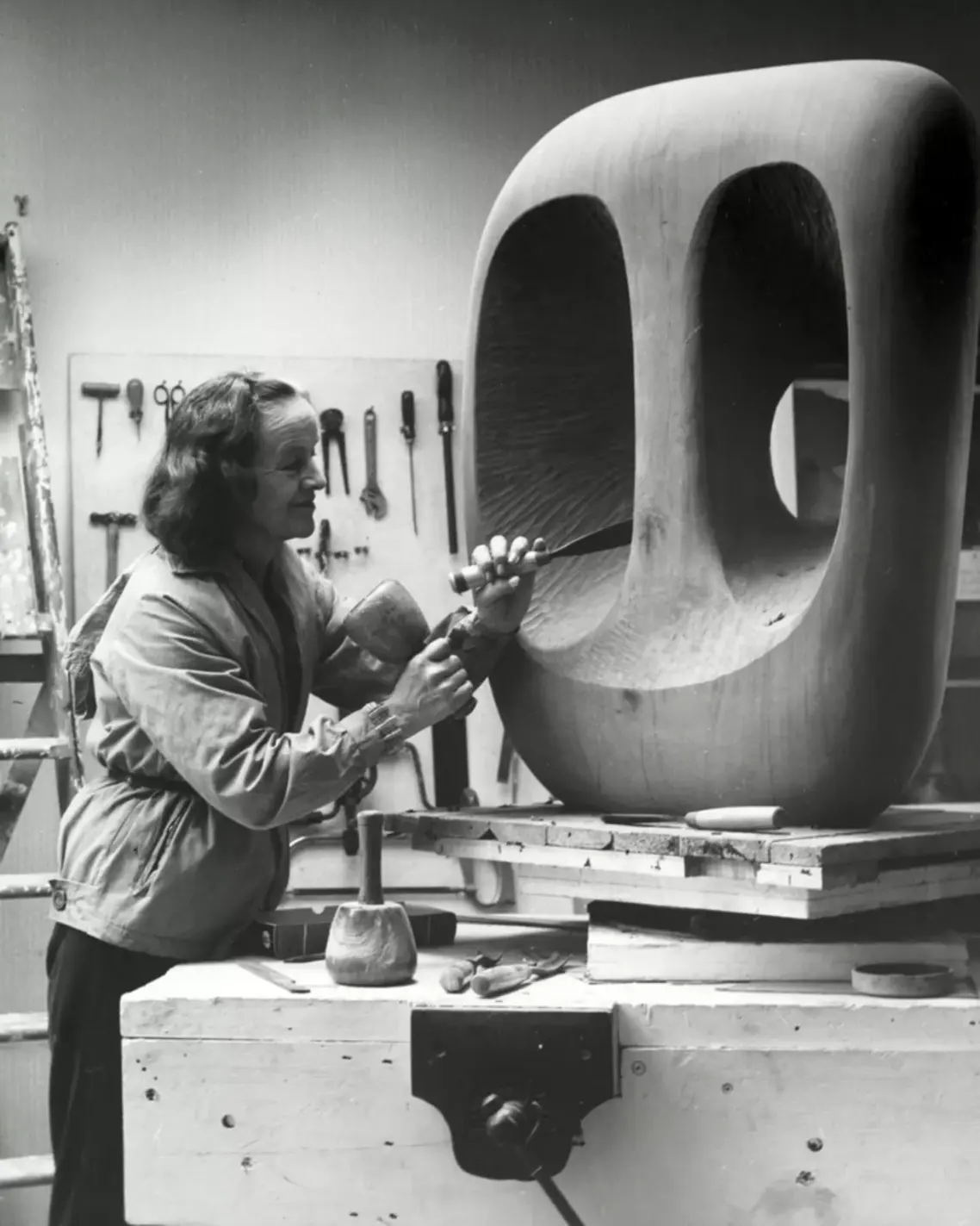
Barbara Hepworth was born on 10 January, 1903 in the coastal town of Wakefield. The spirit of Yorkshire sea winds blew life into stone, carved by the diligent hands of music-lover Barbara Hepworth.
January 10, 2026


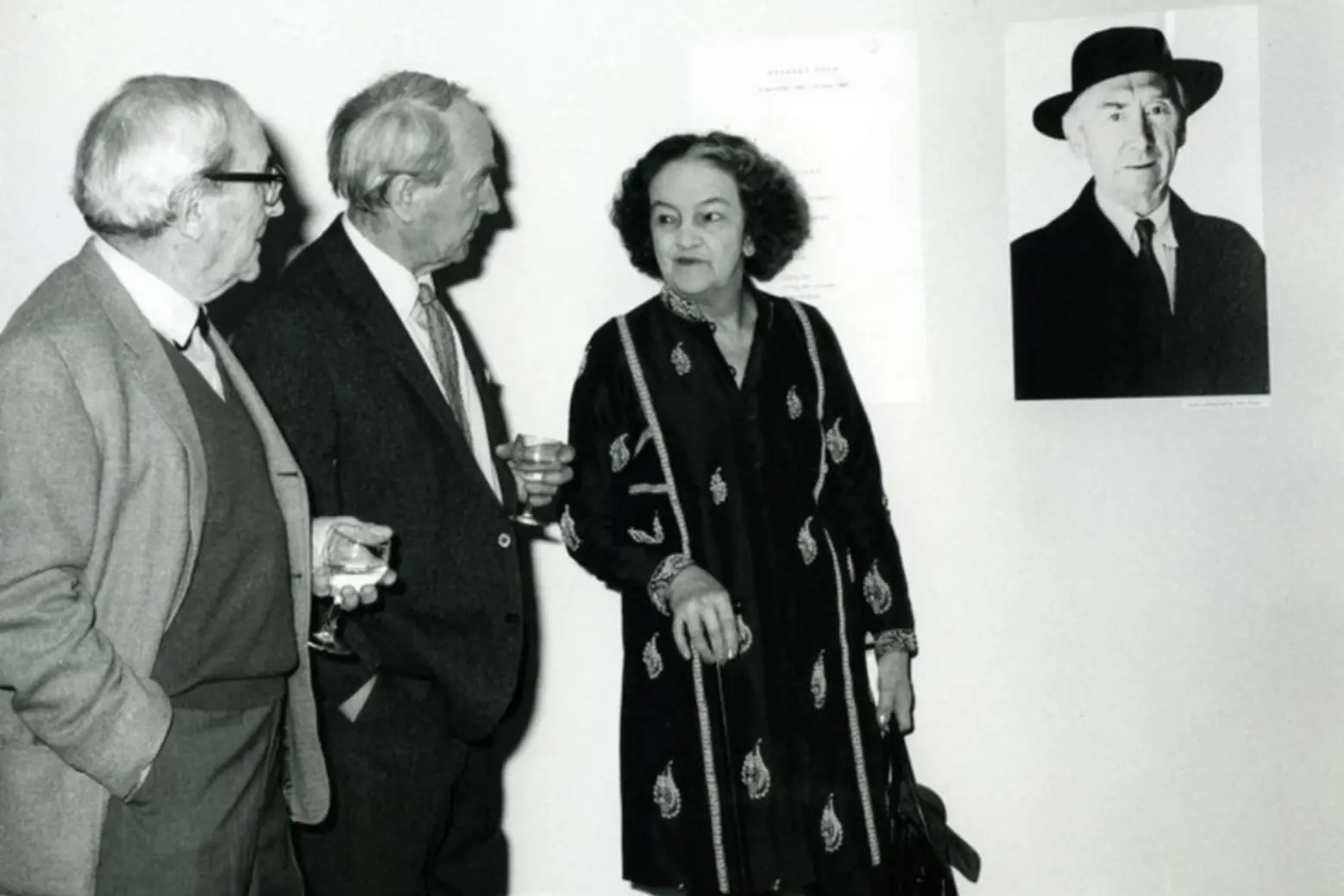
Her story begins with a delightful contradiction: as a child she won music prizes at age 12, then grew into an artist whose work often feels like silent song, tuned by tension, curve, and pause. After studying at Leeds School of Art, she met Henry Moore, the fellow Yorkshire sculptor who became a lifelong peer and sparring partner in spirit.
Hepworth’s signature language sits inside Modernism, yet it stays tender. She championed direct carving, treating stone and wood as collaborators rather than raw material. “I have always preferred direct carving,” she wrote, drawn to the immediacy of hand against substance. She also obsessed over the ovoid, seeing endless possibility in a pierced shape, where an opening turns mass into rhythm and space becomes a second material.
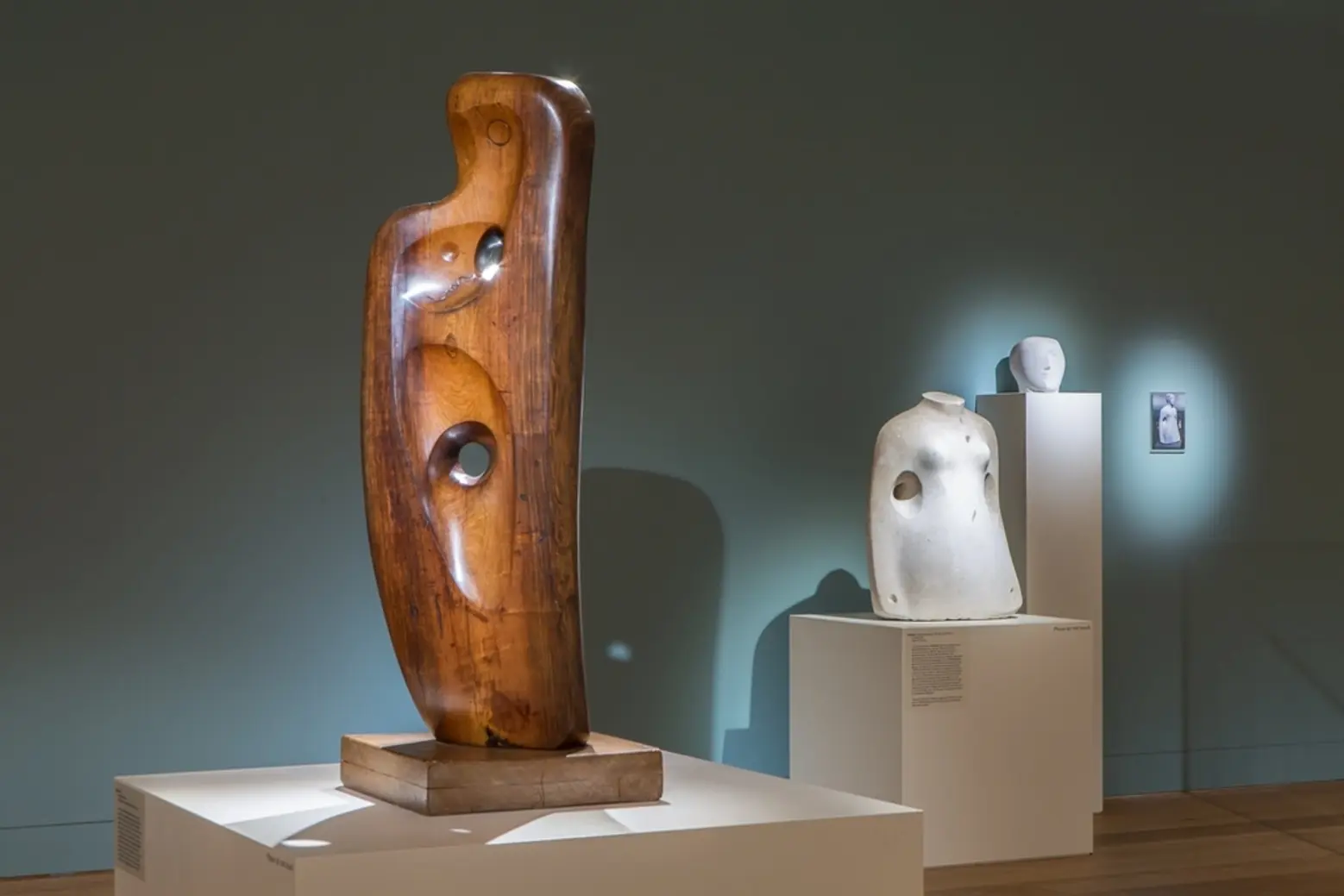
Her move to St Ives in Cornwall in 1939 seeded a new sculptural geography: sea wind, granite edges, and the horizon’s clean authority. Today her former studio lives on as the Barbara Hepworth Museum and Sculpture Garden, an unusually intimate way to meet a giant of 20th century art.
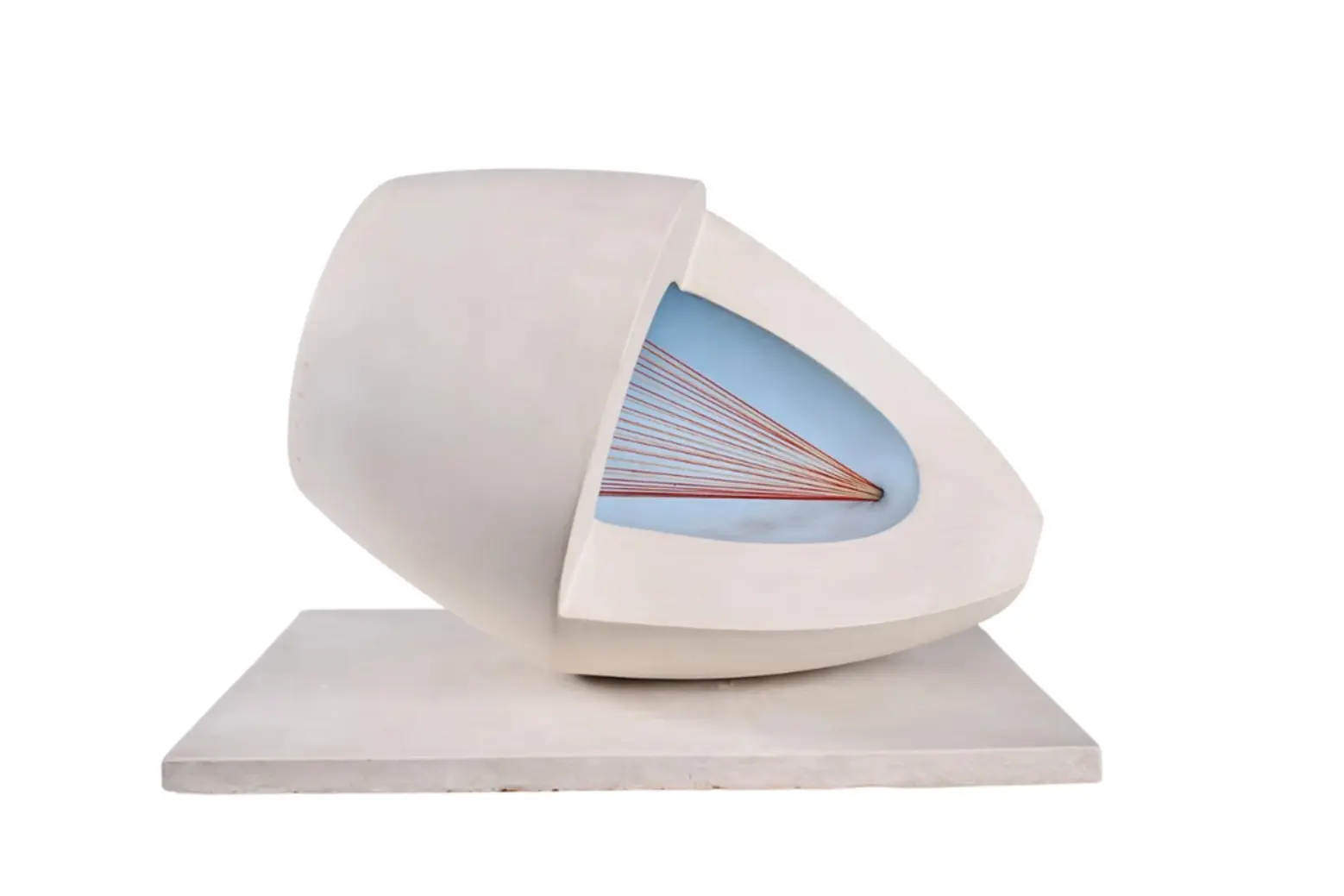
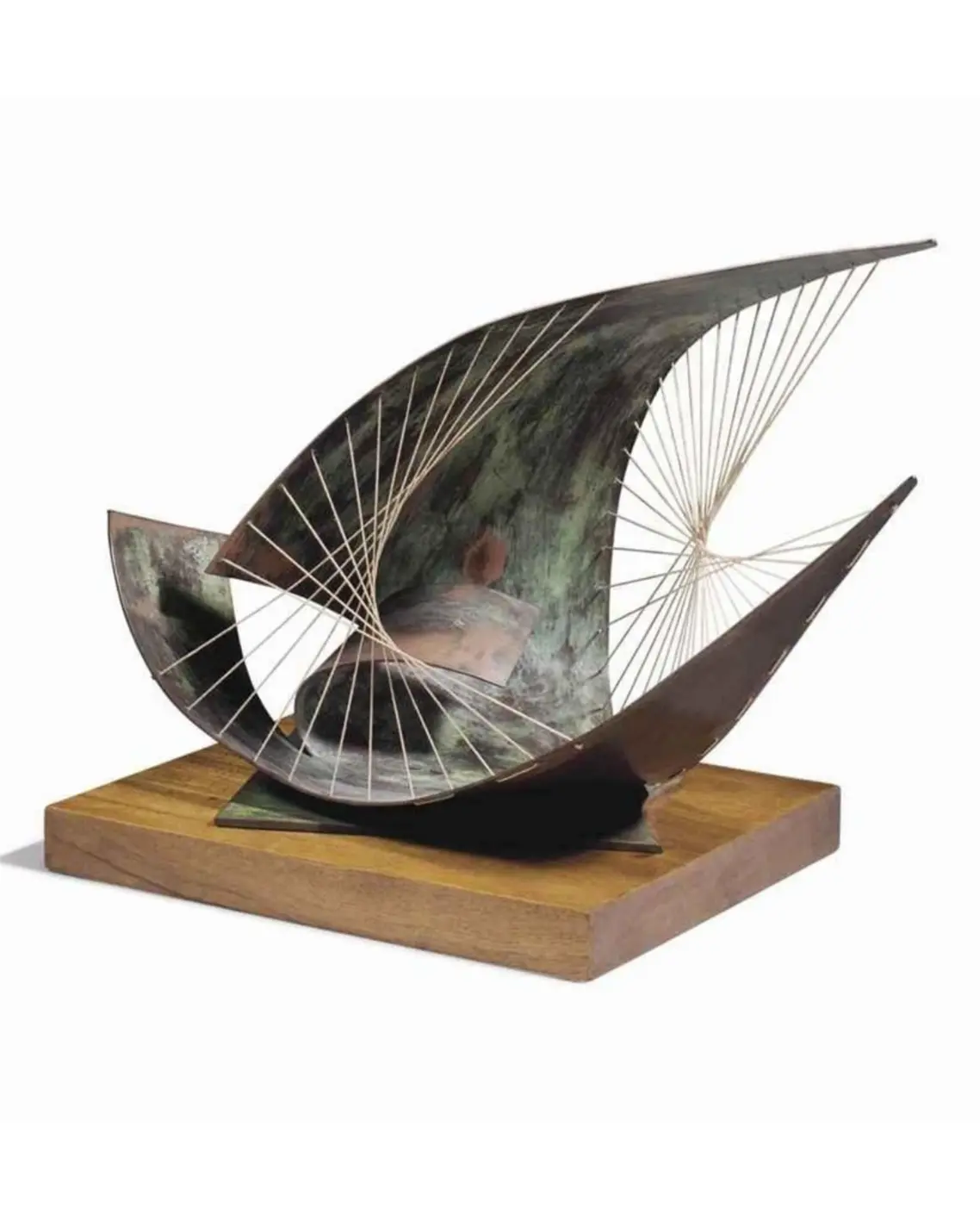
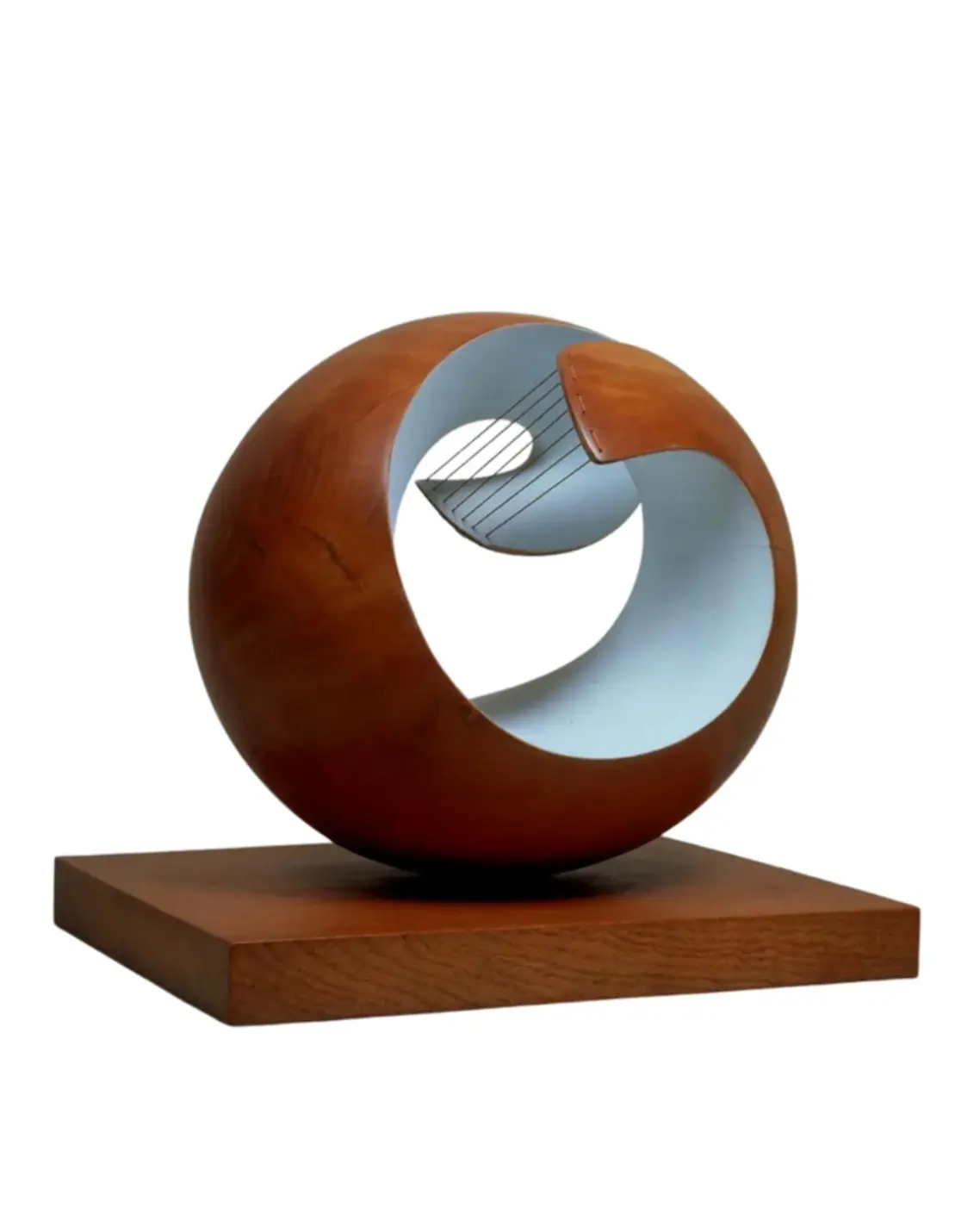
For a birthday toast, begin with Pelagos (1946): a carved, wave like spiral of wood, its interior washed with color and strung with taut lines, like a boat’s rigging caught mid breath. Then jump to Sculpture with Colour (Oval Form) Pale Blue and Red (1943), a rare wartime carving that recently became headline material again, saved for public display after a major fundraising effort.
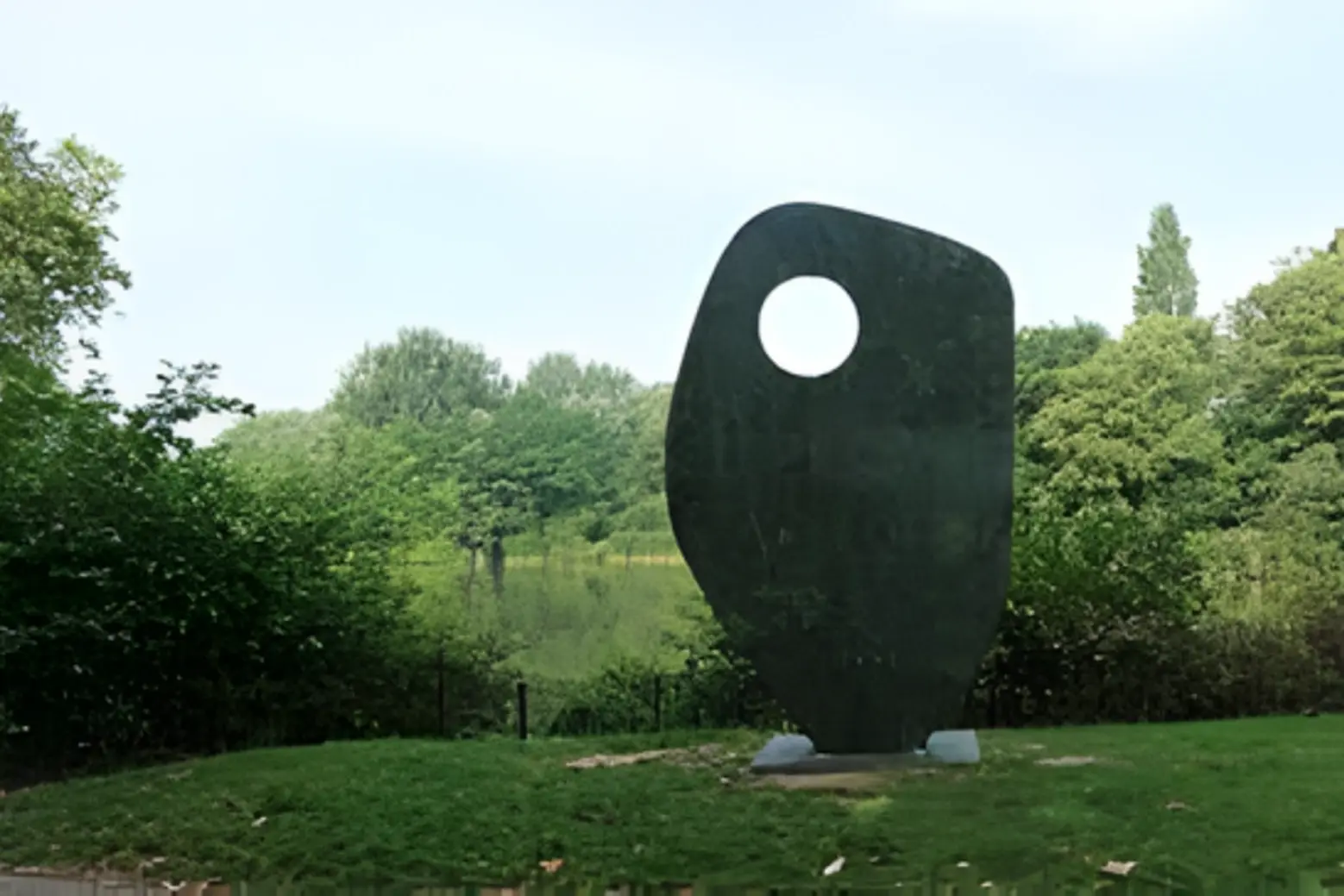
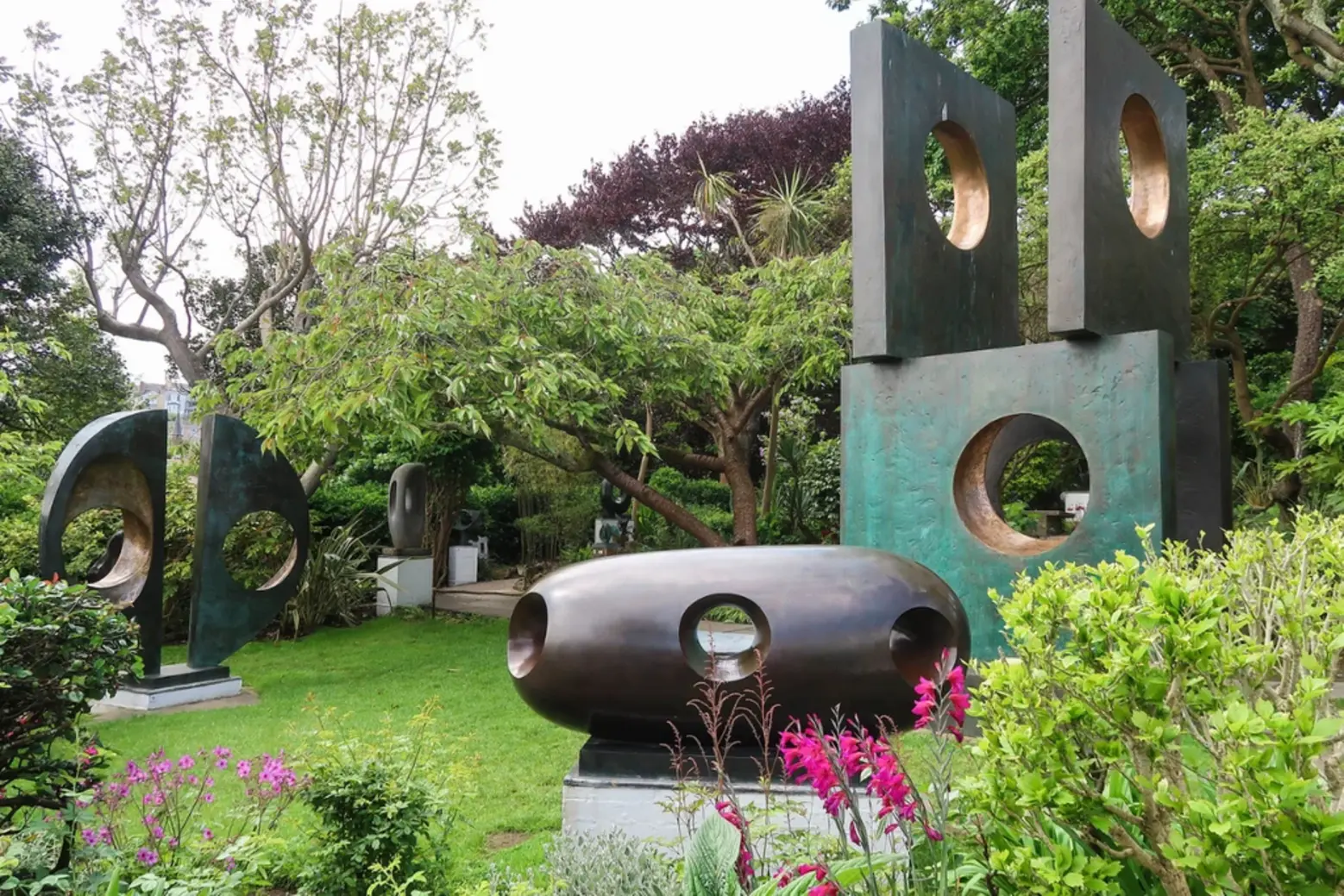

Then comes the monumental tenderness of Single Form (Memorial) (1961–62), a standing bronze pierced near the top, created in memory of UN Secretary General Dag Hammarskjöld. It holds grief with a clean, upright calm, as if a single shape could become a public prayer.
In 1965, Barbara Hepworth became a Dame and served as a Tate trustee, pushing modern sculpture further into the centre of cultural life.