December 8, 1864 marks the birthday of Camille Claudel, one of the most gifted and emotionally powerful sculptors of the nineteenth century.
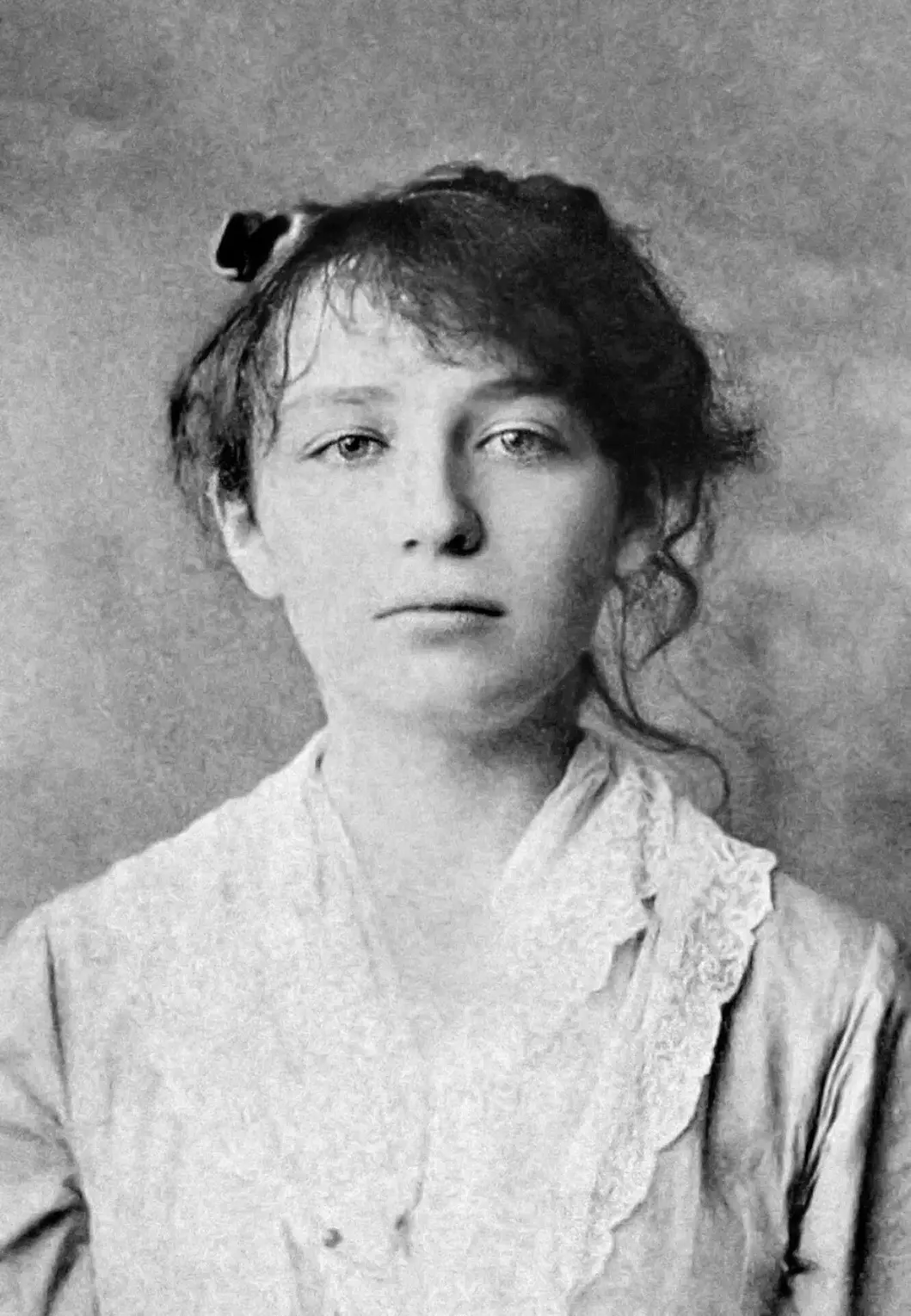
December 8, 1864 marks the birthday of Camille Claudel, one of the most gifted and emotionally powerful sculptors of the nineteenth century.
December 8, 2025


Claudel's life unfolded with brilliance, heartbreak, and fierce artistic conviction, leaving a legacy that continues to move audiences around the world. Claudel’s story is one of extraordinary talent and tragic injustice. In her lifetime, her genius was overshadowed, her work was often claimed by others, and her voice was silenced. Yet history has reclaimed her, restoring her rightful place as a master of modern sculpture.
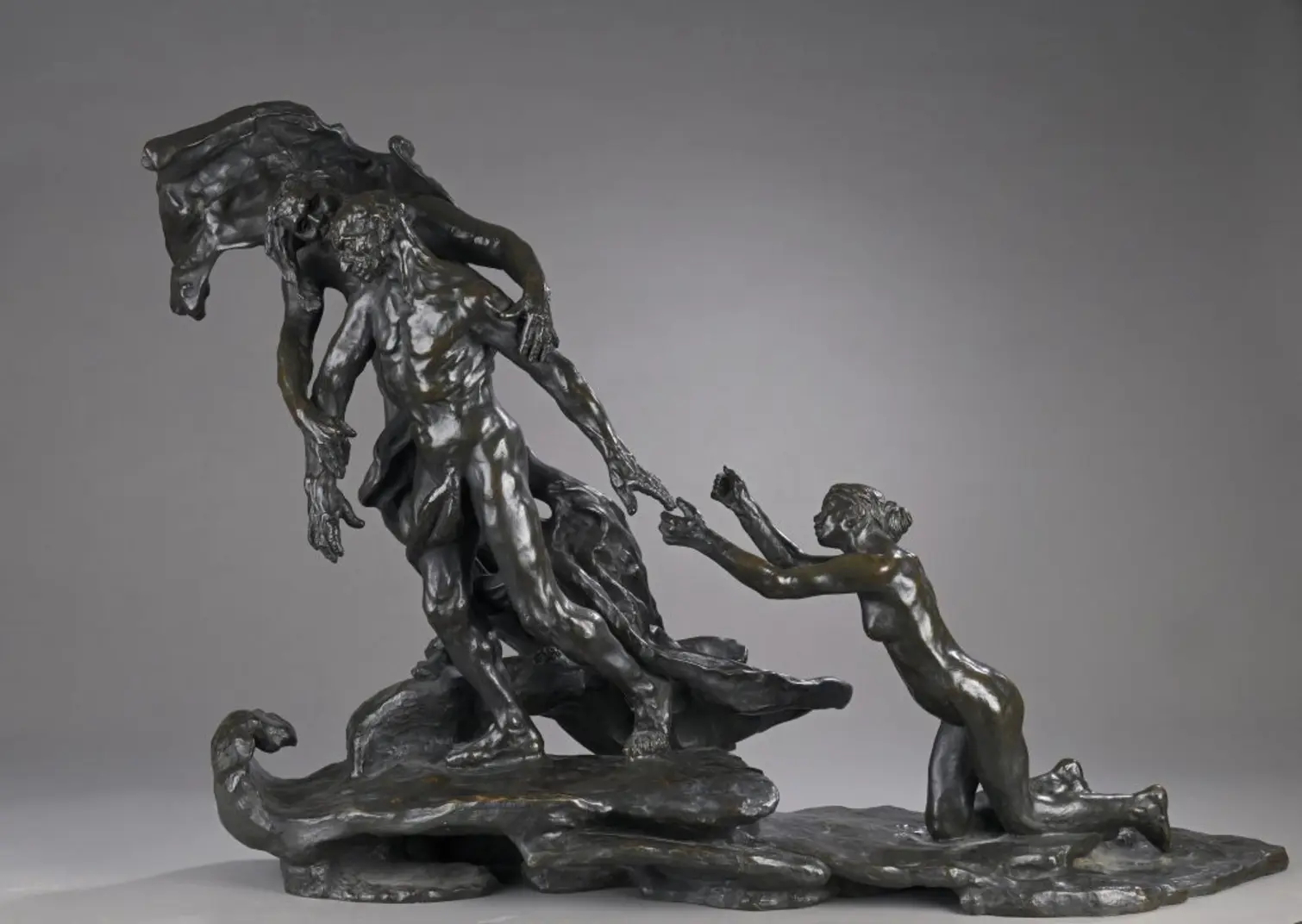
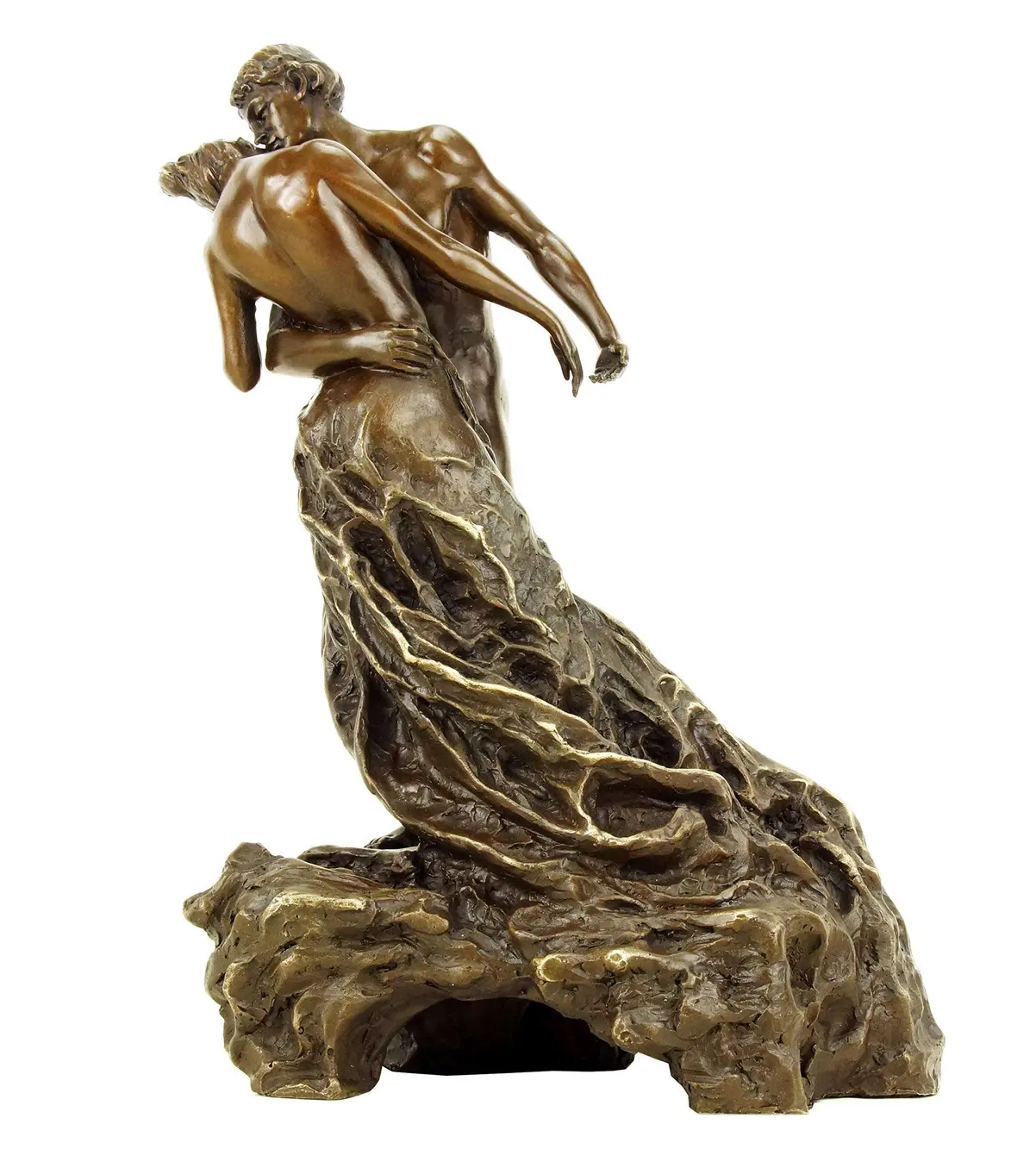
Claudel demonstrated remarkable skill at an early age. Her sculptures captured movement, sensuality, and psychological depth with a sensitivity that few artists could match. When she entered the studio of Auguste Rodin, she quickly became both his collaborator and creative equal. Many works long attributed to Rodin are now understood to have significant contributions from Claudel, whose technical refinement and emotional insight shaped key pieces. She created independent masterpieces as well, including The Waltz and The Mature Age, sculptures that radiate passion, conflict, and vulnerability.
Despite her talent, Claudel faced immense obstacles. As a woman in a male dominated art world, she battled constant prejudice. Worse, her artistic identity became entangled with Rodin’s fame. Some of her ideas were absorbed into his practice, and critics at the time struggled to see her as an independent force. Her later years were clouded by isolation and emotional turmoil. After the death of her father, the one person who supported her unconditionally, she was committed to an asylum by her family. She remained there for thirty years until her death, separated from the studio and the creative world that had defined her life.
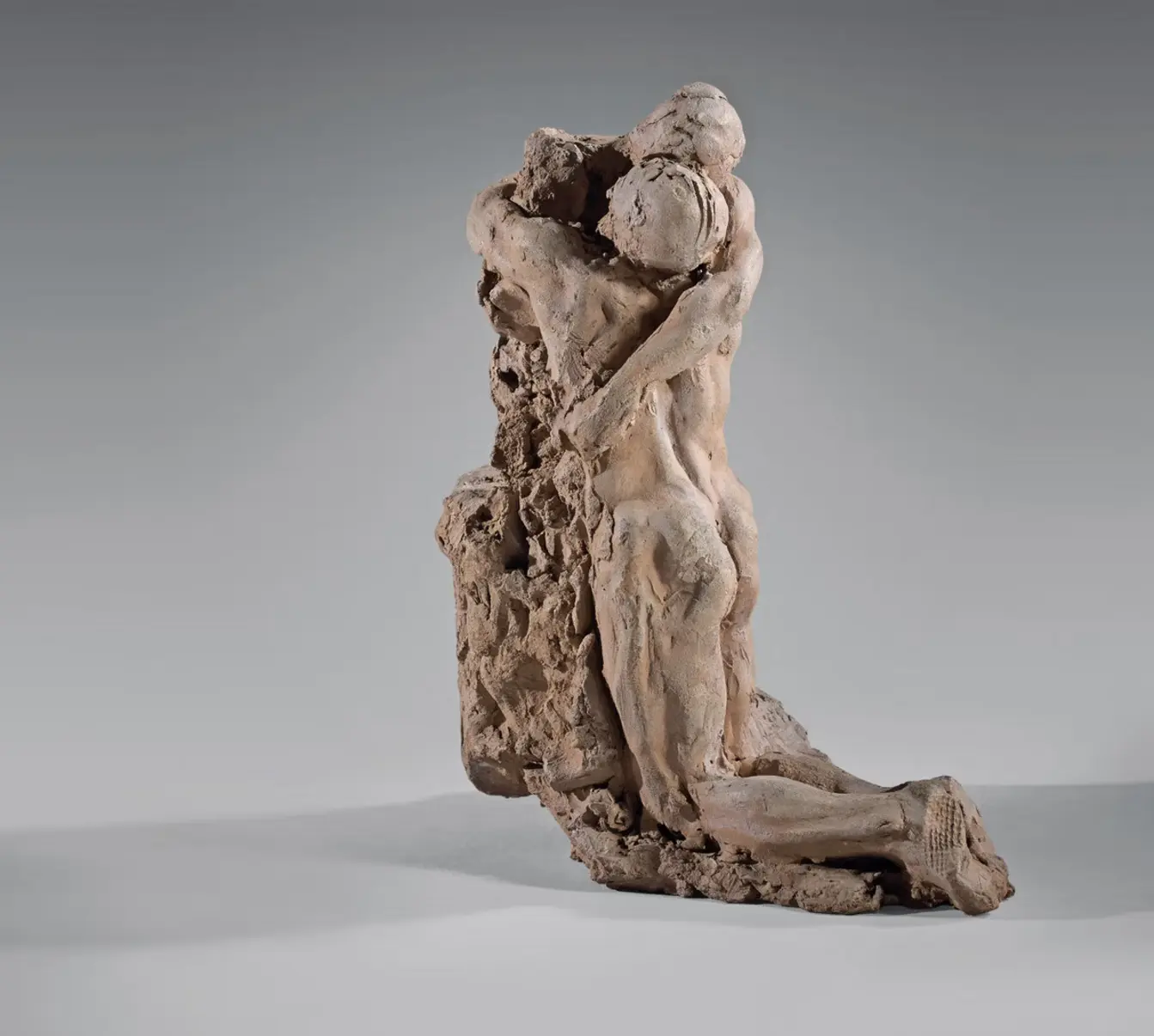
Yet her legacy endures with remarkable strength. Claudel’s sculptures remain some of the most expressive works of their era, celebrated for their emotional precision and daring realism. Museums now devote entire spaces to her art. Scholars continue to reexamine her role in shaping modern sculpture. Her life has inspired films, novels, operas, and exhibitions that honor both her genius and her struggle.

As we celebrate her birthday, we remember Camille Claudel not only as a sculptor of rare brilliance but as a woman whose spirit could not be erased. Her work speaks with a clarity that time cannot diminish. Through every curve of marble and bronze, she asserts her presence and her power, a legacy reclaimed at last.